Просмотр новости
Найдите то, что Вас интересует
 Спутники
 РН
РН SpaceX
 Роскосмос
 NASA
NASA
СпутникиРНSpaceXРоскосмосNASABackground Artificial Intelligence (AI) is transforming aquaculture through data-driven production management, environmental monitoring, and intelligent decision support. Despite growing scholarly interest, current knowledge remains fragmented across disciplines and application domains, limiting a comprehensive understanding of the field’s scientific evolution. This study provides an integrated assessment of the development, intellectual structure, and future trajectory of Artificial Intelligence in Aquaculture over the last two decades. Methods A bibliometric and science-mapping approach was applied to 98 Scopus-indexed publications (2005–2025). Bibliometric performance analysis was combined with logistic growth modelling, co-authorship, co-citation, and keyword co-occurrence analyses to examine research maturity, collaboration structures, intellectual foundations, and conceptual evolution. Results Scientific production has expanded rapidly and is approaching a phase of consolidation, while collaboration networks have become increasingly interconnected across countries and institutions. Research activity is concentrated within a limited number of influential contributors, with Asia emerging as the principal centre of scientific production. The field has evolved from methodological exploration towards an integrated digital ecosystem that combines artificial intelligence with environmental monitoring, automation, and sustainable aquaculture management. Building on these findings, this study proposes a co-evolutionary framework, demonstrating that scientific advancement is driven by the interaction between collaboration networks, intellectual consolidation, and conceptual transformation rather than publication growth alone. Future progress is expected to depend on trustworthy AI, interoperable digital infrastructures, and multidisciplinary collaboration capable of supporting resilient and sustainable smart aquaculture.
Aquaculture has become the fastest-growing food production sector worldwide and now plays a pivotal role in ensuring food security, improving nutritional quality, and supporting sustainable economic development (Fiorella et al., 2021; Parrao et al., 2021). As the global population is projected to exceed nine billion by 2050, demand for aquatic protein is expected to increase by approximately 50%, making improvements in aquaculture productivity an increasingly urgent priority (Mohd and Mushtaq, 2025). According to The State of World Fisheries and Aquaculture (SOFIA) 2024, global fisheries and aquaculture production reached 223.2 million tonnes in 2022, of which aquaculture contributed 130.9 million tonnes, valued at approximately USD 312.8 billion (FAO, 2024). For the first time, farmed aquatic animal production (94.4 million tonnes) exceeded capture fisheries production (91.0 million tonnes), supplying more than half of the world’s aquatic food consumption (FAO, 2020). This milestone highlights that the principal challenge facing modern aquaculture is no longer merely increasing production volume, but ensuring that future growth is efficient, environmentally sustainable, and resilient to multiple environmental pressures.
The expansion of production capacity has been accompanied by increasing management complexity. Aquaculture intensification has heightened the risks of disease outbreaks, environmental degradation, inefficient feed utilisation, antimicrobial resistance, and vulnerability to climate change (Gundi et al., 2025; Karimanzira, 2025; Matkarimov et al., 2025). At the same time, modern aquaculture systems continuously generate vast volumes of heterogeneous data, including water quality parameters, underwater imagery, sensor measurements, behavioural observations, and genomic information (Yang, Tan, et al., 2025a; Ojewole et al., 2026). Consequently, aquaculture has evolved into a highly data-intensive system that is increasingly difficult to manage using conventional approaches (Medrano et al., 2024; Ratan et al., 2026). This transformation has accelerated the transition towards data-driven aquaculture, a management paradigm in which real-time data analytics support more adaptive, precise, and sustainable decision-making.
This transition has been further accelerated by the convergence of digital technologies, including Artificial Intelligence (AI), the Internet of Things (IoT), machine learning, deep learning, computer vision, robotics, cloud computing, edge computing, and digital twins (Chen et al., 2025; Ratan et al., 2026). The integration of these technologies enables automated water quality monitoring, early disease detection, biomass estimation, feed optimisation, and real-time control of aquaculture systems (Huang and Khabusi, 2025; Chandran et al., 2025). More recent developments, including foundation models, multimodal AI, large language models, and explainable artificial intelligence (XAI), have further expanded the role of AI from a predictive tool into a comprehensive digital infrastructure supporting the entire aquaculture production cycle (Fini et al., 2025; Yang, Feng, et al., 2025b; Liu et al., 2026). This evolution reflects a broader transition from precision aquaculture towards AI-driven smart aquaculture, in which decision-making increasingly relies on integrated data ecosystems, intelligent analytics, and autonomous system management.
Despite the rapid advancement of AI-based innovations in aquaculture, the scientific foundations underpinning the evolution of this field remain insufficiently understood. The volume of publications continues to expand across diverse research domains, including water quality monitoring, disease diagnosis, feed optimisation, and environmental sustainability management (Tina et al., 2025; Aung, Abdul Razak and Rahiman Bin Md Nor, 2025; Yang, Feng, et al., 2025b). Recent research has increasingly focused on hybrid AI models, multimodal systems, and digital twins that integrate multiple technologies to support adaptive and precision decision-making in aquaculture systems (Ratan et al., 2026). However, the rapid diversification of research has also produced an increasingly fragmented knowledge landscape, leaving patterns of scientific collaboration, intellectual foundations, and conceptual development insufficiently mapped. Consequently, AI in aquaculture is still predominantly viewed as a collection of technological innovations rather than as a scientific discipline evolving through collaborative networks, interdisciplinary knowledge integration, and paradigm shifts (Huang and Khabusi, 2025). This imbalance suggests that technological innovation has outpaced systematic understanding of the mechanisms underlying knowledge creation and scientific evolution within the field.
From the perspectives of Science of Science and Knowledge Evolution Theory, the development of a scientific discipline is a dynamic process shaped by the interaction of scientific collaboration, citation accumulation, knowledge diffusion, and conceptual transformation (Smith et al., 2014; Vieira, 2023; Chen et al., 2025; Farias Borges et al., 2025). Scientific progress is therefore reflected not merely by increasing publication output but also by the ways in which knowledge is generated, disseminated, consolidated, and transformed into new paradigms (Thurn, Hänger and Kokkonen, 2020; Zhang et al., 2022). This perspective is particularly relevant to AI in aquaculture, which has emerged at the intersection of aquaculture science, AI, systems engineering, and environmental science (Huang and Khabusi, 2025). Nevertheless, Aung, Abdul Razak and Rahiman Bin Md Nor (2025) argue that evolutionary perspectives have rarely been employed to explain the development of this interdisciplinary field comprehensively.
Previous studies investigating AI in aquaculture and related disciplines have provided valuable insights into scientific productivity, research trends, and the adoption of digital technologies across fisheries, agriculture, and food systems. Nevertheless, the existing literature is dominated by literature reviews, systematic reviews, and technology-specific syntheses focusing on areas such as the IoT, machine learning, water quality monitoring, cybersecurity, and the Artificial Intelligence of Things (AIoT) (Shete et al., 2025; Aung, Abdul Razak and Rahiman Bin Md Nor, 2025; Roy et al., 2025; Tina et al., 2025). Existing bibliometric studies have similarly concentrated on conventional indicators, including publication output, citation performance, and keyword analysis. As a result, previous research has primarily described technological developments rather than explaining how scientific knowledge evolves through interactions among social, intellectual, and conceptual structures. Consequently, the mechanisms underlying the emergence of research fronts, paradigm consolidation, and the interrelationships between collaboration, citation networks, and thematic evolution remain insufficiently understood.
These limitations indicate that understanding the evolution of AI in aquaculture requires perspectives extending beyond descriptive bibliometrics. Integrating bibliometric performance analysis with science mapping enables a more comprehensive evaluation of scientific productivity, collaborative networks, intellectual foundations, conceptual evolution, and emerging research fronts (Singh, Zhang and Anu, 2023; Vaishya et al., 2025; Zhu et al., 2026). Within the Science of Science framework, this integrated approach not only maps relationships among scientific entities but also explains how knowledge is produced, consolidated, and transformed through co-evolutionary processes involving the interaction of social, intellectual, and conceptual structures that collectively shape the innovative capacity of the field (Wang and Liu, 2021).
Accordingly, this study integrates bibliometric performance analysis and science mapping to investigate the scientific evolution of AI in Aquaculture during the period 2005–2025. Unlike previous studies, which have generally examined publication productivity or thematic trends separately, this research simultaneously connects scientific productivity, collaboration networks, intellectual foundations, thematic evolution, and emerging research fronts within a unified analytical framework. By adopting this integrated perspective, the study provides a more comprehensive understanding of the mechanisms driving the evolution of the field, proposes a co-evolutionary framework for interpreting the development of AI in aquaculture, and establishes future research priorities by identifying emerging technologies, opportunities for international collaboration, and strategic research directions towards AI-driven smart aquaculture.
This study employed a quantitative bibliometric approach, integrating bibliometric performance analysis and science mapping to investigate the evolution of AI in Aquaculture over the period 2005–2025. The approach was selected because it enables a multidimensional evaluation of a research field, extending beyond conventional measures of scientific productivity to encompass collaborative structures, intellectual foundations, and conceptual dynamics that shape the evolution of scientific knowledge (Donthu et al., 2021). Accordingly, the methodology aligns with the Science of Science perspective, which conceptualises the development of scientific disciplines as the outcome of interactions among knowledge production, citation diffusion, and scholarly collaboration networks (Wang and Liu, 2021).
The bibliographic data were retrieved from the Scopus database, which was selected because of its extensive coverage of international journals, standardised metadata, and high-quality indexing, making it one of the most widely adopted databases for bibliometric research (Baas, Schotten, & Plume, 2020). The literature search was conducted in the TITLE-ABS-KEY field using a focused query on “Artificial Intelligence” and “Aquaculture,” limited to publications from 2005 to 2025, English-language research articles, and the Agricultural and Biological Sciences subject area.
The search was restricted to English-language research articles within the Agricultural and Biological Sciences subject area to ensure the inclusion of high-quality and relevant literature. The identification, screening, eligibility assessment, and inclusion steps followed the PRISMA 2020 guidelines, resulting in a final dataset of 98 articles selected from an initial pool of 624 publications. The complete bibliographic metadata were subsequently exported in CSV format and subjected to data validation and normalisation procedures to standardise author names, institutional affiliations, countries, and keywords, thereby improving the accuracy and reliability of the subsequent bibliometric network analyses. A detailed overview of the literature selection process is presented in Figure 1.
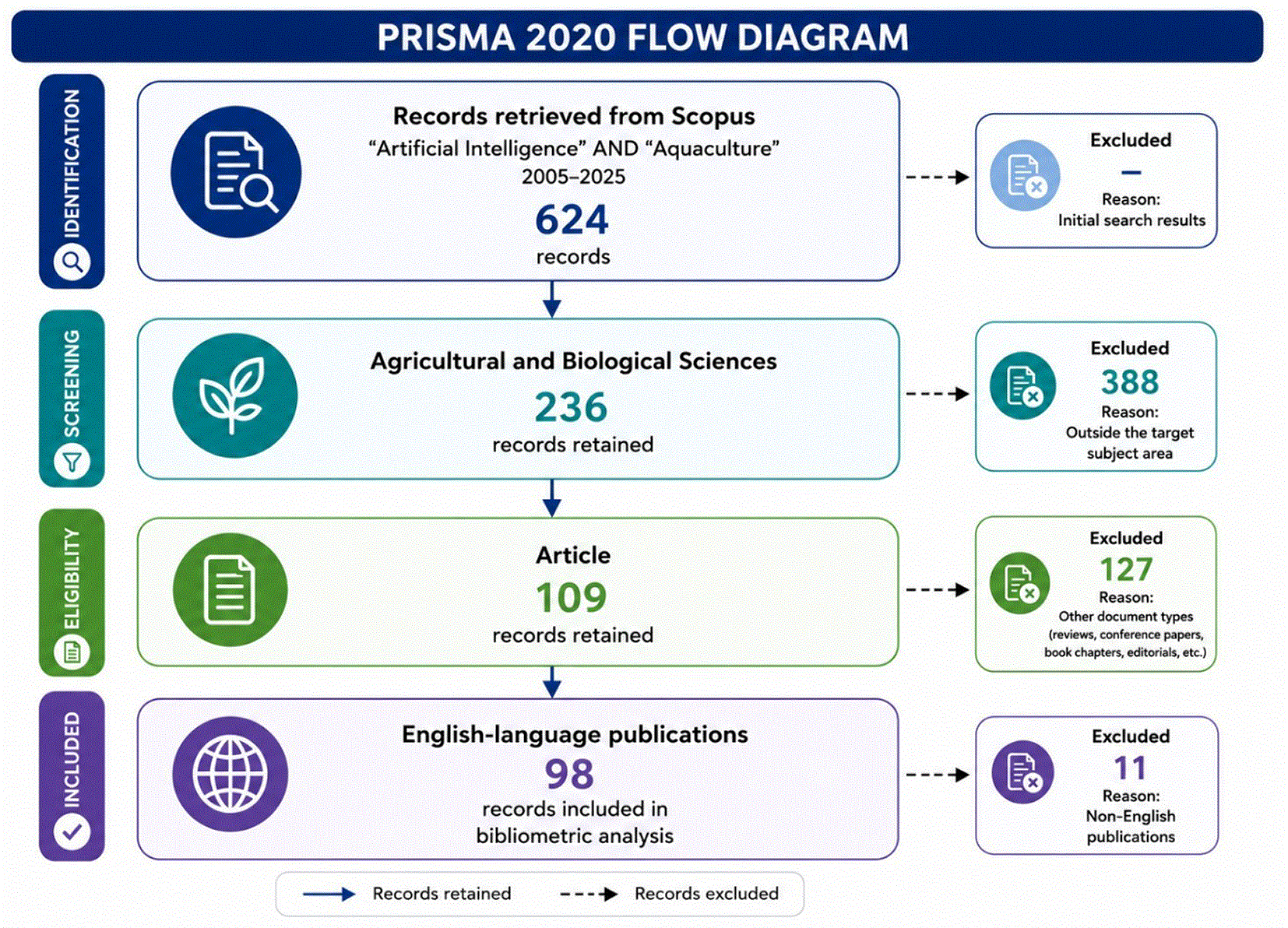
The figure illustrates the identification, screening, eligibility assessment, and final inclusion of publications following the PRISMA 2020 guidelines.
This study integrates bibliometric performance analysis and science mapping to provide a comprehensive understanding of the scientific evolution of AI in Aquaculture. These complementary approaches extend evaluation beyond publication performance to reveal the relationships, organisation, and dynamics of knowledge underpinning the development of the field. Bibliometric performance analysis assesses the scientific characteristics and performance of the research domain through dataset description, publication trends, citation impact, and the contributions of authors, institutions, countries, and publication sources (Valérie and Pierre, 2010; Anninos, 2014). Science mapping reconstructs the intellectual architecture of the field by visualising relationships among bibliographic entities, identifying collaborative structures, intellectual foundations, conceptual frameworks, and emerging research fronts (Andersen and Swami, 2021; Swami, Andersen and Furnham, 2021). Through the integration of co-authorship network analysis, co-citation network analysis, and keyword co-occurrence analysis, this approach provides a multidimensional perspective on how scientific communities, knowledge bases, and research themes interact, evolve, and collectively shape the trajectory of AI in Aquaculture over time.
The dataset characteristics provide an overview of the developmental dynamics of AI in Aquaculture during the period 2005–2025. Table 1 presents the corpus characteristics, comprising 98 publications distributed across 54 scientific sources, indicating that the field has evolved through the convergence of multiple disciplines—including aquaculture, AI, systems engineering, and environmental science—rather than being confined to a single research domain. An annual scientific growth rate of 22.61% demonstrates a rapid expansion of the literature, reflecting increasing scholarly interest in applying AI to enhance production efficiency, environmental monitoring, aquatic animal health management, and the sustainability of aquaculture systems. This publication pattern is characteristic of the knowledge expansion phase, during which methodological innovation and application diversification develop simultaneously in response to the growing demand for data-driven aquaculture solutions (Toivanen, 2014; Hendrawan, Mat Isa and Samsudin, 2025).
Citation and collaboration characteristics further suggest that AI in Aquaculture has evolved into an increasingly mature research field. The relatively young average document age of 3.26 years indicates that the literature is dominated by recent publications, while an average of 23.81 citations per document reflects high scientific visibility and relevance, demonstrating that new findings receive academic recognition within a comparatively short period. This pattern indicates rapid knowledge diffusion, a hallmark of research domains driven by continuous technological innovation and methodological advancement. Furthermore, the involvement of 505 authors and the utilisation of 16,226 references illustrate extensive collaborative networks and substantial interdisciplinary knowledge integration, facilitating the continuous exchange of ideas, methodologies, and analytical approaches. Such convergence strengthens intellectual consolidation while accelerating the establishment of a more robust scientific knowledge base. Collectively, the combination of rapid publication growth, strong citation performance, and an extensive reference base indicates that the field has progressed beyond its exploratory stage and entered a phase of scientific consolidation. This development provides a robust foundation for examining collaborative structures, intellectual foundations, conceptual evolution, and future research trajectories towards AI-driven smart aquaculture (Vo et al., 2021; Ratan et al., 2026).
To evaluate the maturity of AI in the Aquaculture research field, this study applied logistic growth modelling to annual and cumulative publication outputs, as presented in Figure 2. The findings indicate that the evolution of AI in Aquaculture follows a classical logistic (S-shaped) growth pattern, reflecting a transition from an emerging research area to a more mature scientific domain. Between 2008 and 2018, publication output remained relatively limited, representing an exploratory stage during which AI applications were primarily directed towards the development of foundational methodologies. Since 2019, scientific production has accelerated markedly, driven by advances in machine learning, deep learning, computer vision, the IoT, and intelligent sensing technologies. These technological developments have substantially expanded the application of AI to water quality monitoring, disease detection, feeding optimisation, and data-driven decision-making in aquaculture systems. The logistic model demonstrates an excellent goodness of fit (R2 = 0.977) and estimates peak annual productivity at approximately 35 publications around 2025.7. Rather than indicating a decline in research activity, this projection suggests that the field is entering a phase of scientific consolidation, in which future progress is expected to depend increasingly on methodological refinement, technological validation, and interdisciplinary integration rather than continued expansion in publication volume.
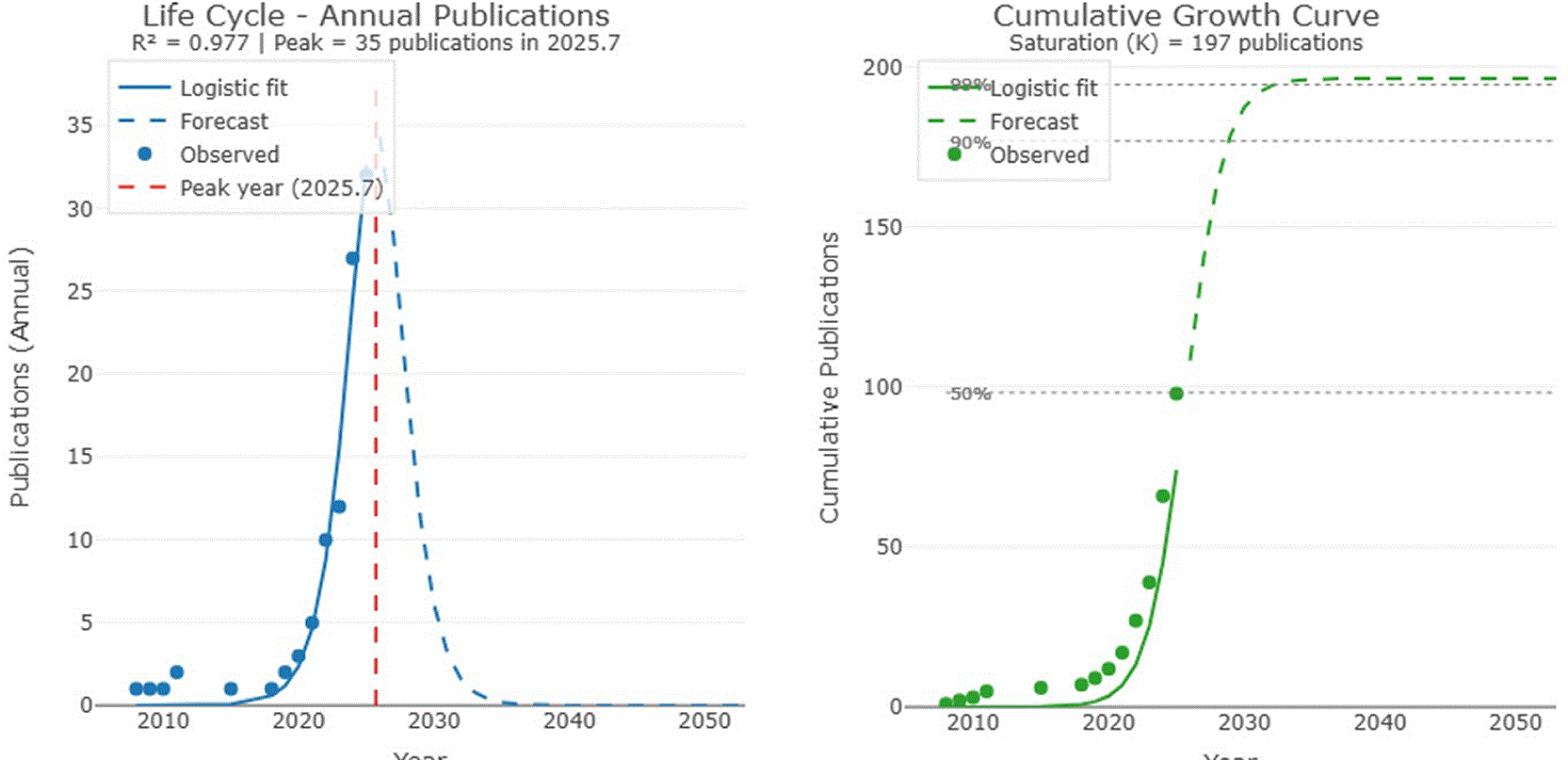
The figure presents the annual scientific production and publication trend of Artificial Intelligence research in aquaculture over the study period.
Citation and collaboration characteristics further suggest that AI in Aquaculture has evolved into an increasingly mature research field. The relatively young average document age of 3.26 years indicates that the literature is dominated by recent publications, while an average of 23.81 citations per document reflects high scientific visibility and relevance, demonstrating that new findings receive academic recognition within a comparatively short period. This pattern indicates rapid knowledge diffusion, a hallmark of research domains driven by continuous technological innovation and methodological advancement. Furthermore, the involvement of 505 authors and the utilisation of 16,226 references illustrate extensive collaborative networks and substantial interdisciplinary knowledge integration, facilitating the continuous exchange of ideas, methodologies, and analytical approaches. Such convergence strengthens intellectual consolidation while accelerating the establishment of a more robust scientific knowledge base. Collectively, the combination of rapid publication growth, strong citation performance, and an extensive reference base indicates that the field has progressed beyond its exploratory stage and entered a phase of scientific consolidation. This development provides a robust foundation for examining collaborative structures, intellectual foundations, conceptual evolution, and future research trajectories towards AI-driven smart aquaculture (Vo et al., 2021; Ratan et al., 2026).
To identify the scientific leadership structure within AI in Aquaculture, this study assessed research productivity at the levels of authors, institutional affiliations, and countries, as summarised in Table 2. This analysis provides insights into the principal centres of knowledge production while identifying the key contributors that have shaped the field over the past two decades. The findings indicate that Li J is the most prolific author, contributing 4 publications (0.7%), whereas the remaining leading authors each contributed 3 publications (0.5%). This distribution suggests that scientific leadership remains relatively dispersed, with no single researcher exerting dominant influence over the field. Such a pattern is characteristic of an emerging research domain, where scientific progress is driven primarily by multidisciplinary collaboration rather than by a small number of highly prolific individuals. A similar pattern is observed at the institutional level. Dalian Ocean University ranks first with 9 publications (2.9%), followed by Ubon Ratchathani University and Xiamen University, each contributing 6 publications (2.0%). The prominence of universities specialising in marine science and fisheries highlights that advances in AI-driven aquaculture depend not only on developments in AI but also on institutional capabilities, including access to aquaculture facilities, digital infrastructure, and field-based datasets required for the development and validation of AI applications.
At the national level, China is the leading contributor with 81 publications (24.6%), substantially exceeding the United States (27; 8.2%), Brazil (24; 7.3%), Thailand (22; 6.7%), and India (18; 5.5%). The concentration of scientific output across East Asia, Southeast Asia, and South Asia reflects the close relationship between research capacity and the scale of national aquaculture industries. Countries with large aquaculture sectors face greater demands for automation, production optimisation, disease management, and data-driven environmental monitoring, thereby creating stronger incentives for AI adoption and innovation. Meanwhile, contributions from North America, Europe, North Africa, and Oceania demonstrate that the field has evolved into a globally distributed research domain, although scientific capacity remains unevenly distributed across regions. Collectively, these findings suggest that the interaction between industrial demand, investment in digital transformation, and international scientific collaboration shapes the evolution of AI in Aquaculture. Sustaining future progress will therefore depend on expanding cross-regional research networks while strengthening research capacity in regions that remain underrepresented within the global scientific landscape.
Scientific collaboration constitutes a fundamental driver of the advancement of AI in Aquaculture, as it facilitates the integration of expertise, the sharing of research resources, and the acceleration of interdisciplinary knowledge diffusion (Sevin and Dikel, 2025). Unlike conventional bibliometric indicators, which primarily reflect scientific productivity and citation impact, science mapping reveals how collaborative relationships among researchers and countries shape the innovative capacity of a research field through the creation, exchange, and accumulation of knowledge (Wang and Liu, 2021). Consequently, co-authorship analysis extends beyond describing collaboration patterns by elucidating the social mechanisms that underpin the evolution of AI in Aquaculture.
The author collaboration network ( Figure 3) forms two principal clusters characterised by high internal cohesion and low fragmentation, indicating that the research community has entered a phase of scientific consolidation. The central positions occupied by Rahmah N. Alqthanin, Wael M. Elmessery, Abdallah Elshawadfy Elwakeel, Peter Szűcs, Mohamed Hamdy Eid, and Aml Abubakr Tantawy identify them as both core contributors and knowledge brokers who connect multiple research groups. From the perspective of social network analysis, highly connected actors facilitate knowledge exchange, promote multidisciplinary collaboration, and accelerate the diffusion of innovation (Pham, Sheridan and Shimodaira, 2015; Akbaritabar and Barbato, 2021). This pattern is consistent with the theory of preferential attachment, which suggests that scientific networks tend to develop around highly reputable and well-connected researchers who continuously attract new collaborative partnerships (Dai et al., 2023).
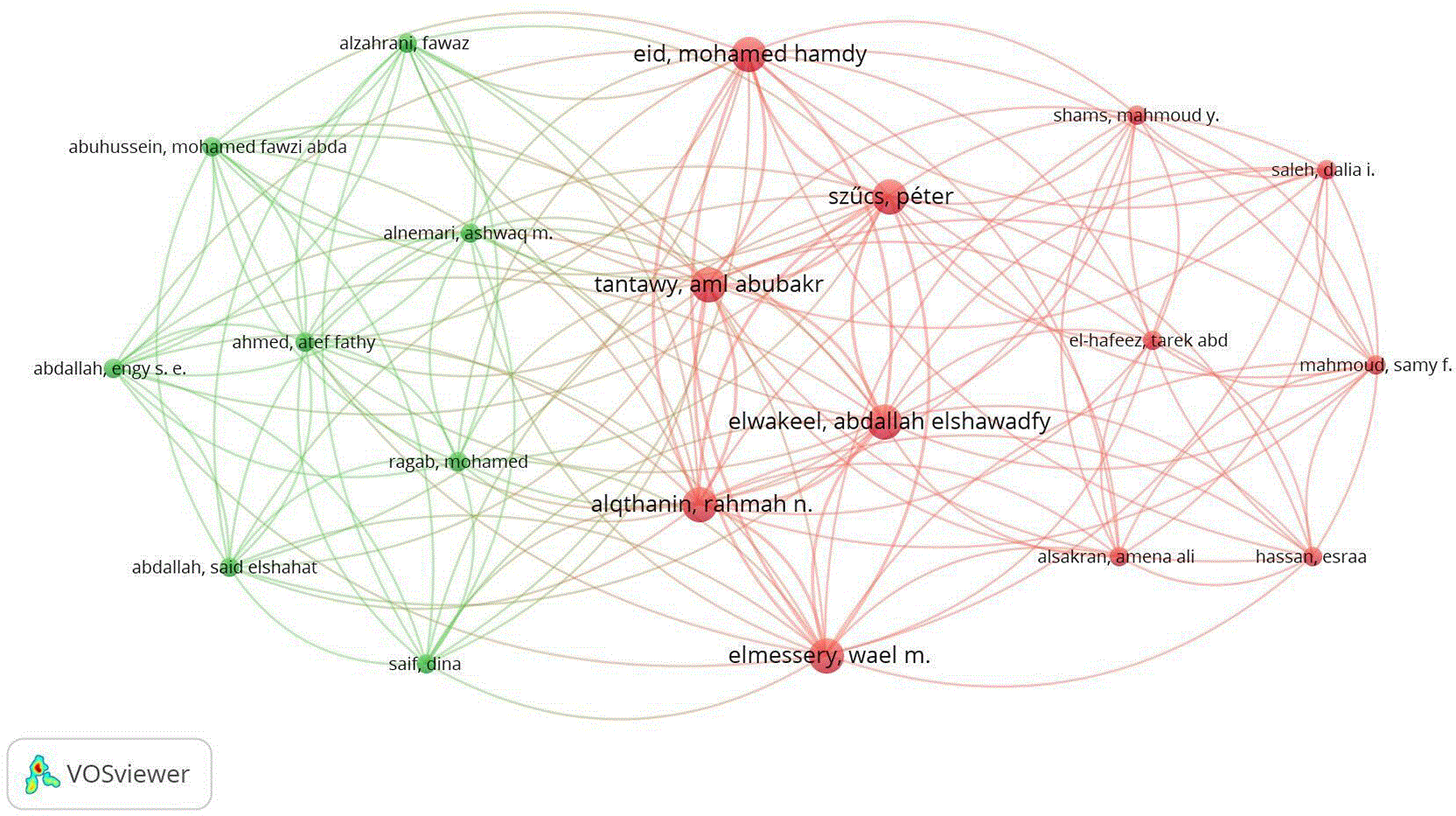
The network visualises collaborative relationships among authors based on co-authorship links, where node size reflects publication productivity and link strength represents collaboration intensity.
At the international level ( Figure 4), the collaboration network exhibits a more distributed structure, with China emerging as the principal collaboration hub, while the United States functions as a bridging hub linking research communities across the Americas, Asia, and Oceania. Spain and India further strengthen connectivity between Europe, the Middle East, and developing countries, contributing to the emergence of an increasingly polycentric global collaboration network. This pattern reflects not only high scientific productivity but also substantial investments in AI, aquaculture digitalisation, research infrastructure, and national innovation policies. These findings support the concept of global knowledge networks, which identify international collaboration as a primary mechanism for knowledge transfer and the acceleration of innovation in rapidly evolving scientific domains (Ribeiro et al., 2018).
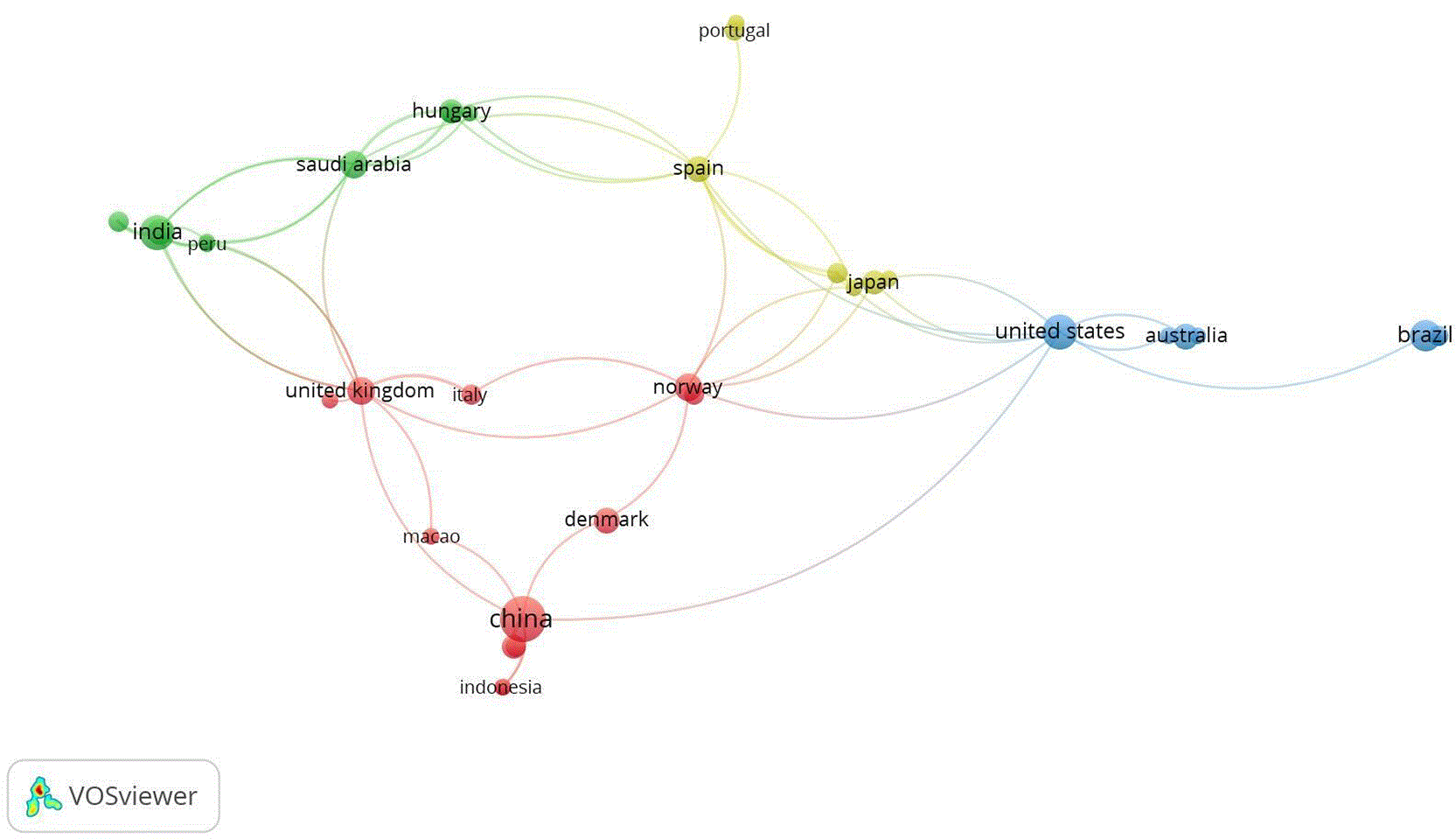
The figure illustrates international research collaborations among countries. Node size indicates publication output, while links represent collaborative relationships.
Collectively, the findings from both collaboration networks demonstrate that the evolution of AI in Aquaculture is driven by a co-evolutionary process involving the consolidation of scientific communities at the author level and the expansion of research networks at the global level. Core research groups generate and disseminate methodological innovations, whereas international collaborations broaden access to data, computational infrastructure, specialised expertise, and research resources. Accordingly, the innovative capacity of the field appears to depend more on the quality and intensity of scientific connectivity than on publication growth alone. A summary of the network characteristics and their scientific implications is presented in Table 3.
Nevertheless, scientific leadership remains concentrated within a relatively small number of countries and research groups, potentially limiting equitable access to data, emerging technologies, and research capacity, particularly in developing regions. This challenge is expected to become increasingly significant as next-generation technologies—including Explainable XAI, Edge AI, Digital Twins, Foundation Models, and Federated Learning—require large-scale computational infrastructure, geographically diverse datasets, and extensive cross-institutional collaboration. Strengthening international research networks is therefore essential for accelerating the adoption of these emerging AI technologies while supporting the development of more intelligent, adaptive, and sustainable aquaculture systems (Sevin and Dikel, 2025). Through the sharing of expertise, infrastructure, and research resources, international collaboration will play an increasingly important role in addressing these challenges and advancing the next generation of AI-driven aquaculture innovation (Er-Rousse and Qafas, 2024; Kılınç et al., 2025).
Co-citation analysis reveals the intellectual foundations underpinning the development of AI in Aquaculture by examining patterns of shared citations at both the source (source co-citation) and reference (reference co-citation) levels (Bradley et al., 2020). References that are frequently cited together form research fronts reflecting the consolidation of scientific paradigms (Mañana-Rodríguez, Bautista-Puig and Sanz-Casado, 2025), whereas highly connected publications function as intellectual turning points that bridge transitions towards emerging paradigms (Chen, 2015). Consequently, co-citation networks not only identify the most influential literature but also reconstruct the evolutionary trajectory of knowledge within the field.
At the source level ( Figure 5), Aquaculture occupies the most central position, confirming its role as the core journal underpinning the development of AI applications in aquaculture. Its strong connections with Aquaculture Research, Fish & Shellfish Immunology, Nature, and PLOS ONE demonstrate the integration of aquaculture science, aquatic animal health, biology, and fundamental scientific disciplines with computational approaches. Meanwhile, the close association of Computers and Electronics in Agriculture, Aquacultural Engineering, Journal of Cleaner Production, and Marine Pollution Bulletin reflects the convergence of systems engineering, digital technologies, sustainability science, and environmental monitoring. This configuration suggests that AI has advanced through a process of technology assimilation, whereby computational methods have been progressively integrated into established aquaculture research.
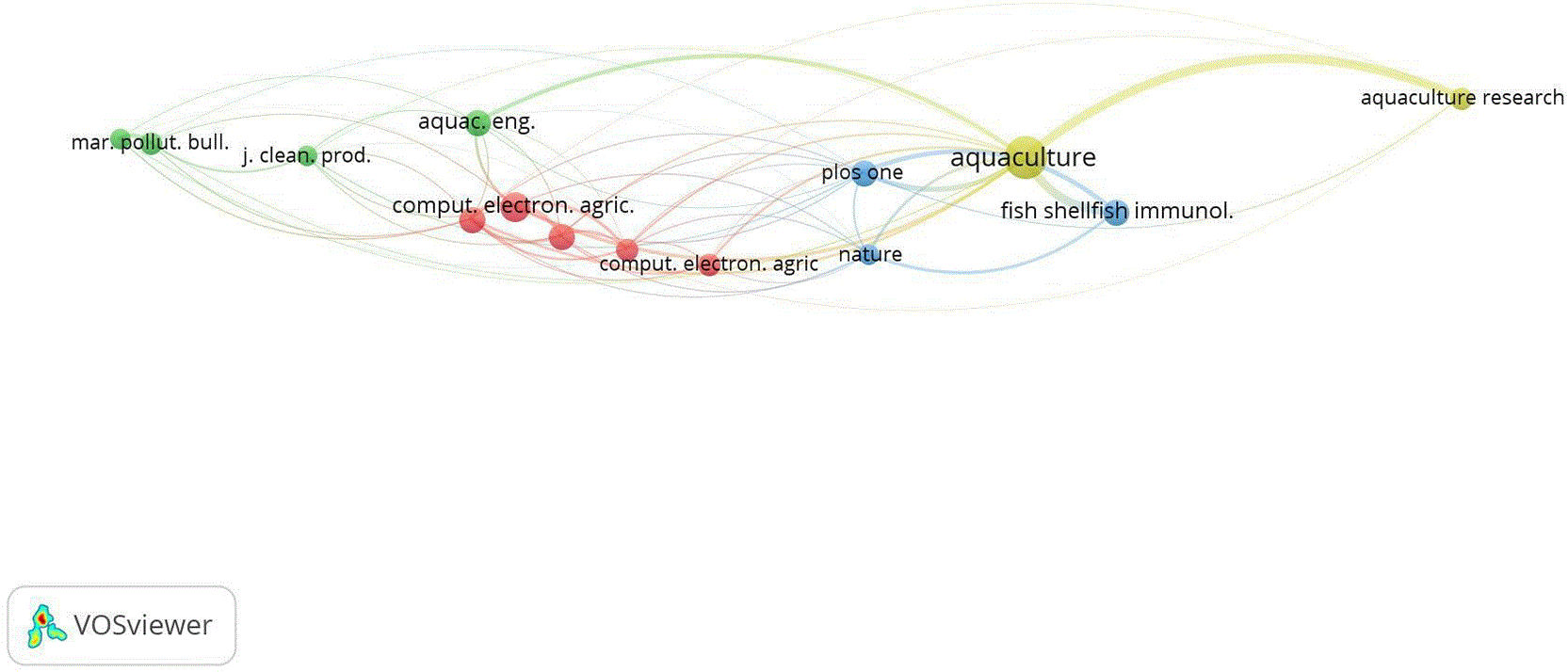
The network depicts co-citation relationships among scientific journals, highlighting the intellectual structure of the research field.
At the reference level ( Figure 6), the publication by Zhao R. emerges as the most central node, indicating that machine learning has become the principal methodological foundation underpinning a wide range of AI applications in aquaculture. This influential position characterises the publication as an intellectual turning point connecting conventional predictive modelling with modern AI paradigms (Kayusi et al., 2025). Subsequent contributions by Berckmans D., Zhou C., and Duan Q. further expanded this foundation towards precision aquaculture, deep learning, computer vision, and real-time monitoring of water quality and aquatic animal health. The emergence of references relating to YOLO and real-time object detection further indicates a shift from algorithm development towards the operational implementation of AI for solving practical challenges in aquaculture systems.
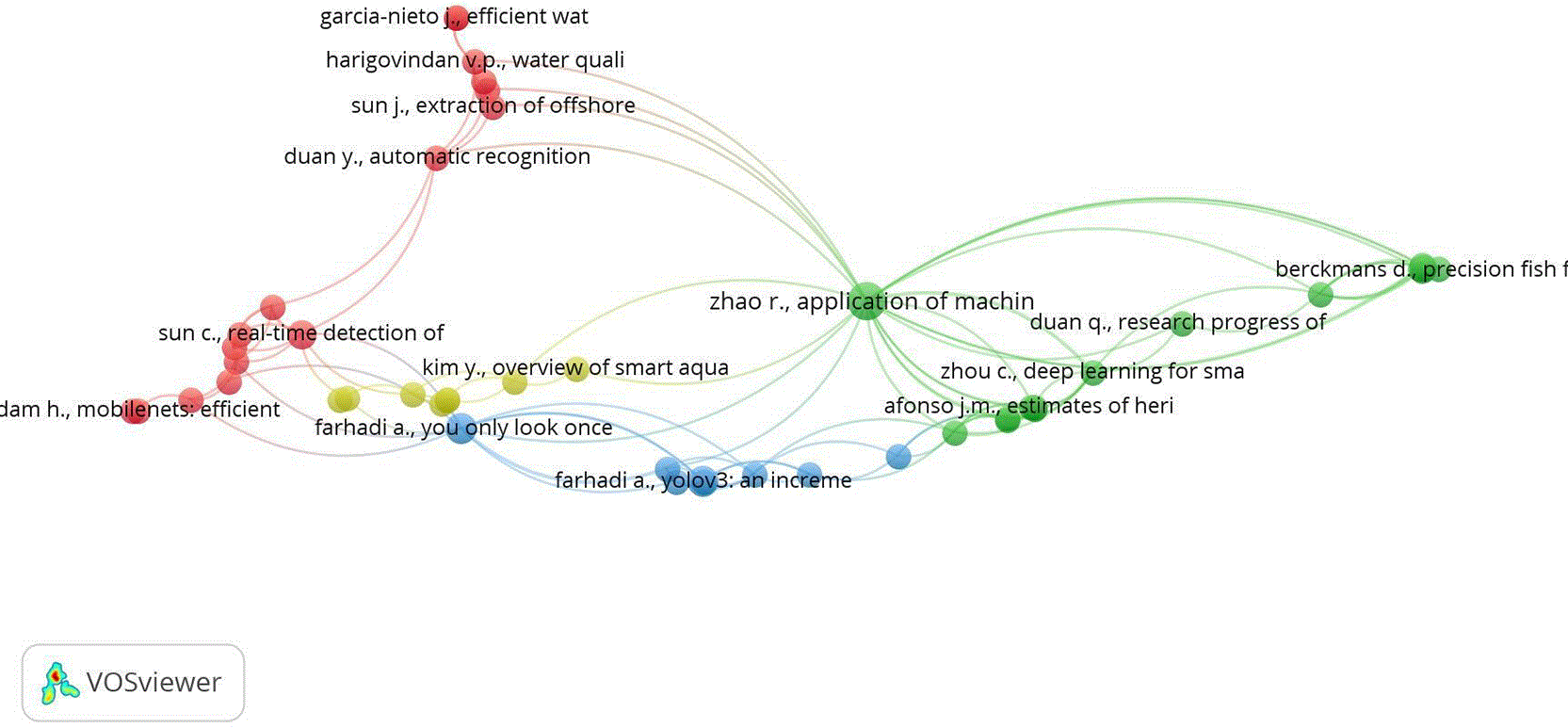
The figure presents the co-citation relationships among cited references, identifying influential publications and major knowledge clusters within the field.
The synthesis of both co-citation networks demonstrates that the advancement of AI in Aquaculture has been driven by disciplinary convergence at the source level and methodological consolidation at the reference level. The field exhibits a relatively coherent evolutionary trajectory, progressing from machine learning to deep learning, computer vision, and ultimately towards smart aquaculture systems integrating intelligent sensors, advanced data analytics, and autonomous decision-making. This progression marks a fundamental transition in which AI has evolved from a predictive analytical tool into a core component of the digital aquaculture ecosystem (Cristianini, 2014; Elagamy et al., 2026). A summary of the network characteristics and their scientific implications is presented in Table 4.
Nevertheless, the continued dominance of machine learning- and deep learning-based research indicates that current efforts remain largely focused on improving algorithmic performance. This presents significant opportunities for the development of XAI, Digital Twins, Foundation Models, and Federated Learning as the next methodological foundations of intelligent aquaculture systems (Tong and Li, 2024; Gund et al., 2025; Zhang et al., 2025b; Liu and Wu, 2026). These findings suggest that future research will increasingly shift from an algorithm-centred perspective towards integrated AI ecosystems, emphasising data interoperability, cross-institutional collaboration, and the seamless integration of multiple digital technologies.
Keyword co-occurrence analysis reveals the conceptual structure underpinning the evolution of AI in Aquaculture by examining patterns of relationships among research topics within the scientific literature (Donthu et al., 2021). The visualisation presented in Figure 7 identifies AI, machine learning, aquaculture, and fish as the principal nodes connecting the majority of research themes. The central positions of these keywords demonstrate that AI has evolved into a general-purpose technology, integrating data analytics, biological monitoring, environmental management, and decision-making within aquaculture systems. These findings are consistent with previous studies suggesting that digital transformation increasingly depends on the convergence of complementary technologies rather than on isolated technological innovations (Usenko et al., 2024; Kozono, Cahyono and Diyanah, 2025). The extensive interconnections among thematic clusters further highlight the growing integration of computer science, aquaculture, and environmental science as the intellectual foundation of this research field.
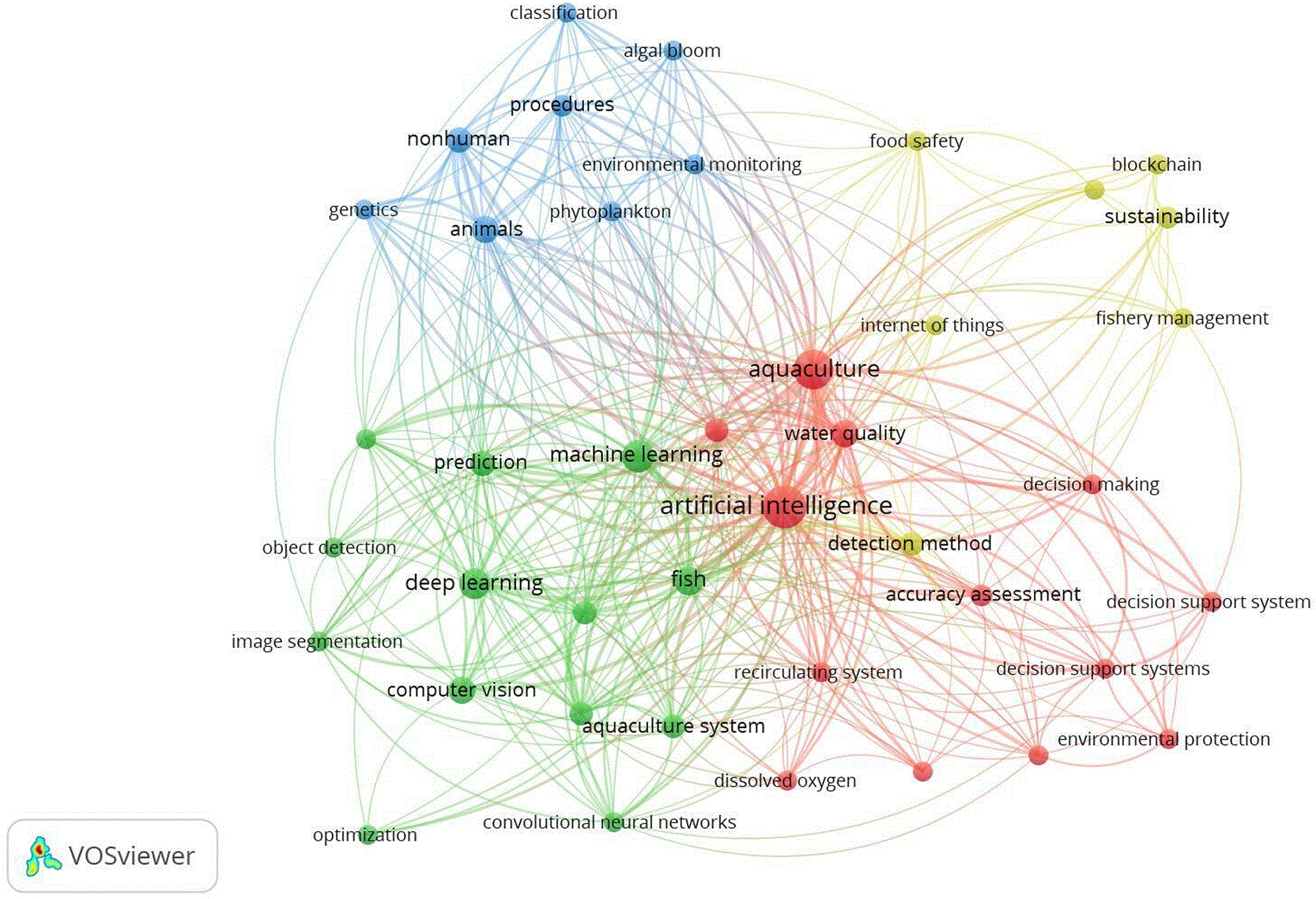
The network illustrates the relationships among author keywords based on their co-occurrence, revealing the principal research themes in Artificial Intelligence applied to aquaculture.
The keyword network comprises four complementary conceptual domains. The first domain, centred on AI, decision support systems, decision making, water quality, and accuracy assessment, represents data-driven decision support systems that integrate biological, environmental, and operational information to enable more adaptive aquaculture management. The second domain is dominated by deep learning, computer vision, convolutional neural networks, image segmentation, and object detection, emphasising the increasing importance of image analysis for species identification, biomass estimation, disease diagnosis, and automated monitoring of aquatic organisms. These findings are consistent with previous research demonstrating that the strategic value of AI increasingly lies in its capacity to generate operational recommendations and support the automation of aquaculture production systems (Gupta et al., 2023; Malik and Rana, 2025; Sammah, Ait Daoud and Achtaich, 2026).
The third domain links environmental monitoring, animals, genetics, phytoplankton, and classification, reflecting the expanding application of AI to investigate ecosystem dynamics, aquatic animal health, and the interactions between environmental quality and production performance. Meanwhile, the fourth domain, comprising the IoT, blockchain, food safety, fishery management, and sustainability, illustrates the transition towards integrated digital aquaculture ecosystems that combine intelligent sensing, data communication, product traceability, and supply chain governance. This pattern aligns closely with the concept of Agriculture 4.0, which positions digital interoperability as the foundation of adaptive and sustainable production systems (Tian et al., 2020; Shin et al., 2023).
This conceptual transformation becomes even more evident in Figure 8. Early research primarily focused on decision support systems, environmental protection, and fishery management, addressing operational challenges within aquaculture production. As computational capacity and data availability increased, research attention shifted towards machine learning, deep learning, computer vision, and prediction, before progressing to the integration of the IoT, blockchain, food safety, and sustainability. This evolutionary trajectory demonstrates that AI is no longer viewed as a standalone analytical algorithm but rather as a component of an integrated digital ecosystem connecting intelligent analytics, sensing technologies, data infrastructure, and real-time decision-making.
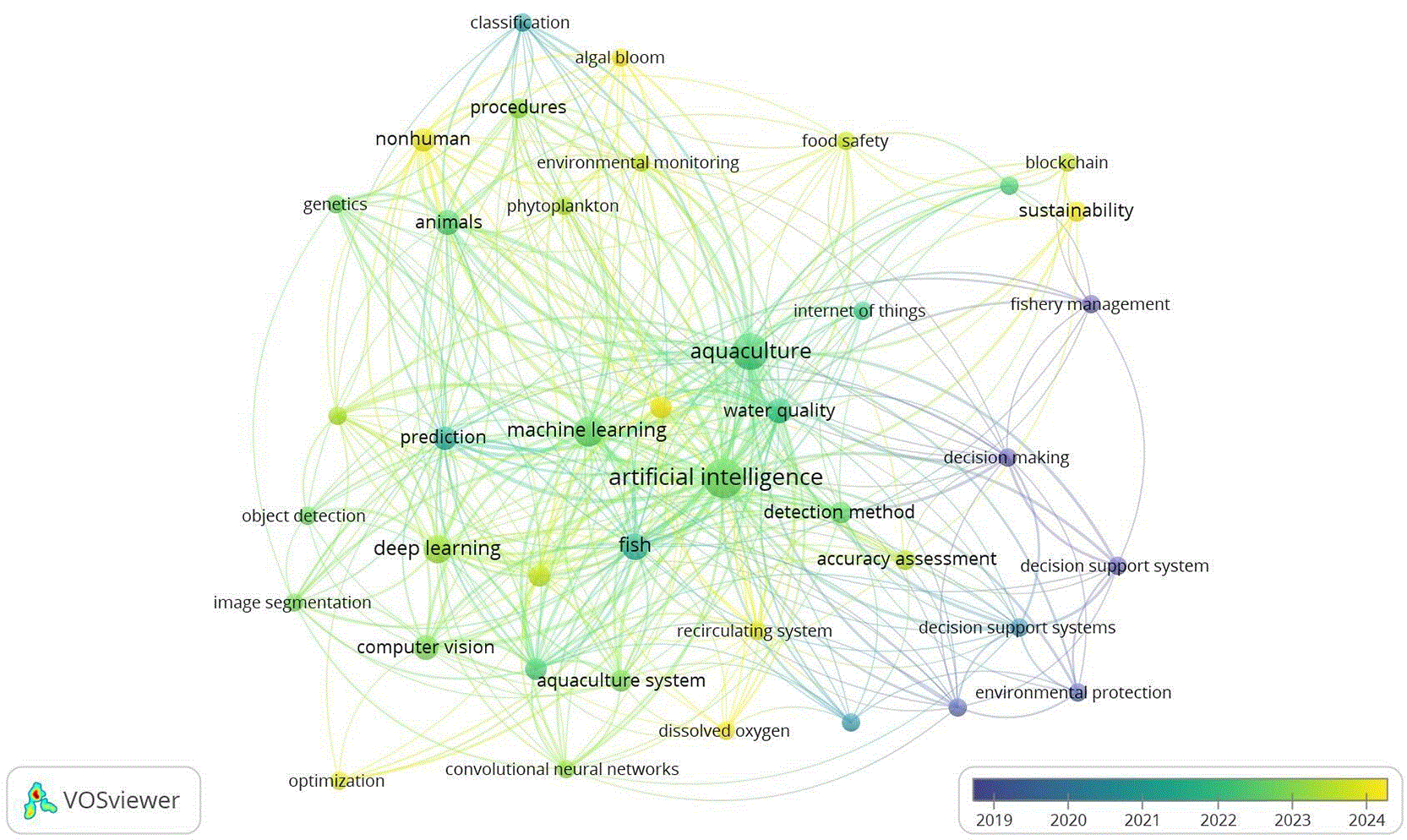
The overlay visualisation displays the temporal evolution of research topics, where colours represent the average publication year of keyword occurrence and indicate the development of emerging research themes.
Nevertheless, emerging technologies such as XAI, Digital Twins, Foundation Models, Large Language Models (LLMs), and Federated Learning have yet to form well-established conceptual clusters, indicating that next-generation AI technologies remain at an early stage of adoption within aquaculture. This finding highlights substantial opportunities for future research to develop AI systems that are more transparent, collaborative, adaptive, and capable of integrating heterogeneous data sources across complex aquaculture environments. Overall, the identified conceptual structure demonstrates that the evolution of AI in Aquaculture has been driven by the progressive convergence of AI, aquaculture science, and digital technologies. This transformation positions AI as the core digital infrastructure supporting the integration of intelligent analytics, sensing technologies, data ecosystems, and sustainability principles in the development of AI-driven smart aquaculture. A synthesis of the conceptual domains, empirical evidence, scientific interpretations, and future research agenda is presented in Table 5.
The evolution of AI in Aquaculture can no longer be understood merely as an accumulation of publications or an increase in citation impact. Rather, it reflects the co-evolution of collaborative networks, intellectual consolidation, and conceptual transformation. Integrating the findings from co-authorship, co-citation, and keyword co-occurrence analyses demonstrates that these three dimensions have evolved simultaneously and interactively, collectively shaping the innovative capacity of the field. This perspective is consistent with the Science of Science framework, which views the evolution of scientific disciplines as the outcome of dynamic interactions among scientific communities, intellectual foundations, and paradigm shifts (Paul and Dutta, 2025).
The social dimension reveals that the innovative capacity of the field continues to be shaped by highly connected research groups and countries acting as knowledge brokers. Their central positions accelerate knowledge diffusion, foster multidisciplinary collaboration, and strengthen international technology transfer. The relatively low level of network fragmentation further indicates that global knowledge networks have become increasingly efficient, suggesting that scientific leadership depends more on the ability to establish sustainable collaborative partnerships than on publication productivity alone (Wagner, 2025; Zhang et al., 2025a).
Concurrently, the co-citation structure demonstrates that the convergence of aquaculture science, AI, systems engineering, and environmental science has established an increasingly robust intellectual foundation. The prominence of machine learning, deep learning, and precision aquaculture reflects the methodological consolidation supporting a wide range of AI applications, from water quality monitoring to production optimisation, while simultaneously defining the principal research fronts guiding the future development of the field (Baccini et al., 2020). Co-citation relationships reveal the intellectual proximity among publications, whereas frequently co-cited references identify the knowledge base that shapes scientific advancement. Together, these patterns indicate that AI in aquaculture has progressed beyond the exploratory stage of technological experimentation towards a more mature and integrated scientific framework.
The conceptual dimension similarly reveals a clear transition from decision support systems towards deep learning, computer vision, the IoT, blockchain, food safety, and sustainability. This progression demonstrates that research has expanded beyond algorithm development to encompass the integration of multiple digital technologies supporting more adaptive, transparent, and sustainable aquaculture systems. Such a trajectory reflects the principles of Agriculture 4.0, in which AI operates as a core component of a digital ecosystem integrating intelligent sensing, data analytics, cloud computing, and automated decision-making (Suprit and Chaudhary, 2025). Consequently, future scientific progress will depend increasingly on the integration of complementary digital technologies rather than incremental improvements in individual algorithms.
Despite these substantial advances, several challenges continue to constrain the development of the field. The concentration of scientific collaboration within a relatively small number of research-intensive countries indicates that the global distribution of innovation remains uneven. Furthermore, the continued dominance of machine learning and computer vision suggests that comparatively limited attention has been devoted to interpretability, data interoperability, AI governance, cybersecurity, and standardisation. These observations imply that the next stage of development will require not only improvements in predictive accuracy but also the establishment of robust digital ecosystems capable of supporting the secure, transparent, and responsible deployment of AI technologies.
Future research should therefore prioritise four strategic directions. First, the development of trustworthy AI through XAI and Responsible AI is essential to enhance transparency, accountability, and trust in AI-assisted decision-making systems (Yadav, Srivastava and Yadav, 2026; Pal, Saha and Chakrabarti, 2026). Second, strengthening digital infrastructure through the integration of Digital Twins, the IoT, and intelligent sensing technologies will facilitate real-time simulation, prediction, and production optimisation (Peladarinos et al., 2023; Thakkar et al., 2024). Third, advancing collaborative intelligence by adopting Federated Learning, open science practices, and interoperable data infrastructures will enable collaborative AI model development while preserving data ownership and security (Zafar et al., 2025; Alshareet and Awasthi, 2025). Finally, the adoption of Foundation Models and LLMs offers considerable potential for developing multimodal AI systems capable of integrating imagery, sensor measurements, genomic information, water quality parameters, and environmental variables within a unified and adaptive analytical framework (Ryu et al., 2025; Elhanashi et al., 2026). Collectively, these priorities represent a transition from algorithm-centred innovation towards collaborative, transparent, and sustainable AI ecosystems.
Based on these findings, this study proposes a co-evolutionary framework for explaining the evolution of AI in Aquaculture through the interaction of social, intellectual, and conceptual dimensions. This framework extends conventional bibliometric interpretations, which have traditionally emphasised productivity indicators, by demonstrating that scientific progress depends on the integration of collaborative networks, intellectual foundations, and conceptual transformation. The proposed framework contributes theoretically to the growing field of Science of Science, while providing practical guidance for policies that promote international collaboration, digital infrastructure development, data standardisation, and responsible AI governance, thereby supporting the development of inclusive, resilient, and sustainable AI-driven smart aquaculture.
This study demonstrates that the evolution of AI in Aquaculture cannot be understood solely through publication growth or citation accumulation. Rather, it represents a process of scientific transformation driven by the interplay between collaborative structures, intellectual organisation, and conceptual evolution. By integrating bibliometric analysis with science mapping, this study shows that these three dimensions evolve concurrently and collectively shape the field’s innovation capacity. Consequently, AI has progressed beyond its role as a supporting analytical tool to become a core technological infrastructure underpinning data analytics, automation, and evidence-based decision-making in modern aquaculture.
The principal contribution of this study lies in the development of a co-evolutionary framework, which explains scientific maturity as an emergent property of the interaction between collaboration networks, intellectual consolidation, and conceptual change. This perspective extends conventional bibliometric approaches, which typically assess productivity, collaboration, or citation structures independently, by demonstrating how these dimensions co-evolve to influence the trajectory of scientific development. As such, the proposed framework provides a transferable analytical perspective for investigating other research domains shaped by the convergence of AI and digital technologies.
From a practical perspective, the findings offer an empirical basis for prioritising research investment, strengthening international partnerships, and designing policies that support data infrastructure, interoperability, and responsible AI governance. The results also assist research institutions and industry stakeholders in identifying centres of expertise, emerging collaboration opportunities, and strategically important research areas, thereby improving the effectiveness of research planning, resource allocation, and innovation management.
Several limitations should be acknowledged. First, the analysis is confined to publications indexed in Scopus, which may not fully represent the global body of scholarly literature. Secondly, bibliometric analysis relies primarily on publication metadata and therefore does not assess methodological quality, technology readiness, or the operational performance of AI applications in aquaculture. Finally, the rapid pace of technological advancement means that recently emerging technologies may not yet have established sufficiently stable publication and citation patterns to be captured within the analysed network structure.
Future research should move beyond mapping scientific development towards examining how knowledge production translates into technological adoption and operational impact. This objective could be achieved by integrating bibliometric techniques with systematic evidence synthesis, empirical validation, and implementation-focused research. Expanding data sources and developing analytical frameworks capable of evaluating data interoperability, AI governance, cross-regional validation, and the economic, social, and environmental impacts of AI adoption would provide a more comprehensive understanding of the mechanisms driving digital transformation. Such efforts will be essential for supporting the development of AI-driven smart aquaculture that is adaptive, trustworthy, resilient, and sustainable.