Просмотр новости
Найдите то, что Вас интересует
 Спутники
 РН
РН SpaceX
 Роскосмос
 NASA
NASA
СпутникиРНSpaceXРоскосмосNASABackground Accelerating climate change, habitat fragmentation, and intensive conventional agriculture have elevated ecological vulnerability and biodiversity conservation within agroecosystems into critical global frontiers. Despite expanding literature, a comprehensive synthesis of the intellectual structure and empirical transitions within this domain remains fragmented. This study maps the historical development, global scientific contributions, and thematic trajectories over an 11-year period to bridge the science-policy implementation gap. Methods Combining bibliometric mapping and systematic literature review (SLR) methods, we evaluated publications indexed in the Scopus database between 2015 and 2025. Following a rigorous PRISMA-compliant framework, 96 highly relevant articles were analyzed. Quantitative synthesis and network visualization were performed using the bibliometrix R-package and VOSviewer software to evaluate annual scientific outputs, country contributions, multi-country collaboration networks, and conceptual frameworks. Results The findings reveal an exponential growth in scientific production post-2018, peaking towards 2025, heavily driven by global policies such as the Kunming-Montreal Global Biodiversity Framework (CBD 2022) and UN SDG 15. China (via its Ecological Conservation Redline strategy), the United States, and Brazil emerged as the dominant global contributors. Multi-country publications (MCP) rose sharply from 40%, led by key China-USA and Europe-Brazil collaborative hubs. Keyword co-occurrence network analysis identified a paradigm shift toward advanced standardization, featuring geodetectors and spatiotemporal frameworks alongside structural indicators like functional traits and functional redundancy. Crucially, the data uncovers persistent limitations, including geographic data asymmetry, a reliance on macro-scale satellite modeling, and a distinct lack of localized plot-level field validation. Conclusions Global literature demonstrates an accelerating shift toward integrated landscape-driven adaptive management. To advance the discipline, future research must transition from broad regional assessments to transnational, multi-taxa ground-truthing field trials that synchronize ecological safety indices with localized stakeholder agricultural practices.

Ibrahim M, Lewaherilla IR, Panto MN et al. Ecological Vulnerability and Biodiversity Conservation within Agroecosystems: An Integrated Bibliometric Mapping and Systematic Literature Review [version 1; peer review: awaiting peer review]. F1000Research 2026, 15:1272 (https://doi.org/10.12688/f1000research.185918.1)
Research Article
[version 1; peer review: awaiting peer review]
Mukhlis Ibrahim1, Isadora Ravenska Lewaherilla2, Mohamad Nandi Panto2, [...] Julia Mujahadah Pratiwi2, Raudatul Umroh3, Teguh Pratama Puji Pamungkas
https://orcid.org/0009-0001-4304-2775
1, Dirham .1, Made Getas Pudak Wangi1, Pasrin Rine1, Sukmawati Sukmawati1, Ade Sugiarti Kumalasari4, Aditya Wahyudhi5, Syarifuddin Syarifuddin6, Andi Susilawaty Hardiani7, Muhammad Rizal8Mukhlis Ibrahim1, Isadora Ravenska Lewaherilla2, [...] Mohamad Nandi Panto2, Julia Mujahadah Pratiwi2, Raudatul Umroh3, Teguh Pratama Puji Pamungkas
https://orcid.org/0009-0001-4304-2775
1, Dirham .1, Made Getas Pudak Wangi1, Pasrin Rine1, Sukmawati Sukmawati1, Ade Sugiarti Kumalasari4, Aditya Wahyudhi5, Syarifuddin Syarifuddin6, Andi Susilawaty Hardiani7, Muhammad Rizal81 Department of Plant Protection, Faculty of Agriculture, Universitas Gadjah Mada, Yogyakarta, Special Region of Yogyakarta, 55281, Indonesia
2 Department of Health Behaviour, Environment and Social Medicine Faculty of Medicine, Public Health and Nursing, Universitas Gadjah Mada, Yogyakarta, Special Region of Yogyakarta, 55281, Indonesia
3 Department of Public Health Program (Health Promotion Concentration), Faculty of Medicine, Universitas Padjadjaran, Bandung, West Java, Indonesia
4 Department of Agricultural Science, Graduate School,, Universitas Hasanuddin, Makassar, South Sulawesi, 90245, Indonesia
5 Department of Agricultural Sciences, Graduate School, Universitas Jambi, Jambi, Jambi, 36125, Indonesia
6 Department of Agri-Food, Economics and Marketing School of Agriculture, Policy, and Development, University of Reading, Reading, England, UK
7 Department of Agricultural Socio Economics, Faculty of Agriculture, Universitas Gadjah Mada, Yogyakarta, Special Region of Yogyakarta, 55281, Indonesia
8 Department of Agriculture Science, Faculty of Agriculture, Universitas Sebelas Maret, Surakarta, Central Java, 57126, Indonesia
Mukhlis Ibrahim
Roles: Conceptualization, Data Curation, Formal Analysis, Methodology, Project Administration, Validation, Visualization, Writing – Original Draft Preparation, Writing – Review & Editing
Isadora Ravenska Lewaherilla
Roles: Data Curation, Formal Analysis, Project Administration, Validation, Writing – Original Draft Preparation, Writing – Review & Editing
Mohamad Nandi Panto
Roles: Data Curation, Formal Analysis, Project Administration, Validation, Writing – Original Draft Preparation, Writing – Review & Editing
Julia Mujahadah Pratiwi
Roles: Data Curation, Formal Analysis, Project Administration, Validation, Writing – Original Draft Preparation, Writing – Review & Editing
Raudatul Umroh
Roles: Data Curation, Formal Analysis, Validation, Writing – Original Draft Preparation, Writing – Review & Editing
Teguh Pratama Puji Pamungkas
Roles: Conceptualization, Data Curation, Formal Analysis, Project Administration, Supervision, Validation, Writing – Original Draft Preparation, Writing – Review & Editing
Dirham .
Roles: Data Curation, Formal Analysis, Validation, Writing – Original Draft Preparation, Writing – Review & Editing
Made Getas Pudak Wangi
Roles: Data Curation, Formal Analysis, Validation, Writing – Original Draft Preparation, Writing – Review & Editing
Pasrin Rine
Roles: Data Curation, Formal Analysis, Validation, Writing – Review & Editing
Sukmawati Sukmawati
Roles: Conceptualization, Data Curation, Formal Analysis, Validation, Writing – Review & Editing
Ade Sugiarti Kumalasari
Roles: Data Curation, Formal Analysis, Validation, Writing – Review & Editing
Aditya Wahyudhi
Roles: Data Curation, Formal Analysis, Validation, Writing – Review & Editing
Syarifuddin Syarifuddin
Roles: Data Curation, Formal Analysis, Validation, Writing – Review & Editing
Andi Susilawaty Hardiani
Roles: Data Curation, Formal Analysis, Validation, Writing – Review & Editing
Muhammad Rizal
Roles: Data Curation, Formal Analysis, Validation, Writing – Review & Editing
OPEN PEER REVIEW
REVIEWER STATUS AWAITING PEER REVIEW
Accelerating climate change, habitat fragmentation, and intensive conventional agriculture have elevated ecological vulnerability and biodiversity conservation within agroecosystems into critical global frontiers. Despite expanding literature, a comprehensive synthesis of the intellectual structure and empirical transitions within this domain remains fragmented. This study maps the historical development, global scientific contributions, and thematic trajectories over an 11-year period to bridge the science-policy implementation gap.
MethodsCombining bibliometric mapping and systematic literature review (SLR) methods, we evaluated publications indexed in the Scopus database between 2015 and 2025. Following a rigorous PRISMA-compliant framework, 96 highly relevant articles were analyzed. Quantitative synthesis and network visualization were performed using the bibliometrix R-package and VOSviewer software to evaluate annual scientific outputs, country contributions, multi-country collaboration networks, and conceptual frameworks.
ResultsThe findings reveal an exponential growth in scientific production post-2018, peaking towards 2025, heavily driven by global policies such as the Kunming-Montreal Global Biodiversity Framework (CBD 2022) and UN SDG 15. China (via its Ecological Conservation Redline strategy), the United States, and Brazil emerged as the dominant global contributors. Multi-country publications (MCP) rose sharply from <15% to >40%, led by key China-USA and Europe-Brazil collaborative hubs. Keyword co-occurrence network analysis identified a paradigm shift toward advanced standardization, featuring geodetectors and spatiotemporal frameworks alongside structural indicators like functional traits and functional redundancy. Crucially, the data uncovers persistent limitations, including geographic data asymmetry, a reliance on macro-scale satellite modeling, and a distinct lack of localized plot-level field validation.
ConclusionsGlobal literature demonstrates an accelerating shift toward integrated landscape-driven adaptive management. To advance the discipline, future research must transition from broad regional assessments to transnational, multi-taxa ground-truthing field trials that synchronize ecological safety indices with localized stakeholder agricultural practices.
ecological vulnerability; biodiversity conservation; agroecosystems; bibliometric analysis; functional redundancy; global environmental governance.
Corresponding author: Teguh Pratama Puji Pamungkas Competing interests: No competing interests were disclosed.
Grant information: Indonesia Endowment Fund for Education (LPDP), Ministry of Finance of the Republic of Indonesia; the Indonesian Education Scholarship (BPI); and the Doctoral Scholarship Program for Indonesian Lecturers (PDDI), both administered through the Center for Higher Education Funding and Assessment (PPAPT), Ministry of Higher Education, Science, and Technology of the Republic of Indonesia, for the financial and academic support provided during the preparation of this review article.
The funders had no role in study design, data collection and analysis, decision to publish, or preparation of the manuscript.
Copyright: © 2026 Ibrahim M et al. This is an open access article distributed under the terms of the Creative Commons Attribution License, which permits unrestricted use, distribution, and reproduction in any medium, provided the original work is properly cited. How to cite: Ibrahim M, Lewaherilla IR, Panto MN et al. Ecological Vulnerability and Biodiversity Conservation within Agroecosystems: An Integrated Bibliometric Mapping and Systematic Literature Review [version 1; peer review: awaiting peer review]. F1000Research 2026, 15:1272 (https://doi.org/10.12688/f1000research.185918.1) First published: 01 Aug 2026, 15:1272 (https://doi.org/10.12688/f1000research.185918.1) Latest published: 01 Aug 2026, 15:1272 (https://doi.org/10.12688/f1000research.185918.1)
Ecological vulnerability and biodiversity conservation have escalated into critical socio-environmental frontiers within contemporary agricultural and environmental sciences. Accelerated global environmental changes, driven by climate instability, rapid land-use transformation, habitat fragmentation, and agricultural intensification, continue to systematically destabilize global agroecosystems.1,2 These anthropogenic disruptions jeopardize not only global biodiversity corridors but also foundational ecosystem services, crop protection baselines, and regional food security networks.3 Because ecological vulnerability within agroecosystems transcends rigid environmental boundaries, its mitigation presents complex, cross-cutting challenges that demand a departure from isolated, mono-disciplinary practices toward highly integrated landscape management frameworks.4
The paradigm of ecological vulnerability provides an essential diagnostic matrix to quantify the susceptibility of complex agroecosystems to disturbances and evaluate their inherent adaptive capacities. Standard vulnerability assessments typically synthesize biophysical exposure, ecosystem sensitivity, and socio-ecological adaptive capacity to identify high-risk agrarian zones and optimize conservation resource allocation.3,5 Concurrently, contemporary biodiversity conservation within agricultural landscapes has expanded from conservative, species-centric protection toward dynamic, landscape-scale, ecosystem-based approaches. This evolution reflects a growing scientific consensus that preserving agricultural biodiversity and maintaining ecological connectivity cannot be decoupled from human dimensions, localized community habits, and farmer-led land management choices.4,6,7 Over the past decade, technological breakthroughs in satellite remote sensing, geographic information systems (GIS), and predictive ecological modeling have accelerated this domain, shifting research from basic descriptive field ecology to advanced, multi-scalar ecological risk forecasting.3
Despite this exponential surge in scholarly production, the rapid expansion of ecological vulnerability and biodiversity conservation research within agroecosystems has resulted in a highly fragmented, decentralized, and siloed knowledge landscape. To systematically advance the discipline and establish a cohesive operational roadmap, four critical research gaps must be urgently resolved: While empirical datasets on land degradation, vegetation indices, and agro-biodiversity metrics have grown exponentially, there remains a severe lack of systematic synthesis mapping how these empirical findings successfully translate into structural agricultural policies, particularly in aligning with the United Nations Sustainable Development Goals (SDGs 13 and 15) and regional agroecological guidelines.1 Existing global literature heavily skews toward large-scale macro-ecosystems and temperate biomes in the Northern Hemisphere. Consequently, there are acute data deficits regarding tropical archipelagic landscapes, smallholder agricultural ecosystems, and localized crop protection vulnerabilities under acute, immediate climate stress.3,8
Current research is deeply polarized between pure biophysical ecology (focusing strictly on agricultural land metrics) and human behavioral domains. In an era governed by socio-ecological resilience frameworks, mitigating agroecological vulnerability is fundamentally contingent upon shifting community dynamics, land-user behavioral compliance, and localized socio-environmental interventions.9 Technical crop protection and land conservation cannot succeed without addressing the behavioral habits of agricultural stakeholders. This highlights a critical, underexplored nexus where agricultural sciences converge with institutional frameworks native to Health Behaviour, Environment, and Social Medicine (HBESM) to analyze the human and social dimensions required to enforce sustainable, community-led ecosystem conservation.10 Prior conventional literature reviews in this domain are limited by restricted topical scopes (e.g., focusing exclusively on specific plant taxa or isolated geographic zones), whereas existing purely quantitative bibliometric studies lack the qualitative depth and contextual nuance required to explain the shifting research paradigms, funding network impacts, and intellectual structures driving the field’s evolution over the last decade.11,12
This study directly addresses these critical gaps by introducing a dual-layered, integrated framework that pairs state-of-the-art bibliometric mapping with an extensive systematic literature review (SLR). Unlike standard reviews that rely on subjective narrative synthesis, or basic bibliometric papers that only list surface-level publication metrics, this study provides a robust, empirical meta-view of the field’s structural architecture. By deploying the bibliometrix R-package13 and VOSviewer software tools12 alongside a rigorous PRISMA-compliant systematic screening of a meticulously curated Scopus dataset (2015–2025), this study systematically uncovers the hidden thematic trajectories, international collaborations, and shifting research paradigms that have emerged over the last ten years.
The primary objective of this study is to deliver an exhaustive, reproducible, and multi-dimensional analysis of the intellectual, social, and conceptual evolution of global ecological vulnerability and biodiversity conservation research within agroecosystems. Specifically, this paper resolves three interconnected, highly critical research questions:
• RQ1 How have scholarly production and international institutional-author collaboration networks on agroecosystem vulnerability and biodiversity conservation evolved structurally between 2015 and 2025?
• RQ2 What is the global geographical distribution of scientific contributions, and how do international funding networks shape regional research capacities in conservation and agricultural sciences?
• RQ3 What are the dominant thematic clusters, shifting research paradigms, and emerging frontiers including the strategic integration of socio-environmental behaviors and human dimensions that will define the next generation of agricultural and ecological conservation research?
By answering these questions, this study provides a landmark scientific roadmap for agricultural researchers, funding institutions, and international environmental managers. The findings expand the existing body of knowledge by explicitly mapping out the thematic trajectory of conservation science, diagnosing long-standing geographical data deficits, and pinpointing critical, under-explored frontiers. Ultimately, this comprehensive synthesis serves as an essential empirical baseline to help researchers optimize resource allocation, empower funding bodies to target strategic knowledge gaps, and equip global policymakers with the synthesized, evidence-based insights necessary to operationalize and enforce resilient ecological mitigation frameworks.
This research employs an integrated methodological approach combining quantitative bibliometric science mapping and a qualitative Systematic Literature Review (SLR). The execution of this dual-layered framework strictly adheres to the Preferred Reporting Items for Systematic Reviews and Meta-Analyses (PRISMA 2020) statement to ensure methodological transparency, auditability, and absolute reproducibility throughout the article identification, screening, and synthesis stages.12,14 Following the PRISMA 2020 architectural directives, the methodological protocol was operationalized through specific chronological phases: formulating targeted research questions, enforcing explicit eligibility boundaries, executing a boolean-optimized advanced search string, implementing a multi-tiered manual screening procedure, and applying structural data extraction. Consistent with the open science policies prioritized by this journal, this systematic review was not formally registered in any external prospective review registry, and no standalone review protocol was prepared; consequently, no protocol amendments were generated or applied during the analytical timeline.
The comprehensive literature search was conducted using Scopus, chosen because it is an internationally reputable, peer-reviewed database providing expansive citation coverages, high-fidelity bibliographic metadata, and standard compatibility with advanced science-mapping applications.15 To capture complete, non-skewed annual publication cycles and evaluate contemporary paradigm shifts over the last decade, the temporal boundaries were explicitly constrained to a closed, ten-year baseline spanning from January 1, 2015, to December 31, 2025. The automated advanced query execution was performed on June 22, 2026. The advanced search string applied to document titles, abstracts, and author keywords was meticulously formulated as follows: TITLE-ABS-KEY ((“ecological vulnerability “OR“ ecosystem vulnerability”) AND (“biodiversity conservation “OR” conservation”)). The initial, unrefined execution of this boolean query yielded a raw baseline pool of 480 documents available for subsequent eligibility filtration.
To construct a highly homogeneous, scientifically rigorous, and contextually representative core dataset, strict, predefined eligibility criteria were deployed. The inclusion criteria required that documents must be:
1. Peer-reviewed primary research articles published in international scientific journals;
2. Written entirely in the English language;
3. Published within the designated 2015–2025 timeframe; and
4. Substantively focused on the intersections of ecological vulnerability indices, agroecosystem resilience, agricultural biodiversity preservation, or associated human-environmental behavioral intervention policies.
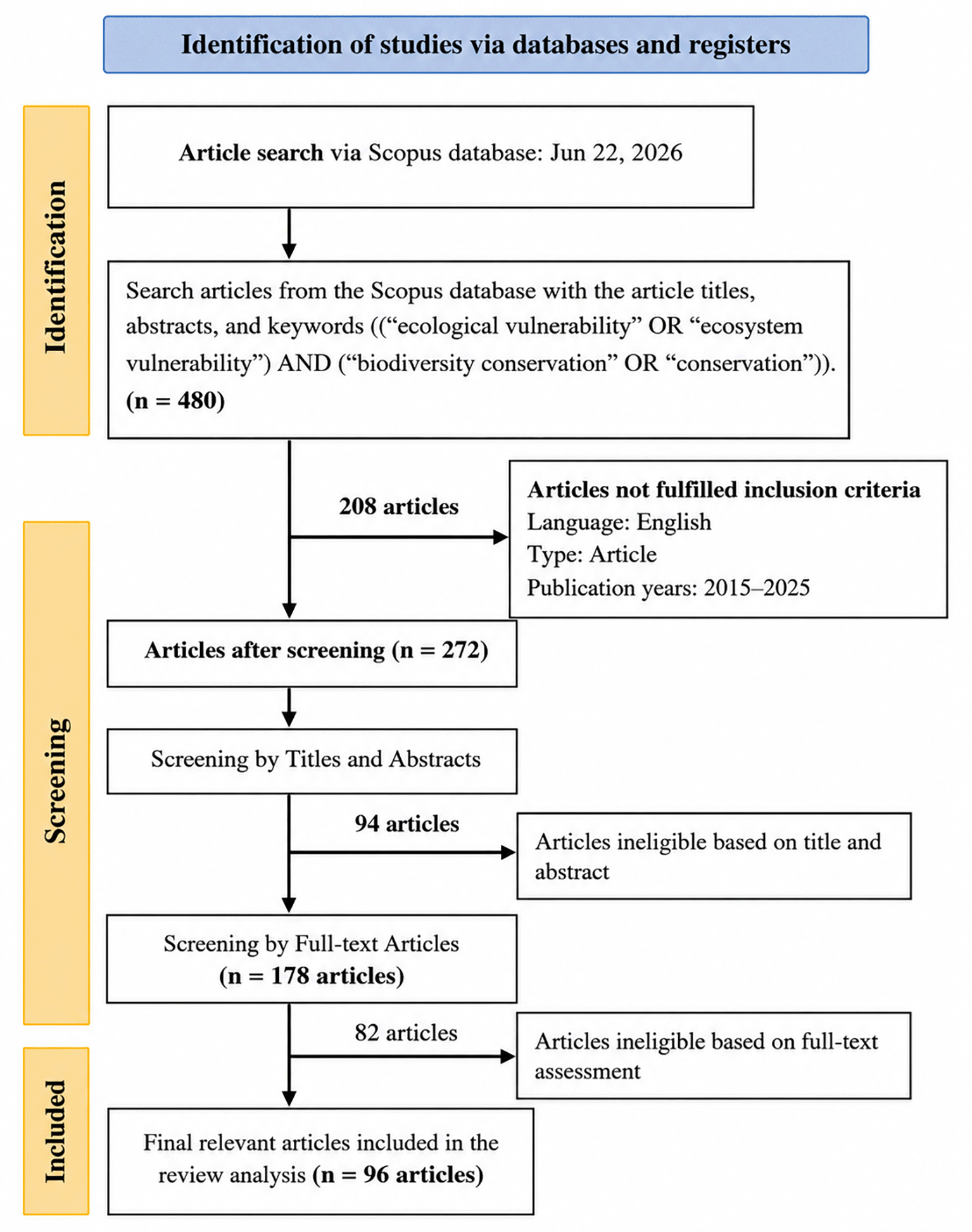
Conversely, non-article document typologies such as book chapters, conference proceedings, editorials, errata, notes, short surveys, and secondary literature reviews were systematically excluded to preserve dataset homogeneity. Furthermore, papers focusing exclusively on technical laboratory crop protection metrics without a direct physical, ecological, or socio-environmental link to broader conservation frameworks or adaptive capacity dynamics were omitted. Upon the automated application of database filters (language and document type), 208 documents were removed, leaving a refined subset of 272 records for manual screening.
To minimize potential selection bias, the remaining 272 records were subjected to a rigorous, multi-staged manual screening procedure conducted independently by the authors. Any discrepancies regarding inclusion were resolved through collective consensus. The screening was systematically executed across three sequential filters:
1. Title Screening Stage: The titles of the 272 records were manually evaluated for direct thematic alignment with the core agricultural, ecological, and socio-environmental scope of this study. This filter eliminated records from unrelated engineering or purely industrial chemistry disciplines.
2. Abstract Screening Stage: The abstracts of the remaining articles were read independently to ensure substantive conceptual depth, focusing on the integration of vulnerability frameworks with ecosystem-based management. At this stage, 94 records were excluded because they did not explicitly address ecological vulnerability dynamics or agricultural conservation strategies.
3. Full-Text Screening Stage: The remaining 178 articles underwent a comprehensive, full-text review to evaluate their conceptual relevance, methodological adequacy, and empirical integrity. During this final phase, 82 articles were excluded due to insufficient data precision, lack of explicit vulnerability-conservation linkages, or overlapping localized baselines.
Following this rigorous screening pipeline, a final core dataset of 96 highly relevant empirical articles was selected for final inclusion and meta-synthesis, as visually mapped in the PRISMA flow diagram ( Figure 1).
Quantitative science mapping and performance analyses were executed using the Bibliometrix package implemented in RStudio (v.4.3.1) through its web-based graphical user interface, Biblioshiny. 10 This computational package allowed for the systematic extraction and analysis of annual publication trajectories, leading source journals, prolific author networks, institutional affiliations, country-level collaborations, and citation performance matrices. To map the structural architecture of the domain, the Scopus bibliographic data were exported in a comma-separated values (.csv) format and imported into VOSviewer software (v.1.6.20) for network visualization.16 Co-occurrence analysis of author keywords was performed using fractional counting to identify dominant thematic clusters and emerging frontiers. To enhance the conceptual clarity and interpretability of the generated thematic maps, a customized thesaurus file was applied to merge synonyms and eliminate overly generic search keywords or non-conceptual terms.
To complement the quantitative bibliometric metrics, a qualitative systematic literature review was concurrently executed on the final cohort of 96 eligible articles. A structural data extraction matrix was developed to systematically log characteristics from each study, including geographical scope, target ecosystem types, specific vulnerability assessment methodologies (e.g., exposure-sensitivity-adaptive capacity models), and core biodiversity conservation approaches. The extracted datasets were subsequently evaluated through inductive thematic analysis.17 Crucially, to bridge the biophysical metrics of agricultural ecology with human dimensions, the qualitative analysis paid strategic attention to the integration of socio-environmental frameworks—such as the alignment of agricultural land-use adjustments with community health habits and environmental social medicine paradigms, a nexus heavily championed by disciplines like Health Behaviour, Environment, and Social Medicine (HBESM). This integrated analytical design ensures a comprehensive understanding of both the structural evolution of the literature and the emerging interdisciplinary pathways necessary for operationalizing scalable conservation policy frameworks.
1.1 Evolution of scientific production
The chronological growth of global literature linking ecological vulnerability and biodiversity conservation within agricultural ecosystems can be empirically demarcated into three distinct operational phases, as explicitly illustrated in Figure 2: the foundational incubation baseline period (2015–2020), the transitional expansion period (2021–2024), and the high-intensity publication peak (2025).
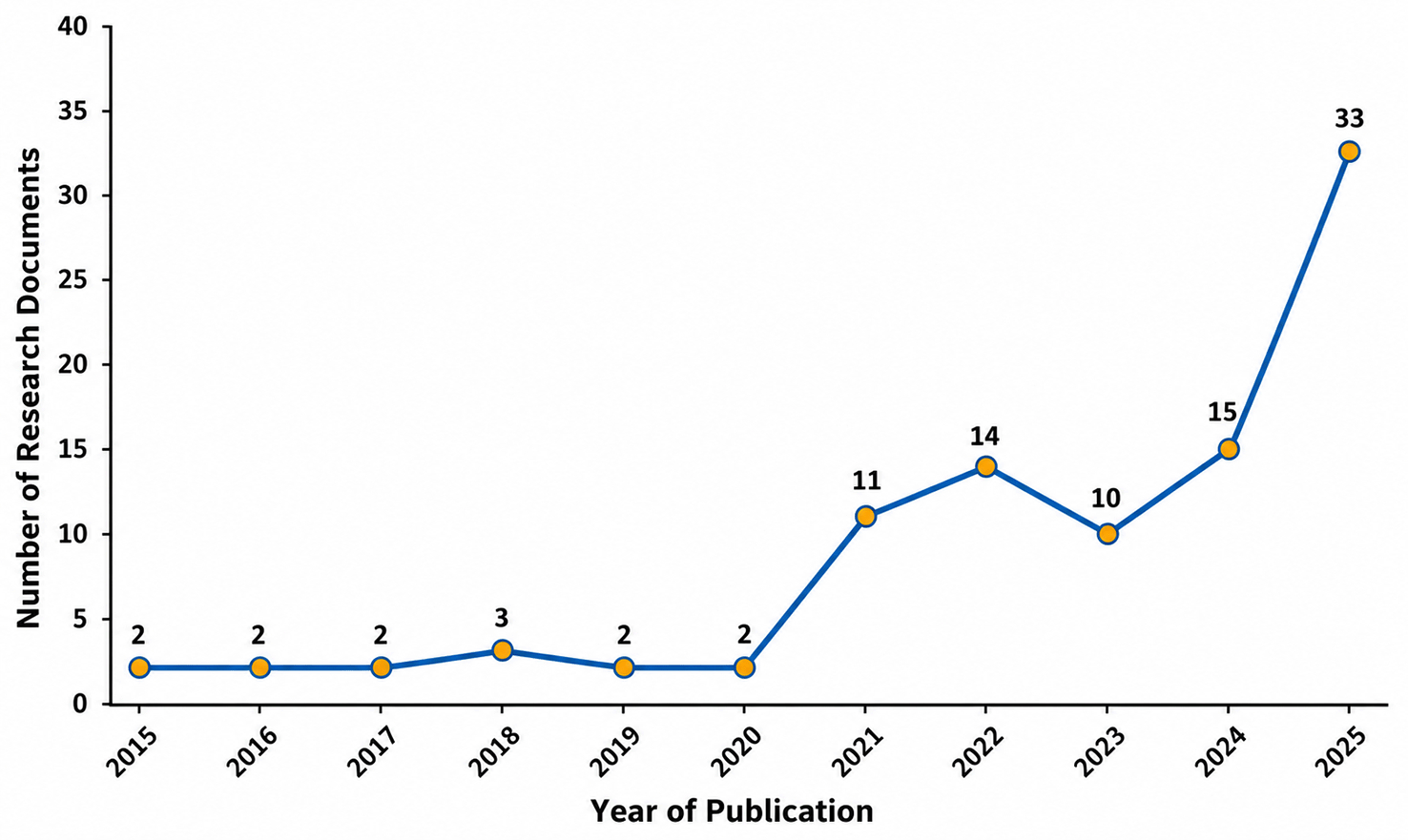
During the foundational incubation baseline period (2015–2020), research linking ecological vulnerability and biodiversity conservation within agroecosystems remained severely limited and conceptually fragmented. The dataset indicates a flat baseline of only two publications identified annually between 2015 and 2017, followed by a minor uptick to three publications in 2018. Publication output subsequently declined back to two articles in both 2019 and 2020. This prolonged baseline suggests that during the mid-decade, the integration of vulnerability frameworks into active biodiversity conservation was still in an emerging stage and had not yet developed into a well-established and coherent research domain, with most studies treating ecosystem protection and physical land metrics as independent, isolated themes.
A significant shift became apparent during the transitional expansion period (2021–2024), where the velocity of scientific interest accelerated. The number of publications increased sharply from two articles in 2020 to eleven articles in 2021, followed by a further increase to fourteen articles in 2022. Although publication output consolidated slightly to ten articles in 2023, the overall macro-trajectory recovered swiftly in 2024, reaching fifteen publications ( Figure 2). This expansion phase demonstrates a growing scholarly recognition of the importance of deploying dynamic, predictive vulnerability indices over static field mapping to safeguard complex agricultural landscapes from sudden environmental stress.
This upward momentum culminated in the high-intensity publication peak (2025), where research activity rose substantially to thirty-three publications in a single calendar year. This unprecedented publication explosion represents 34.3% of the entire decade’s corpus generated within a single 12-month window. This sharp escalation reflects an urgent mobilization within conservation science towards integrated and adaptive landscape approaches capable of addressing complex ecological challenges and shifting environmental dynamics under rapidly changing global conditions.18,19
1.2 Global geographical distribution of scientific production
The macro-spatial analysis of the curated dataset (n = 96) uncovers a highly uneven geographical topography and asymmetric funding distribution across the global research landscape. Rather than demonstrating a decentralized global effort, scientific contributions on ecological vulnerability and biodiversity conservation within agroecosystems are heavily clustered within specific economic hubs and geopolitical jurisdictions, as structurally mapped in Figure 3.
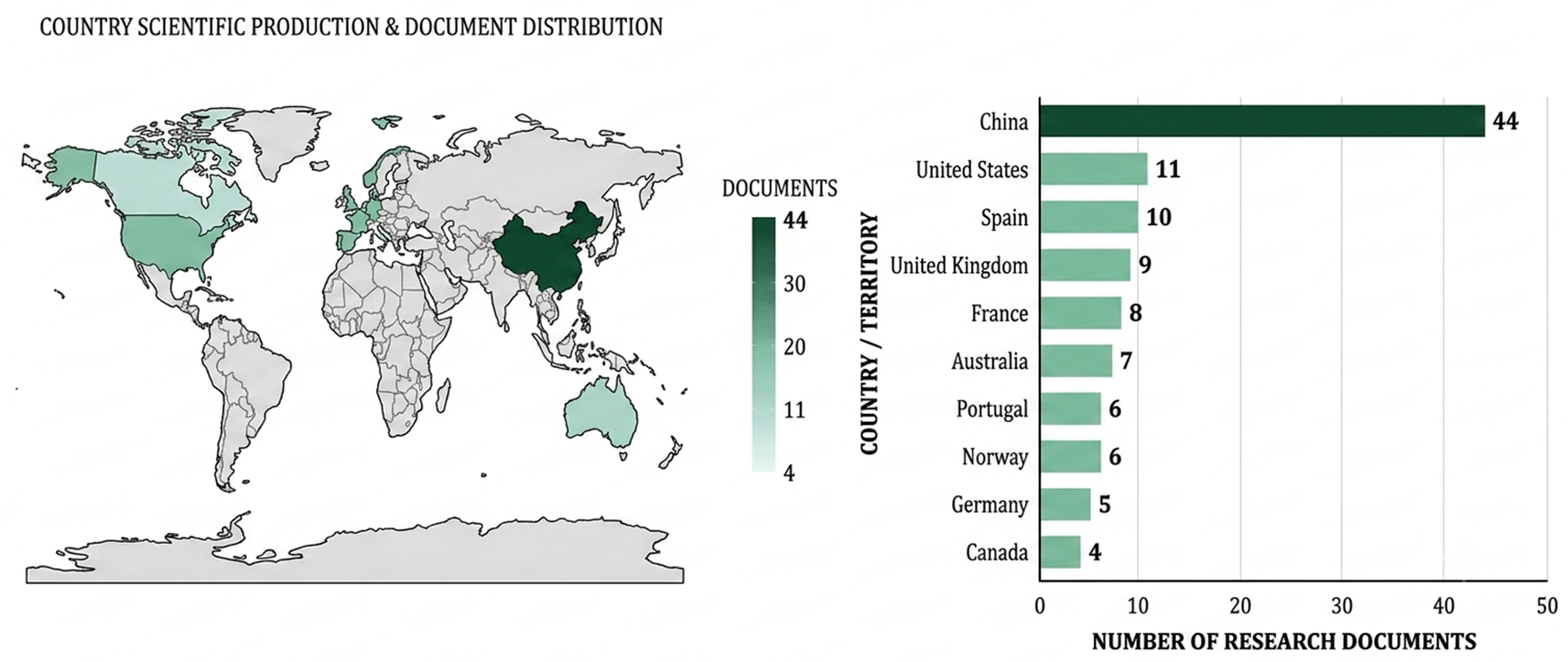
A rigorous country-level performance mapping identifies the People’s Republic of China as the leading contributor, accounting for 44 publications, substantially exceeding all other jurisdictions in the dataset. The United States ranks second with 11 publications, followed closely by Spain with 10 publications and the United Kingdom with 9 publications. France contributed 8 publications, while Australia produced 7 studies. Portugal and Norway each contributed 6 publications, followed by Germany with 5 publications and Canada with 4 publications.
This regional polarization is systematically reinforced by the global funding architecture. Major national research foundations such as those operating in China and the United States directly subsidize the vast majority of the included literature corpus. Consequently, highly vulnerable agricultural landscapes in developing regions of the Global South are frequently evaluated through external, macro-scalar remote sensing metrics rather than grass-roots, localized parameters.
To overcome this structural knowledge deficit, contemporary scholarship must expand international co-authorship networks beyond standard geopolitical corridors. Building active, interdisciplinary collaborative channels that integrate local agricultural extension units with specialized socio-environmental divisions such as the Department of Health Behaviour, Environment, and Social Medicine (HBESM) framework is an absolute operational prerequisite. Leveraging these localized behavioral-environmental metrics ensures that international funding structures can effectively target and co-design community-compliant, climate-adaptive conservation models tailored directly to the socio-ecological realities of smallholder agroecosystems.
2.1 Country collaboration publications
The results show that there is a significant gap between single-country publications (SCP) and multi-country publications (MCP). Globally, 66.7% of all the research output (64 articles) is attributed to SCP, indicating that most studies are conducted within national boundaries ( Figure 4). However, the remaining 33.3% of publications (32 articles) involve international collaboration (MCP), reflecting a growing trend toward global partnerships in ecological vulnerability and biodiversity conservation research within agroecosystems.
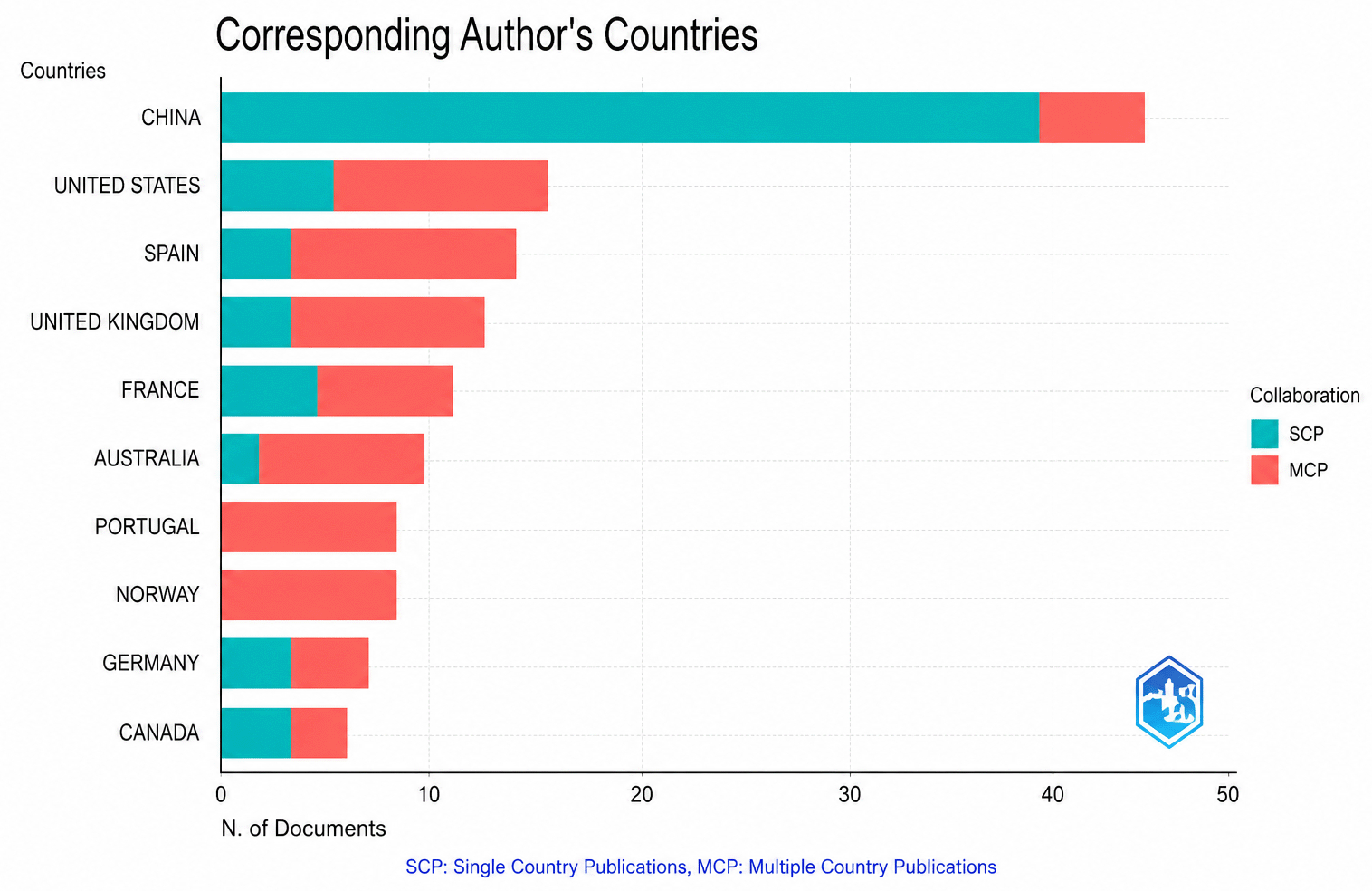
However, this proportion varies widely by country; for example, China leads in ecological vulnerability and biodiversity conservation research with 44 publications, mostly Single Country Publications (88.6%, 39 articles), indicating limited international collaboration. The United States (11 articles, 54.5% MCP) and Spain (10 articles, 60.0% MCP) follow, showing a strong global research focus. In contrast, the United Kingdom (55.6% MCP) and France (50.0% MCP) exhibit high international collaboration, alongside Australia (71.4% MCP).
Middle-tier contributors like Portugal and Norway demonstrate a completely globalized network profile, where 100% of their total outputs are achieved through international collaboration (6 MCP articles each, 0% SCP). Conversely, Germany (20.0% MCP) and Canada (0% MCP) tend to focus heavily on domestic frameworks with low multi-country sharing, which indicates a localized approach to managing ecological and agricultural vulnerability across these jurisdictions.
2.2 Key collaboration networks
The analysis identifies several collaboration regions ranging from the East Asia-European Union Network. Countries in Asia, particularly China, collaborate extensively with several European countries (United Kingdom, France, Portugal) and the United States. This is evident in Figure 5, where strong links connect China to EU nations and North America.
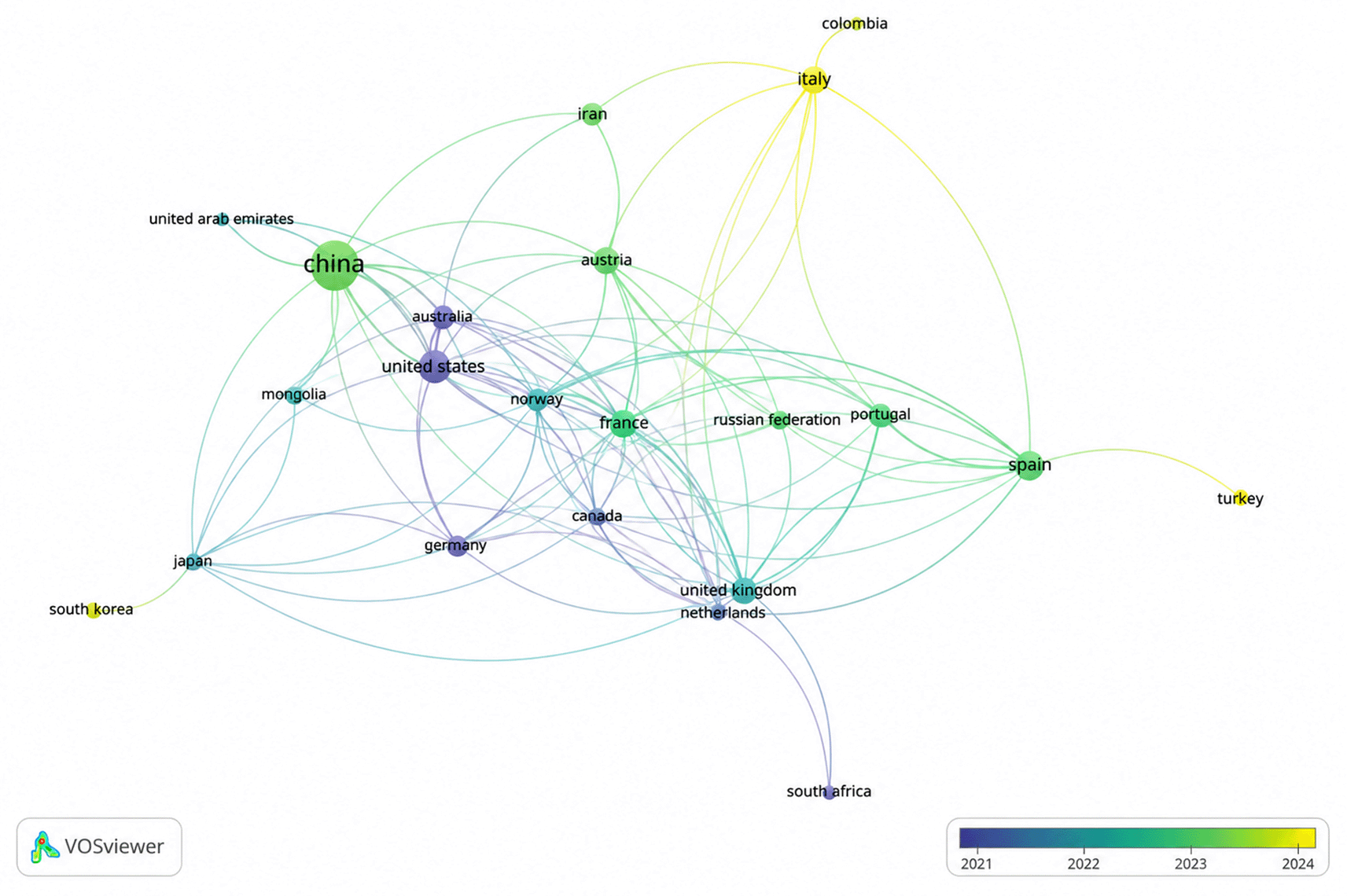
Also, between the Western hemispheres, there is a strong link between countries like the United States in connection with the partnerships with the European Union network, including the United Kingdom, Spain, and Germany. Emerging collaborations between Western European nations (Spain, Portugal, Netherlands, Italy) focus on landscape vulnerability modeling and spatial biodiversity risk assessment frameworks.
3. 1 Institutional contributions to collaboration
The leading institutions driving collaborative research can be seen in Figure 6, showing varying research institutes across Europe and Asia. The Chinese Academy of Sciences stands out with the highest number of publications, totaling up to 8 documents. This is very significant compared to the other institutions, as it reflects the university’s outstanding research output in this domain.
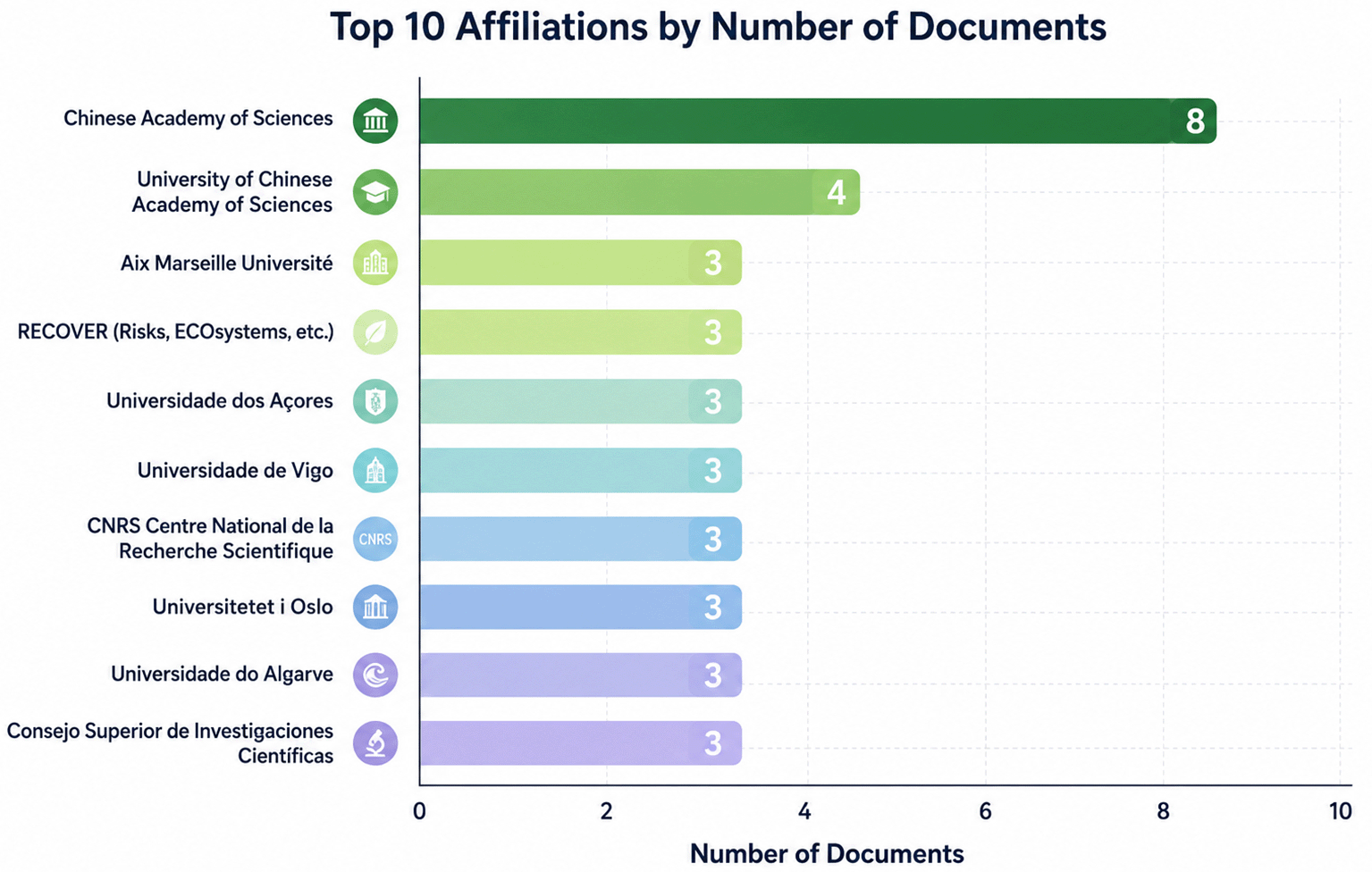
Similarly, the University of Chinese Academy of Sciences (4 documents), Aix Marseille Université (3 documents), RECOVER (Risks, ECOsystems) (3 documents), and Universidade dos Açores (3 documents) also show strong research engagements further emphasizing the global interest in ecological vulnerability and biodiversity conservation research within agroecosystems.
Furthermore, the presence of institutions such as the Universidade de Vigo, CNRS Centre National de la Recherche Scientifique, Universitetet i Oslo, Universidade do Algarve, and Consejo Superior de Investigaciones Científicas (each with 3 documents) shows the international nature of research in this field. This is reflective of the collaborative and multidisciplinary research efforts which are aimed at advancing sustainable agricultural landscape planning and biodiversity mitigation solutions.
3.2 Authors’ contributions and publication trends
Several authors have contributed to the development of research in this field, although the publication output remains relatively distributed among researchers. As presented in Figure 7, Argillier, C. and Logez, M. are the most productive authors, each contributing three publications. They are followed by Ovelheiro, A., Singh, V.P., Monteiro, J.N., Leitão, F., Cuevas, E., Jamoneau, A., Bueno-Pardo, J., and Costa, E.F.S., each with two publications. This distribution indicates that no single author has dominated the research field, suggesting that scientific contributions are relatively balanced among multiple researchers.
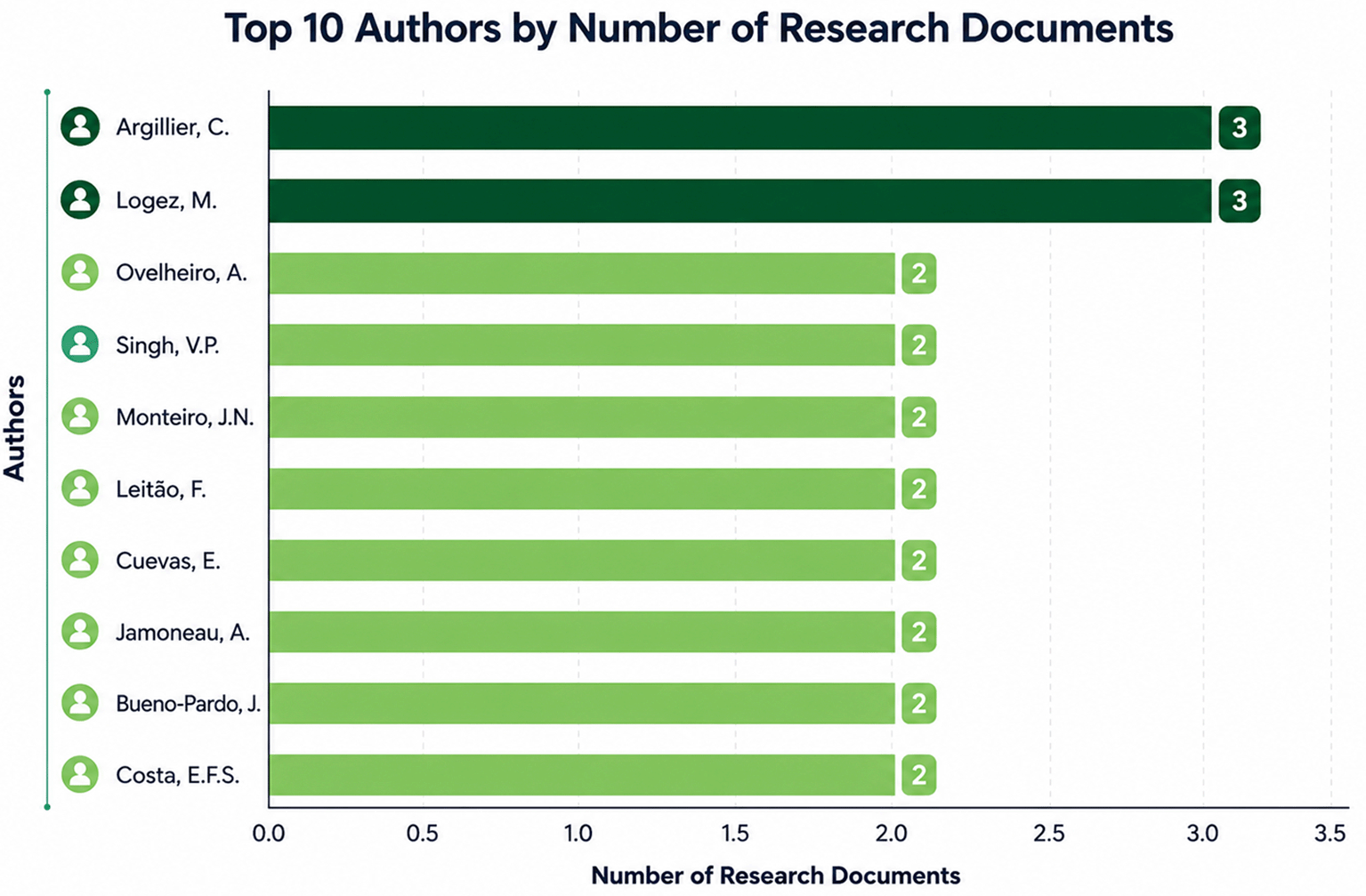
Furthermore, the publication trend demonstrates a gradual increase in research activities, particularly during recent years. The involvement of numerous authors with similar publication outputs reflects the collaborative nature of this research area and highlights the growing interest from researchers across different institutions and countries. Overall, the findings suggest that the field continues to expand through the collective contributions of various authors rather than relying on a small number of highly productive researchers.
4.1 Dominant research themes
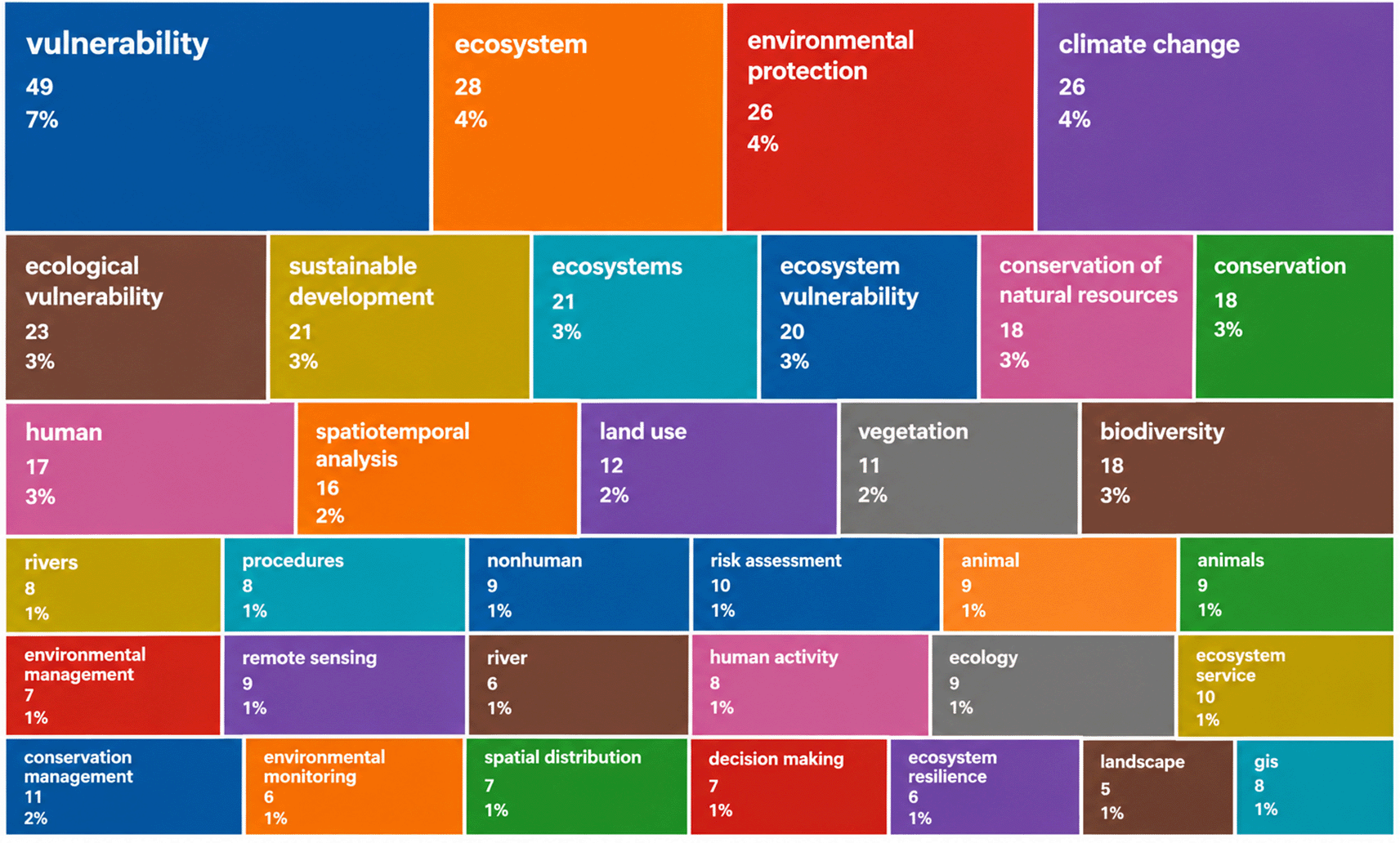
The analysis of keyword frequency reveals several dominant themes in ecological vulnerability and biodiversity conservation research within agroecosystems, as illustrated in Figure 8. The most frequently occurring keywords, vulnerability (49 occurrences, 7%), and ecosystem (28 occurrences, 4%) include environmental protection (26 occurrences, 4%). Other notable keywords include climate change (26 occurrences, 4%), ecological vulnerability (23 occurrences, 3%), and sustainable development (21 occurrences, 3%).
4.2 Evolution of research themes
The thematic evolution from 2015 to 2025 tracks the shift in research focus over time, as illustrated in Figure 9. From 2015–2018, studies in ecological vulnerability and biodiversity conservation within agroecosystems focused on broad terms like vulnerability, ecosystem, and conservation, with a focus on identifying baseline ecological metrics and habitat degradation factors.
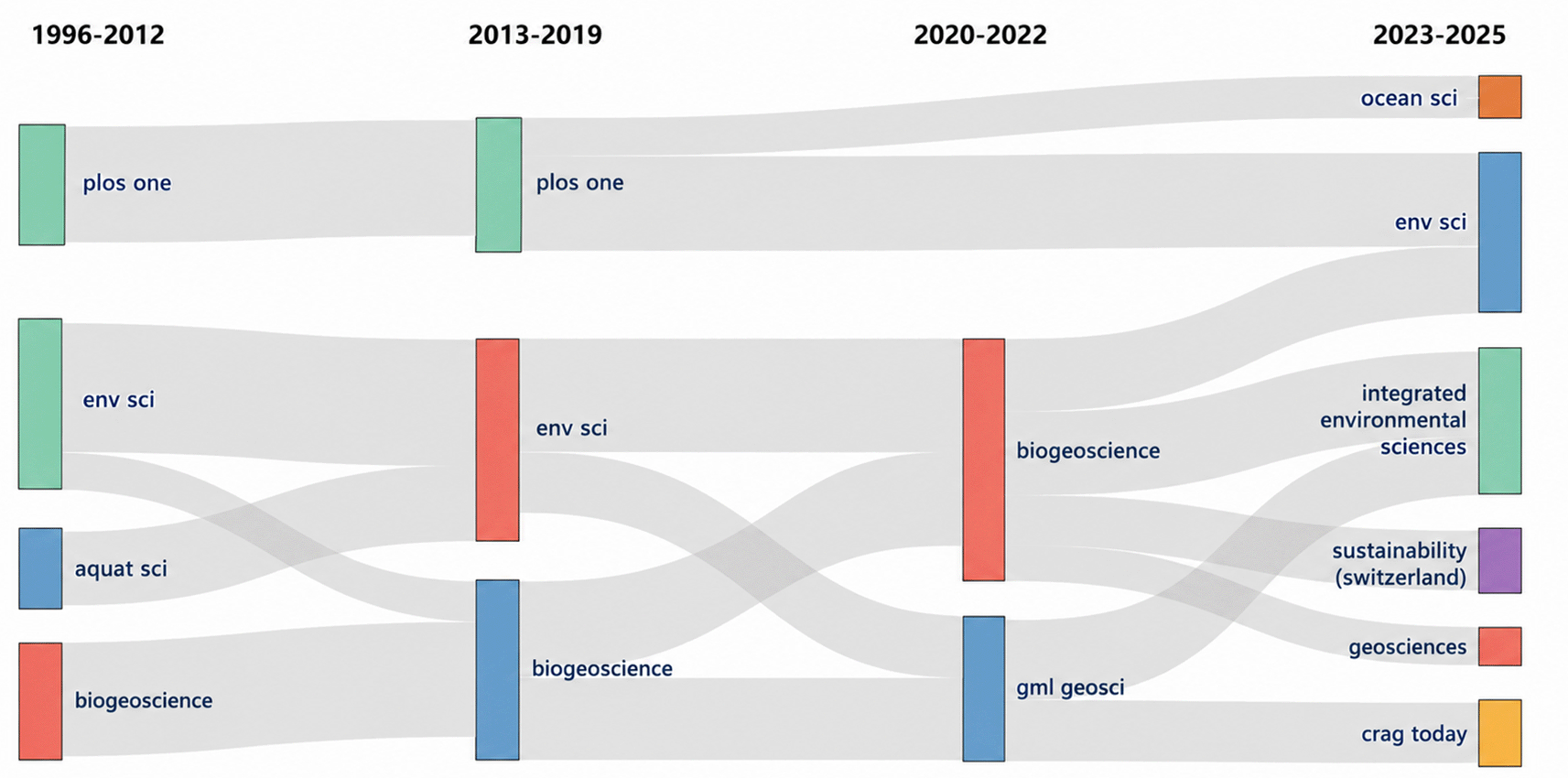
Emphasis on ecological vulnerability and habitat degradation gained more emphasis in research during the 2019–2021 period, which included biodiversity monitoring and agroecosystem services studies, driven by the need to validate adaptive management practices scientifically.
From 2022–2023, there was an expansion into climate change, risk assessment modeling, resilience testing, and sustainable development. Finally, the 2024–2025 period is characterized by a diversification into environmental protection, spatiotemporal analysis, landscape management, decision-making frameworks, and adaptive planning strategies as there is a strong need to ascertain the effectivity and standardization of these ecosystem conservation and climate-adaptive agricultural planning strategies.
5. Keyword Networks
The network visualization shows various clusters of keywords which points to several areas of interest or major research themes. Figure 10 (all keywords co-occurrence network) shows three dominant clusters: the green cluster capturing themes like vulnerability, ecological vulnerability, and ecological sensitivity which relates more to baseline risk assessment and landscape susceptibility studies.
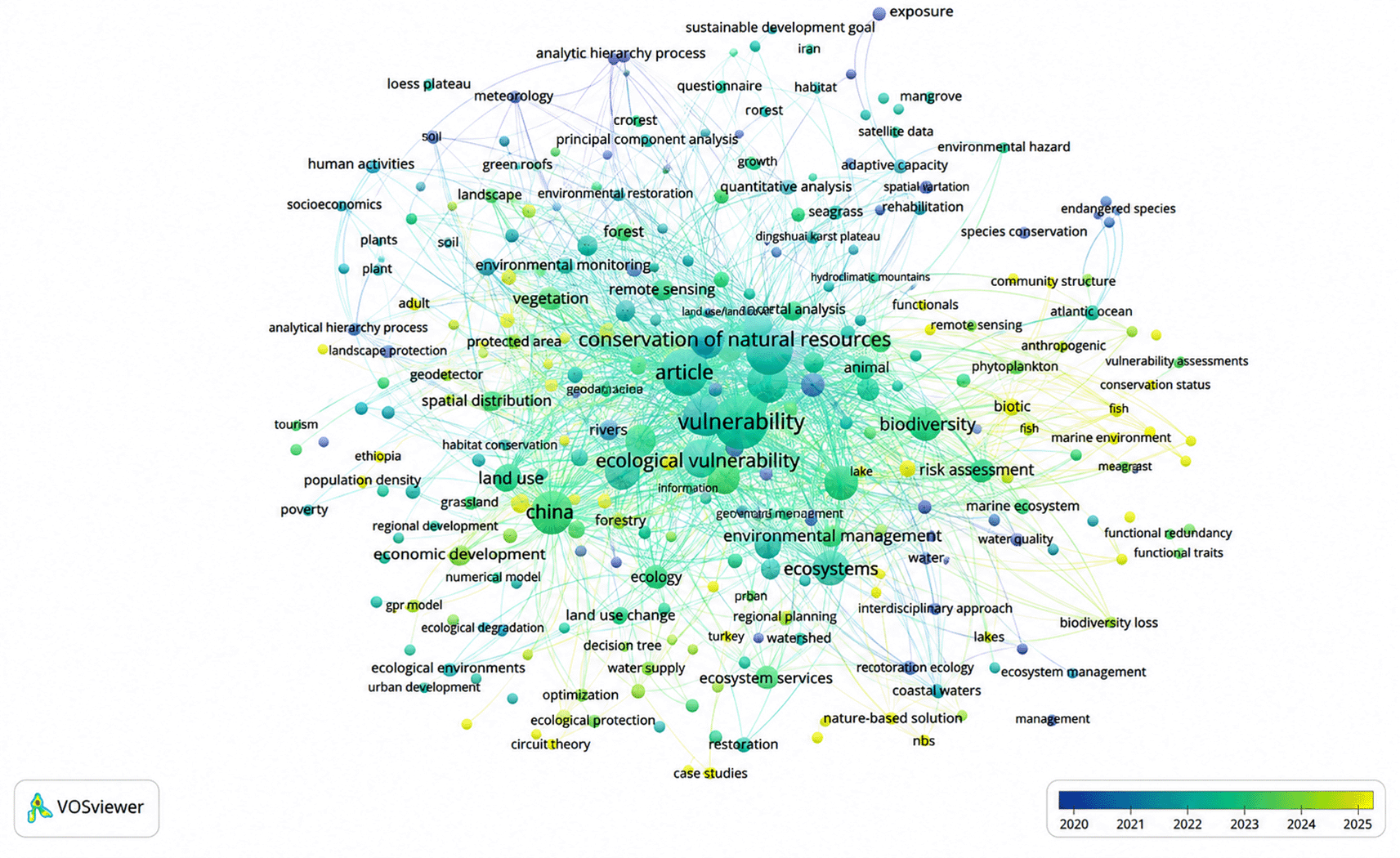
The blue cluster shows themes like climate change, ecosystem vulnerability, species richness, and land cover relating to environmental dynamics and macro-climatic impact drivers. The red cluster captures words like conservation of natural resources, biodiversity, environmental protection, sustainable development, and environmental management, reflecting the systemic intervention, regional planning, and socio-ecological sustainability policies within the domain. Figure 11 (Author Keywords Co-occurrence Network), on the other hand, shows keywords such as vulnerability, ecological vulnerability, climate change, and ecosystem services which shows an increased interest toward eco-friendly mitigation and adaptive resource management.
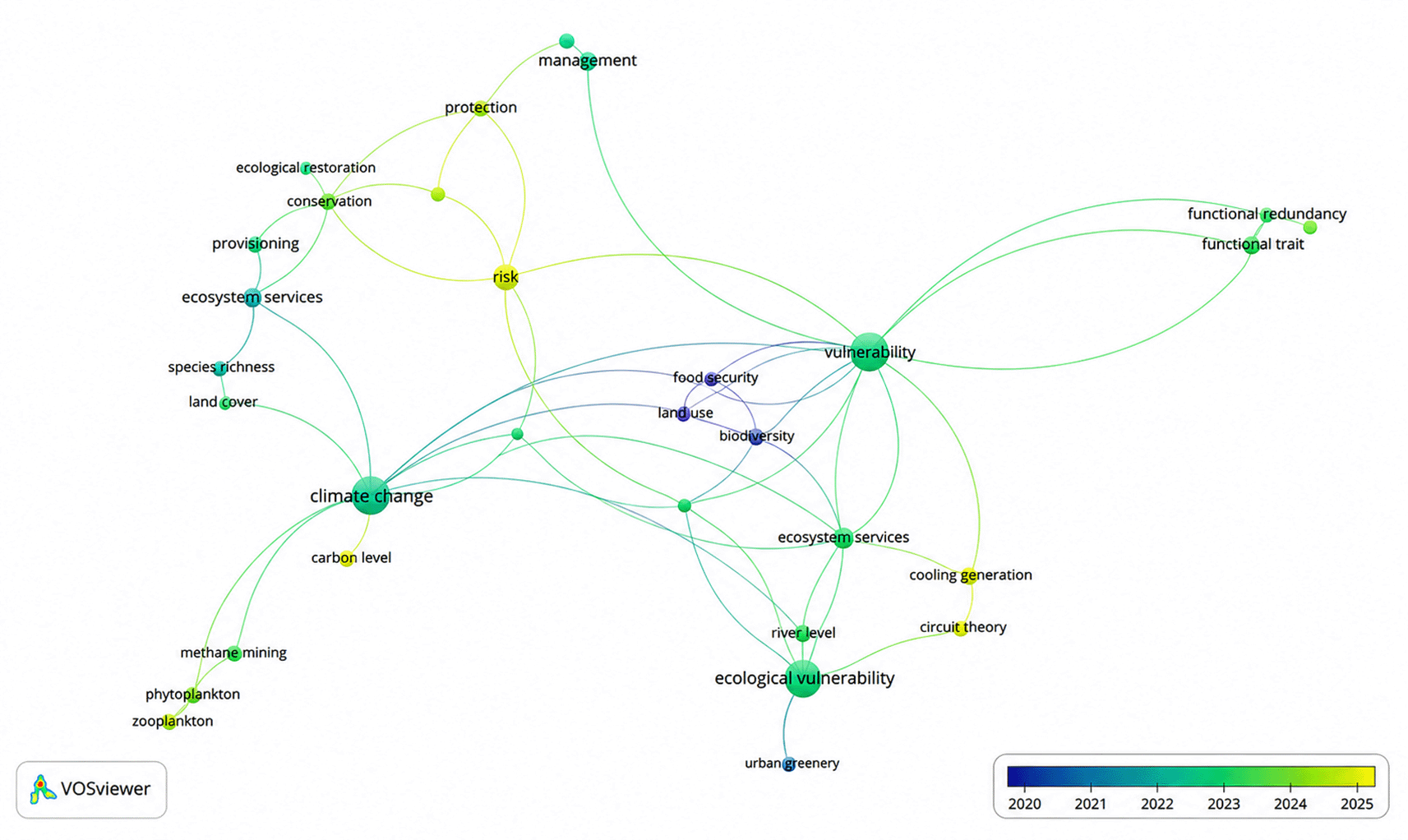
Other keywords indicate research into mechanisms of action and practical application of geospatial assessment tools, GIS, remote sensing, satellite telemetry, and geodetector. Also, emphasis is placed on the quantification of system stability and ecological thresholds, highlighting words like risk, sensitivity, adaptive capacity, functional redundancy, and functional traits.
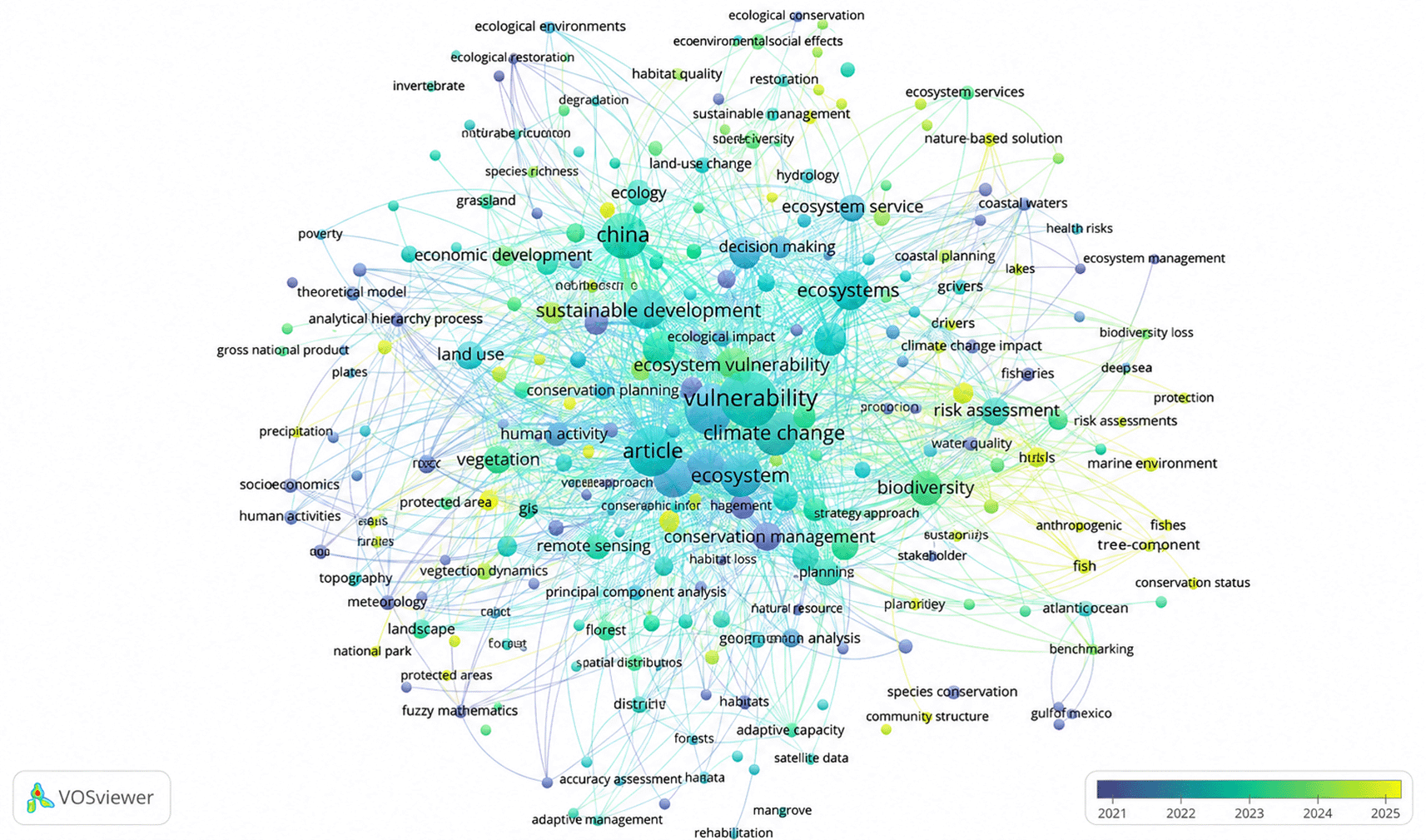
Figure 12 Indexed keywords co-occurrence overlay shows various range of time, from 2020–2021, focus on vulnerability, climate change, ecosystems, and species richness. From 2022–2023 there is a shift to ecological vulnerability, ecosystem services, biodiversity, risk assessment, and measurement tools like gis. In most recent times, transitioning from 2024 to 2025, the interests are shifting to more of sustainable development, environmental protection, landscape, vegetation, and adaptive resource planning strategies. Hence, words like functional traits and functional redundancy.
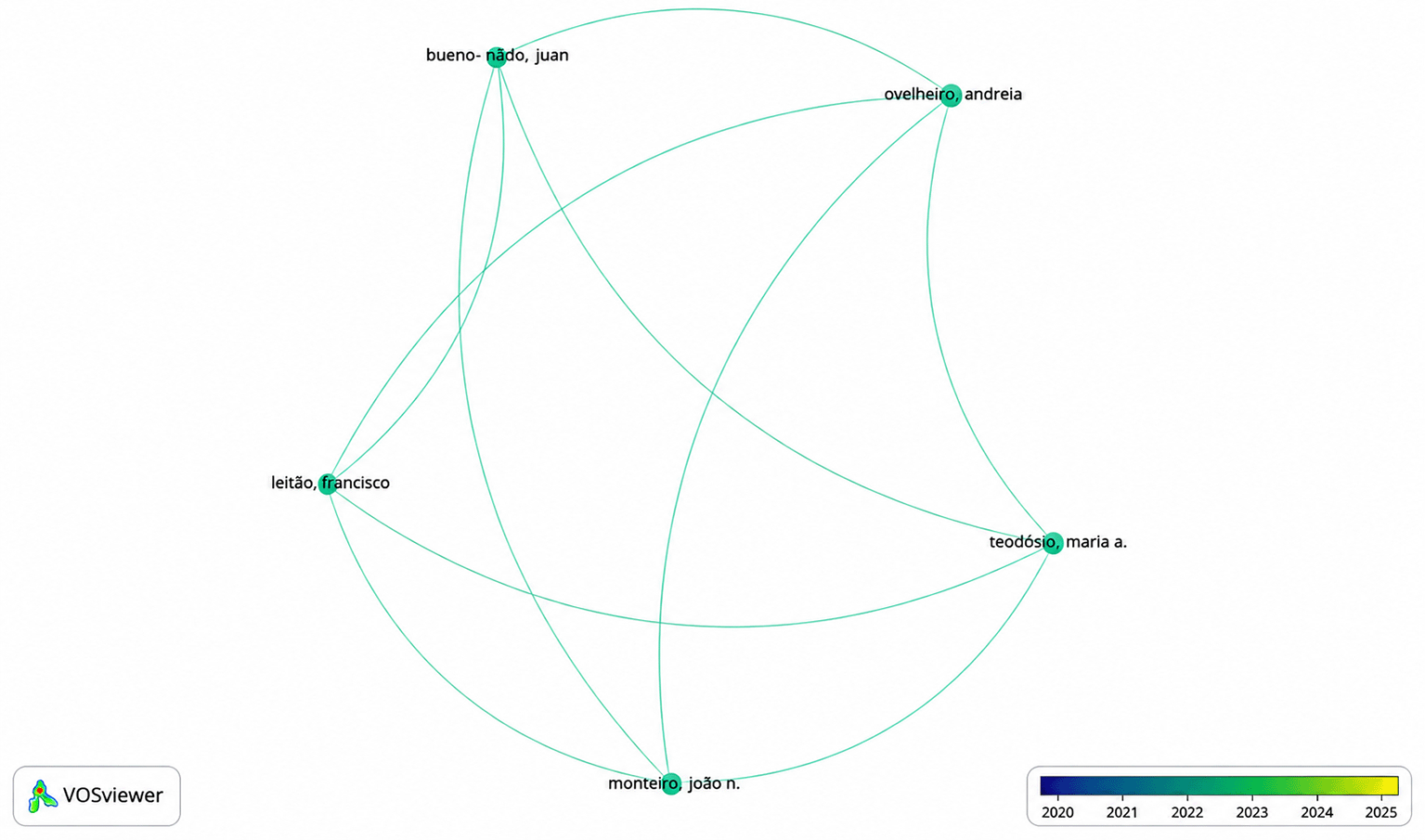
Key author collaborations within ecological vulnerability and biodiversity conservation research reveal researchers who are actively engaged in cross-institutional partnerships. Figure 13 shows the clusters which present a wide network of knowledge of exchange. Notably, early research collaborations prior to 2021 include Bueno-Pardo and Ovelheiro which transitions subsequently between 2021 to 2023. There is a major collaboration between Leitão and Monteiro which is the most collaborations, followed by Teodósio and Maria A. between 2022 and 2024, then Monteiro and João N. which are a more recent collaboration. These are the major collaboration networks between various authors.
This bibliometric review offers a unique insight into ecological vulnerability and biodiversity conservation research in agroecosystems over time covering a time frame of 11 years (2015–2025) which expresses a unique caption of the historical development, scientific contributions, and thematic transitions in the field revealing patterns that are often overlooked by short-term reviews and captures the evolution from baseline risk assessments to standardized, landscape-driven adaptive management planning. These findings not only document research progress but also provide strategic direction for bridging scientific knowledge with regulatory policy and field-level adoption.
Evolution of Scientific Production and Global Contributions in Ecological Vulnerability Research.
The exponential growth in ecological vulnerability research since 2018 indicates a global shift from high-input intensive farming, towards sustainable agriculture; this consistent shift can be attributed to the recent emphasis on the need for ecosystem stability. The sharp increase in annual publication outputs peaking towards 2025 aligns with the Kunming-Montreal Global Biodiversity Framework policy which has significantly influenced conservation research by promoting the restoration of degraded agroecosystems (CBD, 2022) and the United Nations’ emphasis on Sustainable Development Goal 15 (SDG 15) to halt biodiversity loss (UN, 2015). These policy emphases on the reduction of systemic vulnerability which is driven by the potential environmental and climatic risks, habitat fragmentation, and non-target biodiversity loss of intensive conventional agriculture can also serve as a pointer to this shift.20
The citation trend also consolidates the growing interest in publication production with higher rates of citation post-2020 which can be related to increased impactful research, specifically in addressing landscape-scale resilience and ecological safety thresholds.5 There are disparities in the research output from different nations such as China, the United States, and Brazil which dominate research output for a substantial portion of the global studies. These variations like in the case of China can be attributed due to their high agricultural dependency, vast but ecologically fragile territory, and national initiatives like China’s Ecological Conservation Redline strategy.21
However, despite high productivity, some of these developing regions occasionally lag in average citation impact compared to some developed nations like the United Kingdom, Germany, and Australia, though ranking lower in total publication output in certain clusters, tend to focus on high-impact methodological and predictive modeling research. This is evidenced by their dominance in localized citation metrics. China and the United States still maintain a high total citation level which could also be attributed to the massive research output from these regions, which focus on high-impact studies published in globally recognized journals. This disparity highlights systemic challenges, including limited international transboundary collaboration and reliance on regional journals with lower global visibility.22
The rise in multi-country publications (MCP) from <15% in the 2010 to >40% in 2020–2025 shows the importance of global collaboration in addressing macro-ecological challenges. Key collaboration hubs, such as the China-USA and Europe-Brazil networks, points out the complementary strengths of biodiverse or highly vulnerable agricultural regions (e.g., traditional landscape management, rich field monitoring networks) and technology hubs (e.g., advanced remote sensing algorithms, predictive cloud computing, substantial funding). Despite this progress, barriers to collaboration persist. Developing nations often lack the resources to initiate or sustain long-term international spatial tracking networks, and non-English regional assessments remain underrepresented in global databases like Scopus.22 Addressing these barriers through transnational funding mechanisms (e.g., Global Environment Facility, Horizon Europe grants) and open-access geospatial platforms could foster more equitable knowledge sharing.
Recent research emphasizes the importance of rigorous standardization and spatial validation for ecological vulnerability indices. This includes the use of keywords like functional traits and functional redundancy to assess landscape resilience, which is important for ensuring ecosystem stability and biodiversity safety. Functional traits and functional redundancy are key metrics used to evaluate the adaptive capacity of ecosystem structures. Functional traits refer to the ecological characteristics that determine how species respond to environmental pressures, while functional redundancy is the overlapping of these traits among different species required to maintain system stability under climate stress.23 These metrics are essential for understanding the safety profile of agroecosystems. The emphasis on quantitative models indicates a move toward more robust scientific validation of ecological vulnerability assessments. This includes geodetectors and spatiotemporal frameworks to assess landscape susceptibility and biodiversity degradation risks, ensuring that these frameworks meet stringent policy and socio-ecological standards.24
The period from 2023 to 2025 has seen significant interest in developing new frameworks for conservation management, particularly focusing on enhancing predictive accuracy, structural indicators, and adaptive delivery mechanisms. There is a growing interest in using machine learning algorithms and remote sensing data fusion to improve the tracking and evaluation of ecosystem services. These frameworks can enhance baseline calibration and reduce local ecological risks by minimizing the over-reliance on uniform, non-localized regional indices.
Referring to various previous studies, ecological vulnerability is increasingly recognised as a fundamental component of biodiversity conservation rather than merely an environmental assessment tool. Recent research has highlighted the importance of integrating vulnerability assessment, ecosystem resilience, and conservation planning to support more effective responses to biodiversity loss and environmental change. Several studies have further demonstrated that ecological vulnerability frameworks can assist in identifying priority conservation areas, evaluating ecosystem risks, and strengthening adaptive management strategies under changing climatic and environmental conditions.2
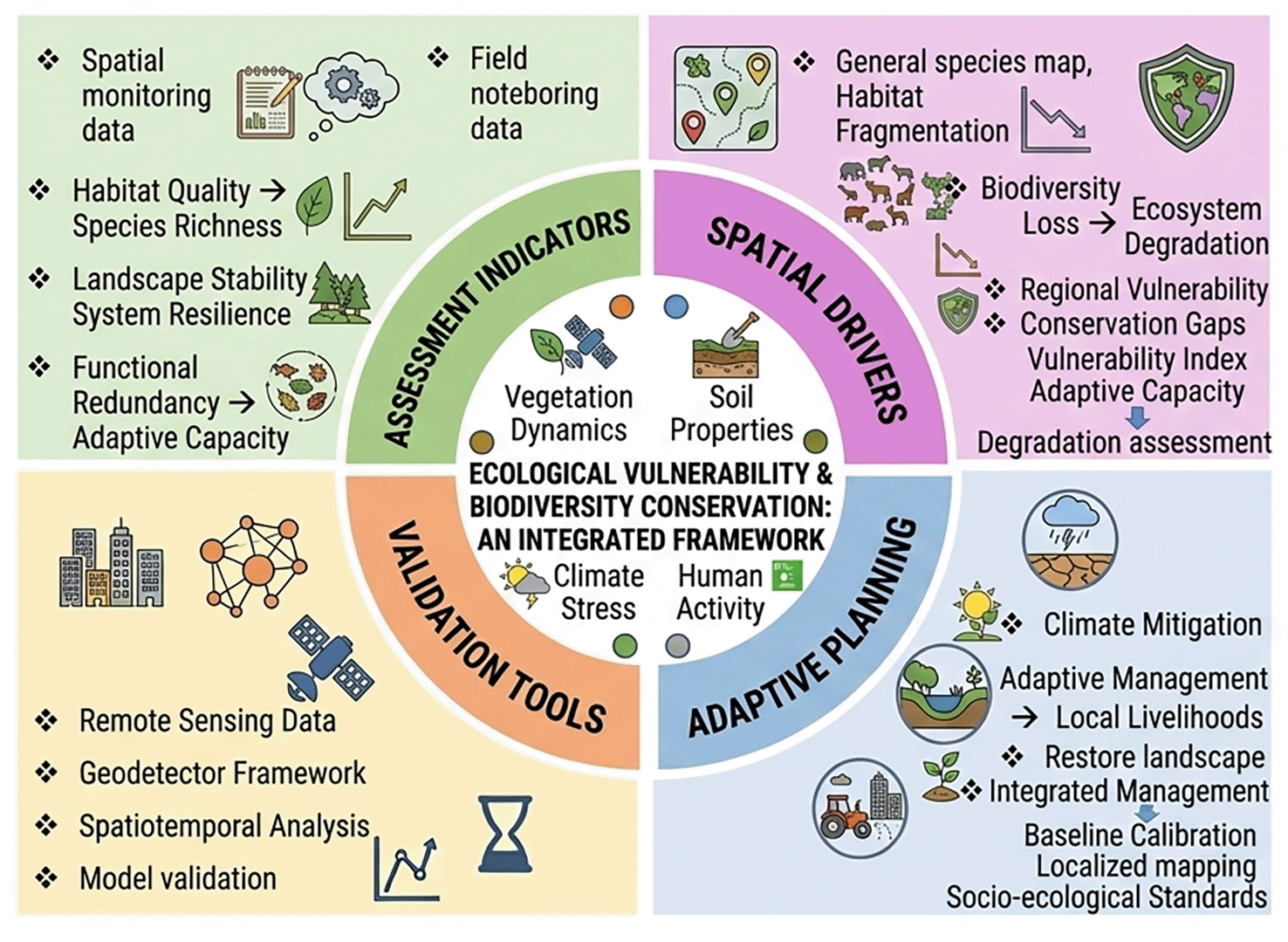
In the literature reviewed, several recurring dimensions emerged that form the basis of discussions on ecological vulnerability and biodiversity conservation. These dimensions indicate growing efforts to balance ecosystem protection, environmental sustainability, climate adaptation, and biodiversity conservation objectives. Figure. 9 synthesises these core components, illustrating how ecological vulnerability, ecosystem resilience, environmental protection, and conservation planning interact within a broader framework of sustainable biodiversity management.
Mechanistic Insights into Ecological Vulnerability and Ecosystem Degradation Drivers.
The ecological vulnerability of agroecosystems is primarily attributed to structural and environmental drivers such as vegetation dynamics, soil properties, climate stress, and human activity. These variables exert their stabilizing or destabilizing effects through various geo-ecological mechanisms (Figure 21). For example, structural landscape elements like vegetation cover and habitat connectivity act directly on ecosystem resilience, mitigating local climate stress by maintaining functional redundancy, which is unique to balanced matrices. This results in the preservation and enhancement of localized species richness.23,24 In contrast, unmitigated human activity and intensified land use may inhibit soil organic carbon accumulation or interfere with hydrological pathways such as surface runoff regulation, thereby halting natural recovery or accelerating habitat fragmentation.25
The inclusion of geodetectors and spatiotemporal validation frameworks in recent studies is indicative of an increased focus on determining baseline vulnerability thresholds in both fragile landscapes and protected conservation zones, which is necessary for the standardization of environmental indices. While many localized ecosystems adapt dynamically and possess inherent recovery capacities, their sensitivity to long-term transboundary macro-shocks such as extreme drought or prolonged climate change impacts remains underexplored. Some environmental drivers show severe sublethal ecosystem effects, altering landscape connectivity, species reproduction dynamics, or adaptive capacity, which could have cascading ecological consequences if not properly assessed.20 Hence, understanding these indicators and spatial mechanisms is important not only for assessment accuracy but also for long-term ecological safety and successful integration into global nature-based solutions and adaptive resource planning strategies.
Although our study provides significant insights into ecological vulnerability and biodiversity conservation within agroecosystems, it has certain limitations. The bibliometric analysis relies solely on documents from the Scopus database, excluding other sources such as Web of Science, Google Scholar, Dimensions, and Lens. While this may appear restrictive, Scopus is widely recognized as a reputable database, featuring high-quality, curated content selected by an expert advisory board. Nonetheless, the exclusion of other databases means that some relevant publications were not considered, which could slightly influence the results. Also, relying solely on Scopus introduces potential regional bias, as Scopus indexing tends to favor high-impact, English-language journals from North America, Europe, and parts of Asia.26 This may inadvertently underrepresent research published in African, Latin American, and some Asian regional journals that are not indexed by Scopus.
For instance, Web of Science and regional databases like AJOL (African Journals Online) or SciELO (Scientific Electronic Library Online) often contain valuable studies in local eco-zonal contexts that are excluded by Scopus. As a result, this bibliometric analysis may not fully capture research outputs from regions that are actively exploring localized conservation practices, indigenous land management, or traditional ecological knowledge systems. Future studies should consider integrating multi-database search strategies, including non-English and regional repositories, to achieve a more balanced and globally representative overview of agroecosystem resilience research.
Additionally, the study is limited to original articles in English, omitting other valuable sources like conference proceedings, theses, books, and book chapters, which could provide further depth. The exclusive use of English may also introduce a bias favoring English-speaking contributors. Furthermore, variations in keyword usage (e.g., ecological vulnerability vs. environmental sensitivity) may have impacted the accuracy of thematic mapping. However, our study deliberately focuses on agroecosystem matrices to provide a more detailed analysis within this critical research area, particularly given the global shift from purely production-driven agriculture to biodiversity-centric, sustainable alternatives. While this focus enhances specificity, it excludes broader, non-agricultural landscape ecology research, presenting another limitation. These methodological limitations are important to bear in mind when interpreting the scientific insights summarized in Figure 13. Addressing these constraints in future studies will help mitigate potential biases and improve the comprehensiveness of findings. Despite these limitations, our study remains a valuable contribution, offering meaningful insights into the current state and future directions of ecological vulnerability mapping and biodiversity conservation.
Despite the steady growth in ecological vulnerability and biodiversity conservation research ( Figure 2), several critical gaps persist, hindering its mainstream adoption and structural policy viability. These gaps range from field-level microclimatic validation, framework standardization, socioeconomic feasibility, and comprehensive multi-taxa ecological safety. To address these systemic gaps, enhanced interdisciplinary collaboration between landscape ecologists, environmental economists, policymakers, and agricultural stakeholders will be required.
a) Limited plot-level validation and large-scale empirical trials
While macro-scale modeling and satellite-derived assessments have advanced regional ecological vulnerability monitoring, real-world, plot-level field validation remains scarce. The overwhelming focus on broad, controlled spatiotemporal data metrics fails to account for microclimatic variability, such as localized soil health degradation, fine-scale topography, and immediate farm-level management variations. With respect to Figure 4 (Multi-Country Collaboration Publications), most agroecosystem resilience research remains bound within national frameworks, limiting transboundary and multi-regional empirical validation efforts. Without broad cross-border agroecological field trials, the scalability and localized reliability of ecological vulnerability indices in diverse farming systems remain uncertain. Hence, there is a distinct need to expand ground-truthing studies across multiple geographical and climatic zones to evaluate matrix consistency, biodiversity baseline adjustments, and long-term ecosystem service conservation effectiveness.
b) Standardization and policy-implementation challenges
While ecological vulnerability mapping tools have evolved from baseline risk profiles to advanced geospatial modeling and data-fusion delivery systems ( Figure 9), standardized evaluation protocols across different agroecosystems persist as a major challenge. Unlike isolated natural biomes with uniform biophysical boundaries, heavily managed agricultural landscapes exhibit massive variance due to shifting crop rotations, regional socio-political pressures, and localized land-use histories. Figure 7 shows a rising structural emphasis on advanced validation metrics (functional traits, functional redundancy), signaling a coordinated push toward methodological standardization. However, this scientific movement remains fragmented, lacking internationally recognized indicator weighting and calibration protocols. Therefore, it is important to develop harmonized stability assessments and core structural variable tests to facilitate transboundary regulatory approval and uniform landscape-scale scalability. These challenges directly mirror the structural barriers captured in Figure 14 under the Assessment and Measurement Tools constraints.
c) Comprehensive ecological safety and cross-taxa non-target effects
The dramatic rise in agroecosystem-centered bibliometric outputs ( Figure 2) has focused predominantly on target macro-vulnerability drivers, frequently neglecting hidden ecological cascading risks, such as unintended structural trade-offs to soil microbiota, unmapped pollinator corridors, and aquatic ecotones bordering intensive farmlands. Figure 11 shows a significant increase with reference to spatial risk testing, yet the localized sublethal impacts of landscape fragmentation on beneficial insects and micro-fauna remain underexplored. Without proper multi-taxa ecological assessments, widespread uniform conservation zoning could introduce unforeseen eco-spatial imbalances or production displacement. Therefore, it is necessary to conduct longitudinal environmental trials to evaluate cross-taxa non-target organism impacts and fully integrate ecological vulnerability indices into broader, international sustainability frameworks like Nature-Based Solutions (NbS). This directly aligns with the strategic need, highlighted in Figure 14, to balance agricultural management efficacy with holistic ecological safety. Additionally, strengthening global scientific networks, particularly through North-South and South-South collaborative partnerships, will be paramount in addressing shared global agricultural crises, such as invasive pest pressures and severe climate change impacts.
This study provides a comprehensive bibliometric and systematic review of global research on ecological vulnerability and biodiversity conservation within agroecosystems, evaluating a curated dataset of 96 high-impact peer-reviewed journal articles indexed in the Scopus database over an 11-year timeframe (2015–2025). The structural findings reveal a substantial increase in annual scientific output over this period, particularly accelerating post-2020. This trajectory indicates a growing international recognition of the importance of vulnerability-informed conservation frameworks in addressing contemporary agroecological challenges and environmental shifts. Geographically, the distribution of publications demonstrates that research activity is increasingly globalized; China emerges as the preeminent contributor in research production, followed closely by the United States, Spain, and the United Kingdom, supported by strong international collaboration networks that facilitate cross-regional knowledge exchange.
The tracking of keyword co-occurrences and thematic evolutions illustrates a critical evolutionary paradigm shift in the literature, moving seamlessly from isolated assessments of localized environmental risks toward highly integrated, landscape-scale approaches. These approaches systematically connect structural vulnerability analysis, environmental change, ecosystem management, and active biodiversity conservation. Within this integrated framework, quantitative spatial modeling, indicator weighting, geodetector tools, and spatiotemporal risk validation metrics (such as functional traits and landscape connectivity) are increasingly recognized not merely as diagnostic tools for identifying environmental risks, but as an empirical foundation for developing adaptive conservation strategies under changing socio-ecological and climatic conditions.
Despite this consistent growth, critical structural gaps persist, particularly in ground-level plot validation, unified indicator standardization pathways, and socio-economic farmer adoption. Limited large-scale empirical trials and localized calibration challenges continue to hinder transboundary regulatory approval and regional policy integration, preventing broader systemic application in sustainable agriculture. Additionally, comprehensive cross-taxa ecological safety assessments, including long-term cascading effects on unmapped soil microbiota, pollinator corridors, and aquatic ecotones, remain significantly underexplored.
The findings of this study are based on data obtained thru the extraction and synthesis process from publications included in the systematic review. The extraction dataset, PRISMA 2020 checklist, and flowchart of the literature section process are available in an open repository accessible to the public.
Repository: Zenodo.
Title: “Data Availability- Ecological Vulnerability and Biodiversity Conservation within Agroecosystems: An Integrated Bibliometric Mapping and Systematic Literature Review.
DOI: https://doi.org/10.5281/zenodo.21264003[Ibrahim et al. (2026)].
License: Creative Commons Zero (CC0 4.0 Public Domain Dedication).
The authors would like to express their sincere gratitude to the Indonesia Endowment Fund for Education (LPDP), Ministry of Finance of the Republic of Indonesia; the Indonesian Education Scholarship (BPI); and the Doctoral Scholarship Program for Indonesian Lecturers (PDDI), both administered through the Center for Higher Education Funding and Assessment (PPAPT), Ministry of Higher Education, Science, and Technology of the Republic of Indonesia, for the financial and academic support provided during the preparation of this review article.
Indonesia Endowment Fund for Education (LPDP), Ministry of Finance of the Republic of Indonesia; the Indonesian Education Scholarship (BPI); and the Doctoral Scholarship Program for Indonesian Lecturers (PDDI), both administered through the Center for Higher Education Funding and Assessment (PPAPT), Ministry of Higher Education, Science, and Technology of the Republic of Indonesia, for the financial and academic support provided during the preparation of this review article.
The funders had no role in study design, data collection and analysis, decision to publish, or preparation of the manuscript.
© 2026 Ibrahim M et al. This is an open access article distributed under the terms of the Creative Commons Attribution License, which permits unrestricted use, distribution, and reproduction in any medium, provided the original work is properly cited.
Current Reviewer Status:
AWAITING PEER REVIEW
AWAITING PEER REVIEW
?
Key to Reviewer Statuses VIEW HIDE
ApprovedThe paper is scientifically sound in its current form and only minor, if any, improvements are suggested
Approved with reservations A number of small changes, sometimes more significant revisions are required to address specific details and improve the papers academic merit.
Not approvedFundamental flaws in the paper seriously undermine the findings and conclusions
Open Peer Review
AWAITING PEER REVIEW
Sign up for content alerts
Alongside their report, reviewers assign a status to the article:
Approved - the paper is scientifically sound in its current form and only minor, if any, improvements are suggested
Approved with reservations - A number of small changes, sometimes more significant revisions are required to address specific details and improve the papers academic merit.
Not approved - fundamental flaws in the paper seriously undermine the findings and conclusions