Просмотр новости
Найдите то, что Вас интересует
 Спутники
 РН
РН SpaceX
 Роскосмос
 NASA
NASA
СпутникиРНSpaceXРоскосмосNASABackground Continuous water quality deterioration and high manual operational reliance remain major obstacles to the economic viability and scalability of smart aquaculture, despite its strategic potential for global food security. This study aims to analyze research trends in smart aquaculture and precision fisheries and their implications for digital operational efficiency through a comprehensive bibliometric approach. Methods A total of 61 open-access journal articles retrieved from the Scopus database were analyzed using a systematic bibliometric workflow. The dataset covers publications from 2020 to 2025, focusing on English-language records. Bibliometric mapping was conducted using VOSviewer to evaluate publication trends, author productivity, institutional contributions, and keyword co-occurrence networks. Network, overlay, and density visualizations were deployed to identify thematic structures, research hotspots, and the technological evolution within the smart fisheries domain. Results Scientific publications grew steadily from 2 documents in 2020 to a peak of 25 in 2025. Author and institutional metrics reveal concentrated clusters led by the National Taiwan Ocean University and the Freshwater Institute (USA). Regionally, Taiwan dominated total outputs (12 documents), while Indonesia demonstrated highly competitive participation by securing a top position with 7 documents. Three major thematic clusters were identified: systemic aquaculture frameworks, IoT-automation infrastructure, and advanced artificial intelligence/computer vision. Overlay analysis revealed a clear evolutionary trajectory from passive IoT monitoring telemetry toward deep learning-based precision optimization, while density visualization highlighted saturation in baseline threshold-based water tracking alongside a significant research gap in non-invasive cognitive computational intelligence. Conclusions Research in smart aquaculture and precision fisheries has grown substantially but remains heavily concentrated on descriptive environmental monitoring, leaving advanced autonomous computer vision systems underexplored. Future research should prioritize standardizing automated cross-platform protocols, developing low-cost edge-AI infrastructure, and advancing non-invasive deep learning models for fish biomass and behavioral tracking to ensure long-term efficiency and food security.
The concept of smart aquaculture is rapidly growing as a strategic solution for food production to meet the global demand for aquatic protein.1 Technically, this system is increasingly framed under precision fisheries, where aquatic organisms are reared in highly controlled environments through the integration of digital technologies, real-time wireless telemetry, and automated actuators.2 Resource efficiency and animal welfare are the main benefits of this system; as noted by O’Donncha et al.,3 precision fish farming can achieve significantly higher feed utilization and water-use efficiency than traditional, unmonitored pond aquaculture or open cage setups. The capacity to continuously track water quality parameters and mitigate ecological risks regardless of environmental changes makes this technology an important pillar for the future of global food security.4
However, wide-scale economic viability and systemic integration remain hampered by technical bottlenecks and manual operational reliance. Continuous water quality degradation and overfeeding dominate the risk and operational cost structures, making precise, autonomous monitoring the biggest obstacle in the industry.5 Therefore, the long-term sustainability of aquaculture is highly dependent on precision optimization strategies, positioning this approach not only as a solution for fish production but also as a cyber-physical system whose scalability and efficiency must be comprehensively evaluated.
While baseline Internet of Things (IoT) frameworks for water telemetry have been widely discussed.6 there is an urgent need to transition from passive monitoring to cognitive automation. Emerging studies emphasize the necessity of non-invasive computer vision and deep learning models to enable automated biomass estimation and behavioral tracking without inducing fish stress.7 Furthermore, establishing standardized, cost-effective edge-AI control frameworks remains a critical prerequisite for democratic tech adoption among mid-scale farmers.8 Despite these accelerating developments, a comprehensive structural evaluation of how these technical paradigms interact remains scarce in the global literature.
To address this knowledge gap, a systematic mapping of the scientific landscape is necessary to synthesize the evolution from basic sensor monitoring to advanced computational intelligence. Based on these points, this study aims to (1) Analyze the growth trends of open-access scientific publications in smart aquaculture and precision fisheries from 2020 to 2025, (2) Identify the core intellectual structure, keyword hierarchies, and major research hotspots within the domain using density and network visualizations, and (3) Map the temporal thematic evolution and geographical contributions of countries and institutions driving this digital transition.
This study employs a bibliometric analysis to map publication trends, thematic structures, and patterns of scientific collaboration related to smart aquaculture and precision fisheries globally. This method was selected because it enables a systematic and objective evaluation of the intellectual development of a research field through bibliographic metadata.9 Bibliographic data were retrieved from the Scopus database on June 30, 2026. Scopus was selected due to its comprehensive coverage, rigorous indexing process, and high-quality metadata, which are essential for reliable bibliometric analysis.10
The search was conducted within the “Article Title, Abstract, and Keywords” (TITLE-ABS-KEY) field using the following structured query:
((“smart aquaculture” OR “precision aquaculture” OR “precision fisheries”) AND (“artificial intelligence” OR “internet of things” OR “machine learning” OR “computer vision” OR “automation” OR “automated system”))
The inclusion of specific core technologies such as artificial intelligence, internet of things, and automation was intended to capture a broader spectrum of technologically driven aquatic production and management systems. Although these concepts encompass various forms of digital transformation, their inclusion ensures comprehensive coverage of relevant studies, particularly those that focus on automated feeding, water quality monitoring, and biomass estimation using computer vision, which share comparable technological characteristics under the umbrella of Precision Livestock Farming (PLF) applied to aquaculture.2
To ensure consistency and transparency, the dataset was filtered using Scopus standard filtering tools. The search was restricted to open-access journal articles to ensure reproducibility and global knowledge dissemination. The final dataset was limited to publications indexed in Scopus within the 2020–2025 publication window. However, due to Scopus indexing practices, a small number of records may appear with early-access or in-press status at the time of data retrieval. These records were retained in the dataset and included in both descriptive statistics and bibliometric network analysis (VOSviewer), as they represent valid indexed records at the time of extraction.
The global focus on smart and precision technologies is supported by the Food and Agriculture Organization.1 which highlights the critical role of digital blue transformation in ensuring global food security. Furthermore, precision aquaculture acts as a mitigation strategy against environmental degradation by optimizing resource use.11 These conditions position digital optimization and automated precision systems as critical factors in the successful and sustainable implementation of modern fisheries practices.3
A total of 61 documents met the exact inclusion criteria and were exported in CSV format for further analysis. The data were processed through term normalization and keyword synonym unification (e.g., merging “IoT” and “internet of things”) to improve analytical accuracy. Bibliometric analysis was conducted using VOSviewer to visualize annual publication trends, keyword co-occurrence networks, and patterns of collaboration among authors and countries. The resulting networks were interpreted using node size, link strength, and cluster formation to identify dominant research themes, inter-topic relationships, and the role of automated technologies as a connecting element between technical optimization and long-term environmental sustainability in smart fisheries systems.12
The analysis of the collected bibliographic data provides a comprehensive overview of research development in this field. The following discussion will present an interpretation of these findings, ranging from publication growth trends to their implications for the global smart aquaculture and precision fisheries landscape.
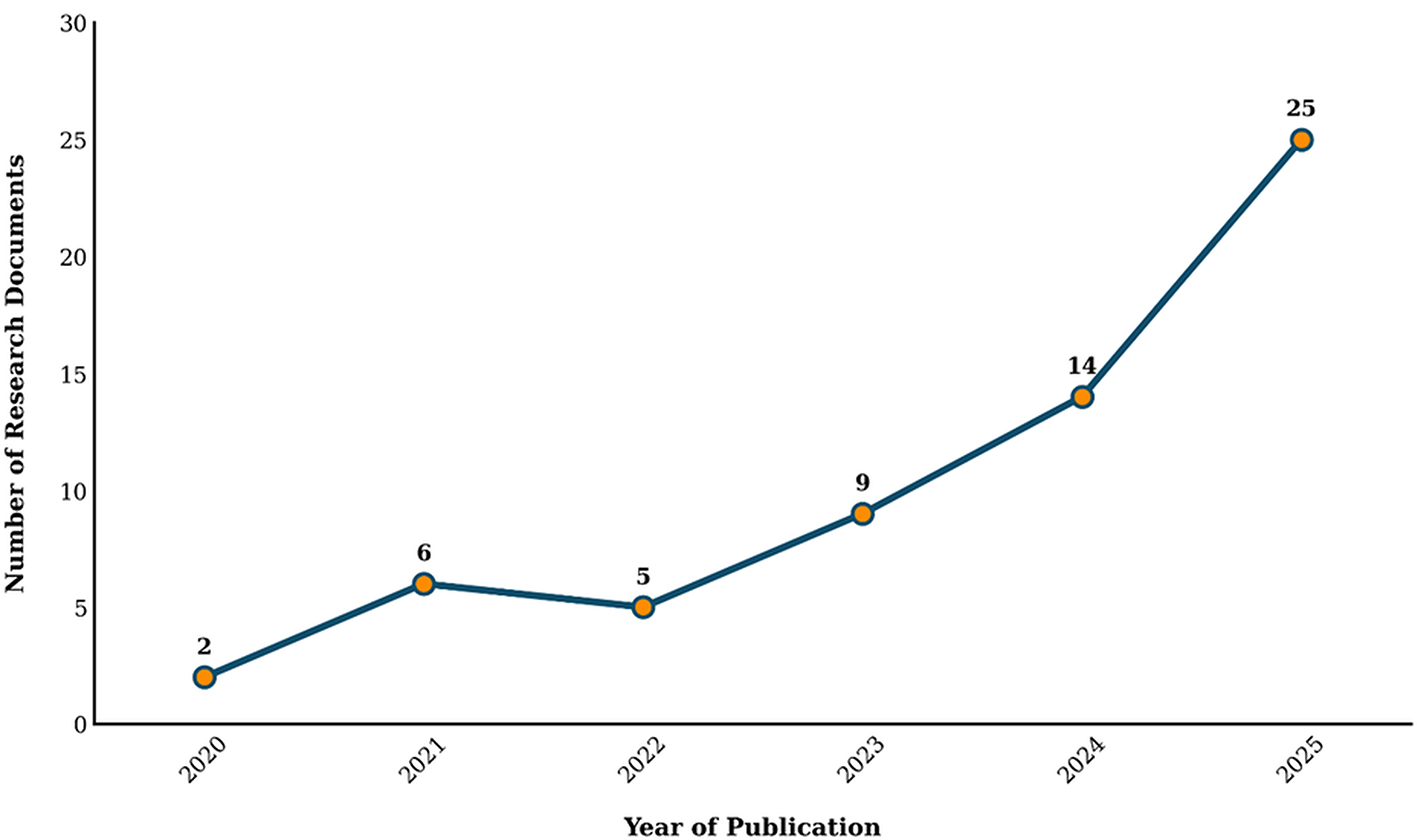
The results of the bibliometric mapping show that research on smart aquaculture and precision fisheries has increased significantly in recent years. The number of limited publications at the beginning of the period grew rapidly, peaking recently, as demonstrated by the rise from just 2 articles in 2020 to 25 in 2025. This trend reflects two main points: first, digital optimization and automated precision systems are increasingly seen as a major issue in the development of modern fisheries due to the high demand for operational efficiency, especially for automated feeding, automated biomass estimation, and water quality monitoring; second, there is a strengthening of policy incentives and global market demand to increase aquaculture food security through a digital “Blue Transformation” without increasing the environmental burden.
Overall ( Figure 1), the number of documents showed a gradual upward trend from about 2 in 2020 to about 6 in 2021, and then decreased slightly to about 5 in 2022. Entering 2023, there was a significant increase with a total of 9 publications, indicating an acceleration in publishing activities. In 2024, the number of documents increased moderately to around 14, and in 2025, the trend will rise sharply again, reaching a maximum of approximately 25 documents. Meanwhile, a small number of records may be classified outside the core timeline or under early-access status in the Scopus database at the time of data retrieval. These records are likely associated with early-access or in-press publications assigned specific indexing tags by the Scopus system. Given their minimal number, these records are considered as metadata classification artifacts and do not affect the overall temporal publication trend, which is primarily interpreted within the 2020–2025 period.
The data visualization in the following chart provides an overview of the map of intellectual contributions in this field ( Figure 2). The distribution pattern suggests that although researcher participation is broad, expertise remains concentrated among a small number of individuals who consistently drive research development through ongoing publications. Further analysis of these productivity metrics is outlined as follows.
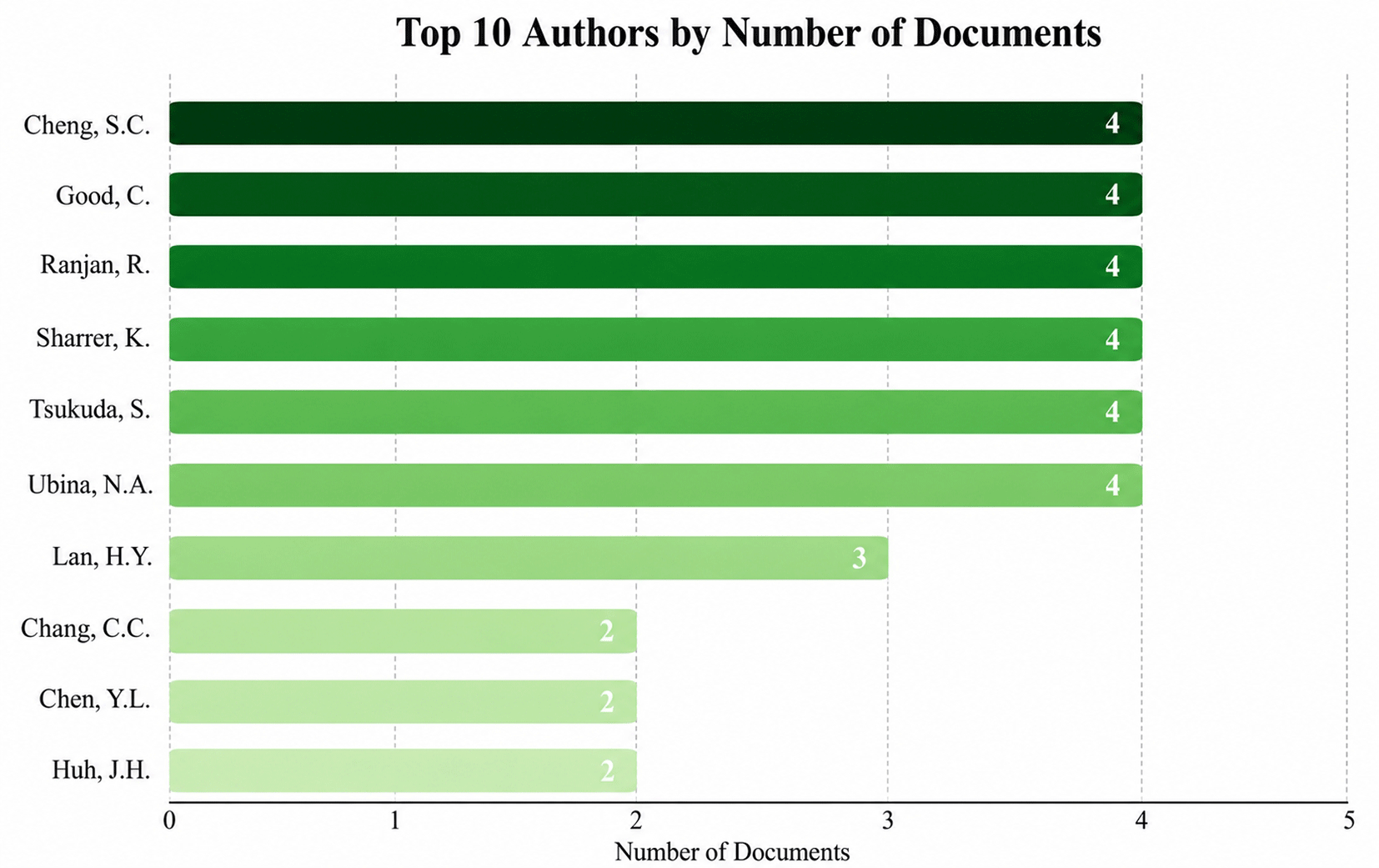
The graph shows that publication productivity among the analyzed authors tends to be concentrated in specific names, although individual output generally remains relatively low. Cheng, S.C., Good, C., Ranjan, R., Sharrer, K., Tsukuda, S., and Ubina, N.A., who have several publications related to the integration of automated system monitoring, computer vision, and digital control frameworks in aquaculture, were noted as the most prolific contributors, each producing 4 papers.
This group is followed by Lan, H.Y., who contributed 3 papers focused on the application of IoT and machine learning in modern fisheries systems. Other key authors, including Chang, C.C., Chen, Y.L., and Huh, J.H., show more limited yet meaningful contributions, with each producing 2 documents. This tight distribution of authorship indicates an emerging research community where collaborative networks often share co-authorship on identical core project datasets to advance smart fisheries technology.
The country’s affiliation analysis provides important insights into centers of excellence in smart aquaculture and precision fisheries research globally. This data reflects the gap in research capacity regions, which is greatly influenced by the readiness of technological infrastructure, coastal characteristics, and the national food policy priorities of each country.
Based on the graph of the number of documents per country ( Figure 3), it is evident that Taiwan heavily dominates publication output, with 12 papers, positioning it as the leading hub for digital fisheries innovation. This is followed closely by a high-contribution group consisting of China, Indonesia, and the United States, each contributing 7 documents. In the mid-level contribution group, Malaysia and South Korea have 6 publications each, followed closely by India and the Philippines with 5 papers each. Bangladesh shows a more emerging contribution level with 4 documents, whereas the United Kingdom has the least among the top group, with 3 papers.
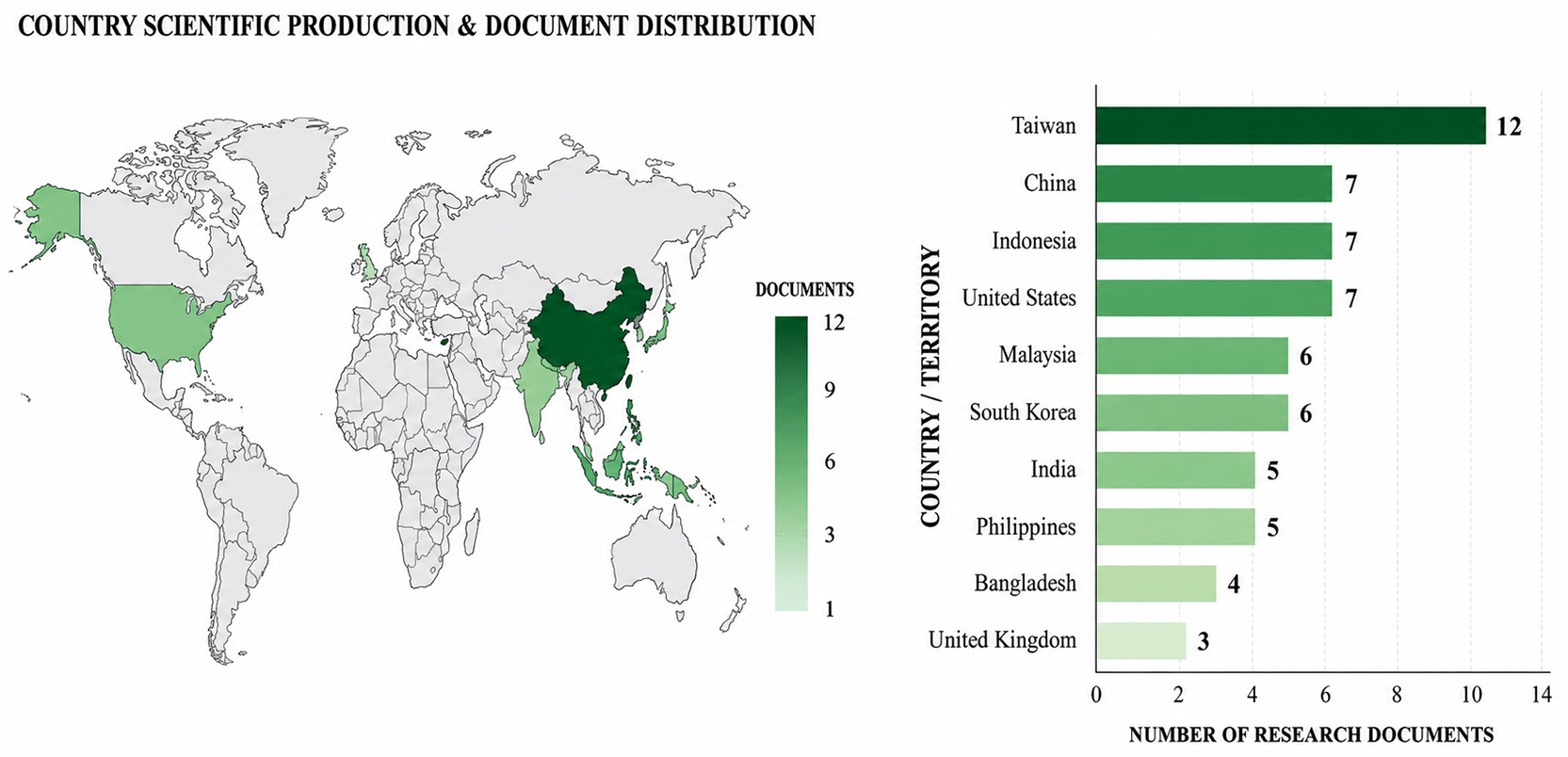
This pattern shows that the centers of literature production on this topic are highly concentrated in East and Southeast Asian countries, which are regions with extensive aquaculture sectors and emerging smart farming initiatives. Interestingly, Indonesia has shown strong and highly competitive participation in this global landscape by securing a top position with 7 documents. This indicates a robust domestic interest and expanding research ecosystem in utilizing IoT and automation to support the digitization of national aquaculture industries.
The leading institutions driving collaborative research can be seen in Figure 4, showing varying research institutes across North America and Asia. The National Taiwan Ocean University stands out with the highest number of publications, totaling up to 5 documents. This is very significant compared to the other institutions, as it reflects the university’s outstanding research output and localized infrastructure in this domain.
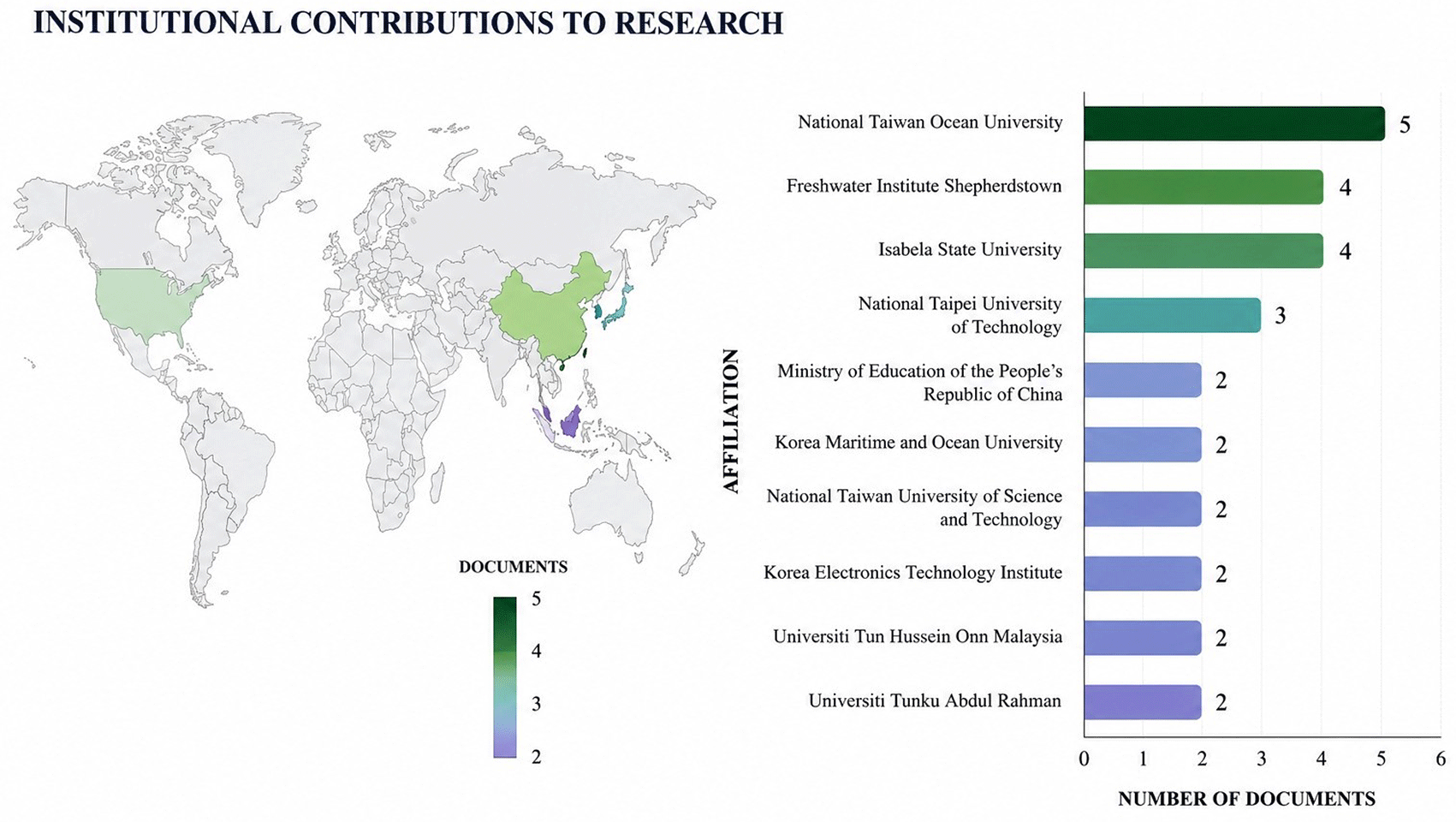
Similarly, the Freshwater Institute Shepherdstown (4 documents) and Isabela State University (4 documents) also show strong research engagements, followed closely by the National Taipei University of Technology (3 documents), further emphasizing the global interest in digital transformation, sensor integration, and smart water quality monitoring within advanced aquatic production systems.
Furthermore, the presence of institutions such as the Ministry of Education of the People’s Republic of China, Korea Maritime and Ocean University, National Taiwan University of Science and Technology, Korea Electronics Technology Institute, Universiti Tun Hussein Onn Malaysia, and Universiti Tunku Abdul Rahman (each with 2 documents) shows the international nature of research in this field. This is reflective of the collaborative and multidisciplinary research efforts which are aimed at advancing automation, Internet of Things (IoT) applications, and precision fisheries mitigation solutions across the Asian-Pacific region.
This bibliometric network analysis groups research topics into three main groups interpreted hierarchically based on structural dominance and connectivity density. The following discussion begins with the core framework (smart aquaculture), moving to the technical enabling infrastructure (internet of things and automation), and finally to the computational intelligence domain (machine learning and computer vision). This stream charts the evolution of research from baseline system monitoring to autonomous, data-driven precision aquaculture.
Based on the node size, connectivity density, and structural position in the network ( Figure 5), clusters in the visualization can be interpreted hierarchically. This structure maps how the scientific community addresses digital transformation in fisheries: from systemic aquaculture frameworks (Red), technical IoT and automation infrastructure (Green), to advanced computational intelligence (Blue).
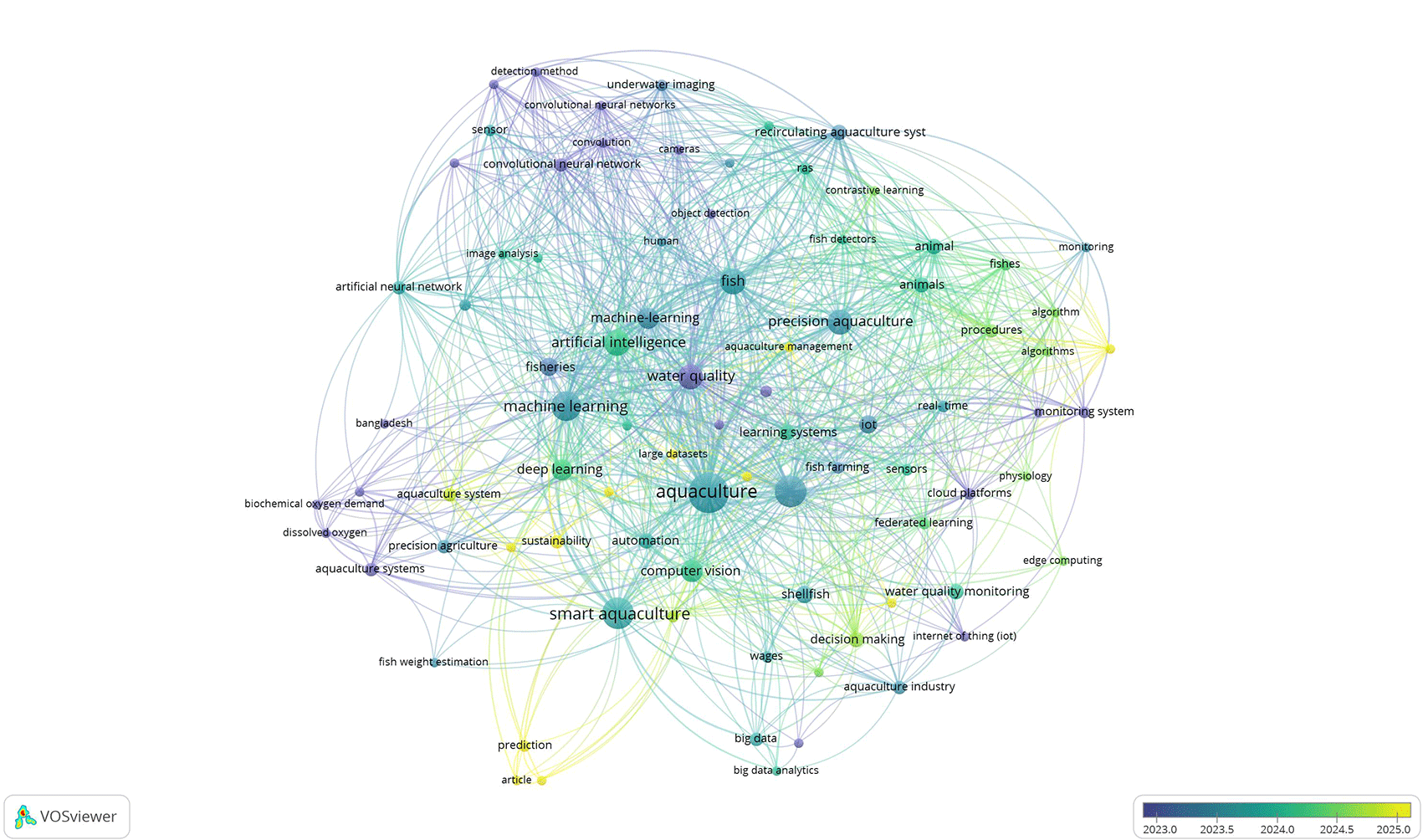
1) Aquaculture and systemic frameworks cluster (Red): The dominant axis of research
The red cluster represents the core operational domain where smart innovations are applied and validated. Occupying a highly dense position in the network, keywords such as “aquaculture”, “aquaculture systems”, “water quality”, and “fish” form the structural anchor of the dataset. Within this axis, researchers focus heavily on the survival and optimization of aquatic species through technological intervention.
Continuous water quality management serves as the primary baseline for fish welfare and biosecurity13 The literature within this cluster emphasizes that before deploying complex algorithms, a robust physical and digital framework must be established to monitor vital parameters like dissolved oxygen, temperature, and pH.14 Any failure in maintaining these water metrics directly suppresses feed conversion ratios and increases mortality risks. Furthermore, this cluster connects traditional fish farming practices to precision fisheries, serving as the fundamental framework that dictates the biological constraints and requirements for all subsequent engineering solutions.2,3
2) Internet of things (IoT) and automation infrastructure cluster (Green): The enabling domain
The green cluster delineates the hardware and communication architecture required to bridge physical aquaculture systems with digital intelligence. Dominating this cluster are keywords like “internet of things”, “iot”, “automation”, “embedded systems”, and “sensors”. This domain acts as the “nervous system” of precision aquaculture, transforming traditional ponds and tanks into cyber-physical environments.
The integration of low-cost IoT sensor nodes is highly critical for scaling up smart farming in developing regions, enabling real-time wireless data streaming without requiring prohibitive capital investments.15 Beyond passive monitoring, this cluster emphasizes active control loops where embedded systems trigger automated feeding devices or aeration mechanisms based on sensor thresholds.2,7 This automated synchronization drastically minimizes nutrient leaching and saves electrical energy from over-aeration. The research trajectory in this cluster demonstrates a clear transition from manual, labor-intensive husbandry to automated aquaculture systems that optimize resource utilization and reduce human error.11
3) Artificial intelligence and computer vision cluster (Blue): The computational engine
The blue cluster represents the “intellectual engine” of modern precision fisheries, providing the mathematical and analytical tools to achieve high-level autonomy. This cluster is characterized by high-density nodes such as “artificial intelligence”, “machine learning”, “deep learning”, and “computer vision”. Innovations in this cluster focus heavily on non-invasive monitoring and predictive analytics, moving past simple threshold-based sensors toward cognitive automation.
A major focus within this domain is the application of convolutional neural networks (CNNs) and deep learning for automated fish behavior analysis and biomass estimation.16,17 By utilizing advanced computer vision, systems can autonomously detect feeding intensity or identify early signs of stress and disease based on changes in swimming patterns.18 Furthermore, machine learning models in this cluster are increasingly used to forecast water quality deterioration hours before it occurs, allowing farmers to take preemptive actions rather than reactive ones. Collectively, this computational layer links the raw data harvested by IoT sensors (Green) to actionable, intelligent decisions that drive the overall economic and environmental sustainability of the aquaculture system (Red).
After dissecting the cluster structure, the research dynamics over time are mapped through Overlay Visualization. Based on the color gradation from purplish blue (old/established topic) to yellow (current/new topic), the evolution of smart aquaculture and precision fisheries technology can be mapped into three strategic phases.
Based on Figure 6, the color gradation from purplish blue (old) to yellow (new), the evolution of technology can be mapped into three strategic phases:
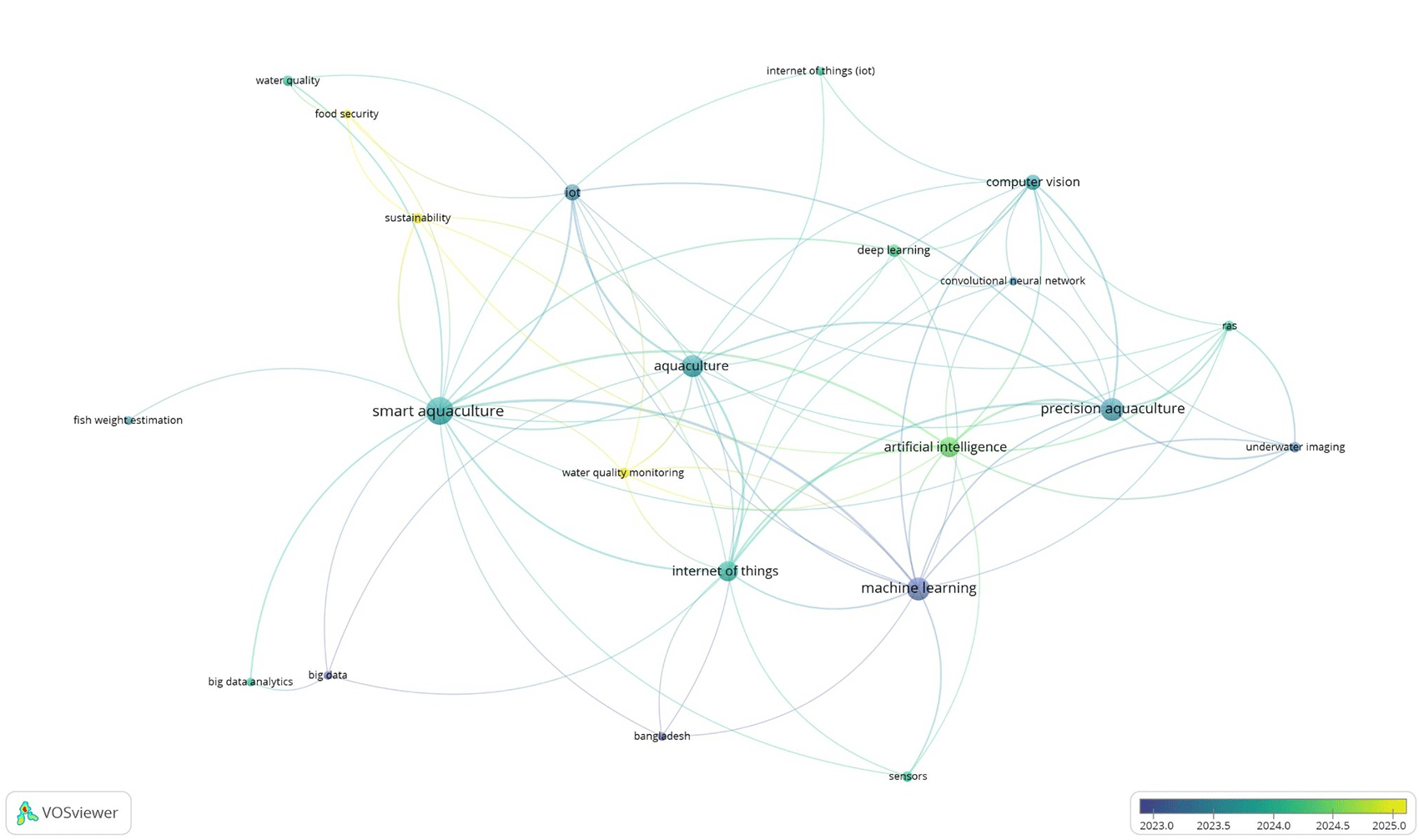
1) Infrastructure foundation phase (Purple/Blue nodes)
In the initial phase (around 2021–2022), the research focuses on physical integration and basic connectivity. The dominance of nodes like “aquaculture”, “internet of things”, “embedded systems”, and “water quality” in this zone indicates that installing basic sensor nodes for remote monitoring has become an established foundation.19 Here, IoT serves primarily as a passive telemetry infrastructure for data collection, providing baseline parameters like dissolved oxygen and temperature without executing automated data-driven decision loops.
2) Methodological transition phase (Green nodes)
The next phase (around 2023–2024) is marked by the emergence of nodes such as “artificial intelligence”, “machine learning”, “automation”, and “computer vision”. The focus of research shifts from just collecting data to processing raw sensor data into intelligent insights. At this stage, data from the IoT infrastructure begins to be utilized for active automated tasks. Studies from this period reflect this transition, where machine learning and computer vision frameworks emerge to monitor fish behavior and automate feeding routines, bridging the gap between passive hardware monitoring and active biological optimization.17
3) Precision optimization phase (Yellow nodes)
The front line of novelty (spanning 2024–2025) is currently concentrated in the nodes of “deep learning”, “precision aquaculture”, and advanced computational modeling. The appearance of “deep learning” in the distinct yellow zone indicates a critical shift away from classical machine learning algorithms. Research is no longer about simple threshold-based sensors, but rather training deep neural networks for non-invasive biomass estimation, automated fish sizing, and edge-AI deployment.20 Recent studies validate this trend, emphasizing the deployment of real-time convolutional neural networks (CNNs) and precision actuators designed to operate autonomously in modern aquaculture setups.2
4) Synthesis
The synthesis of the literature delineates the field’s evolutionary trajectory from infrastructure development to system maturation. Collectively, the literature indicates that smart fisheries technology has moved beyond a foundational phase centered on simple IoT connectivity (Huh & Kim, 2021). The research then proceeds to a methodological transition phase that focuses on automated behavioral tracking and water analytics.21 The culmination of this evolution is evident in recent literature that characterizes the phase of precision optimization, in which deep learning architectures are comprehensively managed to achieve autonomous non-invasive fish health and biomass management. Thus, the dominance of the topic of deep learning and precision frameworks in the latest visualization is not just a technological trend, but a scientific response to ensure economic productivity and environmental sustainability through digital efficiency.
Complementing the mapping of cluster structure and evolution of previous time trends, the density visualization in Figure 7 assesses the level of establishment of the research topics. This map shows which areas have been thoroughly researched (hotspots) and which remain underexplored. Such identification is crucial for uncovering research gaps or novel opportunities that have not been explored much by the scientific community.
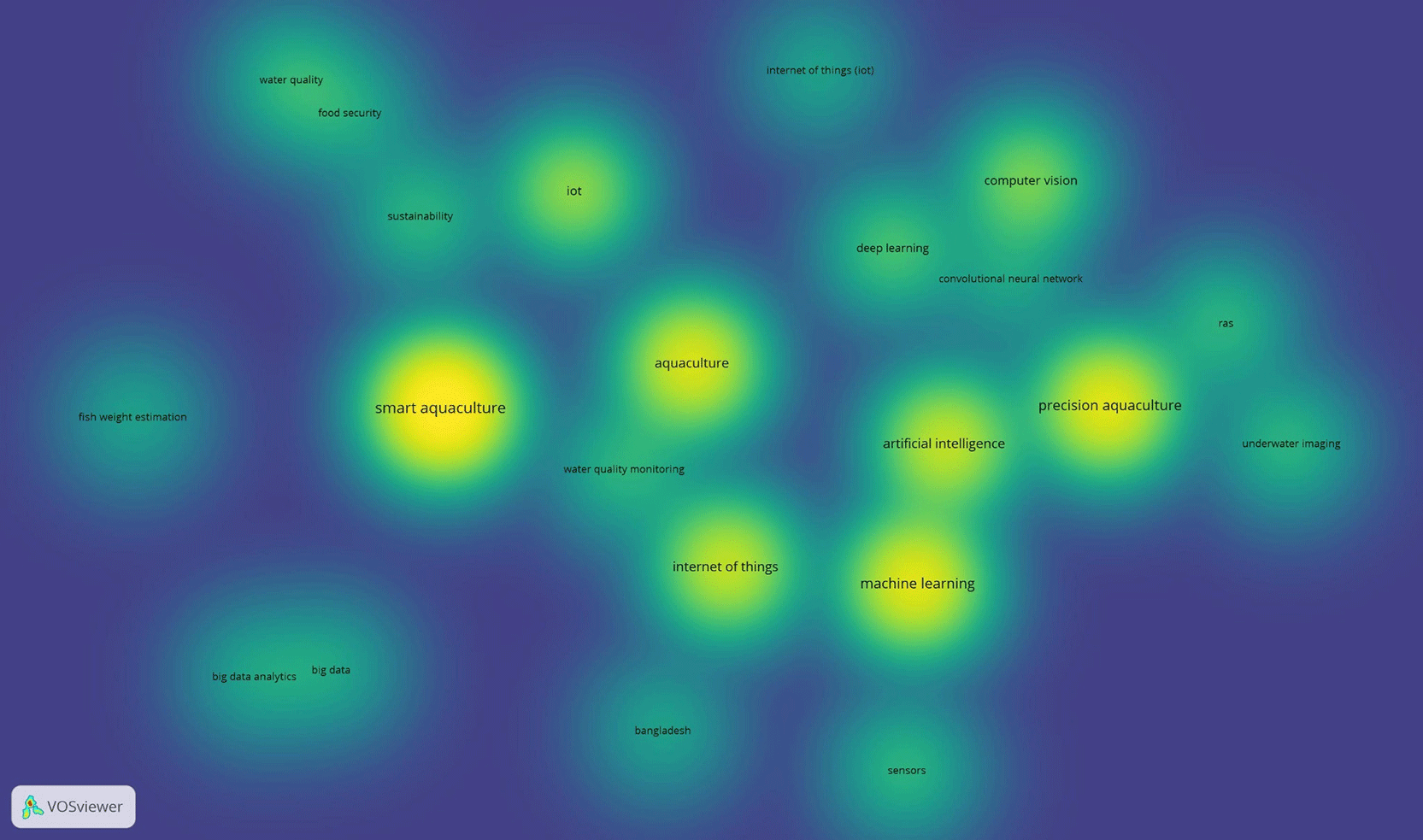
The density visualization maps the level of establishment of the research topic through color gradation (ranging from faint green/blue for low density to bright yellow/red for high density) and reveals a clear polarization between technical execution and specific contextual systems.
1) Saturation on core technical frameworks (bright Yellow/Red zone)
The density centers with the highest color intensity are heavily concentrated in the nodes of “aquaculture”, “internet of things”, “water quality”, and “automation”. This visual phenomenon confirms the findings of the previous Network and Overlay Visualizations that monitoring core operational metrics and establishing automated communication loops is the dominant focus of the scientific community today.
The high density of research in this area is a logical response to the core challenges of modern aquaculture operations, as validated by Goodman et al.13 Maintaining real-time parameters of water metrics and preventing critical mass mortality through sensors is an absolute prerequisite for economic feasibility. Therefore, the majority of the literature naturally focuses on optimizing these technical components, making basic IoT aquaculture telemetry and water quality tracking a highly established domain.
2) Gaps in advanced computational models and precision fisheries (Dim zones)
Conversely, the lower density and fainter coloration in peripheral or emerging areas such as “deep learning”, “computer vision”, “precision fisheries”, and specific species-level automated management present a strategic research gap. This suggests that although foundational energy-efficient automation and IoT frameworks.22 are growing rapidly, studies on advanced cognitive processing such as non-invasive biomass forecasting and neural network-driven behavioral triageremain relatively scarce.
References from16,17 have indeed begun to pioneer these non-contact computational vision approaches for smart feeding frameworks. However, the overall volume of this specialized research has not yet matched the abundance of generic water-parameter tracking studies. The “quiet” conditions in these deep learning zones underscore the intense relevance and novelty of this research topic. Further in-depth research is required to standardize these computer vision algorithms.17 ensuring that the implementation of AI in precision fisheries moves beyond localized experimental setups to scalable, globally valid commercial deployments.
Based on the comprehensive bibliometric analysis, this study formulates three strategic agendas to bridge the gap between established technical frameworks and emerging precision dimensions.
1) Standardization and scalability of automated protocols
Density and network analysis reveal that while basic water monitoring protocols are highly established, advanced automated systems remain fragmented and highly localized. Future research should prioritize the standardization of data-sharing models and physical actuator loops in diverse aquatic environments.5 This standardization is crucial for ensuring that smart devices can seamlessly integrate across different production scales—ranging from industrial land-based Recirculating Aquaculture Systems (RAS) to rural open ponds. Therefore, future studies must focus on building interoperable open-source frameworks rather than isolated, proprietary technology designs.23
2) Democratization through low-cost IoT and edge-AI integration
The overlay and temporal trend visualization shows a shift in technological focus toward heavy computational intelligence. However, to translate these high-level algorithms into practical field applications, future research needs to integrate the low-cost wireless sensor network architectures, with optimized edge-AI hardware frameworks.24 This integration aims to minimize capital and operational costs, a step vital to proving the economic viability of precision fish farming for small-to-mid scale farmers, particularly across developing aquatic hubs in East and Southeast Asia.25
3) Transition to non-invasive cognitive computer vision systems
To address the critical research gap identified in the density maps, future investigations must aggressively move away from stressful, invasive manual sampling toward continuous, non-contact monitoring systems. Research needs to advance the deployment of deep learning models and convolutional neural networks (CNNs) capable of executing real-time biomass estimation, sizing, and automated triage under highly turbid water conditions.16 Mastering these non-invasive vision techniques, will transform the aquaculture landscape, shifting operations from reactive husbandry to data-driven, cognitive automation that ensures long-term fish welfare and resource optimization.
Bibliometric studies indicate that research on smart aquaculture and precision fisheries shows a consistent upward trend from year to year, confirming that digital optimization and automated metrics increasingly determine the feasibility and sustainability of advanced aquatic husbandry development globally. Mapping of 61 open-access Scopus-indexed documents using VOSviewer reveals a knowledge configuration structured in three main thematic clusters, with systemic aquaculture frameworks occupying the most dominant position, followed by IoT-automation infrastructure, and advanced artificial intelligence/computer vision; this pattern also reflects a shift in research orientation from passive telemetry- and component-based approaches to cognitive precision optimization strategies increasingly supported by deep learning.
On the other hand, density analysis shows that the foundational technical-operational domain (basic threshold-based water parameter monitoring) is relatively saturated. Conversely, ample room for innovation remains in advanced computational intelligence, particularly regarding non-invasive biomass estimation, automated fish sizing, and edge-AI integration. Contributions between countries also appear concentrated, with Taiwan as the dominant actor in publications, while Indonesia demonstrates highly competitive participation by successfully securing a top position with 7 documents, reflecting a robust domestic interest in scaling national digital fisheries ecosystems. Overall, this study confirms that the primary future research agenda is to shift the focus from simple threshold-based telemetry toward providing autonomous, high-level efficiency through the integration of standardized automated protocols, cost-effective edge-AI infrastructure, and the development of non-contact computer vision systems to maximize global food security and ensure long-term environmental sustainability in smart fisheries systems.