Просмотр новости
Найдите то, что Вас интересует
 Спутники
 РН
РН SpaceX
 Роскосмос
 NASA
NASA
СпутникиРНSpaceXРоскосмосNASABackground Chitosan-based films have emerged as promising sustainable alternatives to conventional petroleum-based films for food packaging. However, there is a lack of a comprehensive bibliometric review of the academic literature on chitosan-based films for food packaging, particularly studies published over the last ten years. Growing concerns about plastic waste and the demand for sustainable and smart packaging have increased academic interest in this field. This study provides a bibliometric review of the literature published from 2015 to 2024 to map the research landscape and guide future studies. Methods Bibliometric data covering the 2015–2024 period were retrieved from the Scopus database using keywords related to “chitosan-based films” and “food packaging”. A dataset of 1,583 publications was analyzed and visualized using VOSviewer (version 1.6.20) and Biblioshiny in the Bibliometrix R package to evaluate publication trends, influential contributors, collaboration networks, keyword co-occurrence, thematic development, and highly cited articles. Results The analysis showed a progressive increase in publications from 2015 to 2024. The study also identified the leading contributors, including countries, institutions, authors, and journals. Keyword analysis, thematic mapping, and highly cited articles clearly indicate that current research hotspots focus on the development of smart packaging, including active and intelligent packaging, as well as the mechanical reinforcement of films. Conclusions To the best of our knowledge, this is the first bibliometric review to examine research trends in Scopus-indexed publications on chitosan-based films for food packaging from 2015 to 2024. The findings may help researchers, organizations, and policymakers understand the development of this field and identify topics for future research.
The increasing environmental concern regarding plastic pollution has prompted global efforts to find sustainable alternatives to conventional petroleum-based plastics (Karmakar, 2022). Single-use plastic packaging, particularly in the food sector, has contributed significantly to the accumulation of non-biodegradable waste, posing threats to ecosystems and human health (Bagastyo et al., 2023; Yan et al., 2024). Plastic pollution is expected to increase from 50.5 million tons annually in 2023 to 66.1 million tons by 2050, indicating that the situation is about to get worse (Kumar Chandra et al., 2024). In response, bioplastics derived from renewable resources have emerged as a promising solution, offering biodegradability (Lavagnolo et al., 2024) and reduced environmental footprint (Mohapatra et al., 2024).
Among various biopolymers, chitosan, a deacetylated derivative of chitin found in crustacean shells, has garnered substantial attention due to its excellent film-forming ability (S. N. Ayyubi & Admaja, 2020; Rezaei et al., 2021), antimicrobial activity (Rahman & Goswami, 2021), non-toxicity (Desai et al., 2021), and biodegradability (Ayyubi et al., 2026). These properties make chitosan a suitable candidate for developing active food packaging materials, which not only serve as physical barriers but also enhance food preservation (S. N. Ayyubi et al., 2021; Hosseinzadeh et al., 2020). Moreover, chitosan’s compatibility with other polymers and additives enables structural and functional modifications that further expand its application potential (Muhammad Yelwa, J., & Aliyu, A. J, 2026; S. N. Ayyubi et al., 2022; Y. Zhang et al., 2021).
Over the past decade, the scientific literature on biopolymer-based packaging has grown significantly (Santos et al., 2025). However, despite this growth, the overall research landscape and developing topics in chitosan-based films for food packaging are still not clearly understood. For example, the analysis conducted by Dirpan et al. (2023) focused exclusively on the topic of active packaging, while the study by Nordin et al. (2022) was limited to starch-based films. In addition, Garrido-Romero et al. (2022) concentrated on cellulose-based materials for food packaging applications, and our previous study focused on the bibliometric analysis of alginate-based films Ayyubi et al., (2026). To date, comprehensive bibliometric analyses specifically addressing chitosan-based films for food packaging have not been widely explored. To bridge this gap, bibliometric analysis serves as a valuable method for quantitatively mapping the development of scientific fields and identifying research hotspots of the topic.
Bibliometric analysis refers to a quantitative approach for evaluating published scientific literature and serves an essential role in exploring the intellectual structure and development of a research field (S. N. Ayyubi et al., 2025; Öztürk et al., 2024). Performing a bibliometric analysis in the domain of chitosan-based films for food packaging is essential for understanding the structure and dynamics of this research field. This approach enables researchers to evaluate publication growth over time, identify influential authors, countries, and institutions, and systematically map the main research themes related to chitosan-based packaging materials (Rojas-Sánchez et al., 2022; Rosário & Dias, 2024). Bibliometric analysis also provides valuable insights into global collaboration patterns, author influence, institutional productivity, and highly cited publications (You et al., 2024), which are important for assessing the intellectual development of the field. In the context of the increasing demand for sustainable food packaging, chitosan has gained considerable attention due to its biodegradability, biocompatibility, film-forming ability, antimicrobial properties, and potential to maintain food quality during storage (Kumar et al., 2026). Therefore, bibliometric evidence is useful for identifying dominant research topics and emerging trends. This method contributes significantly to shaping future research agendas and supporting the development of sustainable chitosan-based films for food packaging applications.
The purpose of this bibliometric analysis is to comprehensively examine the research landscape of chitosan-based films for food packaging. Specifically, this study aims to: (1) examine publication trends from 2015 to 2024; (2) identify influential journals; (3) identify influential countries, institutions, and authors; (4) analyse collaboration networks; (5) identify highly cited articles; (6) identify research hotspots through keyword co-occurrence analysis; and (7) use thematic mapping to classify major research themes. The following section presents the research methodology, followed by the results and discussion, conclusions and future research. To our knowledge, there is no evidence of previous literature reviews answering these questions. The insights from this study will be valuable to journal editors seeking to guide the development of the field, researchers identifying promising areas for future investigation, and industry stakeholders aiming to recognise leading contributors and emerging innovations in chitosan-based films for food packaging.
The bibliometric methodology applied in this study was adapted from Wu et al. (H. Wu et al., 2019), combining quantitative performance analysis and qualitative scientific mapping, with additional analyses of highly cited articles and thematic maps. The quantitative analysis was used to examine publication trends, citation patterns, highly cited articles influential journals, and the most productive countries, institutions, and authors. Meanwhile, the qualitative analysis was conducted through collaboration network and keyword analysis to identify research themes, research hotspots, and the intellectual structure of chitosan-based films for food packaging. The methodological approach employed in this study is outlined in Figure 1.
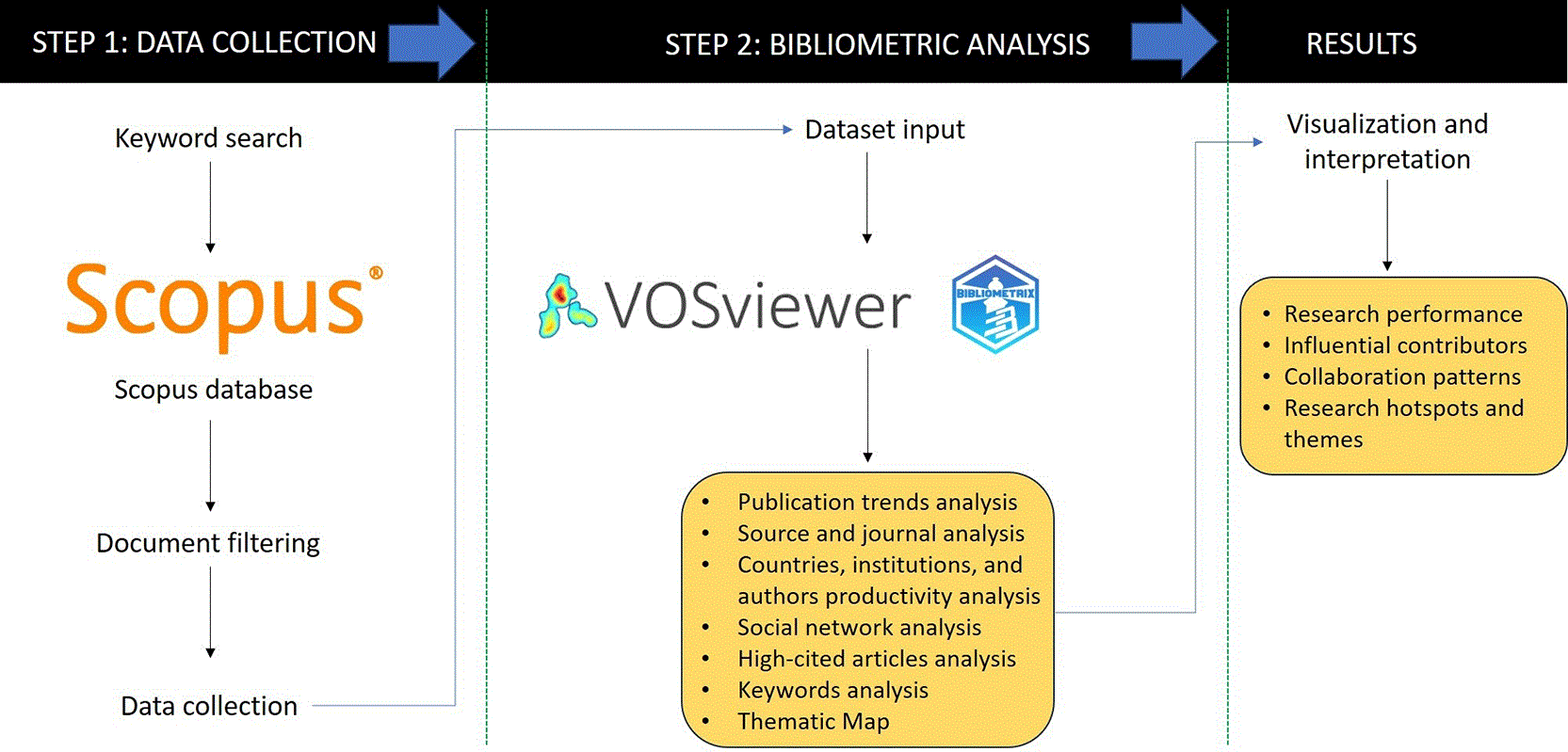
The dataset for this bibliometric analysis was collected from the Scopus database (www.scopus.com) on July 9, 2025. Scopus is a popular tool among academics seeking access to high-quality analytical insights (Assis & Gonçalves, 2022; Boukid, 2022). Scopus was selected as the data source for this review based on its reputation as a comprehensive and reliable repository of scholarly works (Dirpan et al., 2023). The focus of the search was on scientific publications related to chitosan-based films for food packaging. The document search was performed using the basic search feature in Scopus based on article title, abstract, and keywords with the following query: “chitosan” AND “bioplastic” OR “bio-based plastic” OR “biodegradable plastic” OR “film” AND “food packaging.” As a result of this initial search, a total of 2,071 documents were retrieved. The search included all document types without any limitations, with the intention to refine the dataset in subsequent screening steps.
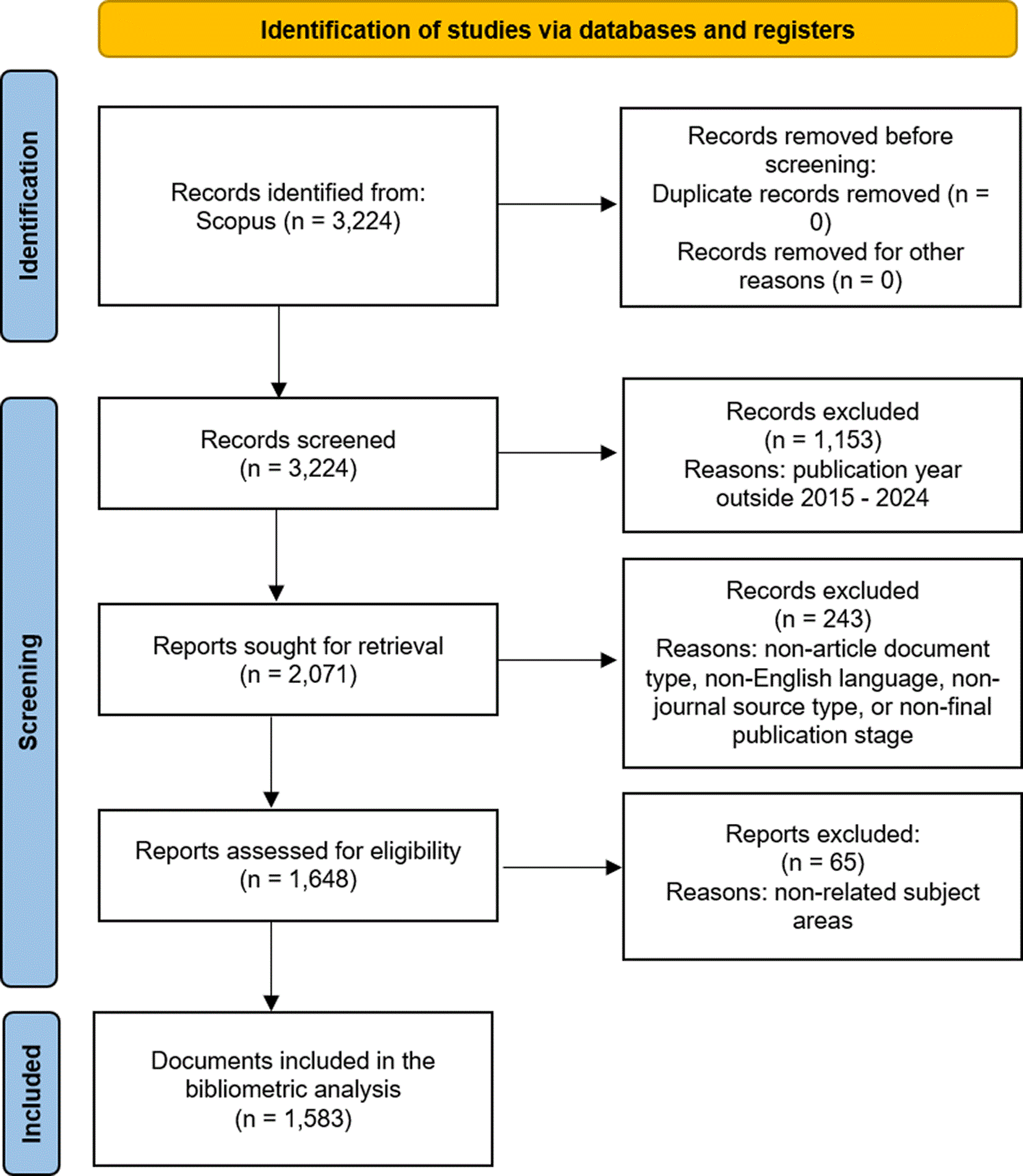
The initial dataset consisted of 3,224 documents retrieved from the Scopus database. These documents were then subjected to a systematic screening process using Scopus filtering features to ensure the relevance and quality of the selected publications. The screening process was conducted based on the inclusion and exclusion criteria presented in Figure 2. First, the publication period was limited to documents published between January 1, 2015, and December 31, 2024, to minimize potential bias caused by changes or updates in the database. Further restrictions were applied by selecting only English-language journal articles at the final stage of publication. In addition, documents from unrelated subject areas were excluded to maintain the focus of the dataset on relevant research fields. As a result of this screening process, a total of 1,583 articles were considered eligible for further bibliometric analysis.
The final dataset was exported from the Scopus database in both CSV and BibTeX (.bib) formats. The bibliometric data were processed and analysed using VOSviewer version 1.6.20 and Biblioshiny (Bibliometrix R package) in R version 4.5.2. Scopus was used to obtain publication and citation data, while VOSviewer and Biblioshiny were used for bibliometric visualization. VOSviewer was selected for its ability to construct and visualise bibliometric networks (van Eck & Waltman, 2010), whereas Biblioshiny provided an interactive interface for conducting and interpreting bibliometric analyses (Aria & Cuccurullo, 2017). The combined use of these tools improved the comprehensiveness and interpretability of the results.
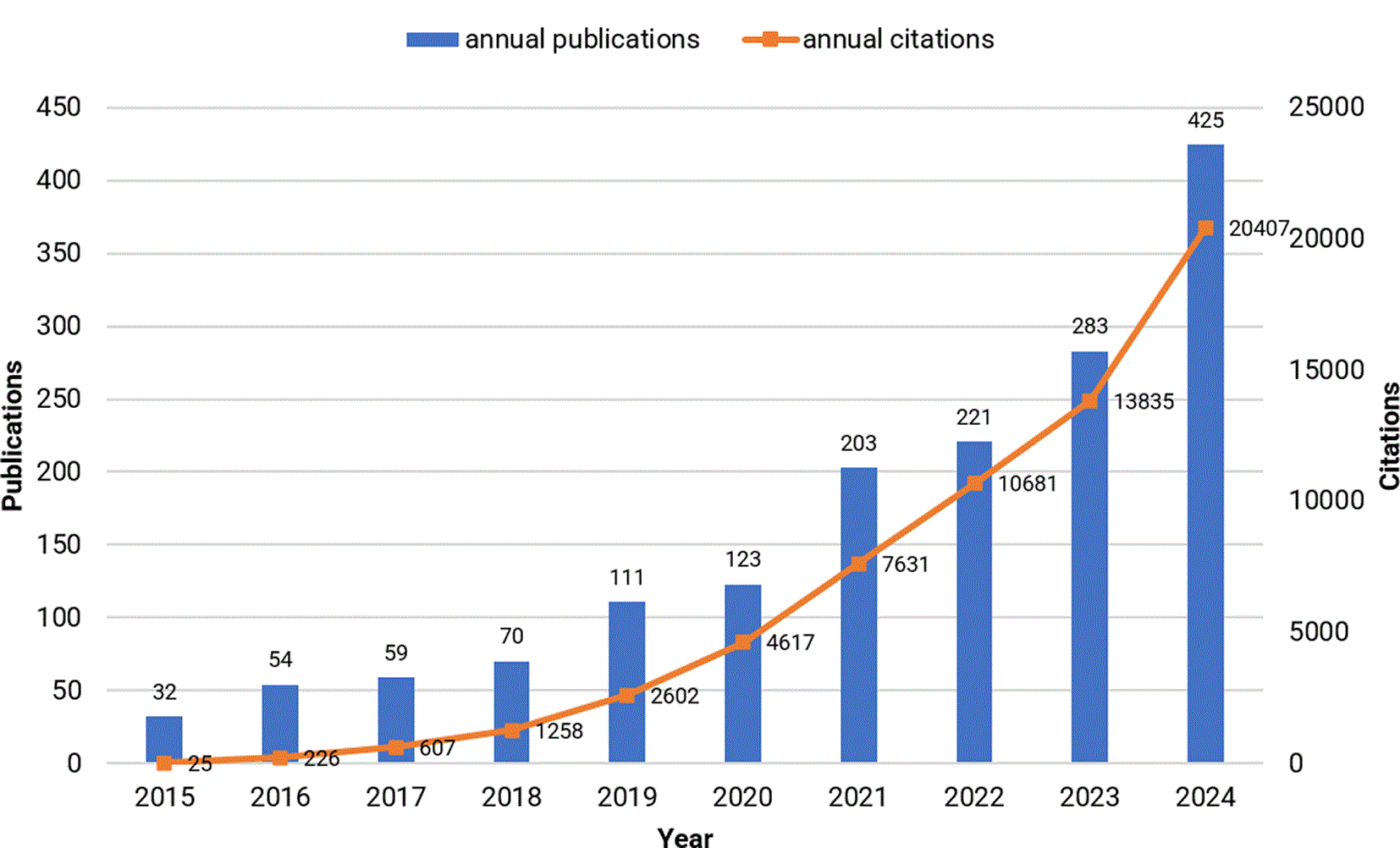
Over the past decade (2015–2024), research on chitosan-based films for food packaging has shown a remarkable upward trajectory in both publication output and citation impact ( Figure 3). The annual number of publications increased steadily from only 32 documents in 2015 to a peak of 425 in 2024, reflecting the growing scientific interest in this research domain. Similarly, the number of citations rose sharply during the same period, reaching a maximum of 20,407 in 2024. The number of publications in this field is expected to continue increasing in the coming years, as the rising plastic pollution caused by petroleum-based packaging has intensified the global search for more environmentally friendly alternatives (Li & Li, 2025). Furthermore, this continuous rise in both publications and citations indicates that chitosan-based films have become a rapidly expanding research domain within the field of biodegradable materials and green food packaging. The strong citation growth also suggests that studies in this area have attracted substantial academic attention and are expected to remain a major research focus in the coming years.
Chitosan-based films have attracted considerable scientific attention over the past decade as an environmentally friendly alternative to petroleum-based films for food packaging. This growing interest is primarily due to the unique and versatile properties of chitosan. As a naturally biodegradable biopolymer, chitosan offers excellent environmental compatibility and can decompose without leaving harmful residues (Putra et al., 2025). It also exhibits strong antimicrobial and antifungal activities, which play a crucial role in extending the shelf life of food products and maintaining food safety (Ansorena et al., 2019). Furthermore, chitosan is inherently non-toxic and safe for direct food contact, making it an ideal material for sustainable packaging applications (Putra et al., 2025). From an economic and environmental perspective, chitosan can be derived from abundant and low-cost seafood industry waste such as shrimp and crab shells (Tabassum et al., 2024). In addition, chitosan can be easily blended with other biopolymers, plant extracts, or nanoparticles to further enhance the mechanical, barrier, and functional properties of bioplastic films (Haghighi et al., 2020; Hooda et al., 2018; Putra et al., 2025). These combined advantages have positioned chitosan-based films as a key focus area in the development of next-generation sustainable food packaging materials.
Source and journal analysis is important because it shows where research in a particular field is most frequently published. It also helps researchers identify key journals for finding relevant studies and selecting suitable publication outlets (Zheng et al., 2023). In this study, the most active journals publishing research on chitosan-based films for food packaging between 2015 and 2024 were analysed. The ten leading journals are presented in Table 1. The International Journal of Biological Macromolecules ranked first with 433 publications, followed by Food Hydrocolloids with 104 publications. Carbohydrate Polymers ranked third with 95 publications, while Food Chemistry was fourth with 80 publications. Food Packaging and Shelf Life ranked fifth with 60 publications, followed by Polymers with 58 publications. Molecules ranked seventh with 25 publications, while the Journal of Polymers and the Environment ranked eighth with 22 publications. The International Journal of Molecular Sciences and Food Bioscience completed the top ten with 20 and 18 publications, respectively. Overall, these journals represent the leading publication sources in this field and have contributed significantly to the development of knowledge on chitosan-based films for food packaging.
Most productive countries
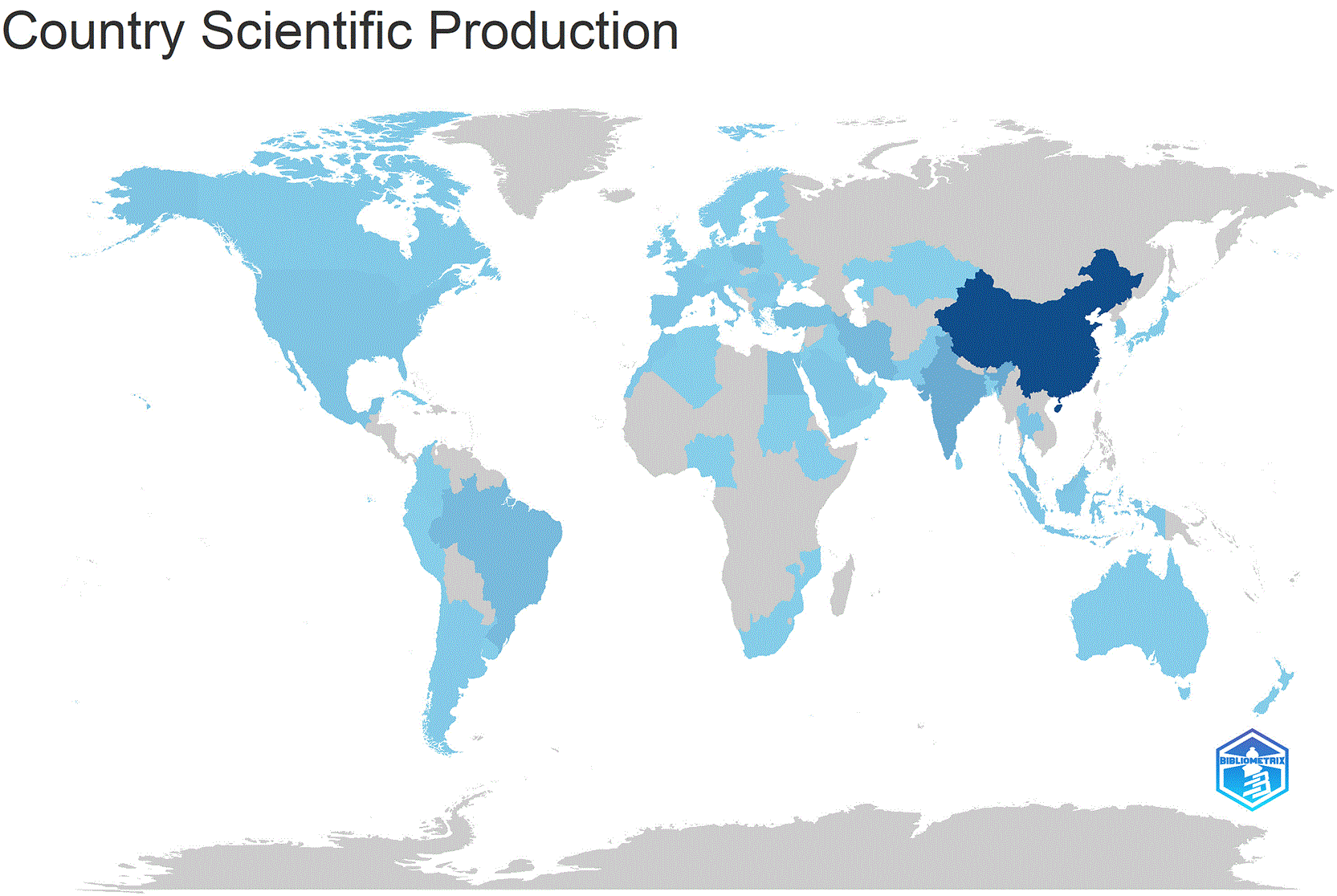
A total of 86 countries/regions have contributed to research on chitosan-based films for food packaging between 2015 and 2024. According to the total number of publications from 2015 to 2024 ( Table 2), China contributed the highest number of published papers (631), followed by India (183) and Iran (89). In terms of research impact, publications from China also received the greatest number of citations (35,469), ranking first among all countries, followed by India (9,216 citations) and Iran (7,234 citations). Citation analysis, which quantitatively evaluates the impact and influence of scientific publications, is therefore crucial for assessing the overall research performance and contributions of each country in this field (Holden et al., 2005; Thyer, 2013). Furthermore, the H-index, which reflects both research productivity (quantity) and citation impact (quality), is an important bibliometric indicator for evaluating overall research performance (Bornmann & Daniel, 2009). Among all contributing countries, China achieved the highest H-index (98), demonstrating its dominant influence in this research area, followed by India (48) and Iran (46). Figure 4 visually presents the global distribution of publications on a world map. Research activity was mainly concentrated in Asia, followed by Europe and North America, with darker colours indicating a higher number of publications.
Collaboration among countries
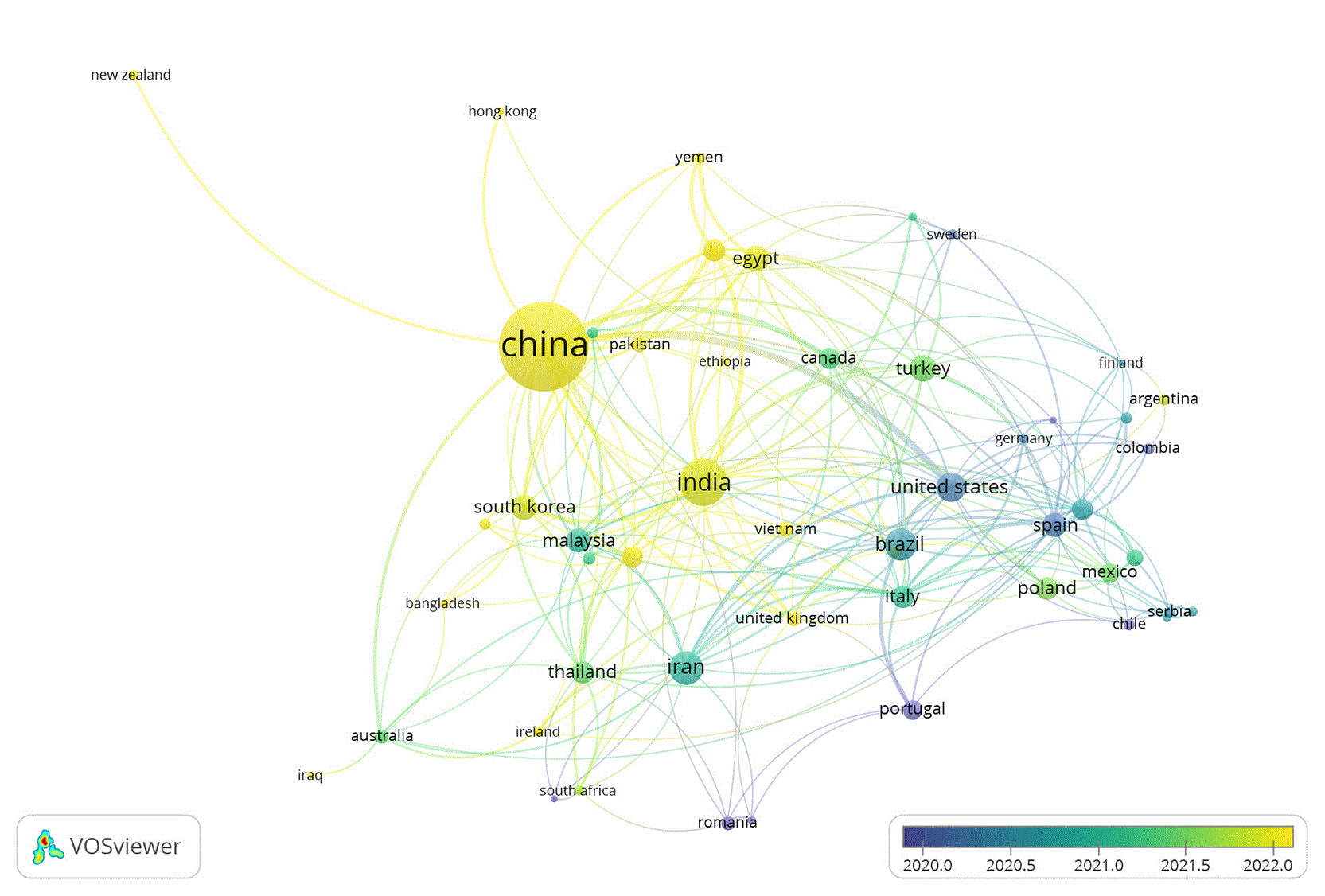
To identify the collaborative landscape of research on chitosan-based films for food packaging, a country-level co-authorship analysis was conducted. We used VOSviewer (van Eck & Waltman, 2014) to analyze nations with at least five documents visually, and a total of 51 countries were finally included in the visual analysis. Figure 5 shows the country cooperation map, where each node represents a country, and the size of the node corresponds to the number of publications, while the thickness of the connecting lines indicates the strength of collaboration between countries, measured by Total Link Strength (TLS) (Jiang et al., 2024). China has the most central and influential position in the network, as evidenced by its high TLS score of 119, which reflects its strong collaboration with other nations. India and the United States, with TLS score of 75 and 54, respectively, show significant international collaboration after China. Furthermore, the colors of the nodes in the co-authorship visualization indicate the temporal distribution of national research activities in chitosan-based films for food packaging from 2015 to 2024. As shown in the map, countries with yellow nodes, such as China, India, Egypt, Hongkong, United Kingdom, Vietnam, and Malaysia, have become increasingly active and influential in recent years. Meanwhile, countries represented in green and blue shades, including the United States, Spain, Brazil, and Germany, indicate earlier involvement and the establishment of foundational collaborations in this domain. This temporal color gradient suggests a geographic shift of research focus toward Asia in recent years.
Most productive institutions
A bibliometric analysis using Scopus identified the top contributing institutions in the field of chitosan-based films for food packaging during 2015 until 2024. Table 3 presents the top 10 most productive institutions based on the number of publications. According to the analysis, a total of 2,765 institutions worldwide have published articles on chitosan-based films for food packaging, among which 100 institutions have published at least five papers. The Ministry of Education of the People’s Republic of China emerged as the leading institutions with 38 documents and 4,434 citations. Following closely are Jiangnan University with 36 documents and 1,910 citations, also College of Biosystems Engineering and Food Science of Zhejiang University with 28 publications and 2,575 citations. Notably, Kyung Hee University from South Korea is the only non-Chinese institution included among the top 10 most productive institutions, with 22 publications and 2,420 citations. The remaining top institutions are predominantly based in China, highlighting the country’s strong academic dominance and leadership in advancing research on chitosan-based films for food packaging.
Collaboration among institutions
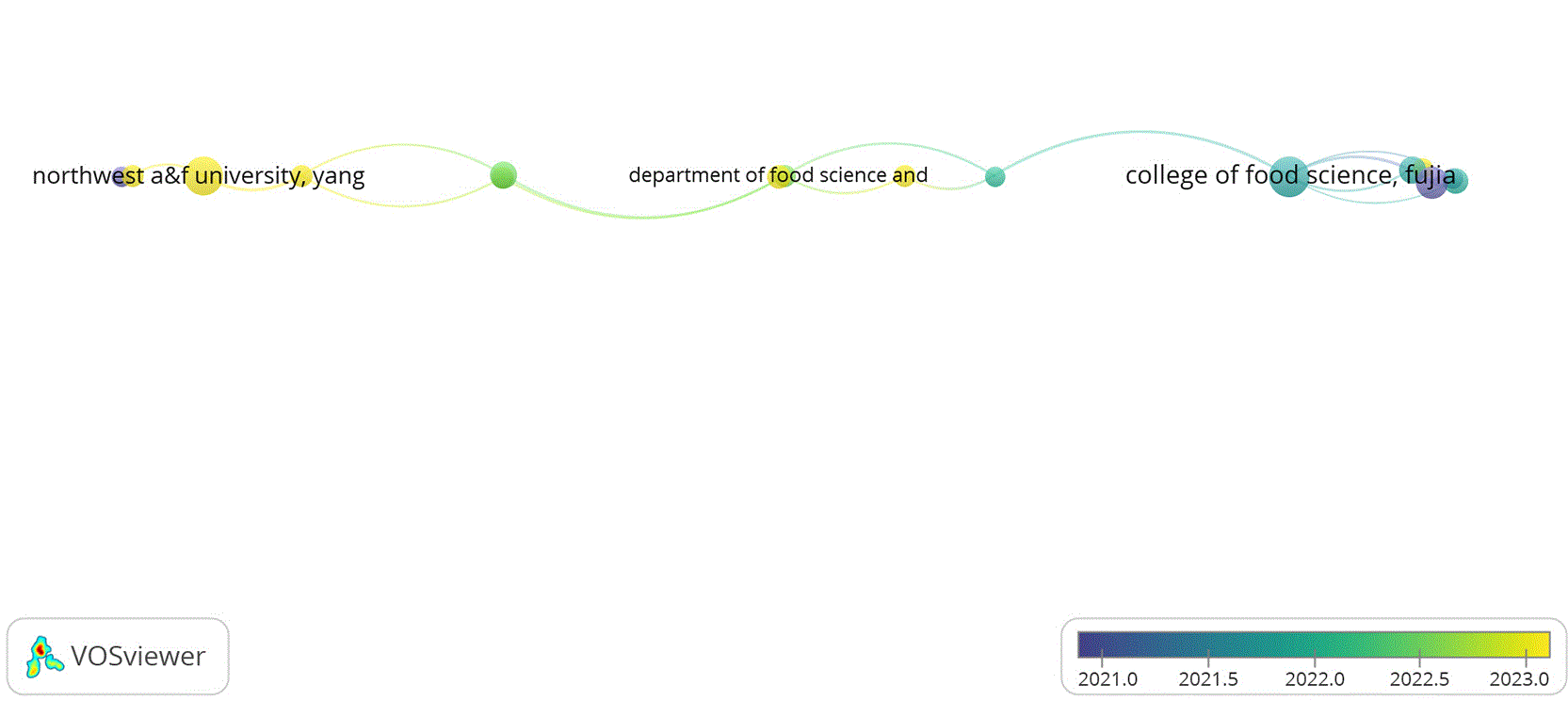
The cooperative relationships among research institutions were also analyzed (see Figure 6). The node size represents the strength of collaboration links, where a larger node indicates stronger cooperative relationships among institutions working on chitosan-based films for food packaging (H. Wu et al., 2019). Among the 100 institutions with at least five publications, only 16 institutions were found to be interconnected, indicating that institutional collaboration in this field remains relatively limited. The network is dominated by institutions from China, such as Northwest A&F University, the College of Food Science, Fujian Agriculture and Forestry University, and the College of Biosystems Engineering and Food Science, Zhejiang University. Moreover, Northwest A&F University, the Ministry of Agriculture of the People’s Republic of China, and the School of Food and Biological Engineering of Hefei University have been particularly active in establishing collaborations in recent years. The limited number of international connections suggests that global institutional cooperation in this research area is still underdeveloped, highlighting both the existing collaboration gap and the potential for future international partnerships to strengthen research on chitosan-based films for food packaging. Overall, the data confirms China’s institutional dominance in this research domain, with nine of the top ten institutions located in the country. These findings align with earlier results on national productivity. The analysis of the most productive institutions provides insight into global research leadership and collaboration hub, guiding future partnership and benchmarking scientific excellence (Sofik et al., 2021).
Most productive authors
The data analyzed consisted of articles written by 6,734 authors, with the top 10 most productive authors in chitosan-based films for food packaging research presented in Table 4. The productivity, citation impact, and h-index of these authors were evaluated to identify their scientific contributions and influence in the field. The h-index serves as an indicator of both productivity and impact (Okaiyeto et al., 2020), while citation count reflects the author’s influence on the scientific community (Dirpan et al., 2023). As shown in Table 4, Ravindra B. Chougale and Saraswati P. Masti from Karnatak University Dharwad, India, emerged as the most productive and prominent authors, each contributing 18 publications and h-index of 14, but the authors only ranked fifth and sixth in terms of the number of citations, with 1,236 citations respectively, followed by Jie Pang and Jong-Whan Rhim, who each published 16 articles. Meanwhile, Jun Liu from Yangzhou University, China, achieved the highest total citations (2,519), reflecting the strong visibility and impact of his research. In terms of author influence measured by h-index, Jong-Whan Rhim from Kyung Hee University, South Korea, stands out with the highest h-index value of 16. Furthermore, this indicator represents the performance level of the author’s scholarly works.
As presented in Table 4, Jong-Whan Rhim from Kyung Hee University, South Korea, emerged as the most prominent author based on the highest h-index (16). His research has predominantly focused on the development of active and intelligent packaging films through the integration of carbon dots (CDs) and natural bioactive compounds into chitosan-based matrices. Rhim has extensively explored the incorporation of various types of carbon dots derived from banana peel, green tea, sulfur quantum dots, and glucose to enhance the optical, antimicrobial, and antioxidant properties of chitosan films (Ezati et al., 2022; Khan et al., 2023a, 2023c, 2023b; Rhim et al., 2006). Recently, carbon dots (CDs) have gained significant attention as functional nanomaterials incorporated into chitosan-based films for active food packaging. Their unique fluorescence, antioxidant, and antimicrobial properties not only enhance the preservation performance of the packaging films but also enable smart sensing capabilities to monitor food freshness (Kaixin et al., 2025; Tiryaki et al., 2024; Y. Wu et al., 2025). In addition, Rhim’s research also highlights the incorporation of essential oils, particularly rosemary essential oil and cinnamon essential oil, as natural active agents that provide antimicrobial and antioxidant activities to the films (Roy & Rhim, 2021, 2022). The second-ranked author with significant impact in this field is Jie Pang from Fujian Agriculture and Forestry University, China, who achieved an h-index of 15. In general, Jie Pang’s research focused on the incorporation of various nanoparticles into chitosan-based composite films to enhance their functionality for active food packaging applications. The nanoparticles explored in her studies include gliadin/casein nanoparticles, silver nanoparticles, ZnO nanoparticles, and silica nanoparticles (Bu et al., 2023; Dai et al., 2022; Pan et al., 2024; J. Sun et al., 2020).
Collaboration among authors
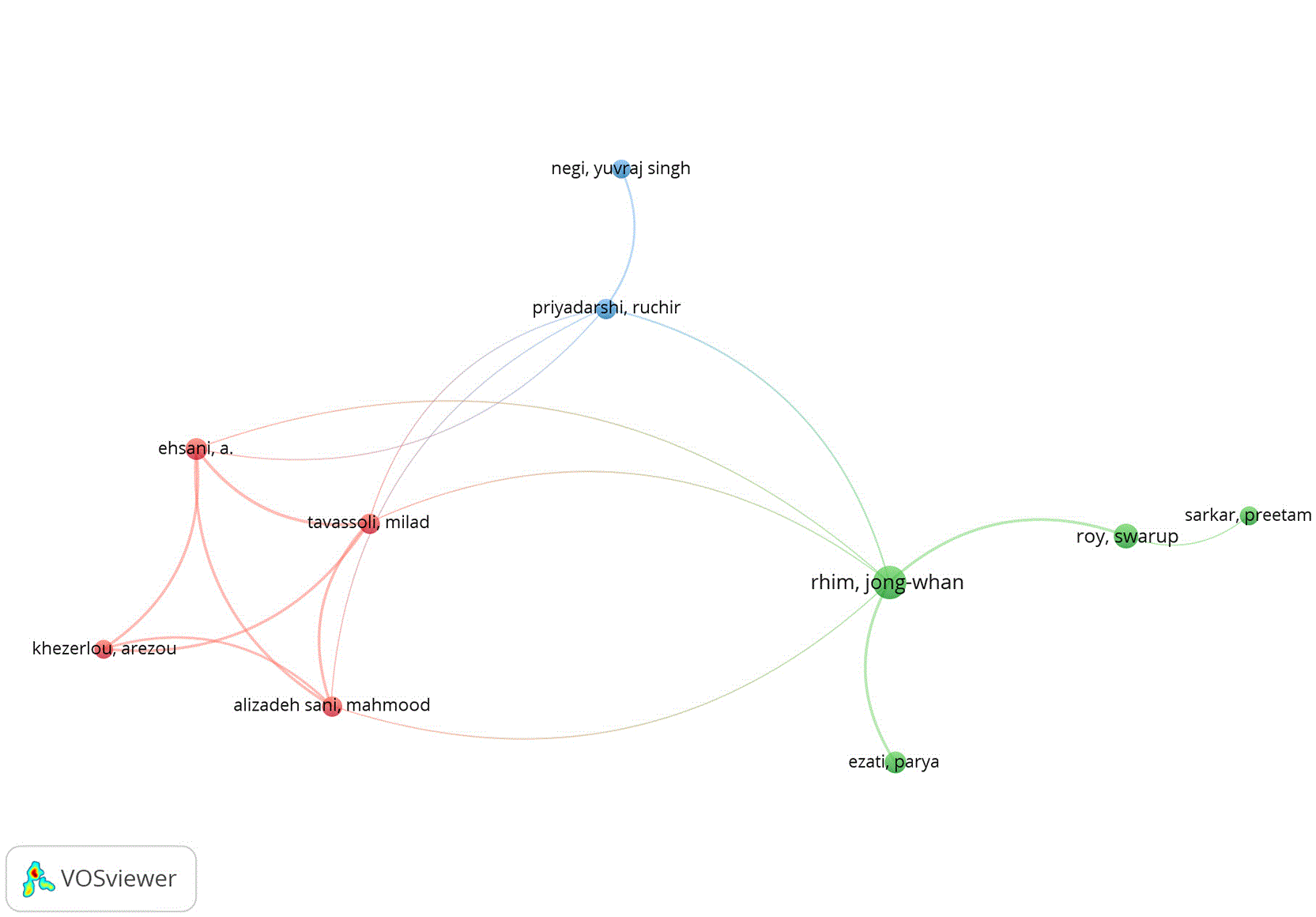
To identify the representative scholars in the field of chitosan-based bioplastics for food packaging, a collaborative author network was constructed based on researchers with a minimum threshold of five published articles, as illustrated in Figure 7. Out of 129 authors meeting this criterion, only 10 authors were found to be interconnected, indicating that research collaboration in this field remains relatively limited and fragmented. Each cluster with the same color represents a group of authors who tend to collaborate closely, while the connecting lines between nodes signify co-authorship relationships. Notably, Jong-Whan Rhim from Kyung Hee University, South Korea, exhibited the most prominent position in the network, with a total link strength of 15.
Keywords are very important in identifying the primary themes and topics of a study, especially for indexing in prominent scientific databases like Scopus, Web of Science (WoS), PubMed, and Google Scholar (Adegoke et al., 2023; Nacimento et al., 2024). For the keyword analysis, we adopted the methodological approach proposed by Babaei et al. (2024) (Babaei et al., 2024). Applying term co-occurrence analysis, this study tried to show the main research themes related with chitosan-based films for food packaging. There were 8,883 keywords in the original dataset. To refine the selection, only keywords that showed up at least five times were selected. This left 1,328 acceptable keywords for further investigation. To maintain the network visual thematically consistent and minimize duplicates, only the top 100 frequently used keywords were retained for clustering. This choice was very important for making sure that the analysis was clear and consistent as overall.
Research theme clustering
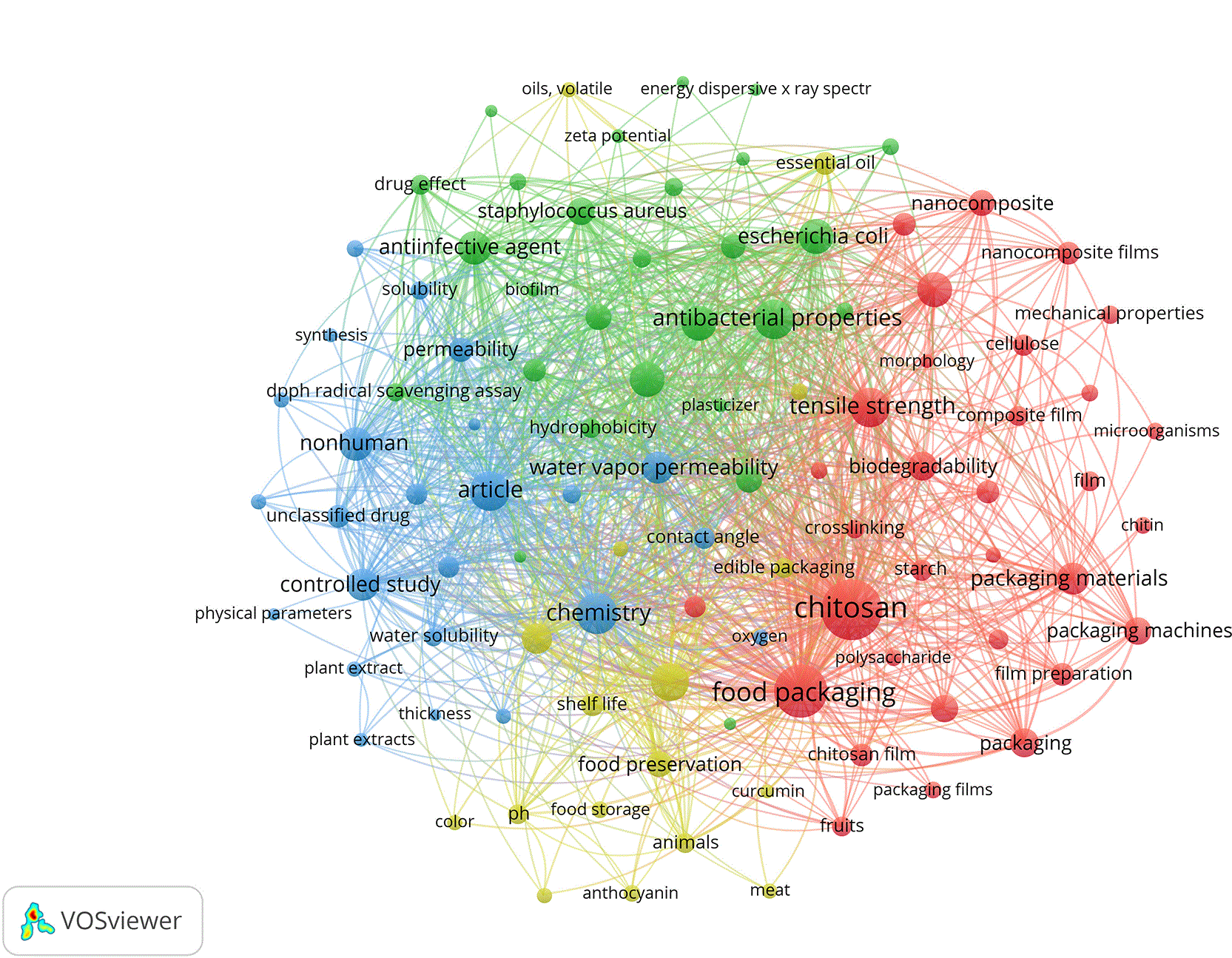
Figure 8 presents the network visualization of keyword co-occurrence. The node size corresponds to the frequency of each keyword, where larger nodes represent higher occurrences. A shorter distance between nodes indicates a stronger relationship among terms. A total of 100 core keywords were grouped into three distinct clusters. The red cluster (1) primarily focuses on the mechanical reinforcement of chitosan-based bioplastics. The green cluster (2) encompasses studies related to the evaluation and characterization of chitosan-based Bioplastics. The blue cluster (3) and yellow cluster (4) highlight research on the water barrier properties of chitosan-based bioplastics and the development of smart packaging based on chitosan bioplastics, respectively.
Red cluster (1): mechanical reinforcement
The red cluster primarily represents research focused on enhancing the mechanical performance of chitosan-based films for applications in the food industry. The central keyword “chitosan” is interconnected with terms such as “nanocomposite”, “crosslinking”, “composite film”, “polyvinyl alcohol”, and “cellulose”, which indicate extensive efforts to overcome the mechanical limitations of chitosan-based plastics compared to conventional plastics. As is well known, these techniques and material incorporations can effectively enhance the mechanical properties of chitosan-based films (Hasan et al., 2021; Ngasotter et al., 2025; Rath et al., 2016), which in turn may also improve their antimicrobial performance, since stronger mechanical integrity can hinder microbial penetration and growth on the bioplastic surface (Vigué et al., 2022). Furthermore, the presence of “tensile strength” highlights the evaluation of mechanical performance parameters, serving as a key indicator of the films’ structural integrity. Meanwhile, the co-occurrence of keywords such as “biodegradability”, “anti-microbial properties”, and “active packaging” underscores the growing demand from the food industry for sustainable packaging materials that not only reduce environmental impact but also extend shelf life and preserve food quality.
Green cluster (2): evaluation and characterization
The green cluster represents studies focusing on the evaluation and characterization of chitosan-based films. Keywords such as “escherichia coli”, “staphylococcus aureus”, “zone of inhibition”, “antibacterial properties”, and “antimicrobial” indicate the assessment of the films’ antimicrobial activity. Meanwhile, terms like “crystallinity”, “x-ray diffraction”, and “infrared spectroscopy” refer to structural and molecular analyses used to examine the arrangement of polymer chains, degree of crystallinity, and the presence of specific functional groups within the bioplastic matrix. Addition-ally, keywords such as “differential scanning calorimetry”, “thermogravimetric analysis”, and “thermostability” reflect investigations into the thermal behavior and stability of the materials. Finally, the presence of “scanning electron microscopy”, “bio-compatibility”, and “surface property” highlights the examination of surface morphology and texture, which are essential for understanding the uniformity, roughness, and interfacial compatibility of the blended biopolymers.
Blue cluster (3): water barrier properties
The blue cluster primarily emphasizes research on the water barrier properties of chitosan-based films, which play a crucial role in determining their suitability for food packaging applications. The frequent occurrence of keywords such as “water solubility”, “permeability”, “moisture”, “hydrophilicity”, “hydrophobicity”, “water vapor permeability”, and “contact angle” demonstrates that many studies have focused on evaluating the film’s resistance to water transmission and its surface interactions with moisture. These properties are essential for maintaining food quality, as poor water barrier performance may lead to moisture migration, reduced shelf life, and microbial growth (Büyüksirit Bedir & İstanbullu Paksoy, 2024). However, high water absorption remains a major drawback of chitosan-based films, posing challenges to their practical application in moisture-sensitive food packaging.
Yellow cluster (4): development of smart packaging
The yellow cluster primarily represents research on the development of smart packaging utilizing chitosan-based films, consisting of intelligent and active packaging systems. The prominence of keywords such as “pH”, “color”, “curcumin”, and “anthocyanin” underscores the growing interest in intelligent packaging, where bioplastic films are designed to monitor food freshness and quality in real time (Pirsa et al., 2022). Curcumin can shift in color from yellow to red as acidity increases during food spoilage (Purwaningsih et al., 2025), while anthocyanin changes from red to blue or green depending on the pH variation (M. Yang et al., 2025). These natural pigments provide real-time visual cues of food condition, enabling non-destructive monitoring of freshness and quality. Meanwhile, keywords such as “food preservation”, “food storage”, “shelf life”, “antioxidant properties”, and “meat” reflect the integration of active packaging concepts aimed at extending shelf life and maintaining food quality. The frequent appearance of “essential oil” emphasizes its role as a natural antimicrobial and antioxidant additive to enhance food preservation (Alonso et al., 2024).
Keyword overlay visualisation is used to identify emerging keywords in the bibliometric dataset. Figure 9 presents the keywords in different colours, where purple and blue represent older topics, while yellow and light green represent more recent topics. Therefore, researchers should focus on the yellow and light green nodes as potential future research areas. In this study, the younger topics include “curcumin”, “anthocyanin”, “essential oil”, “shelf life”, “food preservation”, “pH”, “DPPH radical scavenging assay”, “antibacterial properties”, “zone of inhibition”, and “antioxidant properties”. These results indicate that recent studies increasingly focus on natural bioactive compounds and their application in active and intelligent food packaging. Overall, the research trend has shifted from the conventional development of packaging materials, represented by earlier keywords such as “mechanical properties”, “nanocomposite”, and “composite film”, towards smart packaging systems, including active and intelligent packaging.
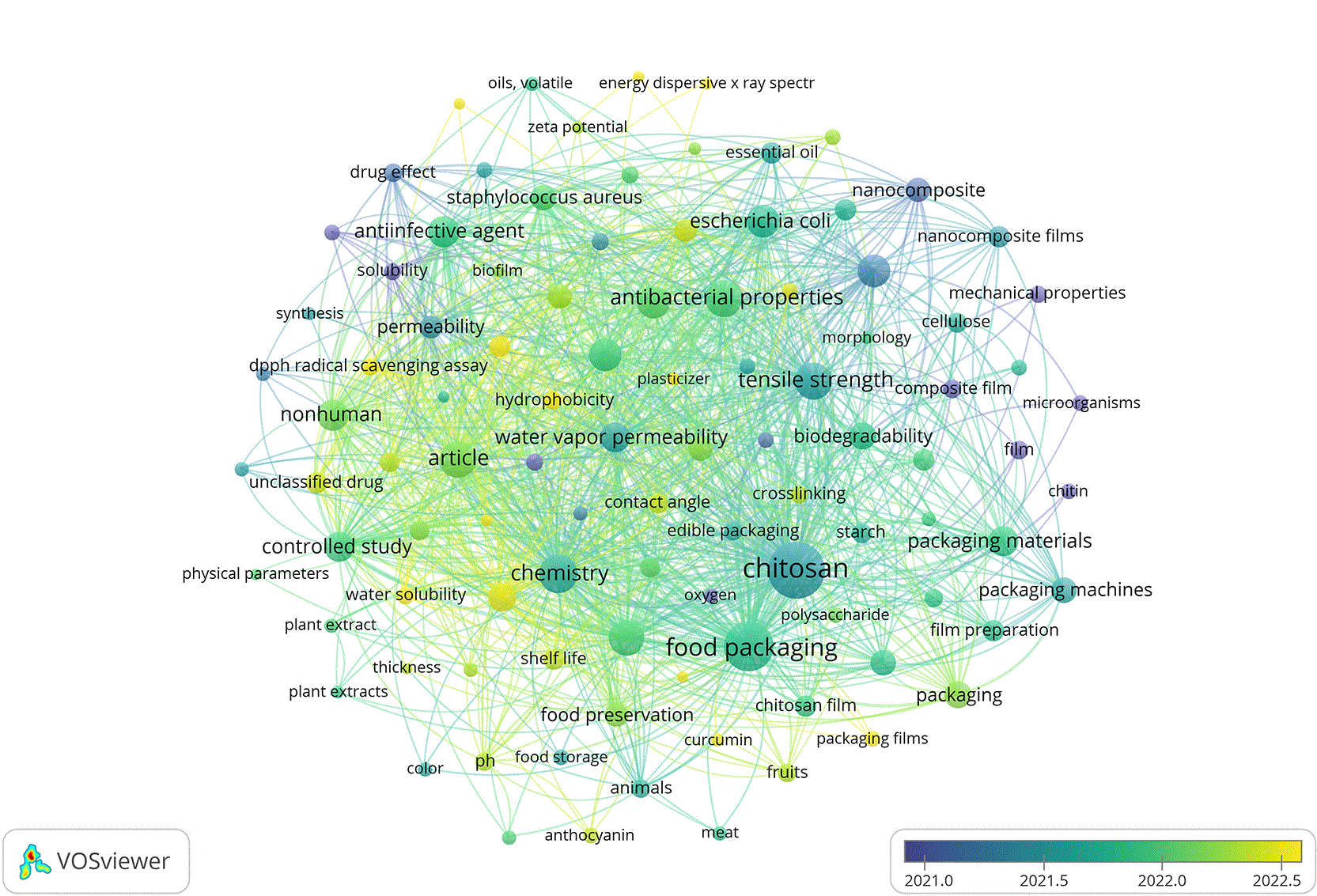
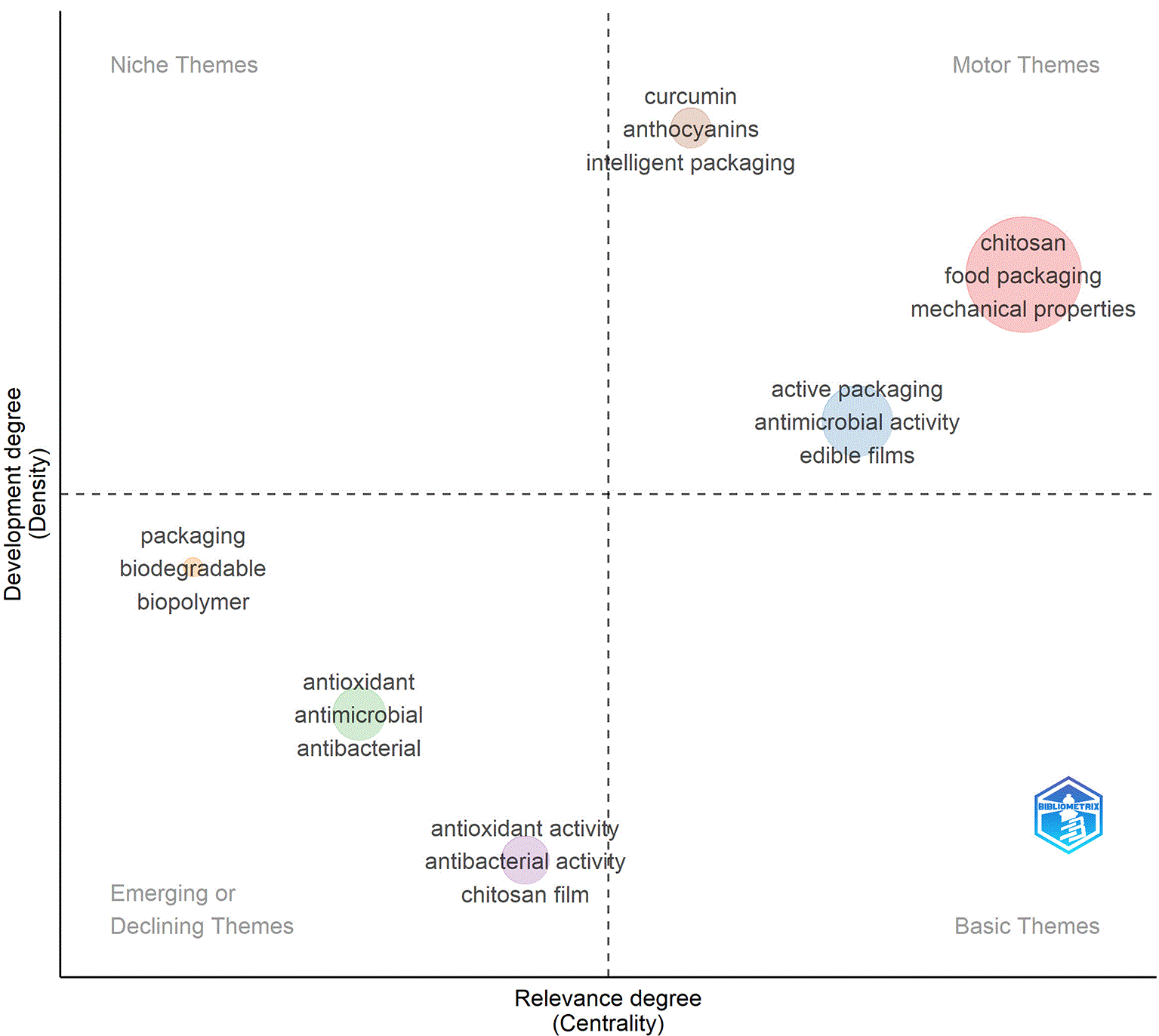
Figure 10 presents the thematic map of research on chitosan-based films for food packaging. The map is divided into four quadrants. The motor themes quadrant consists of three clusters: “chitosan”, “food packaging”, and “mechanical properties”; “active packaging”, “antimicrobial activity”, and “edible films”; and “curcumin”, “anthocyanins”, and “intelligent packaging”. These clusters have high centrality and density, indicating that they are well developed, important, and strongly connected to other research themes. The niche themes and basic themes quadrants contain no major clusters. The emerging or declining themes quadrant consists of three clusters: “packaging”, “biodegradable”, and “biopolymer”; “antioxidant”, “antimicrobial”, and “antibacterial”; and “antioxidant activity”, “antibacterial activity”, and “chitosan film”. These themes have relatively low centrality and density. Although these themes may be classified as either emerging or declining, they are more likely to be emerging because the keyword analysis and highly cited articles show that active packaging and its antioxidant, antimicrobial, and antibacterial functions are widely studied and represent a current research focus. Overall, the thematic map shows that current research is mainly driven by the development of active and intelligent chitosan-based packaging with improved mechanical, antimicrobial, and functional properties.
The list of highly cited articles provides valuable insights into the main research directions and influential approaches in the development of chitosan-based films for food packaging. The most cited articles in this field are presented in Table 5. Pereira et al. (2015) received the highest number of citations, with 825 citations. The study developed a PVA/chitosan film containing red cabbage anthocyanins as a time–temperature indicator that changes colour when food quality decreases, showing its potential for intelligent food packaging. The second-most-cited article was published by J. Zhang et al. (2019a), with 655 citations. Their study developed biodegradable indicator films using combinations of starch, polyvinyl alcohol, chitosan, and roselle anthocyanins. The selected film changed colour from red to green as pork freshness decreased, demonstrating its potential for intelligent food packaging. It was followed by an article authored by X. Zhang et al. (2019b), with 580 citations. Their study developed multifunctional chitosan-based films containing nanosized TiO2 and black plum peel extract. The combined film showed improved barrier and mechanical properties, along with antioxidant, antimicrobial, ethylene-scavenging, and pH-sensitive functions, demonstrating its potential for active and intelligent food packaging. Sun et al. (2017) and Ezati and Rhim (2020) ranked fourth and fifth, with 558 and 466 citations, respectively. Sun et al. developed a chitosan film containing young apple polyphenols, which improved its antioxidant and antimicrobial properties and showed potential for extending food shelf life. Meanwhile, Ezati and Rhim developed a pH-responsive chitosan film containing alizarin that changed colour in response to pH and fish spoilage, demonstrating its potential for active and intelligent food packaging. Other highly cited studies also focused on active food packaging. Riaz et al. (2018) incorporated apple peel polyphenols into chitosan films, improving their antioxidant and antimicrobial activities. Ren et al. (2017) incorporated chitosan into corn starch films, enhancing their mechanical and water-vapour barrier properties. Rambabu et al. (2019) incorporated mango leaf extract into chitosan films, improving their antioxidant, barrier, and food-preservation properties. More recent work by Yang et al. (2016). focused on incorporating lignin nanoparticles to improve the mechanical and thermal properties of PVA/chitosan films. Siripatrawan and Vitchayakitti (2016) examined the addition of propolis extract to improve the antioxidant and antimicrobial properties of chitosan films for active food packaging. Overall, the highly cited studies show that research on chitosan-based films has mainly focused on three areas: intelligent films for monitoring food freshness, active films containing natural extracts to improve antioxidant and antimicrobial properties, and film modifications using polymer blends or nanoparticles to enhance mechanical, thermal, and barrier performance.
• This bibliometric study comprehensively analysed 1,583 Scopus-indexed publications on chitosan-based films for food packaging from 2015 to 2024, revealing publication growth, leading contributors, collaboration patterns, thematic development, and emerging research directions in this field. The study found that the number of publications has grown over the last ten years, which may be driven by increasing concerns about plastic waste and the demand for sustainable and smart food packaging.
• Countries such as China, India, Iran, Brazil, and the United States made significant contributions to advancing the field. Chinese institutions dominated nine of the ten most productive institutions, including the Ministry of Education of the People’s Republic of China, Jiangnan University, and the College of Biosystems Engineering and Food Science at Zhejiang University. Jong-Whan Rhim from Kyung Hee University, South Korea, emerged as the most prominent author, with highly influential research and a strong position in the collaboration network.
• Social network analysis revealed broad international collaboration, with Asian countries becoming increasingly active in recent years. However, institutional collaboration remained limited and fragmented, highlighting opportunities to strengthen cross-institutional and cross-country partnerships. Jong-Whan Rhim occupied the most prominent position in the author network, connecting several research groups.
• Keyword analysis identified four dominant thematic clusters: mechanical reinforcement, film evaluation and characterisation, water-barrier properties, and the development of smart packaging. These findings are consistent with the research themes reported in the most highly cited articles. Furthermore, the research trend has shifted from conventional packaging towards smart packaging. Intelligent packaging often incorporates bioactive compounds as freshness indicators, while active packaging is designed to extend food shelf life through antioxidant and antimicrobial functions. he results highlight the importance of integrating improved mechanical and barrier properties with smart functions to develop more effective and sustainable food-packaging systems.
• Although this study provides a comprehensive overview, several limitations should be acknowledged. The analysis relied only on the Scopus database and included only English-language journal articles and empirical studies, which may not represent the full range of global research. Bibliometric analysis primarily maps publication trends, the most productive contributors, research collaboration, and thematic development rather than evaluating the methodological or experimental quality of individual studies. Future research could include Web of Science and PubMed and update the analysis beyond 2024.
• Future research should focus on developing multifunctional chitosan-based films that combine mechanical reinforcement with active and intelligent packaging functions. Greater emphasis should be placed on natural bioactive compounds, antioxidant and antibacterial performance, pH-responsive indicators, and shelf-life monitoring. Further studies should evaluate these materials in real food systems, including their safety, biodegradability, scalability, and economic feasibility. Stronger collaboration among materials scientists, food technologists, microbiologists, and industry partners is also needed to support practical applications.
• Overall, this study establishes a data-driven foundation for advancing research on chitosan-based films for food packaging. By mapping previous developments, highlighting emerging and underdeveloped themes, and suggesting future directions, this study provides research and strategic insights that may guide researchers, industry, and policymakers towards more sustainable and effective strategies for improving the properties of chitosan-based films for food packaging.
VOSviewer and Biblioshiny are freely available, cost-effective tools for bibliometric and scientometric analysis (Aria & Cuccurullo, 2017; van Eck & Waltman, 2010).