Просмотр новости
Найдите то, что Вас интересует
 Спутники
 РН
РН SpaceX
 Роскосмос
 NASA
NASA
СпутникиРНSpaceXРоскосмосNASABackground Heat stress is one of the challenges that limit productivity, health, and the sustainability of cattle production systems in various regions of the world. Genetics- and genomics-based approaches were gaining increasing attention as long-term strategies for improving heat tolerance. This study aimed to evaluate global developments, patterns of scientific collaboration, intellectual structures, and current research trends related to the genetics and genomics of heat tolerance in cattle using a bibliometric approach. Methods A total of 859 English-language research articles published between 2005 and 2025 and indexed in the Scopus database were analyzed in this study. Bibliometric analysis was performed using Bibliometrix, Biblioshiny, and VOSviewer. Results The results showed an increasing number of publications over the past two decades, reflecting growing attention to the development of livestock that are adaptive to climate change. A total of 3785 authors were involved in the analyzed publications, with an international collaboration rate of 31.78%. China and the United States are the countries with the highest number of publications. Keyword analysis identified an imbalance in research focus between dairy cattle and beef cattle. Several candidate genes have also been identified, such as PRLR, HSP70, HSP90, and ATP1A1. Historically, the research focus has evolved from evaluating physiological responses and oxidative stress to a more comprehensive genomic approach in heat tolerance. These findings indicate a paradigm shift in research toward the use of high-precision molecular technologies to support cattle breeding programs that produce animals more resistant to heat stress. Conclusions Future research should increase the involvement of tropical countries and integrate local cattle genetic resources into genomic selection programs, which are critical steps to accelerate the development of livestock adapted to global climate change.
Research Article
[version 1; peer review: awaiting peer review]
https://orcid.org/0009-0000-0375-2089
1, Muhammad Ridwanhttps://orcid.org/0009-0001-0345-2307
2, Ummul Khasanah1, Christina Mariantje Natal1https://orcid.org/0009-0000-0375-2089
1, Muhammad Ridwanhttps://orcid.org/0009-0001-0345-2307
2, Ummul Khasanah1, Christina Mariantje Natal11 Department of Animal Production and Technology, IPB University, Bogor, West Java, Indonesia
2 Animal Bioscience Study Program, Department of Biology, IPB University, Bogor, West Java, Indonesia
Husnul Qhatimah
Roles: Conceptualization, Data Curation, Formal Analysis, Writing – Review & Editing
Muhammad Ridwan
Roles: Conceptualization, Formal Analysis, Investigation, Writing – Review & Editing
Ummul Khasanah
Roles: Formal Analysis, Project Administration, Validation, Writing – Original Draft Preparation
Christina Mariantje Natal
Roles: Formal Analysis, Validation, Writing – Original Draft Preparation
OPEN PEER REVIEW
REVIEWER STATUS AWAITING PEER REVIEW
Corresponding author: Ummul Khasanah Competing interests: No competing interests were disclosed.
Grant information: This research was supported by the Indonesia Endowment Fund for Education (LPDP) for financial support.
The funders had no role in study design, data collection and analysis, decision to publish, or preparation of the manuscript.
The funders had no role in study design, data collection and analysis, decision to publish, or preparation of the manuscript.
Copyright: © 2026 Qhatimah H et al. This is an open access article distributed under the terms of the Creative Commons Attribution License, which permits unrestricted use, distribution, and reproduction in any medium, provided the original work is properly cited. How to cite: Qhatimah H, Ridwan M, Khasanah U and Natal CM. Global Research Trends in the Genetics and Genomics Related to Heat Tolerance in Cattle: A Bibliometric and Science Mapping Analysis (2005 – 2025) [version 1; peer review: awaiting peer review]. F1000Research 2026, 15:1267 (https://doi.org/10.12688/f1000research.186978.1) First published: 31 Jul 2026, 15:1267 (https://doi.org/10.12688/f1000research.186978.1) Latest published: 31 Jul 2026, 15:1267 (https://doi.org/10.12688/f1000research.186978.1)
Climate change has caused heat waves to happen more often, last longer, and be stronger in many parts of the world, making it a major problem for the global livestock industry ( IPCC, 2023). When the environment’s temperature rises and humidity is high, it can lead to heat stress. Heat stress occurs when the animals can’t dissipate enough body heat, leading to a buildup it heat inside their bodies (Bernabucci et al., 2014; Das et al., 2016). Heat stress affects both dairy and beef cattle by lowering their productivity, making it harder for them to reproduce, and causing health and welfare issues. This ultimately makes the entire production system less efficient, leading to significant financial losses for the livestock industry (Cartwright et al., 2023; Das et al., 2016). In the United States, for example, the economic losses caused by heat stress are estimated to be more than US$2 billion per year, according to a study by St-Pierre et al. (2003). Therefore, increasing heat tolerance in cattle is an important strategy to maintain productivity and support the sustainability of livestock production systems amidst climate change.
Genetic and genomic approaches are increasingly seen as promising strategies for improving heat tolerance in cattle, as adaptive traits can be passed on to subsequent generations. Several studies have shown that genetic variation contributes to cattle’s ability to respond to heat stress, enabling the use of genetic information in developing breeding programs that are more adaptive to climate change (Hariyono & Prihandini, 2022; Rakib et al., 2024). Thus, genetics and genomics are important components in supporting the development of dairy and beef cattle with greater resistance to higher environmental temperatures.
Bibliometric analysis is a quantitative approach used to evaluate the development of a research field by analyzing publication productivity, citation patterns, collaboration networks, and the intellectual structure of science (Aria & Cuccurullo, 2017; Donthu et al., 2021). Combined with science mapping, this approach can visualize relationships among research topics, identify main themes, research hotspots, and research frontiers, thereby providing a systematic overview of the landscape of a scientific field (Cobo et al., 2011; Donthu et al., 2021). Bibliometric approaches have been applied to various research fields, including studies on heat stress in poultry (Uyanga et al., 2023). However, to date, no comprehensive study has mapped the global research landscape on the genetics and genomics related to heat tolerance in cattle. Yet such a mapping is essential for understanding developments in the field, patterns of collaboration, intellectual frameworks, and emerging research themes—all of which serve as a foundation for determining the direction of research and developing cattle breeding strategies better adapted to climate change.
Therefore, this study aims to analyze global trends, collaborative networks, intellectual structures, and research frontiers in genetics related to heat tolerance in dairy and beef cattle during the period 2005–2025 using a bibliometric approach.
In this study, studies on the genetics and genomics of heat tolerance in cattle published between the years 2005 and 2025 were included. A global document search was performed using a database from Scopus (Elsevier B.V., Amsterdam, The Netherlands), as it is one of the most comprehensive databases for scientific publications at both the global and regional levels and ensures that only high-quality data are indexed (Baas et al., 2019).
To ensure accurate search results, document searches in the Scopus database used specific keywords based on article titles, abstracts, and keywords (TITLE-ABS-KEY). The search strategy encompassed three main concepts: heat stress, cattle species, and genetic and genomic aspects. Additionally, the Boolean operators AND and OR were used to link these three concepts. The search strings used are as follows:
TITLE-ABS-KEY((“heat stress” OR “heat tolerance” OR thermotolerance OR “thermal stress”) AND (cattle OR bovine OR “dairy cattle” OR “dairy cow” OR “beef cattle” OR “Bos taurus” OR “Bos indicus”) AND (gene OR genes OR genomic OR genomics OR transcriptome OR transcriptomics OR “gene expression” OR “candidate gene” OR SNP OR polymorphism OR allele OR QTL OR GWAS OR “genome-wide association” OR “genomic selection” OR “marker-assisted selection” OR “whole genome scan” OR “whole genome sequencing” OR WGS OR “SNP chip” OR “BovineHD” OR “genomic estimated breeding value” OR “breeding value”)).
The documents obtained from the search were then screened based on the inclusion criteria: research articles published in English between 2005 and 2025. Documents that did not meet these criteria were excluded from the analysis. The metadata of the eligible publications—including citation, bibliographic, abstracts, and keywords—were extracted from Scopus in CSV format. The flowchart of the identification and selection study ( Figure 1) was adapted from the PRISMA 2020 flow diagram (Page et al., 2021).
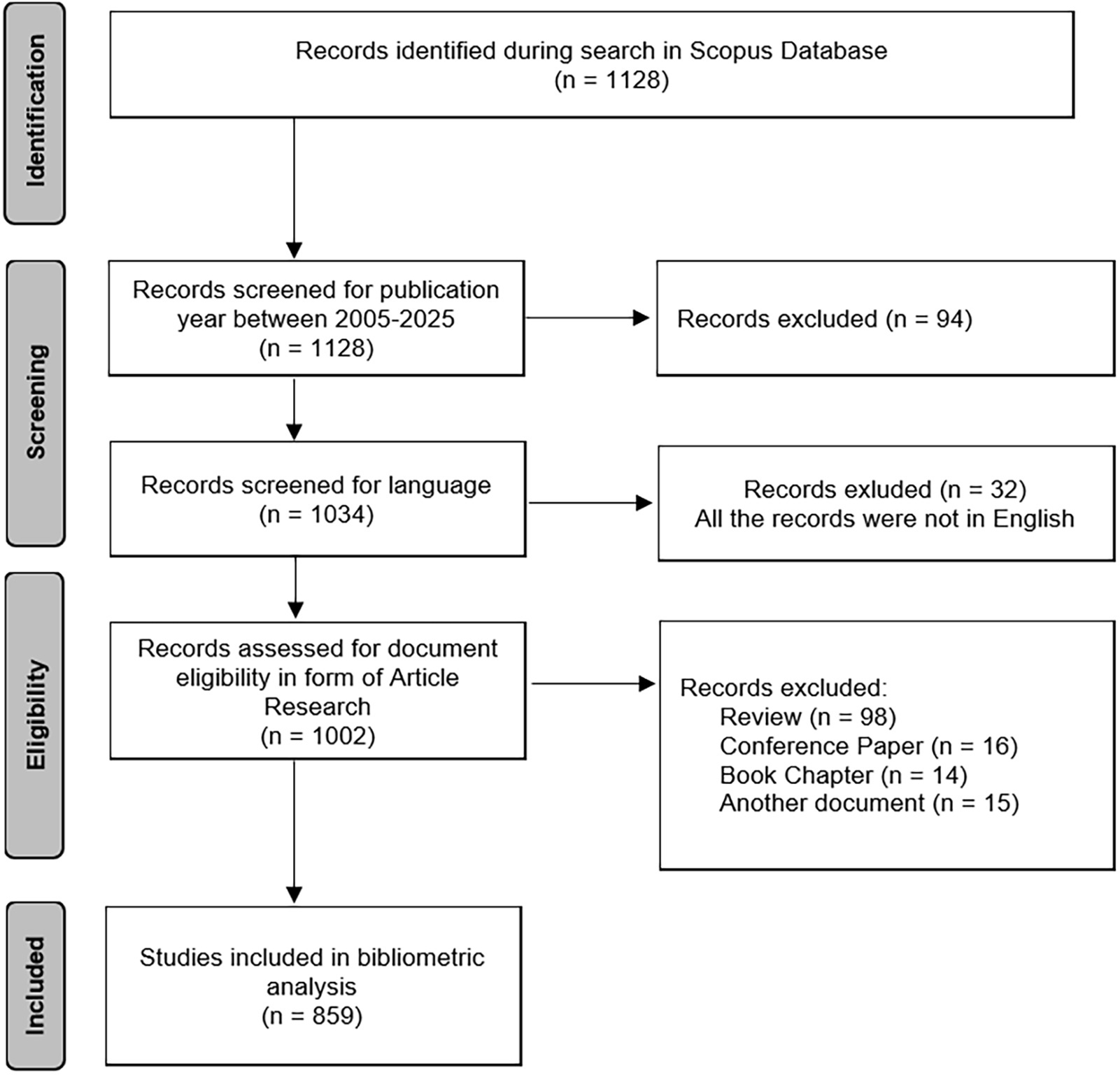
The bibliometric analysis was conducted using the Bibliometrix package and Biblioshiny app, which were run in RStudio (version 2025.09.0 + 387) (Aria & Cuccurullo, 2017), and the VOSViewer software (version 1.6.20) to create data network visualizations (van Eck & Waltman, 2010).
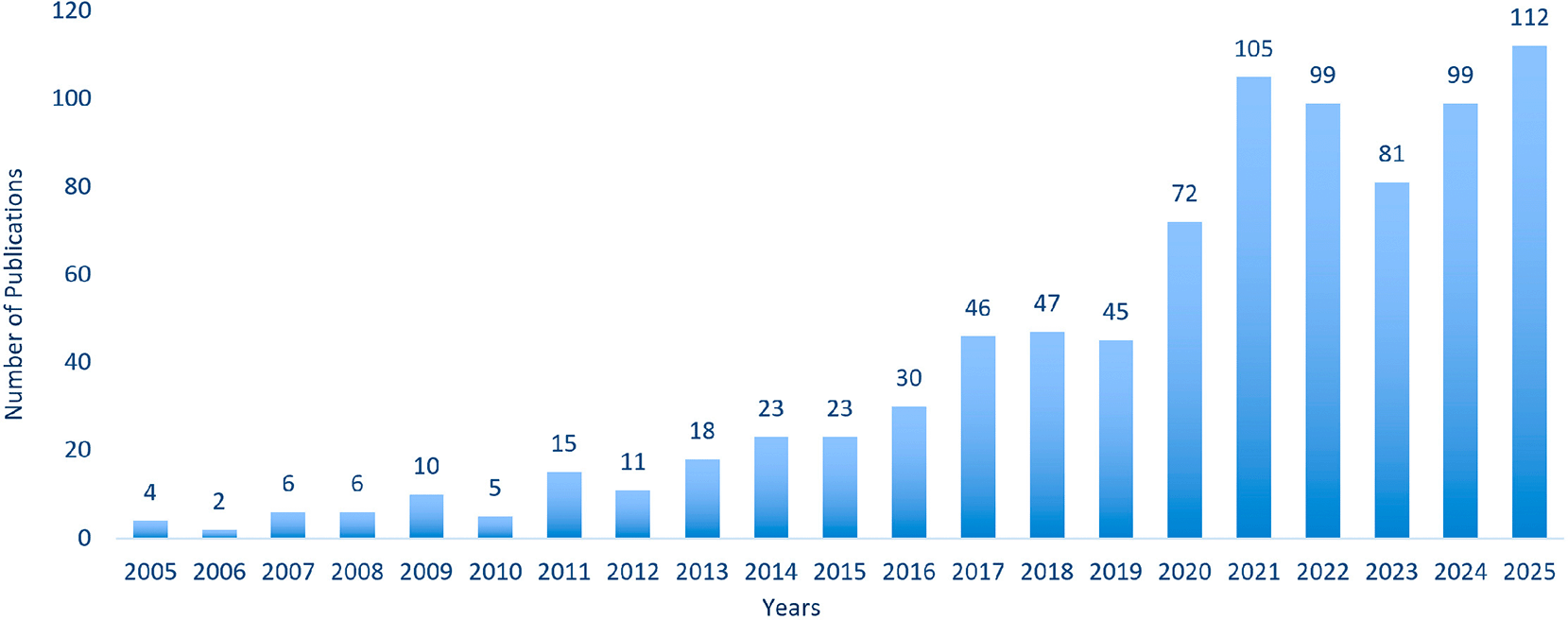
Table 1 provides an overview of studies on heat tolerance genetics in cattle during the 2005–2025 period, covering 859 documents published in 235 sources, with an annual publication growth rate of 18.13%. This trend aligns with the number of publications, which remained relatively low and fluctuated in early 2005 but has shown rapid growth since 2016 ( Figure 2). Additionally, the research involved 3785 authors, with an international collaboration rate of 31.78.
The results presented in Table 2 indicate that the Journal of Dairy Science is the most productive and influential publication source, with 82 articles, 4,017 citations, and an h-index of 31. In contrast, Animals has the highest m-index, indicating faster growth in citation impact over a relatively short period than the other journals. Overall, the prominence of major publishers, including Elsevier, the Multidisciplinary Digital Publishing Institute (MDPI), Frontiers, Oxford University Press, and Springer, highlights that the genetics and genomics of heat tolerance in cattle have become an important research focus in efforts to improve cattle productivity and resilience to climate change.
Several countries have contributed to advancing genetic research on heat tolerance in cattle. China made the largest contribution, with 539 articles and 4498 citations. It was followed by the United States, with 412 articles and 4387 citations, respectively ( Table 3). These findings are consistent with Figure 3, which illustrates Countries’ Scientific Production, with China, the United States, and India shown in the darkest shades, indicating higher levels of scientific production compared to other countries. The map also shows that research in this field is distributed globally but remains concentrated in Asia, North America, parts of South America, and Europe.
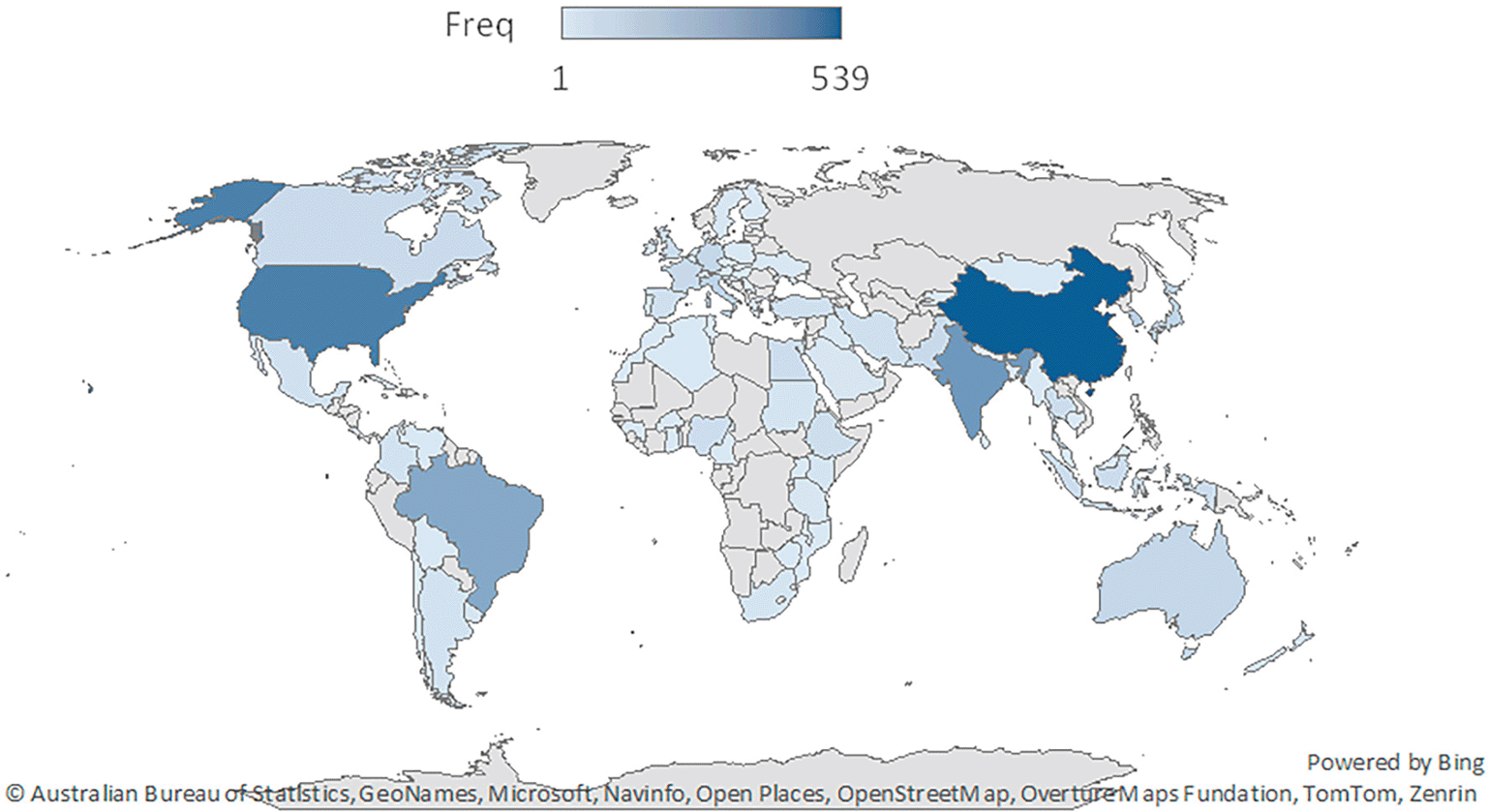
The color scale ranges from dark blue (high productivity) to gray (low productivity), representing different levels of scientific publication output. The map was created using Microsoft Excel.
The visualization of the international collaboration network ( Figure 4) shows that China and the United States have the largest node sizes and the most connections to other countries, indicating that these two nations serve as the network’s main hubs. India and Brazil also demonstrate strong contributions and connectivity, while the United Kingdom, South Korea, Italy, Australia, and Canada act as connectors between clusters. Indonesia has a smaller node but is actively involved in the international collaboration network. Overall, this visualization shows that genetic research on heat tolerance in cattle can advance through extensive and well-integrated international collaboration.
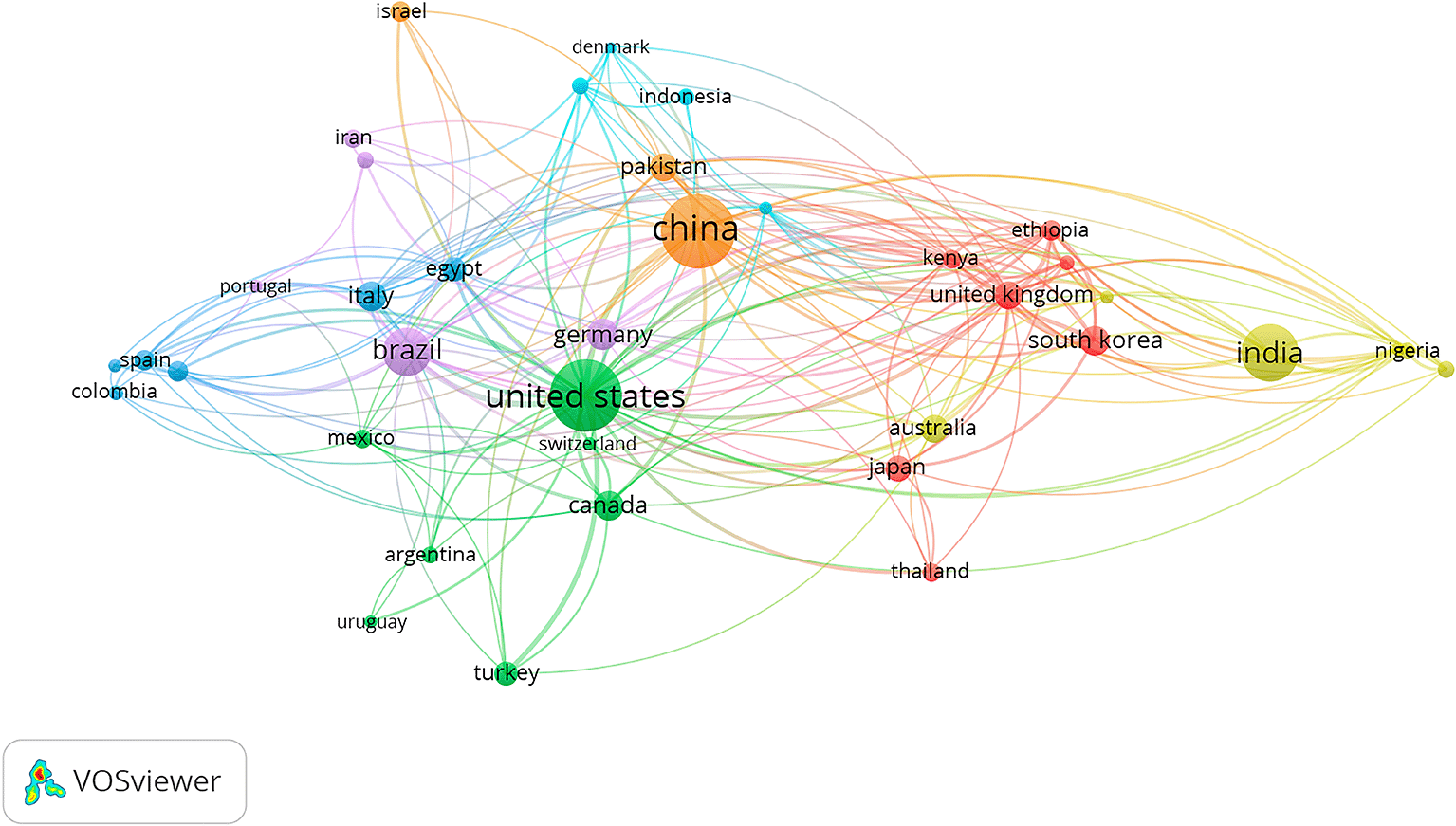
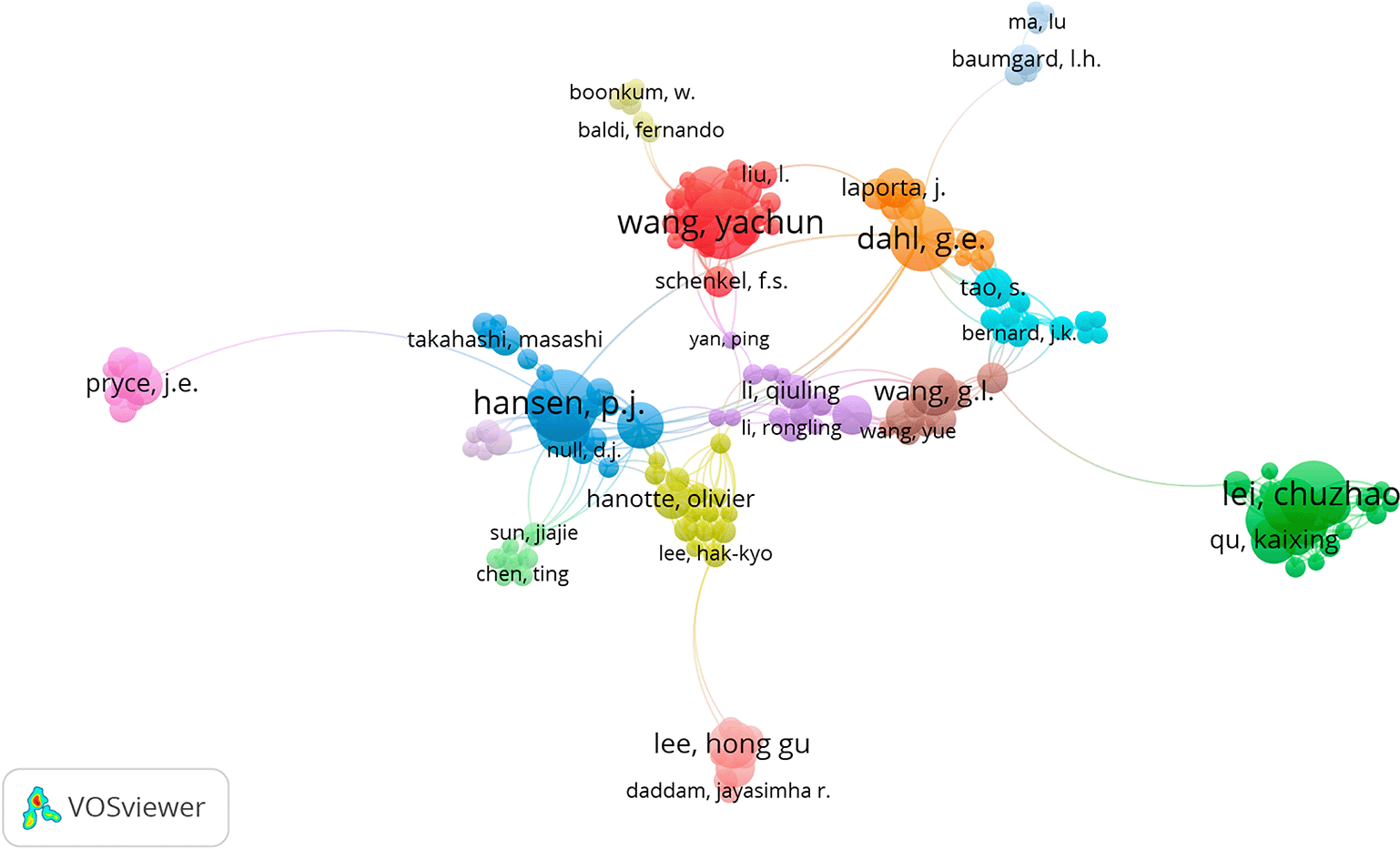
Table 4 reveals that among the 10 most productive researchers in the field of heat tolerance genetics in cattle, Lei Chuzhao is the author with the highest number of articles, 24, followed by Hansen Peter J and Wang Yachun with 23 and 22 articles, respectively. However, based on Table 5, Hansen Peter J has the highest local impact with an h-index of 17, while Dahl GE has the highest total citations at 1762. These findings confirm that an author’s productivity does not always correlate with their citation count. Consistent with these results, the co-authorship network analysis ( Figure 5) reveals the formation of several distinct collaboration clusters among researchers in this field. Hansen PJ, Dahl GE, Wang Yachun, Lei Chuzhao, Laporta J, and Hanotte O serve as collaboration hubs, characterized by larger node sizes and more connections to other authors. This pattern indicates that research on the genetics of heat tolerance in cattle is supported by multiple collaborating groups rather than being dominated by a single group.
The top 10 institutions, ranked by the number of articles successfully published, are shown in Table 6. The analysis results indicate that the University of Florida in the United States made the largest contribution in this research area, with a total of 69 articles. Meanwhile, the Institute of Animal Science and the National Institute of Animal Science ranked last, with a total of 19 published articles.
Table 7 lists the most-cited articles globally during the 2005–2025 period. The article by Collier et al. (2006) in the Journal of Dairy Science had the highest number of citations worldwide, with 544 citations. On the other hand, an article by Bernabucci et al. (2014) had the highest average annual citation count of 34.4 citations per year, while an article by Kim et al. (2017) obtained the highest normalized citation score of 7.20. A total of 7 of the 10 most-cited articles were published in the Journal of Dairy Science, indicating that the journal was a primary source for advancing knowledge and research on heat tolerance genetics and genomics in cattle.
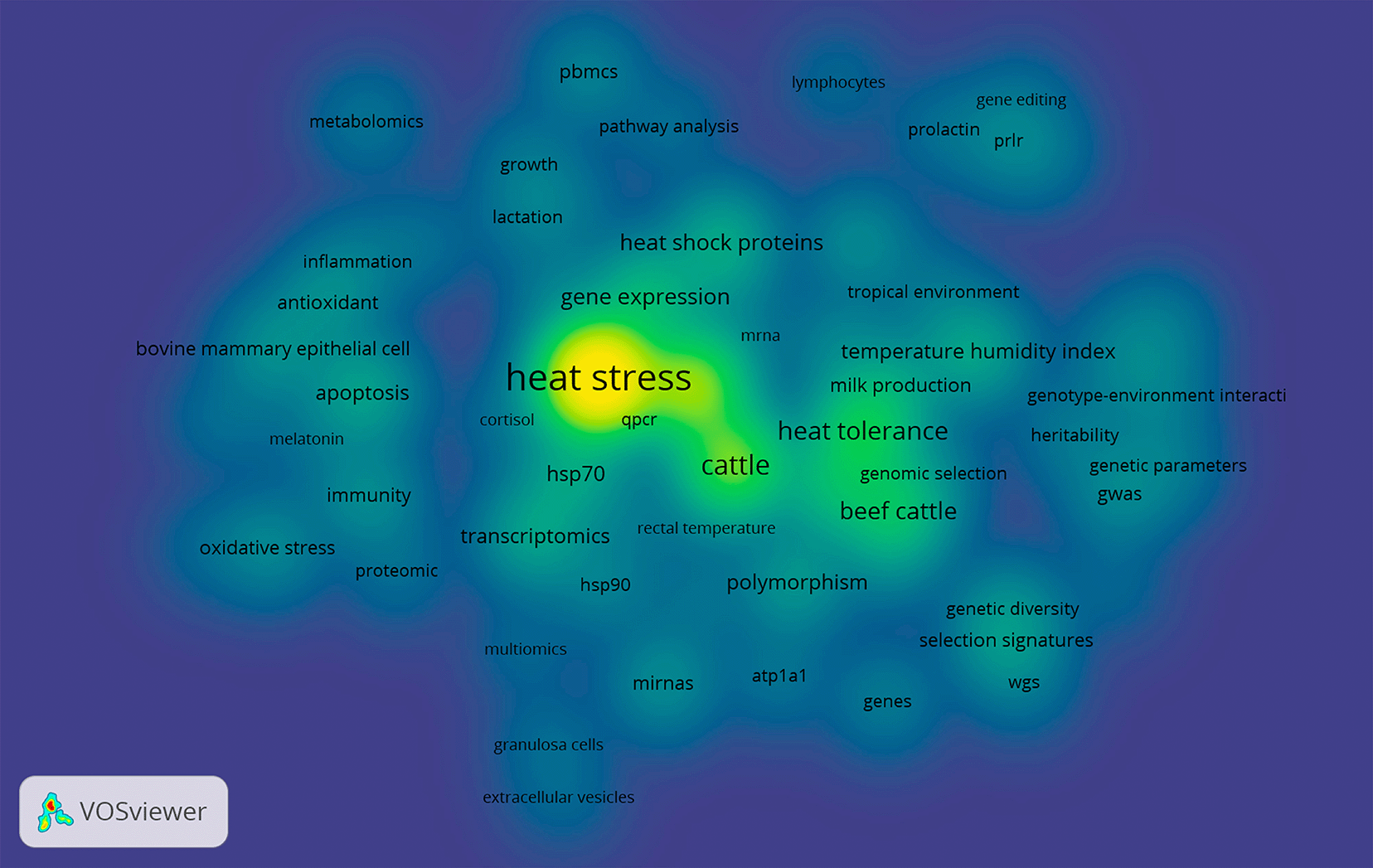
Table 8 shows that “heat stress” is the most dominant keyword, with 385 occurrences, followed by “dairy cattle,” “cattle,” “heat tolerance,” and “beef cattle,” with 165, 145, 95, and 70 occurrences, respectively. This is consistent with the cluster density visualization, as indicated by the lightest color ( Figure 6).
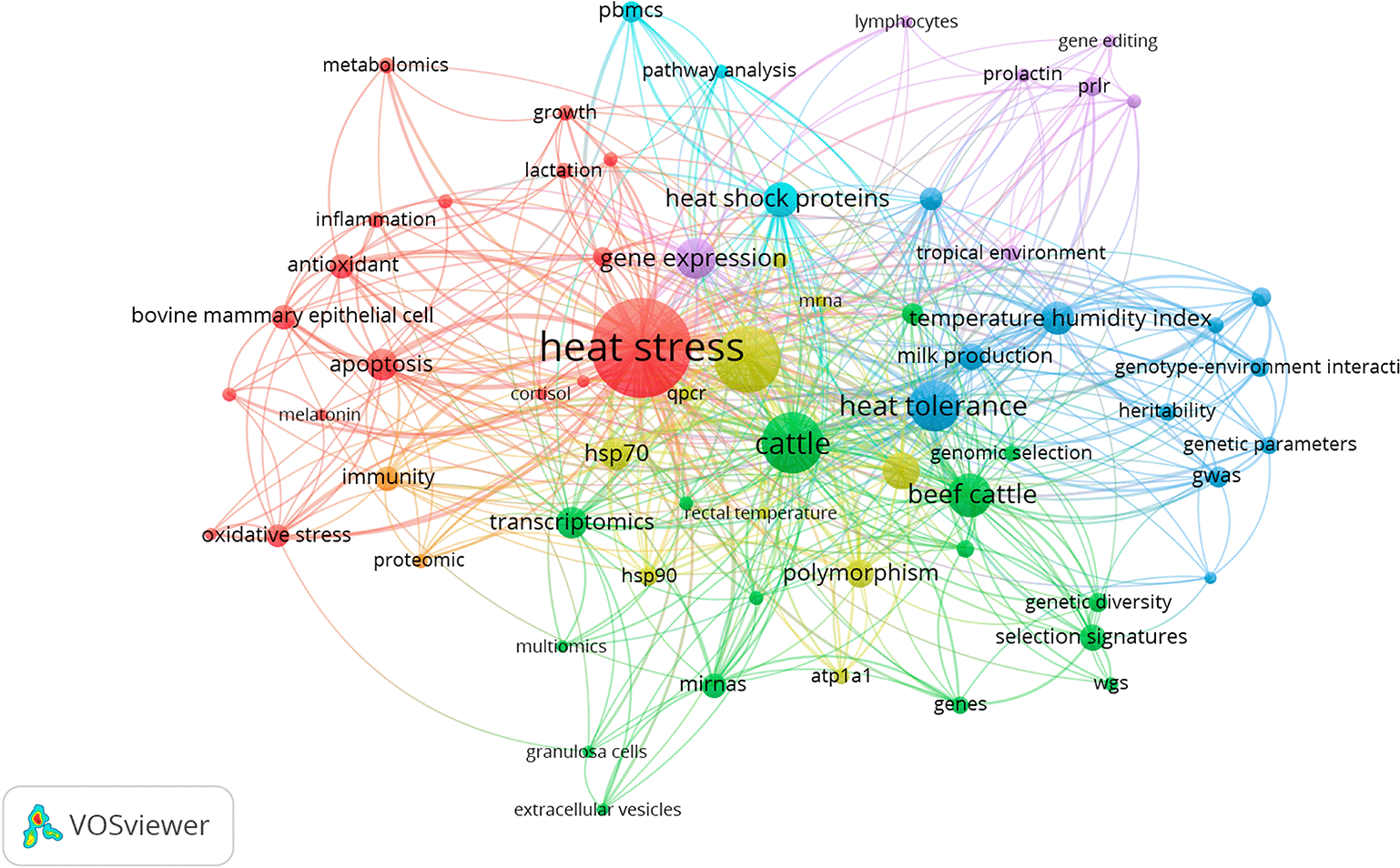
The author-keyword co-occurrence network comprised 66 nodes and 532 links ( Figure 7) and was divided into 7 distinct clusters ( Table 9). The keyword “Heat stress,” with the highest frequency of occurrence, appeared as the largest node and was located at the center of the network, making it the main theme linking various research approaches. Overall, research on the genetics of heat tolerance in cattle initially focused more on physiological responses and oxidative stress (red cluster), then evolved toward quantitative genetics and livestock performance evaluation (blue cluster). As technology has advanced, the research focus has shifted toward genomics, transcriptomics, multi-omics, epigenetics, and genomic selection (green cluster), as well as the identification of molecular biomarkers such as HSP70, HSP90, ATP1A1, PRLR, and slick hair (yellow and purple clusters). The emergence of keywords such as heat shock proteins, proteomics, and pathway analysis in the Tosca and Orange clusters confirms that current research is increasingly focused on comprehensive analysis of molecular mechanisms to support the development of cattle that are more tolerant to heat stress.
Climate change, which has led to rising ambient temperatures, has made heat tolerance a key focus of research in animal science, particularly in cattle farming. This is reflected in the increasing number of publications released each year during the observation period, indicating that genetics and genomics have become major approaches for identifying adaptation mechanisms and supporting livestock selection programs aimed to produce animals that are more resistant to heat stress. Several studies have shown that the annual increase in publications can serve as an indicator of the level of attention and progress in a particular field of research (Kocyigit, 2023; Radha & Arumugam, 2021). A study involving 3785 authors, with an international collaboration rate of 31.78%, reveals that the field of genetics related to heat tolerance in cattle is experiencing strong growth, becoming increasingly collaborative, and has evolved into a global research field.
The significant increase in publications since 2016 has also correlated with the growing use of SNP genotyping, GWAS, single-step genomic prediction, whole-genome sequencing (WGS), transcriptomics, and multi-omics. This indicates that heat tolerance—which was initially viewed as a matter of physiology and environmental management—has shifted to becoming a breeding trait studied through quantitative genetics, genomics, and molecular biology, consistent with several previous studies (Charoensook et al., 2012; Cheruiyot et al., 2022; Suhendro et al., 2022; Zamorano-Algandar et al., 2023). These methodological changes are also described in the study Nguyen et al. (2016), which is one of the most frequently cited articles.
China and the United States, as the most productive countries over the past two decades, reflect the dominant role of both nations in this field. Meanwhile, India and Brazil rank third and fourth, respectively, consistent with evidence that both countries are regions with a high burden of tropical heat stress (Sun et al., 2019) and faced significant production losses due to high temperature-humidity index (THI) conditions (Brejesh & Ibrahim, 2025). The findings that need to be highlighted from this study are that there are no countries from the Southeast Asian region that appear among the 10 countries with the highest contributions, even though, according to several studies, this region is known as one of the areas that is very vulnerable to chronic heat stress (Manimaran et al., 2025; Wong et al., 2024).
In addition, tropical countries, including Indonesia, have relatively few publications. This indicates a geographic gap in research, even though these countries have cattle populations that have adapted to tropical environments and may harbor genetic diversity that is important for heat tolerance. A study conducted by Suhendro et al. (2022) shows that in Bali cattle from Indonesia, there is a g. − 69 T > G SNP in the HSPA1A promoter that is associated with physiological responses, and the GG genotype has a lower respiration rate (Rr) and heat tolerance coefficient (HTC), making it a potential marker for selection. Furthermore, it is explained by Mavunga et al. (2025) that Zebu cattle (Bos indicus) from Southeast Asia and South Asia carry candidate genes that play a key role in heat tolerance, including HSP90AA1, and exhibit distinctive selection signatures shaped by adaptation to tropical environments. Therefore, increased research on local cattle populations in tropical countries is essential to support the development of breeding programs that are adaptive to climate change.
One of the key findings of this bibliometric analysis is an imbalance in research focus between dairy cattle and beef cattle, as reflected in the fact that the keyword “dairy cattle” appeared 165 times, compared to “beef cattle,” which appeared only 70 times. Furthermore, this is reinforced by the fact that the majority of the most-cited publications globally in this analysis were published in the Journal of Dairy Science. This confirms that research on genetics and genomics related to heat stress is more focused on dairy cattle, while research on beef cattle remains relatively limited. This situation is believed to be caused by the high economic losses resulting from reduced milk production due to heat stress (Habimana et al., 2023; St-Pierre et al., 2003) and the availability of large datasets from routine records on dairy cattle (Cheruiyot et al., 2022), making it easier to characterize phenotypes related to heat tolerance than in beef cattle.
On the other hand, an analysis of the authors’ keyword co-occurrence network reveals that research on genetics and genomics related to heat stress in cattle has evolved from studies focused on physiological responses and candidate genes to research utilizing high-resolution genomic technologies such as GWAS, WGS, transcriptomics, and multi-omics, thereby enabling a more comprehensive understanding of the molecular mechanisms underlying heat tolerance. The strong network of relationships between “heat stress,” “heat tolerance,” and “temperature-humidity index” indicates that the THI remains the most widely used environmental indicator for evaluating cattle’s response to heat stress (Aloia et al., 2024; Arias & Mader, 2023; Dikmen & Hansen, 2009; Mylostyvyi & Izhboldina, 2025).
A number of candidate genes were also identified as key focuses in this study. One notable gene is the prolactin receptor (PRLR), which is in the same cluster as “prolactin,” “gene editing,” “gene expression,” “slick hair,” and “tropical environment.” Research conducted by Dikmen et al. (2014) showed that the SLICK locus, caused by a mutation in the PRLR gene, confers heat tolerance in intensively reared lactating Holstein cows. Furthermore, this publication has received 165 citations worldwide and has become one of the primary references supporting PRLR as a potential candidate gene for developing genome-based breeding strategies to improve heat tolerance in cattle.
This bibliometric study provides a comprehensive overview of the development of genetic and genomic research related to heat tolerance in cattle; however, it still has several limitations. First, the research data were drawn exclusively from a single database: Scopus. Although Scopus is one of the largest scientific databases, with extensive coverage of high-quality international journals (Baas et al., 2019), some publications indexed in other databases such as Web of Science (WoS), PubMed, and CAB Abstracts may not be included. Therefore, the results obtained do not fully represent the entire available literature in this field. Second, the search results are heavily influenced by the keyword strategy. Although the search string was constructed comprehensively using a combination of terms related to heat stress, cattle species, and genetics and genomics, combined with Boolean operators (AND/OR) in the TITLE-ABS-KEY column, it is possible that some relevant publications were not identified. Furthermore, the analysis included only English-language research articles. Other documents, such as reviews, conference papers, book chapters, editorials, and publications in languages other than English, were excluded to maintain the consistency of the bibliometric analysis. This approach increased the dataset’s homogeneity but limited the overall representation of global research developments.
This study successfully mapped global developments, collaborative networks, intellectual structures, and research frontiers in genetics and genomics related to heat tolerance in cattle during the 2005–2025 period, with findings indicating a shift from physiological approaches toward more comprehensive genomic approaches. Although research activity has increased significantly, there remains a gap between research on dairy cattle and beef cattle, as well as a low level of contribution from tropical countries—including those in Southeast Asia—to the global research landscape. This study also identified PRLR, HSP70, HSP90, and ATP1A1 as key candidate genes, while genomic selection, epigenetics, and multi-omics represent promising research frontiers. Therefore, future research needs to strengthen international collaboration, increase the involvement of tropical countries, and integrate the genetic diversity of local cattle into genomic selection programs to support the development of more adaptive cattle breeds.
This research utilized a dataset that is publicly accessible from Scopus, thus eliminating the need for ethical considerations.
All datasets supporting this article are accessible in Zenodo: Global Research Trends in the Genetics and Genomics Related to Heat Tolerance in Cattle: A Bibliometric and Science Mapping Analysis (2005–2025). https://doi.org/10.5281/zenodo.21395729 (Qhatimah et al., 2026). The project contains the following underlying data: scopus.csv (raw bibliographic dataset exported from the scopus database).
Zenodo: Global Research Trends in the Genetics and Genomics Related to Heat Tolerance in Cattle: A Bibliometric and Science Mapping Analysis (2005–2025). https://doi.org/10.5281/zenodo.21395729 (Qhatimah et al., 2026). This project contains the following extended data:
Supplementary Figure 2. (Source data used to generate the figure 2 presented in this study).
Supplementary Figure 3. (Source data used to generate the figure 3 presented in this study).
Data are available under the terms of the Creative Commons Attribution 4.0 International.
The authors gratefully acknowledge the Indonesia Endowment Fund for Education (LPDP) for financial support, which made this research and publication possible. The authors also thank IPB University for the institutional support provided throughout the research process.
This research was supported by the Indonesia Endowment Fund for Education (LPDP) for financial support.
The funders had no role in study design, data collection and analysis, decision to publish, or preparation of the manuscript.
The funders had no role in study design, data collection and analysis, decision to publish, or preparation of the manuscript.
© 2026 Qhatimah H et al. This is an open access article distributed under the terms of the Creative Commons Attribution License, which permits unrestricted use, distribution, and reproduction in any medium, provided the original work is properly cited.
Current Reviewer Status:
AWAITING PEER REVIEW
AWAITING PEER REVIEW
?
Key to Reviewer Statuses VIEW HIDE
ApprovedThe paper is scientifically sound in its current form and only minor, if any, improvements are suggested
Approved with reservations A number of small changes, sometimes more significant revisions are required to address specific details and improve the papers academic merit.
Not approvedFundamental flaws in the paper seriously undermine the findings and conclusions