Просмотр новости
Найдите то, что Вас интересует
 Спутники
 РН
РН SpaceX
 Роскосмос
 NASA
NASA
СпутникиРНSpaceXРоскосмосNASAObjectives To evaluate the sequence and structural conservation of heat shock protein 70 (HSP70) across different allergenic sources and to assess its potential role in molecular mimicry- mediated cross- reactivity . Additionally, conserved linear and conformational epitopes potentially involved in immune recognition were identified. Methods An in silico analysis was performed using HSP70 amino acid sequences from multiple allergenic sources, including mites, cockroaches, helminths, fungi, and mammals. Multiple sequence alignment and phylogenetic analyses were conducted to evaluate sequence conservation and evolutionary relationships. Three-dimensional protein structures were generated through homology modelling and assessed using structural validation parameters. Linear and conformational epitopes were predicted using immunoinformatic tools and mapped onto the modelled structures. Results Eighteen HSP70 sequences were analysed, showing an overall identity of 53% and pairwise similarities up to 98.97%. Phylogenetic analysis grouped the proteins into four clades with sequence identity ranging from 63% to 85%. Structural models showed high reliability, with more than 90% of residues located in the most favoured regions of the Ramachandran plot. Epitope prediction identified 35 linear and 27 conformational epitopes with high confidence scores located in conserved regions. Conclusion HSP70 shows high sequence and structural conservation across allergenic sources, suggesting potential cross-reactivity through molecular mimicry. Conserved epitopes may represent relevant targets for diagnostic and therapeutic approaches, although experimental validation is required.

SANCHEZ CARABALLO A, FIGUEROA CARO I, RODRIGUEZ JIMENEZ I et al. Deciphering Molecular Mimicry: An In Silico Exploration of Heat shock protein 70 Conservation and its Role in Cross-Reactivity. [version 1; peer review: awaiting peer review]. F1000Research 2026, 15:1320 (https://doi.org/10.12688/f1000research.180672.1)
Research Article
[version 1; peer review: awaiting peer review]
https://orcid.org/0000-0001-7460-3427
1-3, ISAURA FIGUEROA CAROhttps://orcid.org/0009-0006-6448-5993
4, ISABELLA RODRIGUEZ JIMENEZ4, [...] ANDRES CUELLO ARRIETAhttps://orcid.org/0009-0004-2208-2606
4, LUIS CARABALLO GOMEZCASERES5, JORGE SANCHEZ CARABALLOhttps://orcid.org/0000-0001-6341-783X
1, MARLON MUNERA GOMEZ3https://orcid.org/0000-0001-7460-3427
1-3, ISAURA FIGUEROA CAROhttps://orcid.org/0009-0006-6448-5993
4, [...] ISABELLA RODRIGUEZ JIMENEZ4, ANDRES CUELLO ARRIETAhttps://orcid.org/0009-0004-2208-2606
4, LUIS CARABALLO GOMEZCASERES5, JORGE SANCHEZ CARABALLOhttps://orcid.org/0000-0001-6341-783X
1, MARLON MUNERA GOMEZ31 Nuñista Faculty of Medicine Research Group (GINUMED), Corporación Universitaria Rafael Nuñez, Cartagena, Bolívar, Colombia
2 Pharmaceutical, Cosmetic and Food Technology Research Group (GITFCA), Universidad de Cartagena, Cartagena, Bolívar, Colombia
3 Clinical and Experimental Allergology Research Group (GACE), Universidad de Antioquia, Medellín, Antioquia, Colombia
4 Corporacion Universitaria Rafael Nunez Facultad de Ciencias de la Salud, Cartagena, Bolívar, Colombia
5 Institucion Universitaria de Comfamiliar Risaralda, Comuna Oriente, Risaralda, Colombia
ANDRES SANCHEZ CARABALLO
Roles: Conceptualization, Investigation, Methodology, Supervision, Writing – Original Draft Preparation, Writing – Review & Editing
ISAURA FIGUEROA CARO
Roles: Conceptualization, Data Curation, Investigation, Methodology, Writing – Original Draft Preparation, Writing – Review & Editing
ISABELLA RODRIGUEZ JIMENEZ
Roles: Data Curation, Investigation, Methodology, Writing – Original Draft Preparation, Writing – Review & Editing
ANDRES CUELLO ARRIETA
Roles: Data Curation, Investigation, Methodology, Writing – Original Draft Preparation, Writing – Review & Editing
LUIS CARABALLO GOMEZCASERES
Roles: Investigation, Methodology, Writing – Original Draft Preparation, Writing – Review & Editing
JORGE SANCHEZ CARABALLO
Roles: Investigation, Methodology, Supervision, Writing – Original Draft Preparation, Writing – Review & Editing
MARLON MUNERA GOMEZ
Roles: Investigation, Methodology, Writing – Original Draft Preparation, Writing – Review & Editing
OPEN PEER REVIEW
REVIEWER STATUS AWAITING PEER REVIEW
To evaluate the sequence and structural conservation of heat shock protein 70 (HSP70) across different allergenic sources and to assess its potential role in molecular mimicry- mediated cross- reactivity . Additionally, conserved linear and conformational epitopes potentially involved in immune recognition were identified.
MethodsAn in silico analysis was performed using HSP70 amino acid sequences from multiple allergenic sources, including mites, cockroaches, helminths, fungi, and mammals. Multiple sequence alignment and phylogenetic analyses were conducted to evaluate sequence conservation and evolutionary relationships. Three-dimensional protein structures were generated through homology modelling and assessed using structural validation parameters. Linear and conformational epitopes were predicted using immunoinformatic tools and mapped onto the modelled structures.
ResultsEighteen HSP70 sequences were analysed, showing an overall identity of 53% and pairwise similarities up to 98.97%. Phylogenetic analysis grouped the proteins into four clades with sequence identity ranging from 63% to 85%. Structural models showed high reliability, with more than 90% of residues located in the most favoured regions of the Ramachandran plot. Epitope prediction identified 35 linear and 27 conformational epitopes with high confidence scores located in conserved regions.
ConclusionHSP70 shows high sequence and structural conservation across allergenic sources, suggesting potential cross-reactivity through molecular mimicry. Conserved epitopes may represent relevant targets for diagnostic and therapeutic approaches, although experimental validation is required.
Heat shock protein 70 (HSP70), Molecular mimicry, Cross-reactivity, Allergenic proteins, Epitope prediction, Immunoinformatics.
Corresponding author: ANDRES SANCHEZ CARABALLO Competing interests: No competing interests were disclosed.
Grant information: The author(s) declared that no grants were involved in supporting this work.
Copyright: © 2026 SANCHEZ CARABALLO A et al. This is an open access article distributed under the terms of the Creative Commons Attribution License, which permits unrestricted use, distribution, and reproduction in any medium, provided the original work is properly cited. How to cite: SANCHEZ CARABALLO A, FIGUEROA CARO I, RODRIGUEZ JIMENEZ I et al. Deciphering Molecular Mimicry: An In Silico Exploration of Heat shock protein 70 Conservation and its Role in Cross-Reactivity. [version 1; peer review: awaiting peer review]. F1000Research 2026, 15:1320 (https://doi.org/10.12688/f1000research.180672.1) First published: 07 Aug 2026, 15:1320 (https://doi.org/10.12688/f1000research.180672.1) Latest published: 07 Aug 2026, 15:1320 (https://doi.org/10.12688/f1000research.180672.1)
Heat shock proteins 70 (HSP70) are chaperones present in almost all living organisms. Their main functions include protein transport, protection of genetic material, prevention of protein denaturation, and protection of cells under stress conditions. This protein has been described as an allergen in various sources such as house dust mites, fungi, cockroaches, insects, among others.1 Additionally, proteins of the HSP family are relevant autoantigens in autoimmune diseases such as systemic lupus erythematosus, rheumatoid arthritis, multiple sclerosis, cystic fibrosis, autoimmune vitiligo, type 1 diabetes mellitus, among others.2–5 Due to being a highly conserved protein, HSP70 from different species share structural similarities, which could lead the immune system to exhibit cross-reactivity between these proteins and even with human HSP70 through molecular mimicry.6–8
On the other hand, it has been suggested that cellular stress may induce the overexpression of HSP70 in inflamed tissues, which would increase the likelihood that antibodies generated against HSP70 from allergenic sources recognize endogenous HSP70 and perpetuate inflammation.8 This type of cross-reactivity has been proposed as a mechanism in autoimmune diseases, but its role in allergies has not yet been explored.9
Although there is no direct evidence of cross-reactivity between human HSP70 and HSP70 from allergenic sources, the high sequence and structural homology suggests that this phenomenon could be relevant in the immunopathology of certain allergic diseases. Therefore, in silico studies that predict shared epitopes capable of generating potential cross-reactivity could provide key information to better understand this pathology, the possible relationship between these proteins, and their clinical impact.
The most relevant allergenic sources from the tropics were selected, including mites, fungi, mammals, helminths, cockroaches, and human HSP70.10 Protein sequences were retrieved from the UniProt database (https://www.uniprot.org/), and allergens described with complete sequences were obtained from the WHO/IUIS Allergen Nomenclature Sub-Committee (https://allergen.org/). The identity among the studied proteins was determined using the BLOSUM62 matrix. Multiple sequence alignments were performed using the PRALINE server (https://www.ibi.vu.nl/programs/pralinewww/), and the construction of the identity matrix was carried out using the Clustal Omega server from EMBL-EBI (European Bioinformatics Institute) (https://www.ebi.ac.uk/jdispatcher/msa/clustalo).10–12 Table 1.
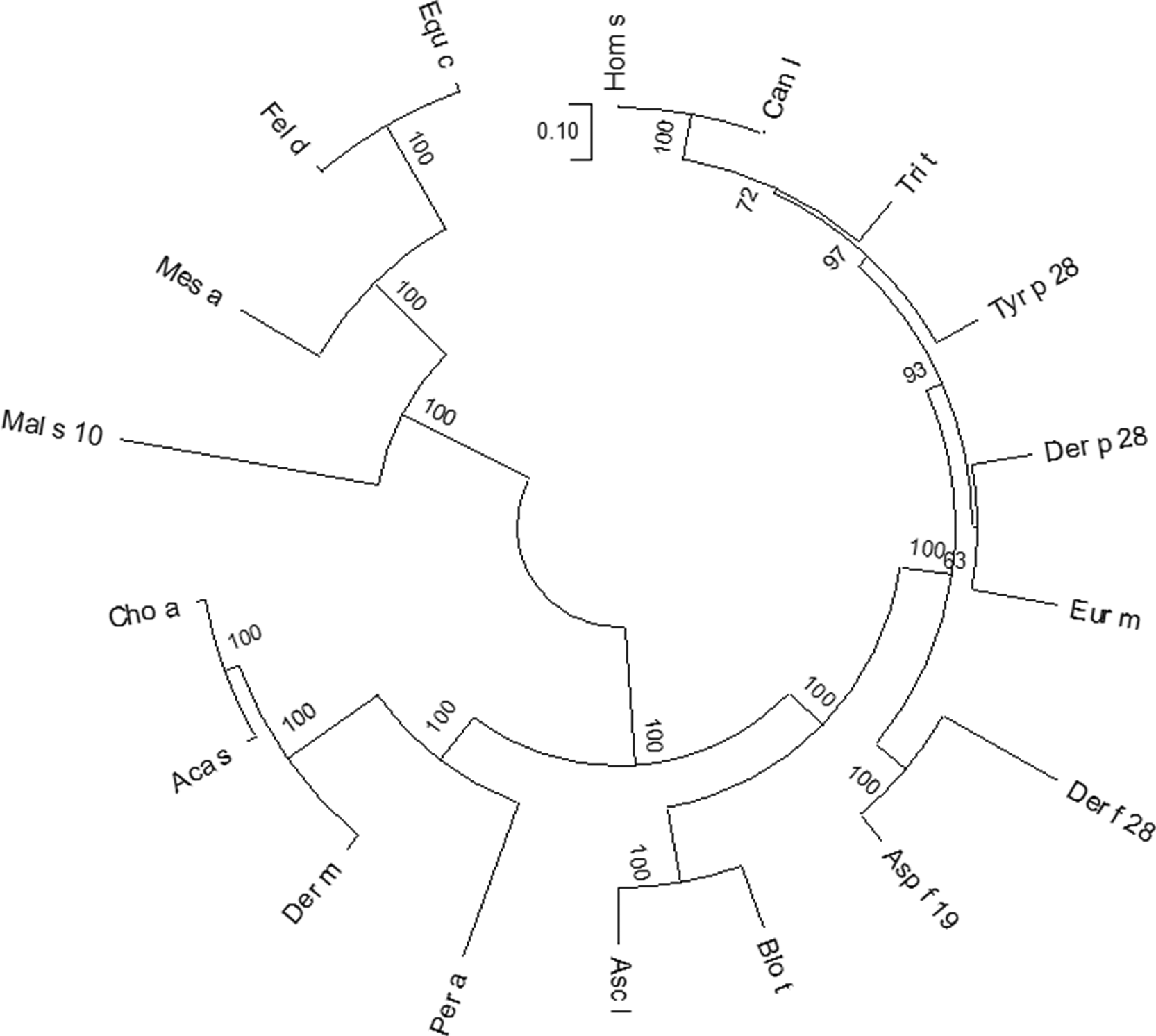
For the construction of clades, the program Molecular Evolutionary Genetic Analysis (MEGA) version XII was used, applying the Neighbor-Joining method under the assumption of minimal evolution. The reliability and robustness of the phylogenetic tree were strengthened through a bootstrap analysis with 100 replicates. The topology of the tree was based on a comparative amino acid identity matrix constructed from HSP70 protein sequences obtained from UniProt and WHO/IUIS. All gaps were removed using the complete deletion criterion. In the tree, evolutionary proximity among organisms was determined according to the values of positive conservation: the greater the similarity between sequences, the closer they appear in the phylogeny.13 From the global comparison and homologies, the sum of branch lengths (SBL) was obtained, which reflects evolutionary distance and defines the position of nodes, as well as the clustering of sequences with greater phylogenetic relationships. Phylogenetic sub-analyses were performed to evaluate the degree of identity among the formed groups.
Three-dimensional (3D) models were used to identify exposed and conserved residues on the surface of the studied proteins in order to predict potential allergen epitopes and conserved patches where these sequences are located.
Allergens with experimentally resolved structures or those predicted by AlphaFold were obtained from the Protein Data Bank (PDB) through UniProt. The 3D structures of allergens not reported in PDB were generated through homology-based modeling using the SWISS-MODEL server (https://swissmodel.expasy.org/interactive) and AlphaFold 2 (https://alphafold.ebi.ac.uk/about), based on homology modelling and neural network prediction, respectively.14,15 Predicted proteins were refined using DeepView to minimize energy. Their quality was evaluated using different tools, including Ramachandran plots, WHATIF, QMEAN4 index, and energy values (GROMOS96 force field).16,17 All models were visualized using PyMOL version 2.3.19
The prediction of linear and conformational B-cell epitopes was performed using the ElliPro server (http://tools.iedb.org/ellipro/). Prediction parameters were set to default values. In addition, reported antigenic patches were retrieved to explore molecular mimicry among allergenic components of HSP70 proteins from the studied sources. Only epitopes with a score greater than 0.7 and more than four residues were selected ( Table 1).18 The epitopes were mapped using PyMOL software, version 2.3.
The epitopes were mapped using PyMOL software, version 2.3. A color-coded scale based on ElliPro scores was applied to facilitate visualization on the three-dimensional structures, where blue–purple indicates the highest-scoring epitopes (≥0.90), followed by green (0.80–0.89) and orange (0.75–0.79). Lower scores approaching the inclusion threshold (0.70) were represented by warmer colors (red to yellow).
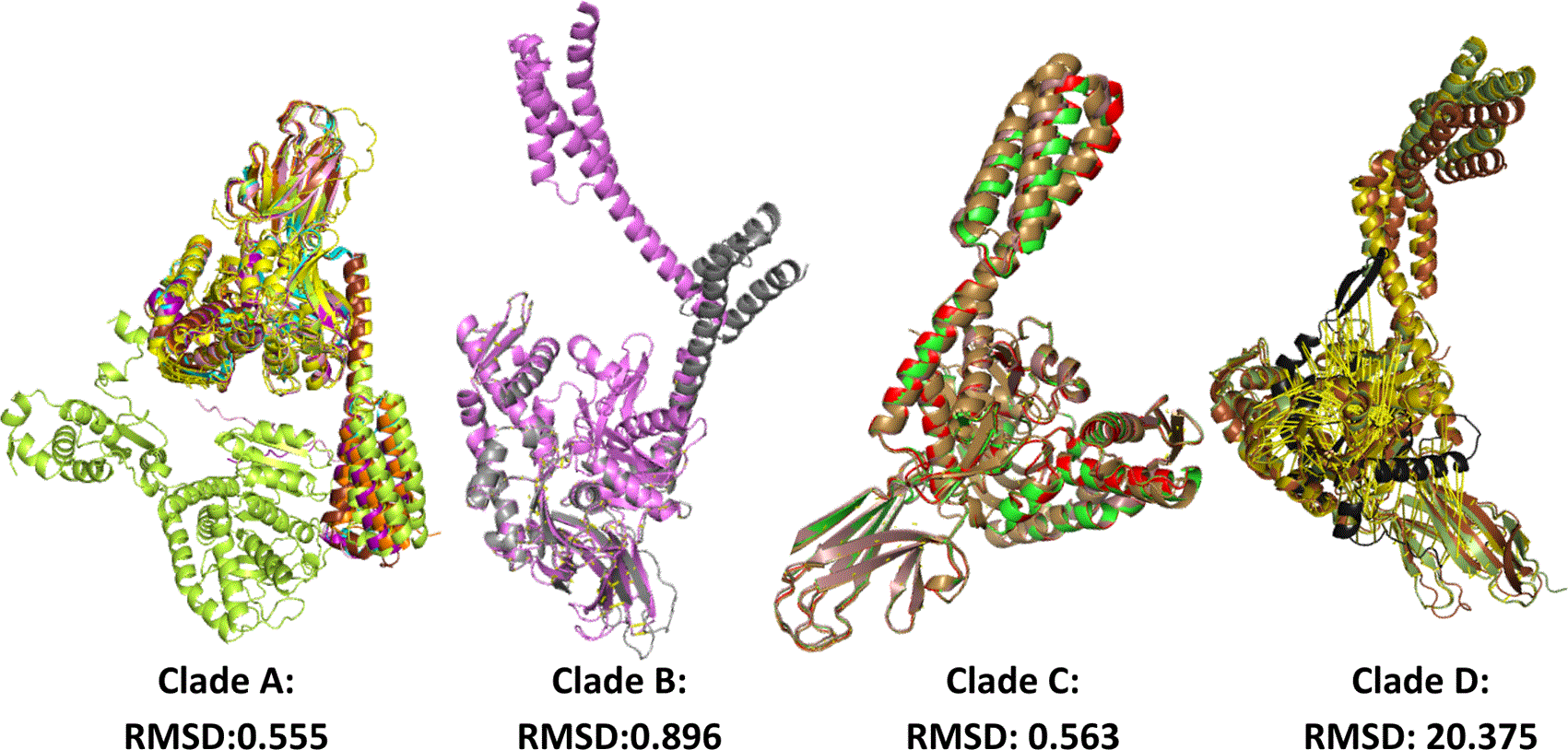
Using this program, protein superposition was also performed, providing a root mean square deviation (RMSD) value between the selected HSP70 proteins within each clade. This analysis was based on the program’s ability to compare three-dimensional molecular structures by aligning proteins and quantifying their structural similarity. The results are interpreted numerically, where values closer to zero indicate a high level of structural similarity, while values farther from zero indicate a lower level of structural similarity.
From the exploration of HSP70 proteins from allergenic sources, 22 allergenic sources were screened, comprising 10 house dust mites (Dermatophagoides pteronyssinus, Dermatophagoides farinae, Blomia tropicalis, Acarus siro, Chortoglyphus arcuatus, Dermatophagoides microceras, Euroglyphus maynei, Glycyphagus domesticus, Lepidoglyphus destructor, and Tyrophagus putrescentiae), two cockroaches (Blattella germanica and Periplaneta americana), two helminths (Trichuris trichiura and Ascaris lumbricoides), two fungi (Aspergillus fumigatus and Malassezia sympodialis), and six mammals (Homo sapiens, Felis catus, Canis lupus familiaris, Equus caballus, Cricetus cricetus, and Mesocricetus auratus). Complete HSP70 sequences were retrieved and analysed for 18 of these sources; four (Glycyphagus domesticus, Lepidoglyphus destructor, Blattella germanica and Cricetus cricetus) had no HSP70 sequence available and were excluded from the downstream analyses. Among these proteins, five have been described as allergens by WHO/IUIS: Dermatophagoides pteronyssinus (Der p 28), Dermatophagoides farinae (Der f 28), Tyrophagus putrescentiae (Tyr p 28), Aspergillus fumigatus (Asp f 19), and Malassezia sympodialis (Mal s 10) ( Table 2).
Results with identity >60% are highlighted in green, whereas those <30% are highlighted in red.
The multiple sequence alignment comparing all HSP70 amino acid sequences showed an identity percentage of 53%. Pairwise alignments revealed a variable identity range, the striking similarity between humans and domestic animals highlights the profound evolutionary bonds that can complicate immune recognition. The highest identity values were observed between the mammals Homo sapiens and Canis lupus familiaris (98.97%), followed by Equus caballus and Felis catus (96.65%), and Chortoglyphus arcuatus and Acarus siro (96.14%). Additionally, the lowest identity values were found between Mesocricetus auratus and Malassezia sympodialis (26.54%), as well as between Mesocricetus auratus and the mites Acarus siro, Chortoglyphus arcuatus, and Dermatophagoides microceras (24.04% for each). Furthermore, the identity between Mesocricetus auratus and Canis lupus familiaris was 23.12%, indicating low conservation (Fig. 2).
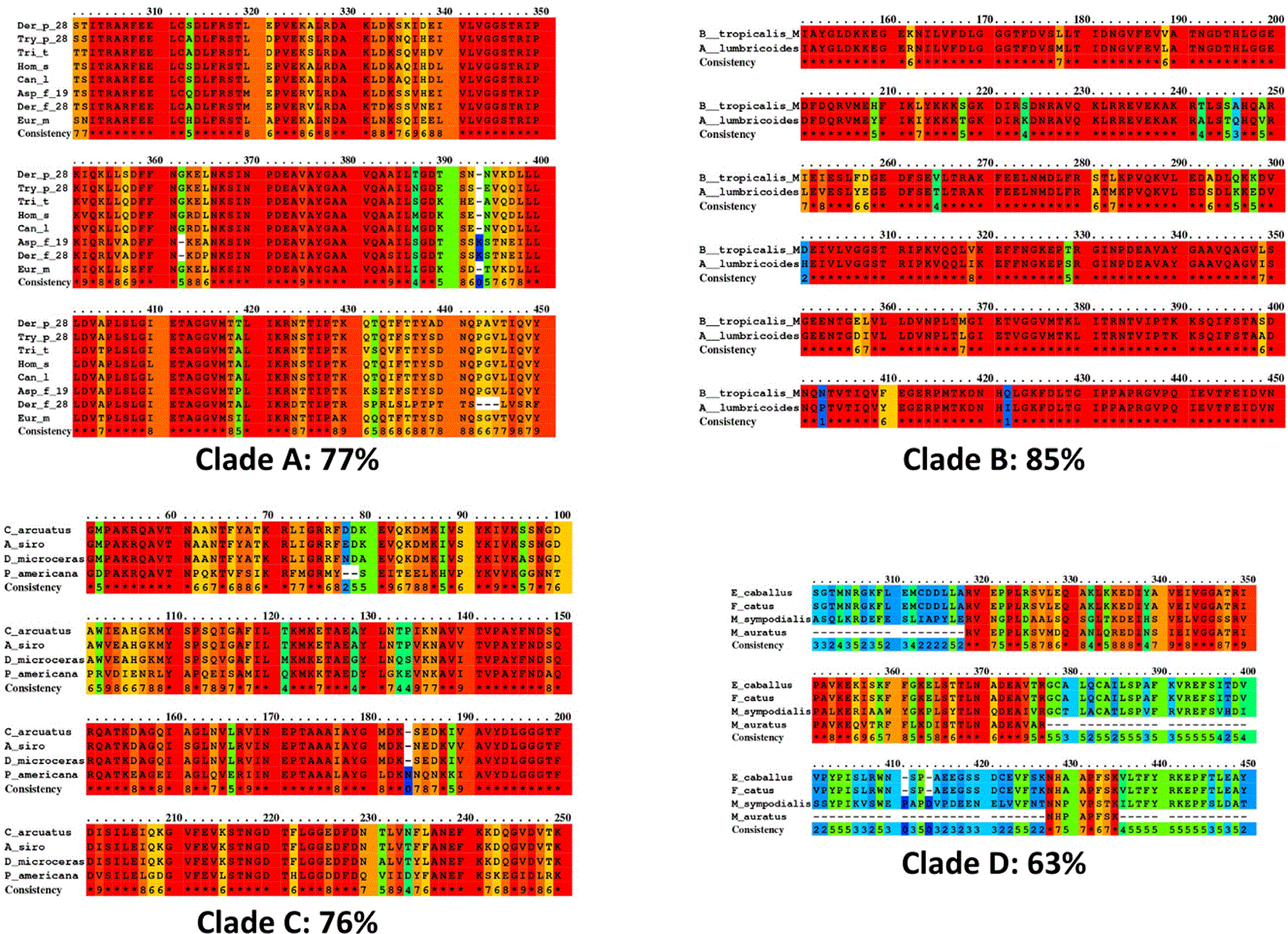
The phylogenetic tree of HSP70 grouped the proteins into four clades, classified from A to D. The amino acid sequence comparison analysis showed that clade A presented 77% identity and was composed of eight organisms: A. fumigatus, H. sapiens, C. lupus familiaris, T. trichiura, T. putrescentiae, D. pteronyssinus, E. maynei, and D. farinae. Clade B showed 85% identity and included B. tropicalis and A. lumbricoides. Clade C presented 76% identity and was composed of C. arcuatus, A. siro, D. microceras, and P. americana. Finally, clade D showed 63% identity and included E. caballus, F. catus, M. sympodialis, and M. auratus.
Multiple sequence alignments were performed for the clades obtained in the phylogenetic analysis, showing identity values greater than 60%. The identity values for each clade were as follows: clade A (77%), clade B (85%), clade C (76%), and clade D (63%) Fig. 1).
In the modeling of proteins without a predicted 3D structure, each target sequence was aligned with an available crystallographic structure in the Protein Data Bank (PDB), selected as template proteins based on sequence identity, coverage, and structural resolution. Models were generated for different organisms within each HSP70 clade. Among the allergens subjected to modelling were Der p 28, Asp f 19, Blo t m, and Tyr p 28.
For each of them, SWISS-MODEL provided a detailed description of the alignment with the template protein, the percentage of identity, structural coverage, and quality evaluation through Ramachandran plot analysis.
The modeled proteins showed high levels of structural reliability. In particular, the HSP70-EMINI protein obtained a Ramachandran value of 97.95%, indicating a highly stable and well-folded conformation. This value suggests that virtually all residues adopt favourable torsional angles, as expected for high-quality native protein structures. The other modeled proteins also presented values above 90%, within acceptable ranges for comparative structural studies (fig 3).
Epitope prediction identified a total of 35 linear epitopes with scores higher than 0.7, which were mapped using representative colors on the 3D structures ( Table 3). For clade A, four HSP70 proteins were selected, among which Asp f 19 presented six epitopes. Of these, the epitope [EL1:539–636] showed a score of 0.823. Der p 28 presented five epitopes, with [EL1:542–655] showing the highest score (0.837). Der f 28 presented three epitopes, with [EL1:534–659] showing the highest score (0.859). Finally, human HSP70 (Hom s) presented the epitope [EL1:239–259] with a score of 0.799.
Blue–purple indicates the highest-scoring epitopes (≥0.90), followed by green (0.80–0.89) and orange (0.75–0.79). Lower scores approaching the inclusion threshold (0.70) are represented by warmer colors (red to yellow). Only epitopes with scores >0.7 were included in the analysis.
In clade D, Equ c presented two epitopes, with (EL1:496–580) showing a score of 0.863. In clade C, Aca s presented six epitopes, among which (EL1:503–570) obtained a score of 0.852. Finally, in clade B, Blo t presented four epitopes, with (EL1:448–520) showing the highest score (0.828).
Additionally, a total of 27 conformational epitopes meeting the established criteria were identified. In clade A, Asp f 19 presented four epitopes, among which (EC1:631–636) and (EC1:624–630) stood out with scores of 0.99. Der p 28 presented four epitopes, highlighting (EC1:640–665) with a score of 0.963. Der f 28 presented eight epitopes, among which (EC1:595–598), (EC2:633–638), and (EC3:640–659) stood out with a score of 0.909. Human HSP70 (Hom s) presented a single conformational epitope, (EC1:188–361), with a score of 0.758.
In clade D, Equ c presented eight epitopes, with (EC1:506–510) showing a score of 0.951. Finally, in clade B, Blo t presented two epitopes, with (EC1:445–520) showing a score of 0.828.
The epitopes were categorized according to the score assigned by the ElliPro platform. In this system, colors represent different score levels: blue-purple indicates the highest-scoring epitopes, followed by green and orange in descending order. This hierarchy is based on the values detailed in Fig. 4.
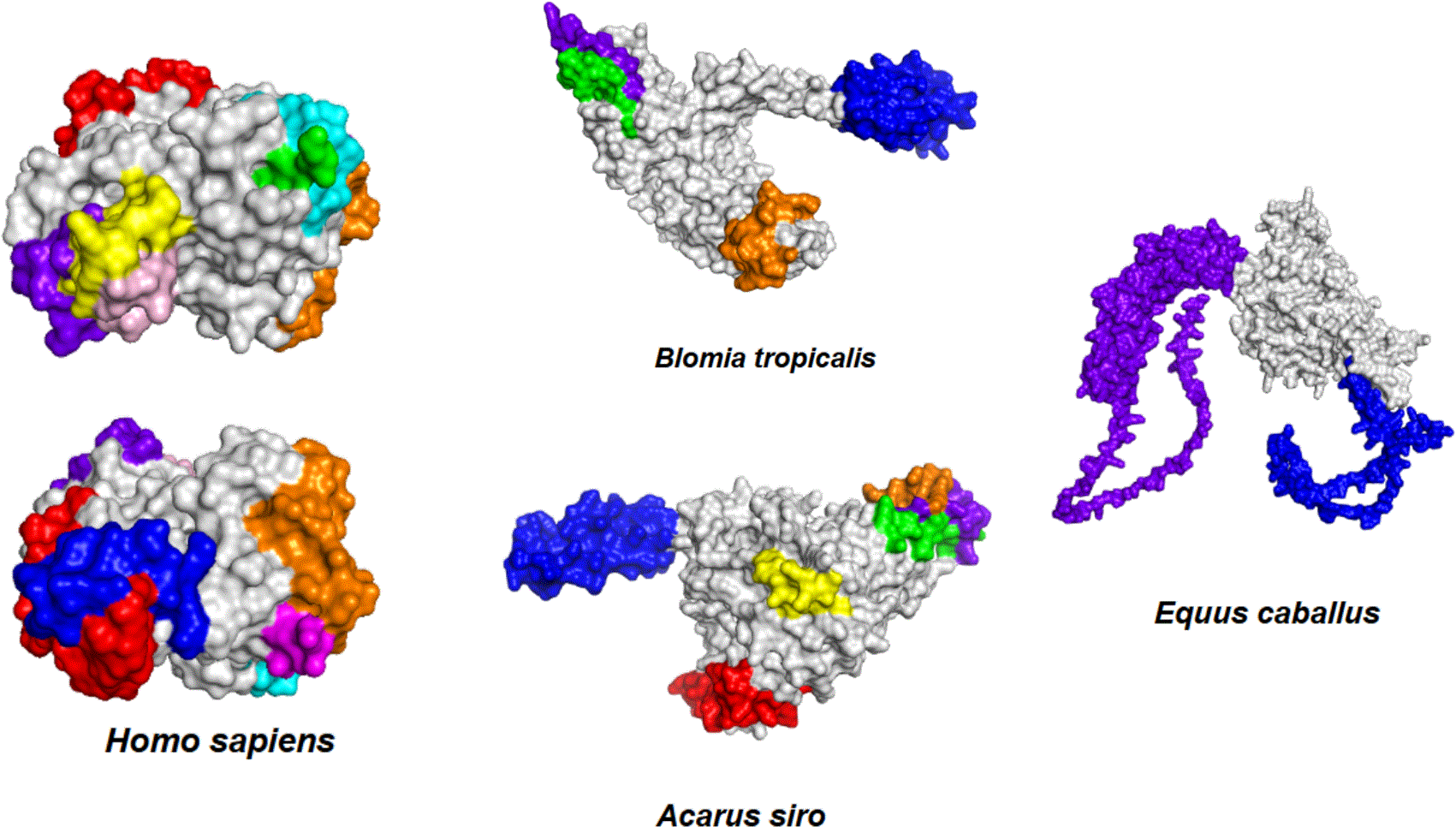
Colors indicate the score from highest to lowest in the following order: blue, purple, green, orange, red, yellow, cyan, and magent.
For visual representation, different colors were used to facilitate the identification of predicted epitopes on the three-dimensional structures (Fig. 4). These epitopes, both linear and conformational, correspond to specific regions of the proteins recognized by the immune system and may contribute to an exacerbated immune response.
HSP70 is a highly conserved molecular chaperone that plays an essential role in cellular homeostasis by facilitating protein folding, preventing the formation of protein aggregates, and participating in the cellular stress response.10,21 However, beyond its cytoprotective functions, HSP70 has been proposed to be involved in the induction of allergies or autoimmune diseases due to molecular mimicry between the human protein and sequences from allergenic sources.11 This in silico analysis revealed that HSP70 shows high conservation among diverse species, with sequence homologies greater than 60% and significant structural similarities, as observed in three-dimensional models generated using Swiss Model and AlphaFold. This similarity could induce cross-reactive immune responses in which the immune system confuses self-HSP70 with exogenous proteins, favoring autoimmune processes or exacerbating allergic conditions.1
Phylogenetic analysis grouped the sequences into four clades, with sequence identities ranging between 63% and 85%. Clades A (77%) and B (85%) showed higher conservation, suggesting a greater risk of cross-reactivity within these groups. In particular, Mesocricetus auratus showed low identity with the rest of the species, confirming its evolutionary distance. Mammals presented high identity among themselves, while arthropods and mites showed intermediate values. These observations reinforce the importance of considering both sequential and structural homology in the design of diagnostic and therapeutic tools.22,23
By leveraging immunoinformatic tools such as ElliPro, we identified high-scoring linear and conformational epitopes across representative organisms in each clade, pinpointing the specific regions where the immune system is most likely to mount a defence. While HSP70 has been established as a relevant allergen in Dermatophagoides pteronyssinus and Dermatophagoides farinae, its clinical manifestation varies by age and disease severity. In childhood, IgE-mediated sensitization to these components typically correlates with total IgE levels between 100 and 200 kU/L.23 However, as the atopic burden intensifies, so do the biomarkers; concentrations exceeding 200 kU/L are frequently associated with more pronounced clinical manifestations. In the most severe instances, specifically adults battling polysensitization and chronic asthma, total IgE levels can surge beyond 1000 kU/L, although most atopic patients maintain a baseline between 100 and 300 kU/L. Even though sensitization to HSP70 occurs less frequently than to primary mite allergens, its significance cannot be overlooked. It serves as a vital link in understanding the complex cross-reactivity patterns that emerge between seemingly unrelated allergenic sources.24
Beyond its role in respiratory sensitization, the literature suggests that autoantibodies targeting HSP70 may inadvertently treat this chaperone as an autoantigen, contributing to the pathogenesis of systemic lupus erythematosus and rheumatoid arthritis.22 Although the intersection of HSP70 and allergic disease remains an emerging field, current evidence indicates that exposure to external sources of this protein could ignite a humoral response against our own endogenous HSP70, thereby exacerbating chronic inflammatory cycles.2,3
A pivotal study by Tukaj et al. (2021) illustrates this delicate balance: in a psoriasis-like cutaneous inflammation model, immunization with plant-derived HSP70 actually reduced clinical severity by reshaping the immune landscape. This intervention promoted a vital expansion of regulatory T cells (CD4 + CD25+ and CD4 + FoxP3) while simultaneously curbing the activity of pro-inflammatory Th17 cells. Furthermore, direct treatment with anti-HSP70 antibodies was shown to suppress inflammatory activity, reinforcing the concept of HSP70 as a “dual agent” in human immunity.20
These data reinforce the hypothesis of the dual role of HSP70 in immunity: on one hand, as a mediator of tolerance and homeostasis; on the other hand, as a potential trigger of immunopathological responses depending on the context, its localization (intra- or extracellular), origin (self or exogenous), and the genetic predisposition of the host.23,24
This study synthesizes structural, phylogenetic, and immunoinformatic evidence to illuminate the potential of HSP70 as both a diagnostic biomarker and a strategic therapeutic target. The remarkable conservation of this protein across diverse species underscores a persistent risk of cross-reactivity, effectively bridging the gap between allergic sensitization and autoimmune pathology. These findings pave the way for innovative prevention and treatment strategies centered on the precise modulation of HSP70. However, the journey from in silico prediction to clinical reality necessitates further in vivo validation to fully ascertain the biological impact of these diverse allergenic sources.
Based on the findings presented, experimental validation of the predicted epitopes is recommended through in vitro and in vivo studies to confirm their involvement in cross-reactivity. The functional characterization of autoantibodies directed against HSP70 is also essential to determine their role as potential immunological modulators in allergic or autoimmune contexts. Furthermore, experimental evidence, such as that reported by Tukaj et al. (2021), demonstrates that immunization with HSP70, particularly of plant origin, can induce the expansion of regulatory T cells and reduce inflammatory activity, suggesting potential therapeutic applications. This supports the usefulness of integrating immunoinformatics tools in the design of tolerogenic vaccines and in the development of diagnostic tests based on conserved epitopes. Overall, these approaches may contribute to the development of preventive and personalized strategies against diseases associated with molecular mimicry involving HSP70.
There is a high sequential and structural conservation among the different allergenic sources of HSP70, particularly among phylogenetically related organisms. This homology, evidenced through multiple sequence alignment and three-dimensional structural models, suggests a potential for cross-reactivity through molecular mimicry, which could contribute to the development of allergic or autoimmune responses. The identification of conserved epitopes reinforces their relevance as potential diagnostic and therapeutic targets; therefore, experimental studies are required to validate these predictions.
All authors contributed to the conception and design of the study, as well as to data collection, bioinformatic analyses, and interpretation of the results. The manuscript was drafted and critically revised by all authors, who approved the final version and agreed to be accountable for all aspects of the work.
The HSP70 amino-acid sequences analysed are third-party data that are openly and freely available from the UniProt Knowledgebase (https://www.uniprot.org/), the NCBI Protein/GenBank database (https://www.ncbi.nlm.nih.gov/protein/) and the WHO/IUIS Allergen Nomenclature database (https://allergen.org/). The individual accession number for every sequence used is provided in Table 1. No proprietary, confidential, or identifiable human data were used in this study.
No custom software or source code was generated for this study. All analyses were performed with publicly available web servers and freely accessible standalone programs, which are listed below and fully cited in the reference list.
• Source code available from: Not applicable – no custom source code was generated for this study.
• Archived software available from: Not applicable – no custom source code was generated for this study.
• License: Not applicable – no custom source code was generated for this study.
Third-party software used in this study: multiple sequence alignment, PRALINE (https://www.ibi.vu.nl/programs/pralinewww/) and Clustal Omega via the EMBL-EBI Job Dispatcher (https://www.ebi.ac.uk/jdispatcher/msa/clustalo); phylogenetic analysis, MEGA v.XII (https://www.megasoftware.net); homology modelling, SWISS-MODEL (https://swissmodel.expasy.org) and AlphaFold2 (https://alphafold.ebi.ac.uk), with refinement in DeepView/Swiss-PdbViewer and validation by Ramachandran and QMEAN analyses; B-cell epitope prediction, ElliPro (http://tools.iedb.org/ellipro/); structural visualisation and RMSD calculation, PyMOL v.2.3 (Schrödinger, LLC). All of these tools are freely available online and their full citations are provided in the reference list.
The data underlying the results of this study have been deposited in Zenodo and are openly available:
Deciphering Molecular Mimicry: An In Silico Exploration of Heat Shock Protein 70 Conservation and its Role in Cross-Reactivity – Underlying data. https://doi.org/10.5281/zenodo.21563026.25
This project contains the following underlying data:
• HSP70_sequences – amino-acid sequences of all HSP70 proteins analysed, labelled with their UniProt/GenBank accession numbers (see Table 1).
• MSA_global.aln and MSA_cladeA–D – multiple sequence alignments generated with PRALINE and Clustal Omega (underlying Figure 2).
• Identity_matrix – pairwise percentage-identity matrix (underlying Table 2).
• HSP70_phylogeny – Neighbor-Joining phylogenetic tree (underlying Figure 1).
• Models – SWISS-MODEL and AlphaFold2 coordinate files (.pdb) (underlying Figure 3).
Data are available under the terms of the Creative Commons Zero “No rights reserved” data waiver (CC0 1.0 Public Domain Dedication) or, alternatively, the Creative Commons Attribution 4.0 International license (CC-BY 4.0).
The author(s) declared that no grants were involved in supporting this work.
© 2026 SANCHEZ CARABALLO A et al. This is an open access article distributed under the terms of the Creative Commons Attribution License, which permits unrestricted use, distribution, and reproduction in any medium, provided the original work is properly cited.
Current Reviewer Status:
AWAITING PEER REVIEW
AWAITING PEER REVIEW
?
Key to Reviewer Statuses VIEW HIDE
ApprovedThe paper is scientifically sound in its current form and only minor, if any, improvements are suggested
Approved with reservations A number of small changes, sometimes more significant revisions are required to address specific details and improve the papers academic merit.
Not approvedFundamental flaws in the paper seriously undermine the findings and conclusions
Open Peer Review
AWAITING PEER REVIEW
Sign up for content alerts
Alongside their report, reviewers assign a status to the article:
Approved - the paper is scientifically sound in its current form and only minor, if any, improvements are suggested
Approved with reservations - A number of small changes, sometimes more significant revisions are required to address specific details and improve the papers academic merit.
Not approved - fundamental flaws in the paper seriously undermine the findings and conclusions