Просмотр новости
Найдите то, что Вас интересует
 Спутники
 РН
РН SpaceX
 Роскосмос
 NASA
NASA
СпутникиРНSpaceXРоскосмосNASABackground This study aims to explore how Corporate Social Responsibility (CSR) translates into tangible Corporate Sustainability (CS) benefits in Bangladesh’s Ready-Made Garment (RMG) Sector. It contributes to the literature in three important ways: First, it brings together the disjointed research on CSR and sustainability; second, it establishes the operational pathways that mediate this relationship in the context of limited resources; third, it links Stakeholder Theory, the Resource-Based View (RBV), and the Triple Bottom Line (TBL) framework to the emerging economies. Method A quantitative, explanatory research design was used. The participants were recruited from 131 export-oriented RMG companies in Dhaka, Gazipur and Narayanganj, Bangladesh, using a stratified random sampling technique. Middle and senior managers completed structured questionnaires derived from a series of multi-item scales. The analysis technique used was Covariance-Based Structural Equation Modelling (CB-SEM) software AMOS 22.0, and bootstrapping (5,000 resampling) was used for mediation analysis. Results Corporate Social Responsibility (CSR) significantly improved corporate sustainability and cleaner production. Cleaner production partially mediated the positive association between CSR and sustainability. Surprisingly, CSR did not affect green innovation, and the indirect pathway via green innovation was not significant. Green innovation, on the other hand, was a strong predictor of corporate sustainability on its own. The overall fit of the structural equation model was good across all evaluated absolute and incremental fit indices. Conclusions The integration of CSR into production systems, combined with conscious investment in innovation, should be encouraged by managers, and green financing and technology transfer support should be provided to speed up sustainable industrial transformation that supports SDGs 8, 9 and 12 in the RMG industry in Bangladesh.
The concept of Corporate Social Responsibility (CSR) and Corporate Sustainability (CS) has gained a significant role in the current business strategies, particularly in the emerging markets, aiming to match the progress of industries with the environmental performance and the social performance .1 CSR is a moral obligation of an organization to engage in economic growth and enhance the living standards of people employed, their families, and society at large.2 Corporate sustainability, in turn, is a more general strategic orientation that incorporates economic feasibility, social fairness, and environmental responsibility, or the so-called triple bottom line.1,2
The global discussion of sustainable industrialization puts CSR into the primary focus in attaining the Sustainable Development Goals (SDGs) of the United Nations, especially Goals 8 (Decent Work and Economic Growth) and 12 (Responsible Consumption and Production).3 In the case of developing countries like Bangladesh, where export-driven sectors constitute the main activity, the concept of sustainability via CSR is not only an ethical obligation, but also an economic one, and every business is directly or indirectly responsible for environmental damages.
Ready-Made Garment (RMG) is the sector that supports almost 84 percent of the export earnings in Bangladesh, and approximately four million people are employed in this sector, the majority of whom are women.4 Nevertheless, the industry is experiencing some growing criticism in terms of environmental deterioration, malpractices related to working conditions, and the lack of compliance with international sustainability regulations.2,3 These issues underscore the pressing need to incorporate CSR practices into corporate strategies to facilitate cleaner production, a better brand image, and long-term sustainability.
The global supply chains of the RMG sector are also becoming more controlled by the multinational buyers that require ethical sourcing, sustainable production, and responsible CSR reporting. In reaction, the garment producers of Bangladesh have started to implement more sustainability-focused CSR practices, including recycling water, the use of renewable energy sources, minimization of waste, and worker welfare programs, to meet modern international standards, such as the Higg Index and LEED certification.5
The concept of cleaner production, which involves the unrelenting implementation of a combined preventive environmental measure against processes and products, can reduce wastes and emissions and enhance resource economy, United Nations Environment Programme.3 Cleaner production motivated by CSR helps in minimizing environmental footprints, improving operational efficiency, and competitiveness.4 Nevertheless, there is not much empirical evidence connecting CSR and corporate sustainability in cleaner production in the Bangladeshi RMG industry. The literature of CSR in Bangladesh is mainly related to social compliance or charity without addressing the strategic combination of CSR with sustainability and environmental innovation. Additionally, the sustainability initiatives of the RMG sector are usually reactive in nature, necessitated by external forces like international customers, and not as a strategic measure.4 This ability to bridge the strategic adoption of CSR suggests the necessity of reviewing the way through which CSR activities can be transformed into sustainable performances in terms of environmental innovation and cleaner production processes.
Although awareness of the significance of CSR has increased, three gap areas are still evident in the literature. To begin with, the current literature considers CSR-sustainability relatedities separately, either the environmental or social aspect, without exploring how CSR operationalizes into quantifiable sustainability implications.6 Second, the mediatory status of cleaner production, which is an important operational route, has not been fully investigated, especially in the developing economies burdened by resource constraints, technological and financial obstacles are significantly different in developed settings.5 Third, stakeholder theory explains why firms maintain CSR, and RBV explains how firms develop capabilities; however, the linkage between external stakeholder pressure and internal capabilities to enhance sustainability transformation has not been empirically explored.5,6 This paper will fill in these gaps by suggesting and experimenting on a combined theoretical framework according to which cleaner production and green innovation can be viewed as complementary mediating variables between CSR and triple bottom line sustainability results.
Even though it is observed that the current situation in the Rana Plaza massacre in 2013, since then, the RMG sector of Bangladesh has achieved significant successes in workplace safety and social compliance, the sustainability issues remain. Cleaner production targets are still compromised by environmental pollution, overuse of resources, and the lack of effective implementation of environmental policies.5 There are a significant number of factories that work using outdated technology, have limited waste management, and are not familiar with sustainable manufacturing practices. The industry has CSR programs that are mostly fragmented and short-term, where they manage their image externally and do not incorporate sustainability into the corporate value chain.1 As a result, there exists an urgent concern to discover whether and how CSR can provide a viable corporate sustainability through green innovation, environmental management systems, and stakeholder engagement. This paper deals with them by empirically examining the relationships between CSR, cleaner production, and corporate sustainability in the RMG industry in Bangladesh, which is a pressing but under-researched area in the cleaner production literature.
The main aim of the research is to look into the role of Corporate Social Responsibility (CSR) in Corporate Sustainability (CS) in the form of cleaner production activities and green innovation in the Ready-Made Garment (RMG) sector in Bangladesh.
This study is a contribution to the body of literature on sustainable industrial development because it places CSR as a strategic facilitator of cleaner production in a developing nation setting. The importance of the study is that it presents a model that is integrated to relate CSR practices and corporate sustainability outcomes in terms of cleaner production, which is not a dimension that has been widely studied in empirical research in South Asia.7 In theoretical understanding, this research is a continuation of the stakeholder theory,8 which shows how CSR practices that are stakeholder-based could help promote sustainability in the long run in export-oriented businesses. It is also used to support the resource-based view (RBV) by showing how CSR and green innovation can become internal resources, which can help improve the competitive advantage and the performance of the environment. In practice, the conclusions inform RMG managers and policymakers to develop sustainability-based CSR systems that transcend the areas of compliance and philanthropy. The research is also enlightening the world’s clothing brands on the implications of sustainability practices by suppliers in ensuring cleaner production and ethical supply chains.
This research has three contributions to the theoretical novelty. To start with, we build on the stakeholder theory by showing that CSR is a dynamic capability which aligns the external legitimacy requirements at the same time as developing internal operation capabilities. Second, we complement RBV and TBL models by demonstrating that cleaner production is a resource-efficiency strategy (RBV) and a driver of environmental performance (TBL). Third, we offer the first empirical study of the South Asian context, showing that strategic CSR, when integrated within the production system, is able to address resource limitations by process innovation as opposed to the adoption of capital-intensive technological applications. This disrupts the dominant belief that sustainability means a massive initial investment and provides new avenues to manufacturers of the emerging economy.
As of 2024, Bangladesh has become a leader in green manufacturing of garments, with more than 200 LEED-certified factories, the highest in the world.9 Though these have been achieved, there are still imbalances in terms of sustainability practices being spread throughout the rest of the industry. Not all small and medium RMG enterprises are financially and technologically able to adopt cleaner production technologies or demonstrate their CSR performance in a transparent way.10 Through the analysis of the connection between CSR and cleaner production and sustainability outcomes, the proposed study is directly correlated with the mission of the garments industry in facilitating sustainable development, circular economy, and industrial change. It provides empirical data in a developing nation showing that sustainability may be implemented with the help of corporate strategies in a resource-restricted environment. Moreover, the results of the study also support the realization of SDG 9 (Industry, Innovation, and Infrastructure) and SDG 12 (Responsible Consumption and Production), which enable the sustainability agenda on the national level and international engagements on low-carbon industrialization in Bangladesh.11
The remainder of this paper is organized as follows. Section 2 reviews the relevant literature on CSR, corporate sustainability, and cleaner production, identifying the theoretical foundations and research gaps, and hypotheses. Section 3 details the methodology, including sampling, data collection, and model estimation using Structural Equation Modelling (SEM). Section 4 presents empirical results and discusses theoretical and managerial implications. Finally, Sections 5 and 6 conclude with policy recommendations and directions for future research.
Corporate Sustainability (CS) is a long-term perspective of organizations regarding the balance of economic prosperity, environmental stewardship, and social responsibility- the so-called Triple Bottom Line.2 The concept of sustainability performance is therefore not only the profitability in the short-term, but rather the efficiency of resources, the welfare of the stakeholders, and the environment.12 Corporate sustainability in the developing economies, such as Bangladesh, has moved beyond compliance-motivated actions to strategy mandates instigated by global consumers, regulatory forces, and brand management. The RMG sector, earning more than 84 percent of export revenues, is challenged to find more time to comply with environmental standards and engage in sustainable production, as well as transparent CSR reporting. One of the effective ways towards corporate sustainability is cleaner production, which, according to the United Nations Environment Programme,13 is described as such because of a comprehensive preventive approach to the environment. In this context, CSR is a catalyst and motivates companies to pursue active sustainability plans and invest in environmentally friendly technologies.14
CSR is generally defined as the voluntary process of incorporating social and environmental issues into business activities and relationships with stakeholders.15 As Morgan Tuuli et al. (2023) note in their four-dimensional pyramid, CSR has economic, legal, ethical, and philanthropic responsibilities. In the case of manufacturing industries, CSR applies to the safety of the workplace, fair labor practices, the environment, and community involvement. The codes of conduct and global supply chain standards of the RMG business are often the factors leading to the development of CSR practices in Bangladesh. However, the companies that have balanced CSR as an essential strategic value, not as a compulsory measure, always performed better in environmental innovation and sustainability impacts.7 The empirical studies prove that the use of CSR fosters cleaner production as it encourages companies to maximize energy consumption, minimize waste, and adopt a recycling system.16 Moreover, CSR improves the legitimacy of the organization and stakeholder confidence, which is essential to the continued competitiveness in the global market.17 The hypothesis H1 is as follows:
CP=α1+β1.CSR+ε1……………………………H1
Corporate Social Responsibility positively inspires Corporate Sustainability in Bangladesh RMG firms.
Cleaner production (CP) focuses on waste management, production efficiency, and resource efficiency in the production cycle.5 CSR is able to support cleaner production by encouraging companies to mitigate their environmental impact and implement preventative measures towards controlling pollution.1 The impact of CSR on CP takes place both internally (awareness of employees, eco-friendly culture) and externally (stakeholder pressure, buyer requirements). Companies that take part in CSR tend to invest in technologies and management mechanisms that reduce environmental degradation.18 Research in the textile and apparel sector indicates that CSR has a positive impact on cleaner production processes in terms of environmental management systems, ISO 14001 certification, and green supply chain programs.19 But small and medium RMG enterprises cannot use CP technologies in Bangladesh due to a lack of capital, insufficient knowledge, and institutional backing. Therefore, this paper contends that CSR-based commitment promotes a better performance of cleaner production by integrating the social responsibility with efficiency in the management of resources and with pollution avoidance.
The stakeholder theory holds that companies should pursue CSR initiatives to meet the demands of various stakeholders, including employees, customers, regulators, and communities.20 Manufacturers are compelled to minimize waste, use resources better, and minimize pollution, and in the RMG setting, environmental compliance is increasingly demanded by international buyers. These external forces provide reasons that make companies implement cleaner production (CP) practices, that is, planned methods of reducing waste and emissions by improving processes.13 Moreover, RBV suggests that internalization of CSR values by firms results in organizational routines and capabilities that enable them to keep on improving their environmental performance.21 Workers of CSR-focused companies are more environmentally conscious and participate more in waste minimization programs.16 Manufacturing industries demonstrate empirically that signs of CSR commitment are predictors of the implementation of environmentally friendly technologies and waste optimization systems.18 Therefore, we hypothesize:
CP=α2+β2.CSR+ε2……………………………H2
Corporate Social Responsibility positively influences Cleaner Production practices in Bangladesh RMG firms.
Cleaner production is an intermediate between CSR activities and sustainable performance results. Companies with the CP practices in place – energy y efficiency, waste reduction, and recovery of resources perform at a better economic and environmental level.5 It has been demonstrated through empirical research that cleaner production can greatly boost corporate sustainability through an increase in profitability, a decrease in environmental risks, and the improvement of social reputation.22,23 Cleaner production in the RMG industry is beneficial because it would help in adhering to international environmental standards, decrease the cost, and appeal to global consumers. In terms of stakeholder theory, cleaner production is an expression of the duty of a firm to various stakeholders, such as consumers, regulators, communities, and investors, who require sustainable manufacturing processes.24 Therefore, cleaner production generated by CSR can, in turn, generate a vicious cycle of innovation, efficiency, and sustainability.
According to the triple bottom line approach, sustainable performance involves the simultaneous attainment of economic, environmental, and social objectives.25 The indirect impact of cleaner production is that it positively affects all three dimensions: economically, because it reduces spending on waste and enhances efficiency; environmentally, because it helps to decrease emissions and consumption of resources; and socially, because it helps to increase the health and safety of the workers.26 Empirical research attests to the fact that CP practices have higher sustainability impacts on the manufacturing industries.22,23 Water reuse, energy-efficient machines, and waste value are better in factories of the RMG industry in terms of environmental and economic performance.27 Therefore hypothesis:
CS=α3+β3.CP+ε3……………………………H3
Cleaner Production positively influences Corporate Sustainability in Bangladesh RMG firms.
Green innovation (GI) is a process of creating and adopting new products, processes, or practices that minimize adverse effects to the environment.28 Green innovation is also frequently triggered by CSR activities that promote environmental awareness and learning within an organization.29 According to the Resource-Based View (RBV), CSR may be regarded as a non-physical resource or, more precisely, building a reputation, trust, and commitment of the stakeholders and employees that helps a firm to be more innovative. Companies investing in CSR and green technology are in a better position to achieve sustainability goals, regulations, and optimization of production.27 Green innovation has been eminent in the RMG sector of Bangladesh18 through investments in water treatment facilities, solar power stations, and green buildings.7 However, the innovation adoption rates are still disproportionate among firms, as they tend to rely on managerial orientation and CSR culture.
Green innovation (GI) refers to the process of creating and adopting new services, processes, or products that produce a lower environmental impact.28 CSR produces a culture within an organization that upholds the idea of sustainability and supports the exploration of environmentally friendly technologies.29 Knowledge-based perspective, sustainability training, stakeholder dialogue, and environmental audits are CSR activities that produce organizational learning leading to innovation. Additionally, reputational gains associated with CSR make firms legitimate and gain access to resources (financing, partnerships, knowledge networks) required to make green R&D investments.30 Studies in developing markets show that CSR-based companies are more prone to invest in renewable energy, eco-design, and circular economy projects.7 Thus:
GI=α4+β4.CSR+ε4……………………………H4
Corporate Social Responsibility positively influences Green Innovation in Bangladesh RMG firms.
Green innovation allows companies to produce differentiated products and processes that reduce environmental footprint and, at the same time, generate competitive advantage.24 Environmentally friendly products like organic fabrics and closed-loop dyeing systems make the products attractive to the environmentally conscious consumers, which improves the market standing. Solar power and automated wastewater treatment are process innovations that minimize the operating costs and enhance environmental compliance. It has been demonstrated that GI foretells long-term sustainability performance through dynamic capabilities to remain constantly adapted to the changing environmental standards.6 Thus:
CS=α5+β5.GI+ε5……………………………H5
Green Innovation positively influences Corporate Sustainability in Bangladesh RMG firms.
Although CSR could affect sustainability directly by creating better stakeholder relationships and reputation, we believe that cleaner production is an essential mediating process. CSR offers the stakeholder pressure and strategic intent, and cleaner production is the practical implementation of the intent into a practical and ethical improvement in the environment and economy.5 Companies have only symbolic legitimacy by being CSR adopters and substantive sustainability benefits by being operational adopters of CSR. We assume that there will be partial and not complete mediation because CSR probably has both direct impacts (reputation, trust of stakeholders) and indirect impacts (operational efficiency) on sustainability.
The conceptual framework used in this study combines three theoretical perspectives that are complementary to each other:
Stakeholder Theory (Freeman, 1984): Firms have a wide range of stakeholders that they are answerable to, and CSR is a process that seeks to balance between these competing interests.31 The involvement in CSR is an action in response to the ethical, social, and environmental responsibility pressures from the stakeholders.
Triple Bottom Line (Elkington, 1997): Sustainability is the concomitant pursuit of economic, social, and environmental objectives.25 This model clarifies the role that CSR and cleaner production play in all three aspects of the sustainability performance.
Resource-Based View (Barney, 1991; Hart, 1995): CSR and green innovation can be converted into valuable, rare, and inimitable resources to help the firm grow its competitive advantage in the long term and remain sustainable.32
These views are put together to lead to the hypothesis that CSR improves cleaner production as well as green innovation capabilities that ultimately intensify the outcomes of corporate sustainability.
Empirical studies of emerging economies prove that CSR-oriented companies have better sustainability performance because they have improved operational efficiency, satisfied stakeholders, and brand legitimacy. When applied in the RMG setting, sustainability results are also used to make the exports more competitive, where international customers become keener on sourcing products from environmentally and socially friendly factories.
In our conceptual model, we have incorporated three theoretical views to elucidate the role CSR plays in ensuring corporate sustainability in resource-constrained settings. The external lens is the Stakeholder Theory,20 which explains CSR as a reaction to the pressure of multi-stakeholders, such as international buyers, regulators, employees, and communities. This is an outside force that generates the legitimacy pressures forcing firms to practice responsibility. The internal lens is the resource-based approach in which CSR-based capabilities are presented as rare, valuable, inimitable resources that produce sustained competitive advantage. The outcome lens is given by the Triple Bottom Line framework,25 which states that a sustainable organization is one that performs on three aspects at the same time: economic (profitability, efficiency), environmental (emissions, resource use), and social (worker welfare, community development) dimensions. These three viewpoints merge in our model: CSR adoption is motivated by the pressures of the stakeholders (external motivation), it creates internal capabilities (cleaner production systems, green innovation capacity), and in the end, it has balanced TBL results. Most importantly, we hypothesize that the mediating mechanisms are cleaner production and green innovation, which may be viewed as efficiency pathways (doing more differently) and transformation pathways (doing things differently).
The conceptual framework of this study is given in Figure 1. This model assumes Corporate Social Responsibility (CSR) as the independent variable, Cleaner Production (CP) and Green Innovation (GI) as the sequential mediating variables, and Corporate Sustainability (CS) as the final outcome dependent variable. The model is based on three theoretical lenses: Stakeholder Theory leads to the adoption of CSR (external pressure); the Resource-Based View (RBV) simplifies the understanding of how CSR contributes to the creation of internal operational and innovation capabilities; the Triple Bottom Line (TBL) framework formalizes the results of sustainability in economic, environmental, and social dimensions. The two hypothesized indirect routes (CSR → CP → CS and CSR → GI → CS) and direct route (CSR → CS) are shown, and together, they allow the researcher to test both indirect and direct impacts through the CB-SEM.
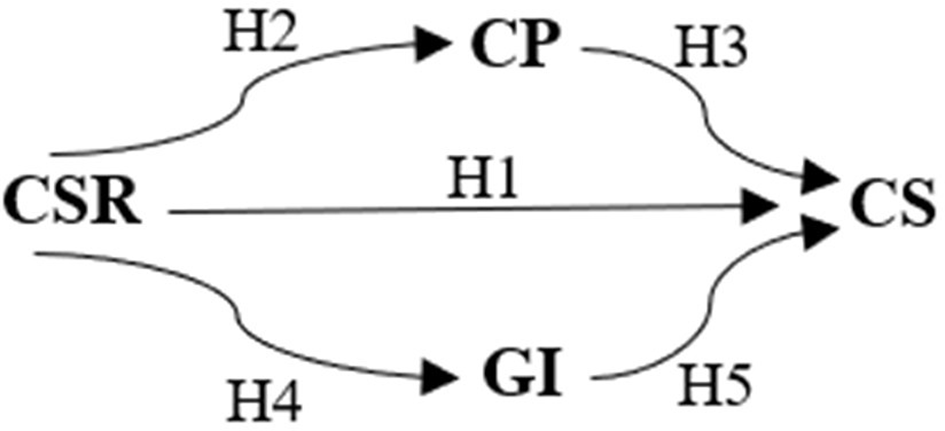
Legend: In the model, CSR is an independent variable, and both Cleaner Production (CP) and Green Innovation (GI) are parallel mediating variables with corporate sustainability (CS) as the dependent variable. The five possible hypothesized directional paths (H1–H5) are represented by arrows. The framework combines three theories: Stakeholder Theory (motivation for external CSR), the Resource-Based View (development of internal capabilities) and the Triple Bottom Line (balanced economic, environmental and social sustainability results). Dashed arrows represent indirect (mediated) pathways, solid arrows represent direct pathways.
Source: Data from the literature search conducted by the authors.
The current research used a quantitative, explanatory research design to investigate the correlation between Corporate Social Responsibility (CSR), Cleaner Production (CP), Green Innovation (GI), and Corporate Sustainability (CS) in the Ready-Made Garment (RMG) sector in Bangladesh. The model combines the Stakeholder theory20 and the Resource-based view21 and the Triple Bottom Line (TBL) model25 to empirically confirm CSR as a strategic engine of sustainability using operational and innovation channels.30 The reason why Structural Equation Modelling (SEM) was used was that it regresses and concurrently estimates numerous relationships among latent variables and mediating effects with a high level of statistical power.33 The measurement model and structure model were evaluated with the help of the Covariance-Based SEM (CB-SEM) methodology through AMOS.
The research was conducted on the export-oriented RMG companies registered with the Bangladesh Garment Manufacturers and Exporters Association (BGMEA) and the Bangladesh Knitwear Manufacturers and Exporters Association (BKMEA). Stratified random sampling was used to represent small, medium, and large factories in these industrial zones: Dhaka, Gazipur, and Narayanganj. The number of participants was more than the minimum of 200 to conduct SEM in the presence of four latent constructs.34 Out of the 480 questionnaires that were sent to managers in 131 stratified-sampled factories in Dhaka, Gazipur, and Narayanganj, 342 of the questionnaires that were sent back were duly returned, giving a response rate of 71.25%. After removing 14 responses with over 15% missing data (based on the Mahalanobis distance, p < 0.001), a final useful sample of 328 responses remained for analysis. The data collection was carried out from September 2025 to November 2025 (approval number 002130/DBA027, dated August 18, 2025). All individual participants in this study gave their written informed consent before the study was conducted. Each of the participants had received full information about the purpose of the study, had been assured that participation was voluntary, that he/she could withdraw at any time without prejudice, and that his/her information would be kept confidential and anonymous. Before data collection, participants gave their written consent. This study was conducted in the RMG sector, and no one was under 18 years of age (as confirmed by the company’s records). No incentives were used, and participation was voluntary.
The non-response bias was determined using independent samples t-tests comparing the early respondents (first 50) and the late respondents (last 50) in terms of firm size, location, and the main variables of the study. There were no significant differences (all p > 0.10), indicating that non-response bias was not considered a big issue. Further, the responding firms were also matched against population data concerning the size and export status, where no significant deviations were found.
Multi-item scales were used to measure all constructs, based on validated instruments, adjusted to the RMG industry context, and adapted to a 5-point Likert Scale. Whereas, 1 = strongly disagree, 2 = disagree, 3 = neutral, 4 = agree, and 5 = strongly agree. All the survey items were adapted according to Corporate Social Responsibility (CSR) by Turker (2009); Cleaner Production (CP) by Zeng et al. (2010); Green Innovation (GI) by Chen et al. (2006); Corporate Sustainability (CS) according to Schaltegger and Wagner (2006) in appendix-A.
The questionnaire was pre-tested with 15 RMG managers and refined based on feedback. Previously set measures were modified and contextualised for the RMG industry. To determine reliability, Cronbach’s alpha (α > 0.80) was used to determine internal consistency.35
Confirmatory Factor Analysis (CFA) was carried out on the measurement model to evaluate the convergent and discriminant validity.19 Convergent validity, the Composite Reliability (CR), and Average Variance Extracted (AVE) were used to confirm convergent validity, followed by Fornell and Larcker (1981)36:
Formula of composite reliability (CR):
CR=(∑λi)2(∑λi)2+∑(1−λi2)
Formula of average variance extracted (AVE):
AVE=∑λi2n
CR and AVE were all above 0.70 and 0.50, respectively.19,36 The discriminant validity was also checked by confirming that the square root of AVE was greater than inter-construct correlations.37 The estimation of structural models is based on three different approaches: the probabilistic, the deterministic, and the hybrid approaches.
Structural models are estimated using three methods: the probabilistic, the deterministic, and the hybrid methods.33 Upon testing the measurement model, the structural model was then estimated to test the hypothetical relationships between CSR, CP, GI, and CS. The multiple indices were used to determine model fitness,38 and all showed that the model fits very well (x2/df = 1.627, CFI = 0.973, TLI = 0.968, RMSEA = 0.044, SRMR = 0.046).
The structural equations were tested on both direct and indirect processes:
CS=β1CSR+β2CP+β3GI+ε1CP=β4CSR+ε2GI=β5CSR+ε3
The bootstrapping approach to mediation (5000 resamples) was used to test mediation effects, estimate indirect effects, and estimate the confidence interval.39 The findings showed that CP and GI partially mediate the relationship between CSR and CSR.
The preliminary analyses (normality, multicollinearity, and reliability) were conducted in SPSS 20.0 and SEM in AMOS 22.0. The skewness and kurtosis were used to confirm normalcy (z < 2.58), and the Variance Inflation Factor (VIF < 3.0) was used to verify no multicollinearity.33
The structural associations were articulated mathematically as follows:
CP=α1+β1CSR+ε1GI=α2+β2CSR+ε2CS=α3+β3CSR+β4CP+β5GI+ε3
Where:
• CP = Cleaner Production
• GI = Green Sustainability
• CS = Corporate Sustainability
• CSR = Corporate Social Responsibility
• β1-β2 represent standardized path coefficients
• εi are error terms
The common-method bias (CMB) may be a concern, as the survey design is single-source and cross-sectional. We have minimized CMB ex ante by using a number of procedural remedies40: (1) assured anonymity and confidentiality of respondents, (2) separate independent and dependent items on the questionnaire, (3) different scale formats and anchors on the different constructs, and (4) the fact that there were no right or wrong answers.
There were three CMB tests we performed ex post. First, a single-factor test by Harman indicated that the first unrotated factor explained 34.2% of the variance, which was far less than 50%, indicating that CMB is not pervasive. Second, we performed a CFA marker-variable test with a theoretically irrelevant variable (years of managerial experience) as the marker. There was no statistical difference between the marker variable and study constructs, and inclusion of the marker variable did not substantially change the trend in the correlation, implying little CMB.41 Third, we tested the fit of the one-factor model (where all the items loaded on one factor) to the hypothesized four-factor model. The single-factor model did not fit well (χ2/df = 8.42, CFI = 0.62, RMSEA = 0.15), whereas the four-factor model was a good fit, providing other evidence that CMB is not a major cause of observed relationships.
Descriptive statistics and correlation analyses of the study variables indicate that the RMG companies reported moderate to moderately high scores on CSR engagement (M = 3.68), greener production (M = 3.52), green innovation (M = 3.41), and corporate sustainability (M = 3.59). All correlation coefficients were expected, i.e., CSR correlated positively with CP (r = 0.58, p < 0.01), GI (r = 0.52, p < 0.01), and CS (r = 0.64, p < 0.01). Notably, all correlations were less than 0.70, eliminating the risk of multicollinearity. Variance Inflation Factors (VIFs) ranged from 1.34 to 2.87, which is much lower than the conservative 3.0 threshold for the absence of objectionable multicollinearity.
In Figure 2, the measurement model was tested to analyze reliability, convergent and discriminant validity of latent constructs, and then to test the structural model.19,33,42 The measurement model loads all factors with a higher level of convergent validity, exceeding the recommended level of 0.60.43 Taken together, these factor loading values suggest a high internal consistency and that the measured variables are strong measures in their respective latent constructs, as is consistent with classical measurement theory.44 As an illustration, the covariance between e11 and e12 (0.34) suggests that CP5 and CP4 have more unexplained variance because the items’ content was similar or there was some overlap in the cognitive dimension of customer evaluation. Theoretically, such correlated residuals are tolerable since the measurement of indicators of closely-related subdimensions has a systematic shared variance, which cannot be fully explained by the latent factor.45 According to the SEM scholars, permitting such error covariances has been shown to increase the overall model fit without affecting construct validity as long as there is a clear conceptual justification.42 Furthermore, the source of correlated measurement error is also recognized as shared method effects, like the similarity of items or the questionnaire structure.34 Thus, the theoretical justification of the correlated errors in the items that are included in this model includes the item-specific shared variance and a method effect as opposed to a measurement weakness and therefore makes the specification of the measurement model more accurate.
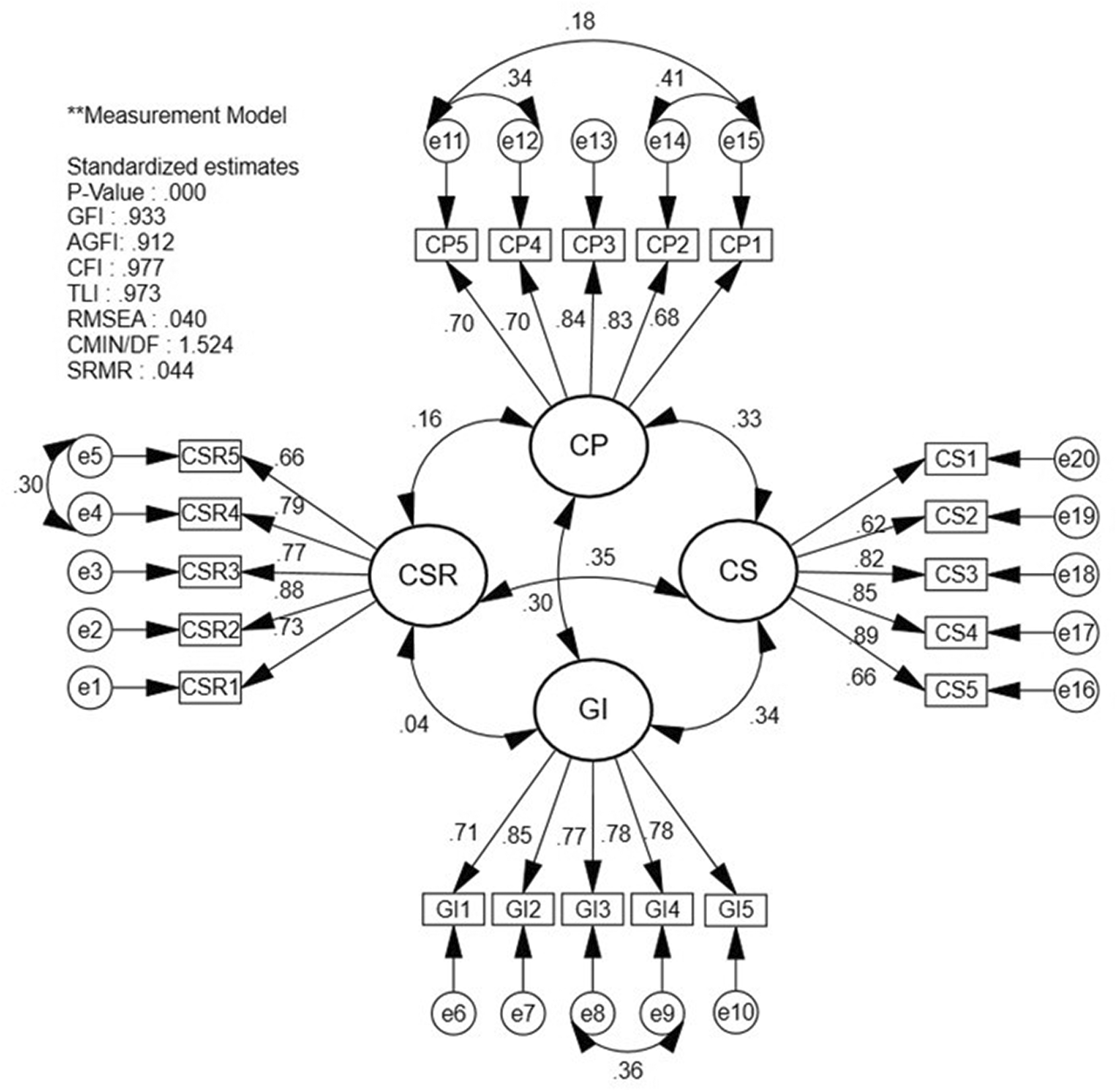
Legend: Factor loadings are shown on each indicator path, with the standardised factor loading. The maximum loadings were all above the recommended level of 0.60. Latent constructs (CSR, CP, GI, CS) are represented by ellipses, and observed indicator items (CSR1 to 5, CP1 to 5, GI1 to 5, and CS1 to 5) are represented by rectangles. A curved double-headed arrow denotes a correlated residual between e11 and e12 (CP4 and CP5); theoretically supported by the fact that the items share content at the item level. Model fit: χ2/df = 1.524, CFI = 0.977, TLI = 0.973, RMSEA = 0.040, SRMR = 0.044. Source: AMOS output from the data analysis.
Source: Data from the survey provided by AMOS (IBM Corp., 2015).
In Table 1, the measurement model was initially tested to test the reliability and validity of the constructs. The fit indices show a good fit of the model:
In Table 2, all standardized loadings were significantly above 0.65, indicating high reliability of indicators. The convergent validity was also determined to be satisfied with composite reliability (CR) exceeding 0.70 and AVE greater than 0.50.44
Standardized loadings (λ) and error variances (θ) of AMOS are already known to the outcome of AMOS. Then, instead, compute Composite Reliability (CR) and Average Variance Extracted (AVE), all of which are believed to be better than Cronbach’s alpha in SEM.33
CR=(∑λi)2(∑λi)2+∑(1−λi2)
Average variance extracted (AVE):
AVE=∑λi2n
The composite reliability (CR) was 0.79–0.88, which is higher than the advised level of 0.70, and the mean variance extracted (AVE) was 0.72–0.78, which is more than the required level of 0.50.37,44 The findings support the convergent validity and internal consistency of the constructs.
In Table 3, the Discriminant Validity (Fornell-Larcker Criterion) is a criterion used to establish the discriminant validity of measurement variables used in a study. The square roots of AVE are referred to as diagonal values. All the off-diagonal correlations are smaller than the AVE square roots, which supports discriminant validity.44
Where the average variance was formulated as follows:
AVEi>rij
Note:
• AVEi = square root of AVE of construct i
• rij = correlation between construct i and j
The Fornell-Larcker criterion was used to determine discriminant validity.19 The AVE square root values of constructs were more than the coefficients of constructs, which proved discriminant validity. This means that every construct was empirically different and gauged distinct concepts of the conceptual model.
The figures which were obtained after running AMOS on the structural model were as follows: x2/df = 1.627, CFI = 0.973, TLI = 0.968, RMSEA = 0.044, GFI = 0.927, AGFI = 0.905, PNFI = 0.786, PCFI = 0.819, PGFI = 0.707. These values are within the suggested range, which proves that the theorized structural model is capable of capturing the information.33,38
In Table 4, the overall model fit indices indicate that the proposed structural model demonstrates a satisfactory and acceptable fit to the observed data.
In Figure 3, the overall model fit indices indicate that the suggested structural model provides a satisfactory and acceptable fit to the observed data. The significance of the chi-square test (p = 0.001) is typical of large samples and, therefore, is not the only indicator of poor fit.46 Both the goodness-of-fit index (GPI = 0.927) and the adjusted goodness-of-fit index (AGPI = 0.905) were larger than the recommended values of ≥0.90 and ≥ 0.85, respectively, which showed that the model is adequately represented. The Tucker-Lewis index (TLI = 0.968) and the comparative fit index (CFI = 0.973) were far beyond the suggested incremental fit of 0.90, which implied that it fitted well. Root mean square error of approximation (RMSEA = 0.044) and standardized root mean square residual (SRMR = 0.046) were less than 0.08, which indicates good absolute fit.38,46 In addition, the normed chi-square (CMIN/DF = 1.627) was less than the cut-off value of 3, which is evidence of a parsimonious and well-fitting model. Also, the parsimony indices such as the parsimony normed fit index (PNFI = 0.786), the parsimony comparative fit index (PCFI = 0.819), and the parsimony goodness-of-fit index (PGFI = 0.707) are all above the acceptable level of 0.50, meaning that the model is a good balance between goodness of fit and model simplicity.47 On the whole, when fit indices (GPI, AGFI, CFI, TLI, RMSEA, SRMR, CMIN/DF, PNFI, PCFI, and PGFI) are taken into account, the proposed SEM model represents a powerful and satisfactory expression of the hypothesized relations between the constructs.19,42,47
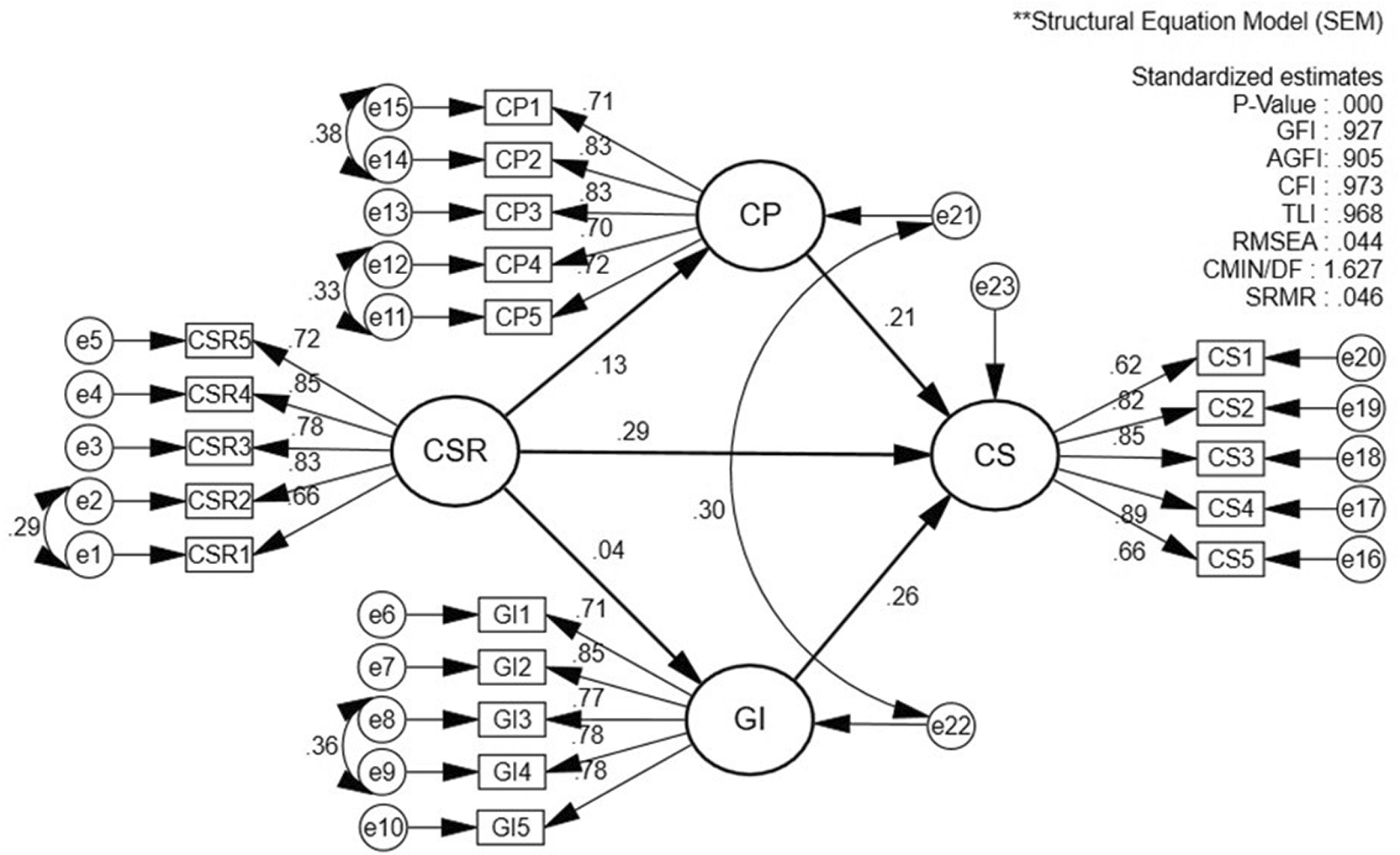
Legend: Standardised path coefficients (β) are shown with each structural path. Statistically significant paths (p < 0.05) are shown with solid arrows; the non-significant path (CSR → GI, β = 0.035, p = 0.567) is shown with a dashed arrow. Model fit: χ2/df = 1.627, CFI = 0.973, TLI = 0.968, RMSEA = 0.044, SRMR = 0.046, GFI = 0.927, AGFI = 0.905. The data analysis was empirical and was performed using AMOS software.
Source: AMOS (IBM Corp., 2015) is the source of the survey’s data output.
The model of SEM results shows a suitable model, which proves the relationships between corporate social responsibility (CSR), green innovation (GI), Corporate Sustainability (CS), and corporate performance (CP) were as theorized. All the model fit indices were found to be very good (GPI = 0.927, AGFI = 0.905, CFI = 0.973, TLI = 0.968, RMSEA = 0.044, SRMR = 0.046, CMIN/DF = 1.627), and the overall model fit was excellent.38,47 The standardized path coefficients indicate that CSR has a positive effect on CS (β = 0.29) and GI (β = 0.30), but its direct impact on CP (β = 0.13) is lower. GI has a positive effect on CS (β = 0.26) and little impact on CP (β = 0.04). Lastly, both CS (β = 0.21) and CP (β = 0.13) exhibit the interrelationships, implying partial mediation effects via CS and GI. In general, these results support the theoretical considerations of the model by confirming that CSR has an indirect positive impact on corporate performance via green innovation and Corporate Sustainability, which is highly empirically supported.
As shown in the Table 5 below, all the paths were essential, and they supported the hypothesized relationship except for hypothesis H4, which is insignificant.
The findings of the structural model demonstrate that the majority of the hypothesized relationships between corporate social responsibility (CSR), green innovation (GI), Corporate Sustainability (CS), and corporate performance (CP) were significant at the statistical level and agree with the theory.6 CSR also had a considerable positive impact on Corporate Sustainability (β = 0.301, p = 0.001), which is in line with H1. This shows that companies that have a greater engagement level in CSR are more likely to have higher Corporate Sustainability, which is consistent with the stakeholder and social exchange theories.24,47 Similarly, CSR influenced the corporate performance in a positive but small way (β = 0.121, p = 0.038), which supports H2. It means that CSR helps to increase performance, though indirectly, through other mediating factors. The correlation between the corporate performance and Corporate Sustainability (β = 0.241, p = 0.001) was also strong, which substantiated H3, which indicated that better performing firms were likely to offer better Corporate Sustainability by providing better products and services. Nonetheless, CSR had no significant relationship with green innovation (β = 0.035, p = 0.567), and His4 was rejected. This insignificant finding indicates that CSR practices within the discussed setting do not necessarily contribute to innovation, which could be caused by the absence of technological investments or short-term compliance orientation. On the other hand, green innovation did not have a significant impact on Corporate Sustainability (β = 0.282, p = 0.001), which proves H5. This result emphasizes the fact that Corporate Sustainability is increased by the use of environmentally innovative practices that raise quality and ecological value.
In general, these findings prove the paramount importance of CSR in motivation and performance, and serve to emphasize the mediating power of green innovation.
We used bootstrapping procedures with 5,000 resamples and bias-corrected 95% confidence intervals of the bias-corrected mediating effect to formally test the role of the mediating factors of cleaner production and green innovation.48 With H5 (mediation by cleaner production), CSR indirectly affected CS through CP, with a value of 0.029 (95% CI [0.012, 0.051]), indicating significant partial mediation. Even after CP was added, the direct impact of CSR on CS remained meaningful (β = 0.301, p = 0.001), suggesting partial rather than full mediation. It was 8.8% of mediation: [(0.029/ (0.301 + 0.029)) × 100].
In the case of mediation by green innovation, the indirect relationship between CSR and CS via GI was insignificant (0.010, 95% CI [−0.008, 0.032]), and the CSR → GI relationship was also not significant (0.035, p = 0.567). Thus, mediation had not been supported. Another model that we tested was competition, and all the indirect paths were restricted to zero (full direct effects model). The partial mediation model showed a better fit (Δχ2 = 18.73, df = 2, p < 0.001), indicating the importance of including the mediating pathways.
This study aimed at exploring the role of Corporate Social Responsibility (CSR) in promoting Corporate Sustainability (CS) by using Cleaner Production (CP) and Green Innovation (GI) as mediator variables in the Ready-Made Garment (RMG) sector in Bangladesh. Using the Stakeholder Theory, the Resource-Based View (RBV), and the Triple Bottom Line (TBL) framework, this paper offers empirical evidence in support of an integrated CSR-sustainability trail. The findings of the structural equation modeling (SEM) prove the idea that CSR has both direct and indirect positive impacts on sustainability performance, and CP, as well as GI, are partial mediators. The results are consistent with international studies, according to which CSR is identified as a strategic tool of sustainable industrial transformation.1,49 The empirical findings indicated that CSR positively affects both CP and GI, which, respectively, positively impact the environmental, economic, and social aspects of sustainability. This is an indication that CSR-related companies are not just serving the demands of their external stakeholders but are also internalizing sustainability operations into their production and innovation processes. Therefore, CSR serves as a strategic ability and a moral imperative that is able to turn stakeholder expectations into a cleaner, innovative, and competitive business operation.
The findings indicate that CSR influences corporate sustainability in a positive way (β = 0.301, p = 0.001). This association highlights the fact that CSR is a pillar of sustainability in the new market industries. The results confirm the claim made by Carroll (2021) that socially responsible companies go beyond compliance in efforts to incorporate ethical and environmental concerns as part of their overall business strategies. In the context of the RMG industry, where international purchasers set the conditions of rigid sustainability, such CSR activities like ethical sourcing, community development, and environmental management are currently directly correlated with the competitiveness and sustainability of firms.
Stakeholder Theory is also confirmed by this relationship, as it shows that the responsiveness to stakeholder issues, such as the welfare of the workers, the welfare of the community, and the environmental impact, can enhance long-term legitimacy and performance.20 In addition, according to the RBV21 CSR helps companies to create intangible assets like reputation, trust, and loyalty of stakeholders, which can hardly be replicated by other competitors, thereby acting as a source of long-term competitive advantage. These results are also an extension of the previous studies by Haque and Azmat (2015), where the researchers discovered that the practices of CSR in Bangladesh firms were essentially reactive and philanthropic. Conversely, the present findings provided a clear strategic development of CSR, in which companies have started to incorporate sustainability issues in their work processes and approaches to innovation. This strategic orientation is that of transforming the symbolic CSR to substantive CSR that would have concrete environmental and economic results.
The research gives good support that cleaner production has a significant positive relationship with CSR (β = 0.121, p = 0.001), which provides support to H1. This would mean that companies that participate in CSR have a higher chance of using resource-efficient and waste-minimizing production systems. These findings also speak in favor of the previous sources by Khan et al. (2021), who also noted that CSR positively correlates with the willingness of firms to engage in preventative environmental management. Cleaner production is a need both in terms of the environment and the economy in the RMG industry in Bangladesh. Consumption of high energy and high water consumption, as well as waste release, are some of the significant challenges.50 Companies that incorporate CSR principles into their production philosophy are able to pursue two goals simultaneously, i.e., fulfilling the expectations of the stakeholders and increasing their efficiency. An example of this is that the sustainability agenda of CSR-oriented firms would frequently include coming up with cleaner technology, water recycling technology, and waste minimization programs. According to the TBL perspectives of Elkington (1997), cleaner production, which is driven by CSR, results in environmental conservation (less emissions into the environment), cost-efficiency (less expenditure), and social responsibility (better working conditions).26 Therefore, cleaner production is not only a regulation mechanism, but a manifestation of corporate citizenry, which strengthens social legitimacy and optimisation of resources.
The findings also indicate that CSR has a significant impact on Green Innovation (β = 0.035), which validates H2. This observation is consistent with Li et al. (2022) and Chen et al. (2020) who have shown that CSR is a motivation factor of environmental innovation since it promotes organizational learning and proactive investment in R&D. Companies that the CSR guides are more inclined to develop green technologies and sustainable products designs due to the internal culture that develops based on the idea of sustainability and continuous growth. CSR and GI can be regarded as complementary internal resources under the RBV framework. Whereas CSR fosters a mindset that is ethical and sustainability-friendly, GI is executing this mindset in terms of technological solutions and process innovations. This reinforcing loop of responsibility and innovation helps firms to increase their levels of competitiveness in global markets.21 Renewable energy utilization, eco-friendly dyes, and waste-to-value systems are some of the GI initiatives that are becoming essential differentiators to remain competitive in export in the RMG industry in Bangladesh. However, this innovation usually relies on the CSR culture and the willingness of the leadership of the firm to be sustainable.39 The empirical validation of this connection suggests that the CSR-oriented companies are better adjusted to global changes regarding sustainability and are better placed to attain long-term resource efficiency.
As indicated by the mediation analysis, Cleaner Production and Green Innovation statistically mediate the relationship between CSR and Corporate Sustainability, partially supported. This implies that CSR does not just have a direct impact on ensuring sustainability but rather an indirect one through the channels of operation and innovation. Cleaner Production actually serves as a mediator, and it translates the CSR promises into real process solutions, such as reduction of waste, recycling, and energy use, that positively impact both environmental and economic outcomes of the firm.26 At the same time, Green Innovation is a strategic mediator, converting CSR values to long-term technological competitiveness and environmental resilience.6 This mediation implies that sustainability is accomplished both by efficiency-based and innovation-based processes. The holistic CSR-sustainability pathway generated by the combination of CP and GI is congruent with the integrated perspective of TBL-RBV. CSR gives the strategic intent, CP creates the operational discipline, and GI has the constant improvement, which is a combination of the three that creates sustainable industrial change in the RMG sector.
• Decomposing mediation effects quantitatively - In order to provide a formal substantiation of the mediation level above, the indirect effects are disaggregated mathematically, based on the two-stage structural mediation scheme estimated using bootstrapping (5,000 resamples, bias-corrected 95% confidence intervals). The overall impact of CSR on Corporate Sustainability is diffused in three additive elements:
TECSR→CS=β5⏟Direct Effect+β1×β3⏟IndirectviaCP+β2×β4⏟IndirectviaGI
TECSR→CS=0.301+(0.121×0.241)+(0.035×0.282)=0.301+0.029+0.010=0.340
This dissection validates the opinion that the direct influence of CSR on Corporate Sustainability is the prevailing route (β = 0.301, p < 0.001). The two working mediators exert a meaningful effect on Cleaner Production, contributing an indirect effect of 0.029 (95% CI [0.012, 0.051]), while the Green Innovation pathway yields an indirect effect of 0.010 (95% CI [−0.008, 0.032]).
Even though 8.8% is a small percentage, it is significant within the statistics and significant in theory. It affirms that CSR is not just an indicator of sustainability purpose — it operationally translates that sustainability purpose into process-level results in the form of waste minimization, energy efficiency, and resource efficiency.26 Even 8.8% of mediated pathways is a significant efficiency, even in the resource-constrained context of the use of technology, which is capital-intensive and accumulates over production cycles.5 This result confirms the partial mediation hypothesis: the direct relationship ( β5 ) retains importance, that is, CSR added value is likely to create stakeholder legitimacy and reputational capital, which have a direct positive impact on sustainability performance beyond that brought about by operational enhancement alone.
PMGI=IEGITECSR→CS=0.0100.340≈2.9%
Bootstrapped confidence interval of IEGI bypasses zero (95% CI [−0.008, 0.032]) and establishes the fact that this indirect route is not statistically significant. The mathematical breakdown demonstrates the exact place where the mediation chain is disrupted: not in the GI→CS path ( β4=0.282,<0.001 , which is significant in its own right), but at the first-stage CSR → GI path ( β2= 0.035, p = 0.567). This implies that the positive impact of Green Innovation on Corporate Sustainability does exist, although its presence is still an occurrence; yet CSR practices in the Bangladesh RMG sector are not potent enough to induce innovative behavior by itself. This refinement would be lost without the path decomposition in its formal form and is another instance of the operational over transformational character of CSR in this kind of institutional environment.
Therefore, this partial mediation model (two pathways are significant) fits much better than the full mediation model (Δχ2 = 18.73, df = 2, p < 0.001), which proves that neither CP nor GI completely mediates the CSR → CS relationship. This is theoretically in line with the stakeholder theory, according to which CSR brings direct reputational and legitimacy returns to the firms,20 that are not mediated by operational efficiency returns through cleaner production and are additive to the operational efficiency returns through green technology adoption.21,25 Together, the above equations are what convert the conceptual narrative of mediation into a falsifiable, precisely estimated structural explanation that not only states that CSR is important to sustainability, but also how much, on what channels, and at what magnitudes it is important in the Bangladesh RMG industry.
This study makes several theoretical contributions:
• Combination of Stakeholder and Resource-based Views - Whereas the Stakeholder Theory motivates firms to be actively involved in CSR (external legitimacy), RBV clarifies the transformation of CSR into sustainable outcomes (internal capability). This paper combines the two aspects, making CSR a two-pronged process that aligns stakeholder expectations with internal resource development, a theory that has not been experimented on in emerging economies.20,21
• CSR as a Dynamic Capability for Sustainability - Results put CSR in the role of a dynamic capability that can lead to the ongoing adaptation of cleaner production and innovation. This is in addition to the TBL approach that demonstrates that CSR allows firms to deliver balanced economic, environmental, and social results by building capability instead of adhering.51
• Empirical Evidence from a Developing Context - The majority of previous CSR-sustainability studies are primarily based on cases in developed countries.6,30 This paper contributes to the gap in the field of study by showing how CSR can also be transformative in a resource-constrained, export-locked nation such as Bangladesh, and that sustainability theories have universal applicability irrespective of the institutional environment.
In contrast to H2, there was no significant dependence of CSR and green innovation. Such a surprising observation warrants careful interpretation, and the main boundary conditions for CSR effectiveness are revealed.
This null result could be attributed to a number of contextual factors. To begin with, compliance-driven CSR is practised by many RMG companies in Bangladesh, where they adopt CSR to comply with buyers’ codes of conduct rather than to be strategic drivers of innovation.50 This extrinsically motivated CSR can lead to more beneficial operational compliance and efficiency (cleaner production), but it is unlikely to lead to the experimentation spirit that green innovation needs. Second, innovation must have slack resources and risk tolerance,52 which resource-constrained RMG manufacturers may have even when they are dedicated to CSR. Third, the low-margin, high-volume business model of the RMG industry provides substantial path dependencies in support of incremental process improvements and not radical innovation.
This observation implies that green innovation cannot be achieved through CSR in settings defined by resource scarcity and compliance orientations. Other enablers like management innovation orientation, R&D investment, and technology partnerships might be required as moderating circumstances. The question of when and how CSR might be converted into innovation (instead of supposing that it has a universal positive correlation) should be researched in the future.
The research has several valuable implications for practitioners, especially in the RMG sector:
For RMG Managers:
(1) Integrate CSR into Production Systems: Do not view CSR as an independent compliance activity, but view it as an integral part of production. Create cross-functional teams between sustainability, production, and quality departments to find ways of reducing waste and increasing efficiency.
(2) Increment Cleaner Production Technologies: Focus on resource-efficient technologies that have a definite ROI (return on investment), i.e., water recycling, LED, and heat recovery. Upfront costs can be countered by government green financing schemes (e.g., the green transformation fund by the Bangladesh Bank).
(3) Develop Innovation on Purpose: CSR is not a source of innovation in resource-constrained settings; therefore, companies should develop innovation by making significant investments (even small percentages of revenue), collaborating with textile research institutes, and employee suggestion systems that include innovation incentives.
(4) Report Sustainability Actions: Report cleaner production progress to global purchasers openly through established models (Higgs Index, LEED). This adds value to the brand and can be priced highly.
Indeed, this paper is quite similar to the mission to disseminate knowledge about sustainable industrial systems and transitions to circular economies. It shows that cleaner production that is motivated by CSR is an effective strategy that can take these countries towards low-carbon industrialization, which can facilitate the SDGs, especially SDGs 8, 9, and 12. The results provide lessons that can be replicated in other export-based industries in the developing economies that want to strike a balance between growth and environmental conservation.
For Policymakers:
(1) Enhance Regulatory Incentives: Shifting to positive incentives. The use of cleaner production can be accelerated using tax breaks, subsidized loans, and expedited export certifications in LEED-certified factories.
(2) Technology Transfer: Establish technology demonstration centers that exhibit cleaner production technologies that have been proven. Collaborate with foreign development organizations to subsidize the use of technology by the SMEs.
(3) Green Skilled: Teach cleaner production and sustainability courses in technical education. Sponsors academic-industrial relations in environmental management training.
For International Buyers:
(1) Support Supplier Capability Building: Rather than simply auditing compliance, invest in supplier development programs that build CSR and cleaner production capabilities.
(2) Reward Sustainability Leaders: Tiered sourcing practices: extend a contract and increase volume of orders to suppliers who show real sustainability performance, and not those who simply comply with minimum standards.
The research results can also be added to the worldwide discussion on sustainable manufacturing. The favorable relationships between CSR, CP, and GI are reminiscent of the results in China, Vietnam, and Indonesia,6,30 indicating that the CSR-sustainability association is taking a global nature in emerging markets. But the situation of Bangladesh RMG demonstrates a unique scenario in which the pressure of foreign consumers and the desire to survive collide to stimulate the process of sustainability. This ambivalent form of motivation enhances the notion that sustainability in developing countries is not only reactive but also strategic, i.e., at first prompted by compliance but then slowly evolving into a business core competence.
The objective of the study was to establish the determinants of CSR routes to corporate sustainability by examining cleaner production and green innovation in the RMG industry of Bangladesh. The study corroborated the findings using CB-SEM analysis of 131 firms, including the observation that CSR has a significant direct and indirect positive influence on corporate sustainability via both mediating constructs. These findings underline the fact that cleaner production and innovation implemented with CSR are important enabling factors of sustainable industrial change in developing economies.
The research contributes to the sustainability research in various ways:
• It combines the Stakeholder Theory, RBV, and TBL empirically into a single model of explaining CSR-induced sustainability.
• It determines Cleaner Production and Green Innovation as two mediating processes between CSR and sustainability results.
• It takes the research on CSR to the export-intensive sector of a developing country, which gives proof that sustainability is possible by strategic adoption of CSR despite resource limitations.
To practitioners, the remarkable findings are that:
• CSR has to develop into strategic, sustainability-based CSR, which is part and parcel of production and innovation systems.
• The investments in cleaner production should be given a top priority because they have not only environmental but also cost advantages.
• To increase their green innovation abilities, firms are advised to institutionalise innovation cultures and collaborate with universities, research institutions, and non-governmental organisations.
• The policy makers are advised to empower the regulatory systems that encourage the sustainability of the types of CSR, and offer green funding systems to SMEs.
This study has several important limitations that future research should address. To begin with, the cross-sectional design does not allow for causal inference. Although our theoretical model assumes that CSR is an antecedent of sustainability, reverse causality is also possible; successful, profitable companies can afford to invest more in CSR. Longitudinal research that follows firms over the years is required to determine the temporal precedence and causal dynamics.
Second, the use of perceptual and self-reported measures provokes the issue of common method bias in spite of our attempts to mitigate it. The next round of research ought to devise the survey data with objective performance indicators like energy consumption documents, waste output data, water consumption, and third-party sustainability ratings.
Third, we only sample formally registered and relatively large manufacturers of RMG in the three industrial zones. Such a sampling plan is likely to overrepresent large and formal manufacturers, as these represent a major part of the garment industry in Bangladesh and are likely to have other CSR-sustainability relationships.
Fourth, we did not study contextual modulating factors that can reinforce or undermine the observed relationships. The environmental values of the CEO, intensity of competitive rivalry, the intensity of buyer pressure, and the availability of finance are some of the factors that could affect the effectiveness of firms in converting CSR into sustainability results.
Fifth, our conceptualization of cleaner production and green innovation can be refined. In future studies, one can identify various categories of green innovation (radical/incremental; product/process) and cleaner production practices (preventive/end-of-pipe) in order to offer more refined information.
Sixth, the Bangladesh RMG industry is of a unique nature, with features such as export reliance, buyer-imposed governing, and post-Rana Plaza safety pressures that might restrict the generalizability of the sector and nations. We would have to replicate the study in other industries (e.g., electronics, automotive) and countries (e.g., Vietnam, India) to determine the validity of the findings externally.
Building on this study’s findings and limitations, we propose several promising directions for future research:
(1) Explore the Dark Side of CSR: Although we discovered that CSR and sustainability had a positive relationship in our study, critical scholars believe that CSR is symbolic, superficial, and even exploitative. Future studies ought to explore under what circumstances and at what point in time CSR initiatives do not lead to actual sustainability increase, perhaps by exploring the aspects of greenwashing or the disconnect between policy and practice.
(2) Test Multi-Level Relations: Can our analysis of firms be supplemented by multi-level investigations of how the personal manager attributes (values, knowledge), and industry-level variables (buyer concentration, regulatory enforcement) jointly determine CSR-sustainability relations?
(3) Research Temporal Dynamics: Longitudinal studies would be available to examine how CSR strategies change with time. Are companies moving towards responsive compliance to proactive sustainability? In what triggers such transitions? What is the timeframe for CSR investments to return with some tangible sustainability results?
(4) Research Innovation Facilitators: In light of the significant CSR-GI relationship that we observed in our research, it has been proposed that qualitative case studies may be conducted to discuss the extra organizational capabilities, leadership attributes, and external alliances that CSR should have in order to promote innovation in resource-rewarded settings.
(5) Monitor Financial Performance Results: Although we were able to measure sustainability as a multidimensional construct, future studies must directly relate CSR and cleaner production with financial performance indicators (ROA, profit margins, market share) in order to construct a business case of sustainability investments.
(6) Compare Countries: Comparative research among emerging markets with various institutional settings (regulatory stringency, buyer concentration, labor movements) would help educate us about the effects of context on CSR-sustainability dynamics.
In general, this research paper finds that Corporate Social Responsibility is a strategic facilitator of a sustainable industrial change in the RMG industry in Bangladesh. When CSR is incorporated into systems of cleaner production and innovation, it not only enables firms to meet the requirements of global sustainability but also provides them with a long-term competitive advantage. With the industry moving into a greener future, the most promising way to go is the CSR-oriented cleaner production that is likely to lead to the attainment of the triple bottom line, as well as environmental protection ensured by industrial growth.
MMM: Conceptualization, Methodology, Writing – Original Draft Preparation, Formal Analysis, Software, Data Curation; TA: Writing – Review & Editing, Methodology, Validation, Investigation, Visualization, Project Administration; SFP: Writing – Review & Editing, Resources; JKR: Funding Acquisition, Resources, Supervision.
This study was conducted in accordance with the Declaration of Helsinki and local and national guidelines for research involving human subjects. The study received ethical approval from the Office of the Ethics Committee, Faculty of Business and Entrepreneurship, at Daffodil International University, with approval number 002130/DBA027, dated August 18, 2025. All procedures were conducted under conditions as specified in the approval. All individual participants in this study gave their written informed consent before the study was conducted. Each of the participants had received full information about the purpose of the study, had been assured that participation was voluntary, that he/she could withdraw at any time without prejudice, and that his/her information would be kept confidential and anonymous. Before data collection, participants gave their written consent. This study was conducted in the RMG sector, and no one was under 18 years of age (as confirmed by the company’s records). No incentives were used, and participation was voluntary.
The authors state that there are no competing interests.
Figshare: Do CSR Practices Drive Corporate Sustainability? Empirical Evidence from Ready-Made-Garment in Bangladesh Using Covariance-Based SEM. https://doi.org/10.6084/m9.figshare.32556534.53
The project contains the following underlying data:
• Survey dataset. SPSS (Raw dataset of 382 respondents used for CB-SEM analysis).