Просмотр новости
Найдите то, что Вас интересует
 Спутники
 РН
РН SpaceX
 Роскосмос
 NASA
NASA
СпутникиРНSpaceXРоскосмосNASAThis study investigates the key factors influencing the strengthening empowerment within environmental volunteer networks, with a focus on Thailand’s sustainability context. Environmental volunteer groups, such as Trash Hero Thailand, play an increasingly critical role in addressing ecological challenges, yet their effectiveness is shaped by complex interactions among external factors, individual and community needs, and achievements. A quantitative methods design employed a structured questionnaire distributed among 390 participants from Trash Hero Thailand followers and local volunteer groups in Rayong and Chonburi Provinces, Thailand. Structural Equation Modeling (SEM) was used to analyze relationships among variables. Findings reveal that external factors, including political, economic, social, technological, environmental, and legal dimensions, significantly impact strengthening empowerment both directly and indirectly through achievement. Achievement was confirmed as a strong mediator, highlighting stratab;tegy, organizational structure, and communication style as critical success dimensions. Interestingly, needs negatively influenced strengthening empowerment, suggesting that unmet or excessive needs may undermine self-sufficiency unless translated into concrete achievements. The study concludes that sustainable empowerment requires a balance of external support, organizational achievement, and capacity building. Recommendations include achievement-driven empowerment strategies, graduated support models to reduce dependency, and adaptive monitoring systems. These insights contribute to advancing resilient, self-sustaining environmental volunteer networks aligned with national sustainability goals.
Sustainable development has increasingly underscored the significance of community-based efforts, especially environmental volunteer networks, in tackling ecological concerns and promoting enduring resilience. These networks offer vital human resources to enhance institutional initiatives; yet, their efficacy is significantly influenced by external factors, including government policy, institutional backing, and socio-cultural dynamics. Studies show that programs that fit well with local government institutions and community participation frameworks are more likely to thrive and stay important over time (Oroh 2017). Moreover, the longevity of environmental initiatives is significantly affected by elements such as resource availability, regulatory uniformity, and stakeholder reactivity to developing ecological challenges (Nadvodnyuk 2024). So, the way that outside variables and within organizational mechanisms work together is a key part of making volunteer-based sustainability efforts stronger.
Achievement in volunteer networks include not only concrete environmental results but also the social and psychological advantages attained by participants. Accomplishments like improving personal skills, being more conscious of the environment, and improving the community’s reputation give volunteers both intrinsic and extrinsic benefits that keep them motivated. Empirical research indicate that perceived rewards, such as acknowledgment, capacity growth, and social contribution, substantially improve individual satisfaction and group motivation among volunteers (Rahman 2023; Rahman and Rahman 2021). These accomplishments serve as reinforcing mechanisms, not only improving retention but also validating the significance of environmental volunteers as a vital catalyst for sustainable development. So, achievement serves as both a goal and a way to motivate others, making sure that volunteer work continues and grows.
To make volunteer networks stronger, organizations need to use planned tactics that combine organizational structure, leadership development, and collective efficacy. Research shows that group identity, participation training, and coaching programs are important for making sustainability projects more effective and more resilient (Hamann, Holz, and Reese 2021). Strengthened networks are defined by their capacity to efficiently mobilize resources, foster inclusive decision-making, and generate synergies among diverse stakeholders. In practice, strengthening methods have demonstrated particular significance in volunteer tourism and environmental engagement, where partnership between local communities and volunteers promotes information sharing and guarantees culturally sensitive approaches to sustainability (Tran and Tran 2024). So, strengthening isn’t only about making structures stronger; it’s also about creating flexible systems that can handle changing social and ecological situations.
There are several things that can help make environmental volunteer networks stronger, but the most important ones are how organizations are set up and how people work together in the community. Strong leadership and training that involves everyone help build a sense of community, which helps volunteers work together and stay motivated (Hamann, Holz, and Reese 2021). Inclusive decision-making is also very important since it brings together different points of view and builds trust among networks. Also, relationships between local communities and outside volunteers let people share what they know and adapt to different cultures, which makes projects more productive in the long run (Tran and Tran 2024). These aspects work together to make volunteer networks strong and flexible systems that can handle difficult sustainability issues.
Finally, empowerment is the most important aspect of long-term environmental volunteering since it turns volunteers from passive participants into active agents of change. Capacity-building efforts, inclusive governance, and fair access to resources are all examples of empowerment tactics that help individuals feel like they own something and have control over their own lives. Evidence indicates that community empowerment increases engagement in environmental health and conservation initiatives, fostering sustainable behaviors grounded in local contexts (Syaharuddin, Salomon, and Anggeraent 2024). Additionally, empowering underprivileged groups, especially women, has been recognized as a critical element in promoting environmental sustainability by broadening viewpoints and enhancing the influence of volunteer networks (Tiwari 2022). As a result, empowerment makes sure that environmental volunteer networks are not just reactive groups, but also proactive participants in plans for sustainable development.
In Thailand, environmental volunteer networks are becoming more important for solving local sustainability issues, especially when it comes to protecting forests, managing waste, and making communities more resilient to climate change. These groups usually work with government agencies and community organizations to protect natural resources by getting people to share their knowledge and work together. Environmental conservation efforts, such as creating community forests that protect biodiversity and natural resources, are a big part of Thailand’s community-based volunteer programs that help promote sustainable tourism and protect ecosystems. These things are very important for keeping the environment in balance and bringing in tourists who love nature (Krittayaruangroj and Suriyankietkaew 2024; Auesriwong, Nilnoppakun, and Parawech 2015). They also help build social capital and take care of the environment at the same time. These projects are often part of community-based tourism plans that put a lot of emphasis on getting locals involved, protecting culture, and protecting the environment (Thananusak and Suriyankietkaew 2023). Putting these things together not only helps tourism that lasts, but it also makes communities stronger and more connected. Studies also show that getting people to volunteer to protect the environment makes people more aware of it and encourages long-term sustainable practices in Thai communities (Nadvodnyuk 2024).
Trash Hero Thailand is a great example of how environmental volunteering can empower people by getting them involved in reducing trash through clean-up events and educational efforts. The movement makes communities stronger by getting people to change how they act and use eco-friendly waste methods. Everyone takes better care of the environment as a result (Mulawarman et al. 2024). Its grassroots empowerment goes along with Thailand’s bigger plans to be more sustainable, since community networks work together and share the duty of protecting the environment (Liu, Run, and Beliatte 2025).
Due to the above, the case focuses on enhancing its impact by collaborating with government organizations and enterprise agencies to engage more people in sustainability practices. It will concentrate on expanding successful initiatives like Trash Hero Thailand and developing new strategies to protect biodiversity and strengthen community resilience against climate change. Moreover, these efforts will support Thailand’s national sustainability goals by establishing self-sustaining, community-driven environmental protection systems, reducing pressure on government resources while maximizing positive environmental outcomes in the long term. Therefore, the aims of this study were to explore and analyze the factors that impact strengthening empowerment for environment volunteer networks for success.
External circumstances, accomplishments, and needs interact dynamically to shape empowerment, which affects how people and communities gain the ability to take action and effect change. The first hypothesis (H1) states that external factors have an impact on strengthening empowerment because external conditions like leadership, institutional frameworks, and supportive environments provide the structures that facilitate empowerment. The second hypothesis (H2), according to which achievement mediates this relationship, is based on the fact that accomplishments strengthen empowerment by fostering self-assurance, increasing agency, and guaranteeing sustainability. Lastly, the third hypothesis (H3) is supported by the strengthening of empowerment through the satisfaction of various personal, organizational, and community needs.
The proposed model is grounded in three complementary theoretical perspectives. First, Structural Empowerment Theory suggests that access to resources, information, support, and opportunities within an organizational environment enhances empowerment and organizational effectiveness (Kanter 1977; Laschinger et al. 2004). Second, Achievement Motivation Theory explains how successful accomplishments and competency development motivate individuals and organizations to sustain performance and empowerment outcomes (McClelland 1961; Elliot and Church 1997). Third, Community Empowerment Theory emphasizes that empowerment emerges through the identification of community needs, participation, and collective capacity building that enable communities to influence their development (Zimmerman 2000; Christens 2019). Together, these theoretical perspectives explain how external factors create enabling conditions, needs identify developmental priorities, achievement reflects organizational capacity development, and strengthening empowerment represents the long-term outcome of sustainable and effective volunteer networks.
External factors influence strengthening empowerment
H1 is grounded in Structural Empowerment Theory, which argues that access to resources, support, and institutional opportunities enhances empowerment outcomes.
External factors, i.e., leadership structures and socio-political environments, significantly impact empowerment theories by shaping individuals’ perceptions of their capacity to act and make decisions. According to structural empowerment theory access to resources and information in work and community settings enhances empowerment. For instance, studies show that external leaders, even in empowered teams, significantly affect team performance and satisfaction through both consistent and differential leadership behaviors (Luciano, Mathieu, and Ruddy 2014). Similarly, empowerment theory in community psychology emphasizes the influence of broader political and institutional contexts, noting that conflicts between internal community goals and external institutional agendas can obstruct empowerment (Montero 2009).
Another important perspective is the psychological empowerment framework that examines the external perceptions such as organizational environment or leadership style as the antecedents of individual empowerment outcomes in terms of commitment to change or proactive behaviours. The research in organizational psychology reveals that the perceptions of having a supportive external environment increase employees’ psychological empowerment and their willingness to participate in change management processes (Mangundjaya 2014). In addition, team-based models reveal that external human resource structures and coaching are better predictors of empowerment and performance outcomes than hierarchical leadership (Rapp et al. 2016). Internal empowerment was shown to significantly enhance employee engagement and satisfaction, which in turn contributed to organizational success by increasing motivation, commitment, productivity, and innovation, but these positive outcomes did not automatically translate into external power without supportive organizational systems; instead, studies consistently demonstrated that empowerment was most effective when reinforced by strong and consistent external structures such as access to resources, information, support, and decision-making authority, thereby challenging the traditional assumption that internal empowerment alone was sufficient for organizational success (Sang 2019).
Research consistently highlights several key external factors that directly influence empowerment across organizational, social, and environmental contexts. A fundamental role is played by organizational support, which includes communication, resource access, and leadership behaviors. When workers have access to information, support networks, and opportunities for professional growth, structural empowerment is greatly enhanced (Arogundade and Arogundade 2015). According to Thompson, Bailey, and Farmer (1998), empowerment outcomes are consistently predicted by the perception of strong communication within an organization. Access to resources such as training and performance-based rewards also enhance psychological empowerment, enabling employees to perform effectively and confidently in their roles (Assadzadeh and Chakherlouy 2013). In the public sector, government support and policies that decentralize power contribute to enhanced community empowerment outcomes (Kilby 2004).
Experiences of empowerment are also influenced by social networks and the surrounding environment outside of the workplace. Support from family, community, and healthcare providers has been reported to significantly enhance empowerment, for instance, insituations like maternal care (Petralina et al. 2024). Community empowerment is also influenced by the surrounding political and institutional environment, where conflicting agendas and power imbalances can serve as external barriers (Montero 2009). Technology further acts as a modern external driver of empowerment by enhancing access to information, enabling self-management tools, and strengthening individual health behaviors through digital engagement (Phillips, Sordo, and Wood 2020). Otherwise, the results of empowerment are influenced by external elements which encompass economic resources and policy interventions and social support systems (Reji 2011; Gautam 2024). The study shows that women who access microfinance services become financially empowered which leads to increased household decision-making power (Khuan 2024; Ramya & Deepak 2024). According to Tiwari, Bisht, and Singh (2024), state-funded scholarships lead to academic and professional empowerment in marginalized communities resulting in improved career opportunities and economic stability.
Economic conditions alongside institutional frameworks determine the progression of empowerment. The framework of institutions along with laws and regulatory policies determines economic stability and growth which directly affects empowerment possibilities for people and communities (He and Tang 2024). The existence of supportive institutional contexts that combine effective governance with available resources remains essential for fostering empowerment. People and communities achieve empowerment through a combination of political stability and good governance. The research conducted by Altun (2016) demonstrates that democratic government leads to higher civic involvement along with improved economic prospects. People derive empowerment from technological progress because these advancements create improved access to information and communication tools and financial resources (David 2018). The digital financial services combined with e-governance projects increase empowerment through their economic and decision-making power growth for people (Lee 2019; Yousuf, Bhatti, and Awan 2023).
The final factor shows that policy laws along with legal institutions serve as fundamental drivers of empowerment because they protect marginalized groups through progressive laws that expand property rights and labor protections. The process of legal empowerment allows people to work with legal institutions thus creating increased social and economic self-advocacy (Gisselquist 2018). Such empowerment holds the key to improving the circumstances of people suffering from persistent human rights violations since it enables them to seek better legal frameworks and justice access (Satterthwaite 2022). The combination of external factors generates a dynamic effect that modifies empowerment levels across various contexts so that H1 has been issued.
Achievement role mediates between external factors and strengthening empowerment
H2 is supported by Achievement Motivation Theory, which suggests that achievement serves as a mechanism through which external conditions are translated into empowerment and sustained performance.
The mediating role of achievement in the empowerment process can be situated within motivational and organizational behavior theories. Achievement roles function as psychological mechanisms that translate external inputs—such as leadership, structural supports, and autonomy—into internalized empowerment. For example, empowering leadership has been shown to predict positive work outcomes only when filtered through psychological empowerment, with individuals’ achievement needs amplifying this mediation (Ching 2012). Similarly, Chen et al. (2019) demonstrate that satisfaction of autonomy and competence needs predicted achievement goals, which then facilitated intrinsic motivation, thereby supporting empowerment as an achievement-driven outcome (Chen et al. 2019). These findings suggest that empowerment is rarely a direct product of external interventions; rather, it is mediated by individuals’ pursuit and recognition of achievement within their roles. This aligns with Kirkman and Rosen’s (1999) work on team empowerment, which showed that leader actions and organizational structures enhanced empowerment through mechanisms of team responsibility and performance—both achievement-oriented constructs (Kirkman and Rosen 1999). Thus, achievement roles can be conceptualized as the core mediators that integrate external resources into meaningful empowerment experiences.
Achievement and strengthening empowerment are defined in this study as separate but consecutive phenomena. Achievement is the successful development of organizational capacities and operational capabilities such as strategy, organizational structure, work methods, personnel development, communication procedures and shared values. The dimensions are indicators of the extent to which volunteer networks manage and organize their activities. The strengthening empowerment on the other hand, is the long-term benefits of the accomplishments. This is shown in the efficiency and sustainability of the network. So achievement is the process and intermediate organizational achievements, while strengthening empowerment means the long-term ability of volunteer networks to be effective, resilient and self-sufficient over time.
Critically, the literature also emphasizes that achievement roles not only mediate but also condition the strength of empowerment outcomes. Chang, Shih, and Lin (2010) found that psychological empowerment partially mediated the relationship between organizational support and job satisfaction among nurses, implying that empowerment is contingent upon the salience of achievement in professional identity (Chang, Shih, and Lin 2010). Likewise, psychological empowerment has been found to mediate trust and performance, as employees who perceived their roles as avenues for achievement demonstrated higher commitment and initiative (Liu and Ren 2021). In educational contexts, empowerment enhanced both teacher commitment and student achievement, reinforcing the reciprocal dynamic between achievement and empowerment (Aliakbari and Amoli 2016). Taken together, these studies reveal a nuanced relationship: external factors create the conditions for empowerment, but it is the individual’s enactment of achievement roles that determines whether empowerment is realized and strengthened. Theoretically, this underscores empowerment as not merely structural or relational, but as a motivationally mediated process rooted in achievement dynamics.
When appropriately nurtured, this empowerment plays a crucial role in both effectiveness (the immediate success of initiatives) and sustainability (the enduring viability of progress). For example, empowerment initiatives rooted in community participation, such as participatory rural appraisals, facilitate the alignment of developmental objectives with local priorities, thereby bolstering their sustainability (Triatmanto, Natsir, and Rachyunisngsih 2018). In educational environments, the empowerment of human resources necessitates coordinated, systemic approaches that integrate individual capacities with overarching institutional objectives (Kholida et al. 2024). Moreover, empowerment is inextricably linked to gender equity; the empowerment of women, for instance, has been recognized as a pivotal element in attaining sustainable development across various sectors, underscoring the notion that empowered groups contribute more effectively and consistently to collective objectives (Tiwari 2022). Consequently, accomplishments should not be regarded as final outcomes, but rather as foundational elements that enhance agency, cultivate capacity, and ensure the longevity of developmental initiatives.
Needs influence strengthening empowerment
H3 is informed by Community Empowerment Theory, which views perceived needs as drivers of collective action and community development efforts.
Needs are conceptualized as perceived development needs, referring to the extent to which environmental volunteer networks recognize deficiencies, challenges, or areas requiring improvement at both community and national levels. These needs may include resource shortages, capacity development requirements, policy support, environmental concerns, and community development priorities. Rather than representing empowerment itself, perceived needs function as motivational drivers that identify gaps between current conditions and desired outcomes. Therefore, needs provide direction for collective action and organizational improvement, but they do not automatically generate empowerment unless accompanied by adequate resources, external support, and achievement of organizational goals.
Contemporary empowerment theory recognizes that individual and community empowerment emerges through the fulfillment of diverse, interconnected needs. Christens’s (2019) seminal framework establishes that empowerment operates across intrapersonal, interorganizational, and community levels, requiring multiple supportive conditions to flourish effectively.
Belief systems fundamentally shape empowerment processes, as cognitive empowerment depends on self-efficacy and perceived control (Schulz et al. 1995). When individuals cultivate self-assurance regarding their competencies, they exhibit an enhanced propensity to partake in behaviors that promote empowerment. As articulated by Eisman et al. (2016), psychological empowerment—a significant dimension of individual empowerment—encompasses intrapersonal, interactional, and behavioral elements, which are essential for nurturing a sense of efficacy and a readiness to participate in social engagement. Response mechanisms—pertaining to both individual and institutional dimensions—establish feedback loops that either strengthen or undermine empowerment initiatives (Speer and Hughey 1995).
The concept of sustainable empowerment within the realm of community development is increasingly acknowledged as an essential strategy for enhancing resilience and elevating quality of life. In contrast to ephemeral interventions, sustainable empowerment prioritizes long-term capacity building that equips communities with the requisite skills, knowledge, and agency to mitigate vulnerability and attain self-sufficiency. For example, in fishing communities, capacity building in economic, technological, and institutional domains has been shown to significantly influence empowerment outcomes (Tuan Muhammad Zukri et al. 2023). Empowerment thus functions as both a process and an outcome, enabling individuals and groups to make informed decisions and translate them into meaningful action (Albuquerque, Cruz Santos, and Almeida 2017).
Equally essential to sustainable empowerment are participation, governance, and cultural values, which together create the foundation for resilient communities. Broad-based participation fosters community ownership of development outcomes, while effective governance ensures the integration and continuity of empowerment processes (Kumar et al. 2020). Participation is not only a tool for capacity building but also a mechanism for instilling responsibility and accountability. Moreover, embedding cultural values such as thrift, openness, and responsibility, alongside strengthening social institutions, enhances dignity and potential in grassroots communities (Hikmawati 2022). Nonetheless, challenges such as institutional voids, inconsistent participation, and the abstract nature of sustainability can limit progress (Sadan, Churchman, and Amoyal 1996; Kumar et al. 2020). Despite these barriers, integrating sustainability into empowerment discourse remains a critical strategy for building communities that are both resilient and self-sufficient.
Community empowerment initiatives play a crucial role in addressing environmental challenges by enabling marginalized groups to influence policies and promote sustainability. Grassroots approaches foster local responsibility for climate action through collaboration, education, and advocacy (Kumar et al., 2024). Community-led initiatives further advance environmental protection by emphasizing participatory decision-making and environmental justice (Eslit 2023). Similarly, community-based conservation integrates indigenous knowledge and participatory governance to strengthen biodiversity protection and socio-economic resilience, despite challenges like resource scarcity and weak policy support (Sele & Mukundi 2024). Environmental education also enhances civic engagement by equipping learners with lifelong skills and participatory experiences (Ardoin, Bowers, and Gaillard 2022). However, obstacles such as limited resources and restricted policy influence remain. Strengthening capacity, funding, and inclusive governance is essential for ensuring that community-driven environmental initiatives achieve lasting ecological and social outcomes.
The population in this study consists of two groups. First, members of the Trash Hero Thailand Facebook page, which has approximately 150,365 followers actively engaged in ongoing activities. Second, local residents who are volunteer groups in Rayong and Chonburi province, East part of Thailand. The study sample is drawn from these populations using cluster sampling at 195 (based on 5 times of 39 parameters (Hair et al. 2018)) who are selected directly involved or associated with environmental volunteer activities.
Both Trash Hero Thailand Facebook followers and local environmental volunteer groups were included because environmental volunteer activities in Thailand are carried out through both online and offline participation channels. Facebook is one of the main channels of communication and mobilization in environmental campaigns. Local volunteer groups are direct contacts with the environmental actions of the community. This combination of two groups enables the study to capture different forms of volunteer activity and increase the relevance of the findings to a range of environmental volunteer scenarios. The two groups may differ in demographic and participation characteristics, but in both cases the criterion of active engagement or interest in environmental volunteer activities was common.
A structured questionnaire, created to guarantee content validity and alignment with the study’s goals, serves as the main research tool in this investigation. There are six sections on the questionnaire using checklist questions with a five-point rating scale. Section 1 collects demographic data. There are 20 items covering six dimensions (political, economic, social, technological, environmental, and legal) in the second section, which examines external factors influencing environmental volunteer groups. While section four uses 22 items to assess the success of online media creation across seven organizational dimensions including strategy, organizational structure, work systems, personnel, skills, communication style, and shared values. Strengthening empowerment was operationalized separately as the long-term capacity of environmental volunteer networks to sustain operations effectively and independently, measured through efficiency and sustainability dimensions. Section three uses 10 items to address the needs of online media creators involved in environmental volunteerism. With 20 items, section five looks at strengthening empowerment; section six offers open-ended questions for further recommendations. Iterative revisions, expert consultation, and primary and secondary research were used to build the instrument. Using the Index of Item Congruency (IOC) framework, four subject matter experts evaluated the content validity to make sure it was clear, pertinent, and in line with the goals of the study. Reliability values revealed at total 0.950, while six aspects values 0.915-0.955 (Cronbach 1951).
Primary data were collected directly from the target sample, including members of the Trash Hero Thailand page and local residents engaged with environmental volunteer groups. An additional 10% of questionnaires was distributed to offset potential non-response and incomplete data and to ensure an adequate number of valid responses for 215. Out of these, 199 responses were fully completed, resulting in a return rate of 92.55%. The process involved obtaining permission through Grant No. FRB67E0906 from Rajamangala University of Technology Thanyaburi, which was officially approved by the Institutional Review Board (IRB) under No. RMUTT_REC No. Exp 63/67 (Expedited), distributing questionnaires in person and online, explaining the research objectives, and obtaining informed consent through standardized forms. Data collection prioritized minimal risk and confidentiality, ensuring participants’ anonymity and voluntary participation. Incomplete or invalid questionnaires were excluded. Moreover, several procedural remedies were implemented to reduce potential common method bias (CMB) (Podsakoff et al. 2003). Respondents were informed that participation was anonymous and voluntary, reducing evaluation apprehension and social desirability effects. Questionnaire items were organized into separate construct sections, and measurement items were reviewed by four experts to ensure conceptual clarity and minimize ambiguity. These procedural controls are consistent with recommendations for mitigating common method variance in survey-based research.
The data were analyzed using both descriptive and inferential statistics with statistical software for social sciences. Descriptive statistics, including frequency, percentage, mean, and standard deviation, were applied to analyze responses across demographic data, external factors, needs, success in online media creation, and group strength. A five-point Likert scale was used, with interpretation ranging from “very low” (1.00–1.80) to “very high” (4.21–5.00). Inferential statistics were employed to test research hypotheses via structural equation models (SEM).
However, several limitations should be acknowledged. Because this study employed a cross-sectional survey design and self-reported measures, the results should be interpreted with caution regarding causal inference. Although procedural remedies were implemented to minimize common method bias, including anonymity protection, expert review of questionnaire items, and separation of construct measurements (Podsakoff et al. 2003), the cross-sectional nature of the study may still present some risk of common method variance and limits causal interpretation. Future research may employ additional statistical assessments of common method bias and endogeneity diagnostics, together with longitudinal designs, to further strengthen methodological rigor.
The study comprised a total of 199 respondents. In terms of gender, the majority were female (54.8%), while male respondents accounted for 45.2%. Regarding age, most participants were 21–30 years old (58.3%), followed by those aged 31–40 years (18.1%), and a smaller proportion aged 51–60 years (3.0%).
In terms of income, nearly half of the respondents reported earning ฿10,001–20,000 per month (approximately US$315–630), while 21.6% earned below ฿10,000 per month (≤ US$315), and a very small group (2.0%) earned more than ฿50,000 per month (> US$1,575).
Geographically, the respondents were predominantly from the Northeastern region (70.4%), with smaller proportions from the Central region (13.6%), Bangkok & Metropolitan area (8.0%), and only minor representation from other regions such as the North (2.0%), West (3.5%), South (1.5%), and East (1.0%).
Note: Currency conversion is based on the exchange rate of ฿1 ≈ US$0.0315 (September 8-11, 2025).
The data presents descriptive and validity statistics for four constructs as Table 1: External Aspect, Needs, Achievement, and Strengthening Empowerment. Overall, mean scores are consistently high (ranging from 3.83 to 4.06), suggesting respondents generally perceive these dimensions positively. External aspects average 3.92, with the Environmental Dimension rated highest (4.04), highlighting strong environmental awareness. Needs show the highest mean at 4.02, particularly at the national level (4.06), indicating respondents value broader systemic development. Achievement averages 3.98, where the Strategy and Communication Style dimensions stand out, reflecting organizational effectiveness. Strengthening Empowerment also scores highly (4.00), especially in Efficiency (4.02). Reliability measures are robust: Composite Reliability (CR) values exceed the recommended 0.70, and Average Variance Extracted (AVE) values surpass 0.50, confirming construct validity. Skewness and kurtosis values mostly fall within acceptable ranges, suggesting normal distribution. Overall, the findings imply that external conditions, organizational performance, and empowerment processes are perceived as strong and interrelated drivers of sustainable outcomes.
The structural model results as Table 2 and Figure 1 highlight the central role of external factors in shaping both achievement and empowerment. External factors exert a very strong direct effect on achievement (β = 0.932, p < 0.01), which in turn significantly influences strengthening empowerment (β = 0.789, p < 0.01). The indirect pathway from external factors to strengthening empowerment via achievement is also substantial (β = 0.735, p < 0.01), underscoring achievement as a critical mediator. These findings suggest that political, social, economic, technological, environmental, and legal conditions not only create a supportive context for achievement but also translate into strengthened empowerment outcomes when success is realized.
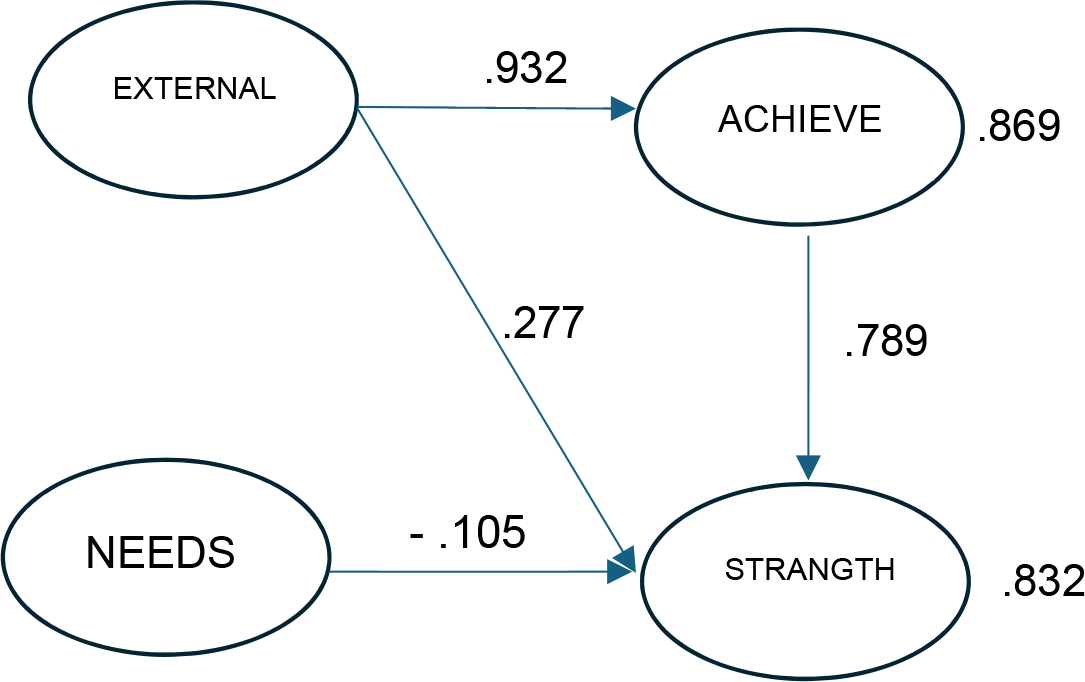
Chi-Square = 3260, df = 2479, Relative Chi-Square = 1.315, CFI = 0.998, NFI = 0.992, PNFI = 0.962, RMSEA = 0.040.
In contrast, needs demonstrate an unexpected negative influence on empowerment (β = -0.105, p < 0.01), despite being theoretically recognized as a foundation for empowerment processes. This suggests that higher levels of perceived needs—whether at the national or community level—may signal deficits that hinder empowerment unless adequately addressed. The R2 value for strengthening empowerment is 0.932, indicating that external factors, needs, and achievement together explain a substantial proportion of the variance in empowerment outcomes. These results reinforce that empowerment cannot be driven by needs alone but requires the transformation of external support into tangible achievements. Thus, while needs provide direction, it is the combination of external factors and achievement that ensures sustainable empowerment pathways.
The structural equation modeling (SEM) results as Figure 1 and Table 2 demonstrate that the proposed model has strong explanatory power. The coefficient of determination (R2) indicates that External Factors explained 86.9% of the variance in Achievement (R2 = 0.869), suggesting that external conditions play a substantial role in promoting achievement among participants. Furthermore, External Factors, Needs, and Achievement jointly explained 93.2% of the variance in Strengthening Empowerment (R2 = 0.932), indicating that the model provides a high level of predictive accuracy for empowerment outcomes. The overall model fit was satisfactory, as evidenced by the fit indices (χ2/df = 1.315, CFI = 0.998, NFI = 0.992, PNFI = 0.962, RMSEA = 0.040), which suggest a good fit between the proposed model and the observed data.
Regarding the structural relationships, External Factors had a strong positive direct effect on Achievement (β = 0.932, p < .01). In addition, Achievement exerted a significant positive effect on Strengthening Empowerment (β = 0.789, p < .01), indicating that higher levels of achievement contribute to greater empowerment. External Factors also showed a significant direct effect on Strengthening Empowerment (β = 0.277, p < .01) and a substantial indirect effect through Achievement (β = 0.735, p < .01), resulting in a strong total effect (β = 1.012, p < .01). Conversely, Needs demonstrated a small but significant negative effect on Strengthening Empowerment (β = −0.105, p < .01), suggesting that greater unmet needs may reduce empowerment. These findings highlight the critical role of external support and achievement in fostering empowerment, while unmet needs may act as barriers to empowerment development.
In contrast, needs demonstrate an unexpected negative influence on empowerment (β = -0.75, p < 0.01), despite being theoretically recognized as a foundation for empowerment processes. This suggests that higher levels of perceived needs—whether at the national or community level—may signal deficits that hinder empowerment unless adequately addressed. The R2 value for strengthening empowerment is 1.00, indicating that external factors, needs, and achievement together fully explain the variance in empowerment outcomes. These results reinforce that empowerment cannot be driven by needs alone but requires the transformation of external support into tangible achievements. Thus, while needs provide direction, it is the combination of external factors and achievement that ensures sustainable empowerment pathways.
External factors influence strengthening empowerment
The results of the structural equation model (SEM) provide compelling empirical evidence supporting Hypothesis 1 (H1), which posits that external factors significantly influence the enhancement of empowerment. The findings indicate that external factors—including political, economic, social, technological, environmental, and legal dimensions—exert both direct and indirect effects on empowerment outcomes. The substantial path coefficients, with a value of 0.932 from external factors to achievement and 0.789 from success to strengthening empowerment, illustrate that empowerment is not attained in isolation but is mediated through mechanisms of organizational success. Key dimensions such as strategy, organizational structure, and communication style exhibited high factor loadings, underscoring the mediating role of institutional effectiveness in converting external conditions into sustainable empowerment outcomes.
These results align with the principles of structural empowerment theory, which highlights the importance of access to resources, information, and supportive leadership in shaping the capacity of individuals and organizations to act (Luciano, Mathieu, and Ruddy 2014). The model’s emphasis on the significance of social, technological, and environmental factors resonates with prior research indicating that external environments serve as a foundational basis for empowerment by facilitating participation, skill development, and resilience-building (Montero 2009; Mangundjaya 2014).
The analysis suggests that empowerment initiatives should take into account external contexts in conjunction with internal processes. Policies, governance structures, and legal protections emerge as fundamental drivers of empowerment, promoting inclusivity and sustainability (He and Tang 2024; Gisselquist 2018). Ultimately, this study emphasizes that the enhancement of empowerment results from a dynamic interplay between external environments and organizational success factors, thereby reaffirming the critical role of external structures in fostering efficiency, sustainability, and long-term empowerment. Additionally, this finding benefits volunteer networks by demonstrating that access to resources, leadership support, and institutional frameworks enhance efficiency and sustainability, enabling volunteers to collaborate effectively, build resilience, and achieve long-term community development objectives.
Achievement role mediates between external factors and strengthening empowerment
The findings provide robust support for H2, demonstrating that achievement role mediates the relationship between external factors and strengthening empowerment through both structural model validation and empirical coefficients. External factors strongly predict achievement (β = 0.932, R2 = 0.869), indicating that contextual supports including political, economic, social, technological, environmental, and legal influences are essential in shaping achievement roles. However, external interventions alone do not directly yield empowerment; rather, they stimulate individuals’ achievement orientation, which becomes the critical pathway through which empowerment is realized.
The SEM results reveal partial mediation, as external factors exerted both a significant direct effect on strengthening empowerment (β = 0.277) and a stronger indirect effect through achievement (β = 0.735). This finding suggests that achievement serves as the primary mechanism through which external factors are translated into sustainable empowerment outcomes. This indicates that empowerment outcomes are multidimensional, shaped by the complex interplay of external structures, individual needs (β = -0.105), and achievement roles. Consistent with prior literature, achievement operates as the psychological mechanism that transforms structural supports into internalized empowerment (Ching 2012; Chen et al. 2019; Kirkman and Rosen 1999). The mediation role of achievement is further validated by high factor loadings across achievement dimensions, including strategy (0.89), organizational structure (0.83), communication style (0.80), and shared values (0.80), demonstrating that success mechanisms serve as channels transforming external conditions into sustainable empowerment outcomes. This mediating function explains why empowerment is more sustainable when accompanied by organizational effectiveness, as external support gains lasting impact only when embedded into organizational strategies, structures, and systems (Luciano, Mathieu, and Ruddy 2014; Mangundjaya 2014). The model illustrates that achievement amplifies empowerment by linking personal motivation with contextual opportunities, ensuring that empowerment is not only immediate but also sustainable through capacity-building and agency that endure over time (Triatmanto et al. 2018; Tiwari 2022; Kholida et al. 2024). Model fit indices (CFI = 0.998, RMSEA = 0.040) confirm the robustness of this mediated relationship, emphasizing that empowerment programs must embed achievement-oriented opportunities to enable individuals to convert external provisions into meaningful personal and professional growth (Chang et al. 2010; Liu & Ren 2021; Aliakbari & Amoli 2016).
Needs influence strengthening empowerment
The SEM results indicate that Needs significantly influence Strengthening Empowerment, but not in a straightforward positive manner. The latent Needs construct—driven by National (λ = 0.84) and Community needs (λ = 0.76)—shows high mean scores (national = 4.06, community = 3.98; overall = 4.02) and acceptable reliability (CR = 0.778, AVE = 0.635). Despite these high scores, the standardized path from Needs to Strengthening Empowerment is negative and substantial (β = -0.105), suggesting that greater reported needs are associated with lower perceived empowerment. This pattern can be interpreted in two complementary ways. First, higher “needs” scores may reflect salient, unmet deficits: when needs are prominent but unfulfilled, individual and community agency is weakened—consistent with theoretical work linking resource deficits and low institutional support to reduced empowerment (Christens 2019). Second, the negative coefficient may reflect model dynamics in which Needs covary strongly with External Factors (r = 0.82); without translation into concrete achievements or organizational supports, needs alone indicate vulnerability rather than capability (Schulz et al. 1995; Eisman et al. 2016).
Practically, this finding implies that need identification must be paired with capacity-building pathways: policy and practice should convert identified needs into targeted achievements (training, resources, governance) to generate empowerment (Triatmanto et al. 2018; Kumar et al. 2020). Robust model fit (CFI = 0.998, RMSEA = 0.040) supports these interpretations, but longitudinal and intervention studies are recommended to confirm causality and test whether reducing unmet needs while fostering achievement produces sustained empowerment. Future research should test interventions converting needs into measurable empowerment outcomes effectively.
Based on the statistical analysis and theoretical framework, this study reveals significant insights into environmental volunteer network empowerment. The achievement model (R2 = 0.869) demonstrates that external factors strongly influence volunteer outcomes, with a total effect of 0.932 indicating robust positive relationships between external support and volunteer achievement levels.
The strengthening empowerment model demonstrates a very high level of explanatory power (R2 = .932), indicating that external factors, achievement, and needs explain a substantial proportion of the variance in strengthening empowerment. Notably, while the total effect (1.012) indicates a strong overall positive association, the negative external needs coefficient (-0.105) suggests that excessive dependency on external resources may constrain self-sufficiency. However, the strong achievement component (0.789) confirms that volunteer accomplishments significantly contribute to empowerment strengthening.
These findings align with Thailand’s environmental volunteer networks, where initiatives like Trash Hero Thailand demonstrate how community-driven approaches, supported by strategic external partnerships, create sustainable empowerment. The data validates that achievement serves as a crucial mediator, transforming external support into lasting community capacity while maintaining autonomy and resilience in environmental conservation efforts.
According to result findings above, there are 2 aspects have been recommented as:
First, theoretical Aspect
Integrated Empowerment Framework Development: Future research should develop comprehensive theoretical models that balance external support with community autonomy. Given the negative coefficient (-0.105) for external needs dependency, theories must address the empowerment paradox where excessive external reliance can undermine self-sufficiency. A multi-dimensional framework incorporating social capital theory, community resilience models, and participatory development approaches should be established. This framework should emphasize transformational leadership theories that enable volunteers to transition from recipients to autonomous change agents. Research should also integrate systems thinking approaches to understand dynamic interactions between external factors, achievement outcomes, and empowerment processes, ensuring theoretical models capture the complexity of volunteer network development.
Second, implementation in Future Aspect, there are three dimens as:
a) Achievement-Driven Empowerment Strategy: Based on the strong achievement coefficient (0.869) in the empowerment model, implement systematic achievement recognition and documentation systems that translate volunteer accomplishments into tangible empowerment outcomes. Establish milestone-based progression frameworks where volunteers advance through capability levels, ensuring each achievement reinforces their sense of agency and expertise. Create achievement showcases and peer learning platforms where successful environmental outcomes are shared across networks, amplifying the empowerment effect of individual and collective accomplishments.
b) Balanced External Support Model: Given the perfect explanatory power (R2 = 0.932) yet negative external dependency (-0.105), design graduated support withdrawal mechanisms. Implement “empowerment ladders” where external assistance systematically decreases as networks demonstrate increased achievement levels and self-sufficiency. Establish partnership agreements with time-bound external support phases, ensuring networks develop internal capacity rather than dependency. Create buffer mechanisms that provide emergency external support while maintaining network autonomy.
c) Continuous Monitoring and Adaptation: Deploy real-time strengthening empowerment measurement tools tracking the balance between external support, achievement levels, and autonomous decision-making capacity. Implement adaptive management protocols that adjust support intensity based on network maturity and achievement demonstrated capacity, ensuring sustainable long-term empowerment in environmental volunteer networks.
We confirm that written informed consent was obtained from all participants prior to their involvement in the study. Participants were informed about the research objectives, procedures, potential risks and benefits, and their right to withdraw at any time without consequences. All participants voluntarily signed a written consent form to indicate their agreement to participate. They were also assured that the information provided would be used strictly for research purposes, that their identities would remain confidential, and that all data would be anonymised during analysis and reporting.