Просмотр новости
Найдите то, что Вас интересует
 Спутники
 РН
РН SpaceX
 Роскосмос
 NASA
NASA
СпутникиРНSpaceXРоскосмосNASAAmong the shows revisiting individual artists is a two-hander on Carl Sprinchorn at the Ogunquit and Bates College art museums.
Autumn this year is apparently a time for retrospectives. Many, though not all, museums in the state are focusing their curatorial energies on revisiting, reappraising — and at times recontextualizing — the work of individual artists. The most comprehensive, arguably, is the doubleheader on Carl Sprinchorn, which began at the Ogunquit Museum of American Art in early August and continues through November 1 and overlaps with another Sprinchorn retrospective at Bates College Museum of Art (Oct. 1 through Dec. 19). But we have the extraordinary monumental landscapes and cityscapes of Joel Babb at the Farnsworth, Sascha Braunig’s feminist paintings at the Portland Museum of Art, and two artists — contemporary Black painter Tim McFarlane and the late artist Jon Schueler — at the Zillman in Bangor.
Abbe Museum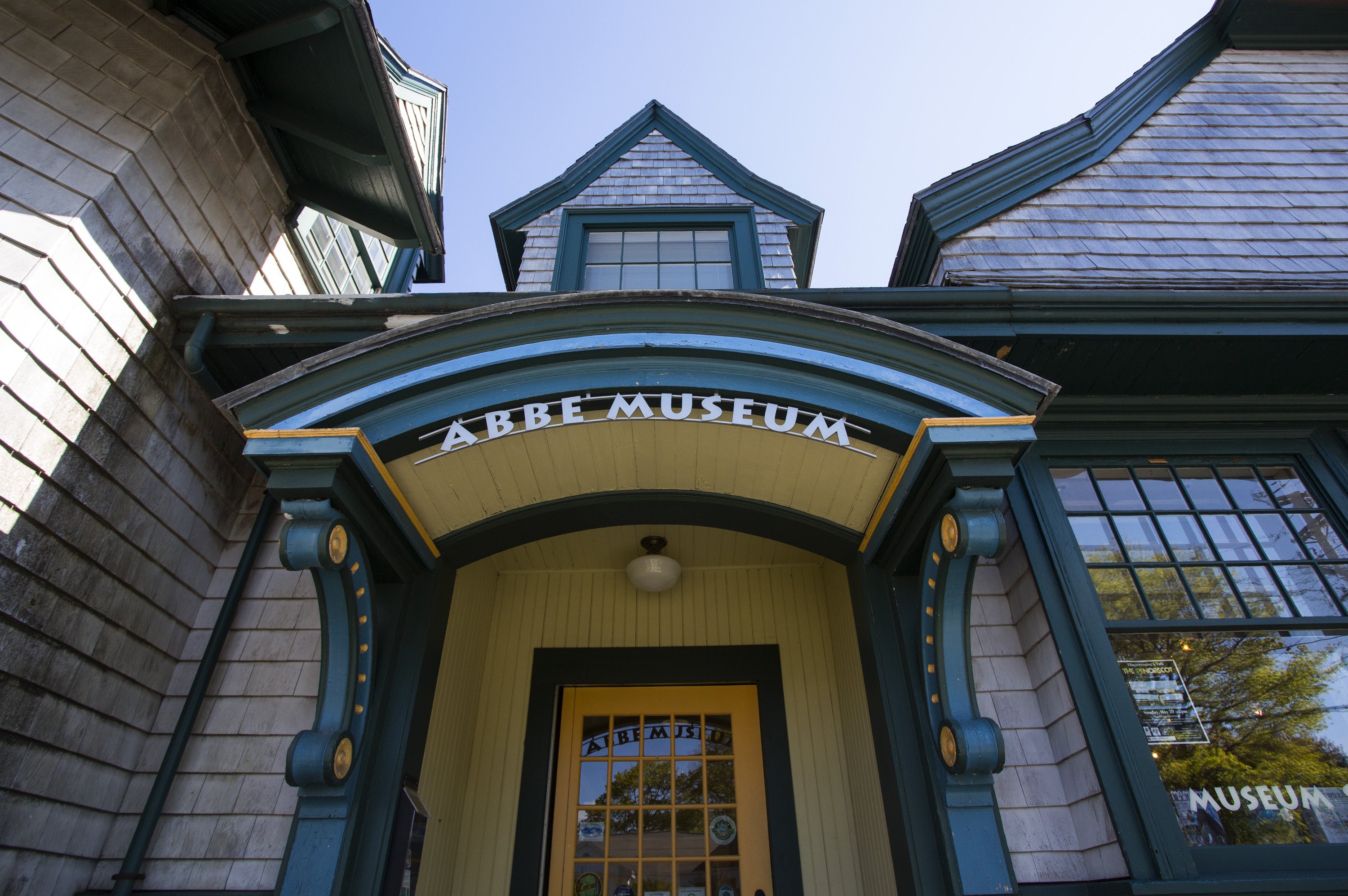 The Abbe Museum in Bar Harbor (Derek Davis/Staff Photographer)
“Holding the Light: Contemporary Wabanaki Photography” and “In the Shadow of the Eagle” (both through October), 26 Mt. Desert St., Bar Harbor, abbemuseum.org, 207-288-3519
The Abbe is a seasonal museum, so you have through the end of October to see these two wonderful exhibitions. “Holding the Light” finds many fine Indigenous photographers —including Maya Tihtiyas Attean, Danikah Chartier, Jared Lank, and Lokotah Sanborn — turning their cameras on themselves and their lives. “Eagle” is a very important show that illuminates multiple issues faced by Indigenous people in the U.S. It includes multiple media and the creative visions of over 20 artists.
Bates College Museum of Art“Carl Sprinchorn: Points of View” (Oct. 1 through Dec. 19), 72 Russell St., Lewiston, bates.edu/museum, 207-786-6158
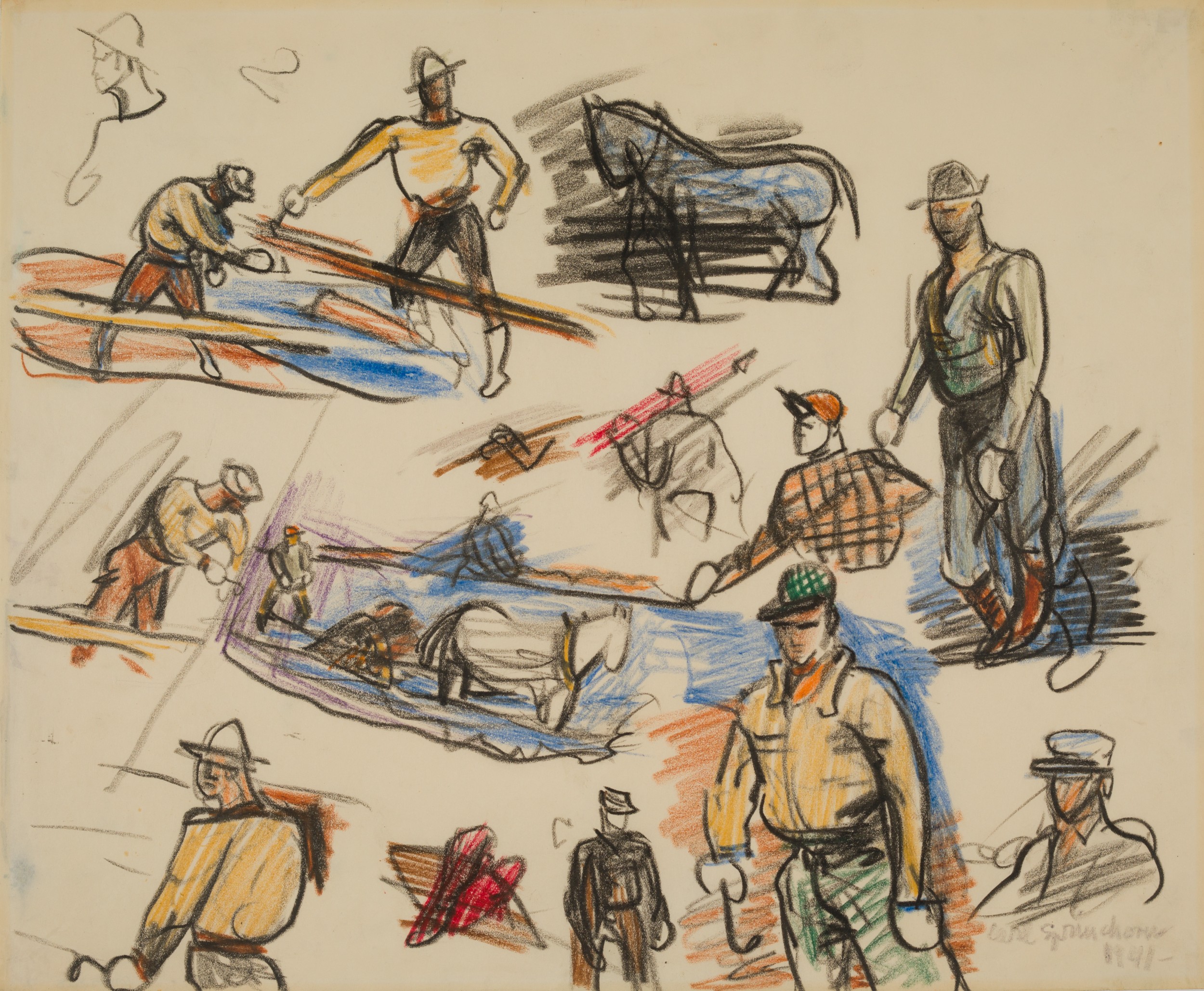 Carl Sprinchorn, “Twitchers at Jerry’s Landing,” May 10-14, 1941, crayon on paper. (Image courtesy of Bates College Museum of Art, gift of the Carl Sprinchorn Admiration Society)
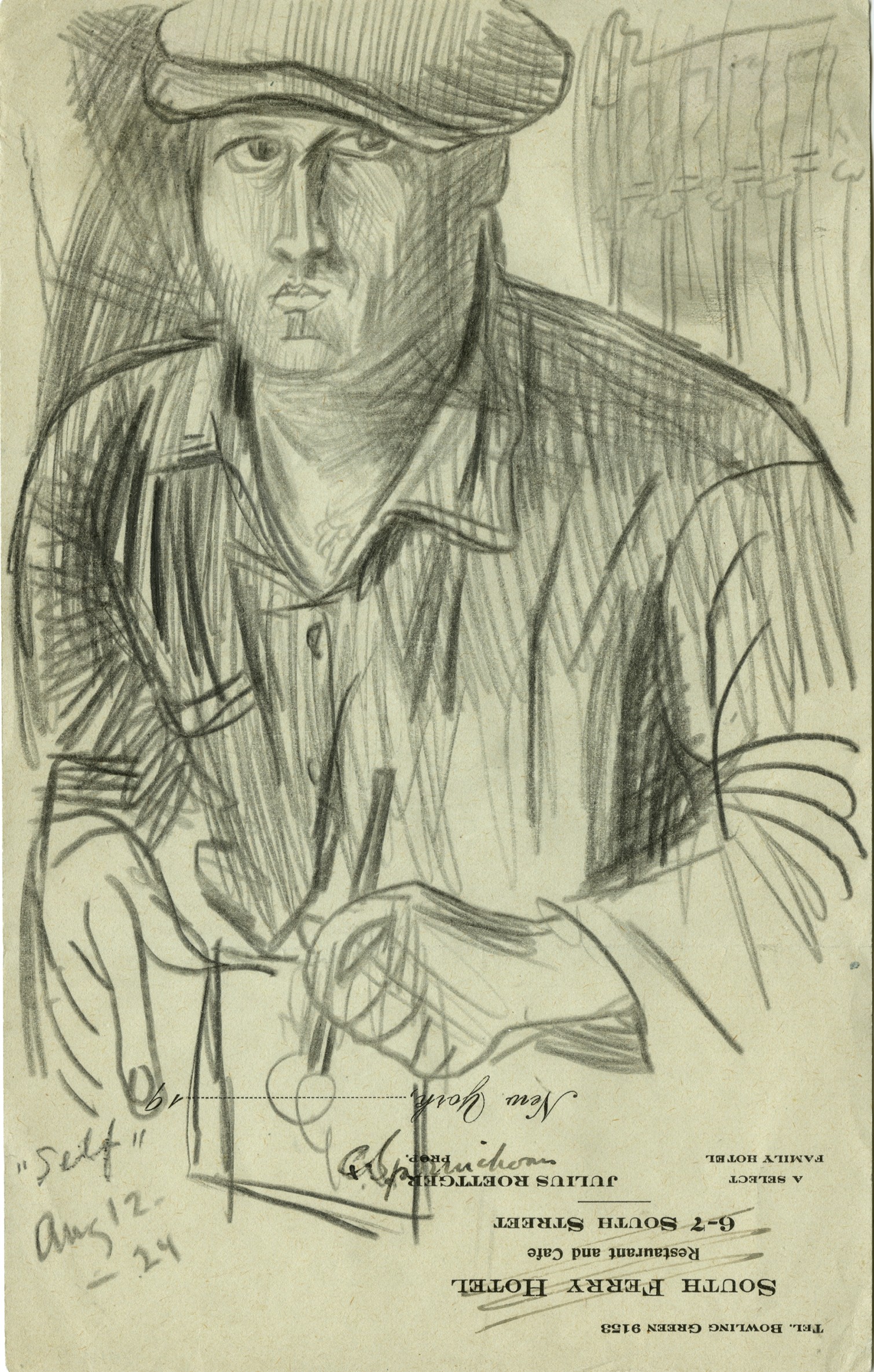 Carl Sprinchorn, “Self-Portrait on Hotel Stationery,” August 12, 1924, graphite on paper. (Image courtesy of Bates College Museum of Art, gift of the Carl Sprinchorn Admiration Society)
An essential Part II to the Ogunquit show (see below), here you’ll find over 70 drawings, pastels, watercolors and paintings by this under-recognized contributor to the history of modernism. Through this exhaustive survey we can perhaps understand that his reappraisal has something to do with the fact that he was tackling issues that are, arguably, even more pressing today than they were then: the denuding of the environment, homosexuality (and by extension gender fluidity), immigration and labor.
Bowdoin College Museum of Art“Healing in Apartheid South Africa: Michael Goldblatt’s Photographs of the Alex Clinic” (through Feb. 7, 2027), 255 Maine St., Brunswick, Bowdoin.edu/art-museum, 207-725-3000
All of the college’s current shows are up for a long time for the moment, probably awaiting the appointment of new directors in the wake of the departure of Anne Collins Goodyear and Frank Goodyear, who are moving on to other projects. The latest to open feels particularly timely after the closing of USAID, the government-funded agency defunded and shuttered by the Trump Administration, which brought lifesaving medicine, food, clean water, farmer assistance and other services to challenged economies across the globe. Goldblatt’s photos chronicle Johannesburg’s Alex Clinic in Alexandria Township in the 1980s. We see photos of women breastfeeding, a worker giving a condom demonstration, a woman distributing polio vaccines. This is the first time these photos have been exhibited.
Center for Maine Contemporary Art“Because the Sky Is Blue” (Oct. 2-Jan. 17), 21 Winter St., Rockland, cmcanow.org, 207-701-5005
 Bo Bartlett, “Blue Sky, September 11, 2012, Wheaton Island, Maine,” 2012, oil on panel. (Image courtesy of the artist and the Bo Bartlett Center)
The CMCA is the biggest exception to the retrospective shows popping up all over this fall. It can also be said to represent a new course being set for the institution by its recently appointed curator, Grant Wahlquist, who clearly intends to widen the museum’s parameters. This show’s core is Bo Bartlett’s “blue sky paintings,” which he made in response to the terrorist attacks of 9/11, an event that took place on a seemingly perfect day. Wahlquist brings in a bevy of other artists, including Mainers like Julie Poitras Santos, but also non-Maine voices — Clémentine Adou, Wilfrid Almendra, Vija Celmins, Sharon Lockhart, Glenn Ligon, Miao Wang, among others — in conversation with Bartlett’s works.
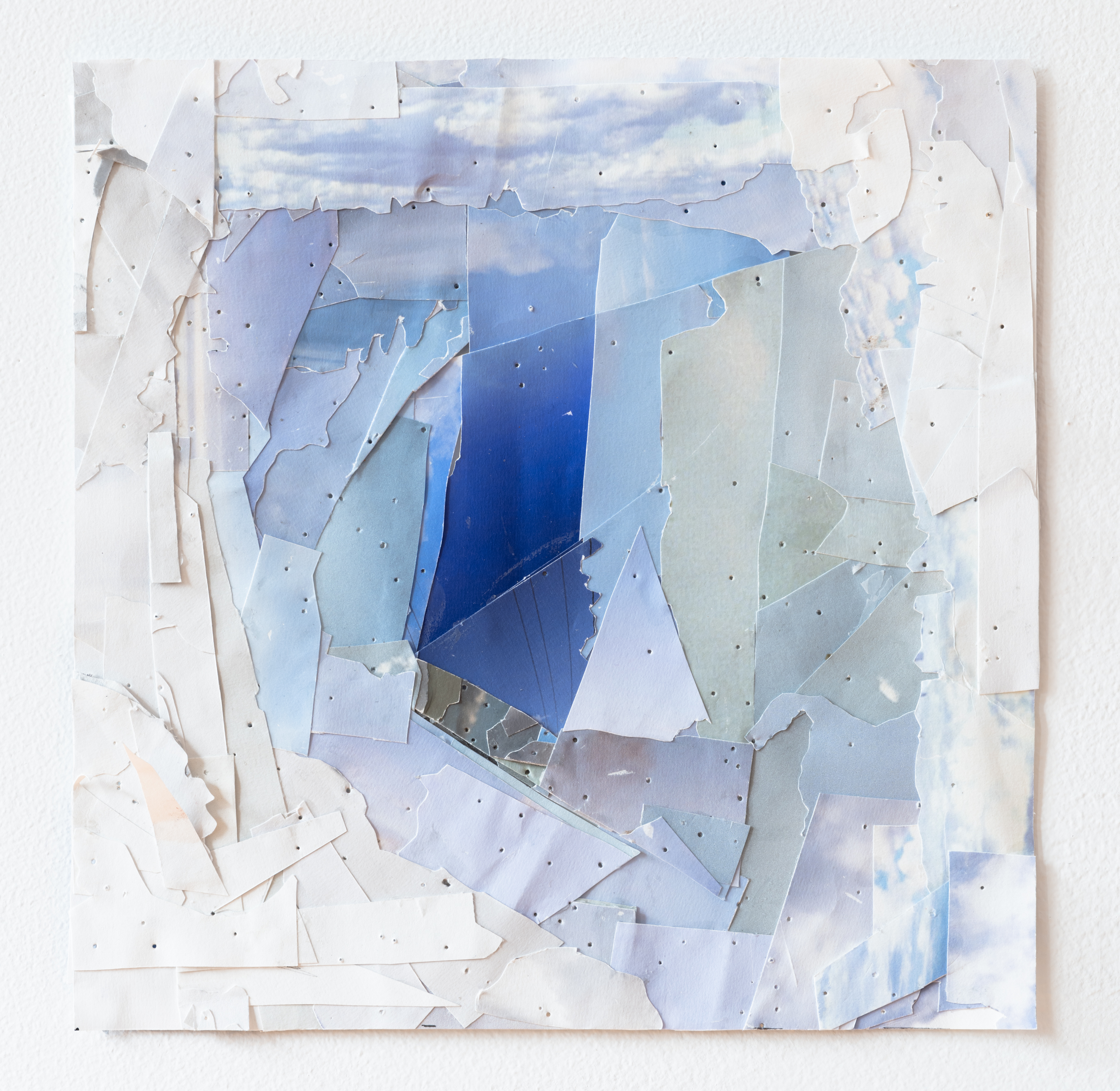 Selena Kimball, “Atlas of Air, fig. 33,” 2021, collaged pigment prints on Hahnemühle rice paper. (Image courtesy of the artist and Ulterior Gallery)Colby Museum of Art
“Why Look at Horses?” (Sept. 17-Mar. 14, 2027), 5600 Mayflower Hill Drive, Waterville, museum.colby.edu, 207-859-5600
This could be considered a retrospective of sorts. Instead of one about an artist, it is a look at the history of horses through photos, drawings, prints and video from the 19th century to the present. We see the equine’s trajectory through symbol of war, scientific inquiry, and “vessel for memory, mythology, and identity.” Works include Eadweard Muybridge’s “Elberon” trotting, saddled (a collotype plate from Animal Locomotion, 1887), a Margaret Bourke-White photo of plow horses from 1936-37 and Merina [Pop Chalee] Lujan’s fanciful depiction of a “Yellow Horse.”
Farnsworth Art Museum“Shifting Visions: Joel Babb’s Painted Universe” (through Jan 31, 2027), 16 Museum St., Rockland, farnsworthmuseum.org, 207-596-6457
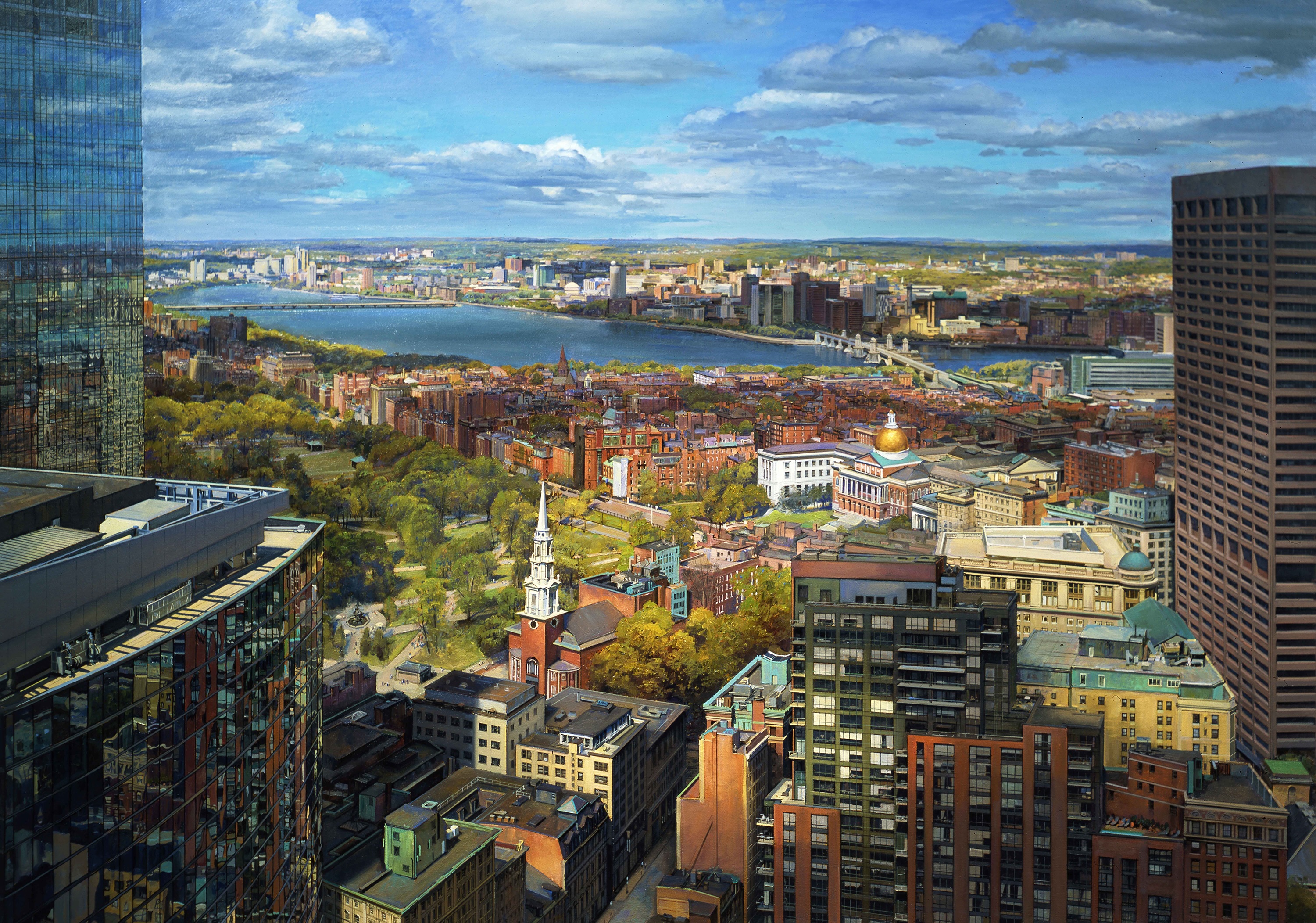 Joel Babb, “Church and State, Boston,” 2018, oil on linen. (Image courtesy of the artist)
A knee-jerk reaction to the work of Joel Babb would be to call it “hyperrealist.” It’s true that his images of the Maine woods and the sprawling cityscapes of Boston team with minute detail — and on a “wow” scale that will knock you over. But these 12 paintings, when you look closely, seem to be dissolving into memory as we view them, the light wavering before it moves on or disappears completely, the Old North Church steeple and the Massachusetts State House gleaming in their mythologies of separateness before both fade into the détente of darkness. Babb is a painter of great affect on a monumental scale.
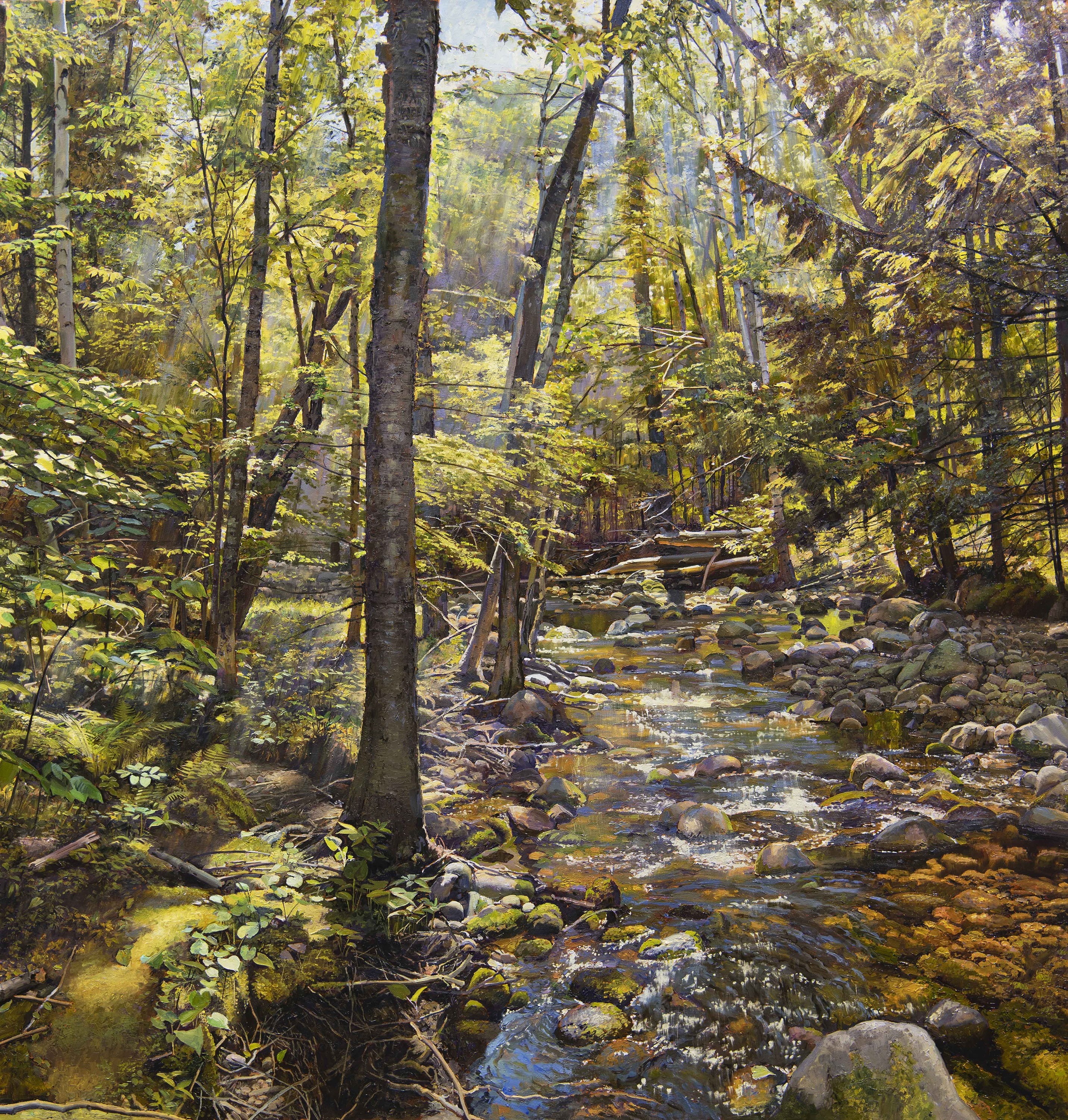 Joel Babb, “A Sunlit Brook, Wight Brook, Grafton Notch, Maine,” 2022, oil on linen. (Image courtesy of the artist)Institute of Contemporary Art
“Dear Data,” (Oct. 2-Dec. 13), 522 Congress St., Portland, meca.edu/ica, 207-699-5029
This promises to be one of the more thought-provoking — and possibly controversial — exhibitions of the season. It examines the ubiquity of algorithmic systems “built by corporations whose priorities carry no obligation to the social values of the people routed through them.” The artists, says the exhibition statement, explore “how databases can preserve lost and overlooked histories while also reckoning with generative software that fills gaps in our recollection with fabricated memories,” among other themes. And it asks us to question “the consequences of leasing our selves to our screens.”
Maine Jewish Museum“Sara Crisp: New Work” and “Rosalba Breazeale: Poems from Kay Pacha,” both (through Oct. 29), 267 Congress St., Portland, mainejewishmuseum.org, 207-773-2339
Crisp creates work from flowers and other plants she grows, which she arranges on a surface and usually covers with encaustic. This exhibition of her latest work continues this theme, finding in flowers what she describes as “resilience, adaptation, and transformation … living reminders that change can happen gently and persistently, reshaping the world over time.” Breazeale works with photosensitive papers that they treat and bury in the ground so that the lifeforms there can record ancient wisdom and knowledge onto them. Kay Pacha is a Quechua term meaning “all living beings between earth and sky in this space and time.” What is transferred to these light-sensitive materials, then, is their poetic presence, facilitated by an artist who describes themself as “a human member of the Peruvian, Ashkenazi and Sephardic diasporas.”
Maine MILL (Museum of Innovation, Learning and Labor)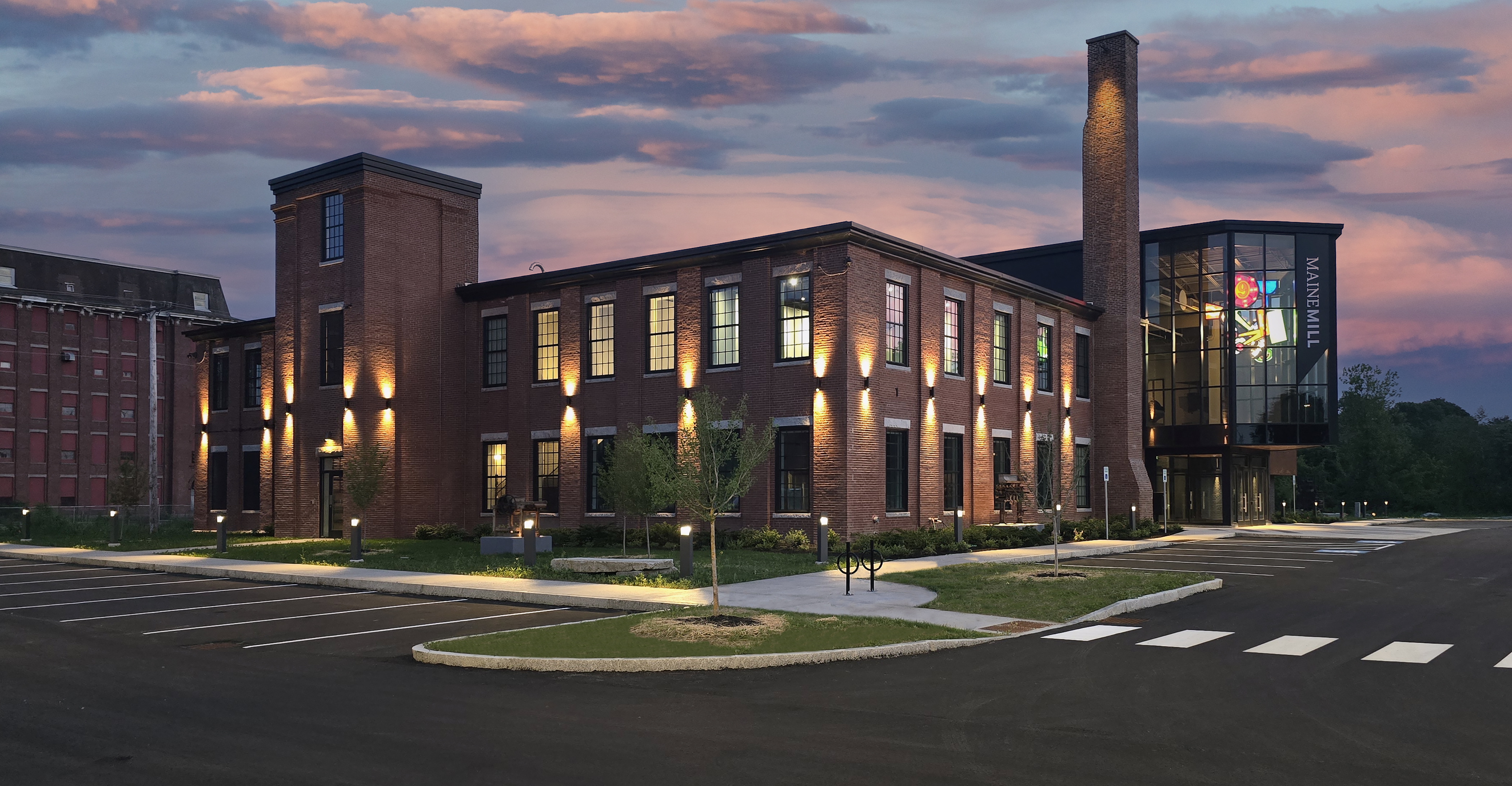 The Maine MILL building in Lewiston. (Photo courtesy of Maine MILL)
“A Common Bond: The Brick Journal” (through Oct. 25) and “(E)mergence” (Nov. 13-Apr. 4, 2027), 1 Beech St., Lewiston, mainemill.org, 207-333-3881
This museum recently moved into its new home, a stunning modern structure attached to one of the city’s many mill buildings. Aside from rotating exhibits about the various industries of Lewiston (including brick, shoes and textiles), the inaugural exhibition uses the work of contemporary artists to connect craft, labor, community and industry through this humble brick. Next up is “(E)mergence,” a partnership with the Indigo Arts Alliance that will present the work of four Indigo alums that will interrogate how textile production impacts industrialization, labor and the environment. The work will encourage us to ask questions about our own relationship to clothing, textile goods and the plants from which they derive.
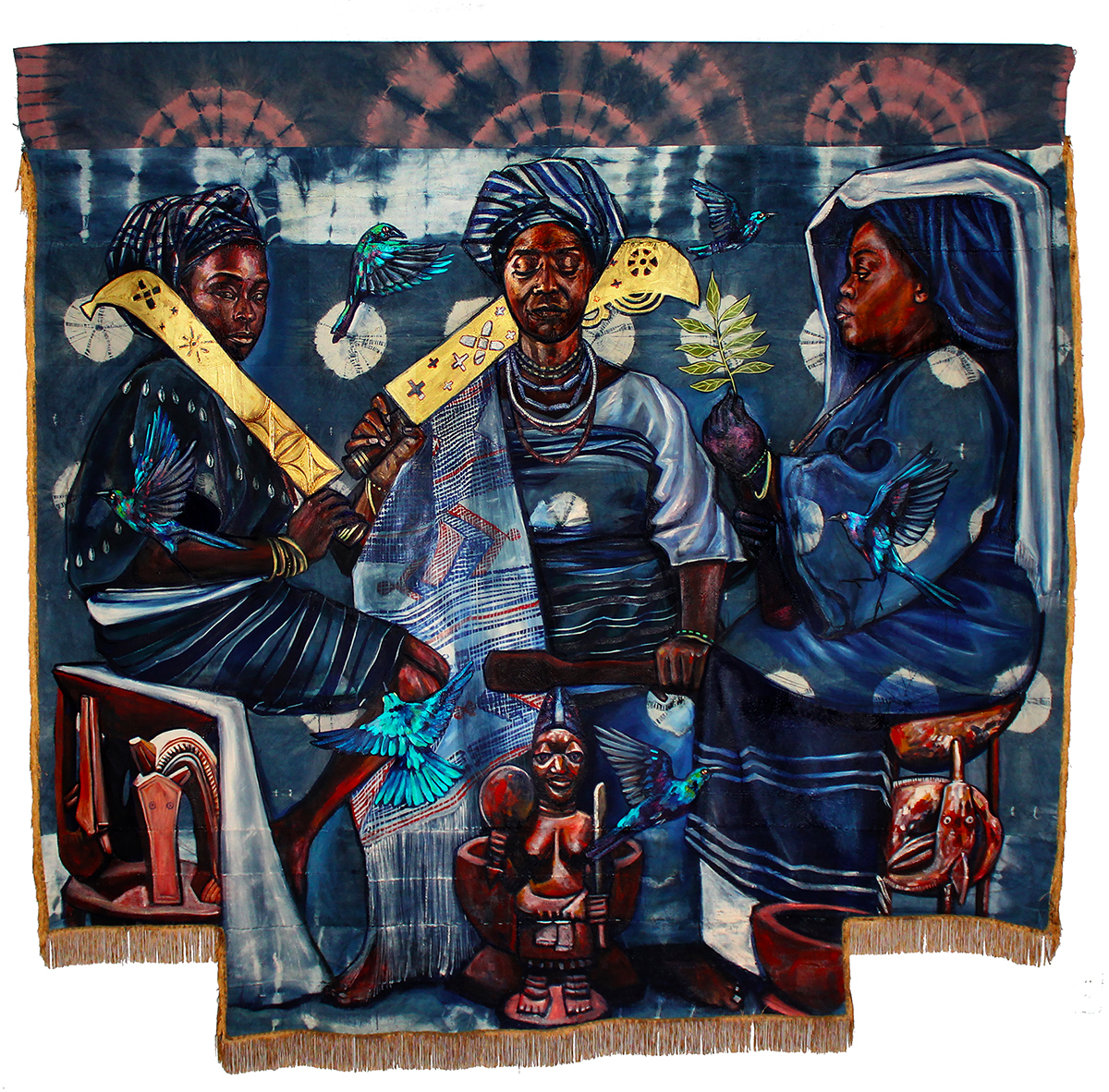 Stephen Hamilton, “Awon Iya Alaye: The Owners of the Earth,” 2020, acrylic, natural dyes, pigments on wood, hand-dyed muslin, and handwoven cotton cloth. (Image courtesy of Maine MILL)Ogunquit Museum of American Art
“Carl Sprinchorn: All the World Is a Painting” (through Nov. 1), 543 Shore Road, Ogunquit, ogunquitmuseum.org, 207-646-4909
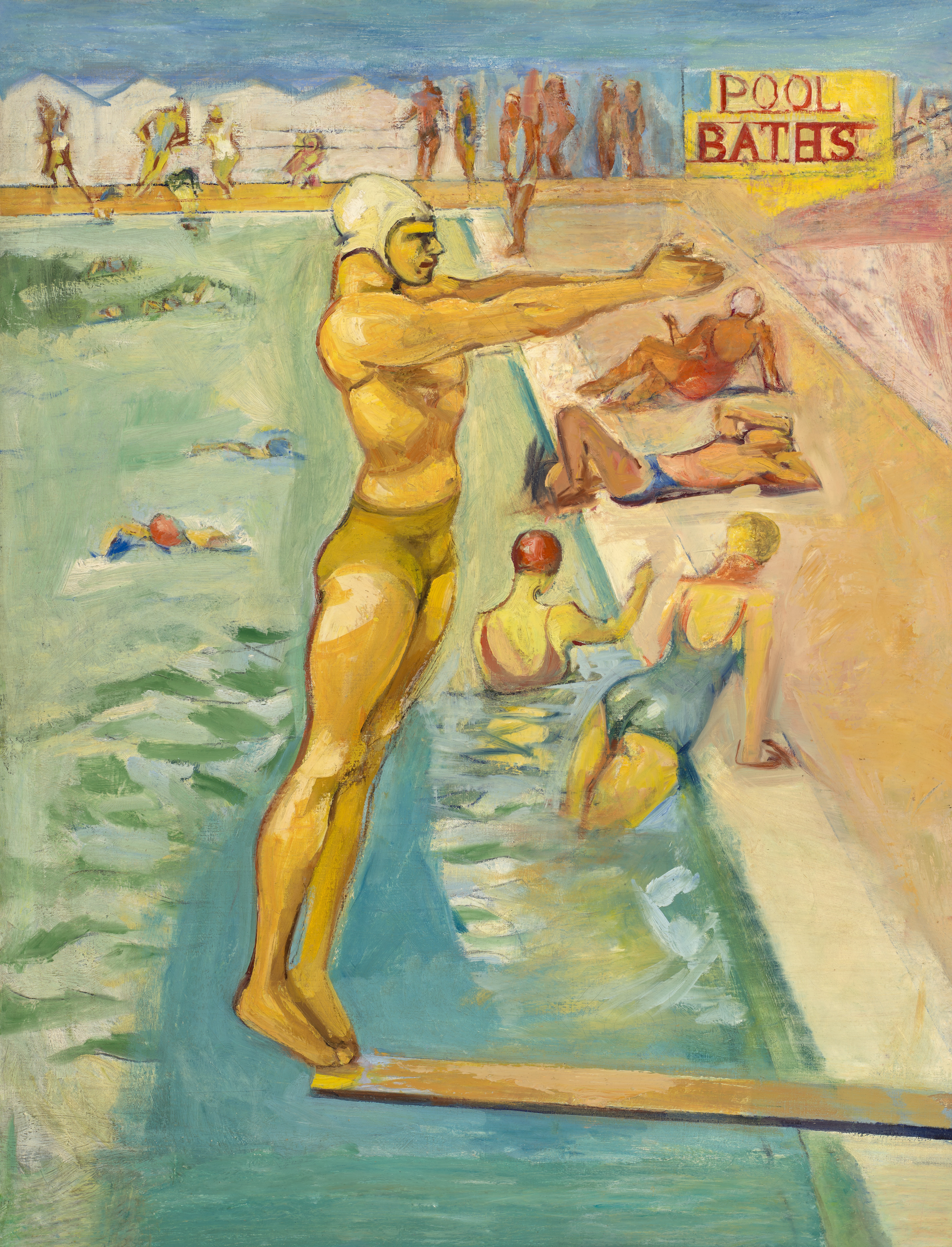 Carl Sprinchorn, “The Diver – Coney Island,” 1934, oil on canvas. (Photo by Luc Demers, Collection of Roy Goldberg and Keith Sherman)
It’s interesting to contemplate why some artists go unrecognized while others in their cohort apotheose into immortality. Sprinchorn — Swedish-born, who arrived here in 1903 and eventually fell in with the likes of Charles Demuth, Marsden Hartley, the Zorachs and the feminist painter, theatrical designer and saloniste Florine Stettheimer — suffered this fate. It’s not likely because he was not formally trained (he was a student of none other than Robert Henri), foreign (behold Duchamp, Gorky, Mondrian, et al.) or openly gay (so were Demuth and Hartley). According to the exhibition statement, this show attempts to “contextualiz[e] his practice within wider discussions of modernism, queer history, environmental concern, and transnational artistic exchange.”
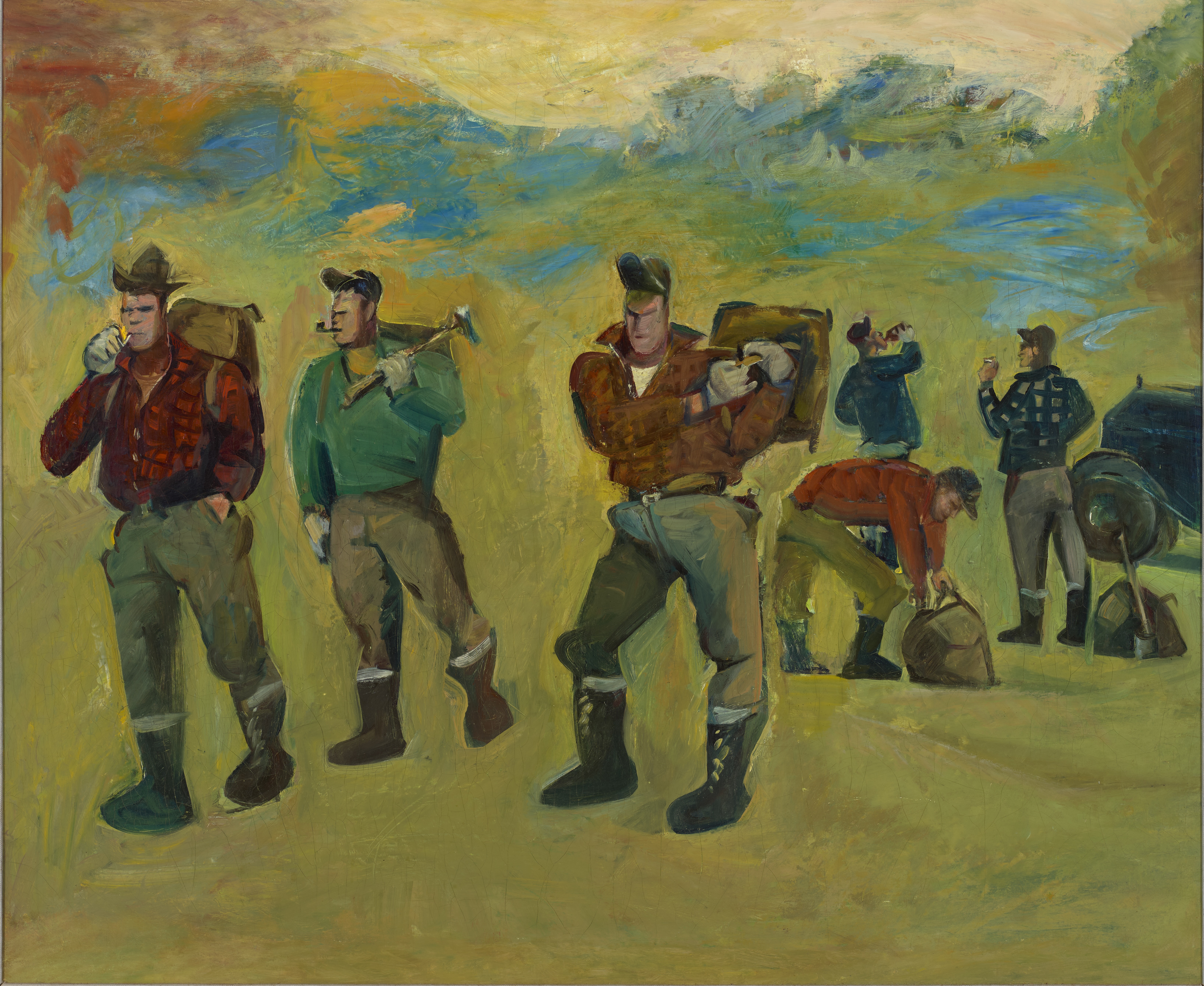 Carl Sprinchorn, “Lumberjacks, Shin Pond,” 1941, oil on board. (Photo by Luc Demers, Collection of Jay DeMartine)Osher Map Library Art Gallery
“Visceral Cartography: Projects on Colonialism, Conflict, and Culture by Dan Mills” (through Dec. 23), 314 Forest Ave., Portland, oshermaps.org, 207-780-4850
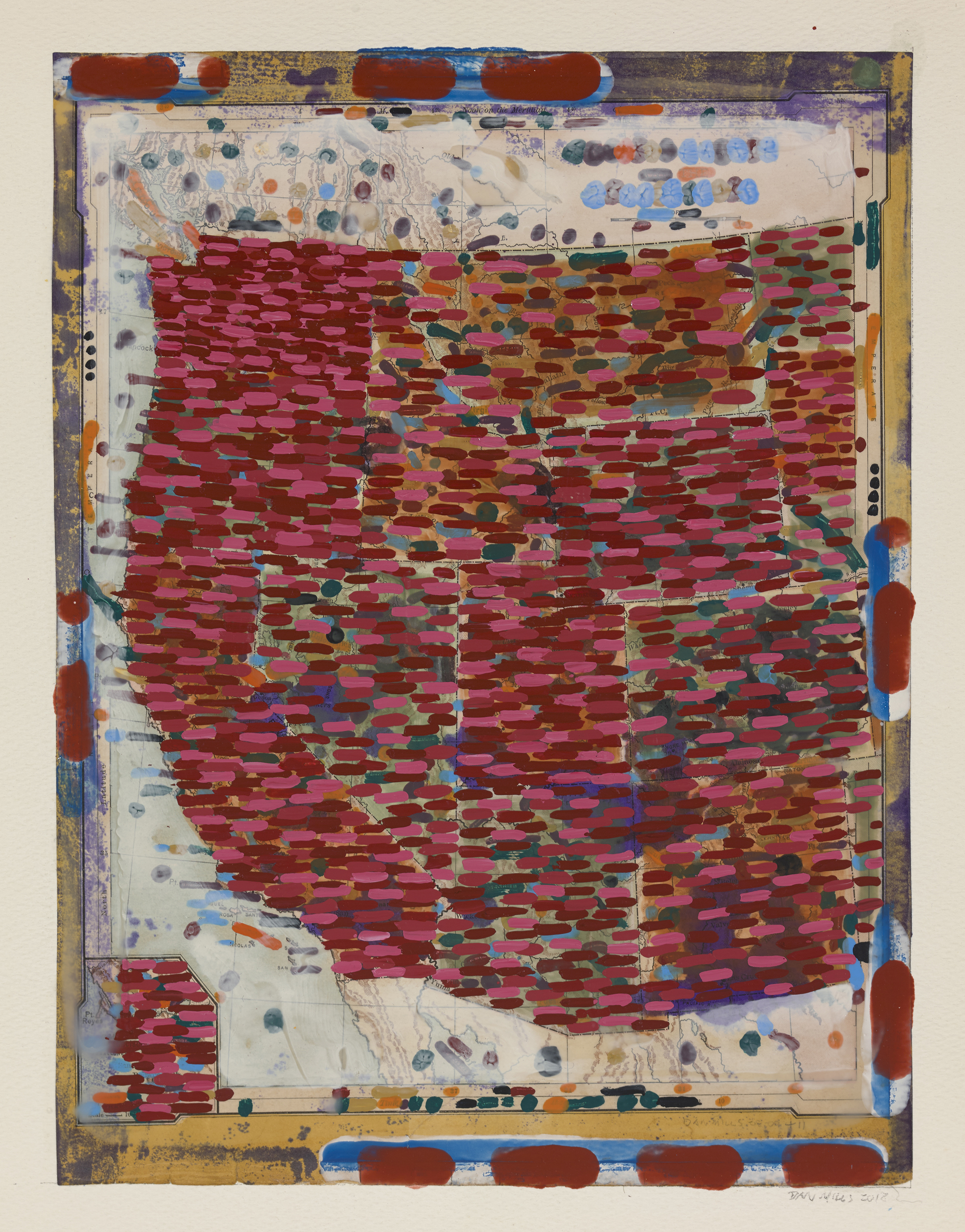 Dan Mills, “What’s in a Name? Western States (with the number of major geographic features named after indigenous people & words marked with red),” 2018, acrylic, ink on printed paper. (Photo courtesy of Osher Map Library, What’s in a Name Series)
 Mills uses archival materials to “express historical events and reimagined narratives,” which he does by collaging sections of maps onto board or another substrate and painting areas while leaving others visible to intentionally reveal (and elucidate) place-based histories often lost, ignored or under-reported in traditional texts and/or mainstream media.
Portland Museum of Art“Sascha Braunig: Wrist Painter” (Nov. 13-Mar. 14, 2027), 7 Congress St., Portland, portlandmuseum.org, 207-775-6148
 Sascha Braunig, “Poseuses,” 2023, oil on linen over panel. (Image courtesy of PMA, Collection of Mark and Judy Bednar)
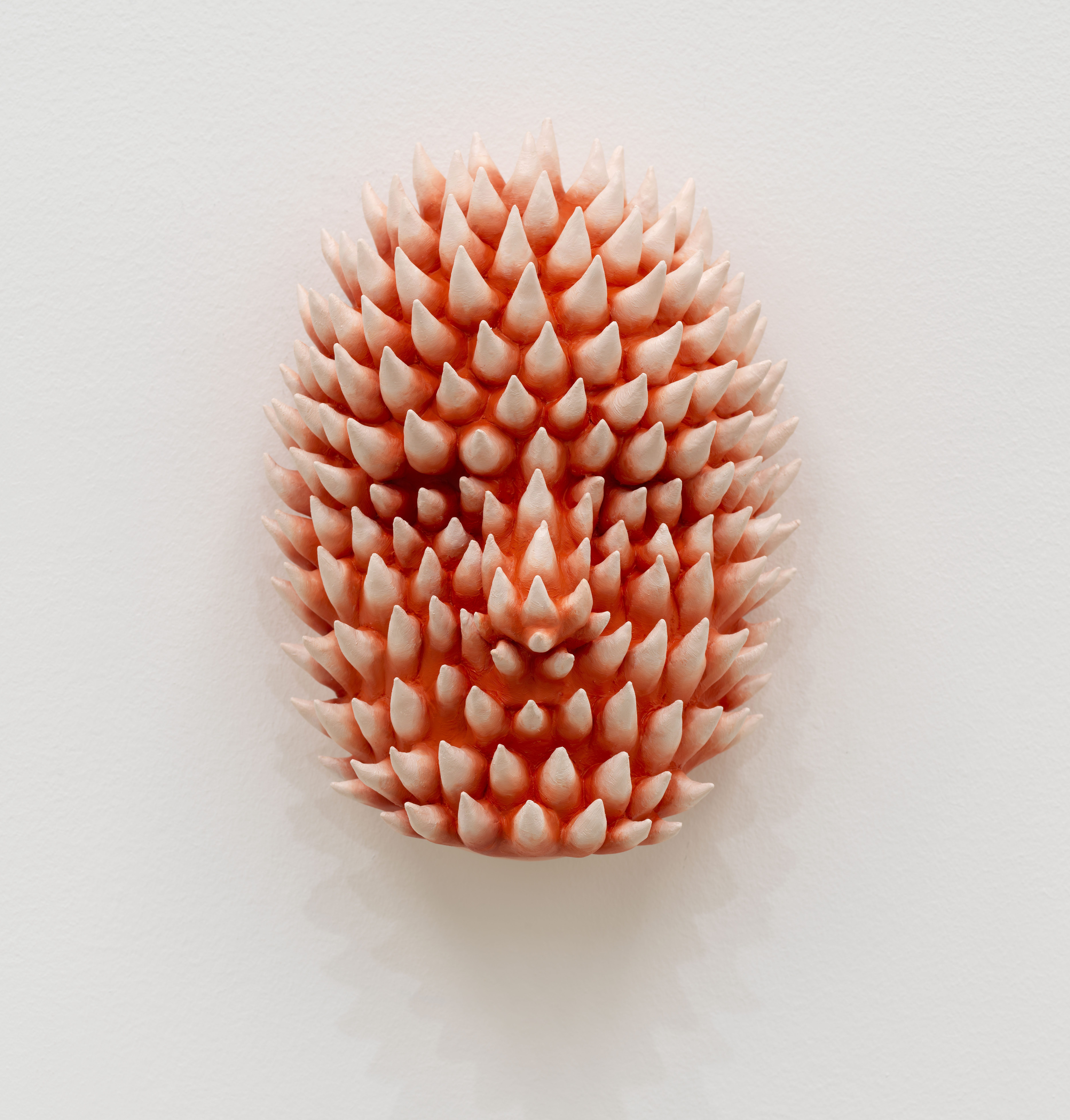 Sascha Braunig, “Chiton,” 2021, oil paint on cast bronze. (Image
 This midcareer retrospective promises to thrill those who know Braunig’s work and surprise those who do not. Though rooted in surrealism to some extent, Braunig’s highly individual style—which can appear digitally created in spite of the fact that it is actually painstakingly handmade—examines the female body and the pressures society exerts upon it: pushing it, pulling on it, disassembling it and otherwise trying to define and confine it.
University of New England Art Galleries (Portland)“Arrows and Operators: Visual Debates in Music” (through Nov. 1) and “Conduits of Care” (Nov. 20-Feb. 14, 2027), 716 Stevens Ave., Portland, library.une.edu/art-galleries, 207-602-3000
“Arrows” presents a 1963-67 graphic score by Cornelius Cardew (“Treatise) — an alternative way of visualizing sonic thought — juxtaposed with works by contemporary artists CF, Phillip Greenlief, Frank Mauceri and Lauren Tosswill. “Conduits” examines the community of support that arises between caregiving and art practice, with works by Maya Critchfield, Flor Cron, Elizabeth Jabar, Shon Mahoney and Yvonne Maiden.
University of New England Art Galleries (Biddeford)“Another Shore: Migration in Our Time” (through Oct. 25), 111 Hills Beach Road, Biddeford, library.une.edu/art-galleries, 207-602-3000
Sachiko Akiyama’s carved wood sculptures about journeys and transformation, M. Annenberg’s works dealing with the human impacts of global warming, and Flynn Donovan’s paintings about metamorphosis (as well as a text by Rwandan genocide survivor Anne Marie Mukankusi) all come together to explore the radical experience of migration and displacement.
University of Southern Maine Art Gallery“OverUnder” (Sept. 24-Dec. 5), Crewe Center for the Arts at 111 Bedford St., Portland, usm.maine.edu/gallery, 800-800-4876
In this exhibition, the work of two Portland-based artists, Rachel Gloria Adams and Rachel Sperry, examine themes of domesticity, loss, childhood and parenthood through manual techniques of weaving, quilting, stitching and appliqué — all of which, for them, prove to be effective and poignant ways of processing memory. Kat Zagaria’s curatorial statement invokes Buddhist monk Thich Nhat Hanh to talk about the preciousness of each fleeting moment we spend with loved ones. She asserts that “Giving form to that which is otherwise ephemeral — moments, feelings, memories—is … one of art’s roles,” something very much in evidence in these women’s work.
Zillman Art Museum“Tim McFarlane: Another Day, Another Way” and “Jon Schueler: Paintings & Drawings,” (Sept. 18-Dec. 12), 40 Harlow St. Bangor, zam.umaine.edu, 207-581-3300
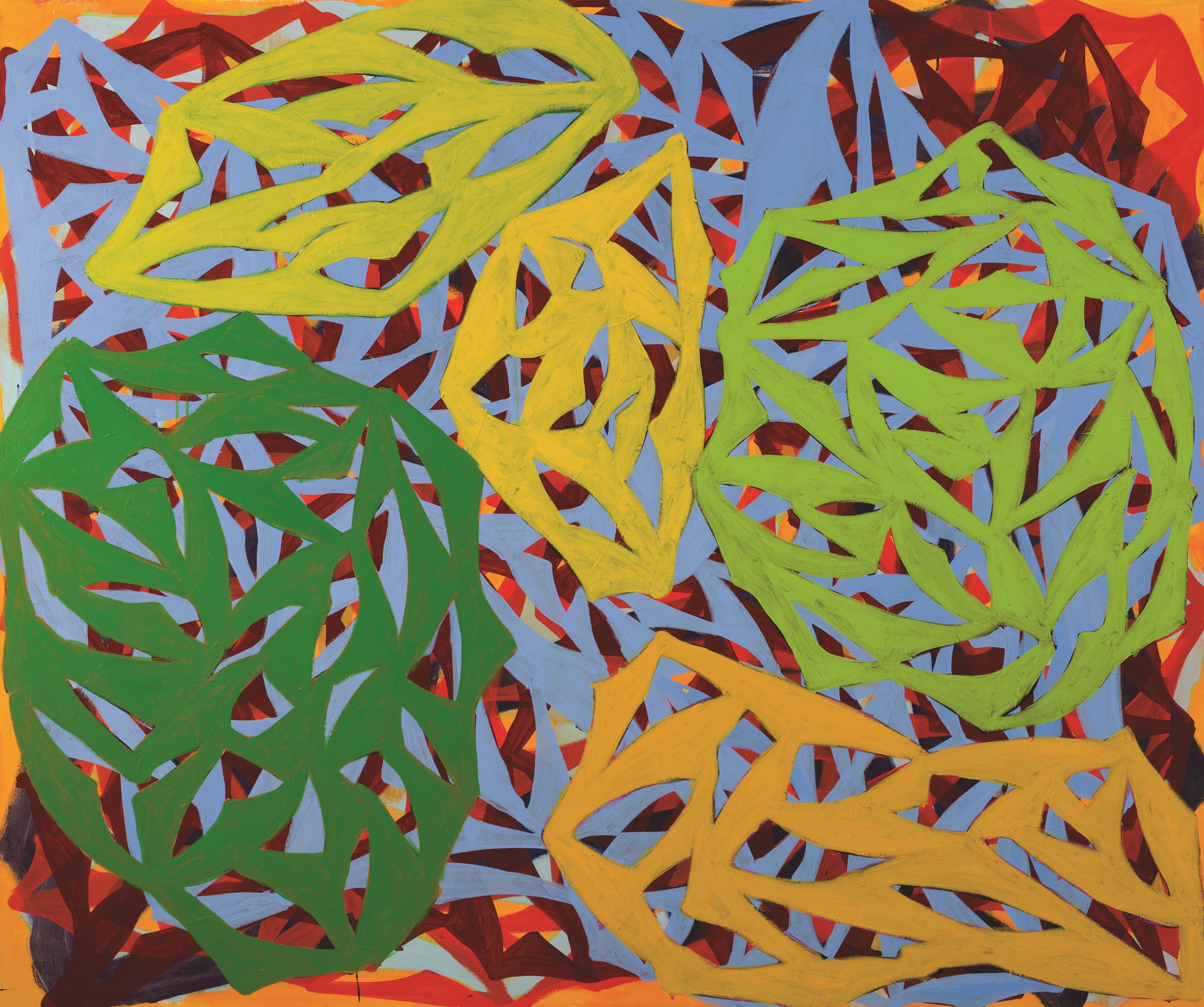 Tim McFarlane, “Everyday is Everyday is Everyday.” (Photo by Jaime Alvarez)
McFarlane will present paintings created between 2023 and 2026 — some from his “Tri-form” series of abstract works and others new pieces that incorporate unstretched canvas and fabric — all of it greatly influenced by the impact of human life on buildings and natural environments. Like Sam Gilliam and El Anatsui, he also is concerned with nontraditional forms of painting and materials.
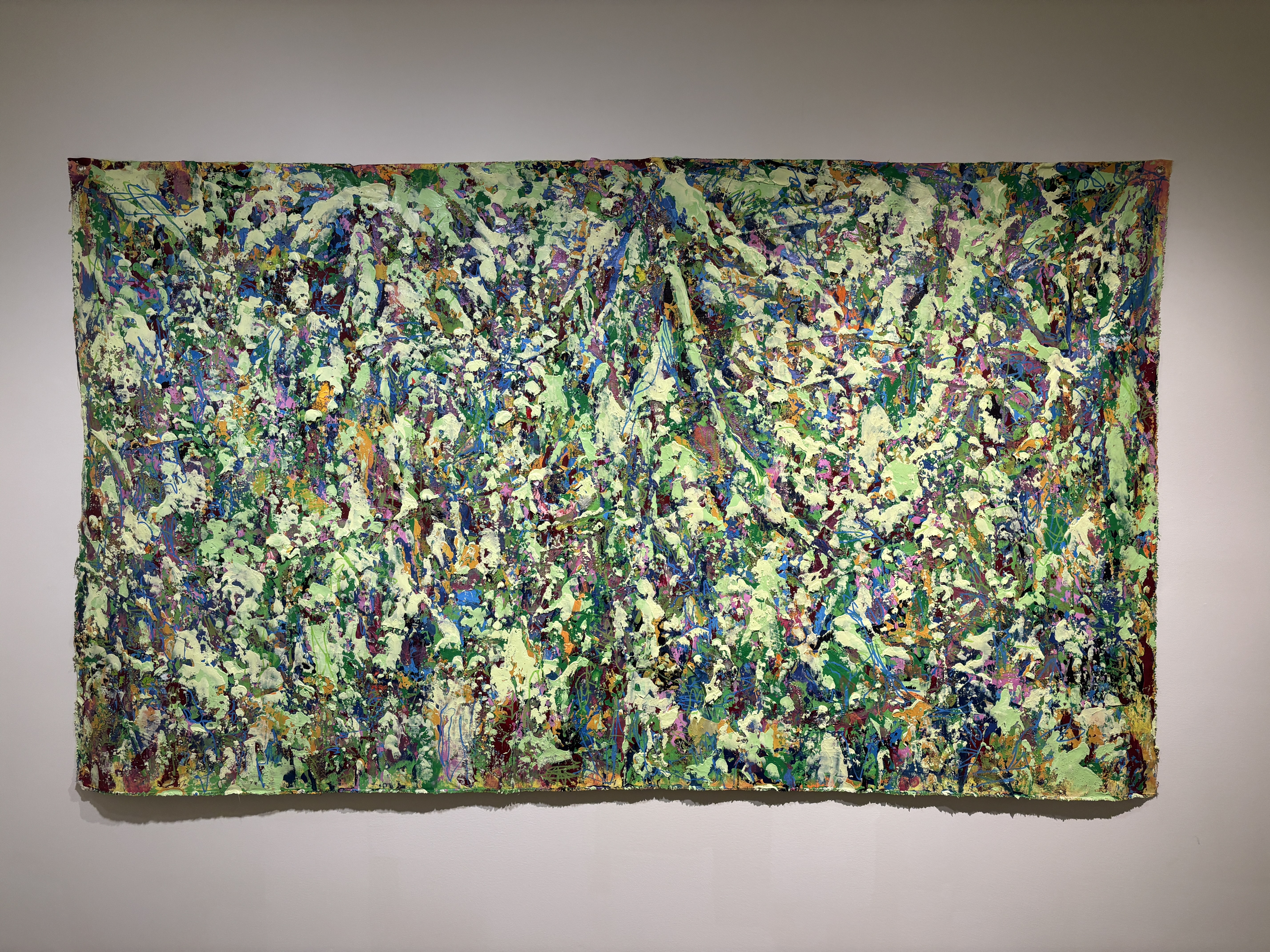 Tim McFarlane, “Optimistic Overload (The Meadow).” (Photo courtesy of Zillman Art Museum)
Jon Schueler (1916-92), a multidisciplinary artist who wrote, produced film, and painted abstracted, colorful landscapes and cloudscapes, worked mainly in New York and Scotland. His output is by turns liquid and gray (as in the scenes he painted in Mallaig, Scotland) and boldly colored and gestural (paintings done in the mid-1950s while working in the San Francisco Bay Area and New York). Like the Sprinchorn exhibits this fall, this show illuminates a little-known artist, mainly through the paintings and drawings he created during the 1960s.
Jorge S. Arango has written about art, design and architecture for over 35 years. He lives in Portland and can be reached at [email protected]. This column is free to access through support by The Dorothea and Leo Rabkin Foundation.
| # | Наименование новости | Тональность | Информативность | Дата публикации |
|---|---|---|---|---|
| 1 | Ogunquit Museum’s Sprinchorn exhibit is worth more than one visit | Column | 0 | 36.57 | 23-09-2026 |
| 2 | Brunswick gallery plays host to an imaginative, strange visionary exhibit | Column | 0 | 36.55 | 16-09-2026 |
| 3 | 6 Portland art shows showcase vibrant work | Column | 0 | 42.84 | 26-08-2026 |
| 4 | At this Maine auction, people bid with stories | 0 | 37.2 | 12-09-2026 |
| 5 | For these Maine artists, creativity has no retirement age | 0 | 38.96 | 16-09-2026 |
| 6 | PMA’s Winslow Homer exhibit recasts the artist in a fresh medium | Column | 0 | 40.74 | 02-09-2026 |
| 7 | Maine Lit Fest returns with writers ‘responding to the moment’ | 0 | 38.28 | 23-09-2026 |
| 8 | 8 Maine events include Common Ground Country Fair, Biddeford Oktoberfest | 0 | 36.46 | 21-09-2026 |
| 9 | Portland Museum of Art set to open outdoor pavilion | 0 | 31.13 | 22-09-2026 |
| 10 | Milano in mostra. Spazi e luoghi dell’esporre | 0 | 13.39 | 22-09-2026 |