Просмотр новости
Найдите то, что Вас интересует
 Спутники
 РН
РН SpaceX
 Роскосмос
 NASA
NASA
СпутникиРНSpaceXРоскосмосNASAThis review aims to present the literature on corporate governance-related determinants of Environmental/Carbon performance through a systematic literature review using the PRISMA method. A total of 41 papers were shortlisted from the Web of Science database based on keywords that are related to interest variables: Corporate Governance and Carbon Emission Performance. We conducted a thorough review of the theoretical frameworks used in the literature on the effects of governance mechanisms and environmental performance. This Study reveals that Board Gender Diversity, Board Size, Board Independence, CEO Duality, and Board Meetings are some important drivers for improving environmental performance. The review highlights research gaps and suggests future research on the influence of other Corporate Governance mechanisms on Environmental Performance.
Corresponding author: Satish Chandra Tiwari Competing interests: No competing interests were disclosed.
Grant information: The authors would like to acknowledge that this research work is fully funded by Kingdom University, Bahrain, through the research grant number KU–2025-26-02
The funders had no role in study design, data collection and analysis, decision to publish, or preparation of the manuscript.
Copyright: © 2026 Shaikh ZH et al. This is an open access article distributed under the terms of the Creative Commons Attribution License, which permits unrestricted use, distribution, and reproduction in any medium, provided the original work is properly cited. How to cite: Shaikh ZH, Tiwari SC, Amgain B and Mahapatra DM. Corporate Governance as a Determinant of Environmental Performance: A Systematic Literature Review [version 1; peer review: awaiting peer review]. F1000Research 2026, 15:1387 (https://doi.org/10.12688/f1000research.179653.1) First published: 17 Aug 2026, 15:1387 (https://doi.org/10.12688/f1000research.179653.1) Latest published: 17 Aug 2026, 15:1387 (https://doi.org/10.12688/f1000research.179653.1)
Climate change is regarded as one of the utmost universal challenges of the present-day world. The Global Risks Perception Survey conducted by the World Economic Forum 2022 clearly indicated the overall failure to take effective measures concerning the long-term threat of climate emergency the planet is being facing. As a result of which it will have profound consequences over the coming next decade (World Economic Forum, 2022). According to the Intergovernmental Panel on Climate Change (IPCC) report (2022a), the average temperature of the earth has risen by around 1.1 °C since 1850–1900 with an anticipation to reach or exceed 1.5 °C over the next 20 years. The issue of global warming is largely driven by human activities which have widespread and irreversible consequences towards the environmental degradation (Chen et al., 2023).
Major international frameworks and summits framed with respect to Paris Agreement, European Green Deal, United Nations Framework Convention on climate change (UNFCCC) COP meetings have greatly assisted to curb the global problem of climate change and greenhouse gas emissions (Orazalin et al., 2024). According to Sustainable Development Goal (SDG) 13, climate change due to global warming is inherently linked to the rising concentration of CO2 and greenhouse gases (GHG) in the atmosphere. Under this SDG 13 an important decision was taken to improvise education, increase awareness, and strengthen institutional capabilities with the help of private sectors and various stakeholders, for developing appropriate mechanisms to mitigate climate change and establishing early warning systems. (United Nations, 2023). Presently, climate change is considered as a critical issue by various stakeholders which includes policymakers, investors as well as media (Van Benthem et al., 2022). Various firms across the world have recognized the urgency to address their greenhouse gas (GHG) emissions and consequently adopt sustainable practices to mitigate their impact on the environment. Moreover, many corporations are currently facing tremendous social, economic and regulatory pressures to enhance their governance effectiveness to reduce greenhouse gas emissions (Konadu et al., 2022).
Carbon dioxide gas which is considered one of the major greenhouse gas is mainly released due to human activities. The corporate operations have played a significant role in the emission of greenhouse gases such as carbon dioxide, methane, water vapor etc. which have been identified as a principal contributor of climate change (Intergovernmental Panel on Climate Change, 2018). Firms are addressed to achieve carbon neutrality through the adoption of effective strategies for reaching net-zero emissions (Khatri, 2024). Attaining credibility in managing greenhouse gas emissions can help firms and various stakeholders in minimizing legal liabilities, enhance corporate reputation, optimize resource use and strengthen stakeholder engagement (Bansal, 2005). Accordingly, for addressing greenhouse gas related challenges firms need to play a pivotal role by managing emissions generated through excessive volume of raw material processing as well as leveraging technological innovations (Hoffmann & Busch, 2008; Oyewo, 2023).
Given that corporate governance is widely recognized as a critical mechanism for promoting organizational sustainability (Oyewo et al., 2023), scholars have increasingly emphasized that for achieving decarbonization objectives governance structures needs to be strengthened at the very onset. Various emerging documentation suggests a positive association between sustainable corporate governance and carbon emissions performance (Akhtar & Abdullah, 2025). Nowadays in various firms corporate boards play a crucial role in initiating carbon performance improvement with major governance decisions (Narsa Goud, 2022). Sustainable corporate governance encompasses integrating both environmental and social factors within boardroom practices and ownership frameworks, in alignment with stakeholder expectations (Caby et al., 2024). The importance of sustainable governance in transforming corporate sustainability has become prominent as both the boards and shareholders are currently made accountable for environmental and social contributions along with the customary financial outcomes (Datt et al., 2018). Key governance attributes such as gender diversity in the board, establishment of sustainability-focused committees, executive-level sustainability oversight, institutional investor involvement, ownership concentration and board independence have all been identified as significant drivers of ESG and CSR performance (Oyewo, 2023; Akhtar & Abdullah, 2025; Luong et al., 2025). Nevertheless, the main concern lies in the fact that the factors influencing corporate governance with respect to carbon emissions has received limited attention in the literature (Yeh & Liao, 2024). As a result, the intersection of corporate governance with CO2 emission performance is emerging as a critical area for further research investigation (Oyewo, 2023).
This review aims to investigate the relationship between corporate governance mechanisms and environmental performance, with particular emphasis on carbon emissions. It also investigates the geographical and temporal distribution of various research works done till date to highlight regional trends in this particular field. Additionally, an analysis of the literature based on journals and publishers has been conducted. This review compiles a range of studies implementing advanced econometric techniques. While some research has addressed ESG, CSR, and disclosure topics, to the best of the author’s knowledge, it is seen that no comprehensive review has yet focused specifically on the relationship between corporate governance mechanisms and factors associated with carbon emission performance.
Studies show that various countries and industries across the world have investigated the factors influencing the rising physical and transitional risks associated with carbon related outcomes both in terms of disclosure and performance. In controlling carbon emissions a number of theoretical frameworks have been proposed taking into account the behavior of heterogeneous entities (Oyewo, 2023). As there is no singular theory that completely showcase these differences, researchers have utilized various viewpoints including agency theory, stakeholder theory, neo-institutional theory, legitimacy theory and critical mass theory, to comprehend the fundamental factors that come into play (Konadu et al., 2022). More recently, additional theoretical lenses have been adopted which includes the Resource Dependency Theory (Khatri, 2024), the Monitoring View and Information Disadvantages Theory (Yeh & Liao, 2024), the Upper Echelon Theory (Konadu et al., 2022), and Approach Inhibition Theory (Luong et al., 2025) for further supplementing the discourse on carbon emissions performance.
Legitimacy theory provides a range of spectrum through which corporate accountability can be understood by emphasizing the dynamic relationship between organizations and the societies within which they operate (Dowling & Pfeffer, 1975; Narsa Goud, 2022). Firms are usually subjected to social expectations and obligations while assembling societal and environmental resources to conduct these activities (O’Dwyer, 2002). In response, many companies try to secure their legitimacy by disclosing the carbon emission related information which also demonstrates their responsible to the environment (Luo & Tang, 2021). As a reaction to this, most businesses attempt to legitimize themselves by revealing the carbon emission information connected with it that also demonstrates their environmental responsibility (Luo & Tang, 2021). Corporate governance has a significant role in this since companies that have excellent governance are always willing to operate in a socially responsible manner. The corporate directors, in particular, play a critical role in formulating sustainability strategies that also involve carbon emission mitigation as well as improving the overall carbon performance (Narsa Goud, 2022).
The Agency Theory emphasizes that the division of ownership and managerial control in the corporation usually results in conflict of interest between the shareholders and the executives (Jensen and Meckling, 1976). To avoid such conflicts, well-organized corporate boards with different characteristics like sufficient size, diversity, independence, and frequent meetings can be formed. Such governance practices do not only help in financial supervision but also in improving the performance of a company in terms of environmental sustainability (Khatib and Al Amosh, 2023).
The relationship between corporate governance and carbon emission performance has been studied using the framework of stakeholder theory. This theoretical perspective acknowledges that corporate management must consider the interests of different stakeholders by integrating their perspectives with the internal knowledge and operational capacities of the organization (Altunbas et al., 2022; Khatib & Al Amosh, 2023). In this regard the management holds a crucial responsibility to align their corporate objectives with stakeholder expectations such as disclosing their provision of greenhouse gas (GHG) emissions that would meet the requirements of stakeholders (Cong & Freedman, 2011).
Resource Dependence Theory posits that organizations need to acquire necessary resources from different external sources to ensure long-term survival (Heide, 1994). In response to the wide-ranging pressure and increasingly stringent regulatory frameworks, firms are forced to adopt advanced technologies that are aimed not only at reducing emissions but also at improving resource efficiency (Zhang et al., 2024). Within this context, green technologies and environmental innovations are viewed as strategic assets that provide firms with the opportunities to secure their first-mover advantages, create resource-based entry barriers, and gain sustainable competitive edge over others. Furthermore, Hillman and Dalziel (2003) also argued that board members play a critical role in this process by contributing human and relational capital which includes legitimacy, strategic guidance, external linkages, and access to vital resources to significantly enhance the position of the firm amongst others.
Moreover, some alternative theoretical lenses have also proposed the nexus between sustainable governance and carbon emission performance. One such approach is Critical Mass Theory , which assumes that minority groups can meaningfully influence any group decision-making only after reaching a sufficient threshold of representation (Kanter, 1977). In this regard, a number of female board directors have been associated to increase their engagement in activities aimed at mitigating environmental concerns (Trinh et al., 2023). Similarly, Upper Echelon Theory emphasizes the importance of diversity at the board level by implying that since women are more sensitive to ethical considerations and environmental issues, they can easily improve the quality of strategic decision-making (Graham et al., 2017). Their participation on corporate boards has been associated with more deliberate and environmentally conscious disclosure practices (Perryman et al., 2016). Additionally, theories such as the Monitoring View and the Information Disadvantage View highlights the important role of governance mechanisms particularly foreign institutional investors and ownership structures which are critical determinants for carbon emission performance of a firm (Yeh & Liao, 2024; Liu et al., 2025).
In this review paper, we performed a thorough literature review by adhering to the “Preferred Reporting Items for Systematic Reviews and Meta-Analyses” (PRISMA) 2020 guidelines (Page et al., 2021). PRISMA 2020 organizes the process of conducting the review into three distinct stages: identification, screening, and inclusion. For this research, the Web of Science (WOS) database which is widely recognized as one of the most reputable bibliometric databases served as the primary source for data collection.
During the identification phase, we systematically searched high-quality, peer-reviewed articles published by various respected academic sources. The main focus of this study is to examine the role of corporate governance mechanisms in reducing greenhouse gas emissions at the firm level, in line with global efforts to meet net-zero targets. In order to ensure the inclusion of all relevant studies we have adopted an extensive search strategy. Search terms were carefully broadened and combined using Boolean operators as follows: (“Corporate Governance” OR “Board Gender Diversity” OR “CEO Duality” OR “Board independence” OR “Ownership Structure” OR “ Environmental Governance”) AND (“Carbon emission” OR “Environmental performance” OR “CO2 Emission” OR “GHG Emission”).
For further concentrating the search results of the already published articles specific filters categorized under “Business Economics,” “Management,” and “Business Finance” was given within the Web of Science classifications. Moreover, only peer reviewed articles published in english were considered for incorporation in the paper. Moreover, the title, abstract, keywords, authors’ names and affiliations, journal name, and year of publication of the identified records were exported to an Excel spreadsheet while compiling the articles.
In this study, we carefully evaluated each articles which were selected based on several factors such as the sample size, methodological approach, and the specific area of the study. Special attention was given to studies examining corporate governance mechanisms which focussed mainly on strategies aimed at mitigating carbon emissions at the firm level. Only research that simultaneously addressed both corporate governance and carbon emission performance was included in the final analysis while the studies outside this scope were excluded. Hence, out of 76 articles selected by thorough screening of the full text, we found only 41 articles were exclusively related to the selection criteria. Further, those articles which could not be found or accessed due to the unavailability of the sources were excluded following the inclusion and exclusion given in Table 1. The complete study identification, screening, and inclusion process is presented in the PRISMA flow diagram in Figure 1.
1. Only peer-reviewed journal articles were considered
2. Articles needed to fall within the research areas of “Business Economics,” “Management,” or “Business Finance
3. Studies were required to address both key variables: Corporate governance mechanisms and carbon emission outcomes
4. Only articles published in English were eligible for inclusion
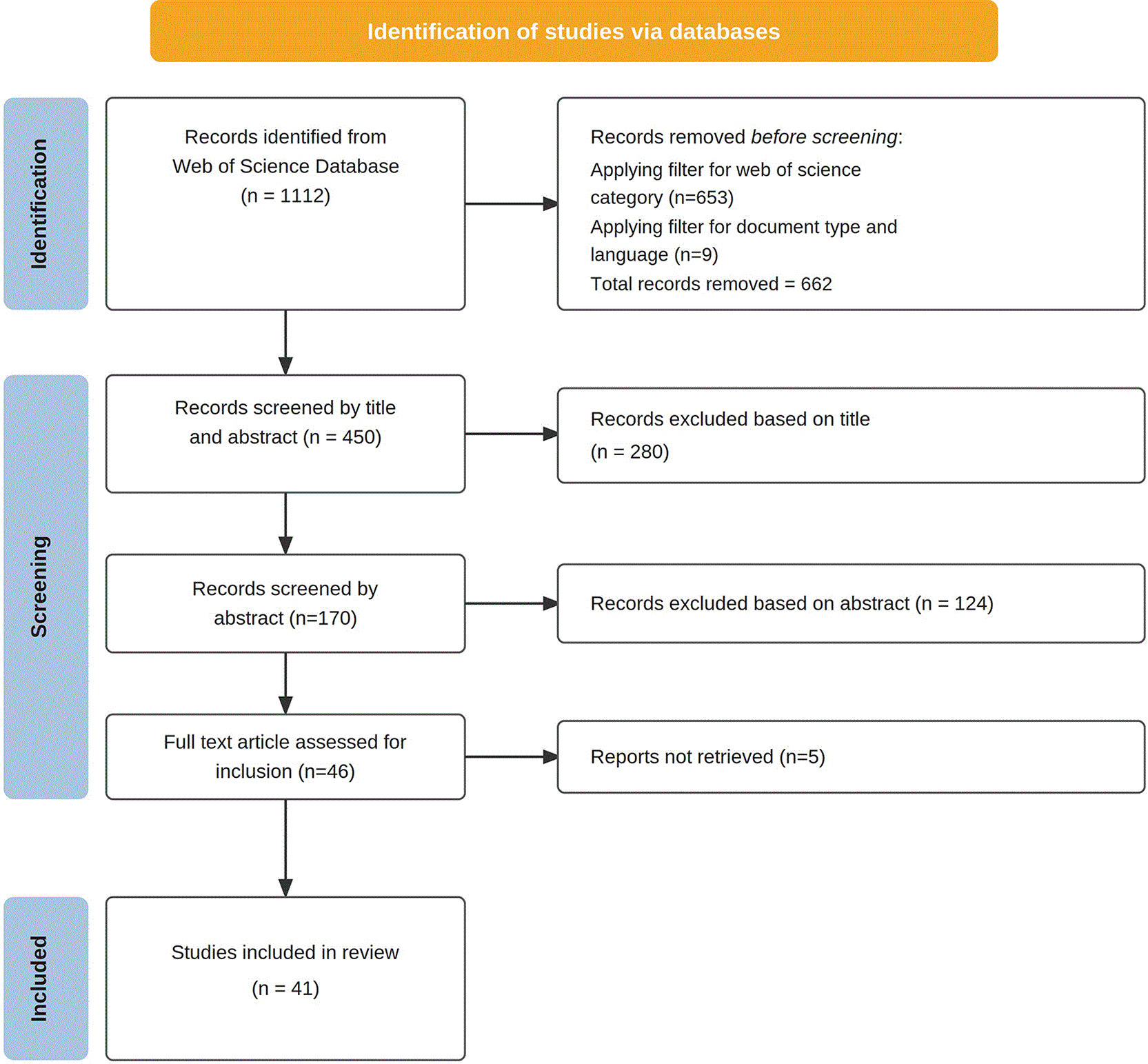
In addition to analyzing the title and abstract of the article, other categories were also examined to better assess the relevance of this study in the contemporary context. These categories included journal publications, yearly publication trends, and country-wise distribution of publications.
Table 2 represents the distribution of publications across various journals. The journal ‘Business Strategy and the Environment’ emerges as the leading contributor in this field with a total of nine articles been published. Other prominent journals, such as ‘Finance Research Letters and the ‘Journal of Business Ethics’, each account for three publications each. Overall, the reviewed literature spans over 20 different journals, indicating a diverse range of academic sources contributing to this research area.
As shown in Table 3, the distribution of publications varies significantly across different regions and countries. The highest concentration of studies originated from developed nations, particularly the United States and the United Kingdom, which account for eight and six publications, respectively. Moreover, it was observed that over 35% of the reviewed studies adopted a cross-country approach by involving developed countries in particular. In contrast, it was found that limited research was done in this topic by the emerging economies especially in the Asia-Pacific region. This may be attributed to limited resources and insufficient regional-level data. Notably, India is represented by only one study among the total literature reviewed.
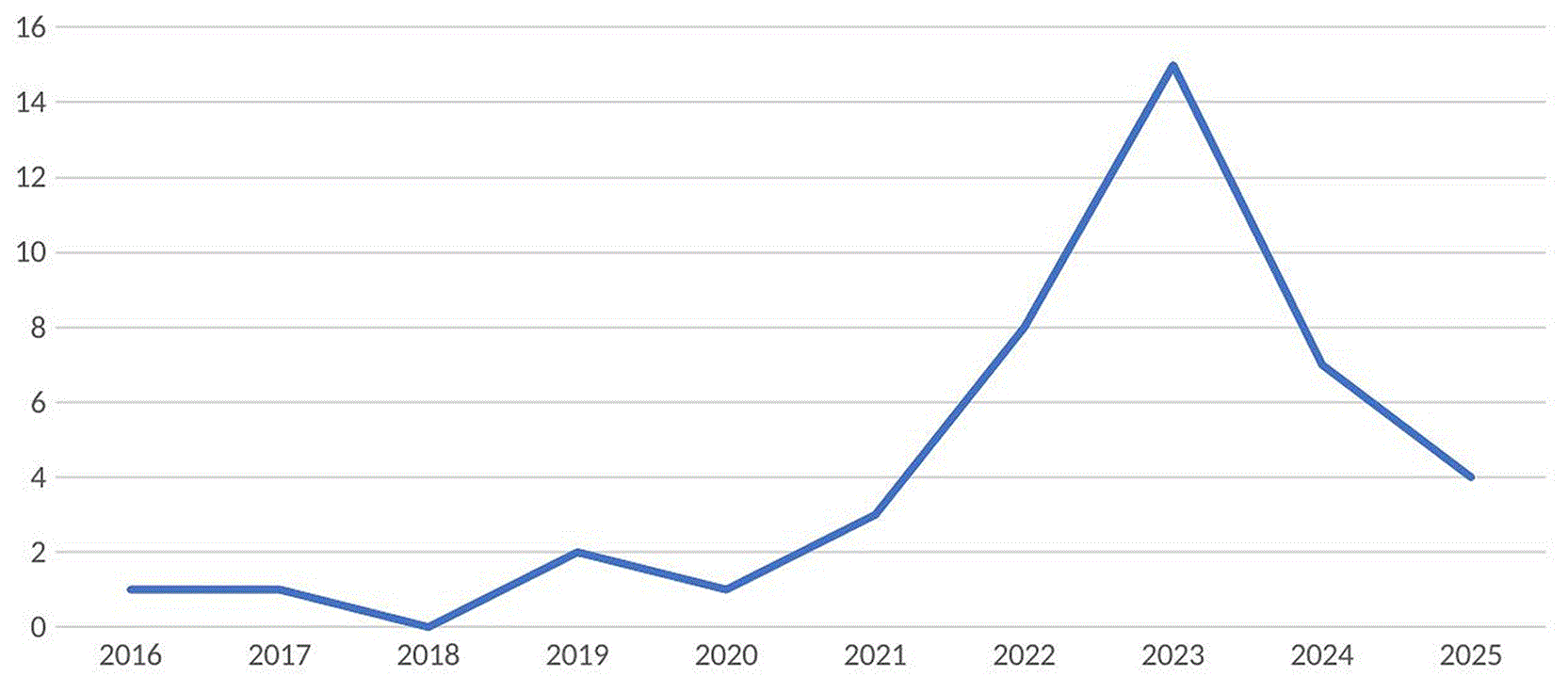
As shown in Figure 2, there has been a significant rise in the number of publications examining corporate governance and its influence on carbon performance which shows the growing significance and contemporary relevance of this research area.
Source: Author’s Compilation
In this study 41 peer reviewed articles retrieved from the Web of Science database were extensively studied and compiled. The main aim was to explore the key corporate governance (CG) factors that influence greenhouse gas (GHG) emissions, with particular focus on firm-level carbon emissions. Only those studies that explicitly examined the relationship between CG mechanisms and carbon emission performance where carbon emissions served as the dependent variable were included. Although some of the literature also investigated the association of CG with broader measures such as Corporate Social Responsibility (CSR) or Environmental, Social, and Governance (ESG) practices, this review specifically emphasized on the outcomes related to carbon emissions. Across the selected articles, various CG variables were employed as explanatory factors to demonstrate their diverse effects on environmental performance ranging from positive and negative to statistically insignificant impacts. A summarized overview of 40 of these reviewed studies is provided in Table 4.
After examining the literature gathered from various countries we found that the influence of Corporate Governance (CG) factors on firm-level carbon emission appears to be heterogeneous, as these studies reveal differing perspectives on the relationship between Corporate Governance and carbon emissions. To enhance more clarity and facilitate better understanding, we have categorized these findings as follows:
i) Corporate Governance (CG) variables influencing Carbon Emission Performance (CEP):
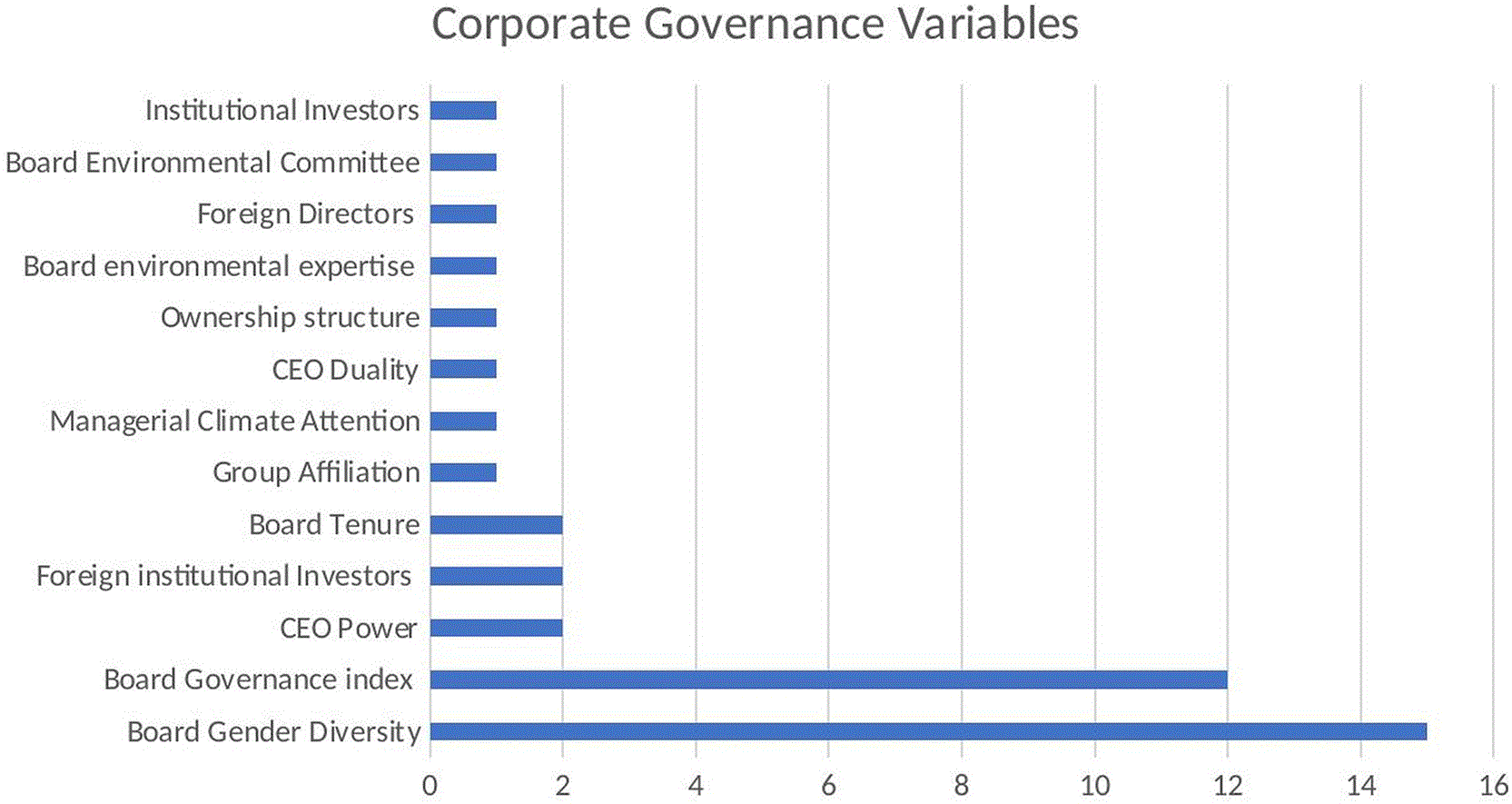
As shown in Figure 3, Board gender diversity has emerged as a prominent factor within Corporate Governance which influences CEP as a result of which it has been extensively examined across the reviewed literature. It has been observed that over 15 studies have explored its influence on corporate carbon performance. An early and influential contribution by Glass et al. (2016) found that companies with gender diverse leadership are more adept at implementing environmentally sustainable strategies. Hence, this aligns with the “critical mass hypothesis” proposed by Kanter (1977), which emphasized on the importance of having sufficient number of women members on the corporate boards to drive meaningful environmental outcomes. Recently, Zahid et al. (2025) demonstrated that greater female representation on boards not only enhances environmental performance and disclosure but also helps in mitigating greenwashing practices.
Source: Author’s Compilation
Furthermore, over 30% of the reviewed studies employed a composite Board Governance Index as an explanatory variable to assess its effect on environmental performance. Additionally, a smaller subset of research has also focused on individual Corporate Governance attributes such as board environmental expertise, board tenure, group affiliation, and the presence of institutional investors to evaluate their firm level impact on carbon emissions. Lately, scholars have shifted their attention from examining the roles of foreign institutional investors, ownership structure, CEO power, managerial attention to climate issues, and CEO duality. These factors have shown statistically significant associations with carbon emission outcomes (Akhtar & Abdullah, 2025; Liu et al., 2025; Zhang et al., 2024).
ii) Applied Theoretical Approaches:
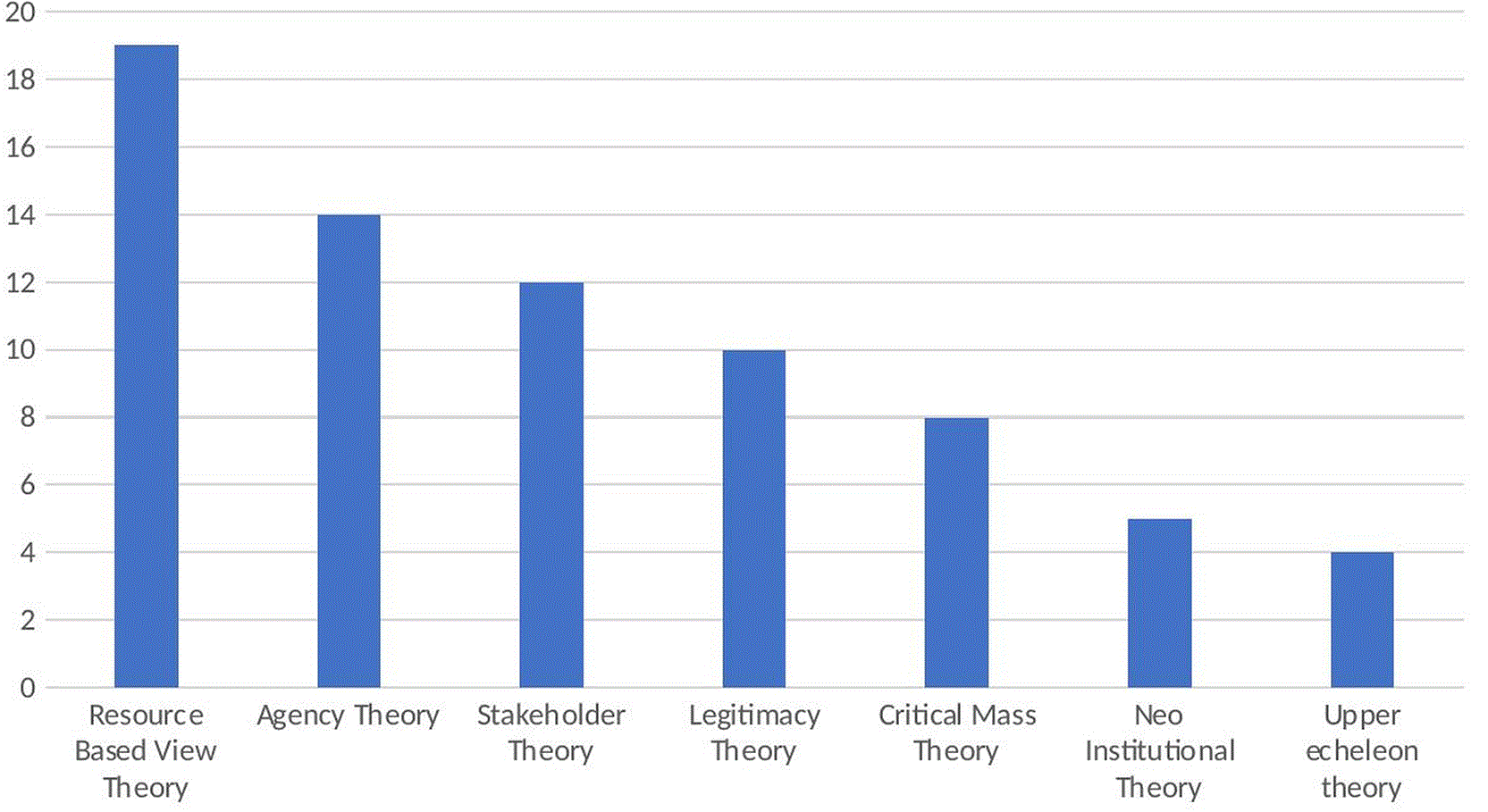
Figure 4 indicates that a diverse array of theoretical frameworks such as agency theory, resource-based view, legitimacy theory, neo-institutional theory, stakeholder theory, upper echelons theory, and critical mass theory have been employed across numerous studies to conceptualize and examine the linkage between corporate governance structure and carbon emission performance (Dixon-Fowler et al., 2017; Cordeiro et al., 2020; Mardini & Elleuch Lahyani, 2022; Khatri, 2024; Akhtar & Abdullah, 2025). Recent studies have also investigated the relationship between foreign institutional investors, ownership structure, CEO power, and corporate carbon emission performance from various theoretical perspectives which includes the Monitoring View, Information Disadvantage View, Positive Incentive Approach, and Negative Entrenchment Approach.
Source: Author’s Compilation
iii) Econometric methods Employed:
Figure 5 illustrates the range of econometric techniques employed across the reviewed studies. Notably, the Fixed Effect model was the most frequently applied technique appearing in over 22 articles, while the Random Effects model was used in five studies to estimate the core relationships. In addition to the Fixed Effect model approach, several other advanced econometric methods were also widely adopted such as Two-Stage Least Squares (2SLS), Propensity Score Matching, Difference-in-Differences (DiD), and the Generalized Method of Moments (GMM).
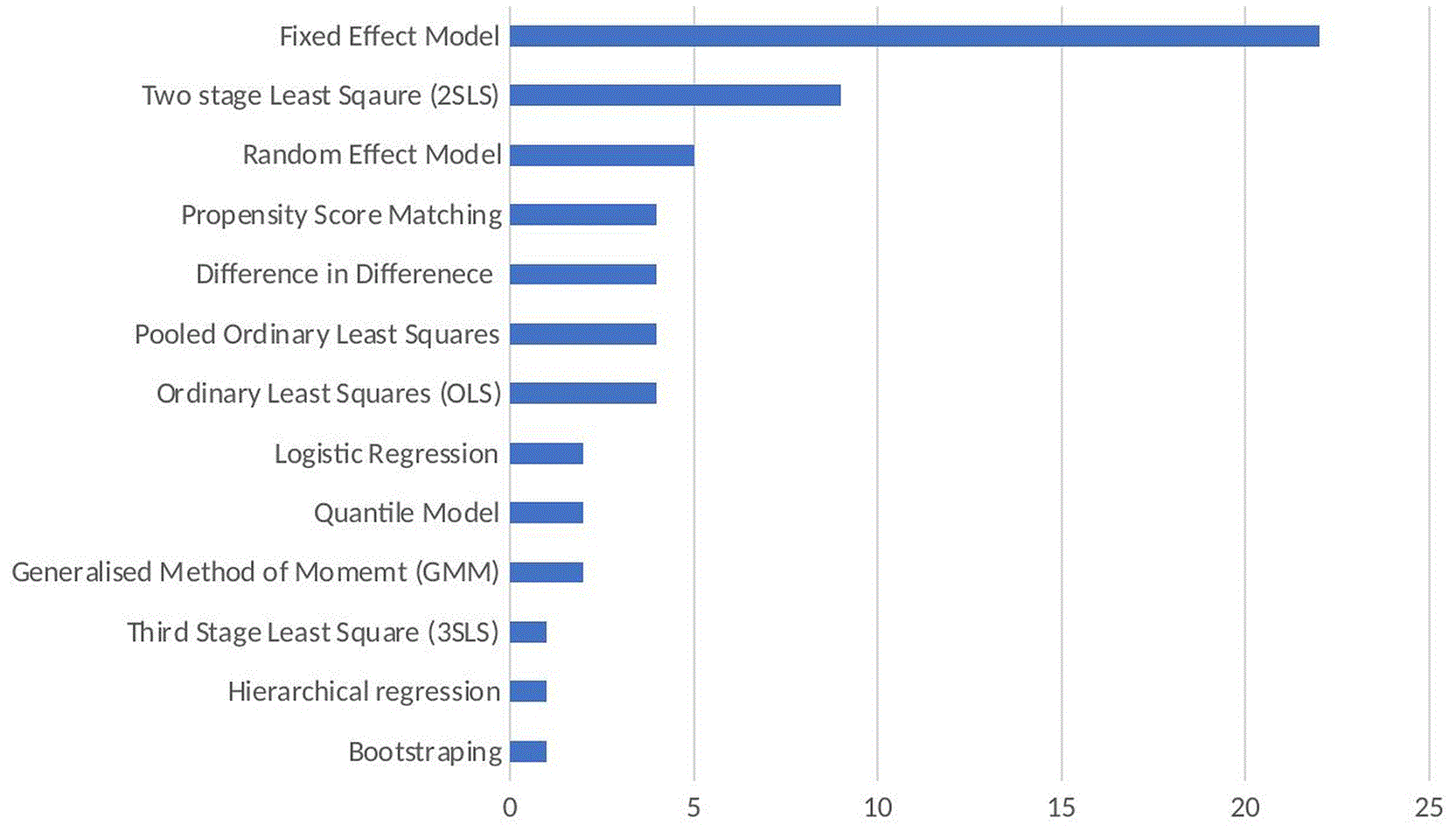
Source: Author’s Compilation
iv) Interpretation of key findings from the literature:
This study aims to investigate the relationship between corporate governance mechanisms and carbon emission performance with the existing literatures suggesting that firms employ various corporate governance (CG) practices to enhance their environmental performance. The evidence suggests both consistent and divergent outcomes across different governance factors. For example, gender-diverse leadership has been found to be more effective in implementing environmentally sustainable strategies (Glass et al., 2016). Empirical findings indicate a statistically significant positive correlation between gender diversity in corporate boards and executive teams and actual carbon emission performance (Haque et al., 2024). A majority of studies point to board gender diversity as a key factor in improving carbon performance, with female board members often showing greater ethical awareness and concern for societal challenges such as climate change. This sensitivity tends to translate into more proactive environmental strategies, such as adopting renewable energy sources and reducing environmental violations (Haque et al., 2024). Moreover, several studies highlight that the overall quality of corporate governance also improves the environmental strategies and outcomes of the firm (Luo & Tang, 2021; Oyewo, 2023). Specific governance characteristics like board gender diversity, board size, board independence, and the existence of environmental committees are often linked to enhancements in carbon emission performance (Khatib & Al Amosh, 2023).
While many studies have been conducted in different countries to examine the link between corporate governance mechanisms and broader sustainability outcomes, there is a noticeable gap in research specifically focusing on carbon emission performance at the firm level. The existing literature focuses mainly on board gender diversity or composite governance indices, with little attention paid to the influence of other critical governance variables related to carbon emissions.
Furthermore, although there is some evidence of a relationship between corporate governance mechanisms and carbon emission performance, sector-specific analysis of this relationship is still limited. Incorporating cultural factors and regulatory measures on environment could provide a more comprehensive understanding of the impact of CEO power and board-level governance on emissions management in different global contexts. It should be noted that data on cultural factors is available on the Hofstede Insights website for further research to be carried out.
Most studies emphasise the structural elements of governance, such as CEO power, CEO duality, and board gender diversity; however, they fail to examine the role of governance in guiding firm-level carbon neutrality strategies, including environmental innovation and the adoption of green technologies that can enhance efficiency by lowering carbon emissions. A recent study by Luong et al. (2025) also emphasized the need to examine the impact of CEO power and other corporate governance mechanisms on broader sustainability metrics, which include water consumption, waste management, and social responsibility initiatives.
In addition, the majority of existing research relies on absolute or relative measures of carbon performance, while the real indicators of emission reduction and tangible climate outcomes remain underexplored. Moreover, the risk of greenwashing has been rising considerably in the recent years (Zahid et al., 2025). A significant gap persists in the existing literature regarding the mismatch between the actual climate performance of the firm and their reported sustainability disclosures which highlights the need for deeper investigation into greenwashing practices.
Although individual studies have examined the impact of corporate governance mechanisms on carbon performance, there is still scarcity of research which explores the moderating and mediating roles of various other influencing variables related to this relationship. As current research is largely concentrated on developed economies, it suggests a need to study and examine the governance sustainability relationship within emerging markets, particularly in countries like India, for future work.
The main aim of this paper is to systematically identify and analyze the key themes and trends in the existing research on the relationship between corporate governance factors and carbon emission performance of firms. This review which is based on 41 empirical studies retrieved from the Web of Science database, provides valuable insights into the role of corporate governance mechanisms in influencing environmental outcomes. This analysis shows that most of the studies in this field have been carried out in developed countries such as the United Kingdom and the United States. Furthermore, it is also observed that gender diversity is often used as a primary measure in constituting the board for better environmental performance in relation to carbon emission.
The findings point to several important theoretical frameworks that explain the relationship between corporate governance mechanisms and carbon emission performance. The resource-based view and stakeholder theories propose that a variety of skills, experiences, and perspectives among board members and CEOs lead to improved corporate carbon outcomes. Additionally, based on institutional theory, our review shows that different ownership structures, such as institutional, family, and foreign ownership, can have a significant impact on the carbon emission performance of a firm.
1. Data related to PRISMA checklist is available https://doi.org/10.6084/m9.figshare.32231256 Tiwari, S. C., Shaikh, Z. H., Amgain, B., & Mahapatra, D. M. (2026). PRISMA 2020 Checklist: Corporate Governance as a Determinant of Environmental Performance. figshare.
2. Data related to PRISMA flowchart is available https://doi.org/10.6084/m9.figshare.32231271 Tiwari, S. C., Shaikh, Z. H., Amgain, B., & Mahapatra, D. M. (2026). PRISMA 2020 Flow Diagram: Corporate Governance as a Determinant of Environmental Performance. figshare.
The authors would like to acknowledge that this research work is fully funded by Kingdom University, Bahrain, through the research grant number KU–2025-26-02.