Просмотр новости
Найдите то, что Вас интересует
 Спутники
 РН
РН SpaceX
 Роскосмос
 NASA
NASA
СпутникиРНSpaceXРоскосмосNASAIntellectual capital has become an increasingly important source of corporate value creation, yet its relationship with corporate governance remains fragmented across theories, measurements, contexts, methods, and research directions. This study provides a bibliometric-systematic literature review of the intellectual capital and corporate governance literature to map its intellectual development, synthesize its dominant characteristics, and identify future research directions. A total of 85 peer-reviewed articles indexed in Scopus and/or Web of Science were selected through a PRISMA 2020 screening process. Bibliometric analysis using Biblioshiny and Microsoft Excel was combined with a Theory–Context–Characteristics–Methodology framework to examine publication trends, thematic development, theoretical foundations, research contexts, construct operationalization, methodological approaches, and directional streams. The findings show that the field has evolved from early studies on intellectual capital disclosure toward broader discussions of governance effectiveness, board characteristics, performance, gender diversity, and value creation. Agency Theory remains the dominant theoretical lens, while Resource Dependency Theory, Resource-Based View, Stakeholder Theory, Signaling Theory, and Stewardship Theory serve as complementary perspectives. Contextually, the literature is concentrated in emerging markets, Asian and Middle Eastern settings, financial institutions, listed firms, and knowledge-intensive industries. Conceptually, intellectual capital is mostly measured through disclosure indices and VAIC-based efficiency models, while corporate governance remains largely board-centric and proxy-based. Methodologically, the field is dominated by quantitative and regression-based studies, with very limited mixed-method research and no purely qualitative studies identified. This review advances the literature by offering an integrated map of the intellectual capital–corporate governance field and proposing a future agenda that emphasizes reciprocal relationships, broader intellectual capital measurements, governance process quality, contextual diversification, and methodological pluralism.
This study employs bibliometric analysis to examine the intellectual structure and evolution of the intellectual capital and corporate governance literature. The analysis includes keyword co-occurrence, trend topics, thematic mapping, and conceptual structure mapping to identify dominant themes and their interrelationships (Duvvuru et al., 2013). Thematic mapping further evaluates the relevance and maturity of research themes through centrality and density measures (Napasti et al., 2024). The results provide a comprehensive overview of the field and establish the basis for the subsequent TCCM analysis and future research directions.
4.1.1 Trend topic analysis
Figure 2 illustrates the temporal evolution of research themes in the intellectual capital and corporate governance literature from 2015 to 2024. The size of each node represents keyword frequency, while the horizontal line indicates the duration of a topic’s presence in the literature. During the early stage (2015–2018), research primarily focused on intellectual capital, disclosure, directors, and ownership structure, reflecting efforts to conceptualize intellectual capital as a strategic intangible asset and examine its disclosure and governance determinants. Between 2019 and 2022, the literature expanded toward corporate governance, ownership, performance, impact, and firm performance. Notably, corporate governance emerged as the most influential topic, indicating a growing emphasis on governance mechanisms as drivers of intellectual capital management and value creation.
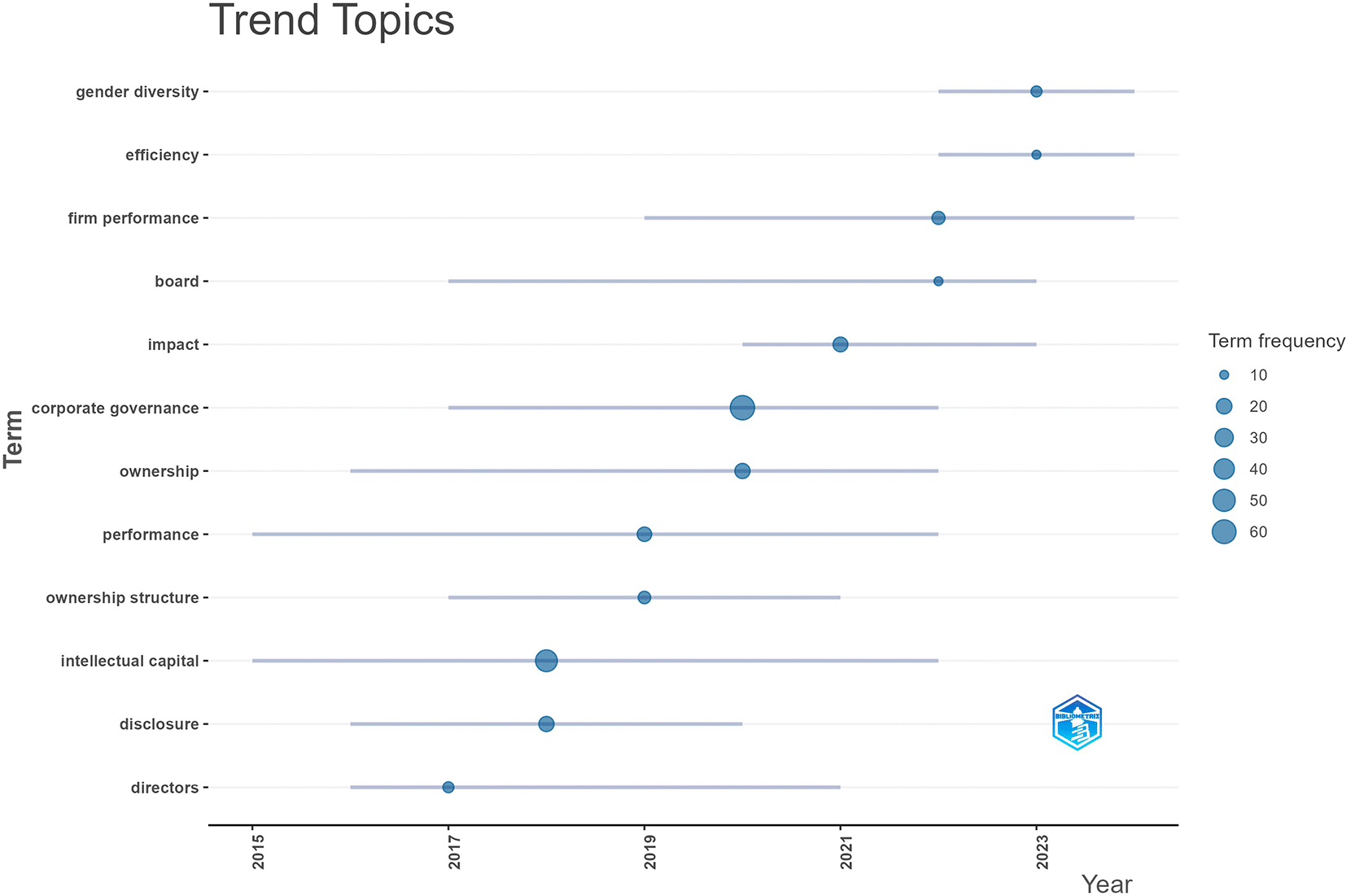
In the most recent period (2022–2024), themes such as gender diversity, efficiency, board, and financial performance gained prominence. This shift suggests increasing scholarly attention to governance quality, board effectiveness, and the strategic utilization of intellectual capital in enhancing organizational outcomes.
Overall, the literature has evolved through three major phases: (1) intellectual capital conceptualization and disclosure (2015–2018), (2) integration of intellectual capital, corporate governance, and performance perspectives (2019–2022), and (3) governance effectiveness and value creation (2022–2024). This progression highlights a growing recognition of intellectual capital as a strategic resource whose value is increasingly shaped by corporate governance mechanisms. The trend topic analysis identified from Biblioshiny shown in Table 3.
4.1.2 Co-occurrence analysis
The analysis of keywords co-occurrences was conducted using the RStudio software. Circles drawn on the map represent a number of co-occurrences of keywords. The bigger the circle, the higher the keyword’s occurrence number. From the dataset, a total of 819 keywords were extracted. Following Donohue (1974), this study applied the proposed formulation to identify the threshold for high-frequency keywords:
N=12(−1±1+8I1)
where N represents the number of high-frequency keywords and I₁ denotes the number of keywords that appear only once in the dataset. Based on this calculation, 40 high-frequency keywords were retained for subsequent analysis.
The co-occurrence network presented in Figure 3 reveals a highly interconnected research landscape composed of three major thematic clusters. Node size reflects keyword frequency, while the links between nodes indicate the strength of co-occurrence relationships. Within the network, corporate governance and intellectual capital emerge as the most influential and central concepts, serving as the primary anchors that connect multiple research streams. Their strong interconnections suggest that the literature has increasingly evolved toward understanding how governance mechanisms shape the creation, disclosure, management, and performance implications of intellectual capital.
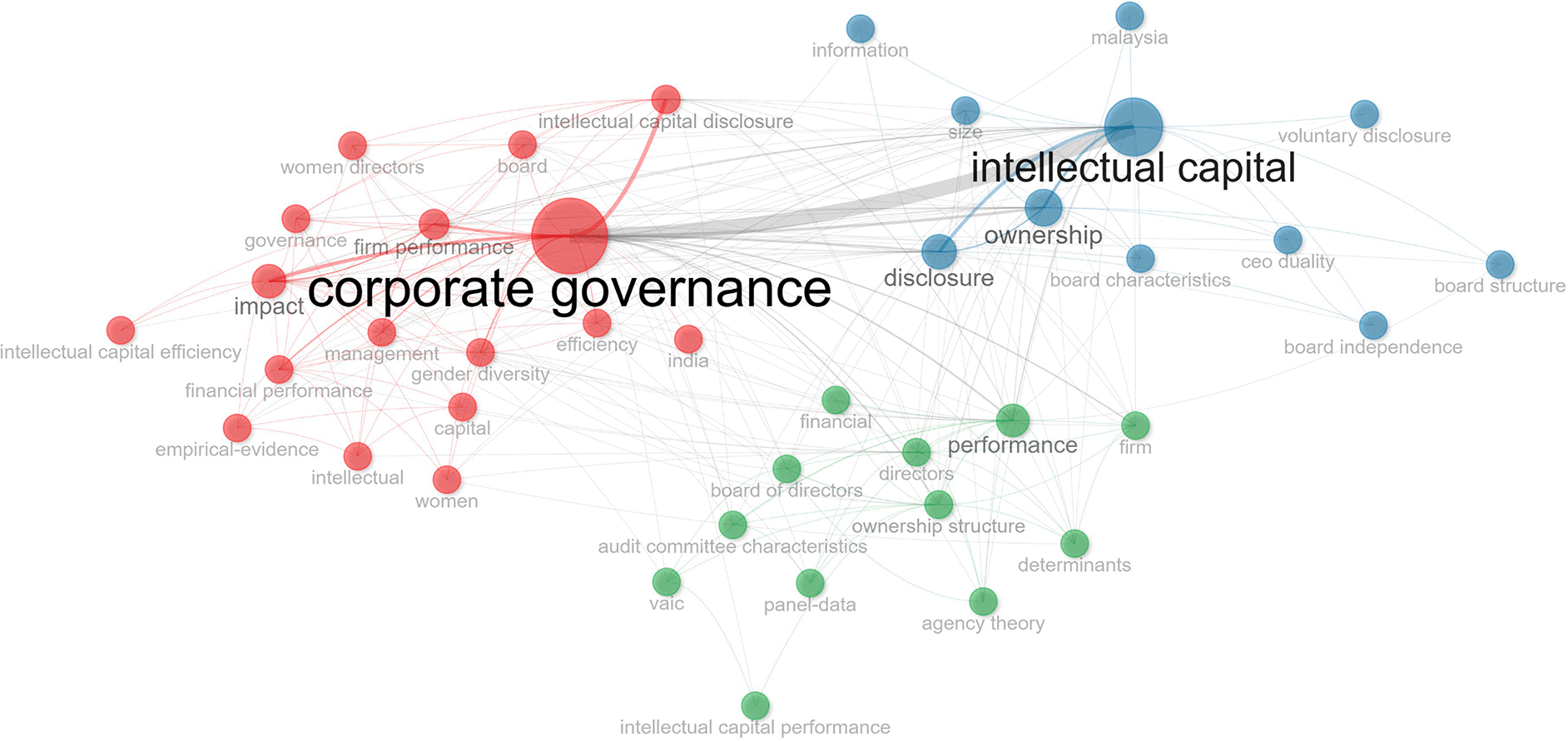
The keyword clusters identified from the co-occurrence network analysis are presented in Table 4. The co-occurrence network analysis revealed three major thematic clusters comprising a total of 40 high-frequency keywords. Cluster 1 (Red) is centered on corporate governance, represented by the largest node in the network, and includes keywords related to governance mechanisms, organizational performance, intellectual capital efficiency, disclosure, and board diversity. Specifically, themes such as financial performance, firm performance, intellectual capital disclosure, intellectual capital efficiency, gender diversity, and women directors indicate that this cluster primarily examines how corporate governance influences intellectual capital management and firm performance.
Cluster 2 (Blue) is organized around intellectual capital, the second-largest node in the network, and encompasses keywords associated with board characteristics and disclosure practices, including board characteristics, board independence, board structure, CEO duality, ownership, voluntary disclosure, and information. This cluster reflects a stream of research investigating the relationship between governance structures and the management and disclosure of intellectual capital.
Cluster 3 (Green) is centered on performance and comprises keywords such as agency theory, audit committee characteristics, board of directors, ownership structure, VAIC, panel data, and intellectual capital performance. The prominence of these terms suggests that this research stream focuses on evaluating organizational and intellectual capital performance using governance-related determinants, established theoretical perspectives, and quantitative measurement approaches.
Overall, the network structure demonstrates that corporate governance, intellectual capital, and performance constitute the three principal thematic pillars of the literature. The strong interconnections among these clusters indicate that contemporary research increasingly integrates governance mechanisms, intellectual capital management, disclosure practices, and performance evaluation into a unified research framework.
4.1.3 Thematic map analysis
Figure 4 presents the thematic structure of the intellectual capital and corporate governance literature based on centrality and density, which indicate the relevance and maturity of research themes, respectively (Napasti et al., 2024; Sáenz et al., 2025). The thematic map identifies four categories of themes: motor, basic, niche, and emerging or declining themes.
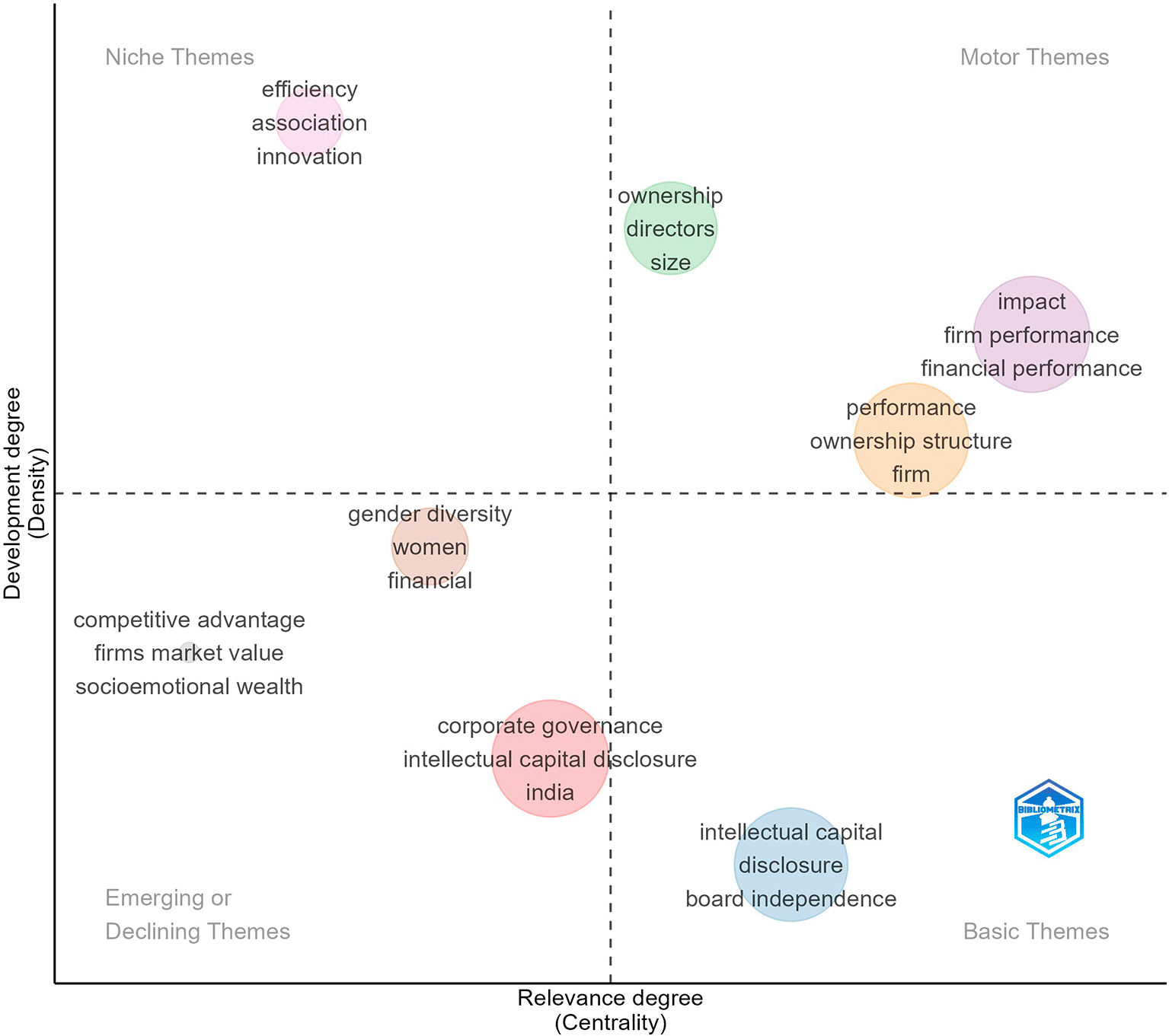
The motor themes quadrant is dominated by the clusters impact–firm performance–financial performance and ownership–directors–size, indicating that organizational performance and governance mechanisms represent the most developed and influential research streams. These themes occupy a central position in the literature and play a significant role in explaining how governance structures and intellectual capital contribute to value creation. In the basic themes quadrant, the cluster comprising intellectual capital–disclosure–board independence emerges as a fundamental pillar of the field. Its high centrality suggests strong relevance across studies, although its relatively low density indicates opportunities for further theoretical and empirical development. Similarly, the cluster performance–ownership structure–firm highlights the close relationship between governance arrangements and organizational outcomes.
The niche themes quadrant contains efficiency–association–innovation, representing a specialized but well-developed area of research. Although these themes exhibit strong internal cohesion, their connection to the broader literature remains relatively limited. Meanwhile, the emerging or declining themes quadrant includes clusters such as corporate governance–intellectual capital disclosure–India, gender diversity–women–financial, and competitive advantage–firm market value–socioemotional wealth. These themes remain underdeveloped but indicate promising avenues for future research, particularly in relation to governance diversity, contextual studies, and long-term value creation.
Overall, the thematic map suggests that the literature has evolved from a primary focus on intellectual capital disclosure toward broader discussions of governance effectiveness and firm performance. At the same time, emerging themes such as gender diversity and socioemotional wealth offer opportunities to expand the intellectual boundaries of future research.
To map the scholarly landscape of intellectual capital and corporate governance research, the distribution of the selected articles across various academic journals was systematically analyzed. Table 1 delineates the publication outlets, detailing their respective quality indicators, specifically, the Scimago Journal Rank (SJR) quartiles and H-index, alongside the occurrence frequency of the articles within the dataset. As observed, the literature is predominantly anchored in high-impact publication venues, with a substantial proportion of the research disseminated in premier Q1 and Q2 journals. This distribution not only underscores the academic rigor of the selected literature but also highlights the central platforms driving the theoretical and empirical discourse at the intersection of intellectual capital and governance mechanisms.
Figure 5 illustrates the annual distribution of publications on intellectual capital and corporate governance across journal quartiles from 2003 to 2026. Overall, the publication trajectory demonstrates a steady expansion of the field, with research output accelerating markedly after 2015 and reaching its highest level in 2023.
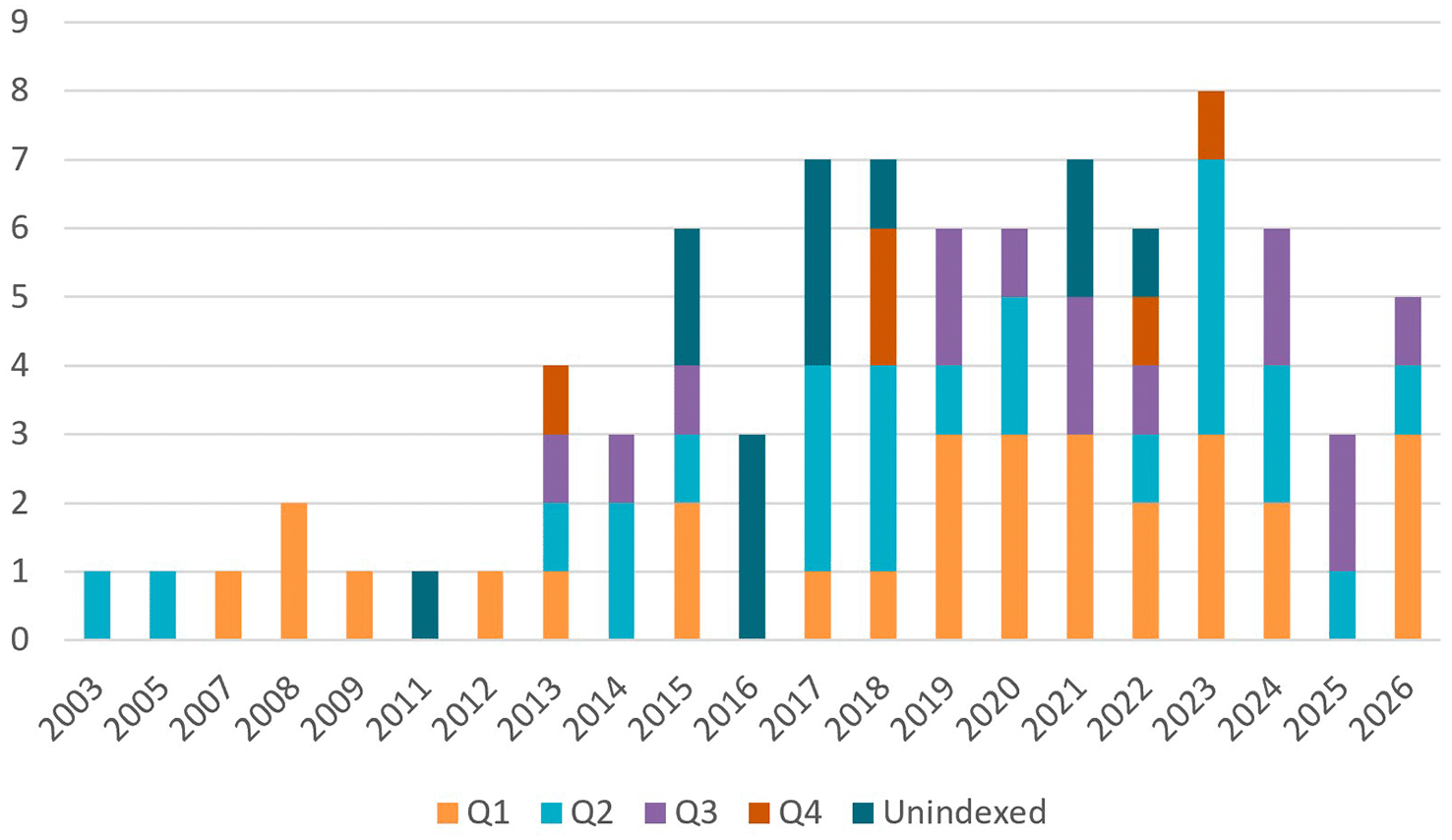
A notable shift in publication quality is also evident. Early studies were sporadic and dispersed across journal categories, whereas recent publications are increasingly concentrated in Q1 and Q2 journals. Since 2017, Q1 publications have shown sustained growth and consistently represent the largest proportion of annual output, indicating that the topic has gained recognition within high-impact academic journals. Although Q3, Q4, and unindexed publications continue to contribute to the literature, their shares remain comparatively smaller and generally complement the increasing dominance of higher-ranked journals.
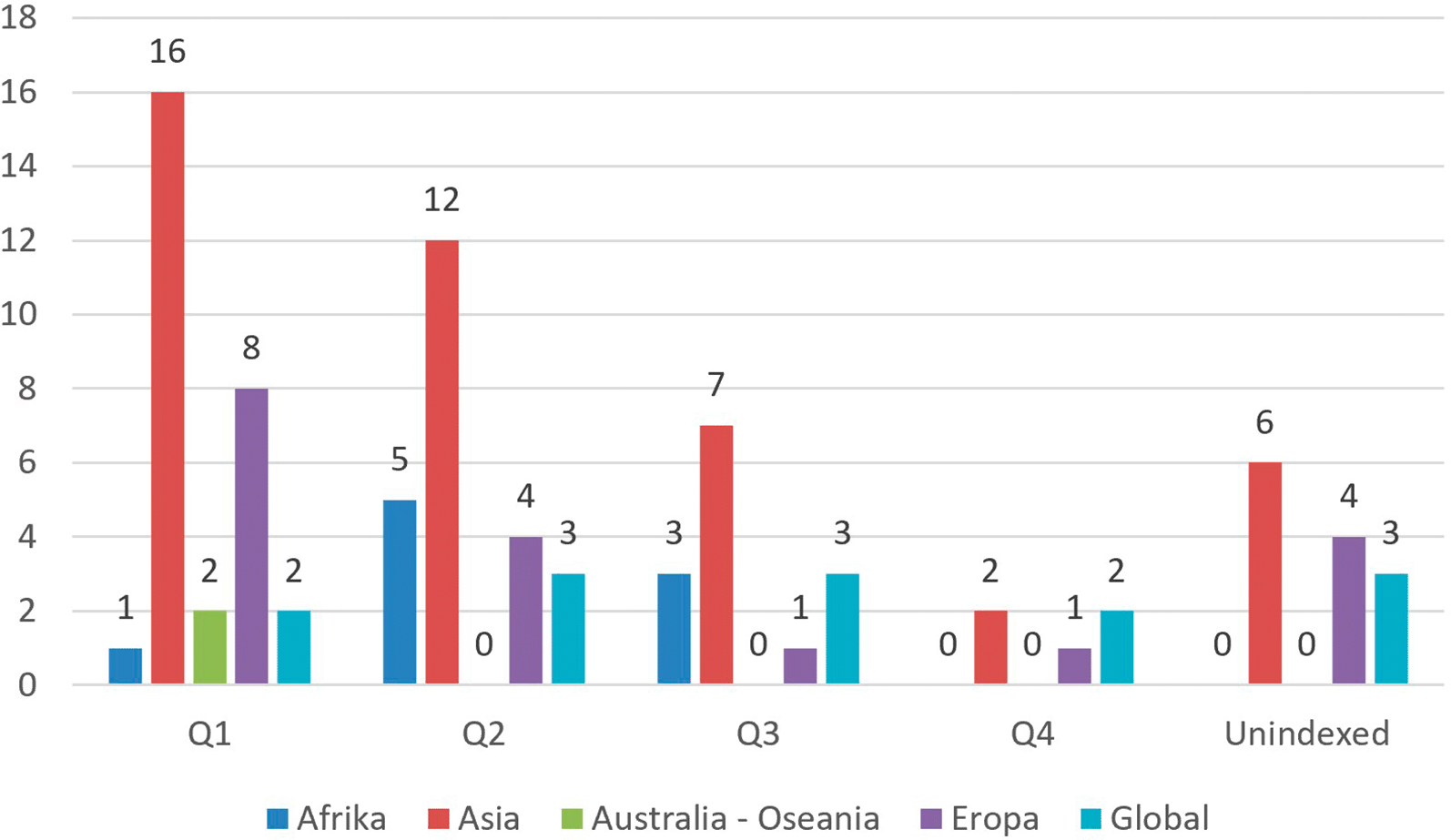
Figure 6 presents the distribution of publications on intellectual capital and corporate governance across journal quartiles by continent. Overall, the literature is predominantly published in Q1 journals, indicating the growing academic maturity and international visibility of this research field. Notably, Asia accounts for the highest number of publications in both Q1 (16 articles) and Q2 (12 articles) journals, while Europe represents the second most productive region with 8 and 4 publications in the respective quartiles.
This pattern may reflect the increasing emphasis on corporate governance reforms and intellectual capital disclosure across several Asian economies following the transition toward knowledge-based development. Studies indicate that reforms introduced after the Asian financial crisis strengthened corporate governance mechanisms and encouraged greater investment in intellectual capital and disclosure practices (Gan et al., 2013; Haji & Ghazali, 2013).
Conversely, Europe’s robust presence in top-tier journals is rooted in its historical position as the progenitor of the intellectual capital paradigm. The conceptual framework of intellectual capital was initially developed in Sweden before expanding to Great Britain, Spain, and other European countries, establishing a highly mature and long-standing academic tradition (Chouaibi & Kouaib, 2015). This deeply rooted foundation is further sustained by European corporate governance structures, which place a heavy emphasis on managing socially responsible assets and sustainability initiatives, thereby continuously generating high-quality research output (Gangi et al., 2019).
By contrast, Africa and Australia–Oceania contribute relatively few publications, while globally collaborative studies are distributed across all journal quartiles. These findings indicate that high-quality research on intellectual capital and corporate governance remains geographically concentrated, with Asia and Europe serving as the primary knowledge producers. The uneven distribution highlights opportunities for greater international collaboration and comparative studies, particularly in underrepresented regions where institutional settings and governance practices may provide valuable insights into the management of intellectual capital.
4.3.1 Theory
The results of the theory mapping show that research on intellectual capital and corporate governance has employed diverse theoretical perspectives. From the articles analyzed, 23 categories of theoretical perspectives were identified, consisting of 22 explicitly stated theories and one category of articles that did not explicitly mention any theory (Not Explicitly Stated). This diversity indicates that studies on intellectual capital and corporate governance do not rely on a single theoretical framework, but have developed through various approaches that emphasize aspects of monitoring, accountability, resources, legitimacy, market signaling, and the strategic role of boards in value creation. Thus, the relationship between intellectual capital and corporate governance can be understood as a multidimensional issue involving control mechanisms, the management of intangible assets, and the company’s strategic communication with stakeholders. The distribution of these theoretical perspectives is presented in Figure 7, which illustrates the theories used in the analyzed articles along with their frequency of occurrence.
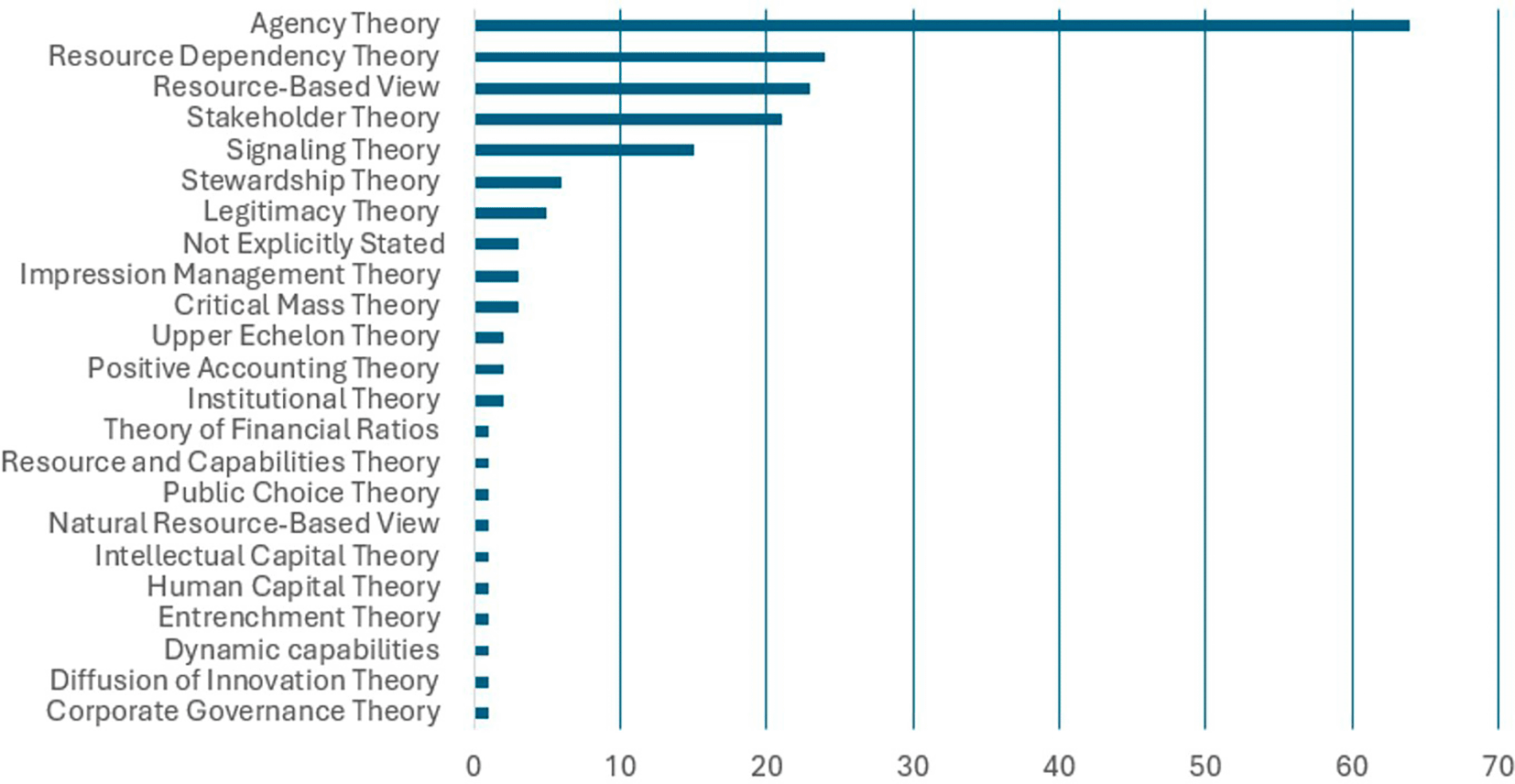
Based on the theory mapping results, Agency Theory emerged as the most dominant theory, used in 64 articles, and can therefore be positioned as the main perspective in research on intellectual capital and corporate governance. The dominance of this theory indicates that most studies still explain the relationship between intellectual capital and corporate governance through issues of conflicts of interest, agency costs, and information asymmetry between management, shareholders, and other stakeholders. From this perspective, corporate governance mechanisms are understood as tools to strengthen corporate monitoring and transparency, particularly because intellectual capital is an intangible asset that is difficult to observe and measure directly. Alfraih (2018), for example, explains that board size, external directors, CEO duality, and ownership structure can influence intellectual capital disclosure. Muttakin et al. (2015) also show that, in the context of developing countries, ownership structure and monitoring mechanisms such as family ownership, foreign ownership, board independence, CEO duality, family duality, and audit committees are relevant in explaining variations in intellectual capital disclosure. Meanwhile, Adznan et al. (2023) use Agency Theory in the context of Islamic banking to explain how board characteristics, audit committees, and the size and gender diversity of the Shariah Committee can influence intellectual capital disclosure.
The position of Agency Theory in research on intellectual capital and corporate governance generally begins with the idea that intellectual capital is an intangible asset that is difficult to observe and measure directly, and therefore has the potential to create information asymmetry. For this reason, corporate governance mechanisms are viewed as monitoring tools that can enhance transparency, accountability, and the efficiency of intellectual capital management. In many studies, corporate governance is positioned as a factor that influences intellectual capital, particularly in the form of intellectual capital disclosure or intellectual capital efficiency. In addition, Agency Theory is also used to explain how corporate governance can strengthen the relationship between intellectual capital, firm value, and firm performance. Wang (2013) shows that board characteristics and ownership structure need to be considered in assessing the value relevance of intellectual capital. In line with this, Wahyudi et al. (2026) position board size, board independence, and Shariah board involvement as governance mechanisms that mediate the relationship between intellectual capital and Islamic banking performance.
The use of Agency Theory is also evident in recent studies examining the relationship between corporate governance mechanisms and intellectual capital. Assfaw and Sharma (2024), for instance, examine the effects of board size, board meeting frequency, board gender diversity, the number of board subcommittees, board remuneration, audit committee size, and audit committee meeting frequency on banks’ intellectual capital in Ethiopia. The study shows that governance mechanisms can explain intellectual capital efficiency, although the effects of each mechanism are not always the same. From an agency perspective, this finding reinforces the view that corporate governance does not merely function as a monitoring tool to reduce conflicts between principals and agents, but can also support the more effective management of intangible assets.
In line with this, Abdelhaq et al. (2025) use Agency Theory together with Resource Dependency Theory to explain the relationship between corporate governance and intellectual capital efficiency. From an agency perspective, corporate governance is understood as a mechanism that can reduce information asymmetry between owners and management, protect shareholders’ interests, and strengthen oversight of managerial decisions. Thus, corporate governance does not only function as a control mechanism, but also supports strategic decision-making and the more efficient use of corporate resources. Dzenopoljac et al. (2026) also show that Agency Theory is still used to explain the effect of board effectiveness on intellectual capital disclosure in knowledge-based industries. In this context, an effective board, particularly a more independent board, is viewed as capable of enhancing corporate transparency through the disclosure of information about intellectual capital.
In addition to Agency Theory, which serves as the main umbrella theory, research on intellectual capital and corporate governance also uses several other theoretical perspectives to explain the relationship between corporate governance, the management of intangible resources, information disclosure, and firm value creation. Based on the frequency of occurrence, the five most frequently used theories after Agency Theory are Resource Dependency Theory (24 articles), Resource-Based View (23 articles), Stakeholder Theory (21 articles), Signaling Theory (15 articles), and Stewardship Theory (6 articles). Table 5. presents the five main theories other than Agency Theory that are explicitly used in the analyzed articles. Therefore, this table is not intended to represent all articles in the SLR sample, but only those articles that clearly mention and position a particular theory as the basis of their research argumentation.
Overall, the theory mapping results show that research on intellectual capital and corporate governance is dominated by theoretical approaches that focus on three main issues: monitoring, resources, and transparency. Agency Theory is the dominant perspective because it is most frequently used to explain the role of corporate governance in reducing agency problems and information asymmetry related to intellectual capital. Resource Dependency Theory emphasizes the role of boards in providing access to resources, networks, and legitimacy. The Resource-Based View positions intellectual capital as a strategic resource that supports a firm’s competitive advantage. Stakeholder Theory broadens the explanation by emphasizing corporate accountability to various stakeholders. Signaling Theory views intellectual capital disclosure as a signal of firm quality to the market. Meanwhile, Stewardship Theory offers a complementary perspective by viewing managers and boards as stewards who can support the use of intellectual capital for value creation. Thus, the relationship between intellectual capital and corporate governance in the literature is not only understood as a monitoring relationship, but also as a mechanism for value creation, the management of intangible resources, and strategic communication with stakeholders.
4.3.2 Context
The application of intellectual capital (IC) and corporate governance (CG) mechanisms transcends a singular setting, revealing a highly diversified and multisectoral landscape. As our review indicates, scholars have contextualized their research across various geographical environments, with a pronounced concentration on emerging markets and developing economies. A substantial volume of studies has been anchored in Asian and Middle Eastern contexts, including Malaysia (Abdul Rahman & Musman, 2013; Haji & Ghazali, 2013), Indonesia (Dharmendra et al., 2022; Nuzula et al., 2023), Pakistan (Farooq & Ahmad, 2023), and the Gulf Cooperation Council (GCC) countries (Buallay & Hamdan, 2019; Musleh Al-Sartawi, 2018). Furthermore, several researchers have adopted multi-country and regional perspectives to capture broader institutional dynamics, particularly focusing on the Organization of Islamic Cooperation (OIC) member states (Aslam & Haron, 2020; Wahyudi et al., 2026). Concurrently, the theoretical discourse remains strongly supported by evidence from developed economies, including the United Kingdom (Li et al., 2012; Mkumbuzi, 2016), France (Mardini & Lahyani, 2022), Italy (Baldini & Liberatore, 2016), and Australia (Appuhami & Bhuyan, 2015; White et al., 2007).
Sectorally, our findings make it evident that the operationalization of IC and CG is highly contingent upon industry characteristics. The literature exhibits a distinct dichotomy. On one hand, a massive cluster of research is dedicated to the financial sector, driven by the unique governance structures of commercial and Islamic banking (Adznan et al., 2023; Bamahros, 2021; Shubita & Alrawashedh, 2023). On the other hand, to control for the stringent regulatory constraints inherent to financial institutions, a significant proportion of studies deliberately excludes this sector. These studies focus entirely on non-financial listed companies (Kouki et al., 2020; Loulou-Baklouti, 2024) or specifically target the manufacturing sector (Javaid et al., 2023; Mubarik et al., 2019). Given that IC is rooted in intangible asset creation, it is unsurprising that knowledge-intensive industries enjoy substantial research output. Scholars have specifically targeted sectors where human and structural capital are paramount, such as biotechnology, information technology, and semiconductors (Dzenopoljac et al., 2026; Hsieh et al., 2019; Wang, 2013). Moreover, the contextual scope extends beyond typical publicly listed firms to unique organizational and ownership structures. The literature highlights the adoption of these frameworks in Initial Public Offerings (Cardi et al., 2018; Nadeem, 2020), Government-Linked Companies (Abdul Rahman & Musman, 2013), listed family companies (Ginesti & Ossorio, 2021), and non-corporate entities such as Higher Education Institutions (Ramírez et al., 2026; Safieddine et al., 2009).
Finally, the temporal and institutional contexts in which these studies are situated provide critical nuances. Many studies frame their observational periods around specific macro-environmental shocks or regulatory milestones. For instance, scholars have examined the impact of corporate governance code revisions (Haji & Ghazali, 2013), post-banking restructuring periods (Mubaraq & Haji, 2014), and the implementation of mandatory gender quotas, such as the Copé–Zimmermann Law in France (Mardini & Lahyani, 2022). This heterogeneity suggests a seemingly bandwagon attempt by diverse stakeholders to leverage IC and governance practices in response to evolving regional regulations and industry-specific demands.
4.3.3 Characteristics
a. Intellectual capital
The mapping of intellectual capital characteristics shows that prior studies operationalize IC mainly through two dominant forms: intellectual capital disclosure and intellectual capital efficiency. Intellectual capital disclosure is the most frequently examined form, appearing in 44 articles or 51.76% of the total sample. All studies in this category belong to the CG → IC stream, indicating that disclosure-based studies mainly examine how board structure, ownership structure, audit committees, leadership characteristics, and other governance mechanisms influence the extent or quality of IC information reported by firms. These studies commonly use disclosure indices, word counts, or disclosure quality scores derived from annual reports, prospectuses, CEO statements, and other corporate reporting media (Li et al., 2008; Haji & Ghazali, 2013; Mardini & Lahyani, 2022; Adznan et al., 2023; Loulou-Baklouti, 2024).
The second most common form is intellectual capital efficiency or performance, which appears in 36 articles or 42.35% of the sample. Most studies in this category also belong to the CG → IC stream, although two studies examine IC → CG and one study examines a reciprocal relationship. These studies generally use VAIC, MVAIC, adjusted VAIC, VAINC, or other value-added-based measures to assess how efficiently firms utilize human, structural, relational, and physical capital (Aslam & Haron, 2020, 2021; Soriya & Kumar, 2022; Farooq & Ahmad, 2023; Assfaw & Sharma, 2024; Hossain & Rana, 2024; Mardini & Lahyani, 2022; Abdelhaq et al., 2025; Essel, 2025). Compared with intellectual capital disclosure, efficiency-based IC is positioned more flexibly as an outcome, predictor, mediator, or reciprocal construct in relation to corporate governance.
Other forms of IC remain relatively limited. Perceived intellectual capital appears in only two studies and is commonly measured using questionnaire-based or perceptual scales (Nkundabanyanga et al., 2014; Tumwebaze et al., 2021). Meanwhile, IC investment, IC development capability, and IC valuation are each examined in only one study, respectively represented by expenditure-based proxies, organizational capability to attract and develop IC, and valuation-based approaches (Huang et al., 2014; Safieddine et al., 2009; Wang, 2013). This indicates that the literature remains highly concentrated on disclosure and value-added efficiency, while perceptual, investment, development, and valuation approaches are still underexplored.
The stream mapping also reveals a strong directional imbalance. Of the 85 articles, 81 examine the CG → IC relationship, two examine IC → CG, and two examine reciprocal relationships. This pattern shows that IC is more often treated as an outcome of governance mechanisms than as a strategic resource that can shape governance structures, processes, or effectiveness. Future studies should therefore examine IC not only as an outcome, but also as an antecedent, mediator, moderator, or reciprocal construct in corporate governance research.
Configuration of intellectual capital components
The configuration of intellectual capital components across the reviewed literature is presented in Table 6. The mapping of component configurations shows that the classical combination of human capital, structural capital, and relational capital dominates the literature. This configuration is found in 57 articles or 66.28% of the 85 studies analyzed. Of these, 54 articles belong to the CG → IC stream, two belong to the IC → CG stream, and one examines a reciprocal relationship. The dominance of this configuration indicates that most studies adopt the classical tripartite view of intellectual capital and understand organizational knowledge as a resource embedded in employees, organizational systems, and external relationships. This approach is particularly common in intellectual capital disclosure studies, which classify information into human capital, internal or structural capital, and external or relational capital. The same configuration is also used in modified VAIC models that explicitly incorporate relational capital alongside human and structural capital.
The second most frequently identified configuration is the combination of human capital and structural capital, which appears in 24 articles or 27.91% of the total sample. All studies in this category belong to the CG → IC stream. This configuration is generally associated with standard VAIC-based studies that analyze human capital efficiency and structural capital efficiency together with capital employed efficiency. Capital employed efficiency is included as an efficiency component in VAIC but cannot be treated as relational capital. Therefore, studies using standard VAIC are categorized as examining human capital and structural capital rather than the complete human–structural–relational capital configuration. This group includes studies such as Appuhami and Bhuyan (2015), Buallay and Hamdan (2019), Soriya and Kumar (2022), Shubita and Alrawashedh (2023), Shubita et al. (2024), Mardini and Lahyani (2022), Abdelhaq et al. (2025), and Shahwan et al. (2025).
Other configurations are examined relatively infrequently. Human capital alone is found in only one reciprocal study, namely Safieddine et al. (2009), which focuses on an organization’s ability to attract, retain, and develop human intellectual resources. The combination of structural capital and relational capital appears in only one study that uses proxies related to innovation or process capital and marketing or relational expenditure (Huang et al., 2014). Two articles, representing 2.33% of the total sample, use intellectual capital as an overall or aggregate score without clearly separating its underlying components (Wang, 2013; Widiatmoko & Indarti, 2017). The limited use of these configurations indicates that the literature remains strongly centered on the classical component structure, while more specialized or alternative configurations remain underdeveloped.
Component configurations also differ according to the intellectual capital measurement approach employed. Disclosure-based studies more frequently use the complete human–structural–relational capital configuration because disclosure indices are generally developed around these three classical categories. In contrast, studies using standard VAIC are more frequently classified under the human–structural capital configuration because relational capital is not included in the original VAIC formulation. Modified VAIC extends this structure by adding relational capital efficiency, while several recent studies have begun to incorporate additional components such as innovation capital and Shariah capital. Mardini and Lahyani (2022), for example, include innovation capital efficiency, whereas Adznan et al. (2022, 2023) add Shariah capital to represent knowledge and governance characteristics specific to the Islamic banking context. These developments indicate an expansion of intellectual capital beyond the classical tripartite configuration, although the use of such extended configurations remains relatively limited.
Frequency of individual intellectual capital components
The frequency of individual intellectual capital components is summarized in Table 7. The multiple-response analysis confirms the dominance of human capital and structural capital in the literature. Human capital is identified in 82 articles or 95.35% of the total sample, while structural capital is also identified in 82 articles or 95.35%. Human capital includes human capital efficiency in value-added models as well as human capital information in disclosure-based studies. Structural capital includes structural capital efficiency, internal capital, organizational capital, process capital, and innovation-related capital. The near-universal inclusion of these two components indicates that employee knowledge and organizational systems constitute the principal foundations of intellectual capital research within the corporate governance literature.
Relational capital is identified in 58 articles or 67.44% of the total sample. Although this proportion is substantial, its frequency remains lower than that of human capital and structural capital. Relational capital includes relational capital efficiency, customer capital, external capital, communication capital, and knowledge embedded in relationships with customers, suppliers, investors, regulators, and other external stakeholders. Its lower frequency is partly attributable to the dominance of standard VAIC, which does not explicitly incorporate relational capital. Relational capital appears more consistently in disclosure-based studies and modified VAIC models that add relational capital efficiency. Therefore, differences in frequency reflect not only conceptual choices but also the measurement methods adopted.
Shariah capital is found in only two articles or 2.33% of the total sample, both of which examine intellectual capital disclosure in the Islamic banking context (Adznan et al., 2022, 2023). This component captures information and knowledge related to Shariah governance, Islamic principles, and the role of Shariah committees. Its limited frequency is understandable because Shariah capital is highly context-specific and is not intended to represent a universal component of intellectual capital. Nevertheless, its inclusion indicates that intellectual capital frameworks can be adapted to sectoral, religious, or institutional characteristics that are not fully captured by the human–structural–relational capital model.
Because the component-frequency table applies a multiple-response approach, the total frequency reaches 224, equivalent to 260.47% of the 85 articles. This figure does not indicate an error because one article may examine two or more intellectual capital components simultaneously. The results should therefore be interpreted as the frequency with which each component appears rather than as mutually exclusive categories. Overall, the findings indicate that intellectual capital research is highly concentrated on human capital and structural capital, followed by relational capital, whereas context-specific components remain relatively rare. This pattern creates opportunities for future studies to examine less frequently investigated components, such as innovation capital, digital capital, technological capital, social capital, or other context-specific forms of capital, as well as their relationships with corporate governance mechanisms.
b. Corporate governance
The mapping of 85 articles shows that corporate governance (CG) characteristics are strongly dominated by the CG → IC stream, shown in Table 8. In other words, most studies position CG as a mechanism that shapes the management, efficiency, or disclosure of IC, rather than treating CG as an outcome of IC. This pattern suggests that the IC–CG literature largely rests on the assumption that governance structures guide and control managerial decisions, particularly in relation to intangible assets that are difficult to observe directly. This view is consistent with the broader CG literature, which emphasizes the role of governance in directing, monitoring, and balancing the interests of multiple parties within the firm (Kovermann & Velte, 2019; Naciti et al., 2022; Abdelhaq et al., 2025). In the context of IC, this governance function becomes particularly important because IC is associated with knowledge, organizational capabilities, external relationships, and other intangible resources that are not always adequately captured in traditional financial statements (Cerbioni & Parbonetti, 2007; Li et al., 2008; Abdelhaq et al., 2025).
The most dominant CG mechanisms identified in the mapping are board independence/composition, board size, CEO/chair leadership, and ownership structure. The dominance of these mechanisms indicates that the IC–CG literature remains highly board-centric, as most CG indicators are derived from board characteristics and formal monitoring structures. Theoretically, this pattern can be explained through agency theory, which views the board as a central mechanism for monitoring management, reducing opportunistic behavior, and enhancing information transparency (Jensen & Meckling, 1976; Kovermann & Velte, 2019). For example, Li et al. (2008) show that board composition, ownership structure, audit committee size, audit committee meeting frequency, and CEO duality are associated with variations in intellectual capital disclosure among UK firms. Similarly, Cerbioni and Parbonetti (2007) find that board independence, board size, CEO duality, and board structure influence both the quantity and quality of IC disclosure in European biotechnology firms. However, more recent evidence suggests that the effects of board characteristics are not always consistent; Abdelhaq et al. (2025), for instance, find that board size and CEO duality do not significantly affect IC efficiency, whereas board education and board gender diversity are more relevant in explaining variations in IC. These findings indicate that formal board structure alone may not be sufficient to explain the quality of IC management or disclosure.
Beyond structural mechanisms, the mapping also highlights growing attention to board diversity and attributes, as well as audit committee/audit quality. These mechanisms indicate a shift in the literature from formal board structure toward more substantive dimensions of governance, such as gender, education, experience, expertise, independence, and monitoring capacity. This shift is consistent with contemporary CG literature, which increasingly emphasizes more operational board characteristics, including female directors, independent directors, and board size (Kovermann & Velte, 2019; Naciti et al., 2022; Abdelhaq et al., 2025). In this regard, the knowledge quality and diversity of board perspectives may be important because IC depends heavily on the cognitive capacity, expertise, experience, and strategic orientation of decision makers. At the same time, audit committees and audit quality are also relevant because IC disclosure is often voluntary, narrative-based, and difficult to verify. Therefore, assurance-related governance mechanisms can enhance the credibility of IC-related information communicated to stakeholders (Cerbioni & Parbonetti, 2007; Li et al., 2008; Kovermann & Velte, 2019).
Overall, three main tendencies emerge from the mapping of CG characteristics. First, the IC–CG literature remains strongly board-centric, as the most frequently used mechanisms are derived from board-related characteristics, such as board independence, board composition, board size, CEO duality, board diversity, and audit committees. Second, prior studies tend to rely more heavily on individual proxies, such as board size, board independence, CEO duality, ownership concentration, and audit committee characteristics, rather than composite governance indices that may capture the overall quality of governance more comprehensively. Third, there is a clear research gap in relation to governance quality, governance processes, remuneration, and integrated governance bundles, as these mechanisms remain relatively underexplored. Yet, the effectiveness of CG is not necessarily determined by a single standalone mechanism, but by the combination of governance mechanisms that may complement or substitute for one another depending on the organizational and institutional context (Cucari, 2019; Kovermann & Velte, 2019; Naciti et al., 2022). Future studies should therefore move beyond the isolated testing of individual proxies toward a more holistic understanding of how configurations of corporate governance shape, direct, and communicate intellectual capital.
4.3.4 Methodology
The methodological mapping shows that the IC–CG literature is strongly dominated by quantitative approaches, as shown in Table 9. Of the 85 articles reviewed, the most frequently used method is panel data regression, which appears in 38 articles, followed by ordinary least squares, linear regression, or multiple regression in 31 articles. Other methods include content analysis combined with regression in 8 articles, structural equation modelling or PLS-SEM in 5 articles, quantile regression in 2 articles, and ANOVA or t-test in 2 articles. Only one study adopts a mixed-methods design, namely content analysis combined with GMM (Maji & Nath, 2026), while no purely qualitative study is identified in the corpus. This pattern indicates that research on intellectual capital and corporate governance remains heavily oriented toward statistical testing and regression-based empirical designs.
This methodological concentration reflects the positivistic tradition of the fields in which IC–CG research is embedded, particularly accounting, finance, and corporate governance. Positivist research is commonly associated with hypothesis testing, variable operationalization, and the use of quantifiable measures to examine relationships among constructs (Park et al., 2020). In this field, both IC and CG can be relatively easily translated into numerical indicators. Intellectual capital is commonly measured through VAIC, MVAIC, intellectual capital disclosure indices, human capital efficiency, structural capital efficiency, relational capital efficiency, and capital employed efficiency. Corporate governance, in turn, is often operationalized through board size, board independence, CEO duality, ownership concentration, audit committee characteristics, board diversity, and board meeting frequency. These measurable indicators make the IC–CG relationship highly suitable for quantitative empirical testing.
The availability of secondary data further reinforces the dominance of quantitative research designs. Many IC and CG indicators can be collected from annual reports, corporate governance reports, financial statements, sustainability reports, and capital market databases. These sources provide standardized firm-level information that allows researchers to build large samples, conduct longitudinal analyses, compare firms across industries or countries, and replicate previous studies. This is particularly visible in intellectual capital disclosure studies, which often rely on content analysis of annual reports and corporate communication documents, and in intellectual capital efficiency studies, which commonly use value-added-based measures derived from financial data (Guthrie & Petty, 2000; Cuozzo et al., 2017; Krippendorff, 2018).
The dominance of the CG → IC stream also helps explain the prevalence of regression-based methods. Since most studies position corporate governance as an antecedent of intellectual capital, the typical research design examines whether governance mechanisms influence IC disclosure, IC efficiency, or related IC outcomes. In this structure, CG mechanisms serve as predictor variables, while VAIC, MVAIC, or ICD scores serve as outcome variables. This design naturally lends itself to OLS, multiple regression, panel data regression, SEM/PLS, and other hypothesis-testing methods. Therefore, the methodological profile of the field is closely connected to its dominant theoretical and directional orientation, especially the use of agency-based explanations that emphasize monitoring, accountability, and information asymmetry (Jensen & Meckling, 1976).
A notable development within the quantitative stream is the increasing use of panel data techniques, GMM, instrumental variables, and lagged regressors. This development suggests growing methodological awareness of potential endogeneity, heterogeneity, simultaneity, and reverse causality in IC–CG research. These issues are particularly relevant because governance mechanisms may influence intellectual capital, but intellectual capital may also shape governance quality, board capability, and managerial decision-making. Wintoki et al. (2012) emphasize that corporate governance research is vulnerable to unobserved heterogeneity and simultaneity, and that dynamic panel estimators can help address these concerns. In line with this argument, several IC–CG studies justify the use of GMM or related estimators because static models may not sufficiently account for unobserved firm-specific effects and dynamic relationships (Aslam & Haron, 2020; Aslam et al., 2024; Assfaw & Sharma, 2024).
Quantitative methods offer important advantages for IC–CG research. They allow researchers to identify general patterns, estimate the magnitude and direction of relationships, compare findings across institutional contexts, and test direct, mediating, moderating, or nonlinear effects. The use of SEM and PLS-SEM also enables more complex modelling of relationships among IC components, governance mechanisms, and organizational outcomes (Nkundabanyanga et al., 2014; Saeed et al., 2015; Nuzula et al., 2023; Wahyudi et al., 2026). However, the same methodological dominance also creates limitations. Quantitative approaches are effective for explaining whether a relationship exists, but they are less able to explain how and why governance mechanisms shape intellectual capital in organizational practice. For instance, regression analysis may show whether board independence is associated with IC disclosure, but it cannot fully capture how board members discuss IC, how disclosure decisions are negotiated, or how internal governance processes influence the development of human, structural, and relational capital.
The absence of purely qualitative studies and the very limited use of mixed methods therefore represent an important methodological gap. The IC–CG relationship involves boardroom dynamics, managerial judgment, organizational learning, stakeholder pressure, and internal decision-making processes that are not fully observable through secondary data. Future studies should therefore complement quantitative designs with qualitative case studies, interviews, field studies, document analysis, and mixed-method approaches. Such methodological diversification would help open the “black box” of governance processes and provide deeper insight into how governance mechanisms influence the development, utilization, and disclosure of intellectual capital. This direction is especially important for the underexplored IC → CG stream, where the processes through which intellectual capital shapes governance structures, board capabilities, and strategic decision-making remain insufficiently understood.
Based on the bibliometric and TCCM synthesis, this study identifies several gaps related to theoretical framing, research direction, contextual coverage, construct measurement, governance mechanisms, and methodology. These gaps and the corresponding future research directions are summarized in Table 10.
Overall, future IC–CG research should move beyond a predominantly agency-based, CG → IC-oriented, board-centric, and regression-driven tradition toward a more reciprocal, process-oriented, context-sensitive, and theoretically integrated research agenda.