Просмотр новости
Найдите то, что Вас интересует
 Спутники
 РН
РН SpaceX
 Роскосмос
 NASA
NASA
СпутникиРНSpaceXРоскосмосNASAThis study aims to provide an integrated picture of the risk of bankruptcy in Islamic banks based on its determinants, countermeasures, and predictive models in the development of an early warning system that is in accordance with Sharia principles and sensitive to systemic issues. This study used a Systematic Literature Review (SLR) following the PRISMA protocol and bibliometric analysis using 130 high-quality papers selected and analyzed using keyword clustering, thematic mapping, and synthesis of mitigation strategies and predictive models. The results show that the risk of Islamic bank bankruptcy is not only determined internally by financial variables such as capital structure, profitability, and efficiency, but is also externally influenced by regulatory risks, macroeconomic volatility, geopolitical risks, and emerging sustainability issues. The review identifies five thematic clusters: bankruptcy forecasting models, regulatory and competitiveness issues, macroeconomic risks and crises, governance and institutional drivers, and ESG-based strategies. The mainstreaming of Islamic social finance and ESG in bankruptcy risk prevention is an untapped area of literature. This study confirms that it is beneficial for policymakers, regulators, and bank management to strengthen Islamic banks’ resilience. This study underscores product diversification, strengthening Sharia governance, integrating ESG indicators, and implementing Islamic social finance as mitigation and anticipatory measures.
Bankruptcy and default risk are inevitable issues that erode the stability of the global financial system because they directly erode the sustainability of public trust, liquidity, and systemic risk transmission between financial institutions (Bilgin et al., 2021; Erick et al., 2021; Poliakov and Zayukov, 2022). In Islamic banking, these difficulties are compounded by the fact that Islamic banks operate in a dual system. On the one hand, they must adhere to Sharia principles that require fairness, transparency, and the prohibition of speculation (gharar) and interest (riba), while on the other hand, they are also required to follow the modern prudential regulations outlined for the conventional interest-based financial sector (Alqahtani and Mayes, 2018; Banna et al., 2022).
Although the Islamic financial system is based on risk sharing, which is considered more resilient to crises, various empirical studies show that Islamic banks are vulnerable to external shocks such as price risk, exchange rate risk, geopolitics, and liquidity market confidence crises (Laila and Widihadnanto, 2017). These risks are exacerbated by an imbalance between liabilities and assets caused by the limited availability of Sharia-compliant short-term instruments and the high reliance on unsecured third-party funds (Bilgin et al., 2021). In certain situations, financial structures based on profit-sharing contracts (musyarakah and mudarabah) are more likely to exacerbate information asymmetry and slow down managers’ reactions to bankruptcy indicators because the risks are borne jointly by the fund owner and manager rather than fully borne by the bank (Bakour, 2023; Jan et al., 2019).
After the 2008 global financial crisis, scientific research has increasingly focused on the resilience of Islamic banks to systemic shocks. Most previous research has focused on comparisons between Islamic and conventional banks, primarily in terms of stability, profitability, and efficiency (Banna et al., 2022; Kurnia, Nugroho, and Janee-Ali, 2024) (Alghamati et al., 2024; Banna et al., 2022; Ismal, 2012). However, studies that investigate the causal factors of bankruptcy, including the interaction between financial, governance, and Sharia compliance factors, are still very rare. This gap creates the need for a more holistic approach that not only relies on conventional financial ratios but also considers contractual contexts, customer behavior, and governance elements unique to Islamic finance.
The risk of bankruptcy in Islamic banks is multidimensional, interdependent, and dynamic. It comes not only from internal sources such as liquidity, profitability, and capital structure, but also from governance attributes that determine the quality of strategic decision-making and Shariah compliance monitoring. At the system level, the risk of bankruptcy can be triggered by macroprudential imbalances, such as reliance on short-term instruments, lack of coordination between monetary and fiscal policies, and information asymmetry in Islamic interbank markets (Ismal, 2012; Jan and Marimuthu, 2016; Laila and Widihadnanto, 2017). Global macroeconomic conditions, such as commodity price volatility and inflation, contribute to increased vulnerability, especially for Islamic banks in countries with weak economic fundamentals (Alqahtani and Mayes, 2018; Grassa and Matoussi, 2014). More broadly, geopolitical risks in the form of regional conflicts, economic sanctions, and cross-border supply chain disruptions can exacerbate liquidity pressures and undermine market confidence in the Islamic financial sector (Bilgin et al., 2021).
Furthermore, issues such as sustainability and Environmental, Social, and Governance (ESG) are increasingly emerging as key determinants of the long-term stability of financial institutions, including Islamic banks (Jan et al., 2023; Rawal et al., 2022). The limited use of ESG indicators in bankruptcy detection models results in most non-financial risks, such as ethical violations, unsustainable financing practices, or lack of governance transparency, often avoiding early identification (Rawal et al., 2022). Therefore, the risk of Islamic bank bankruptcy needs to be explained to move from a single-dimensional variable finance approach to a multidimensional, cross-sectoral, and sustainability-focused approach to reflect the complexity of the Islamic finance industry in today’s increasingly uncertain world.
Thus, this research presents new findings in three general areas: conceptual, methodological, and practical. Conceptually, this study is one of the studies that seeks to shift the understanding of Islamic bank bankruptcy risk into a multidimensional space that includes financial, governance, macroprudential, geopolitical, and sustainability (ESG) dimensions. This intervention opens up a wider space for analysis, which was previously influenced by reductionist and reductive conventional financial models. Methodologically, this study adopts a Systematic Literature Review (SLR) approach with bibliometric analysis that allows the identification and thematic grouping of publications over a period of more than ten years (2008–2025). Practically, this study seeks to provide a conceptual framework for developing an integrated early warning system for bankruptcy risk that is in accordance with Sharia principles and sensitive to sustainability issues and global macroeconomic threats.
Some studies use the Systematic Literature Review (SLR) approach to assess risks in the Islamic banking environment or the banking industry in general. Sohel, Choudhury, Rashid, and Hassan (2024) conducted an SLR of the risk literature of the Islamic banking system over time and drew on six dominant risk themes: stability and resilience, risk-taking attitudes, credit risk, risk of Sharia non-compliance, liquidity, and other risks. SLR’s literature on Islamic banking risks began to grow rapidly after the 2007–2008 global financial crisis, and the growing awareness that Islamic banks were not fully immune to systemic crises. Marnouch and El Khamlichi (2024) provide evidence that scientific work on risk management and financial stability in Islamic banks is still relatively fragmented. Of the 301 articles reviewed, only 80 were actually relevant, and even then, only a small fraction directly linked risk governance to the stability of Islamic banks. These findings confirm that although attention is paid to the governance aspect, research often focuses on individual performance or risk rather than comprehensively mapping the risk of Islamic bank bankruptcy.
In contrast, Idan et al. (2024) found that systematic reviews of banking governance and insolvency risk, including Islamic banks, are still dominated by imperfect approaches to corporate governance (CG), institutional governance (IG), and shariah governance (SG) without fusion. Of the 1,076 articles screened, only 55 were worthy of in-depth research, and the majority used Agency Theory as the theoretical foundation. These limitations create a vacuum in understanding how these layers of governance communicate to stem the risk of insolvency, particularly within Islamic banks that are subject to unique regulatory, social, and religious arrangements. Other bibliometric literature, as researched by Alghamati et al. (2024), emphasized that Islamic banks’ risk research focuses more on traditional risks of credit risk, liquidity, non-performing financing, and Sharia compliance. However, there are some drawbacks to integrating macroeconomic and geopolitical factors, as well as other issues such as sustainability (ESG), into bankruptcy risk analysis.
This study aims to understand the risk of bankruptcy in Islamic banks, including the causative factors, prevention strategies, and methods and models used by stakeholders to assess and predict the level of risk. For this purpose, a Systematic Literature Review (SLR) method was used with the PRISMA protocol and the Scopus database. Of the 3,220 initial search documents returned using keywords related to bankruptcy and banking, 1,161 were removed because they were predatory journals, not Q1–Q4, not in English, or still in the final stages. Furthermore, 2,059 documents were screened using the keyword “Sharia Bank,” and 245 articles remained for full review. After the selection process, 130 articles were selected for analysis: 30 from Q1, 37 from Q2, 40 from Q3, and 23 from Q4. These papers serve as the basis for mapping the causes, risks, and preventive measures for bankruptcy in Islamic banks (See Figure 1).
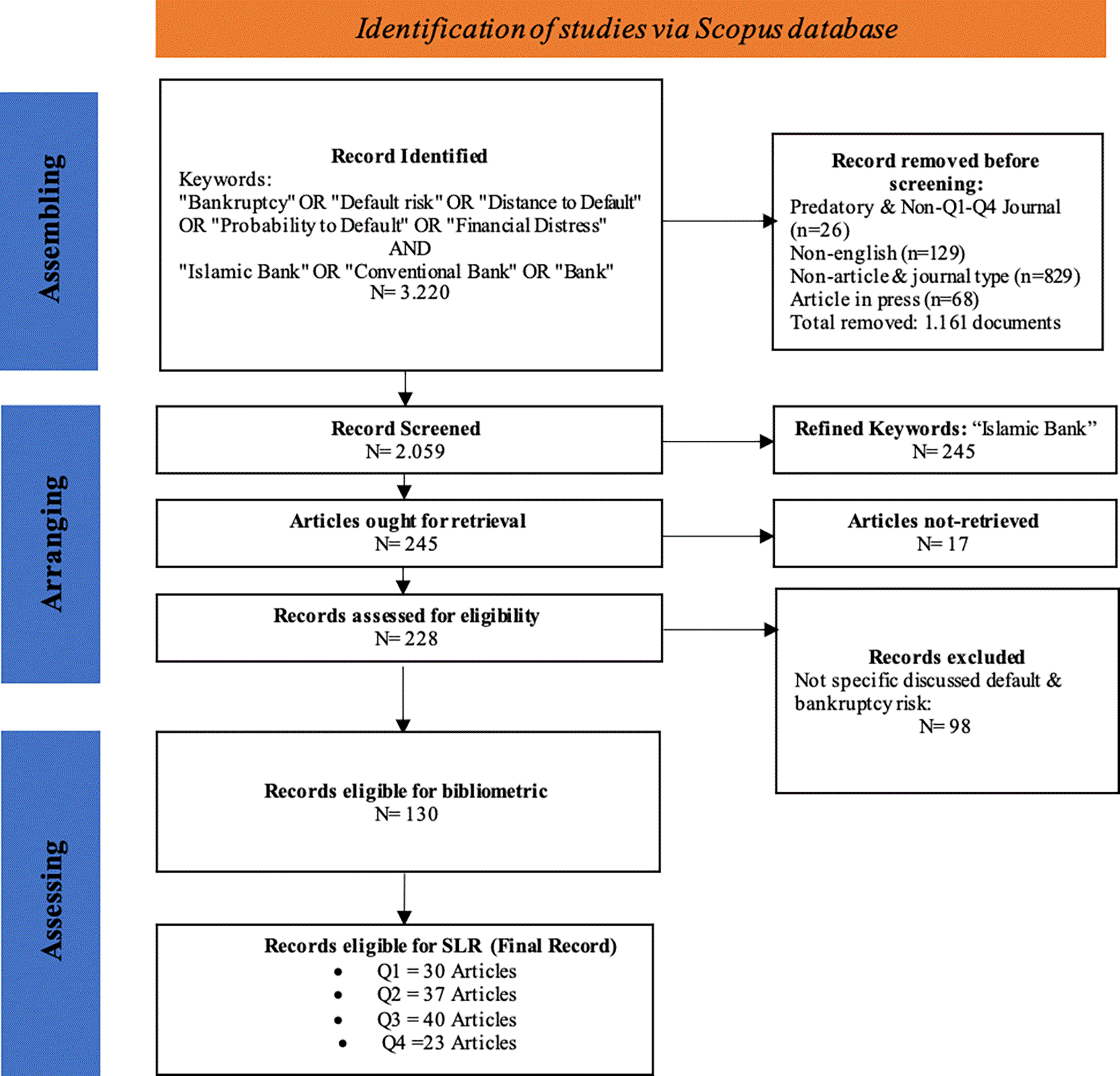
Source: Authors (2025).
Data analysis was conducted in stages through a process that integrated qualitative evaluation and bibliometric techniques. First, 130 selected articles were analyzed to identify publication trends, journal quartile distribution, geographic distribution, and author collaboration. Second, keyword co-occurrence analysis was performed using VOSviewer software to map topic relationships and identify significant clusters in Islamic bank bankruptcy risk research. Third, all articles were read thoroughly to examine the determinants of bankruptcy discussed, ranging from internal variables (profitability, efficiency, capital structure) and external variables (macroeconomics, geopolitics) to sharia-specific variables (sharia compliance, governance, risk of profit-sharing contracts). The final step of the analysis discusses thematic synthesis, which groups the findings into risk clusters and predictive models.
In the overview in Table 1, a total of 134 articles were used. The risk of bankruptcy, especially in Islamic banks, was discussed in 2008, which also contributed to the global financial crisis and disrupted financial stability in these banks. Academic attention to this topic continues to grow, with a growth rate of 9.93% per year and an average citation of 19.28. This research on the risk of Islamic bank bankruptcy involves 331 authors.
The SLR process was conducted by first conducting a keyword analysis of 130 selected articles. At this stage, five main clusters were found, which then became the subject of discussion in the SLR and assisted the author in compiling models and mapping the risks and causes of Islamic bank bankruptcy ( Figure 2).
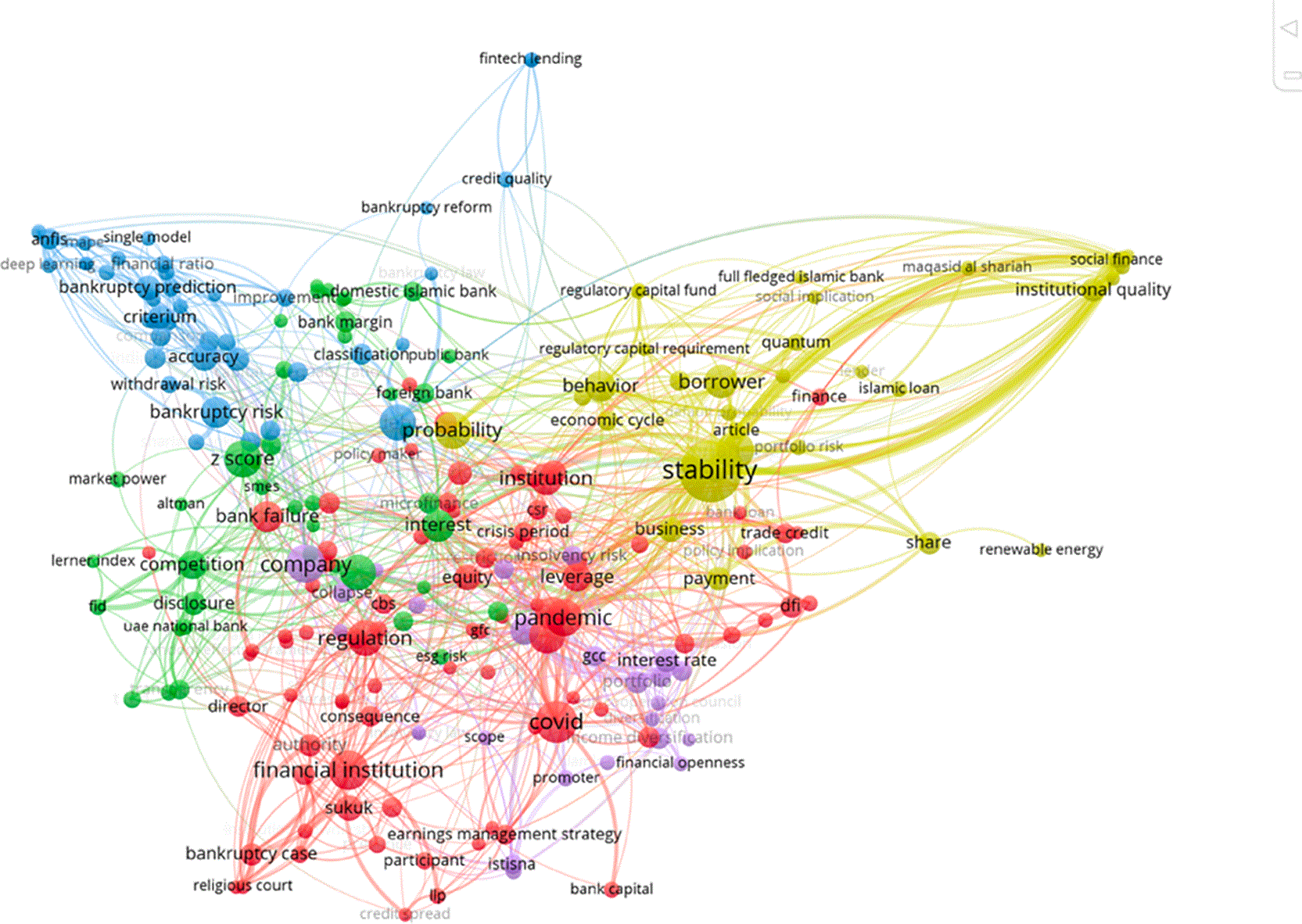
Source: Data Processed (2025).
Based on the results of the analysis using the Systematic Literature Review (SLR) approach, the first cluster, marked with a blue line, provides a mapping of bankruptcy risk, and the formulation of predictive models is the main issue in understanding the dynamics of Islamic bank failures in Asia. The literature in this group emphasizes the early identification of potential bankruptcy using quantitative techniques such as the Z-score model, Altman, and modern statistical models such as logit and probit, and deep learning to increase the accuracy of predictions.
Islamic banks face various complex risks, including capital structures and financing schemes that have their own models to assess sensitivity to exposure to conflicts and global crises. This makes it important to provide useful references to predict the occurrence of risks and the probability of bankruptcy. Therefore, building a more Sharia-based and adaptive predictive model is a priority for strengthening the stability and resilience of Islamic banks in the face of the complexity of risks faced.
Based on the findings of the SLR shown in Figure 3, various bankruptcy prediction models have been used to estimate the likelihood of bankruptcy, including Islamic banks. These models are designed for manufacturing companies or non-financial industries, which are then modified to meet the needs of the banking sector’s resilience analysis. Of the 91 articles identified as a group of articles that discuss bankruptcy prediction, models. The Z-score model is the most popular, used in 33 articles (36%), followed by the Distance to Default model with 18 articles (20%), Ratio Analysis with 15 articles (17%), CAMELS with 10 articles (11%), and the Merton Model, in this case, Contingent Claims Analysis, in eight articles (10%). Several other models are used in bank bankruptcy analysis, including Value at Risk (2%), RAROAA and RAROAE (2%), Altman Z-score (1%), Zmijewski (1%), and Grover Score (1%).
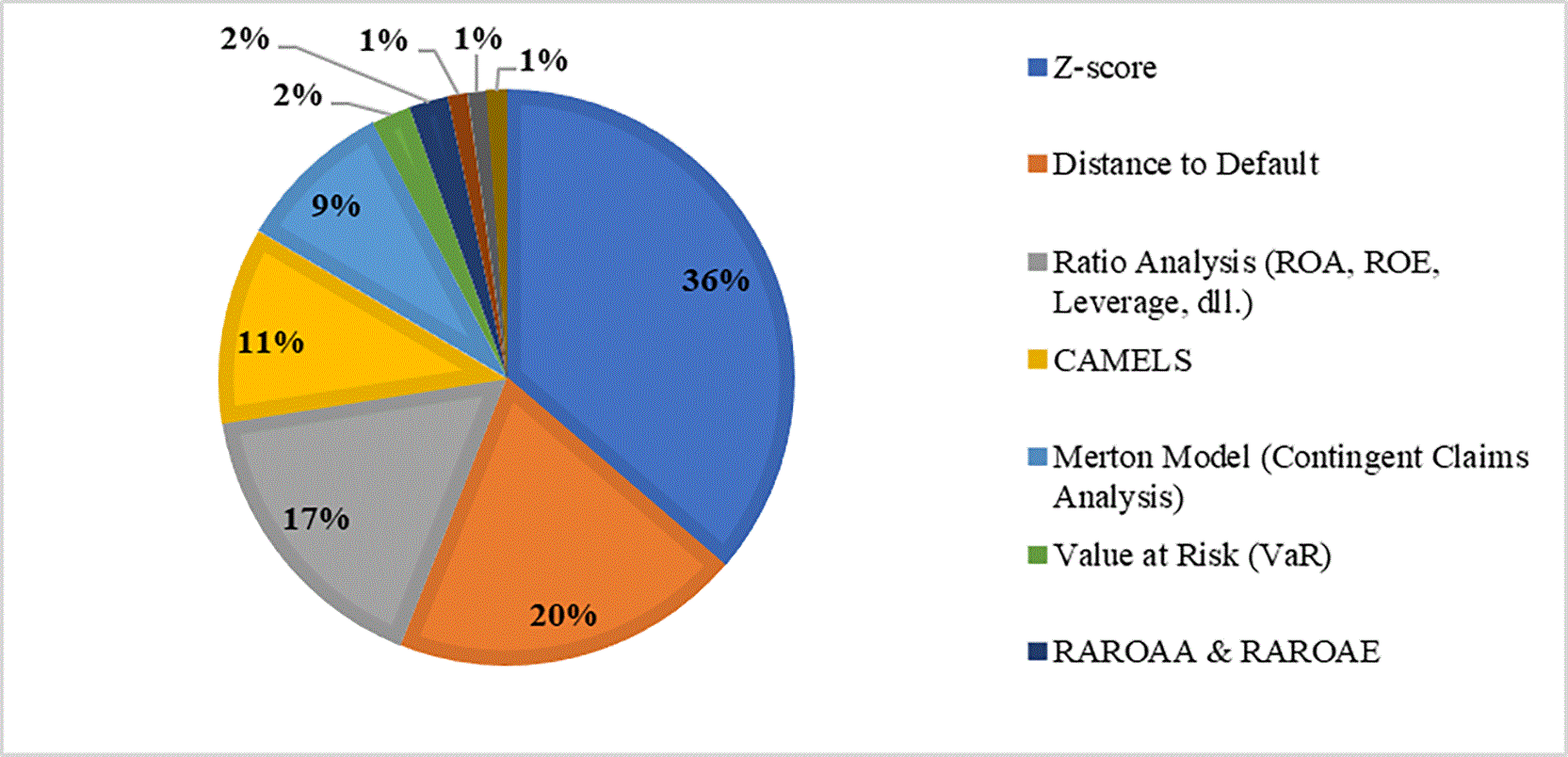
Source: Data Processed (2025).
The Z-score is one of the most commonly used bankruptcy prediction models in financial and banking literature. This model was originally designed by Altman in 1968 to predict the likelihood of a company’s bankruptcy and was later adapted in the banking sector to estimate the financial health of banks. Furthermore, Distance to Default (DD) is a useful measure for estimating the probability of a bank’s bankruptcy (default) from a market perspective. Most studies use DD to estimate the impact of bank stability on market competition. Fu et al. (2014) and Kabir and Worthington (2017) combined the DD model with the Z-score to examine whether market forces affect bank risk. Value at Risk (VaR) is an important financial risk management technique used to measure and estimate the maximum possible losses that can be experienced by a bank or investment portfolio over a certain period of time, with a certain level of confidence. In addition to VaR, several models have been developed to complement traditional methods, such as CAMELS, Z-score, and VaR. More complex models, such as RAROAA (Risk-Adjusted Return on Average Assets (RAROAA)), RAROAE (Risk-Adjusted Return on Average Equity (RAROAE)), modified Altman Z-score (Modified), Zmijewski, and Grover Model, are the result of efforts to develop more accurate, complete, and responsive measures of bankruptcy risk to market forces.
To analyze and predict the risk of bank bankruptcy with the various models above, it is also necessary to support statistical methods that can be an important consideration for obtaining valid analysis results. Based on the SLR analysis, it was found that various modern statistical methods that are popular in measuring Z-score, Distance to Default (DD), Value at Risk (VaR), Merton Model, CAMELS, RAROAA, RAROAE, Altman Z-score (Modified), Zmijewski, and Grover are more effective and valid. Of the 91 articles that analyzed bankruptcy predictions, at least 12 statistical methods were found that could be used as references in similar research, including in the context of Islamic banking ( Table 2).
Overall, previous studies have proven that the combination of traditional models (OLS, GLS, Logit, Probit) with modern models such as Forest-Tree, AI, Copula, and ML-SEM in the context of machine learning integration is a good way to measure the risk of bankruptcy in banks, even in the special case of Islamic banks. Therefore, traditional statistical methods and advanced models based on machine learning must be combined to develop an effective Early Warning System that is compatible with the characteristics of Islamic banks.
The risk of bankruptcy in banks, including Islamic banks, is a serious problem that can disrupt overall financial stability. Although Islamic banks operate on the principle of prudence and stricter Sharia value standards, they tend to be more vulnerable to risks, including problematic financing, liquidity management, high risk-sharing, and governance risks, due to the implementation of contracts that have not fully met Sharia standards (Kurnia, Nugroho, and Janee-ali, 2024).
In addition, Islamic banks face a high dependence on the real sector because of the financing principle that leads to financing in the sector (Alqahtani and Mayes, 2018). The implementation of Islamic banks, which are more dominant in Islamic countries with a high level of geopolitical potential and strong dependence on oil prices, also makes Islamic banks more exposed to large conflicts from macro pressures (Alsharif, 2024). Thus, it is necessary to explore the willingness of Islamic banks to face various risks, both originating from external banks (systemically) and from within the bank itself (non-systemic). In this section, several types of risks are found to be inherent in Islamic banks, as well as various causes and mitigation methods based on various previous studies.
In addition to systemic risks that have a broader impact on financial sector stability, Islamic banks also face various forms of non-systemic risks that usually have a direct impact on their performance and operational sustainability. Non-systemic risks range from banking risks in general, such as high non-performing financing (NPF) and managerial risks, to Sharia compliance risks, which are the main characteristics of Islamic banks that are vulnerable to triggering large losses if not controlled, due to the damage to the reputation of Islamic banks among the public. The most common risk in banking is the high probability of non-performing financing, including in Islamic banks. Kabir et al. (2015) show that Islamic banks bear less credit risk but still suffer from the selection of debtors and financing risk monitoring (PLS), which becomes NPF if not monitored properly.
Dibooglu et al. (2022) further compare the default risk between Islamic and conventional banks. The results show that although Islamic banks have a lower risk of default during the global financial crisis, they are generally more vulnerable to risk when exposed to crisis exposure due to limited liquidity and investment diversification. Hence, the need for risk mitigation strategies that are adaptive to market conditions and remain aligned with Sharia principles. Elnahass et al. (2021) also discovered that during crises such as the COVID-19 pandemic, the profitability, credit quality, and asset quality of Islamic banks are also affected, and the risk of difficulties and bankruptcy is higher if there is no immediate and effective mitigation policy. This means that even though Islamic banks apply the principle of profit sharing, the risk of default that triggers bankruptcy remains the main risk that must be managed efficiently.
In synthesizing the findings from various models and statistical methods, it becomes clear that the risk of bankruptcy in Islamic banks cannot be explained by a single dimension. Instead, it requires an integrated framework that combines financial indicators, governance attributes, Sharia compliance, and external macroeconomic pressures. Figure 4 illustrates this integration by mapping how traditional prediction models (such as Z-score and CAMELS) interact with modern statistical approaches and machine learning techniques to form a comprehensive risk assessment system. This integration highlights the importance of aligning predictive tools with Sharia principles while ensuring adaptability to systemic shocks and sustainability challenges.
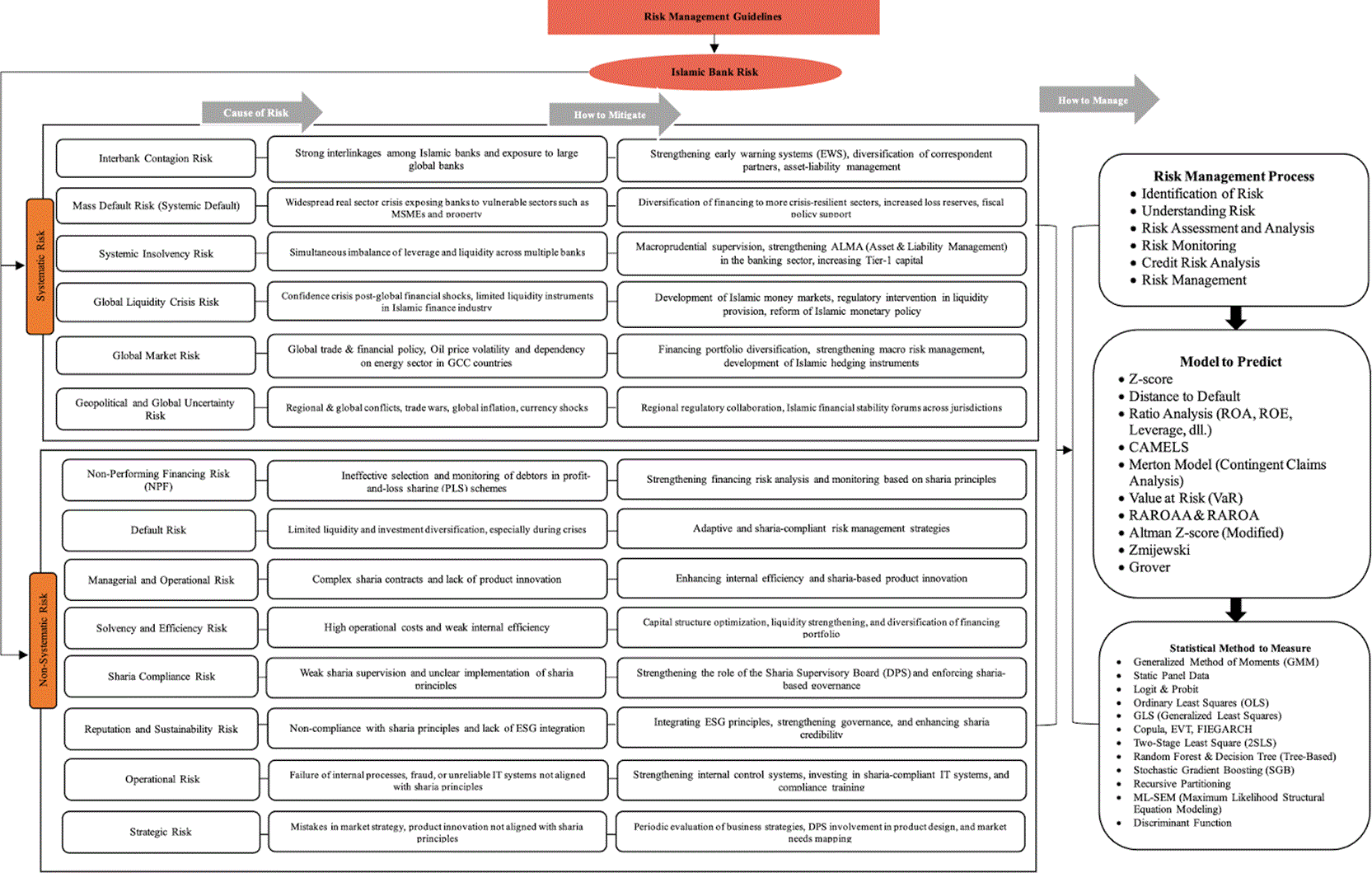
Source: Author Illustration (2025).
Figure 4 also highlights that bankruptcy risk in Islamic banks arises from multiple sources, including financial imbalances, governance weaknesses, Sharia compliance gaps, and external shocks, such as macroeconomic volatility and geopolitical risks. To mitigate these risks, the framework emphasizes proactive measures, including diversification of products, strengthening sharia governance, and integrating ESG indicators into risk monitoring (Legass and Durmuş, 2024). Effective management requires combining predictive models with adaptive policies so that Islamic banks can anticipate vulnerabilities early, align response with sharia principles, and maintain resilience against systemic disruption (Mahyudin and Rosman, 2022).
In an increasingly complex global economy, banking system stability is paramount to ensure public trust and the sustainability of the financial system. However, to achieve this, Islamic banks themselves experience various obstacles, especially in terms of regulation and competition with conventional banks. This is exacerbated by the fact that most Islamic banks operate in a regulatory environment designed for conventional banks, creating institutional vacancies related to supervision, reporting requirements, and risk management (Ghosh, 2023). In some cases, Islamic banks must comply with both positive law and Sharia principles, which tend to clash with each other (Banna and Alam, 2021). It puts pressure on the role of governance, particularly regarding risk reporting, asset quality, and capital structures that meet the requirements of transparency and fairness in maqasid al-shariah (Gerged et al., 2022).
Gerged et al. (2022) established that Islamic banks in the MENA region with high disclosure rates have a lower risk of bankruptcy. This is supported by Jan and Marimuthu (2016), who stipulate that the support of value-based governance regulations is very important in making Islamic banks resilient to external pressures and market crises. In addition to transparency, harmonization of reporting standards is an issue. Haniffa and Hudaib (2007) show that Islamic banks’ annual reports do not usually capture Islamic principles significantly, but instead replicate conventional forms with few deviations. This gave rise to a practice known as “sharia window dressing,” in which Islamic principles are only used as regulatory cosmetics and not as a substance of strong sharia governance. In addition, various regulations seek to encourage and harmonize Islamic banking regulations to be more standardized and strengthen transparency and compliance with Sharia at the same time (see Tables 3 and 4).
In addition, increasing competition between Islamic and conventional banks is one of the fundamental issues in the development of Islamic banking, especially among countries that adhere to dual banking systems (Banna and Alam, 2021; Khan et al., 2021; Wanke et al., 2016). Conventional banks that have Sharia products under the auspices of Islam have the advantage of scale, technology, and a wider network, so that they can control the market share previously only owned by pure Islamic banks (Muda et al., 2017). This leads to a decrease in profit margins and an increased likelihood of bankruptcy, especially for small and medium-sized Islamic banks that cannot compete based on cost efficiency and product innovation (Kabir & Worthington, 2017; Banna & Alam, 2021).
Financial stability is highly sensitive to crisis shocks that trigger systemic risks. Previous studies have consistently shown that global pandemics and economic crises, such as COVID-19, exert enormous pressure on the stability of Islamic banks. Elnahass et al. (2021) investigated the stability of global banking during the pandemic. They found that COVID-19 significantly reduced the profitability and operational efficiency of Islamic banks, making them more vulnerable to systemic risks through high NPFs and dependence on the real sector. Bilgin et al. (2021) also note that amid the global state of uncertainty as measured by the World Uncertainty Index (WUI), Islamic banks have greater exposure to volatility due to the limited flexibility of their financial instruments. From the bank economics perspective, this study shows that Islamic banks are under greater pressure than conventional banks. Reinforcing these findings, Dibooglu et al. (2022) examined the credit default risk of Islamic banks and found that the risk increased exponentially during stressful economic periods, such as the pandemic. A recent study by Tran (2024) examined the determinants of the capital adequacy of Islamic banks during crises and found that, in times of economic uncertainty, the capital buffer of Islamic banks is insufficient to absorb losses effectively.
In addition to crisis conditions, in fact, Bank Islam is also vulnerable to energy crises, including, in this case, oil prices. In another study, Alsharif (2024), Hasanov et al. (2018) Alsharif (2024) attributes the uncertainty of oil prices to the stability of banks, including Islamic banks, especially in energy-exporting countries, and points out that international fluctuations indirectly cause liquidity pressures and reduce market confidence in the banking system. These findings suggest that Islamic banks face unique challenges amid the global crisis, mainly due to the limitations of conventional risk management tools, their linkages to real sector assets, and profit-sharing agreements that are highly dependent on macroeconomic performance.
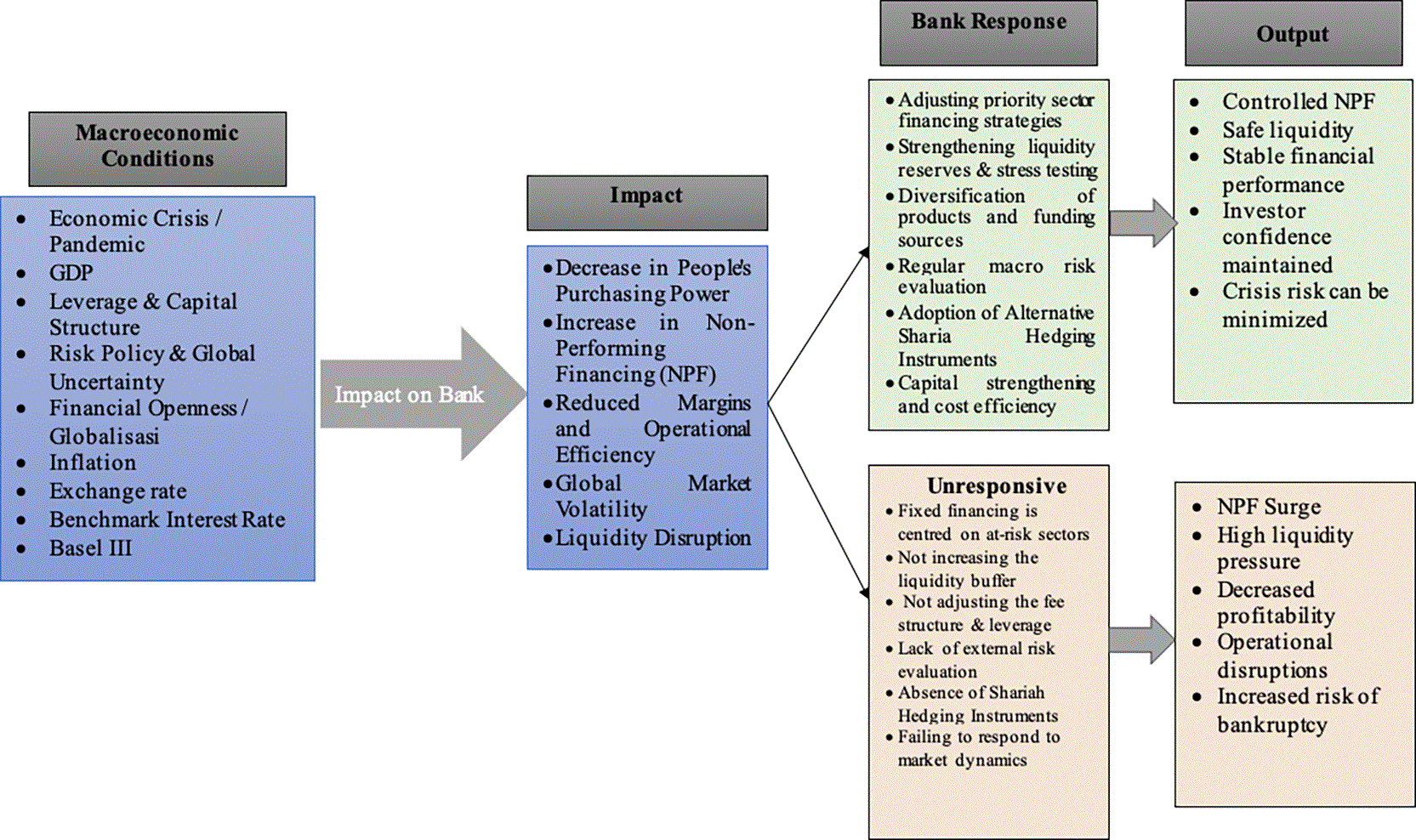
Figure 5 shows how risky macroeconomic conditions can be a major internal driver that triggers the threat of bankruptcy for Islamic banks unless they are managed strategically. In the global context, several external pressures, such as the pandemic and economic crisis, declining GDP, rising inflation, exchange rate volatility, political instability, and aggressive changes in benchmark interest rates, have made the environment very unstable for banks, including Islamic banks (IBs).
Source: Author Illustration (2025).
Islamic banks’ response to this situation is critical in realizing institutional resilience. Some of the adaptive measures obtained through SLR analysis include improving financing to priority sectors, increasing liquidity buffers and resilience tests, diversifying funding sources, and periodic reviews of macro risks. In addition, the application of Islamic hedging instruments as a replacement for risk management and operational cost optimization is another important area for stabilizing banking performance. This structured response allows banks to control NPFs, provide good liquidity, and maintain investor confidence, thereby lowering the risk of systemic bankruptcy. On the other hand, Islamic banks that do not respond, such as by continuing to focus lending in high-risk sectors, failing to increase liquidity buffers, ignoring macro risk studies, or failing to develop Islamic hedging instruments, will experience increased NPFs, severe liquidity pressures, decreased profitability, and intense operational dislocation. In the long run, this condition significantly increases the likelihood of bankruptcy. Therefore, Islamic banks need to incorporate macroeconomic influences into their overall risk management and strategic planning framework to maintain stability in light of increasing global uncertainty.
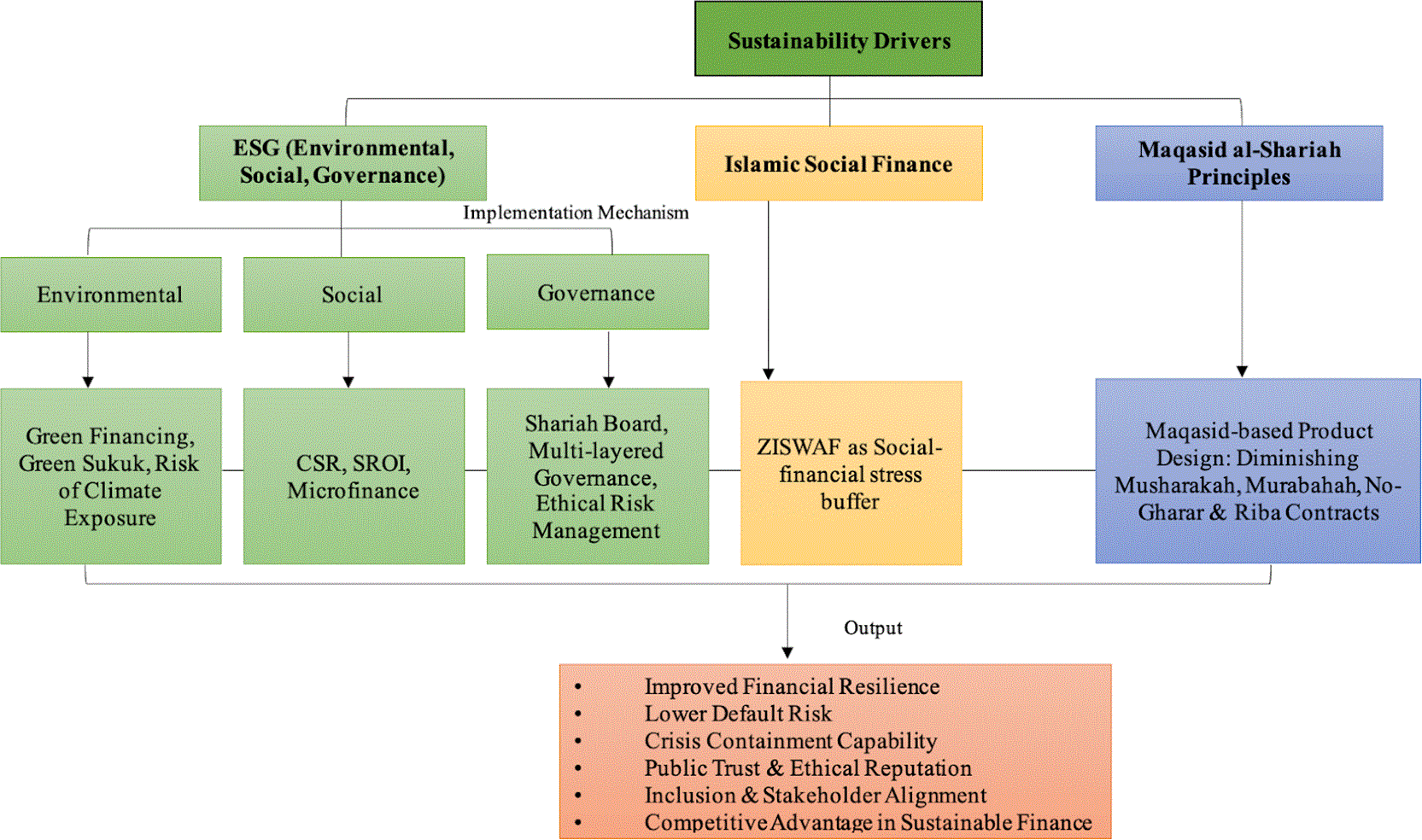
In this cluster, a link was found between sustainable practices, such as fulfilling ESG aspects, the application of social finance, such as Zakat and Waqf, and the integration of maqashid sayhiah values in preventing bank bankruptcy. By mapping the interaction of these aspects, this analysis seeks to fill the gaps in the empirical literature that continue to be dominated by conventional banking practices (See Table 5 and Figure 6).
• Green lending for green projects
• Building long-term resilience through reduced exposure to environmental threats and increasing Bank Isla’s credibility.
• Improve access to sustainable financing incentives and the efficiency of green sector financing portfolios.
• Issuance of green sukuk based on Sharia principles
• Environmental risk assessment in financing analysis
• Integration of sustainable principles in risk management
• Community-based CSR programs, SROI, and social fund management (ZISWAF) are productive
• Support financial inclusion, increase customer loyalty, and increase the stability of third-party funds.
• Increase public confidence and foster a resilient, inclusive financial system under crisis pressures.
• Microfinance (murabahah, qard al-hasan, infaq) for the informal sector
• Implementation of Shariah Governance and an Independent Supervisory Board
• Improve institutional efficiency, improve internal supervisory controls, and reduce the risk of bankruptcy
• Creating investor and customer trust and increasing the competitiveness of Islamic banks in the global financial system.
• Diversification of audit committees, DOB, and Sharia supervision
• Transparency of ESG reporting and maqasid-based disclosure
• Multi-layered governance in strategic decision-making
Source: Author Illustration (2025).
Over the past two decades, financial system sustainability has transformed from an ideal value to an integral element of risk management and institutional stability plans (Jan et al., 2023; Li et al., 2024). In the case of Islamic banks, this practice has a deeper meaning, as it is not only understood from the perspective of environmental or business effectiveness but also from the moral aspects and goals of Sharia (Hamidi and Worthington, 2023). To this end, the concept of Environmental, Social, and Governance (ESG) as a global sustainability standard is used to assess Sustainable and Responsible Investment (SRI) across sectors, including the financial sector. This standard emphasizes environmental, social, and governance aspects as integral to overarching business practices (Defung et al., 2024). However, the implementation of ESG within the Sharia framework is not new but can be understood as the development of basic principles such as trust, justice, benefits, and transparency in fund management (Wahba, 2019; Jan et al., 2025).
Internal factors of banks in bank bankruptcy mitigation efforts are significant drivers that directly reflect the capacity of institutions to manage risk, provide operational stability, and ensure business sustainability in the context of economic forces and market competition (Wanke et al., 2016). In contrast to external driving factors that are macro and beyond the control of bank management, internal driving factors are in the strategic and operational decision space that can be optimized by good governance. These factors include cost efficiency, management and governance capabilities, financing structure, asset quality, market strength, and capital structure (Banna et al., 2022; Hassan Al-Tamimi, 2012). All of these factors have been proven to greatly influence the likelihood of bankruptcy or bank system failure. In Islamic banks, these internal factors are more complex because they must be aligned with Sharia principles, such as the prohibition of usury, fairness in risk sharing, and social responsibility (Dibooglu et al., 2022; Laila and Widihadnanto, 2017). Therefore, careful mapping and analysis of several internal factors is essential, not only to detect vulnerabilities early, but also to design risk mitigation measures and enhance institutional resilience based on Sharia values as the foundation of Islamic banking.
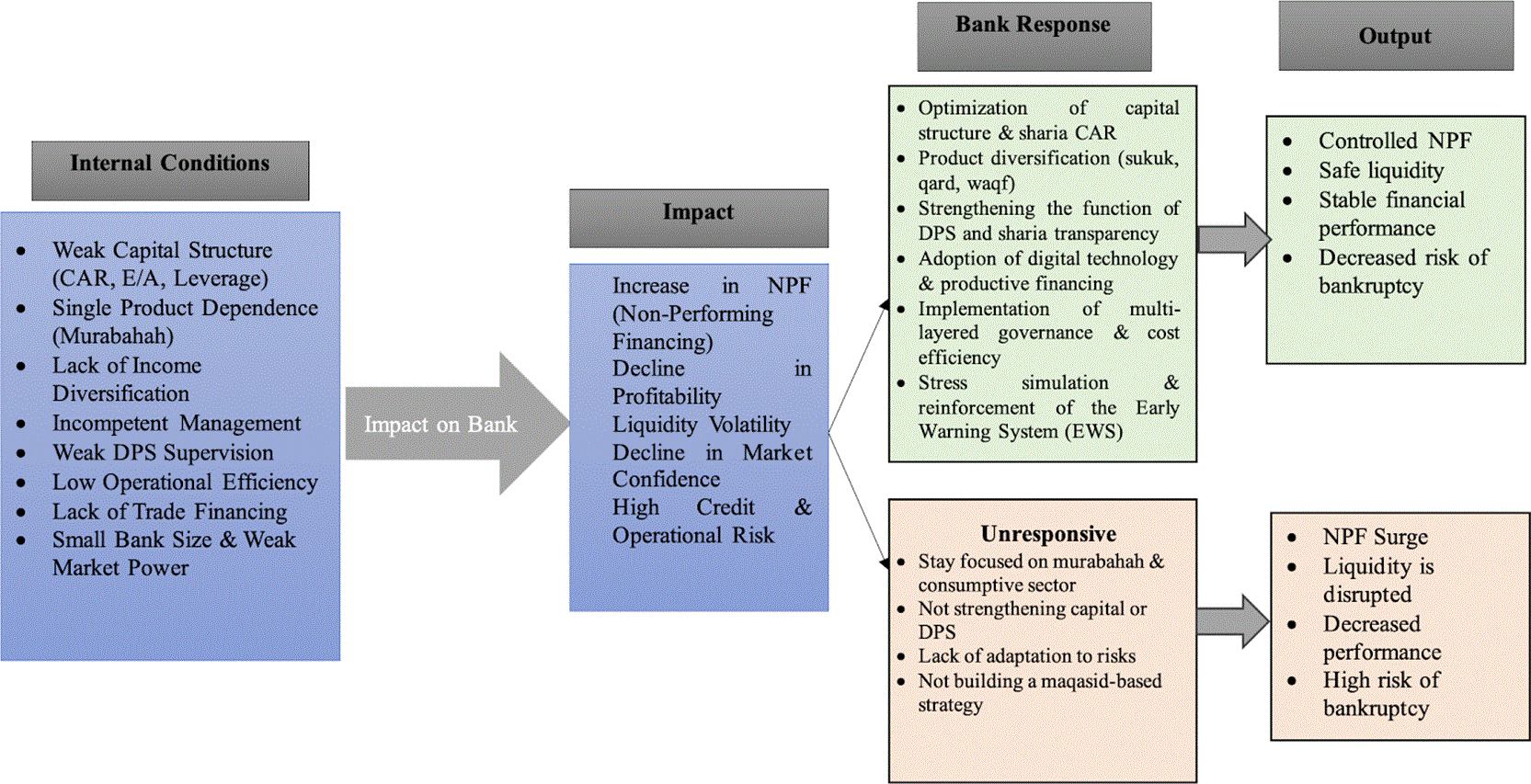
Figure 7 shows the causality structure of Islamic banks’ internal conditions, their impact on financial performance, and institutional responses that may strengthen or exacerbate the risk of bankruptcy. A flawed capital structure (low CAR ratio, high leverage), reliance on a single product such as Murabahah, and lack of income diversification make Islamic banks vulnerable to internal and external pressures. In addition, inadequate oversight of the Sharia Supervisory Board (SSB), low management effectiveness, inefficient operations, and inadequate financing for trade and small businesses contribute to vulnerabilities in the institutional resilience models. Thus, banks experience increased NPFs, decreased profitability, liquidity volatility, and declining market confidence, which simultaneously increase credit and operational risks.
Source: Author Illustration (2025).
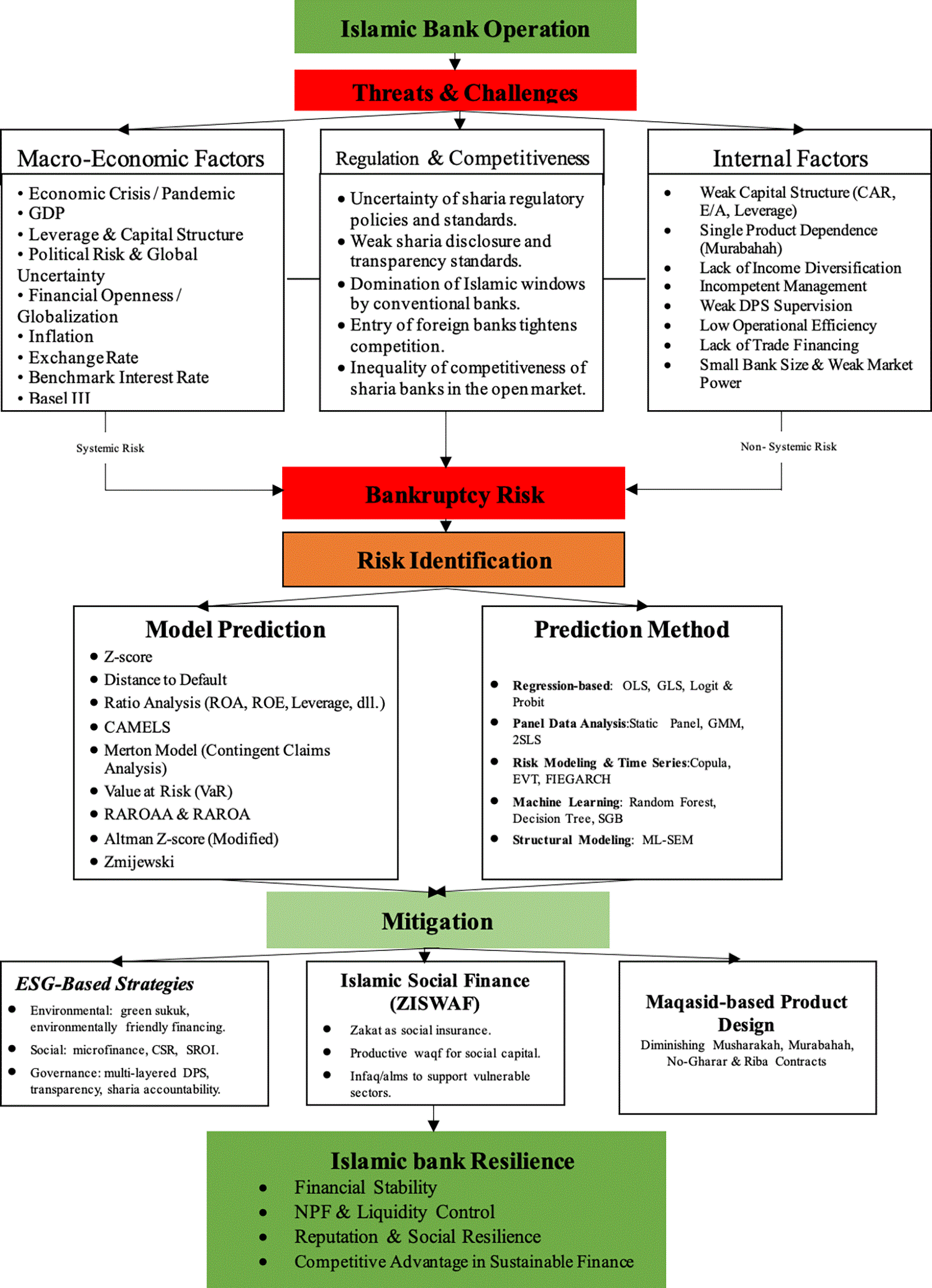
This study tries to build a mitigation framework and EWS model in identifying and overcoming bankruptcy risks in Islamic banks, as summarized by Figure 8 below. This study aims to understand the factors that can threaten banking stability, namely, macroeconomic factors in general due to unstable economic growth, the presence of inflation symptoms, interest rate hikes, and geopolitical threats. Furthermore, unstandardized regulatory factors and weak Sharia governance legal frameworks, followed by unfair bank competition between Islamic, foreign, and conventional banks, create unfair competition pressure and weaken the market power of Islamic banks. Challenges also arise from internal factors, including limited capital, over-reliance on murabahah products, and low internal supervision of banks, which also threaten the risk of bankruptcy, triggered by both systemic and non-systemic risks. When the risk is successfully identified and the cause is understood, Islamic banks can prevent or mitigate it by utilizing their strengths and uniqueness of Islamic banks, which lie in their operations that are focused on social justice. Therefore, Figure 8 also illustrates the pathways for mitigation and management by emphasizing the unique strengths of Islamic banks. On the other hand, social and sustainable approaches that can be used as mitigation efforts, namely ESG-based strategies by applying environmental (sustainability), social, and governance principles, including strengthening stakeholders and the role of DPS. Islamic banks can also optimize the role of ZISWAF as social insurance in maintaining economic stability in every community and maintaining purchasing power, especially in times of crisis, as an effort to maintain resilience and social image.
Source: Author Illustration (2025).
Furthermore, Islamic banks can apply maqashid-based product design to encourage product development innovation that is not only Shariah-compliant but also Shariah-based to highlight the uniqueness of Islamic bank products and avoid dependence on certain products or services. By implementing these various measures and strategies, Islamic banks are expected to increase their financial stability by reducing non-performing financing, improving liquidity control, and improving their reputation, social resilience, and encouraging them to gain competitive advantages in distributing sustainable finance and high social value.
Figure 8 visually integrates these external and internal causes of risk with the predictive tools most often used in Islamic banking research, showing how the models like Z-score, Distance Default, and CAMELS can be combined with statistical prediction methods, such as regression, data panels, and machine learning, to form a structured EWS. Models like Z-score could detect imbalances in capital structure or excessive reliance on murabahah financing before they escalate by providing a quick quantitative measure of financial health. Another model, such as Distance to default (DD), allows banks to anticipate external shocks that could erode confidence. On the other hand, regression and panel data models allow banks to track risk determinants across time and region by identifying patterns such as inflationary pressures or governance weaknesses. Thus, machine learning could predict the accuracy of the nonlinear relationship between financial indicators, governance attributes, and ESG factors that are crucial for Islamic banks that face a dual regulatory environment.
This study confirms that the risk of bankruptcy of Islamic banks is multidimensional and influenced by the interaction of internal and external determinants, regulations, and evolving global issues. Macroeconomic pressures, Sharia regulatory uncertainty, and banks’ internal vulnerabilities, such as weak capital structures, product concentrations, and inadequate Sharia Supervisory Board (DPS) monitoring, were identified through a literature review as important determinants of an increased risk of bankruptcy. This complexity shows that bankruptcy cannot be considered a financial problem in isolation, nor can it be separated from the systemic stability, competitiveness, and acceptability of Islamic banks in the global market.
The theoretical model developed in this study shows that the early warning system for Islamic bank bankruptcy must be an integrative model that balances various prediction models, ranging from Z-scores and distance to default to machine learning-based models with macroeconomic and institutional risk evaluation. The system detects potential failures from quantitative metrics and covers non-financial aspects such as governance, sustainability, and Sharia compliance. Thus, this study succeeded in creating a broader and adaptive risk map to address contemporary challenges. The SLR results also emphasized that the bankruptcy risk mitigation system of Islamic banks must be comprehensive, with an emphasis on the integration of three main pillars: ESG-based green financing and governance transparency, the role of Islamic social finance (ZISWAF) as one of the pillars of social resilience, and maqasid-based product design that is free from riba and gharar. The integration of these three approaches strengthens the resilience of Islamic banks not only in terms of financial stability but also in the social, reputational, and sustainability dimensions.
Therefore, this study concludes that the prevention of Islamic bank bankruptcy must be aimed at developing an integrated, Sharia-based, and sustainability-oriented early warning system. This system must connect financial, governance, macroeconomic, geopolitical, and ESG factors in a single framework. The main contribution of this study lies in the development of an integrative framework that can serve as a theoretical and practical basis for regulators, academics, and industry in moving forward to strengthen the resilience of Islamic banks in times of global uncertainty.
Theoretically, this study explores the newly developed literature on the risk of Islamic bank bankruptcy, substantially because it shows that such risks should be viewed as a multidimensional phenomenon. Integrating internal, regulatory, macroeconomic, geopolitical, and sustainability factors into a single analytical lens expands the conceptual space, which has so far focused on traditional financial measures. These findings reinforce risk management theory with the addition of an Islamic governance and sustainability view, which has been almost exclusively associated with bankruptcy risks.
Practically, this study guides regulators, Islamic bank management, and investors to develop better early warning systems. Regulators can apply this framework to refine supervisory standards and develop policies that address not only capital adequacy but also governance transparency, ESG integration, and the harmonization of Islamic regulations with international best practices. For Islamic bank management, the results of this study underscore product diversification, increased operational efficiency, and maximization of the function of the SSB in upholding public trust. On the other hand, for investors and stakeholders, this model is a better risk analysis instrument with a wider scope that combines financial measures with non-financial factors to reach more informed decisions.
This study does not need any ethical approval because it does not involve any participants.
This study used freeware software that is free to download and use for research purposes. The Vosviewer can be downloaded at https://www.vosviewer.com/download. R and R Studio can be downloaded at https://posit.co/download/rstudio-desktop .
The public can download the code at https://github.com/neesjanvaneck/VOSviewer-Online?tab=readme-ov-file
License:
Copyright (c) 2021–2024 Centre for Science and Technology Studies (CWTS), Leiden University.
R Studio Source code
The public can download the code at https://github.com/rstudio/rstudio?tab=License-1-ov-file#readme
License:
The license of R Studio was “Copyright (C) 2007 Free Software Foundation, Inc”.