Просмотр новости
Найдите то, что Вас интересует
 Спутники
 РН
РН SpaceX
 Роскосмос
 NASA
NASA
СпутникиРНSpaceXРоскосмосNASABackground Tuberculosis (TB) treatment outcomes remain suboptimal in many high-burden settings because biomedical care alone does not adequately address the socioeconomic, community, and health system barriers influencing treatment adherence and completion. This study investigated socioeconomic and clinical determinants of TB treatment outcomes and treatment duration and modelled the potential impact of integrated health economics, clinical governance, and community engagement interventions in rural Eastern Cape, South Africa. Methods A retrospective observational study analysed routinely collected TB programme data from 538 patients in O.R. Tambo District. Multivariable logistic regression identified predictors of treatment success, while multiple linear regression and Cox proportional hazards models assessed determinants of treatment duration. Logistic Regression, Random Forest, and Extreme Gradient Boosting (XGBoost) models were developed to predict treatment outcomes. Scenario-based health systems modelling estimated the potential impact of integrated interventions under model assumptions. Results Overall, 411 patients (76.4%) achieved successful treatment outcomes, while 127 (23.6%) had unsuccessful outcomes. Socioeconomic vulnerability was substantial, with 77.5% reporting no regular income and 66.4% being unemployed. After adjustment, long treatment regimen remained the only independent predictor of treatment success, reducing the odds of success by 58% compared with short-course therapy (aOR 0.42; 95% CI 0.20–0.89; p = 0.024). Absence of income, unemployment, HIV co-infection, and long treatment regimen were associated with prolonged treatment duration and delayed completion. XGBoost demonstrated the strongest predictive performance (AUC = 0.89; accuracy = 85%). Scenario-based modelling projected that the integrated intervention framework could increase treatment success from 76.4% to 95.3% and reduce unsuccessful outcomes from 23.6% to 4.7%. Conclusions TB treatment outcomes in rural South Africa are shaped by the interaction of socioeconomic, clinical, community, and health system factors. Although prospective validation is required, integrating socioeconomic support with strengthened clinical governance and community engagement may improve treatment outcomes, reduce programme inefficiencies, and advance patient-centred TB care in resource-constrained settings.
Research Article
[version 1; peer review: awaiting peer review]
https://orcid.org/0009-0006-0356-8912
1,2, Onke Mnyakahttps://orcid.org/0000-0002-1834-6136
1,3,4, Ncomeka Sinekehttps://orcid.org/0000-0002-0732-4978
2, Lindiwe Fayehttps://orcid.org/0000-0002-7308-4239
2https://orcid.org/0009-0006-0356-8912
1,2, Onke Mnyakahttps://orcid.org/0000-0002-1834-6136
1,3,4, Ncomeka Sinekehttps://orcid.org/0000-0002-0732-4978
2, Lindiwe Fayehttps://orcid.org/0000-0002-7308-4239
21 Walter Sisulu Institute for Clinical Governance and Healthcare Administration, School of Public Health, Faculty of Medicine and Health Sciences, Walter Sisulu University, Mthatha, South Africa
2 WSU–TB Research Group, School of Pathology, Faculty of Medicine and Health Sciences, Walter Sisulu University, Mthatha, South Africa
3 Health Policy and Global Health Division, School of Public Health, Faculty of Medicine and Health Sciences, Walter Sisulu University, Mthatha, South Africa
4 WSU Global Centre for Human Resources for Health Intelligence, Walter Sisulu University, East London, South Africa
Ntandazo Dlatu
Roles: Conceptualization, Investigation, Methodology, Writing – Original Draft Preparation, Writing – Review & Editing
Onke Mnyaka
Roles: Methodology, Writing – Original Draft Preparation, Writing – Review & Editing
Ncomeka Sineke
Roles: Conceptualization, Methodology, Writing – Original Draft Preparation, Writing – Review & Editing
Lindiwe Faye
Roles: Conceptualization, Formal Analysis, Methodology, Software, Supervision, Writing – Original Draft Preparation, Writing – Review & Editing
OPEN PEER REVIEW
REVIEWER STATUS AWAITING PEER REVIEW
Tuberculosis (TB) remains a leading infectious cause of death worldwide and continues to strain health systems despite major advances in diagnosis, treatment, and prevention. According to the World Health Organization (WHO), an estimated 10.8 million people developed TB, and approximately 1.25 million died from the disease in 2023, underscoring the persistent difficulty of achieving the End TB Strategy targets.1,2 Although rapid molecular diagnostics, shorter treatment regimens, and expanded HIV services have improved TB control, many high-burden countries continue to experience substantial treatment failure, loss to follow-up, delayed treatment completion, and preventable mortality.3 These challenges suggest that biomedical interventions alone are insufficient to achieve sustained reductions in TB burden. TB is increasingly recognized as a disease shaped by complex interacting biological, socioeconomic, community, and health system determinants. Consistent with this understanding, the WHO End TB Strategy advocates integrated, patient-centred care, social protection, and strengthened health systems.4 However, TB programmes in many low- and middle-income countries (LMICs) remain predominantly biomedical in focus, often overlooking the socioeconomic barriers, governance challenges, and community-level barriers that influence treatment adherence and program performance.5 Thus, improving TB outcomes requires moving beyond biomedical interventions alone to an integrated approach that encompasses clinical governance, community engagement, and health economics strategies to address the broader determinants of care.6 These challenges are particularly evident in South Africa, one of the world’s highest TB and HIV-burden countries. The Eastern Cape Province is characterized by widespread poverty, unemployment, food insecurity, geographic isolation, and constrained healthcare resources.7,8 These structural determinants not only influence clinical outcomes but also have economic consequences for both patients and the health system. Improving TB outcomes, therefore, requires interventions that simultaneously address biomedical care, financial barriers, healthcare quality, and community participation.9
Beyond its clinical consequences, TB imposes substantial economic costs on patients, households, health systems, and society. Direct medical costs include diagnostic tests, medications, laboratory investigations, outpatient consultations, hospitalizations, and long-term follow-up. Patients also incur direct non-medical expenses such as transport, food, accommodation, and caregiving. Indirect costs arising from lost income, unemployment, absenteeism, disability, and premature mortality further reduce household productivity and economic well-being.10,11 Clinical governance provides mechanisms for improving healthcare quality through clinical audit, multidisciplinary review, adherence monitoring, risk stratification, accountability, and continuous quality improvement.12 Community engagement complements these efforts by strengthening treatment literacy, reducing stigma, improving adherence, improving patient support, and enhancing retention and community participation in TB through community health workers (CHWs), peer-support networks, and household-based interventions. Health economics interventions, including transport support, nutritional supplementation, linkage to social protection programs, and economic health literacy, may further reduce financial barriers that contribute to treatment interruption and prolonged healthcare utilization.9,13 Together, these domains represent interconnected determinants of successful TB care rather than isolated programme components.8 Although health economics interventions, clinical governance, and community engagement have individually been associated with improved TB outcomes, they have seldom been examined within a unified analytical framework. Moreover, few studies have combined conventional epidemiological analyses with machine-learning prediction and scenario-based health systems modelling to evaluate how integrated interventions may influence TB program performance in resource-constrained settings.14,15
This study addresses these gaps by investigating the socioeconomic and clinical determinants of TB treatment outcomes and treatment duration among patients receiving care in the O.R. Tambo District of the Eastern Cape Province, South Africa. This study uses conventional regression analyses, supervised machine-learning algorithms, and scenario-based predictive modelling, to evaluate how the potential contribution of integrated health economics, clinical governance, and community engagement interventions may strengthen TB program performance. By combining epidemiological evidence with predictive analytics and implementation science, the study proposes an integrated health systems framework that provides a practical roadmap for strengthening patient-centred TB care and advancing the objectives of the WHO End TB Strategy and Universal Health Coverage (UHC) in high-burden, resource-constrained settings.
This retrospective observational study investigated the socioeconomic and clinical determinants of TB treatment outcomes and treatment duration among patients receiving routine TB care in the O.R. Tambo District Municipality, Eastern Cape Province, South Africa. The study further incorporated predictive machine-learning analyses and scenario-based health systems modelling to estimate the potential contribution of integrated health economics, clinical governance, and community engagement interventions to improving TB programme performance. The analytical framework combined conventional epidemiological methods with predictive modelling to examine both observed programme outcomes and the projected influence of evidence-informed intervention scenarios. This mixed analytical approach enabled the evaluation of patient-level determinants while simultaneously exploring potential health system strategies to strengthen TB care in resource-constrained settings.
The study was conducted in the O.R. Tambo District Municipality, situated within the Eastern Cape Province of South Africa. The district is predominantly rural and experiences one of the highest burdens of socioeconomic deprivation in the country, characterized by widespread unemployment, poverty, food insecurity, limited transport infrastructure, and constrained access to healthcare services. These structural challenges coexist with a substantial burden of tuberculosis, HIV infection, and drug-resistant TB, making the district an appropriate setting for investigating the interaction between socioeconomic vulnerability and TB treatment outcomes. Tuberculosis diagnosis, treatment initiation, and follow-up are provided through an integrated network of primary healthcare clinics, community health centres, district hospitals, and referral hospitals operating under the Eastern Cape Department of Health. Standardised treatment protocols are implemented according to the South African National Tuberculosis Management Guidelines.
This study used secondary data obtained from routinely collected TB programme records and electronic patient treatment databases maintained by healthcare facilities within the O.R. Tambo District Municipality, Eastern Cape Province, South Africa. The dataset comprised 538 patients with bacteriologically or clinically diagnosed TB who were initiated on anti-tuberculosis treatment during the study period. The dataset included demographic, clinical, and socioeconomic variables routinely recorded within the National Tuberculosis Programme. Variables available for analysis included age, sex, HIV status, occupation, source of income, social history, treatment regimen, and treatment outcomes. Treatment outcomes were classified according to national TB programme definitions and were used as the primary study outcome. Records with missing or incomplete treatment outcome data were excluded from outcome-specific analyses. Data were reviewed for completeness, consistency, and plausibility prior to analysis, and only records that included the variables required for each analysis were included.
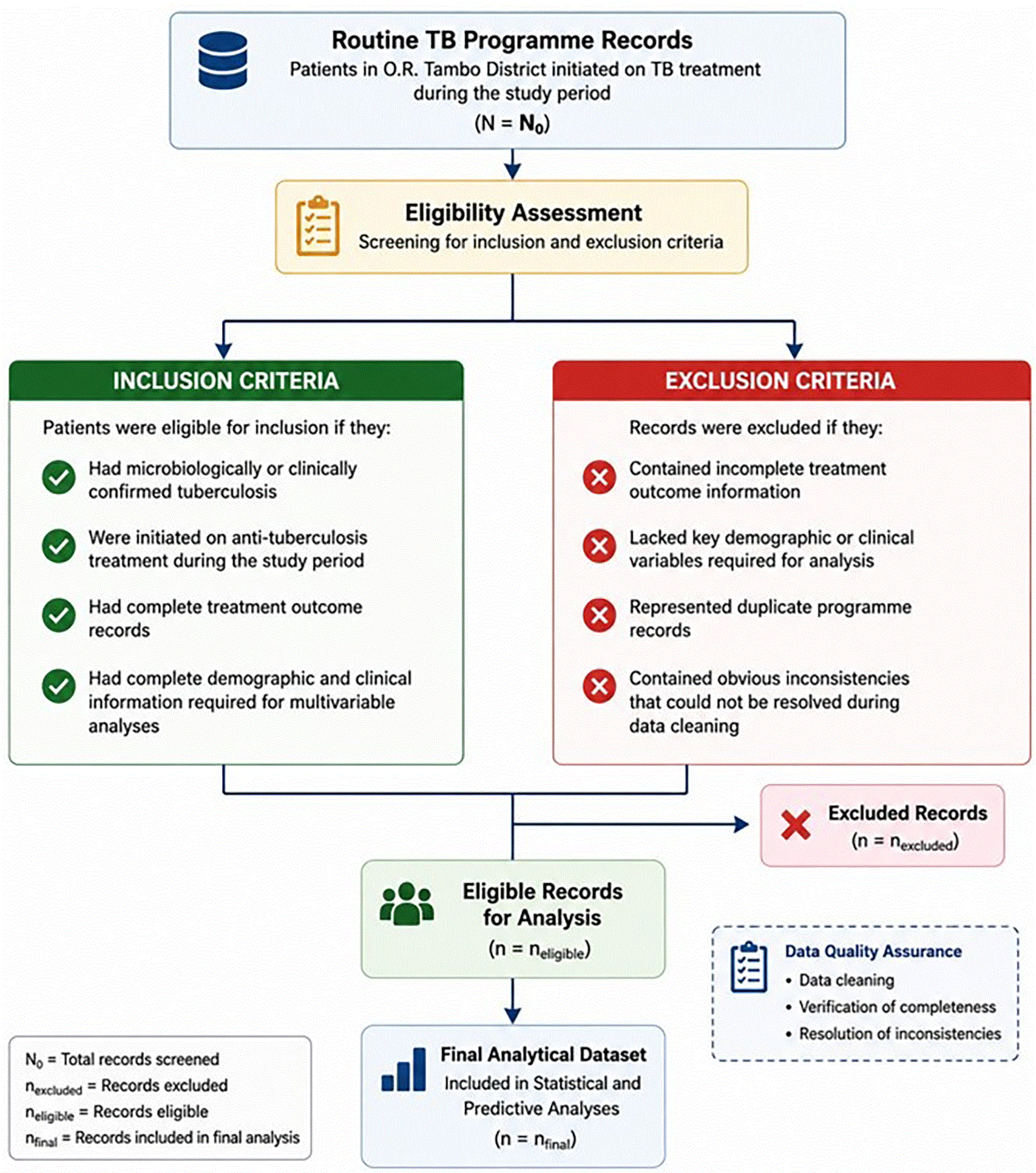
Patients were eligible for inclusion if they had microbiologically or clinically confirmed tuberculosis, were initiated on anti-tuberculosis treatment during the study period and had complete treatment outcome records together with the demographic and clinical information required for multivariable analyses. Records were excluded if they contained incomplete treatment outcome information, lacked key demographic or clinical variables necessary for analysis, represented duplicate programme entries, or contained unresolved inconsistencies identified during data cleaning. These eligibility criteria were applied to ensure the completeness, accuracy, and consistency of the analytical dataset while minimizing potential bias arising from missing or duplicate program records ( Figure 1).
The study evaluated two primary outcome variables: tuberculosis treatment outcome and treatment duration. Treatment outcomes were classified according to the South African National Tuberculosis Programme definitions and subsequently dichotomised into successful and unsuccessful outcomes for regression analyses. Successful outcomes comprised patients classified as cured or who completed treatment, whereas unsuccessful outcomes included treatment failure, loss to follow-up, death, transfer out, moved out, and patients still receiving treatment at the time of programme evaluation. Treatment duration was defined as the interval, measured in months, between treatment initiation and documented treatment completion or the recorded final treatment outcome. It was analysed as a continuous variable representing healthcare utilisation, programme efficiency, and patient-level economic burden, recognising that prolonged treatment is associated with increased healthcare resource utilisation, direct and indirect patient costs, and a greater risk of treatment interruption.
Explanatory variables were selected a priori based on previous evidence describing determinants of tuberculosis treatment outcomes and included demographic, socioeconomic, and clinical characteristics. Demographic variables comprised age and sex, while socioeconomic variables included occupation, income source, previous employment status, and social history. Clinical variables included HIV status and treatment regimen, which were categorized as either short- or long-course therapy. These variables were evaluated as potential predictors of treatment success and treatment duration.
To further characterize socioeconomic disadvantage within the study population, a health economics framework was applied using four indicators of economic vulnerability: unemployment, absence of regular income, HIV co-infection, and treatment regimen complexity. These indicators were selected because they represent key determinants of financial hardship, healthcare utilisation, and treatment adherence in rural South African settings. Collectively, they were used to characterize patient-level economic vulnerability and to inform the scenario-based health systems modelling evaluating the potential impact of health economics interventions on tuberculosis treatment outcomes.
Continuous variables were summarised using means and standard deviations, whereas categorical variables were described using frequencies and percentages. Associations between explanatory variables and treatment outcomes were initially explored using univariable logistic regression analyses. Variables considered clinically relevant or demonstrating potential association were subsequently entered into multivariable logistic regression models to identify independent predictors of treatment success after adjustment for potential confounding. Odds ratios (ORs) adjusted odds ratios (aORs), 95% confidence intervals (95% CIs), and corresponding p-values were reported. Statistical significance was defined as p < 0.05.
Treatment duration was evaluated using complementary analytical approaches. First, multiple linear regression was performed to quantify the independent associations between socioeconomic and clinical characteristics and treatment duration. Regression coefficients (β), 95% confidence intervals, and p-values were reported. Second, Cox proportional hazards regression was used to examine time to treatment completion. Treatment completion was defined as the event of interest, and hazard ratios (HRs) with corresponding 95% confidence intervals were calculated. Hazard ratios below one indicated delayed treatment completion.
To evaluate the predictive performance of routinely collected programme data for identifying tuberculosis treatment outcomes, three supervised machine-learning algorithms were developed: Logistic Regression, Random Forest, and Extreme Gradient Boosting (XGBoost). Models were trained using routinely collected demographic, socioeconomic, and clinical variables, including age, sex, occupation, income source, HIV status, treatment regimen, and other programme characteristics available within the dataset. Model performance was evaluated using the area under the receiver operating characteristic curve (AUC), classification accuracy, sensitivity, and specificity. A comparative assessment of these performance metrics was conducted to identify the algorithm with the greatest discriminative ability in predicting treatment outcomes. The machine-learning analyses were intended to complement conventional regression modelling by capturing potentially complex and non-linear relationships among predictor variables that may not be fully represented using traditional statistical approaches.
2.8.1 Development of predictive and scenario-based models
Predictive modelling was undertaken using routinely collected programme data to estimate tuberculosis treatment outcomes under both observed programme conditions and hypothetical intervention scenarios. The outcome variable for all predictive models was treatment success, dichotomised as successful versus unsuccessful treatment according to the South African National Tuberculosis Programme definitions. Candidate predictor variables were selected based on biological plausibility, evidence from previous tuberculosis literature, and their availability within the routine programme dataset. These included age, sex, occupation, income source, employment status, HIV status, treatment regimen, and other demographic and socioeconomic characteristics. Variables demonstrating clinical relevance or statistical association in the multivariable logistic regression analyses were retained for predictive modelling. Three supervised machine-learning algorithms Logistic Regression, Random Forest, and XGBoost were developed using the same predictor variables to facilitate direct comparison with conventional regression modelling. Model performance was evaluated using the area under the AUC, classification accuracy, sensitivity, and specificity, with the best-performing algorithm selected according to overall discriminatory performance.
Scenario-based health systems models were subsequently developed using the final multivariable regression estimates as the analytical foundation. Evidence-informed intervention packages representing health economics, clinical governance, and community engagement strategies were modelled by adjusting the probability of treatment success according to the anticipated direction and magnitude of effect reported in the published tuberculosis and implementation science literature. Intervention scenarios were constructed progressively to estimate the projected contribution of (i) health economics interventions alone, (ii) clinical governance interventions alone, (iii) community engagement interventions alone, and (iv) an integrated health systems framework combining all three domains.
The integrated predictive framework assumed that improvements in patient-level socioeconomic support, healthcare quality, and community participation would operate through complementary pathways to enhance treatment adherence, continuity of care, and programme performance. Accordingly, projected treatment success rates represent evidence-informed scenario estimates rather than observed intervention effects and should be interpreted as hypothetical programme projections intended to inform policy development, programme planning, and future implementation research.
In addition to analysing observed programme data, scenario-based predictive modelling was undertaken to estimate the potential contribution of evidence-informed interventions targeting complementary patient-, community-, and health system-level determinants of tuberculosis care. Three intervention domains were evaluated individually and in combination. The health economics model incorporated interventions designed to reduce patient-level financial barriers to treatment adherence, including transport assistance, nutritional support, linkage to social protection programmes, financial counselling, and economic health literacy. The clinical governance model evaluated interventions to strengthen healthcare quality and accountability through routine clinical audit, multidisciplinary case review, adherence monitoring, risk stratification for high-risk patients, referral tracking, and continuous quality improvement. The community engagement model examined the potential contribution of community health worker follow-up, household treatment support, patient support groups, treatment literacy programmes, stigma reduction initiatives, and community-based tracing of patients at risk of treatment interruption. Scenario estimates were generated to project the potential influence of these intervention packages on treatment success under routine programme conditions. These projections were informed by the final multivariable regression models and published evidence supporting the effectiveness of these intervention strategies. As the models represent hypothetical implementation scenarios rather than observed intervention effects, the projected improvements should be interpreted as evidence-informed estimates intended to guide programme planning and future implementation research rather than direct measures of intervention effectiveness.
An integrated predictive framework was subsequently developed combining health economics interventions, strengthened clinical governance, and community engagement into a single health systems model. Rather than representing observed intervention effects, the integrated model provides evidence-informed projections of the potential improvements in programme performance that may be achieved through coordinated implementation of complementary patient-, community-, and health system-level strategies. Accordingly, projected treatment success rates should be interpreted as scenario-based estimates intended to inform programme planning rather than direct measures of intervention effectiveness.
This retrospective record review was conducted in strict adherence to the ethical principles outlined in the Declaration of Helsinki. Given the use of secondary, de-identified data extracted from routine TB programme records and patient treatment databases, the study posed no more than minimal risk to participants. Full ethical approval and a waiver of individual written informed consent were granted by the Research Ethics and Biosafety Committee of the Faculty of Health Sciences at Walter Sisulu University (Reference No. 140/2025, dated 02 July 2025) and the Eastern Cape Department of Health (Reference No. EC_202507_022, dated 11 July 2025). The waiver of consent was deemed appropriate as the research involved no direct contact with participants, and all patient identifiers (including names, contact details, and specific facility identifiers) were permanently removed from the final analytical dataset to ensure complete anonymity. To maintain strict confidentiality and data integrity, the extracted data were stored on a password-protected, encrypted server accessible solely to the principal investigator and authorized research team members. All analyses were performed on aggregated, non-identifiable data, and no individual patient information was disclosed in any publication or report arising from this study. Furthermore, only patients who had complete treatment outcome information were included in the final outcome-specific analyses to maintain the internal validity of the findings.
A total of 538 patients receiving tuberculosis treatment were included in the analysis. The mean age of participants was 40.4 years (standard deviation [SD] 17.4 years), with males comprising 61.6% of the study population. The cohort demonstrated substantial socioeconomic vulnerability, with more than three-quarters of participants (77.5%) reporting no regular source of income and 66.4% being unemployed. HIV co-infection was present in 50.7% of patients, reflecting the considerable burden of TB-HIV co-morbidity within the study setting. Most patients (92.0%) received the standard short-course treatment regimen, whereas 8.0% required the long-course regimen. Overall, 411 (76.4%) patients achieved successful treatment outcomes, while 127 (23.6%) experienced unsuccessful treatment outcomes ( Table 1).
The socioeconomic characteristics of patients differed modestly according to treatment outcome ( Table 2). Although male sex was similarly represented among patients with successful and unsuccessful outcomes, socioeconomic disadvantage was consistently more common among those experiencing unsuccessful treatment. Patients with unsuccessful outcomes more frequently reported having no regular income (78.7% versus 71.0%) and unemployment (75.6% versus 63.5%) than patients who completed treatment successfully. HIV co-infection was also more prevalent among patients with unsuccessful outcomes (53.5% versus 44.8%). Likewise, long-regimen treatment occurred almost twice as often among unsuccessful outcomes (11.8%) as among successful outcomes (6.6%). Although these descriptive differences alone do not establish causality, they suggest that socioeconomic vulnerability and clinical complexity coexist among patients experiencing poorer programme outcomes.
Univariable logistic regression identified treatment regimen as the only variable significantly associated with treatment outcome ( Table 3). Patients receiving long-regimen treatment had significantly lower odds of achieving treatment success than those receiving the standard short regimen (OR 0.50; 95% CI 0.26–0.98; p = 0.043). Age, sex, occupation, income source, previous employment status, social history, and HIV status were not significantly associated with treatment success in univariable analyses. Following adjustment for demographic and clinical characteristics, treatment regimen remained the only independent predictor of treatment success. Patients receiving long-regimen treatment demonstrated a 58% reduction in the odds of successful treatment compared with those receiving short-course therapy (aOR 0.42; 95% CI 0.20–0.89; p = 0.024). Although unemployment and lack of income were highly prevalent within the cohort, neither remained independently associated with treatment success after multivariable adjustment. This finding likely reflects the relatively homogeneous socioeconomic profile of this predominantly rural population, in which economic disadvantage was widespread regardless of treatment outcome.
Treatment duration was analyzed as an indicator of healthcare utilization and programme burden. Multiple linear regression demonstrated that socioeconomic vulnerability was independently associated with prolonged treatment duration ( Table 4). Patients without a regular income remained on treatment for an average of 2.1 months longer than those with income (p < 0.001), while unemployment was associated with an additional 1.8 months of treatment (p = 0.003). HIV-positive patients required significantly longer treatment than HIV-negative individuals (β = 1.40 months; p = 0.014). The long treatment regimen had the greatest influence on treatment duration, extending it by an average of 5.7 months (p < 0.001). These findings indicate that although socioeconomic variables were not independent predictors of treatment success, they substantially influenced the duration of care required to achieve programme completion. To further evaluate treatment duration, Cox proportional hazards modelling was performed using treatment completion as the event of interest. Consistent with the linear regression findings, patients with no income (HR 0.74; 95% CI 0.59–0.93), unemployment (HR 0.78; 95% CI 0.63–0.96), HIV co-infection (HR 0.82; 95% CI 0.67–0.99), and long-regimen treatment (HR 0.39; 95% CI 0.27–0.56) demonstrated significantly slower rates of treatment completion. Collectively, these analyses suggest that socioeconomic disadvantage primarily influences programme efficiency through prolonged treatment rather than directly affecting treatment success.
Three supervised machine-learning algorithms were evaluated for their ability to predict treatment outcomes using routinely collected programme variables. Among the evaluated algorithms ( Table 5), XGBoost demonstrated the highest predictive performance, achieving an area under the AUC of 0.89 and an overall classification accuracy of 85%. Random Forest also performed well (AUC = 0.84; accuracy = 80%), whereas conventional logistic regression demonstrated comparatively lower predictive performance (AUC = 0.78; accuracy = 74%). The improved performance of ensemble machine-learning approaches suggests that treatment outcomes are influenced by complex interactions among demographic, socioeconomic, and clinical variables that are not fully captured using conventional regression methods.
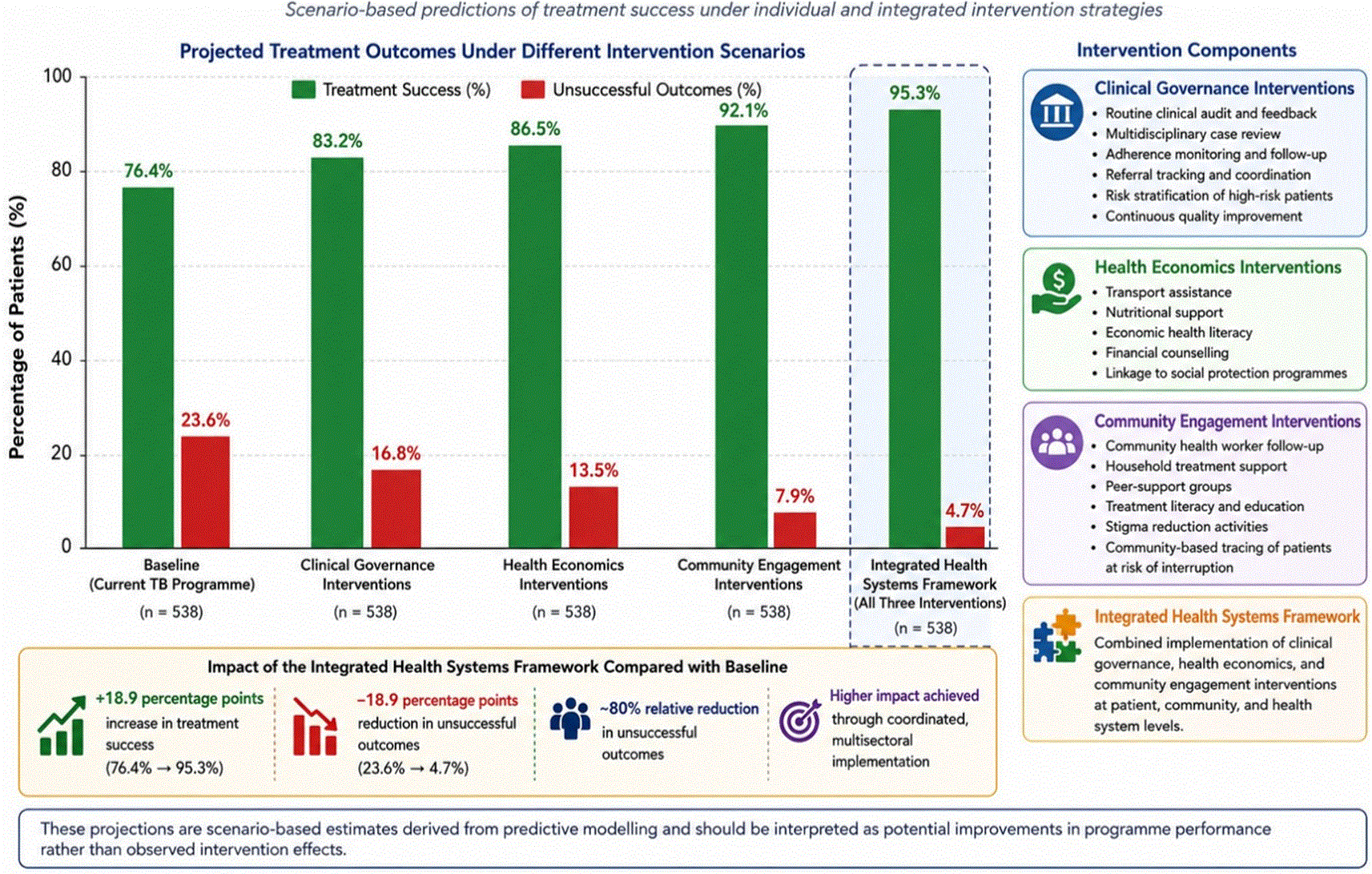
An integrated predictive framework was developed to estimate the potential impact of simultaneously implementing health economics interventions, strengthened clinical governance, and community engagement strategies on tuberculosis treatment outcomes. The projected treatment outcomes under each intervention scenario are summarised in Table 8, while the conceptual integrated framework is illustrated in Figure 2. A predictive scenario model was developed to estimate the potential effect of integrating clinical governance and health economics interventions on tuberculosis treatment success ( Table 6). Under baseline conditions, the observed treatment success rate was 76.4%, with 23.6% of patients experiencing unsuccessful outcomes. Implementation of clinical governance interventions alone, including routine case review, treatment monitoring, referral tracking, adherence audit, and multidisciplinary management of high-risk patients, was predicted to increase treatment success to 83.2%. Health economics interventions alone, including transport assistance, nutritional support, Economic Health Literacy, social grant linkage, and household financial counselling, were predicted to increase treatment success to 86.5%. The strongest improvement was observed under the integrated model, where clinical governance and health economics interventions were combined. This scenario predicted an increase in treatment success to 91.4%, representing a 15.0 percentage-point improvement from baseline and a reduction in unsuccessful outcomes from 23.6% to 8.6%. These findings suggest that tuberculosis outcomes may improve most substantially when clinical accountability mechanisms are combined with socioeconomic support. Clinical governance strengthens the quality, continuity, and monitoring of TB care, while health economics interventions reduce patient-level barriers such as transport costs, food insecurity, income loss, and poor healthcare navigation. Together, these approaches provide a patient-centred and equity-focused model for improving treatment success in the rural Eastern Cape.
A scenario-based predictive model was developed to estimate the potential impact of community engagement on tuberculosis treatment outcomes ( Table 7). Under baseline conditions, the observed treatment success rate was 76.4%, while unsuccessful outcomes accounted for 23.6%. Introduction of low-level community engagement, including basic TB education and clinic reminders, was predicted to increase treatment success to 81.2%. Moderate community engagement, involving community health worker follow-up, family support, treatment literacy, and community tracing of patients at risk of interruption, was predicted to improve treatment success to 86.9%. The greatest improvement was observed under a high-community-engagement model, in which community-led TB support groups, home visits, stigma-reduction activities, Economic Health Literacy, and linkage to transport or social support were integrated into TB care. This comprehensive approach was predicted to increase treatment success to 92.1% and reduce unsuccessful outcomes to 7.9%. These findings suggest that community engagement may substantially improve TB treatment outcomes by strengthening patient support, reducing stigma, improving treatment literacy, and addressing social barriers to care. In rural Eastern Cape, where poverty, unemployment, and transport barriers are common, community-based engagement may serve as a critical bridge between health facilities and vulnerable households.
An integrated predictive framework was developed to estimate the potential impact of simultaneously implementing health economics interventions, strengthened clinical governance, and community engagement strategies on tuberculosis treatment outcomes ( Table 7; Figure 2). Under baseline programme conditions, the observed treatment success rate was 76.4%, with unsuccessful outcomes accounting for 23.6% of patients. When modelled individually, health economics interventions including transport assistance, nutritional support, economic health literacy, financial counselling, and linkage to social protection programmes were projected to increase treatment success to 86.5%, representing an absolute improvement of 10.1 percentage points. Clinical governance interventions, comprising routine clinical audit, multidisciplinary case review, adherence monitoring, referral tracking, risk stratification of high-risk patients, and continuous quality improvement, were projected to increase treatment success to 83.2%, corresponding to a 6.8 percentage-point improvement. Community engagement interventions, including community health worker follow-up, household treatment support, peer-support groups, treatment literacy, stigma reduction, and community-based tracing of patients at risk of treatment interruption, demonstrated the greatest projected benefit among the individual intervention domains, increasing treatment success to 92.1% and reducing unsuccessful outcomes to 7.9%. The greatest projected improvement was observed under the integrated health systems framework, in which all three intervention domains were implemented simultaneously. This scenario predicted treatment success of 95.3%, representing an absolute improvement of 18.9 percentage points compared with baseline, while unsuccessful outcomes declined from 23.6% to 4.7%. Relative to baseline performance, the integrated model projected an approximately 80% reduction in unsuccessful treatment outcomes, suggesting substantial potential gains when patient-level socioeconomic barriers, healthcare quality, and community support mechanisms are addressed concurrently. These findings indicate that interventions targeting a single component of tuberculosis care may provide meaningful improvements; however, substantially greater programme gains may be achieved through coordinated, multisectoral implementation strategies. Although these projections represent evidence-informed scenarios rather than observed intervention effects, they demonstrate the potential value of integrating health economics, clinical governance, and community engagement within a unified health systems framework to strengthen tuberculosis program performance in resource-constrained settings, as seen in Table 8.
This study investigated the interplay among socioeconomic vulnerability, clinical characteristics, and health system factors that influence TB treatment outcomes in a high-burden rural district of South Africa. Four principal findings emerged. First, the study population experienced marked socioeconomic disadvantage, characterized by widespread unemployment and the absence of regular income. Second, although a long treatment regimen remained the only independent predictor of treatment success, socioeconomic vulnerability was consistently associated with prolonged treatment duration and delayed treatment completion. Third, machine-learning algorithms demonstrated strong predictive performance, suggesting that routinely collected programme data can be used to identify patients at increased risk of poor outcomes. Finally, scenario-based modelling indicated that integrated interventions combining socioeconomic support, strengthened clinical governance, and community engagement may achieve substantially greater improvements in programme performance than interventions targeting individual domains in isolation control requires a broader health systems perspective that extends beyond biomedical management.16,17 Rather than attributing treatment outcomes solely to clinical care, the findings suggest that programme performance reflects interactions among patient-level socioeconomic conditions, health system organization, and community support structures.
The high prevalence of unemployment and absence of regular income observed in this study highlights the persistent concentration of tuberculosis among socially and economically disadvantaged populations. These findings are consistent with extensive international evidence demonstrating that TB disproportionately affects communities experiencing poverty, food insecurity, overcrowding, unstable employment, and limited access to healthcare.18,19 The relationship is bidirectional: socioeconomic deprivation increases susceptibility to tuberculosis through biological and environmental pathways, while prolonged illness frequently worsens household poverty through income loss, catastrophic health expenditure, and reduced productivity.20,21
Interestingly, socioeconomic variables were not independently associated with treatment success after multivariable adjustment, despite their high prevalence among patients with unsuccessful outcomes. This finding should not be interpreted as evidence that socioeconomic conditions are unimportant. Rather, it likely reflects the relatively homogeneous socioeconomic profile of this predominantly rural population, in which poverty is widespread regardless of eventual treatment outcome. In such settings, socioeconomic disadvantage may function less as an individual-level predictor than as a pervasive contextual determinant influencing healthcare access, treatment adherence, and health system utilization across the entire population.6
Importantly, socioeconomic vulnerability remained strongly associated with prolonged treatment duration. This observation suggests that economic hardship may influence programme performance through mechanisms not adequately captured by dichotomous treatment outcomes alone. Patients experiencing financial insecurity often face repeated transport costs, nutritional challenges, competing household priorities, and unstable employment, all of which may delay treatment completion even when successful outcomes are ultimately achieved. Consequently, treatment duration represents an important but frequently overlooked health systems indicator that captures both patient burden and healthcare resource utilization.22
The treatment regimen emerged as the only independent predictor of treatment success after adjustment for potential confounders. Patients receiving long-term therapy had significantly lower odds of successful treatment and experienced substantially longer treatment duration than those receiving shorter regimens.23
This finding is consistent with evidence demonstrating that prolonged treatment increases pill burden, treatment fatigue, adverse drug reactions, clinic attendance requirements, and opportunities for treatment interruption. Longer treatment also imposes considerable opportunity costs on patients through repeated transport expenses, lost income, and prolonged dependence on healthcare services. At the program level, extended treatment increases demand for clinical monitoring, laboratory investigations, medication supply, and healthcare personnel.24,25 These findings reinforce international efforts to optimize treatment regimens and support the continued implementation of shorter, patient-centred treatment strategies where clinically appropriate. While regimen selection is determined primarily by disease characteristics and drug susceptibility patterns, interventions that reduce avoidable delays and strengthen adherence throughout prolonged treatment remain essential for improving programme performance.26,27
Most tuberculosis studies evaluate treatment success as the principal programme indicator. However, treatment duration represents an equally important measure of healthcare efficiency because prolonged treatment increases direct healthcare expenditure, patient costs, and utilization of limited health system resources.28
The present study demonstrates that unemployment, absence of income, HIV co-infection, and long treatment regimen were independently associated with delayed treatment completion. These findings suggest that treatment duration reflects not only clinical complexity but also the broader socioeconomic context within which care is delivered.6 From a health economics perspective, prolonged treatment translates into increased direct costs associated with medication, clinical monitoring, and healthcare utilization, as well as indirect costs arising from reduced productivity, transport expenditures, caregiving responsibilities, and income loss. Consequently, interventions that shorten treatment duration may improve both patient welfare and health system efficiency. Incorporating treatment duration alongside conventional programme outcomes, therefore, provides a more comprehensive assessment of TB program performance.29
Machine-learning algorithms demonstrated excellent predictive performance, with XGBoost outperforming conventional logistic regression and Random Forest models. The superior discrimination achieved by XGBoost suggests that treatment outcomes arise from complex interactions among demographic, socioeconomic, and clinical variables that are not fully represented by traditional linear modelling approaches.30 These findings contribute to the expanding application of artificial intelligence within infectious disease surveillance and implementation science. Routine programme data are increasingly recognised as valuable resources for developing clinical decision-support tools capable of identifying patients at increased risk of treatment interruption or poor outcomes. Such approaches may facilitate earlier intervention, targeted adherence support, and more efficient allocation of limited healthcare resources. Nevertheless, predictive models should complement rather than replace clinical judgement. External validation across different populations and healthcare settings remains essential before implementation within routine programme management.31,32
A novel contribution of this study is the use of scenario-based predictive modelling to estimate the potential influence of integrating health economics and clinical governance interventions on tuberculosis programme performance. Under baseline programme conditions, treatment success was 76.4%. The model projected that strengthening clinical governance alone could increase treatment success to 83.2%, while health economics interventions alone were associated with a larger projected improvement to 86.5%. When these intervention domains were combined, treatment success was projected to increase to 91.4%, representing an absolute improvement of 15 percentage points over baseline.6,33 These projections highlight the complementary roles of patient-centred socioeconomic support and health system strengthening. Clinical governance interventions, including routine clinical audit, multidisciplinary case review, adherence monitoring, referral tracking, and continuous quality improvement, primarily address deficiencies in the organization and delivery of healthcare. Such approaches have been associated internationally with improved adherence to clinical guidelines, earlier identification of patients at risk of treatment interruption, enhanced continuity of care, and strengthened accountability within TB programmes. However, improvements in healthcare quality alone may not fully overcome structural barriers experienced by patients living in poverty.6,9 Conversely, health economics interventions address the financial and social constraints that frequently undermine treatment adherence. Transport assistance, nutritional supplementation, linkage to social protection programmes, household financial counseling, and economic health literacy may reduce catastrophic patient costs, improve clinic attendance, and minimize treatment interruption. Previous studies have demonstrated that socioeconomic support packages improve treatment adherence and reduce loss to follow-up, particularly among vulnerable populations in resource-constrained settings. The larger projected improvement observed for health economics interventions in the present study may therefore reflect the substantial socioeconomic burden experienced by this predominantly rural population.34 Importantly, the greatest projected benefit was observed when clinical governance and health economics interventions were implemented simultaneously. This finding supports the concept that improving TB outcomes requires coordinated action addressing both health system performance and patient-level barriers. Clinical governance may ensure that high-quality services are consistently delivered, while socioeconomic support enables patients to access and remain engaged in those services. The projected synergistic effect observed in the integrated model aligns with systems-thinking approaches to health service delivery, whereby improvements across multiple components of the care pathway collectively produce greater programme gains than isolated interventions. From a health economics standpoint, these findings suggest that integrated interventions can yield greater value for money by improving health outcomes while reducing unnecessary healthcare utilization and patient-incurred expenses.35
In resource-limited settings, interventions that improve both efficacy and efficiency are particularly attractive to policymakers responsible for allocating scarce healthcare resources. Because these estimates were derived from scenario-based modelling rather than observed programme implementation, they should be interpreted as evidence-informed projections that generate hypotheses for future implementation research rather than direct estimates of intervention effectiveness. Although this study did not undertake a formal economic evaluation, the observed associations suggest that interventions that reduce treatment duration and improve adherence may generate downstream cost savings for both households and the healthcare system while improving health outcomes.36,37 Future studies should incorporate formal cost-effectiveness, cost-utility, or budget impact analyses to determine whether integrated intervention packages provide good value for money and are affordable within constrained public-sector health budgets.
Community engagement emerged as the strongest projected individual intervention strategy evaluated in this study. Progressive increases in the intensity of community engagement were associated with corresponding improvements in predicted treatment success, increasing from 81.2% under low-engagement scenarios to 86.9% with moderate engagement and 92.1% under comprehensive community-based support. These findings reinforce growing international recognition that successful tuberculosis control depends not only on healthcare delivery but also on meaningful partnerships between health systems and the communities they serve.38 Community health workers, household treatment support, peer-support groups, treatment literacy programmes, community tracing, and stigma reduction initiatives strengthen adherence through behavioural and social pathways that conventional biomedical interventions alone cannot address. Evidence from multiple high-burden settings indicates that community health workers improve treatment adherence by providing decentralized follow-up, facilitating early identification of treatment interruptions, reinforcing health education, and strengthening communication between patients and healthcare providers.39,40 Similarly, peer-support networks and family-centred treatment support have been associated with improved motivation, reduced social isolation, and greater retention throughout prolonged treatment. Community engagement may therefore improve programme performance by strengthening trust in healthcare services while addressing stigma, misinformation, and social barriers that frequently compromise treatment completion.41 The strong projected benefit observed under the comprehensive community engagement scenario likely reflects the cumulative influence of multiple complementary interventions rather than the effect of any single strategy. Importantly, the inclusion of economic health literacy and linkage to social support within the highest-engagement scenario recognises that community participation and socioeconomic support are closely interconnected. Communities frequently serve as the primary interface through which vulnerable households access social protection, nutritional support, and healthcare services.42,43 Although these projected improvements require prospective validation, they provide further support for WHO recommendations advocating community-centred and people-centred approaches as integral components of sustainable tuberculosis control.43
Although this study did not conduct a formal economic evaluation, the observed associations suggest that interventions that reduce treatment duration and improve adherence could generate downstream cost savings for both households and the healthcare system while improving health outcomes.
The findings have important implications for tuberculosis policy, programme planning, and health system strengthening.
First, TB programmes should move beyond a predominantly biomedical orientation towards integrated service delivery models that simultaneously address socioeconomic vulnerability, healthcare quality, and community participation. Such an approach is consistent with the principles of person-centred care and recognises that treatment outcomes are influenced by interacting patient-, community-, and system-level determinants.
Second, routine TB programmes should incorporate socioeconomic assessment into patient management to identify individuals experiencing financial hardship who may benefit from targeted support, including transport assistance, nutritional supplementation, linkage to social protection programmes, and economic health literacy initiatives. Third, strengthening clinical governance through routine audits, multidisciplinary reviews, adherence monitoring, and continuous quality improvement may enhance programme accountability and facilitate earlier identification of patients who require intensified follow-up. Fourth, sustained investment in community health workers, patient support groups, treatment literacy programmes, and community-based tracing systems may strengthen adherence, reduce stigma, and improve retention throughout prolonged treatment. Fifth, the planning of TB programmes should incorporate health economic evidence alongside epidemiological and clinical data to facilitate informed decision-making. Resource allocation decisions must consider not only clinical effectiveness but also cost-effectiveness, affordability, equity, and financial risk protection. Such an approach aims to maximize health outcomes within the constraints of public-sector budgets. By directing limited resources toward interventions that yield the greatest overall benefits, we can also mitigate the financial burden on households affected by TB, thereby reducing the risk of catastrophic costs.
The data analysed in this study were derived from routinely collected tuberculosis programme records maintained within the Eastern Cape public health system. Although direct patient identifiers and specific facility identifiers were removed from the analytical dataset, the underlying data are subject to institutional and public-health data-governance requirements and cannot be deposited by the authors in an unrestricted public repository without appropriate authorisation from the relevant data custodians. Researchers with a legitimate scientific purpose may request access to an appropriately de-identified dataset from the corresponding author, Dr. Ntandazo Dlatu ([email protected]). Requests will be considered subject to applicable ethical, institutional, and Eastern Cape Department of Health requirements and, where appropriate, completion of a data-sharing/data-use agreement. The relevant ethics and administrative approval documentation can be made available to the journal for verification.
The author(s) declared that no grants were involved in supporting this work.
© 2026 Dlatu N et al. This is an open access article distributed under the terms of the Creative Commons Attribution License, which permits unrestricted use, distribution, and reproduction in any medium, provided the original work is properly cited.
Current Reviewer Status:
AWAITING PEER REVIEW
AWAITING PEER REVIEW
?
Key to Reviewer Statuses VIEW HIDE
ApprovedThe paper is scientifically sound in its current form and only minor, if any, improvements are suggested
Approved with reservations A number of small changes, sometimes more significant revisions are required to address specific details and improve the papers academic merit.
Not approvedFundamental flaws in the paper seriously undermine the findings and conclusions