Просмотр новости
Найдите то, что Вас интересует
 Спутники
 РН
РН SpaceX
 Роскосмос
 NASA
NASA
СпутникиРНSpaceXРоскосмосNASABackground Recurrent Ebola virus disease (EVD) outbreaks in the Democratic Republic of the Congo (DRC) continue to pose substantial cross-border health security risks to neighbouring countries, particularly Uganda. Although numerous preparedness initiatives have been implemented to prevent, detect, and respond to cross-border Ebola transmission, evidence on their effectiveness, strengths, and persistent gaps remains fragmented across peer-reviewed and grey-literature sources. This review synthesized available evidence on cross-border Ebola preparedness in Uganda and the DRC and identified key capacities, challenges, and priorities for strengthening regional health security. Methods A systematic review was conducted in accordance with PRISMA 2020 and reported using the Synthesis Without Meta-analysis (SWiM) framework. PubMed, Scopus, Web of Science, African Journals Online (AJOL), and major grey-literature sources were searched from January 2000 to 18 May 2026. Findings were synthesized across nine predefined preparedness domains. Results Seventy-one evidence sources were included, comprising 32 primary studies and 39 grey-literature documents. Evidence was most concentrated in border surveillance and point-of-entry preparedness (24 sources), contact tracing and rapid response (22 sources), cross-border mobility and importation risk (18 sources), infection prevention and control (17 sources), and regional governance and coordination (17 sources). Preparedness activities included mobility mapping, traveller screening, healthcare-worker training, laboratory strengthening, risk communication, and cross-border coordination mechanisms. The synthesis identified substantial preparedness capacity across surveillance systems, laboratory readiness, healthcare-facility preparedness, and regional collaboration. However, important gaps persisted in some major preparedness domains. Conclusions Cross-border Ebola preparedness in Uganda and the DRC has expanded considerably over the past two decades through investments in surveillance systems, laboratory networks, healthcare-worker preparedness, and regional coordination. Nonetheless, persistent vulnerabilities remain in humanitarian settings, preparedness sustainability, and emerging preparedness domains. Strengthening integrated, sustainable, and cross-border health-security systems will be critical for mitigating future Ebola threats and enhancing epidemic preparedness across East Africa.
Ebola virus disease (EVD) remains one of the most consequential epidemic-prone infectious diseases globally, causing recurrent outbreaks associated with substantial morbidity, mortality, social disruption, and economic losses across Africa.1,2 Since its first recognition in 1976, EVD has continued to challenge public health systems despite advances in surveillance, laboratory diagnostics, vaccines, therapeutics, and outbreak response strategies (Jacob et al., 2020). The 2013–2016 epidemic in West Africa that involved over 28,000 reported cases and over 11,000 deaths, illustrated the speed with which a local outbreak can become an international public health emergency. Other outbreaks in the Democratic Republic of the Congo (DRC) further highlighted the ongoing threat of Ebola in politically unstable, highly mobile, and resource-limited environments.3,4 These experiences have reinforced the importance of preparedness as a cornerstone of epidemic prevention, response readiness, and health security.5
In East Africa, cross-border preparedness is especially critical due to the high levels of population movement and the porous borders between countries, which make it easy for infectious diseases to spread across borders. The border between Uganda and the DRC is long and is deeply interconnected with formal and informal border crossings, refugee flows, health-seeking migration and complex social and economic activities.6–9 During preparedness assessments conducted before the 2018–2020 DRC Ebola outbreak, more than 40 official and unofficial crossing points and numerous congregation sites were identified across high-risk Ugandan border districts, highlighting the scale of cross-border connectivity in the region.3 Qualitative and operational research has also shown high levels of population movement linked to trade, fishing, livelihoods, displacement and family networks, which much of the time takes place outside of formal surveillance systems.9–11 The vulnerability of interconnected border communities has also been exacerbated by several importation events, such as the 2019 cross-border spread of Ebola from the DRC to Uganda, underscoring the need for coordinated preparedness systems.12–14
Governments and international partners have responded to recurring threats from Ebola by introducing a wide array of preparedness interventions in Uganda, the DRC and neighbouring countries. These have included mobility mapping, point-of-entry surveillance, contact-tracing systems, strengthening of laboratories, training of health-care workers, infection prevention and control (IPC) programmes, risk communication and community engagement (RCCE) activities, and cross-border coordination mechanisms.3,15–17 Regional and international partners, including the World Health Organization (WHO), Africa Centres for Disease Control and Prevention (Africa CDC), Centers for Disease Control and Prevention (CDC), International Organization for Migration (IOM), International Federation of Red Cross and Red Crescent Societies (IFRC), and United Nations High Commissioner for Refugees (UNHCR), have supported preparedness through surveillance strengthening, mobility monitoring, emergency coordination, refugee preparedness planning, and operational readiness activities. More recently, preparedness initiatives have increasingly incorporated geospatial risk mapping, digital surveillance tools, mobility dashboards, and vaccination readiness strategies aimed at improving early detection and containment of potential outbreaks.5,18–21
Despite substantial investments in Ebola preparedness following recurrent outbreaks in Uganda and the Democratic Republic of the Congo (DRC), important uncertainties remain regarding the effectiveness, sustainability, and coordination of cross-border preparedness systems. Over the past two decades, preparedness activities have expanded considerably, encompassing surveillance strengthening, point-of-entry screening, laboratory capacity development, healthcare-worker training, infection prevention and control programmes, risk communication initiatives, and regional coordination mechanisms.3,13,15 However, despite these investments, limited understanding exists regarding how preparedness capacities compare across domains, where the strongest evidence is concentrated, and which critical gaps continue to constrain outbreak readiness and regional health security. Furthermore, the available evidence remains dispersed across preparedness assessments, outbreak investigations, operational evaluations, programme reviews, qualitative studies, modelling analyses, and policy reports,22 making it difficult to generate a comprehensive and integrated understanding of cross-border Ebola preparedness across the Uganda–DRC border region.
This challenge is further compounded by the fact that a substantial proportion of preparedness knowledge is generated outside the peer-reviewed literature. Operational reports, mobility assessments, surveillance updates, preparedness dashboards, and policy documents produced by WHO, Africa CDC, CDC, IOM, IFRC, UNHCR, and national ministries of health frequently contain critical implementation lessons, situational intelligence, and operational insights that are not captured in conventional academic publications. Consequently, decision-makers often rely on fragmented evidence streams when planning preparedness activities, allocating resources, and strengthening regional health-security systems.
Furthermore, existing literature has consistently identified persistent challenges related to preparedness sustainability, humanitarian and displacement settings, community trust and risk communication, implementation of One Health approaches, cross-border coordination, and the integration of emerging digital preparedness technologies.5,23,24 Yet no previous review, to our knowledge, has systematically integrated peer-reviewed and grey-literature evidence to provide a comprehensive assessment of cross-border Ebola preparedness capacities, implementation gaps, and strategic priorities in Uganda and the DRC. This represents an important evidence gap because weaknesses in preparedness systems may undermine early detection, rapid response, and containment of future outbreaks in one of Africa’s most epidemiologically vulnerable cross-border regions.25–30
To address this gap, we conducted a systematic review integrating peer-reviewed and grey-literature evidence on cross-border Ebola virus disease preparedness in Uganda and the Democratic Republic of the Congo. Using a Synthesis Without Meta-analysis (SWiM) approach, we evaluated preparedness capacities, implementation challenges, evidence gaps, and future priorities for strengthening regional health security and resilience against future Ebola threats in East Africa.
This systematic review synthesized peer-reviewed and grey-literature evidence on cross-border Ebola virus disease (EVD) preparedness in Uganda and the Democratic Republic of the Congo (DRC). The review aimed to evaluate preparedness capacities, identify implementation gaps, and determine priority areas for strengthening regional health security.
A review protocol was developed a priori to guide study eligibility, literature searching, screening procedures, data extraction, quality appraisal, and evidence synthesis. Although the protocol was not prospectively registered, the review was conducted according to predefined methodological procedures and reported in accordance with the Preferred Reporting Items for Systematic Reviews and Meta-Analyses (PRISMA 2020) statement and the Synthesis Without Meta-analysis (SWiM) reporting guideline. No substantive modifications were made to the eligibility criteria, synthesis framework, or predefined preparedness domains after commencement of the review.
The review was guided by the following research question:
“What is the current state of evidence regarding cross-border Ebola virus disease preparedness in Uganda and the Democratic Republic of the Congo, and what lessons can be drawn to strengthen regional health security in East Africa?”
Preparedness was conceptualized as the capacities, systems, policies, resources, and operational mechanisms established before or during periods of elevated Ebola risk to prevent, detect, and respond to cross-border transmission events.
Eligibility criteria were developed using the Population–Concept–Context (PCC) framework, which is recommended for evidence syntheses addressing public-health preparedness, health systems, implementation research, and policy-relevant questions. The PCC framework was selected because the review focused on preparedness systems and operational capacities rather than intervention effectiveness, making traditional PICO-based approaches less appropriate.
The population of interest included communities, healthcare workers, public-health personnel, border populations, refugees, internally displaced persons, travellers, and health systems involved in Ebola preparedness activities. The concept of interest was cross-border Ebola virus disease preparedness, defined as the capacities, systems, interventions, policies, and operational mechanisms designed to prevent, detect, and respond to potential cross-border Ebola transmission. The context included Uganda, the DRC, and cross-border settings involving both countries. Studies conducted in East African settings with direct relevance to Uganda–DRC preparedness were also considered.
Eligible peer-reviewed studies included quantitative, qualitative, mixed-methods, operational, implementation, modelling, and outbreak-related research reporting preparedness planning, surveillance, border health systems, contact tracing, laboratory readiness, infection prevention and control, risk communication and community engagement, refugee preparedness, governance mechanisms, vaccination preparedness, health-security systems, or related preparedness domains.
Grey-literature documents were eligible if they were produced by recognized governmental institutions, public-health agencies, multilateral organizations, humanitarian agencies, or international partners involved in Ebola preparedness and response. Eligible sources included technical reports, preparedness plans, operational updates, surveillance reports, mobility assessments, policy documents, situation reports, dashboards, and evaluation reports.
Studies and reports published between 1 January 2000 and 18 May 2026 were eligible for inclusion.
Evidence was excluded if it focused exclusively on clinical management without preparedness relevance, basic laboratory science, animal-only research, vaccine efficacy studies without preparedness implications, editorials, commentaries, conference abstracts, opinion pieces, or settings lacking direct relevance to Uganda, the DRC, or associated East African preparedness systems.
A comprehensive literature search was conducted in PubMed, Scopus, Web of Science Core Collection, and African Journals Online (AJOL). Searches covered the period from 1 January 2000 to 18 May 2026, which represented the final search date immediately preceding evidence synthesis.
The search strategy combined controlled vocabulary terms, database-specific subject headings, and free-text keywords related to Ebola virus disease, preparedness, surveillance, outbreak readiness, border health, cross-border transmission, health security, contact tracing, laboratory preparedness, infection prevention and control, risk communication, refugee preparedness, and regional coordination.
The core search strategy combined concepts relating to Ebola virus disease, preparedness, cross-border transmission, and East African settings. Search terms were adapted to the indexing structure and functionality of each database. Reference lists of included studies and relevant reviews were additionally screened to identify potentially eligible records.
The complete database-specific search strategies are provided in Supplementary File S1, while characteristics of included primary studies are summarized in Supplementary Table S1.
Given that a substantial proportion of Ebola preparedness evidence exists outside the peer-reviewed literature, a structured grey-literature search was undertaken alongside database searches. Grey-literature searches were conducted between March and May 2026 using targeted website searches, document repositories, preparedness dashboards, operational reports, and policy archives.
For each organizational repository, searches were conducted using predefined combinations of the terms “Ebola”, “preparedness”, “cross-border”, “surveillance”, “border health”, “point of entry”, “mobility”, “risk communication”, “health security”, “outbreak response”, and “Uganda” or “Democratic Republic of the Congo”. Searches were restricted to documents published between January 2000 and May 2026. Titles and document summaries were screened against the predefined eligibility criteria using the same two-stage screening process applied to peer-reviewed literature. Searches focused on organizations with established roles in Ebola preparedness, surveillance, humanitarian response, border health, and regional health-security coordination, including the World Health Organization (WHO), Africa Centres for Disease Control and Prevention (Africa CDC), United States Centers for Disease Control and Prevention (CDC), International Organization for Migration (IOM), International Federation of Red Cross and Red Crescent Societies (IFRC), United Nations High Commissioner for Refugees (UNHCR), and the Ministry of Health Uganda. Documents were screened using the same eligibility criteria applied to peer-reviewed studies.
Only documents with identifiable organizational authorship, documented methodology, and direct relevance to preparedness were retained. Duplicate reports, superseded versions, and documents lacking substantive preparedness content were excluded.
Records identified through database and grey-literature searches were imported into a reference-management system for deduplication and screening. A two-stage screening process was undertaken in accordance with PRISMA 2020 recommendations.
Two reviewers independently screened titles and abstracts against the predefined eligibility criteria. Records considered potentially relevant by either reviewer progressed to full-text assessment. Full-text articles and reports were subsequently retrieved and independently assessed for eligibility by the same reviewers.
Disagreements arising during screening or full-text review were resolved through discussion and consensus. Where consensus could not be reached, a third reviewer independently assessed the record and made the final eligibility determination. Reasons for exclusion during full-text assessment were documented to ensure transparency and reproducibility.
The complete study-selection process is presented in the PRISMA 2020 flow diagram ( Figure 1).
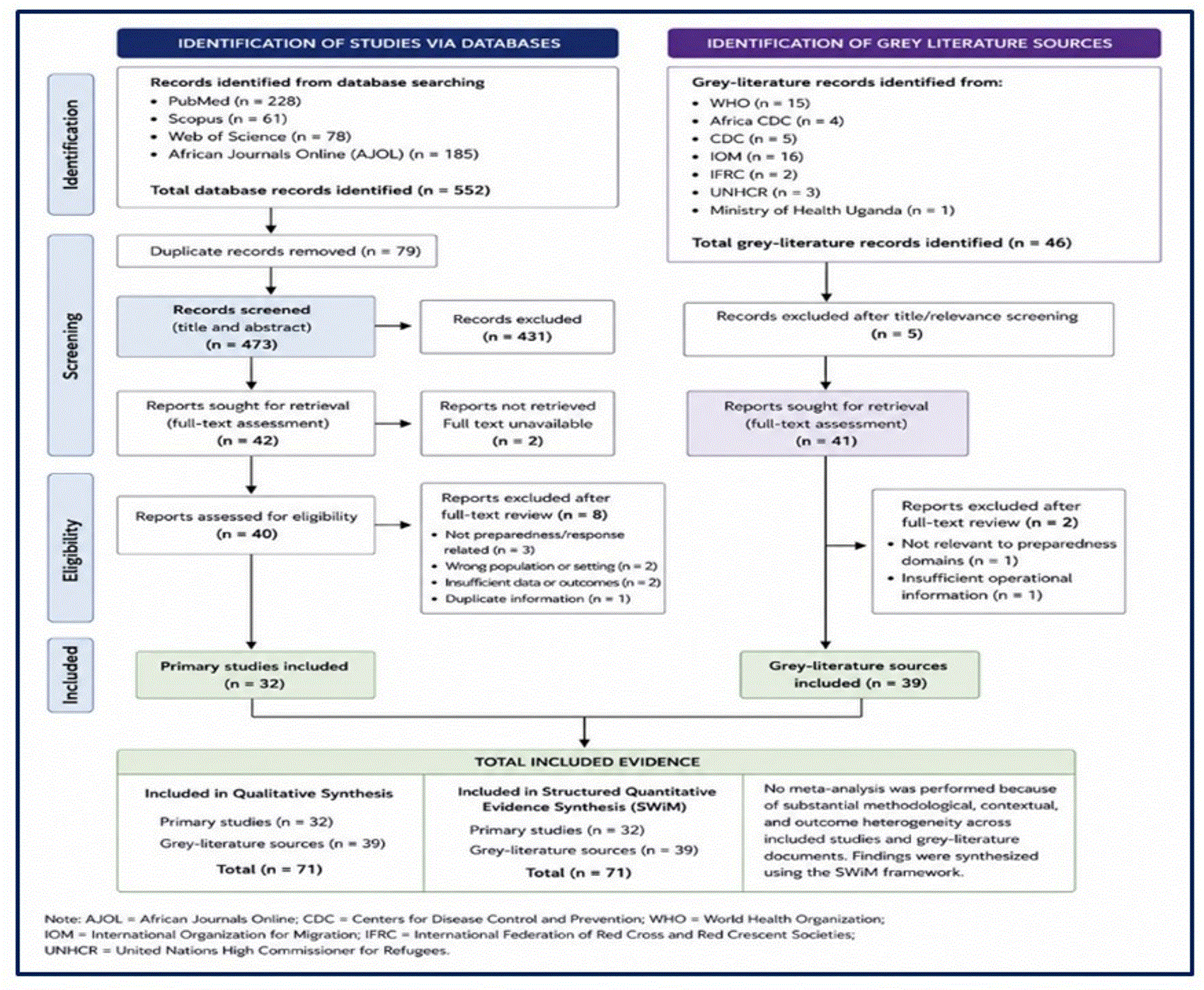
PRISMA 2020 flow diagram illustrating identification, screening, eligibility assessment, and inclusion of peer-reviewed studies and grey-literature sources.
A standardized data-extraction framework was developed before data collection to ensure consistency across diverse evidence sources. Data extraction was undertaken independently and subsequently verified for completeness and accuracy.
For peer-reviewed studies, extracted information included study characteristics, methodological design, preparedness domain, population or target group, preparedness indicators assessed, and principal findings. For grey-literature sources, extracted information included document characteristics, organizational source, geographical focus, preparedness domain, operational findings, policy relevance, and thematic contributions.
Extracted data were compiled into structured evidence matrices and synthesis tables to facilitate evidence integration and thematic analysis. Detailed characteristics of included primary studies are presented in Supplementary Table S1, while characteristics of included grey-literature sources and their contributions to the synthesis are presented in Supplementary Table S2.
Methodological quality was assessed using design-specific appraisal tools selected according to study design and evidence type.
Cross-sectional studies were assessed using the Joanna Briggs Institute (JBI) Critical Appraisal Checklist for Analytical Cross-Sectional Studies, while qualitative studies were evaluated using the JBI Critical Appraisal Checklist for Qualitative Research. Narrative and contextual publications were assessed using the JBI Critical Appraisal Checklist for Text and Opinion Papers. Operational studies, programme evaluations, outbreak investigations, quasi-experimental studies, and intervention assessments were appraised using appropriate National Institutes of Health (NIH) quality-assessment tools.
Grey-literature sources were assessed using the AACODS framework, which evaluates Authority, Accuracy, Coverage, Objectivity, Date, and Significance.
No evidence source was excluded solely on the basis of methodological quality. Instead, appraisal findings informed interpretation of evidence and consideration of confidence in reported findings. Detailed appraisal findings for primary studies are presented in Supplementary Tables S5–S7, while quality appraisal of grey-literature sources is presented in Supplementary Table S8.
Owing to substantial heterogeneity in study designs, preparedness indicators, outcome measures, populations, operational contexts, and reporting approaches, statistical pooling was considered inappropriate and meta-analysis was not undertaken.
Findings were therefore synthesized using the SWiM reporting framework and a structured quantitative evidence-synthesis approach. Evidence was grouped according to predefined preparedness domains established a priori from the literature and review objectives. Following extraction, studies and grey-literature sources were mapped to relevant preparedness domains and subsequently grouped according to common preparedness indicators, intervention types, operational functions, and reported outcomes.
Quantitative indicators were summarized descriptively where appropriate, while narrative findings from qualitative studies, operational reports, preparedness assessments, and policy documents were integrated to contextualize and explain preparedness patterns. Consistency across evidence sources was evaluated qualitatively through assessment of convergence, complementarity, and divergence of findings within and across preparedness domains.
The synthesis focused on identifying preparedness capacities, operational challenges, implementation barriers, evidence gaps, and priority areas for strengthening cross-border Ebola virus disease preparedness and regional health security.
To facilitate transparent evidence mapping, all included peer-reviewed and grey-literature sources were coded according to the predefined preparedness domains (T1–T9). The complete domain-by-source evidence matrix is presented in Supplementary Table S3 and formed the basis for thematic grouping and structured SWiM synthesis while the operational definitions, coding criteria, extracted indicators, and domain-assignment framework used in the SWiM synthesis are presented in Supplementary Table S4.
Formal certainty-of-evidence assessment using the Grading of Recommendations Assessment, Development and Evaluation (GRADE) framework was not undertaken because the review synthesized heterogeneous observational, operational, qualitative, modelling, policy, and grey-literature evidence rather than intervention-effectiveness outcomes.
Interpretation of evidence strength was therefore informed by methodological quality assessments, consistency of findings across independent evidence sources, breadth of evidence within preparedness domains, and convergence between peer-reviewed and grey-literature findings. A summary of methodological quality across evidence types is provided in Supplementary Tables S5–S8.
Patients and members of the public were not involved in the design, conduct, reporting, or dissemination plans of this systematic review because the study synthesized previously published literature and publicly available documents.
Ethical approval was not required because this study involved secondary analysis of published literature and publicly available reports. No individual-level data were collected, and no human participants were directly involved. The review was conducted in accordance with established principles of research integrity, transparency, and responsible evidence synthesis.
The database search identified 552 records, comprising 228 from PubMed, 61 from Scopus, 78 from Web of Science, and 185 from African Journals Online (AJOL). Following removal of 79 duplicate records, 473 unique records remained for title and abstract screening. Of these, 431 records were excluded because they did not meet the predefined eligibility criteria. Forty-two full-text articles and reports were assessed for eligibility, resulting in the exclusion of eight records that lacked sufficient relevance to cross-border Ebola virus disease (EVD) preparedness and two records for which full texts could not be obtained.
In parallel, a structured grey-literature search identified documents from the World Health Organization (WHO), Africa Centres for Disease Control and Prevention (Africa CDC), United States Centers for Disease Control and Prevention (CDC), International Organization for Migration (IOM), International Federation of Red Cross and Red Crescent Societies (IFRC), United Nations High Commissioner for Refugees (UNHCR), and the Ministry of Health Uganda.
Following eligibility assessment, 39 grey-literature sources met the inclusion criteria. Overall, 71 evidence sources were included in the final synthesis, comprising 32 peer-reviewed studies and 39 grey-literature documents.
The characteristics of included evidence sources are summarized in Table 1, with detailed study-level and document-level characteristics provided in Supplementary Tables S1 and S2.
A total of 71 evidence sources published between 2001 and 2026 were included. The evidence base comprised 32 peer-reviewed studies and 39 grey-literature documents representing diverse methodological approaches, including cross-sectional studies, outbreak investigations, operational evaluations, qualitative studies, modelling analyses, programme assessments, preparedness reports, surveillance updates, mobility assessments, and policy documents.
Geographically, Uganda and the Democratic Republic of the Congo accounted for the majority of evidence sources, reflecting their recurrent experience with Ebola outbreaks and preparedness activities (figure 2). Included evidence originated from academic institutions, ministries of health, public-health agencies, humanitarian organizations, and international development partners. Collectively, the evidence base addressed all predefined preparedness domains and provided complementary operational, policy, and implementation perspectives.
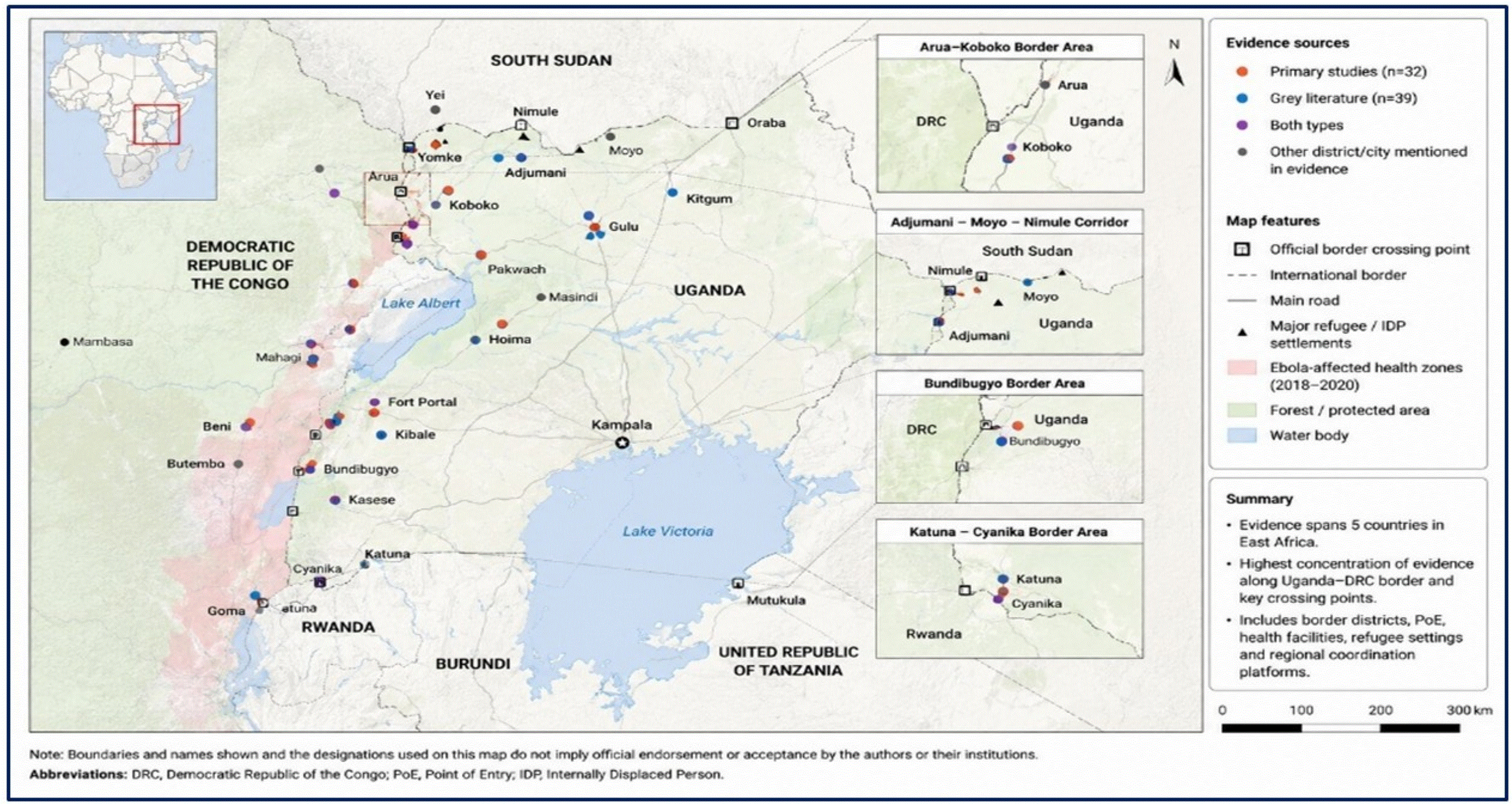
Map showing the geographic distribution of included evidence sources and major cross-border Ebola preparedness locations, surveillance sites, and high-risk mobility corridors across Uganda, the Democratic Republic of the Congo, and neighbouring East African countries.
The included evidence base comprised 71 sources representing a broad range of preparedness assessments, outbreak investigations, operational evaluations, programme reviews, qualitative studies, modelling analyses, policy documents, surveillance reports, mobility assessments, humanitarian preparedness reports, and regional health-security frameworks. Detailed characteristics of all included evidence sources are provided in Supplementary Tables S1 and S2 and include peer-reviewed studies by Ario et al.,41 Bazeyo et al.,21 Biedron et al.,17 Borchert et al.,42 Changalucha,43 Diaby et al.,27 Gonzalez et al.,44 Grimes et al.,45 Kallay et al.,46 Keita et al.,19 Kibuule et al.,47 Lopez et al.,48 Mbonye et al.,49 Mensah et al.,28 Mohamed et al.,25 Mupere et al.,30 Mwesiga,50 Nabatanzi et al.,13 Nanziri et al.,3 Nsubuga et al.,51 Okoror et al.,4 Okware et al.,52 Ousman et al.,53 Ryan et al.,5 Schuh et.,54 Shoemaker et al.,55 Shrivastava et al.,56 Sikakulya et al.,20 Sserunkuuma et al.,20 Telionis et al.,57 and Camara et al.,26 together with grey-literature sources from WHO,31–33,35,58–60 Africa CDC,39,40 CDC,29,61,62 IOM,36,38,63–70 IFRC71,72, UNHCR,32,73 and the Ministry of Health Uganda,35 which collectively informed the SWiM synthesis.
Figure 2. Geographic distribution of included evidence sources and priority cross-border preparedness locations for Ebola virus disease (EVD) in East Africa. The map illustrates the spatial distribution of the 71 evidence sources included in the review (32 peer-reviewed studies and 39 grey-literature documents) across Uganda, the Democratic Republic of the Congo (DRC), Rwanda, South Sudan, and neighbouring border regions. Evidence sources are mapped according to the primary locations, districts, border crossings, health facilities, refugee settlements, surveillance sites, and preparedness activities described in the included literature. Insets highlight key cross-border preparedness corridors, including the Arua–Koboko border area, the Adjumani–Moyo–Nimule corridor, the Bundibugyo border area, and the Katuna–Cyanika border area. Shaded regions indicate Ebola-affected health zones during the 2018–2020 DRC outbreak. The figure demonstrates the concentration of preparedness activities along the Uganda–DRC border and major population-mobility corridors, emphasizing the central role of border surveillance, cross-border coordination, refugee preparedness, and health-security interventions in regional Ebola preparedness efforts.
Methodological quality was generally moderate to high across evidence sources. Most peer-reviewed studies demonstrated acceptable methodological rigor according to the relevant Joanna Briggs Institute (JBI) and National Institutes of Health (NIH) appraisal instruments. Grey-literature sources generally performed well under AACODS appraisal, reflecting their production by established public-health, governmental, and humanitarian organizations.
The most frequently identified methodological limitations included incomplete reporting of sampling procedures, limited evaluation of preparedness effectiveness, inadequate longitudinal follow-up, and variability in preparedness indicators across studies. Nevertheless, no major methodological concerns were identified that substantially compromised interpretation of the overall evidence base. Detailed quality-appraisal results are reported in Supplementary Tables S5–S8.
Evidence across the nine predefined preparedness domains demonstrated substantial variation in volume, methodological diversity, and operational focus ( Table 2; Figure 3). Border surveillance and point-of-entry preparedness (T2) was the most frequently represented domain, contributing 24 evidence sources, followed by contact tracing, alert management, and rapid response (T3; 22 sources), cross-border mobility and importation risk (T1; 18 sources), infection prevention and control and health-facility preparedness (T5; 17 sources), and regional governance, International Health Regulations implementation, and health-security coordination (T8; 17 sources). Laboratory and diagnostic readiness (T4) was represented by 14 sources, risk communication and community engagement (T6) by 15 sources, sustainability of preparedness investments (T9) by 14 sources, and refugees, displacement, insecurity, and humanitarian complexity (T7) by 11 sources. Detailed evidence mapping across preparedness domains is presented in Table 2 and Supplementary Table S3, while the overall distribution of evidence is illustrated in Figure 3.
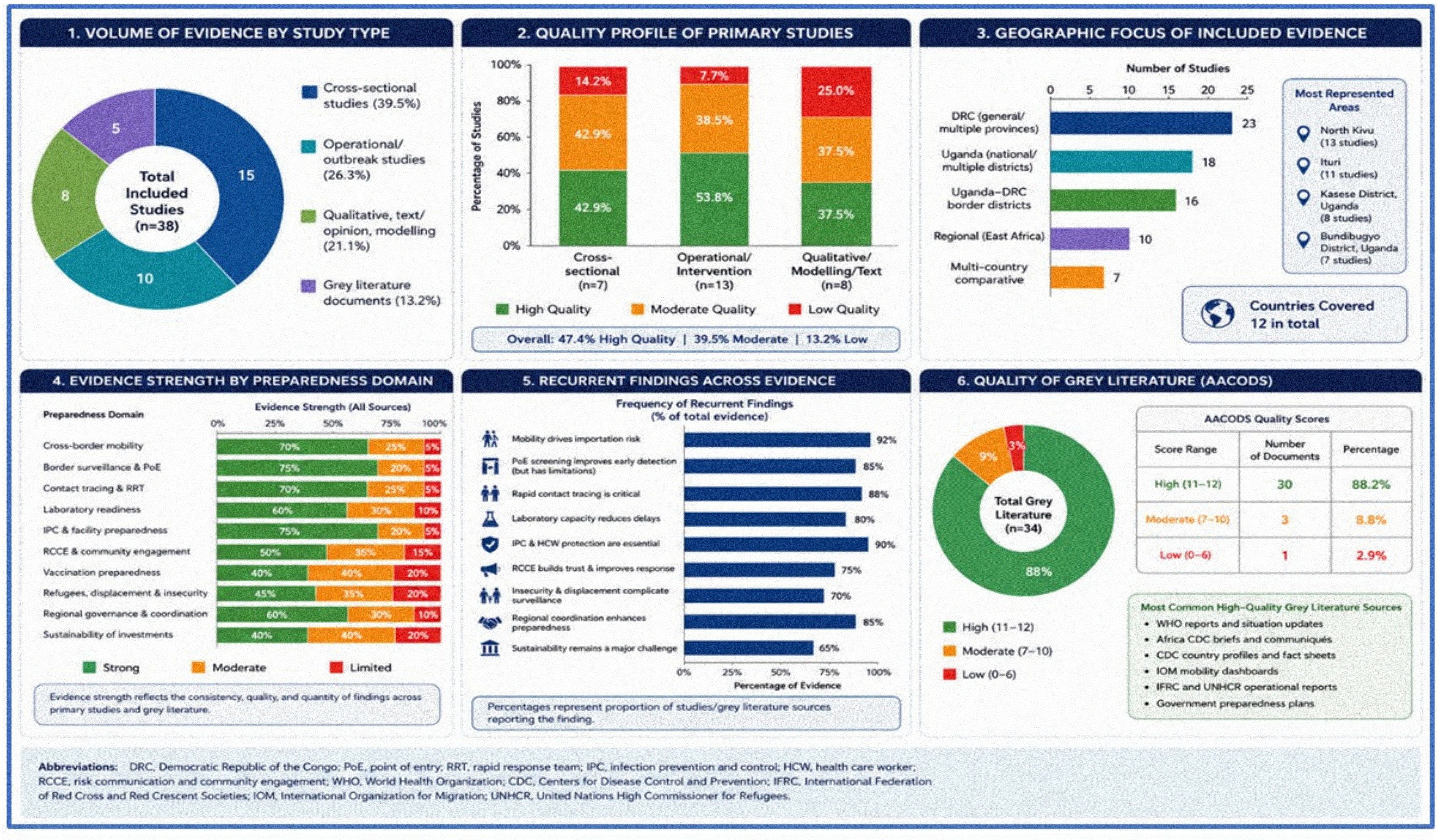
Dashboard summarizing the volume, distribution, and relative strength of evidence across the nine preparedness domains identified through the SWiM synthesis.
3.4.1. Cross-border mobility and importation risk
Evidence from mobility assessments, outbreak investigations, preparedness evaluations, and operational reports consistently identified population mobility as a major determinant of cross-border Ebola transmission risk. Studies documented extensive movement through formal and informal border crossings, trade corridors, refugee pathways, fishing communities, and healthcare-seeking networks. Mobility-mapping initiatives identified multiple high-risk congregation points and unofficial crossing routes with potential to facilitate disease spread. Collectively, these findings underscored the importance of mobility-informed surveillance and preparedness planning.
3.4.2. Border surveillance and point-of-entry preparedness
Border surveillance was among the most extensively represented preparedness domains. Evidence demonstrated widespread implementation of traveller-screening systems, point-of-entry preparedness plans, referral mechanisms, event-based surveillance activities, and district-level preparedness initiatives. However, relatively limited evidence evaluated the effectiveness, sensitivity, and operational performance of these interventions.
3.4.3. Contact Tracing, Alert Management, and Rapid Response
Numerous evidence sources reported establishment of rapid response teams, contact-tracing systems, alert-management structures, simulation exercises, and preparedness drills. Although these systems contributed substantially to preparedness efforts, population mobility, insecurity, and logistical constraints frequently complicated tracing and response activities.
3.4.4. Laboratory and Diagnostic Readiness
Laboratory preparedness activities included establishment of field laboratories, strengthening of specimen-transport networks, workforce training, and decentralization of diagnostic services. While diagnostic readiness improved substantially during the review period, evidence suggested continuing disparities between high-priority preparedness districts and more remote or resource-constrained settings.
3.4.5. Infection Prevention and Control and Health-Facility Preparedness
Preparedness activities within healthcare facilities included healthcare-worker training, provision of personal protective equipment, triage systems, isolation facilities, mentorship programmes, and simulation exercises. Despite reported improvements in facility readiness, persistent gaps remained in lower-level facilities, emergency financing mechanisms, and surge-capacity planning.
3.4.6. Risk Communication and Community Engagement
Evidence consistently highlighted the importance of trust-building, rumor management, community engagement, and culturally appropriate risk communication. Preparedness programmes frequently engaged community leaders, volunteers, media organizations, and civil-society actors. However, relatively few studies quantitatively evaluated behavioural outcomes or intervention effectiveness.
3.4.7. Refugees, displacement, insecurity, and humanitarian complexity
Several evidence sources emphasized the unique preparedness challenges associated with refugee settlements, conflict-affected populations, and humanitarian emergencies. Preparedness planning in these contexts was frequently complicated by insecurity, displacement, restricted access, and resource limitations. Despite their recognized importance, these settings remained comparatively underrepresented within the evidence base.
3.4.8. Regional governance, international health regulations implementation, and health-security coordination
Evidence demonstrated substantial investment in cross-border coordination mechanisms, regional surveillance initiatives, joint preparedness activities, and implementation of the International Health Regulations (IHR 2005). Collaborative platforms involving ministries of health, WHO, Africa CDC, IOM, and other partners were repeatedly identified as critical enablers of preparedness.
3.4.9. Sustainability of preparedness investments
Sustainability emerged as a recurrent concern across evidence sources. While substantial gains were reported in workforce development, surveillance systems, laboratory capacity, and preparedness infrastructure, many reports highlighted continued dependence on external donor funding and uncertainty regarding long-term maintenance of preparedness capacities during inter-epidemic periods.
The complete mapping of evidence sources across preparedness domains is presented in Supplementary Tables S3 and S4.
Important evidence gaps remained across multiple preparedness domains. Commonly identified gaps included limited evaluation of preparedness effectiveness, inadequate evidence from humanitarian settings, insufficient understanding of preparedness sustainability, limited integration of One Health approaches, and emerging challenges related to digital preparedness systems and vaccination readiness ( Table 3).
Research priorities identified through the synthesis included development of standardized preparedness indicators, evaluation of digital surveillance and tracing systems, strengthening preparedness-monitoring frameworks, expansion of evidence from refugee and conflict-affected settings, and assessment of long-term preparedness sustainability.
An evidence-gap heat map was constructed to identify critical preparedness gaps and priority areas for future research and health-system strengthening by evaluating the relative strength, methodological quality, geographic coverage, operational depth, and policy relevance of evidence across the predefined preparedness domains ( Figure 4).
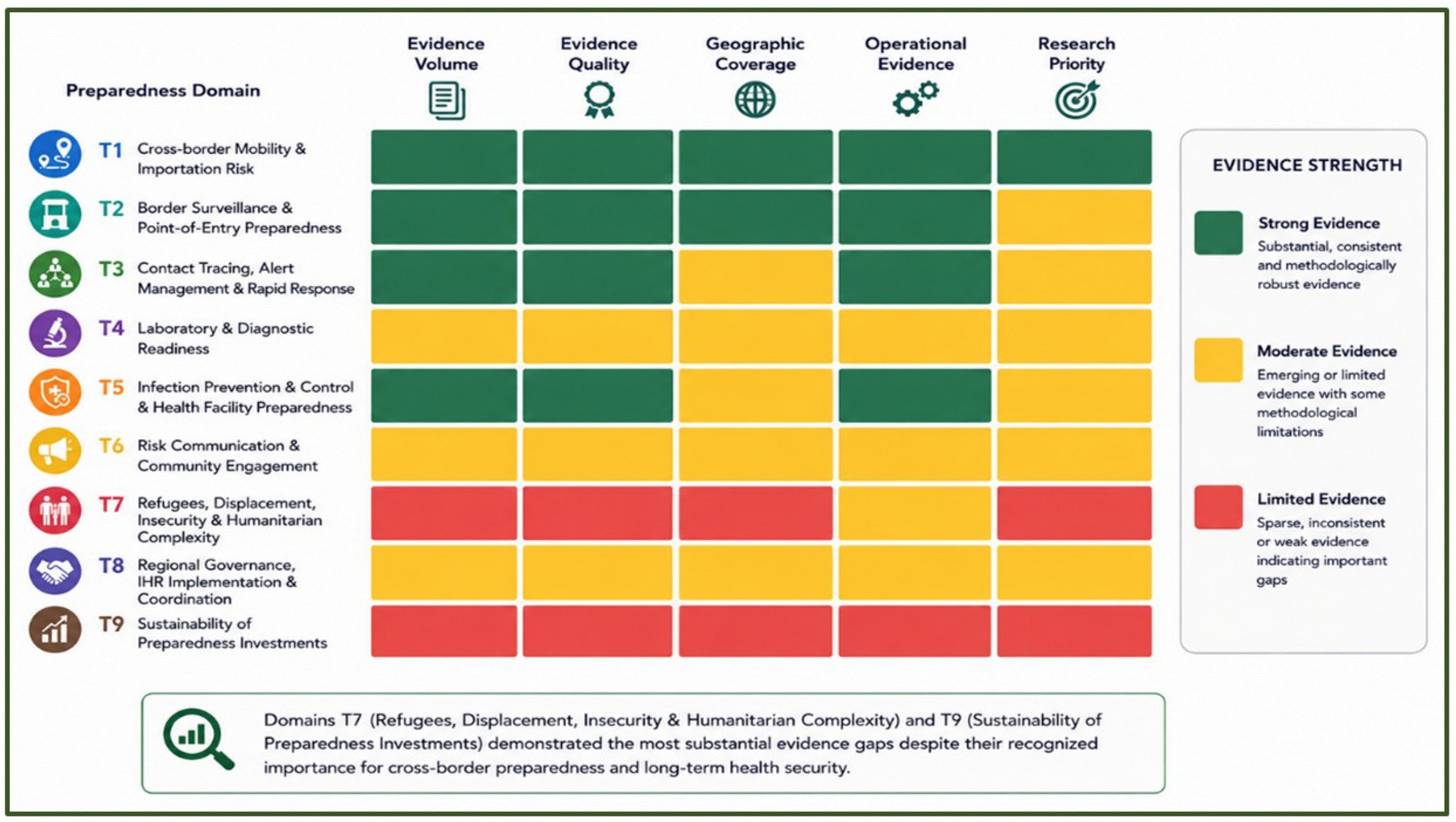
Heat map summarizing the volume, quality, geographic coverage, operational evidence, and research priorities across the nine predefined preparedness domains. Colour intensity reflects the relative strength of available evidence, with green indicating strong evidence, yellow indicating moderate evidence, and red indicating limited evidence and priority areas for future research.
Domains were evaluated according to evidence volume, methodological quality, geographic coverage, operational evidence, and research priority based on the synthesis of 71 evidence sources (32 peer-reviewed studies and 39 grey-literature documents). Green cells indicate strong and consistent evidence supported by multiple high-quality sources; yellow cells indicate moderate evidence with limited coverage or methodological constraints; and red cells indicate limited evidence, highlighting important knowledge and implementation gaps. The analysis demonstrated the strongest evidence for cross-border mobility and importation risk (T1), border surveillance and point-of-entry preparedness (T2), and contact tracing and rapid response systems (T3). In contrast, refugees, displacement, insecurity and humanitarian complexity (T7), and sustainability of preparedness investments (T9) showed the most substantial evidence gaps despite their recognized importance for long-term preparedness and regional health security. The heat map informed the identification of priority research and policy areas presented in Table 3 and Figure 4.
The synthesis demonstrated substantial convergence between peer-reviewed and grey-literature evidence regarding the key components of cross-border Ebola virus disease preparedness in Uganda and the Democratic Republic of the Congo. Across the 71 included evidence sources, surveillance systems, border preparedness, laboratory readiness, infection prevention and control, healthcare-worker preparedness, and regional coordination consistently emerged as the most developed and extensively documented preparedness domains. Evidence from operational reports, outbreak investigations, preparedness assessments, and policy documents collectively highlighted the importance of cross-border collaboration, mobility-informed preparedness planning, integrated surveillance systems, and multisectoral coordination in mitigating Ebola transmission risks.
Despite these advances, the evidence also revealed persistent vulnerabilities. Humanitarian preparedness, preparedness sustainability, vaccination readiness, digital preparedness systems, and integration of One Health approaches were comparatively underrepresented and were associated with substantial implementation and evidence gaps. These findings suggest that future preparedness strategies should move beyond outbreak-specific response activities and prioritize the development of resilient, integrated, and sustainable health-security systems capable of preventing, detecting, and responding to future cross-border Ebola threats in East Africa.
This systematic review synthesized evidence from 71 sources, comprising 32 peer-reviewed studies and 39 grey-literature documents, to evaluate cross-border Ebola virus disease (EVD) preparedness in Uganda and the Democratic Republic of the Congo (DRC). Using a SWiM-guided synthesis framework, the review examined preparedness across nine interconnected domains spanning mobility and importation risk, surveillance, laboratory readiness, infection prevention and control (IPC), risk communication and community engagement (RCCE), humanitarian preparedness, governance, and sustainability. Key preparedness capacities, operational gaps, and priority actions identified through the synthesis are summarized in Table 2, while priority evidence gaps and future research needs are presented in Table 3.
Overall, the findings indicate that EVD preparedness capacity in East Africa has strengthened substantially over the past two decades, particularly following the 2014–2016 West African epidemic and recurrent outbreaks in eastern DRC. The strongest evidence was concentrated in cross-border mobility and importation risk, border surveillance and point-of-entry preparedness, contact tracing and rapid response systems, and IPC and health-facility readiness. Multiple studies documented improvements in mobility mapping, surveillance systems, laboratory capacity, healthcare-worker preparedness, and regional coordination mechanisms.3,13,15,17 At the same time, important gaps remain in humanitarian preparedness, preparedness sustainability, vaccination readiness, digital preparedness systems, and integration of One Health approaches. Collectively, the evidence suggests that while preparedness systems have become increasingly sophisticated, further efforts are required to strengthen long-term resilience and regional health-security capacity.76
One of the most consistent findings of this review was the central role of cross-border mobility and surveillance systems in shaping preparedness effectiveness. The Uganda–DRC border is characterized by extensive population movement driven by trade, healthcare seeking, employment, fishing activities, family networks, and humanitarian displacement. Evidence from mobility assessments and preparedness evaluations demonstrated that formal border crossings account for only a fraction of actual movement patterns, with numerous informal routes facilitating routine cross-border interactions.3,11,16 These findings reinforce concerns that infectious disease threats can spread rapidly through highly interconnected border communities even when formal surveillance mechanisms are functioning effectively.
Mobility mapping emerged as one of the most important preparedness innovations identified in this review. Preparedness activities implemented during the 2018–2020 eastern DRC outbreak demonstrated how mobility intelligence, risk stratification, and identification of high-priority crossing points could improve resource allocation and preparedness planning.15,51 These findings align with contemporary health-security frameworks that increasingly recognize human mobility as a determinant of epidemic vulnerability and preparedness planning rather than merely a mechanism of disease transmission.5,14,77
The review further demonstrated that preparedness effectiveness depends on the integration of surveillance systems, alert management, contact tracing, and rapid response mechanisms. While border screening and point-of-entry preparedness remain important components of preparedness, evidence suggests that these measures are most effective when supported by community surveillance, rapid investigation of alerts, and cross-border information sharing.12,15 Taken together, these findings suggest that preparedness should be conceptualized as an integrated surveillance ecosystem rather than a collection of independent interventions.
Health-system readiness emerged as a second major determinant of preparedness effectiveness. Across the evidence base, laboratory capacity, IPC systems, and healthcare-worker preparedness consistently appeared as critical components of preparedness infrastructure. These findings are unsurprising given that delayed diagnosis, healthcare-associated transmission, and inadequate workforce preparedness have contributed to amplification of previous Ebola outbreaks.29,78
The review documented substantial progress in laboratory preparedness, including investments in diagnostic infrastructure, specimen referral networks, field laboratories, and workforce development.13,54,79 Expansion of decentralized diagnostic capacity and improved coordination between peripheral facilities and reference laboratories have strengthened outbreak detection and response capabilities. Nevertheless, preparedness gains remain unevenly distributed, with lower-level facilities and remote border districts frequently facing logistical, infrastructural, and human-resource constraints.
Similarly, IPC preparedness represented one of the most extensively documented preparedness domains. Improvements in healthcare-worker training, triage systems, isolation facilities, PPE availability, and preparedness planning were reported across multiple high-risk districts.17,53,80 These findings are consistent with broader evidence demonstrating that strong IPC systems are fundamental to preventing healthcare-associated transmission during Ebola outbreaks.81 However, persistent deficiencies in emergency preparedness financing, simulation exercises, surge capacity, and maintenance of preparedness infrastructure suggest that substantial vulnerabilities remain.
Collectively, these findings highlight the importance of viewing preparedness not solely as outbreak readiness but as a function of broader health-system resilience. Investments in laboratory systems, workforce capacity, IPC programmes, and routine preparedness activities are likely to generate benefits extending beyond Ebola and contribute to preparedness for other epidemic-prone diseases.78
A notable contribution of this review is its demonstration that preparedness is shaped not only by technical capacities but also by social, behavioural, and humanitarian factors. Evidence consistently highlighted the importance of community trust, culturally appropriate communication, local leadership, and community engagement in supporting preparedness implementation and acceptance.11,23,25
These findings reinforce growing recognition that epidemic preparedness is fundamentally a social process. During previous Ebola outbreaks, fear, misinformation, rumours, and distrust frequently undermined surveillance activities, contact tracing, healthcare utilization, and response operations. Evidence included in this review suggests that preparedness initiatives incorporating trusted community actors and participatory communication strategies are more likely to achieve sustainable engagement than approaches relying exclusively on top-down communication structures.23,41,46,80
The review also identified important gaps in preparedness within humanitarian settings. Refugee settlements, displaced populations, and conflict-affected communities face unique vulnerabilities arising from population mobility, insecurity, limited healthcare access, and operational constraints.5,45,51 Despite the recognized importance of these contexts, relatively few studies directly evaluated preparedness interventions within humanitarian settings. Given the increasing convergence of infectious disease threats, displacement, and insecurity across parts of East Africa, preparedness frameworks should more fully integrate humanitarian perspectives and operational realities.
Regional governance and cross-border coordination emerged as foundational pillars of preparedness. The evidence demonstrated extensive collaboration among ministries of health, WHO, Africa CDC, CDC, IOM, and other partners in supporting surveillance, preparedness planning, information sharing, and coordinated response activities.3,4,11,13,28,36–38 Experiences during the 2018–2020 eastern DRC outbreak illustrated how coordinated preparedness activities facilitated rapid detection and management of imported cases in Uganda and strengthened cross-border situational awareness.12,13,79
However, one of the most important findings of this review concerns sustainability. While preparedness gains were documented across surveillance systems, laboratory networks, workforce development programmes, and IPC initiatives, comparatively little evidence evaluated the long-term retention of these capacities. Several studies suggested that preparedness investments often intensify during periods of heightened risk but may diminish once outbreaks subside and emergency funding declines.5,33,34,39,40,60
This observation has important implications for regional health security. Preparedness should not be viewed as an episodic emergency activity but rather as a continuous health-system function requiring stable financing, institutional ownership, workforce retention, and routine evaluation. Strengthening sustainability may represent one of the most important opportunities for improving preparedness resilience in the region.
An additional policy consideration relates to the limited integration of One Health approaches within preparedness systems. Although EVD is a zoonotic disease, relatively few studies evaluated coordinated preparedness activities linking human, animal, and environmental health sectors. Strengthening One Health preparedness frameworks may improve early warning, spillover detection, and multisectoral coordination, particularly in high-risk ecological interfaces where human–animal interactions are common.24,82,83
The findings of this review have several implications for policy and practice. First, preparedness strategies should move beyond outbreak-specific responses and become embedded within routine health-system functions. Sustained investments in surveillance systems, laboratory networks, workforce development, and emergency preparedness infrastructure are likely to strengthen resilience during both outbreak and inter-epidemic periods.
Second, preparedness policies should continue to prioritize cross-border collaboration. Given the extensive movement of people, goods, and services across the Uganda–DRC border, preparedness interventions are unlikely to achieve maximum effectiveness when implemented in isolation. Joint surveillance activities, coordinated preparedness planning, and interoperable information-sharing mechanisms remain critical components of regional preparedness.4,5,43,66
Third, preparedness frameworks should place greater emphasis on community engagement and humanitarian contexts. Trust, communication, social acceptance, and local participation emerged as important determinants of preparedness effectiveness, suggesting that community-centred approaches should be integrated into preparedness planning from the outset.
Finally, the review identified emerging opportunities for digital preparedness systems. Digital surveillance platforms, mobility-monitoring tools, interoperable reporting systems, and real-time preparedness dashboards may strengthen situational awareness and improve preparedness efficiency. Although evidence remains limited, strategic investment in digital preparedness infrastructure may enhance cross-border coordination and support more timely responses to future outbreaks.
Consistent with the evidence gaps summarized in Table 3, this review identified several priority areas for future research. Humanitarian preparedness remains comparatively underexplored despite the importance of refugee settlements, internally displaced populations, and conflict-affected settings within the Uganda–DRC context. Additional operational research is needed to identify effective preparedness approaches in these environments.
Preparedness sustainability represents a second major research priority. Most available studies focused on preparedness activities implemented during outbreaks or periods of elevated risk, whereas relatively little evidence evaluated long-term retention of workforce capacity, surveillance infrastructure, preparedness financing, and institutional preparedness functions.
The review also identified limited evidence relating to digital preparedness systems, interoperability of surveillance platforms, and the use of emerging technologies for outbreak preparedness. Similarly, evidence concerning vaccination readiness and One Health preparedness remains sparse despite their growing relevance within contemporary epidemic preparedness frameworks. Addressing these evidence gaps will be essential for advancing preparedness science and strengthening regional health-security systems.
This review has several important strengths. To our knowledge, it represents one of the most comprehensive syntheses of evidence on cross-border Ebola preparedness in Uganda and the DRC. By integrating 32 peer-reviewed studies with 39 grey-literature sources, the review captured both academic and operational perspectives on preparedness. The inclusion of organizational reports from WHO, Africa CDC, CDC, IOM, IFRC, UNHCR, and the Ministry of Health Uganda enabled incorporation of operational experiences that are frequently underrepresented in peer-reviewed literature.
The review further benefited from the use of predefined methodological procedures and a SWiM-guided synthesis framework, enabling systematic integration of heterogeneous evidence across nine preparedness domains. Rigorous screening procedures, duplicate independent review, design-specific quality appraisal tools, and structured synthesis approaches enhanced methodological transparency and reproducibility. Detailed quality-appraisal findings are presented in Supplementary Table S2, while evidence mapping across preparedness domains is provided in Supplementary Table S4.
Several limitations should also be acknowledged. First, substantial heterogeneity existed across included evidence sources with respect to study design, preparedness indicators, outcomes, geographical settings, and reporting approaches, precluding statistical meta-analysis. Second, much of the evidence originated from Uganda and the DRC, which may limit transferability to other settings. Third, although grey literature substantially enriched the review, methodological transparency varied across organizational reports. Fourth, publication and reporting biases cannot be excluded. Finally, several preparedness domains, particularly humanitarian preparedness, preparedness sustainability, digital preparedness, vaccination readiness, and One Health integration, were supported by relatively limited evidence.
An additional limitation is that the review was not prospectively registered. Nevertheless, the review was conducted using an a priori methodological framework that specified the review question, eligibility criteria, search strategy, screening procedures, quality appraisal methods, and SWiM-based synthesis approach before study selection commenced. Furthermore, the review adhered to PRISMA 2020 and SWiM reporting guidance throughout the review process. While prospective registration would have enhanced transparency, the use of predefined methods reduces the likelihood that the absence of registration materially influenced the findings.
Despite these limitations, the consistency of findings across multiple study designs, organizations, and preparedness contexts provides confidence in the overall conclusions.
This systematic review synthesized evidence from 71 sources to evaluate cross-border Ebola preparedness in Uganda and the Democratic Republic of the Congo across nine interconnected preparedness domains. The findings demonstrate substantial progress in surveillance systems, border preparedness, laboratory capacity, infection prevention and control, healthcare-worker readiness, and regional coordination. These investments have strengthened preparedness capacity and enhanced the ability of health systems to detect and respond to cross-border Ebola threats.
However, preparedness remains uneven across domains and settings. Important gaps persist in humanitarian preparedness, sustainability of preparedness investments, digital preparedness systems, vaccination readiness, and One Health integration. The findings further indicate that preparedness effectiveness depends not only on technical capacities but also on community trust, cross-border collaboration, governance structures, and the ability to sustain preparedness gains between outbreaks.
Strengthening sustainable, integrated, and cross-border preparedness systems will be essential for mitigating future Ebola threats, improving outbreak resilience, and advancing regional health security across East Africa.
Not applicable. This study involved the synthesis of data from previously published studies and publicly available reports and did not involve human participants, human tissue, or identifiable personal data.
Not applicable.
During the preparation of this manuscript, the authors used QuillBot to assist with language editing, grammar correction, manuscript polishing, and readability enhancement. The authors reviewed and edited the content as necessary and take full responsibility for the content of the publication.
Repository name: Dataset for: Anyanwu, Emeka; Anyanwu, Chinyere N; Soki Marasi, Rachelle (2026). Dataset for: Cross-Border Ebola Virus Disease Preparedness in Uganda and the Democratic Republic of the Congo: A Systematic Review of Health Security Capacities, Gaps, and Priorities. figshare. Dataset. https://doi.org/10.6084/m9.figshare.32774088.v2.84
The project contains the following underlying data:
• S2_Screening_and_Eligibility_Log_Populated.docx (study screening and eligibility decisions used during the review process).
• S3_Data_Extraction_Matrix_Populated.docx (data extraction matrix containing study characteristics, preparedness domains, and extracted outcomes from included evidence sources).
• S6_Characteristics_of_Included_Evidence_Sources.docx (characteristics of included peer-reviewed studies and grey-literature sources).
• S7_SWiM_Synthesis_Matrix_and_Domain_Mapping.docx (domain-level evidence mapping and SWiM synthesis dataset).
• S8_Quality_Appraisal_Dataset.docx (quality appraisal results for included studies and grey-literature sources).
Repository name: Anyanwu, Emeka; Anyanwu, Chinyere N; Soki Marasi, Rachelle (2026). Dataset for: Cross-Border Ebola Virus Disease Preparedness in Uganda and the Democratic Republic of the Congo: A Systematic Review of Health Security Capacities, Gaps, and Priorities. figshare. Dataset. https://doi.org/10.6084/m9.figshare.32774088.v2.84
This project contains the following extended data:
• S1_Search_Strategies_Populated.docx (full electronic search strategies for bibliographic databases and grey-literature sources).
• S4_Risk_of_Bias_and_Quality_Appraisal_Framework_Populated.docx (quality appraisal framework and assessment criteria used in the review).
• S5_Transmission_Domain_Framework_Populated.docx (preparedness-domain coding framework and evidence-classification structure).
• S9_Grey_Literature_Search_Log.docx (documentation of grey-literature searches, sources, and retrieval procedures).
• S10_Review_Protocol.docx (review protocol describing the study rationale, objectives, eligibility criteria, and methods).
• S11_PRISMA_2020_Checklist.docx (completed PRISMA 2020 reporting checklist).
• S12_SWiM_Reporting_Checklist.docx (completed SWiM reporting checklist).
License
Data are available under the terms of the Creative Commons Zero “No rights reserved” data waiver (CC0 1.0 Public domain dedication).
The authors acknowledge the contributions of the World Health Organization (WHO), Africa Centres for Disease Control and Prevention (Africa CDC), Centers for Disease Control and Prevention (CDC), International Organization for Migration (IOM), International Federation of Red Cross and Red Crescent Societies (IFRC), United Nations High Commissioner for Refugees (UNHCR), and the Ministry of Health Uganda for making preparedness reports and operational documents publicly available, thereby facilitating this evidence synthesis.
| # | Наименование новости | Тональность | Информативность | Дата публикации |
|---|---|---|---|---|
| 1 | Screening and monitoring of travellers returning from countries affected by Bundibugyo virus: an overview of European approaches, July 2026 | 0 | 9.55 | 16-07-2026 |
| 2 | Better Data, Better Maps: Supporting Ebola Response in Eastern Congo | 0 | 6.63 | 23-07-2026 |
| 3 | Licensed Zaire Ebola vaccine may offer partial protection against Bundibugyo outbreak | 0 | 4.35 | 24-07-2026 |
| 4 | The race to combat Ebola: what vaccines and treatments are being developed and how long will it take? | 0 | 4.62 | 04-06-2026 |
| 5 | Ebola cases top 3,200 | 0 | 19.28 | 27-07-2026 |
| 6 | Uganda declares itself Ebola-free | 0 | 20.4 | 28-07-2026 |
| 7 | EBOLA DEATH TOLL HITS 600 IN DR CONGO AS VIRUS REPORTED IN NEW PROVINCE | -2 | 8 | 09-07-2026 |
| 8 | Congo-Kinshasa: Epidemic Coalition Focuses on Bundibugyo Ebola Vaccine | 0 | 8 | 10-07-2026 |
| 9 | After an Ebola centre was attacked, peacekeepers moved in next door | 0 | 7.53 | 24-07-2026 |
| 10 | Uganda calls for travel restrictions to be lifted after last Ebola patient discharged | 2 | 6 | 16-07-2026 |