Просмотр новости
Найдите то, что Вас интересует
 Спутники
 РН
РН SpaceX
 Роскосмос
 NASA
NASA
СпутникиРНSpaceXРоскосмосNASABackground Teacher growth mindset has been increasingly recognized as an important factor in teachers’ professional development and instructional improvement. However, limited research has examined how teacher growth mindset is associated with reflective practice and whether professional learning community (PLC) influences this relationship. This study investigated the relationship between reflective practice and teacher growth mindset and examined the moderating role of PLC among Indonesian in-service teachers. Methods A cross-sectional survey was conducted involving 244 teachers from various educational levels. Data were collected using the Reflective Practice Questionnaire (RPQ), the Professional Learning Community Assessment-Revised (PLCA-R), and an adapted teacher growth mindset scale. Data were analyzed using Partial Least Squares Structural Equation Modeling (PLS-SEM). Results The results showed that reflective practice positively predicted teacher growth mindset (β = 0.497, p
The development of the teacher profession in the era of educational transformation is no longer sufficiently understood as mastery of pedagogic knowledge and technical teaching skills, but also includes the ability to continuously learn, adapt, and sustainably develop professional practices (Darling-Hammond et al., 2020; OECD, 2019). Teachers are required to be professional learners who are able to reflect on practice, adjust learning strategies, respond to the diversity of student needs, and build confidence that professional capacity can be continuously developed (Dweck & Yeager, 2019; Korthagen, 2016; Schön, 1983). This demand is increasingly relevant in the context of Indonesian education, which is undergoing curriculum changes, strengthening learning communities, digitizing learning, and increasing expectations for teacher quality, which places sustainable professional development as one of the important factors in improving the quality of education (OECD, 2023; Schleicher, 2018). Consequently, understanding the factors that support teachers’ continuous professional growth has become an important issue for both educational researchers and policymakers.
Growth mindset refers to the belief that abilities, intelligence, and competencies can be developed through effort, the right strategy, experience, feedback, and continuous learning (Dweck, 2006; Dweck & Yeager, 2019). Teachers with a growth mindset tend to be more open to pedagogical innovation, more persistent in dealing with teaching difficulties, and more actively looking for new strategies to increase learning effectiveness (Frondozo et al., 2022). Recent research shows that teachers’ growth mindsets are related to involvement in professional development, the ability to adapt to educational changes, and learning practices that are more supportive of student development (Heyder et al., 2023; Zhang & He, 2024). Teachers who believe that professional competence can continue to develop tend to show higher levels of self-reflection, learning motivation, and mastery orientation, which ultimately contributes to improving the quality of teaching and learning in the classroom (Bostwick et al., 2020). Study shows that teacher growth mindset is related to development-oriented learning practices, responsibility for student development, and pedagogical mindset that emphasizes process (Laine & Tirri, 2023). Meta-analysis also showed that teacher growth mindset has a relationship with self-efficacy, mastery goals, and various teacher professional indicators (Bardach et al., 2024).
Research by Bardach et al. (2024) focuses on the relationship between teacher growth mindset and various professional characteristics of teachers, such as self-efficacy, mastery goals, and professional performance indicators. Laine and Tirri (2023) examine the relationship between growth mindset and student development-oriented learning practices and teachers’ pedagogical approaches. Both studies provide important evidence on the role of growth mindsets in the context of education, but have not specifically explained how teachers’ growth mindsets are formed through reflective processes and in specific school social conditions. In fact, in professional practice, teachers’ confidence to develop does not appear automatically. These beliefs can be influenced by the way teachers interpret teaching experiences, evaluate learning successes and failures, and gain support from their professional environment (Schön, 1983, 2017). Schön (1983) emphasizes that professional learning develops through reflection on practical experience. Zhang and He (2024) show that the condition of the school environment contributes to the formation of a teacher growth mindset.
Reflective practice is one of the important mechanisms in the development of teachers’ growth mindsets. Schön (1983) explains that reflective professionals are able to think in action and on action to improve subsequent practices. Reflective practice allows teachers to review assumptions, emotions, strategies, interactions with students, and pedagogical decisions that have been made. Reflective practice can strengthen the teacher growth mindset because reflection helps teachers see teaching difficulties as a source of learning, not as a sign of permanent inability (Nduagbo & Casale, 2023). Teachers who are accustomed to reflecting on their practice will be better able to identify what needs to be improved, what strategies need to be adjusted, and what support is needed. Heyder, Steinmayr, and Cimpian (2023) show that reflection on professional missions can increase the growth mindset of prospective teachers. The findings indicate that reflection not only serves as an evaluation of practice, but can also change professional beliefs about self-development.
Teachers’ reflections are influenced by the cultural conditions of the school that shape the way teachers interpret experiences, obtain feedback, and develop their professional practices (Admiraal et al., 2021; Vangrieken et al., 2017). Teachers who work in a school environment with a collaborative culture, leadership support, practice-sharing opportunities, and trust-based professional relationships show higher engagement in professional learning and are better able to transform individual reflection into continuous improvement of teaching practices (Liu & Hallinger, 2024; Prenger et al., 2017). Limited professional dialogue spaces, lack of time for collaboration, and lack of structural support from schools are related to the low quality of reflection and reduced opportunities for teachers to develop deep professional learning (Aidoo, 2026; Hairon et al., 2017; Lin et al., 2022; Liu et al., 2022). Professional learning community (PLC) can be understood as a contextual condition that provides social and organizational support so that it has the potential to strengthen the relationship between reflective practice and teacher growth mindset through the process of collective learning, practice sharing, and collective reflection (Hairon et al., 2017; Ren et al., 2025).
PLC is a professional learning culture that emphasizes collaboration, shared vision, collective learning, practice sharing, relational support, and structural support for the improvement of student learning (DuFour & Eaker, 1998; Hord & DuFour, 2006; Olivier et al., 2009; Olivier & Hipp, 2010). Olivier et al. (2009) through the Professional Learning Community Assessment–Revised explained the six dimensions of PLC, namely shared and supportive leadership, shared values and vision, collective learning and application, shared personal practice, supportive conditions–relationships, and supportive conditions–structures. These six dimensions show that PLC is not just a teacher forum, but a professional ecology that allows teachers to learn together, use data, share strategies, obtain feedback, and build collective responsibility for student learning.
Previous research has shown that the school context plays a role in the formation of a teacher’s growth mindset. Zhang and He (2024) found that cultural orientation and perceived school climate predict teacher growth mindset, including aspects of school resources, decision-making, and instructional innovation. These findings are important because they show that teachers’ growth mindsets are not solely individual constructs, but are also influenced by school climate and culture. The study has not specifically tested PLC as a moderator that strengthens the relationship between reflective practice and teacher growth mindset. More recent research shows that the professional learning community (PLC) is related to various indicators of teacher professional development. Hairon et al. (2017) found that participation in PLCs was associated with increased collaborative professional learning and the use of evidence-based practices in schools. The study of Liu et al. (2022) found that the PLC dimension, particularly collective learning and shared practice, is positively related to learning innovation and teachers’ capacity to make instructional improvements in a sustainable manner. These findings suggest that PLCs can support teachers to discuss teaching experiences, obtain feedback, and implement reflection results into learning practices, but empirical evidence that directly tests whether PLCs strengthen the relationship between reflective practice and teacher growth mindsets has not been found. In addition, research on reflective practice and teacher growth mindset generally develops in separate literary traditions, so that the integration of the three constructs in one moderation model has not been widely done, especially in the context of active teachers in developing countries such as Indonesia.
There are research gaps studied in this study. First, teacher growth mindset research is still limited in explaining the reflective process as a mechanism related to the formation of a teacher’s growth mindset. Second, PLC is studied as a variable of school culture or professional development, but has not been placed as a moderator in the relationship between reflective practice and growth mindset. The novelty of this research lies in testing a moderation model that integrates reflective practice, professional learning community, and teacher growth mindset in active Indonesian teachers. This study not only examines whether reflective practice is related to growth mindset, but also examines whether the relationship becomes stronger when teachers are in a better PLC environment.
The urgency of this research lies in the need to strengthen the professional development of teachers based on reflection and collaboration. If teachers are encouraged to have a growth mindset without the support of a collaborative school culture, professional development can stop at the level of individual belief. Conversely, if reflective practice is supported by a strong PLC, teachers have a greater chance of transforming the teaching experience into continuous professional learning. This study aims to examine the relationship between reflective practice and teacher growth mindset and test the role of the professional learning community as a moderator in this relationship in Indonesian in-service teachers.
This design was chosen because the research aims to test the predictive relationship between latent variables, namely reflective practice, professional learning community, and teacher growth mindset, as well as test the role of professional learning community as a moderator variable in the relationship between reflective practice and teacher growth mindset. Explanatory quantitative design is suitable for testing relationships between constructs and verifying theoretical models through inferential statistical analysis (Creswell, 2017). The conceptual diagram is shown in figure 1.
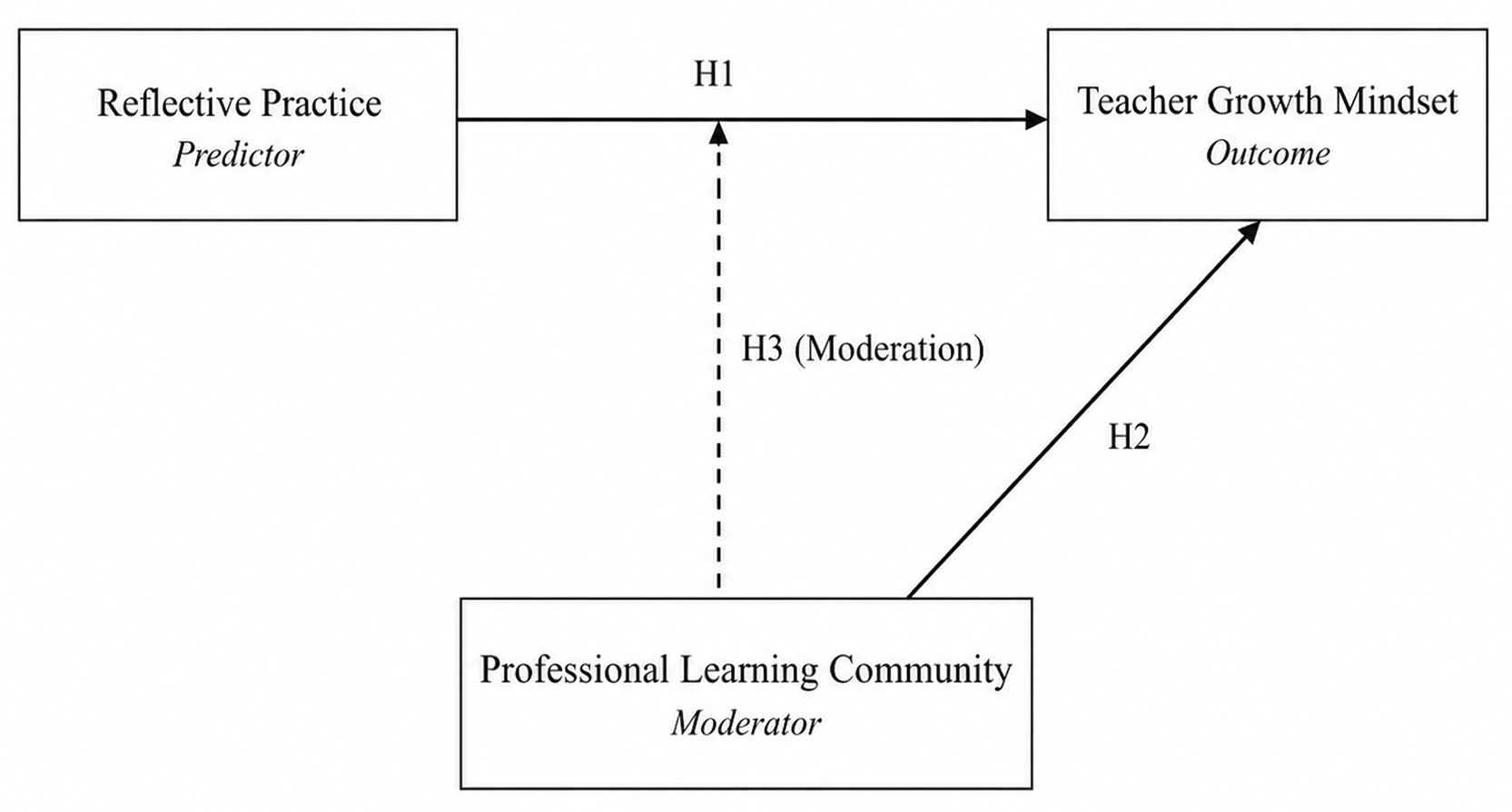
Reflective practice was modelled as the predictor of teacher growth mindset. Professional learning community (PLC) was modelled as both a direct predictor and a moderator of the reflective practice–teacher growth mindset relationship. H1–H3 denote the study hypotheses.
Participants in this study are active teachers or Indonesian in-service teachers who are defined as teachers who are working in schools, carry out learning tasks actively, and have experience interacting directly with students. The inclusion criteria for the study include: (1) teaching at the formal education level, (2) have teaching experience; and (3) willing to be a research respondent.
The sampling technique uses purposive sampling. This technique was chosen because the research requires respondents who are in accordance with the characteristics of the measured construct, namely active teachers who have teaching experience, interact with students, reflect on learning practices, and are in a school environment that allows the formation of a professional learning community. The questionnaire is distributed online through teacher networks, school learning communities, and other teacher professional forums.
The data collected in this study amounted to 244 responses. After the data collection process is completed, an initial examination is carried out to ensure the suitability of respondents with the research inclusion criteria. The Profile of research respondents is shown in Table 1.
Data was collected using an online questionnaire. The scale of the research consists of three main constructs: reflective practice, teacher growth mindset, and professional learning community. All items in the field questionnaire used a five-point Likert scale, with higher scores indicating a higher level of construct. Reflective practice was measured using a 10-item adaptation of the Reflective Practice Questionnaire (RPQ) redeveloped by Rogers et al. (2024). This instrument measures an individual’s tendency to reflect on the thoughts, feelings, beliefs, strategies, and actions that occur when working with the party served.
Teacher growth mindset was measured using four items adapted from the growth mindset instrument developed by Dweck (2006) and has been used and adapted in various educational researches, including by Rahmania et al. (2022) in the Indonesian context. The original item measures confidence in flexibility or the ability to develop intelligence (incremental theory of intelligence), then in this study it is adapted to the context of teachers’ professional abilities. This adaptation was carried out because the focus of the research was the teacher’s belief that teaching skills and professional competence can be developed through effort, experience, strategy, and learning.
Professional learning community was measured using the adaptation of the Professional Learning Community Assessment–Revised (PLCA-R) developed by Olivier et al. (2009). This instrument consists of 52 items that cover six dimensions, namely shared and supportive leadership, shared values and vision, collective learning and application, shared personal practice, supportive conditions–relationships, and supportive conditions–structures.
Data collection was carried out online using a digital questionnaire. In the initial part of the questionnaire, respondents obtained information about the research objectives, the voluntary nature of participation, data confidentiality, and the use of data only for academic purposes. Respondents were asked to give their consent before filling out the questionnaire. Only data from respondents who expressed willingness to be participants were considered in the analysis.
After agreeing to participate, respondents fill out their self-profile and answer all research items. To maintain the quality of the data, the researcher examined the completeness of the answers, the status of the respondents, the extreme response patterns, the potential for the same answers repeatedly, and the possibility of invalid data. Data that did not meet the inclusion criteria or showed an unnatural response pattern were excluded from the primary analysis.
The data was analyzed using SmartPLS 4. The analysis is carried out through two main stages, namely the evaluation of the measurement model and the evaluation of the structural model (Hair et al., 2021, 2022). SmartPLS 4 was chosen because it is suitable for analyzing models with latent variables, reflective indicators, and moderation effects through the formation of interaction terms. Evaluation of the measurement model is carried out to ensure the validity and reliability of the construct. The indicator is evaluated through outer loading, with an ideal value of ≥0.70. Internal reliability was tested using Cronbach’s alpha and composite reliability, with an expected value ≥0.70. The convergent validity was tested using the average variance extracted, with an expected value ≥0.50. The validity of the discriminant was tested using the heterotrait-monotrait ratio, with an expected value of <0.85 or < 0.90. Items with low loading are evaluated based on theoretical and statistical considerations before deciding to be retained or removed.
The evaluation of the structural model is carried out after the measurement model meets the criteria. This stage includes testing collinearity statistics through variance inflation factor, testing path coefficient, R-square, effect size, and path significance through bootstrapping. A variance inflation factor value lower than 3.3 or 5.0 indicates that multicollinearity is not a serious problem. The direct influence of reflective practice on teacher growth mindset and the direct influence of professional learning community on teacher growth mindset were tested through path coefficients. The effect of moderation was tested through the interaction effect between reflective practice and professional learning community on teacher growth mindset.
Significance testing is performed using a bootstrapping procedure. The hypothesis is stated to be supported if the t > value is 1.96, p < 0.05, and the confidence interval does not cross zero. The effect of moderation is stated to be significant if the interaction term coefficient is statistically significant. The direction of the interaction coefficient is used to determine whether the professional learning community strengthens or weakens the relationship between reflective practice and teacher growth mindset. A positive interaction coefficient indicates a strengthening effect, while a negative interaction coefficient indicates a weakening effect. To clarify the interpretation of the moderation effect, simple slope analysis was used by comparing the relationship between reflective practice and teacher growth mindset at the low, medium, and high levels of professional learning community. A summary of the data analysis procedures and interpretation criteria is presented in Table 2.
Descriptive analysis was conducted to describe the tendency of reflective practice, professional learning community, and teacher growth mindset in the study respondents. All variables were measured using a five-point Likert scale, with higher scores indicating higher construct levels. Category interpretation was carried out by dividing the score into three categories, namely low in the range of 1.00–2.33, medium in the range of 2.34–3.67, and high in the range of 3.68–5.00.
Based on Table 3, all major variables are in the high category. Teacher growth mindset had the highest average score (M = 4.418; SD = 0.486), followed by the professional learning community (M = 4.316; SD = 0.456) and reflective practice (M = 4.243; SD = 0.445). These findings show that teachers in this study generally have high confidence in professional capacity development, are used to reflective practice, and have a positive perception of the existence of professional learning communities in the school environment.
In the professional learning community construct, the dimensions with the highest average are shared values and vision (M = 4,360; SD = 0.483), while the dimension with the lowest average is supportive conditions–relationships (M = 4.268; SD = 0.507). Nonetheless, the entire dimensions of PLC remain in the high category. This shows that respondents perceive their school to have a shared value and vision, collective learning, sharing practices, supportive leadership, professional relationships, and relatively strong structural support.
Table 4 shows that the majority of respondents were in the high category for the three main variables. A total of 230 teachers or 94.3% were in the high category in reflective practice. A total of 236 teachers or 96.7% are in the high category in the teacher growth mindset. Meanwhile, as many as 233 teachers or 95.5% are in the high category in the professional learning community. There were no respondents in the low category in the three main variables. These findings show that descriptively, the context of teachers in this study is characterized by high reflective practices, high perceptions of the professional learning community, and high growth mindset of teachers.
Evaluation of the measurement model is carried out to ensure that the research construct meets the criteria of reliability and validity. The research model consists of reflective practice and teacher growth mindset as the first level of reflective constructs, and professional learning community as the second level constructs. The professional learning community is formed through a two-stage approach using six latent scores of the first-order dimension, namely shared and supportive leadership, shared values and vision, collective learning and application, shared personal practice, supportive conditions–relationships, and supportive conditions–structures.
The evaluation of outer loading showed that all indicators of teacher growth mindset had strong loading values, ranging from 0.832 to 0.906. In reflective practice constructs, most indicators have loads close to or exceeding 0.70. Some indicators have a load below 0.70, namely RP-2, RP-3, and RP-4. However, the indicator is still maintained because the loading value is still above 0.60, all indicators are significant based on bootstrapping, and the AVE value of constructive reflective practice still meets the minimum limit of 0.50. In the second order community learning professional learning construct, all dimensions have a very high loading, which ranges from 0.880 to 0.955.
The results in Table 5 show that the teacher growth mindset indicator has excellent indicator validity. The professional learning community construct as a second-order construct also shows a very strong measurement quality because all dimensions have loads above 0.80. In reflective practice, the RP-2 indicator has the lowest loading, which is 0.620. However, this indicator is maintained because overall the reflective practice construct still meets the criteria of convergent validity and internal reliability.
Furthermore, internal reliability and convergent validity were evaluated through Cronbach’s alpha, rho_A, composite reliability, and average variance extracted. The results of the evaluation are presented in Table 6.
Table 6 shows that the entire construct meets the internal reliability criteria. Cronbach’s alpha value is in the range of 0.890 to 0.967, while composite reliability is in the range of 0.910 to 0.973. All of these values are above the minimum limit of 0.70. The convergent validity is also met because the AVE value of the entire construct is above 0.50. The AVE reflective practice value of 0.503 indicates that this construct still meets the limit of convergent validity, although there are several indicators with loads below 0.70. Thus, the measurement model can be declared reliable and valid in a convergent manner.
The validity of the discriminant was tested using the heterotrait-monotrait ratio. An HTMT value lower than 0.90 indicates that the constructs in the model have sufficient empirical differences. The HTMT results are presented in Table 7.
Based on Table 7, the entire HTMT value is below 0.90. The highest HTMT score was found in the relationship between reflective practice and teacher growth mindset, which was 0.823. However, the value is still below the recommended limit. Thus, reflective practice, professional learning community, and teacher growth mindset can be stated as empirically different constructs.
Once the measurement model meets the reliability and validity criteria, the analysis is followed by the evaluation of the structural model. Evaluation of the structural model includes examination of multicollinearity, R-square value, effect size, and significance of path coefficients through bootstrapping.
The multicollinearity examination was carried out by looking at the value of the variance inflation factor on the path to the endogenous construct. The results of the inner VIF are presented in Table 8.
The results of the structural model evaluation showed that the entire inner value of VIF was below 5.00, so there was no serious multicollinearity problem in the model. The R-square value of teacher growth mindset of 0.636 shows that reflective practice, professional learning community, and interaction term are able to explain 63.6% of the variance of teacher growth mindset. The adjusted R-square value of 0.632 reinforces that the model has a fairly strong explanatory ability in the context of social and educational research.
The effect size showed that reflective practice made the largest contribution to the teacher growth mindset with an f-square value of 0.329, which was in the medium category close to large. The professional learning community has an effect size of 0.191, which indicates a moderate contribution. Meanwhile, the interaction term between the professional learning community and reflective practice had an effect size of 0.019, which showed a small effect. Thus, reflective practice is the strongest predictor in explaining teacher growth mindset, while the moderation effect of the professional learning community is small.
Hypothesis testing is done through a bootstrapping procedure. The hypothesis is stated to be supported if the t-statistic value is greater than 1.96, the p-value is less than 0.05, and the confidence interval does not cross zero. The results of bootstrapping path coefficients are presented in Table 9.
Based on Table 9, reflective practice had a positive and significant effect on teacher growth mindset (β = 0.497; t = 6.587; p < 0.001). These results show that the higher the teacher’s reflective practice, the higher the teacher growth mindset. Thus, H1 is supported. Professional learning community also had a positive and significant effect on teacher growth mindset (β = 0.373; t = 4.892; p < 0.001). These results show that the stronger the teacher’s perception of the professional learning community in the school, the higher the teacher growth mindset. Thus, H2 is supported.
Furthermore, the interaction term between professional learning community and reflective practice had a negative and significant effect on teacher growth mindset (β = −0.079; t = 2.064; p = 0.039). The confidence interval is in the range of −0.157 to −0.005 and does not cross zero. The direction of the interaction coefficient is used to determine whether the professional learning community strengthens or weakens the relationship between reflective practice and teacher growth mindset. A positive interaction coefficient indicates a strengthening effect, while a negative interaction coefficient indicates a weakening effect. To clarify the interpretation of the moderation effect, simple slope analysis was used by comparing the slope of the relationship between reflective practice and teacher growth mindset at the low, medium, and high levels of professional learning community.
The effect of professional learning community moderation was tested through the interaction term coefficient between reflective practice and professional learning community on teacher growth mindset. The results of the analysis showed that the interaction effect was statistically significant, but had a negative direction. This shows that the level of professional learning community changes the strength of the relationship between reflective practice and teacher growth mindset.
The direction of the negative coefficient shows that the higher the professional learning community, the smaller the strength of the relationship between reflective practice and teacher growth mindset. However, this interpretation does not mean that the professional learning community lowers the teacher growth mindset. In contrast, the professional learning community still has a direct positive and significant influence on the teacher growth mindset. Thus, the negative moderation effect shows that in high PLC conditions, the contribution of individual reflective practice to growth mindset is relatively smaller because teachers’ growth mindsets are also supported by collective support, shared values, professional collaboration, sharing practices, supportive leadership, and professional learning structures in schools.
In other words, reflective practice is still positively associated with the teacher growth mindset, but the strength of the relationship is greater when the professional learning community is low and becomes smaller when the professional learning community is high. These findings show a compensatory pattern or substitution effect, namely when the professional learning community environment is strong, the teacher growth mindset not only relies on individual reflective practices, but also develops through the collective support of the school’s professional community.
To clarify the direction of the moderation effect, simple slope analysis was carried out by comparing the relationship between reflective practice and teacher growth mindset at the level of low (−1 SD), medium (mean), and high (+1 SD), as shown in Figure 3. The results of the analysis showed that the relationship between reflective practice and teacher growth mindset remained positive at all PLC levels. However, the slope of the relationship was steeper at low PLC and more sloping at high PLC. These findings confirm that the professional learning community moderates the relationship between reflective practice and teacher growth mindset in a negative direction.
Figure 2 shows the final model of the PLS-SEM along with the standardized path coefficients. Reflective practice had a positive and significant effect on teacher growth mindset (β = 0.497; p < 0.001), while professional learning community also had a positive and significant effect on teacher growth mindset (β = 0.373; p < 0.001). The interaction term between the professional learning community and reflective practice was significant in a negative direction (β = −0.079; p = 0.039), which suggests that the professional learning community weakens the positive relationship between reflective practice and teacher growth mindset. The model was able to explain 63.6% of the variation in teacher growth mindset.
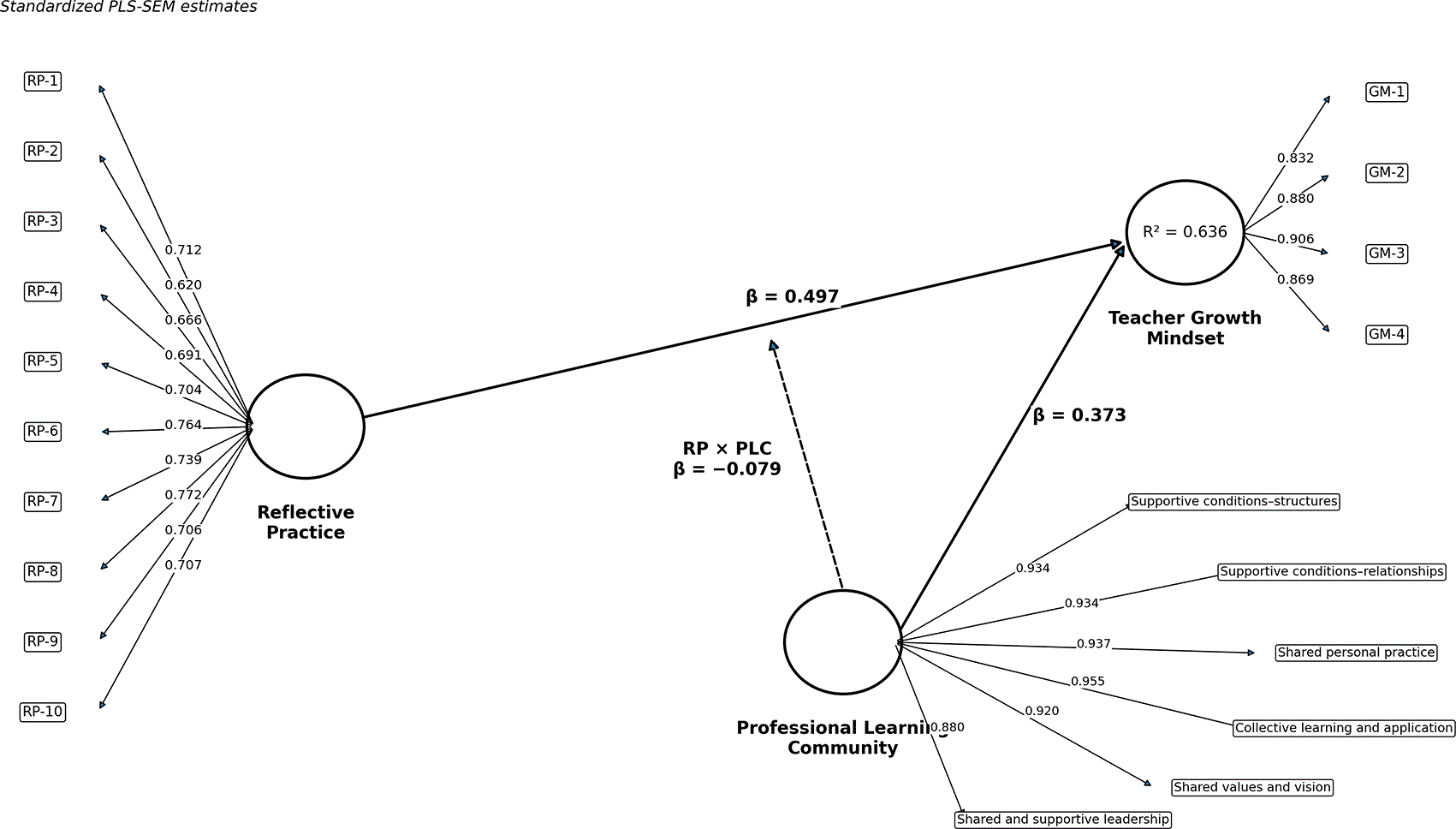
Standardised path coefficients and outer loadings are shown. R2 indicates the explained variance in teacher growth mindset. RP, reflective practice; PLC, professional learning community; GM, teacher growth mindset; PLS-SEM, partial least squares structural equation modelling.
Figure 3 shows the effect of professional learning community moderation on the relationship between reflective practice and teacher growth mindset. The relationship between reflective practice and teacher growth mindset remains positive at all levels of the professional learning community. However, the line slope is steeper on low PLCs (−1 SD) and more sloping on high PLCs (+1 SD). These findings suggest that professional learning communities weaken the strength of the relationship between reflective practice and teacher growth mindset.
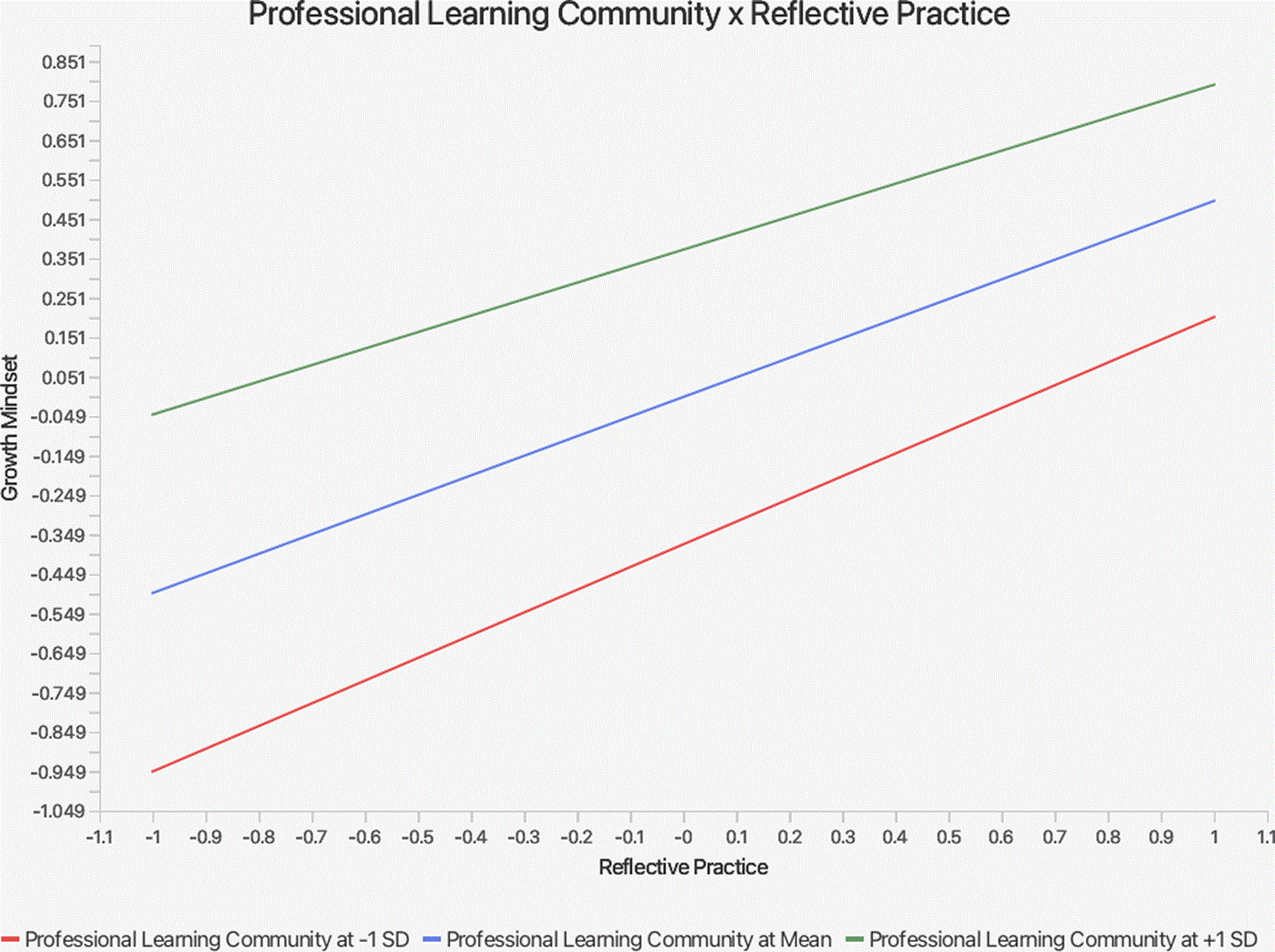
Predicted standardised teacher growth mindset across reflective practice at low (−1 SD), mean, and high (+1 SD) levels of professional learning community. The relationship remained positive at all PLC levels but was weaker at higher PLC levels. SD, standard deviation.
A summary of the hypothesis test results is presented in Table 10.
The results of the study show that reflective practice and professional learning community are positive predictors of teacher growth mindset. Reflective practice has the greatest contribution in explaining the teacher growth mindset. The professional learning community also plays an important role directly in the teacher growth mindset. However, the role of the professional learning community as a moderator shows a negative direction, which means that PLC weakens the relationship between reflective practice and teacher growth mindset to a small extent. These findings suggest that in the context of teachers who have high levels of PLC, growth mindsets are not only shaped by individual reflective practice, but also by collective support in the school’s professional learning community.
This study aims to examine the relationship between reflective practice and teacher growth mindset and investigate the role of the professional learning community (PLC) as a moderator in this relationship in active teachers in Indonesia. The results of the study resulted in three main findings. First, reflective practice has a positive and significant effect on teacher growth mindset. Second, the professional learning community has a positive and significant effect on the teacher growth mindset. Third, different from the initial hypothesis, the professional learning community has been shown to moderate the relationship between reflective practice and teacher growth mindset in a negative direction. These findings show that the formation of a teacher’s growth mindset is not only influenced by individual factors, but also by the socio-professional context in which teachers work. However, the relationship between individual factors and contextual factors turned out to be more complex than previously thought.
The first findings show that reflective practice is a significant positive predictor of teacher growth mindset. These results reinforce the view that professional reflection is an important mechanism in teacher learning and professional development. Teachers who actively reflect on their teaching experiences tend to view challenges, mistakes, and learning barriers as opportunities to learn and grow, rather than as indicators of permanent limitations. Theoretically, these findings are in line with the concept of reflective practice put forward by Schön (1983), which emphasizes the importance of reflection-in-action and reflection-on-action in improving the quality of professional practice. Through reflection, teachers can evaluate the pedagogical decisions taken, identify the strengths and weaknesses of learning that have been implemented, and develop more effective improvement strategies in the future (Al Mahdi et al., 2023; Cronenberg & Tang, 2023). This kind of reflective process is very close to the characteristics of a growth mindset that emphasizes the belief that abilities can develop through effort, experience, and continuous learning. The findings of this study are also consistent with various cutting-edge studies that show that professional reflection contributes to the development of adaptive capacity, lifelong learning orientation, and openness to feedback which are key characteristics of growth mindset. Rogers et al. (2024) show that systematic reflective practice is related to the improvement of professional awareness and self-development abilities of teachers. Meanwhile, Bardach et al. (2024) found that teachers’ growth mindset was positively associated with self-efficacy and mastery goals. These findings also expand on the results of research by Heyder et al. (2023) which show that reflection on professional identity and goals contributes to the development of a growth mindset in prospective teachers. Thus, the results of this study show that the teacher growth mindset is not only a psychological belief about abilities that can be developed, but is also formed through a process of professional reflection that allows teachers to construct meaning from the teaching experiences they face on a daily basis. Reflection is an important mechanism that helps teachers turn experiences into learning, thus reinforcing the belief that professional competence can be continuously improved throughout their careers.
The second finding shows that the professional learning community has a positive and significant effect on the teacher growth mindset. These results indicate that teachers who work in a collaborative and supportive professional environment tend to have a higher growth mindset than teachers who work in a less supportive professional environment. These findings support the literature emphasizing the importance of school culture and the professional environment in supporting teacher development. PLCs provide a space for teachers to share experiences, discuss learning problems, get professional feedback, and develop solutions collectively (Fred et al., 2020; Meesuk et al., 2021; Sriklaub & Ruengtrakul, 2022; Swanson et al., 2023). This kind of environment encourages teachers to view professional learning as an ongoing process that can always be improved. The results of this study are consistent with Liu et al. (2022), who showed that professional learning communities can promote teacher innovation. Fred et al. (2020) and Meesuk et al. (2021) also emphasized the role of professional learning communities in collaborative professional learning and sustainable teacher development. In addition, Vangrieken et al. (2017) affirm that teacher communities are a very important context for professional learning because they provide opportunities for knowledge sharing, peer support, and collective reflection. Interestingly, the descriptive results of the study showed that all dimensions of PLC were in the high category, with the shared values and vision dimensions obtaining the highest scores. These findings suggest that the existence of a shared vision and purpose in the school’s professional community has an important role in building teachers’ confidence that professional competence can continue to develop. When teachers work in an environment where there is a shared purpose and a collective commitment to improving the quality of learning, they are more likely to internalize the belief that professional development is an ongoing process (Ren et al., 2025). These findings reinforce the view that teachers’ growth mindsets cannot be understood solely as individual psychological attributes. On the other hand, a growth mindset is also the result of interaction between individuals and the professional environment in which they work. Therefore, the development of teachers’ growth mindsets needs to be carried out not only through individual interventions, but also through strengthening a collaborative culture at the school level.
The third finding is the most interesting result as well as providing the main theoretical contribution of this study. In contrast to the initial hypothesis, the professional learning community does not strengthen the relationship between reflective practice and teacher growth mindset. In contrast, PLCs moderated the relationship in a negative direction, suggesting that the strength of the reflective practice relationship with the teacher growth mindset became weaker at higher levels of PLCs. At first glance, these results seem to contradict the common assumption that a collaborative professional environment will amplify the benefits of individual reflection. However, a deeper interpretation shows that these results do not mean that PLC inhibits the development of growth mindsets or reduces the importance of reflective practice. In contrast, PLC still has a direct positive and significant influence on the teacher growth mindset. Therefore, the negative moderation effect is more accurately understood as a change in the mechanism of forming a growth mindset rather than as an adverse influence. One of the most likely explanations is the existence of a compensatory effect or substitution effect in the process of teacher professional development. In schools with low PLC levels, teachers tend to rely more on internal resources, especially individual reflective abilities, to support their professional growth. In conditions like this, reflective practice is the main mechanism that explains the variation in growth mindset between teachers. In contrast, when PLCs are at a high level, teachers gain a variety of additional learning resources through professional discussions, collaborations, lesson studies, informal mentoring, peer observation, and other collective learning activities. As a result, the growth mindset no longer relies primarily on individual reflection because part of the professional development function has been supported by collective mechanisms within the professional learning community. This interpretation is in line with the concept of distributed expertise which explains that professional learning does not only occur at the individual level, but is also distributed through social interactions and organizational structures. Admiraal et al. (2021) show that an effective PLC expands teachers’ access to professional learning resources derived from peers and the school community. This interpretation is also consistent with Vangrieken et al. (2017), who showed that teacher communities provide opportunities for knowledge sharing, peer support, and collective reflection. These findings can also be explained through a professional development perspective that emphasizes the interaction between individual agencies and the collective capacity of the organization. Prenger et al. (2017) argue that teachers’ professional development is determined by a combination of personal factors and contextual factors. As the school’s collective capacity increases through a strong PLC, the variety of professional development that was previously largely explained by individual factors becomes diminished as some of those functions have been supported by the school’s professional environment. In other words, PLC provides an alternative pathway for the development of a growth mindset so that the relative contribution of reflective practice becomes smaller. From the perspective of social-cognitive theory, teachers’ professional beliefs are not only formed through personal experiences (mastery experiences), but also through vicarious experiences, social persuasion, and professional interaction with the work environment. In a strong PLC environment, these social resources become increasingly dominant so that the development of a growth mindset no longer depends mainly on the process of individual reflection. Therefore, reflective practice remains important, but its contribution becomes relatively smaller when schools have provided a professional environment rich in collective learning opportunities. Thus, the results of this study do not show that teachers with high reflective abilities do not need PLCs. Rather, these results show that PLCs provide an additional mechanism that helps teachers develop a growth mindset through collective learning pathways. These findings show that individual reflection and collective learning are not two conflicting mechanisms, but rather two complementary sources of professional development.
This research makes several important contributions to the development of the literature on teacher growth mindset. First, this study expands the understanding of the factors that affect the growth mindset of teachers by showing that reflective practice is one of the significant predictors. These findings help explain the professional mechanisms underlying the formation of a growth mindset in active teachers. Second, this study strengthens the evidence that professional learning community is a contextual factor that contributes to the development of teachers’ growth mindsets. Thus, growth mindsets are not only understood as individual characteristics, but also as the result of interactions between individuals and the professional environment in which they work. Third, and most importantly, this study shows that the role of PLCs in the relationship between reflective practice and teacher growth mindset is more complex than assumed in most previous studies. The negative moderation findings suggest that PLCs do not always function as a reinforcing factor in the relationship between individual variables. Instead, PLCs can serve as a compensation mechanism that provides an alternative source of professional learning for teachers. These findings enrich the theoretical understanding of the relationship between individual factors and contextual factors in teachers’ professional development.
The results of this study have important implications for teacher professional development and education policy. Efforts to increase teachers’ growth mindsets should not only focus on changing individual beliefs through training or workshops, but also on strengthening teachers’ reflective capacity and building a collaborative culture in schools. Schools need to provide a space that allows teachers to reflect systematically through reflection journals, peer observation, lesson studies, coaching, and reflective discussions. At the same time, schools also need to strengthen the dimensions of PLC such as shared leadership, collective learning, shared practice, and supportive conditions in order to create a professional environment that supports continuous learning. The findings of this study also suggest that reflective practice and PLC should not be viewed as two separate professional development strategies. Instead, both need to be integrated in the design of teacher professional development programs. Programs that combine individual reflection with collaborative learning are likely to have a greater impact than programs that focus on only one of these approaches.
This research has several limitations that need to be considered. First, the cross-sectional design of the study limits the ability to draw causal conclusions about the relationship between variables. Longitudinal research is needed to understand how reflective practice, PLC, and teacher growth mindsets evolve over time. Second, all data was obtained through a self-report questionnaire so that it has the potential to be influenced by common method bias and social response tendencies. Future research may combine survey data with classroom observations, interviews, or peer assessments to obtain a more comprehensive picture of teachers’ professional development. Third, most of the respondents come from one geographical area, so the generalization of research results to the broader Indonesian educational context needs to be done carefully. Further research needs to involve a more diverse sample from different regions and school characteristics. Lastly, this study only tested PLC as a moderator. Future research can explore the role of other variables such as self-efficacy, mastery goal orientation, collective teacher efficacy, psychological safety, or instructional leadership to gain a more comprehensive understanding of the factors that influence teacher growth mindset.
This study examined the relationship between reflective practice and teacher growth mindset and investigated the moderating role of professional learning community (PLC) among Indonesian in-service teachers. The findings revealed that reflective practice and PLC are significant positive predictors of teacher growth mindset. Reflective practice emerged as the strongest predictor, indicating that teachers who regularly evaluate and learn from their professional experiences are more likely to believe that teaching competence can be continuously developed through effort, learning, and experience. In addition, PLC contributed directly and positively to teacher growth mindset, suggesting that collaborative and supportive professional environments play an important role in fostering teachers’ beliefs in continuous professional growth.
Contrary to the initial hypothesis, PLC moderated the relationship between reflective practice and teacher growth mindset in a negative direction. This finding suggests that while reflective practice remains beneficial across all contexts, its relative contribution becomes weaker in schools where strong professional learning communities provide additional sources of professional learning and support. The results indicate a compensatory mechanism in which collective professional learning partially substitutes for individual reflective processes in shaping teacher growth mindset.
This study contributes to the literature by integrating reflective practice, professional learning community, and teacher growth mindset within a single model. The findings highlight that sustainable teacher development is supported not only by individual reflection but also by collaborative professional learning cultures. Therefore, educational policies and school improvement initiatives should promote both reflective practice and effective professional learning communities as complementary pathways for strengthening teacher professional growth.
Ethics approval has been obtained from the Ethics Committee of Universitas Negeri Malang, Indonesia (Approval No. 14.7.1/UN32.1.1/KM/2026, dated 14 July 2026). The study involved human participants and was conducted in accordance with ethical standards for educational research. Before accessing the online questionnaire, participants received information about the study purpose and procedures, the voluntary nature of participation, confidentiality, the intended use of the data, and their right to discontinue before submitting their responses. Written informed consent was obtained electronically by requiring participants to select an agreement statement before proceeding. No directly identifying information was collected, the dataset used for analysis was de-identified, and consent for publication was not required because no identifiable participant information is reported.
Zenodo: Underlying data and extended materials for “Reflective Practice and Teacher Growth Mindset in Collaborative School Cultures: The Moderating Role of Professional Learning Community among Indonesian In-Service Teachers”. https://doi.org/10.5281/zenodo.21483486 (Putro et al., 2026).
This article was prepared in accordance with the Strengthening the Reporting of Observational Studies in Epidemiology (STROBE) guidelines for cross-sectional studies. The completed STROBE checklist is available in the Zenodo record described in the Data availability section.
Zenodo: STROBE checklist for “Reflective Practice and Teacher Growth Mindset in Collaborative School Cultures: The Moderating Role of Professional Learning Community among Indonesian In-Service Teachers”. https://doi.org/10.5281/zenodo.21483486. Creative Commons Attribution 4.0 International (CC BY 4.0).
The authors thank the participating University of Lambung Mangkurat, State University of Malang, State University of Surabaya, and the teachers who voluntarily took part in this study. All individuals acknowledged have provided their consent. The authors also gratefully acknowledge the support of the Doctoral Scholarship Program for Indonesian Lecturers provided by the Center of Higher Education Funding and Assessment, Ministry of Higher Education, Science and Technology of the Republic of Indonesia, which has supported the academic development of this research.