Просмотр новости
Найдите то, что Вас интересует
 Спутники
 РН
РН SpaceX
 Роскосмос
 NASA
NASA
СпутникиРНSpaceXРоскосмосNASABackground The rapid integration of generative artificial intelligence into higher education has created new opportunities for supporting adaptive learning and self-regulated learning. However, existing adaptive learning systems primarily emphasize automated personalization and feedback, with limited attention to how learners and artificial intelligence collaboratively regulate learning processes. This study aimed to develop and evaluate a GPT-supported Human–AI Co-Regulation model to enhance self-regulated learning, metacognitive reflection, and adaptive engagement in higher education. Methods A Design-Based Research approach integrated with mixed methods and learning analytics was employed. The quantitative phase involved 214 undergraduate students, while 24 participants were included in the qualitative phase through interviews, reflective journals, classroom observations, and analysis of artificial intelligence interactions. Quantitative data were analyzed using descriptive statistics, paired-sample t-tests, structural relationship analysis, and learning analytics visualization. Qualitative data were analyzed using thematic analysis. Results The findings demonstrated significant improvements across all dimensions of self-regulated learning following implementation of the GPT-supported Human–AI Co-Regulation model. Metacognitive regulation showed the largest improvement (Δ = 0.98, p

BAYSHA MH, Ghufron A, Surjono HD et al. Human–AI Co-Regulation in Adaptive Learning: Developing GPT-Supported Self-Regulated Learning Models [version 1; peer review: awaiting peer review]. F1000Research 2026, 15:1234 (https://doi.org/10.12688/f1000research.183470.1)
Research Article
[version 1; peer review: awaiting peer review]
https://orcid.org/0009-0000-6101-5589
1,2, Anik Ghufronhttps://orcid.org/0000-0001-6711-3606
2, Herman Dwi Surjonohttps://orcid.org/0000-0002-2720-2206
3, [...] Endah Resnandari Puji Astutihttps://orcid.org/0009-0007-6011-3110
1,4, Ridho Frihastamahttps://orcid.org/0009-0007-6603-6187
1, Farid Helmihttps://orcid.org/0000-0003-3904-0520
1, Ferdinan Ivan Sangkophttps://orcid.org/0000-0002-6361-7919
5https://orcid.org/0009-0000-6101-5589
1,2, Anik Ghufronhttps://orcid.org/0000-0001-6711-3606
2, [...] Herman Dwi Surjonohttps://orcid.org/0000-0002-2720-2206
3, Endah Resnandari Puji Astutihttps://orcid.org/0009-0007-6011-3110
1,4, Ridho Frihastamahttps://orcid.org/0009-0007-6603-6187
1, Farid Helmihttps://orcid.org/0000-0003-3904-0520
1, Ferdinan Ivan Sangkophttps://orcid.org/0000-0002-6361-7919
51 Department of Education, State University of Yogyakarta Graduate School, Yogyakarta, Special Region of Yogyakarta, Indonesia
2 Faculty of Education and Psychology, Universitas Negeri Yogyakarta, Yogyakarta, Special Region of Yogyakarta, Indonesia
3 Faculty of Engineering, State University of Yogyakarta, Yogyakarta, Special Region of Yogyakarta, Indonesia
4 Faculty of Education and Psychology, Universitas Pendidikan Mandalika, Mataram, West Nusa Tenggara, Indonesia
5 Technology and Vocational Education, State University of Yogyakarta, Yogyakarta, Special Region of Yogyakarta, Indonesia
MUH. HUSEIN BAYSHA
Roles: Conceptualization, Data Curation, Funding Acquisition, Project Administration, Writing – Original Draft Preparation
Anik Ghufron
Roles: Methodology, Supervision, Validation, Writing – Review & Editing
Herman Dwi Surjono
Roles: Formal Analysis, Investigation, Supervision, Validation, Writing – Review & Editing
Endah Resnandari Puji Astuti
Roles: Formal Analysis, Investigation, Resources, Software, Visualization, Writing – Original Draft Preparation
Ridho Frihastama
Roles: Methodology, Project Administration, Resources, Software, Visualization
Farid Helmi
Roles: Formal Analysis, Funding Acquisition, Investigation, Methodology, Software, Writing – Review & Editing
Ferdinan Ivan Sangkop
Roles: Formal Analysis, Methodology, Project Administration, Software, Validation, Visualization, Writing – Review & Editing
OPEN PEER REVIEW
REVIEWER STATUS AWAITING PEER REVIEW
The rapid integration of generative artificial intelligence into higher education has created new opportunities for supporting adaptive learning and self-regulated learning. However, existing adaptive learning systems primarily emphasize automated personalization and feedback, with limited attention to how learners and artificial intelligence collaboratively regulate learning processes. This study aimed to develop and evaluate a GPT-supported Human–AI Co-Regulation model to enhance self-regulated learning, metacognitive reflection, and adaptive engagement in higher education.
MethodsA Design-Based Research approach integrated with mixed methods and learning analytics was employed. The quantitative phase involved 214 undergraduate students, while 24 participants were included in the qualitative phase through interviews, reflective journals, classroom observations, and analysis of artificial intelligence interactions. Quantitative data were analyzed using descriptive statistics, paired-sample t-tests, structural relationship analysis, and learning analytics visualization. Qualitative data were analyzed using thematic analysis.
ResultsThe findings demonstrated significant improvements across all dimensions of self-regulated learning following implementation of the GPT-supported Human–AI Co-Regulation model. Metacognitive regulation showed the largest improvement (Δ = 0.98, p < 0.001), followed by reflective thinking and self-monitoring. Learning analytics revealed substantial increases in GPT interaction frequency (105.2%), adaptive pathway utilization (51.9%), reflective prompt responses (48.3%), and task completion rates (27.2%) across iterative implementation cycles. Structural relationship analysis indicated that metacognitive reflection (β = 0.45, p < 0.001) and Human–AI interaction quality (β = 0.42, p < 0.001) were strong predictors of self-regulated learning outcomes. Qualitative findings showed that learners increasingly perceived GPT as a collaborative cognitive partner that supported planning, monitoring, reflection, and adaptive learning decisions.
ConclusionsThe study extends self-regulated learning and adaptive learning theories by introducing a Human–AI collaborative regulation perspective. The findings highlight the value of integrating generative artificial intelligence, learning analytics, reflective prompting, and adaptive feedback mechanisms to support sustainable, learner-centered, and adaptive higher education environments.
Human–AI Co-Regulation; Adaptive Learning; Generative Artificial Intelligence; Self-Regulated Learning; Learning Analytics; GPT-Supported Learning; Hybrid Intelligence;
Corresponding author: MUH. HUSEIN BAYSHA Competing interests: No competing interests were disclosed.
Grant information: This research was supported by the Indonesian Education Scholarship (BPI), Doctoral Scholarship Program for Indonesian Lecturers (PDDI), Center for Higher Education Funding and Assessment (PPAPT), Ministry of Higher Education, Science and Technology of Republic Indonesia, and Indonesian Endowment Fund for Education (LPDP). Grant Number: Muh. Husein Baysha (202404121764); Endah Resnandari Puji Astuti (202404121684); Farid Helmi Setyawan (202404121684); Ferdinan Ivan Sangkop (202327092754)
The funders had no role in study design, data collection and analysis, decision to publish, or preparation of the manuscript.
Copyright: © 2026 BAYSHA MH et al. This is an open access article distributed under the terms of the Creative Commons Attribution License, which permits unrestricted use, distribution, and reproduction in any medium, provided the original work is properly cited. The author(s) is/are employees of the US Government and therefore domestic copyright protection in USA does not apply to this work. The work may be protected under the copyright laws of other jurisdictions when used in those jurisdictions. How to cite: BAYSHA MH, Ghufron A, Surjono HD et al. Human–AI Co-Regulation in Adaptive Learning: Developing GPT-Supported Self-Regulated Learning Models [version 1; peer review: awaiting peer review]. F1000Research 2026, 15:1234 (https://doi.org/10.12688/f1000research.183470.1) First published: 27 Jul 2026, 15:1234 (https://doi.org/10.12688/f1000research.183470.1) Latest published: 27 Jul 2026, 15:1234 (https://doi.org/10.12688/f1000research.183470.1)
The rapid advancement of generative artificial intelligence (GenAI) has significantly transformed the landscape of digital learning, particularly in the context of adaptive and personalized education. Recent developments in large language models such as ChatGPT have enabled educational systems to provide dynamic feedback, personalized scaffolding, metacognitive prompts, and intelligent learning assistance capable of supporting higher-order cognitive processes (Wang et al., 2025; Lowry et al., 2025). Within higher education, generative AI is increasingly recognized not merely as a technological tool, but as a collaborative cognitive partner capable of facilitating reflective thinking, problem solving, and self-directed learning (Lodge et al., 2023a; Woodring, 2026). This transformation has encouraged researchers to reconsider the evolving relationship between learners and AI systems, particularly regarding how AI may support adaptive learning processes and learner autonomy in complex digital environments.
Adaptive learning has emerged as one of the most influential paradigms in contemporary educational technology due to its ability to personalize instructional pathways according to learners’ needs, performance, preferences, and cognitive characteristics (Martin et al., 2020; Taylor et al., 2021). AI-driven adaptive learning environments allow instructional systems to dynamically adjust content, pacing, feedback, and learning activities to optimize educational experiences (Gligorea et al., 2023; Strielkowski et al., 2025). Recent studies further demonstrate that adaptive learning supported by artificial intelligence can enhance engagement, improve learning outcomes, and foster sustainable educational transformation (Joshi, 2024; Rincon-Flores et al., 2024). Moreover, the integration of learning analytics and AI-based personalization mechanisms has enabled adaptive systems to become increasingly responsive to learner behaviors and cognitive needs (Khosravi et al., 2020; Aljanahi, 2025). Despite these advancements, many adaptive learning environments remain predominantly system-centered, focusing more on automated personalization than on the active cognitive regulation processes undertaken by learners themselves.
In parallel, self-regulated learning (SRL) has become a central construct in educational research because of its critical role in enabling learners to independently plan, monitor, evaluate, and regulate their own learning processes. SRL is strongly associated with academic achievement, metacognitive awareness, persistence, and deep learning engagement in digital learning contexts. Recent evidence indicates that AI-supported instructional systems can positively influence SRL by providing adaptive feedback, reflective prompts, and intelligent scaffolding mechanisms (Xu et al., 2026). For example, Wang et al. (2025) demonstrated that ChatGPT-integrated feedback aids significantly improved students’ self-regulated learning and higher-order thinking skills in virtual reality learning environments. Similarly, Lowry et al. (2025) found that generative AI can foster metacognitive reflection and self-directed learning through intelligent prompting and personalized feedback interactions. AI-supported learning environments have also shown potential in assisting novice learners in creative problem solving and computational thinking through prompt-driven guidance systems (Wang et al., 2026a).
The increasing integration of AI into learning environments has raised important questions regarding learner dependence, cognitive agency, and the evolving dynamics between human learners and intelligent systems. Existing research suggests that effective learning in AI-enhanced environments requires not only individual self-regulation but also collaborative and shared forms of regulation involving interactions between learners, peers, instructors, and technological agents (Sharma et al., 2024). In this context, the concept of co-regulation has gained increasing scholarly attention as an important mechanism for supporting learning in adaptive digital environments. Co-regulation refers to the shared regulation processes through which cognitive, metacognitive, motivational, and behavioral support are collaboratively mediated among interacting agents during learning activities (Allal, 2020). Recent studies have extended this concept into AI-mediated contexts, emphasizing the importance of human–AI partnerships in facilitating adaptive cognition, collaborative regulation, and mastery-oriented learning processes (Lee & Shin, 2026; Obinwanne et al., 2026).
The emergence of human–AI hybrid intelligence further reinforces the need to reconceptualize AI not as a replacement for human cognition but as a collaborative partner capable of augmenting learner regulation and adaptive decision making (Holstein et al., 2020; Woodring, 2026). In educational contexts, human–AI hybrid adaptivity enables learners and AI systems to dynamically share responsibilities in feedback generation, monitoring, reflection, and instructional adaptation (Holstein et al., 2020). Hao et al. (2025) further demonstrated that student–AI interaction dynamics in multi-agent learning environments can support personalized learning while reducing performance gaps among learners. These findings indicate that AI-supported co-regulation may represent a promising direction for future adaptive learning ecosystems.
Despite the growing body of research on adaptive learning, generative AI, and self-regulated learning, several important gaps remain unresolved. First, previous studies have largely examined AI-supported SRL from either a technological perspective or an individual learner perspective, with limited attention to the reciprocal and collaborative regulatory relationships between humans and AI systems. Second, many adaptive learning studies continue to emphasize personalization algorithms and automated feedback while underexploring how learners actively negotiate cognitive regulation with AI assistance in authentic learning settings. Third, although generative AI technologies such as ChatGPT have demonstrated significant potential in supporting metacognition and higher-order thinking, empirical models explaining how human–AI co-regulation can be systematically designed and implemented within adaptive learning environments remain scarce. Furthermore, concerns regarding governance, ethical AI integration, learner agency, and sustainable AI-supported education continue to require deeper investigation (Misra et al., 2026).
Accordingly, this study seeks to address these gaps by developing a GPT-supported Human–AI Co-Regulation model within adaptive learning environments. The study conceptualizes generative AI as an active co-regulatory partner capable of supporting learners’ metacognitive monitoring, adaptive feedback interpretation, reflective thinking, and learning decision making. By integrating adaptive learning principles, self-regulated learning theory, human–AI hybrid adaptivity, and learning analytics, this study aims to contribute both theoretically and practically to the emerging field of AI-enhanced education. Specifically, the study employs a Design-Based Research (DBR) approach integrated with mixed methods and learning analytics to iteratively develop, implement, and evaluate a Human–AI Co-Regulation model for adaptive learning in higher education contexts.
The findings of this study are expected to contribute to the advancement of sustainable AI-supported educational ecosystems by providing an empirically grounded framework for integrating generative AI into adaptive learning environments while preserving learner agency, metacognitive engagement, and collaborative regulation processes. In addition, this study contributes to the growing discourse on ethical and human-centered AI integration in education by positioning AI not merely as an automation tool but as a collaborative cognitive partner capable of supporting meaningful and personalized learning experiences.
Adaptive learning has become a major approach in digital education due to its ability to personalize instruction based on learners’ needs, performance, and learning preferences. The integration of artificial intelligence (AI) has accelerated the development of adaptive systems capable of dynamically adjusting learning pathways, feedback, pacing, and instructional content in real time (Joshi, 2024; Strielkowski et al., 2025). AI-driven adaptive learning environments have been shown to improve learner engagement, motivation, and academic performance through personalized feedback and intelligent instructional support (Demartini et al., 2024; Tan et al., 2025). Furthermore, learning analytics and machine learning enable adaptive systems to identify learner needs, predict performance risks, and support data-informed instructional decisions (Khosravi et al., 2020). However, most adaptive learning research still emphasizes technological automation rather than learners’ cognitive and metacognitive regulation processes. As a result, learners are often positioned as passive recipients of AI recommendations rather than active participants in regulating their own learning. This limitation highlights the need for more human-centered adaptive learning models that integrate learner agency, metacognitive reflection, and collaborative regulation within AI-supported educational environments.
Self-regulated learning (SRL) refers to learners’ ability to plan, monitor, and evaluate their cognitive and behavioral learning processes. In AI-supported learning environments, effective regulation increasingly extends beyond individual self-regulation toward collaborative and socially shared regulation processes (Järvelä et al., 2023a; Lodge et al., 2023a,b). Co-regulation describes how learners receive cognitive, motivational, and metacognitive support from external agents such as teachers, peers, or intelligent systems during learning activities (Andrade & Brookhart, 2020; Yu and Xue, 2025). Previous studies show that adaptive learning technologies can improve goal setting, reflective learning, and regulatory behaviors when supported by effective feedback and metacognitive scaffolding (Horvers et al., 2024; Zhang, 2026). Moreover, collaborative digital learning environments require the integration of self-regulation and shared regulation to support meaningful learning experiences (Sharma et al., 2024). Recent AI-enhanced learning research further highlights that intelligent systems can facilitate collaborative knowledge construction, adaptive learning strategies, and Human–AI co-regulation processes by assisting learners in monitoring progress, interpreting feedback, and coordinating cognitive activities (Ouyang et al., 2023; Zhang et al., 2025). These findings indicate that learning regulation in AI-supported environments is increasingly interactive, relational, and collaboratively mediated.
The rapid development of generative AI has transformed educational perspectives by positioning AI not as a replacement for human cognition, but as a collaborative cognitive partner that supports learning processes (Joseph et al., 2026). This perspective aligns with the concept of Human–AI co-regulation, which emphasizes reciprocal regulation between learners and AI systems during learning activities. Molenaar (2022) introduced hybrid Human–AI regulation as a framework for supporting self-regulated learning through adaptive scaffolding, personalized feedback, and metacognitive guidance, while Nguyen (2025) conceptualized Human–AI shared regulation as a core component of hybrid intelligence in education (Järvelä et al., 2023a,b).
Recent studies further highlight the growing role of AI as a co-regulatory agent in adaptive learning environments. AI-mediated interactions can support reflective thinking, cognitive scaffolding, collaborative regulation, and adaptive decision making (Agustin, 2026; Lodge et al., 2023b). Human–AI collaboration has also been associated with emotionally responsive and socially adaptive learning experiences that strengthen cognitive, motivational, and emotional regulation (Faisal et al., 2025; Raave et al., 2026). In higher education, AI-supported co-regulation is increasingly viewed as a pedagogical necessity for promoting learner agency, AI literacy, and collaborative learning competencies (Alstot et al., 2025; Wang et al., 2026a,b; Zhang & Chen, 2026).
Beyond educational contexts, Human–AI co-regulation is recognized as a relational and context-dependent process requiring careful pedagogical orchestration and instructional design (Cardamone et al., 2025; Faragau et al., 2026). Collectively, the literature suggests that Human–AI co-regulation represents an emerging paradigm capable of integrating adaptive learning, metacognitive support, and collaborative regulation within AI-enhanced educational ecosystems. However, empirical models systematically integrating GPT-supported co-regulation in adaptive learning environments remain limited. Therefore, this study addresses this gap by developing a GPT-supported Human–AI Co-Regulation model grounded in adaptive learning, self-regulated learning, and hybrid intelligence theories to support learners’ metacognitive engagement, adaptive reflection, and personalized learning regulation.
This study employed a Design-Based Research (DBR) approach integrated with mixed methods and learning analytics to develop and evaluate a GPT-supported Human–AI Co-Regulation model within adaptive learning environments. DBR was selected because it enables iterative cycles of design, implementation, evaluation, and refinement conducted in authentic educational settings while simultaneously generating both theoretical and practical contributions (Ryu, 2020; Reimann, 2016). The approach is particularly appropriate for AI-enhanced educational innovation because it supports continuous interaction between pedagogical theory, technological development, and real-world instructional practices. The integration of mixed methods within DBR allows the study to capture both quantitative evidence of learning effectiveness and qualitative insights into learner experiences, cognitive regulation, and Human–AI interaction dynamics. According to Ryu (2020), mixed methods in DBR strengthen the validity of educational interventions by combining numerical learning outcomes with contextualized interpretations of learning processes. Similarly, Nair et al. (2024) emphasized that mixed-method designs are essential for investigating complex AI implementation processes due to the multidimensional nature of human–technology interaction.
The study also incorporated learning analytics to monitor learner engagement, adaptive behaviors, AI interaction patterns, and regulatory activities throughout the intervention process. Learning analytics plays a critical role in AI-supported educational ecosystems because it enables real-time analysis of learner behaviors and supports data-driven instructional decision making (Shum & Luckin, 2019; Ouyang & Zhang, 2024). Reimann (2016) further argued that DBR and learning analytics are highly complementary because analytics data can continuously inform iterative educational design improvements.
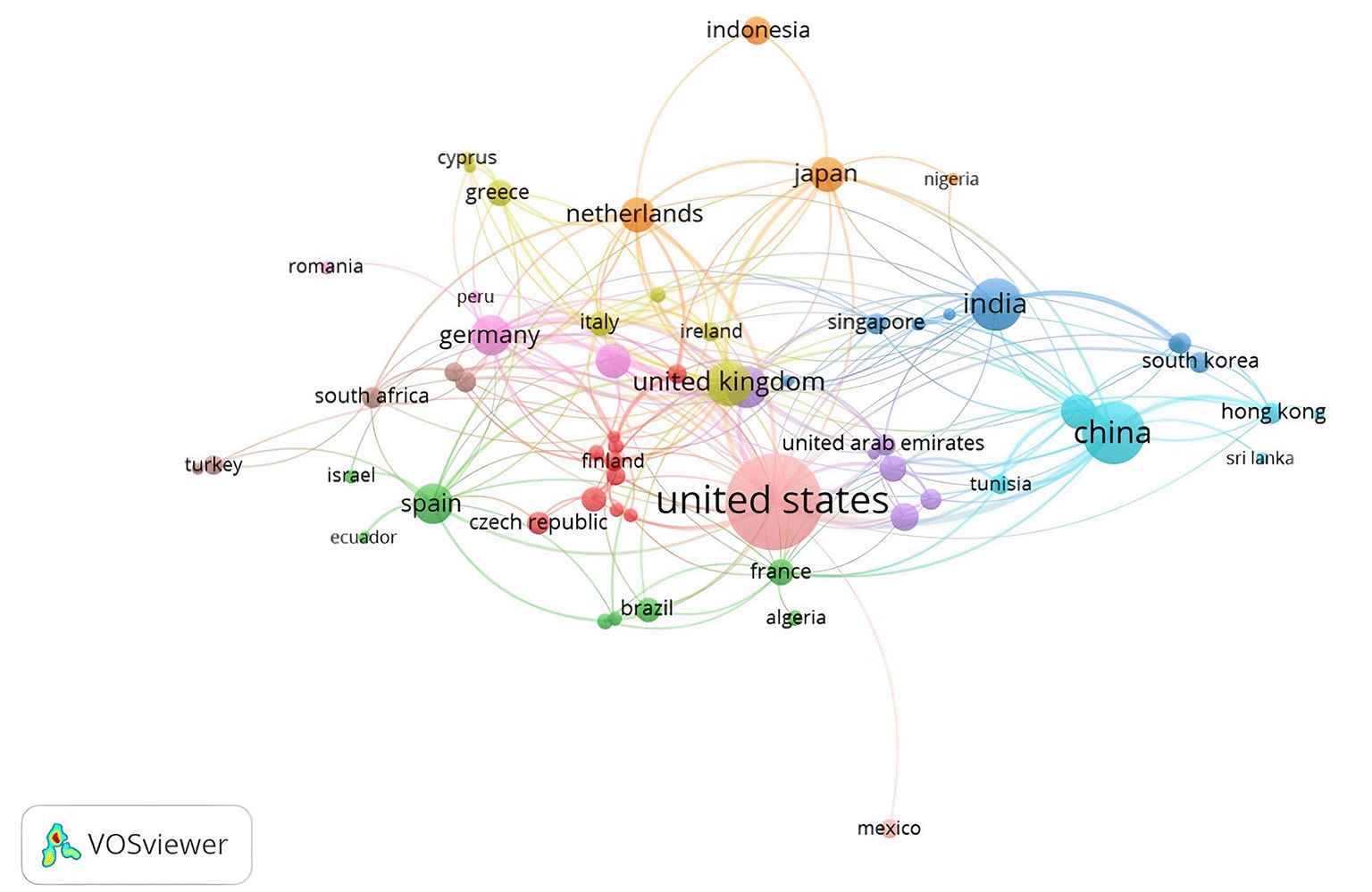
The conceptual foundation of this study emerged from the growing global research trend surrounding adaptive learning, AI-supported personalization, and Human–AI collaboration in education. As illustrated in Figure 1, research productivity in adaptive learning and AI-enhanced education is globally distributed, with the United States, China, India, and several European countries emerging as dominant contributors to the field. This global distribution demonstrates the increasing international attention toward AI-driven educational transformation and adaptive learning innovation.
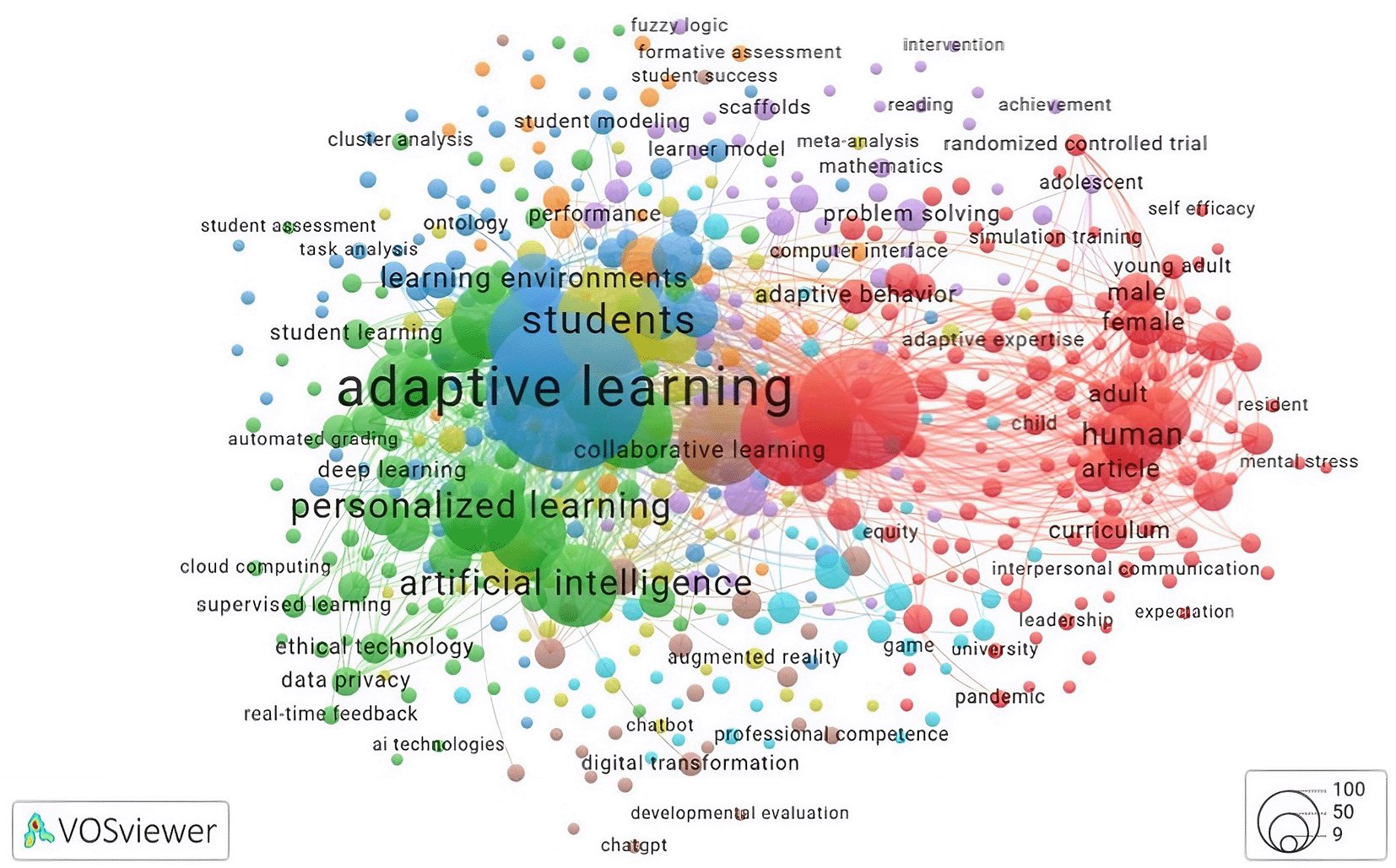
Similarly, Figure 2 demonstrates that “adaptive learning,” “personalized learning,” “artificial intelligence,” and “students” constitute the most interconnected themes within the research landscape. The close relationship among these keywords indicates that contemporary educational research increasingly emphasizes AI-enabled personalization and learner-centered adaptive learning ecosystems. However, the relatively limited visibility of concepts such as “Human–AI co-regulation” and “shared regulation” suggests that this area remains underexplored, thereby reinforcing the novelty and significance of the present study. Furthermore, the thematic evolution illustrated in Figure 3 reveals a clear transition from traditional educational technology themes (2015–2018) toward adaptive learning and learning analytics (2019–2021), eventually progressing into broader AI-driven educational ecosystems between 2022 and 2025. This thematic progression highlights the growing integration of AI, adaptive learning, and analytics-based educational innovation, thereby positioning the current study within a rapidly emerging and strategically important research domain.
The study was conducted in higher education adaptive learning environments involving undergraduate students enrolled in technology-enhanced learning courses. Participants were selected purposively based on their active engagement with digital learning platforms and AI-supported instructional activities. The learning environment integrated generative AI tools, adaptive learning systems, and learning analytics dashboards designed to support self-regulated learning and Human–AI collaborative regulation processes. A total of 214 undergraduate students participated in the quantitative phase of the study, while 24 participants were selected for in-depth qualitative exploration through interviews, reflective journals, and observation sessions. The participants represented diverse academic backgrounds and varying levels of familiarity with AI-supported learning technologies, thereby providing a rich context for examining Human–AI co-regulation processes.
Table 1 shows that most participants were female students (55.1%) aged between 20–21 years (42.5%). Participants came from diverse disciplines, particularly Computer Science and Educational Technology, indicating multidisciplinary involvement in AI-supported adaptive learning environments. Most students had beginner to intermediate experience using AI tools and frequently utilized AI for learning activities. Laptops were the primary learning devices, and the majority reported stable internet access. Personalized feedback and adaptive learning pathways were identified as the most preferred AI-supported learning features, reflecting strong student expectations for individualized and responsive learning support.
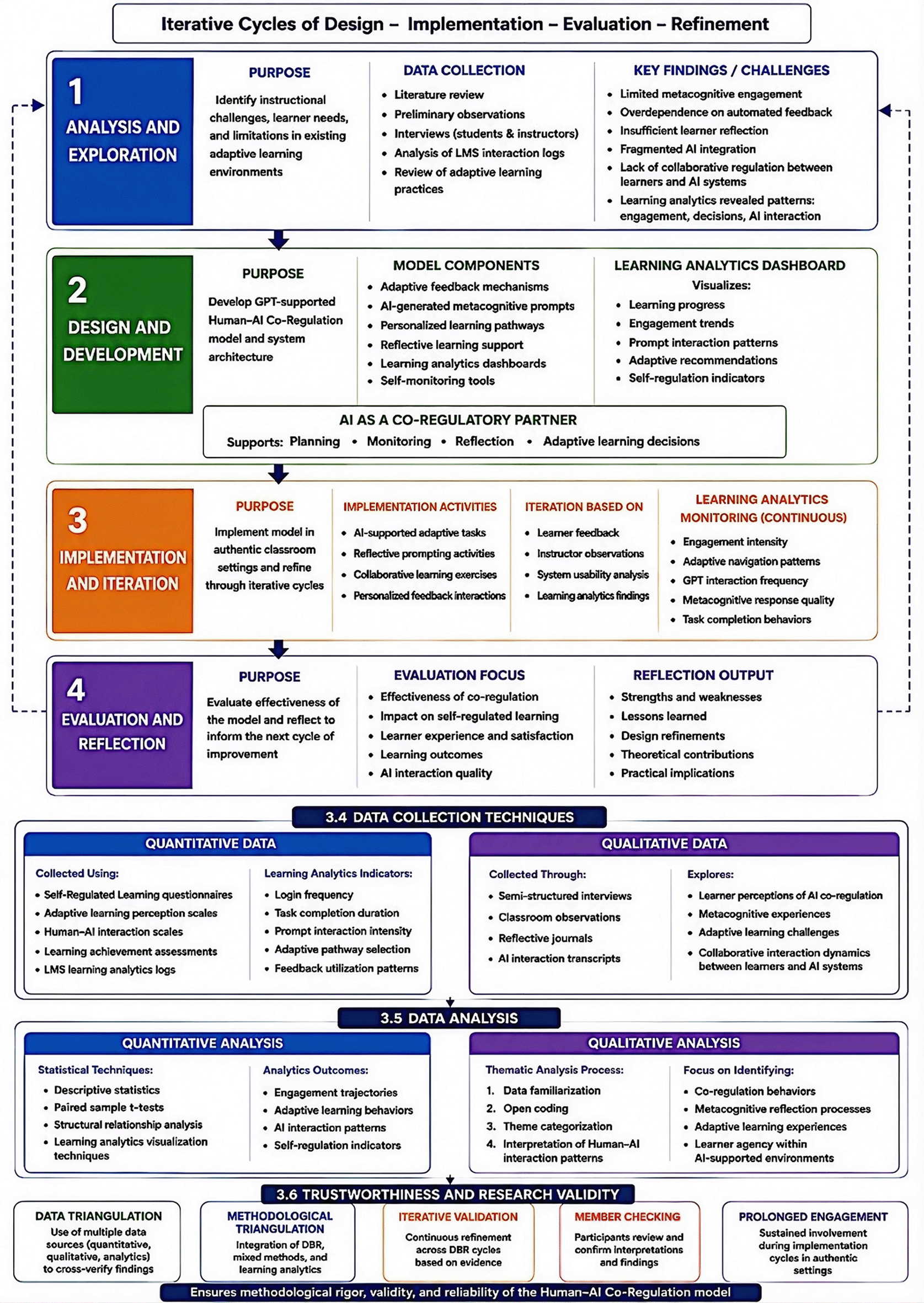
This study employed a Design-Based Research (DBR) approach integrated with mixed methods and learning analytics to develop and evaluate a GPT-supported Human–AI Co-Regulation model within adaptive learning environments as shown in Figure 3. DBR was selected because it enables iterative refinement of educational innovations through continuous interaction between theory, technology, and authentic learning practices (Ryu, 2020; Reimann, 2016). The DBR process implemented in this study was adapted from previous AI-supported educational design studies emphasizing iterative intervention development, evaluation, and contextual refinement (Dermentzi et al., 2022; Xing et al., 2025; Moore et al., 2026). The procedures consisted of four interconnected phases as follows.
Phase 1: Analysis and exploration
The first phase focused on identifying instructional challenges, learner needs, and limitations within adaptive learning environments related to self-regulated learning and Human–AI interaction. Data were collected through literature review, classroom observations, interviews, LMS interaction logs, and analysis of adaptive learning practices. The findings revealed limited metacognitive engagement, overdependence on automated feedback, insufficient learner reflection, fragmented AI integration, and weak collaborative regulation between learners and AI systems. Learning analytics further showed variations in engagement intensity, adaptive decision making, and GPT interaction frequency. These findings support Shum and Luckin’s (2019) argument that AI-supported educational systems should facilitate reflective and evidence-based learning rather than merely automate instruction. This phase provided the conceptual foundation for developing the Human–AI Co-Regulation framework while reflecting the sociotechnical perspective of responsible AI implementation proposed by Akbarighatar et al. (2023).
Phase 2: Design and development
The second phase focused on designing and developing a GPT-supported Human–AI Co-Regulation model integrating adaptive learning, learning analytics, and collaborative regulation mechanisms. The system positioned AI as a co-regulatory cognitive partner capable of supporting planning, monitoring, reflection, and adaptive learning decisions. Core components included adaptive feedback, AI-generated metacognitive prompts, personalized learning pathways, reflective learning support, learning analytics dashboards, and self-monitoring tools. The dashboard was designed to visualize learner progress, engagement trends, prompt interaction patterns, adaptive recommendations, and self-regulation indicators, consistent with Mohseni and Masiello (2025), who emphasized the importance of co-designed analytics dashboards for improving learner awareness and data-driven decision making. The design also incorporated hybrid Human–AI intelligence principles through reciprocal learner–AI interaction and continuous refinement based on behavioral analytics and interaction data (Reimann, 2016). Furthermore, the development process followed iterative and learner-centered AI educational innovation approaches proposed by Xing et al. (2025) and Moore et al. (2026).
Phase 3: Implementation and iteration
The third phase involved implementing the Human–AI Co-Regulation model across multiple instructional cycles in authentic classroom settings. This phase emphasized iterative refinement through continuous evaluation of pedagogical effectiveness, learner experiences, and system usability, consistent with the DBR approach proposed by Ryu (2020). Students participated in AI-supported adaptive learning activities, including reflective prompting, collaborative exercises, personalized feedback interactions, and adaptive problem-solving tasks. The AI system continuously provided metacognitive prompts, adaptive guidance, and personalized recommendations to support self-regulated learning processes. During implementation, learning analytics monitored learner engagement intensity, adaptive navigation patterns, GPT interaction frequency, metacognitive response quality, and task completion behaviors. These analytics informed iterative refinement of instructional strategies and system functionalities, aligning with Ouyang and Zhang’s (2024) emphasis on analytics-supported collaborative learning systems for understanding adaptive learning behaviors and interaction dynamics. The refinement process was further supported by learner feedback, instructor observations, usability analysis, and learning analytics findings. This iterative structure reflects prior DBR studies highlighting the importance of repeated testing, reflection, and redesign in achieving effective AI-supported educational innovation (Dermentzi et al., 2022; Xing et al., 2025).
To ensure methodological triangulation and comprehensive understanding of Human–AI co-regulation processes, this study employed both quantitative and qualitative data collection techniques. The integration of mixed methods enabled the study to capture measurable learning outcomes while also exploring learner experiences, perceptions, and interaction dynamics in depth (Ryu, 2020; Nair et al., 2024).
Quantitative data collection
Quantitative data were collected using several instruments, including Self-Regulated Learning questionnaires, adaptive learning perception scales, Human–AI interaction scales, learning achievement assessments, and LMS learning analytics logs. These instruments were designed to measure learner engagement, adaptive learning effectiveness, co-regulation experiences, and AI-supported learning behaviors. Learning analytics indicators included login frequency, task completion duration, prompt interaction intensity, adaptive pathway selection, and feedback utilization patterns. The integration of analytics-based indicators aligns with the framework proposed by Liebowitz (2020), emphasizing the strategic role of AI and data analytics in generating evidence-based educational insights.
Qualitative data collection
Qualitative data were collected through semi-structured interviews, classroom observations, reflective journals, and AI interaction transcripts. These qualitative sources were used to explore learner perceptions of AI co-regulation, metacognitive experiences, adaptive learning challenges, and collaborative interaction dynamics between learners and AI systems. The qualitative phase aimed to provide contextualized understanding of how learners negotiated cognitive regulation with AI assistance during adaptive learning activities. This approach is consistent with Liu et al. (2025), who highlighted the importance of mixed-method investigations in examining learners’ experiences and perceptions within AI-mediated digital learning environments.
Quantitative analysis
Quantitative data were analyzed using descriptive statistics, paired sample t-tests, structural relationship analysis, and learning analytics visualization techniques. These analyses were conducted to examine changes in learner engagement, adaptive learning performance, self-regulation indicators, and Human–AI interaction quality throughout the intervention cycles. Learning analytics data were processed to identify engagement trajectories, adaptive learning behaviors, AI interaction patterns, and self-regulation indicators. The integration of AI-supported analytics follows recommendations by Ouyang and Zhang (2024), who emphasized that analytics-driven educational systems are critical for understanding collaborative learning behaviors and adaptive interaction processes.
Qualitative analysis
Qualitative data were analyzed using thematic analysis procedures consisting of data familiarization, open coding, theme categorization, and interpretation of Human–AI interaction patterns. The analysis particularly focused on identifying co-regulation behaviors, metacognitive reflection processes, adaptive learning experiences, and learner agency within AI-supported learning environments. Thematic interpretation enabled the researchers to identify emerging patterns regarding how learners interacted with generative AI as a collaborative cognitive partner during adaptive learning activities. This analytical approach supports deeper understanding of Human–AI co-regulation dynamics beyond quantitative behavioral indicators alone.
To ensure methodological rigor and research validity, the study employed several trustworthiness strategies, including data triangulation, methodological triangulation, iterative validation, member checking, and prolonged engagement throughout implementation cycles. The use of multiple data sources and repeated intervention cycles strengthened the credibility and ecological validity of the findings.
Data triangulation was achieved by integrating questionnaire results, learning analytics data, interview findings, reflective journals, and classroom observations. Methodological triangulation was implemented through the integration of DBR, mixed methods, and learning analytics approaches. Iterative validation was conducted continuously during each implementation cycle to refine both pedagogical and technological components of the Human–AI Co-Regulation model.
Member checking was performed by allowing participants to review and confirm interpretations of qualitative findings. In addition, prolonged engagement within authentic classroom settings enabled the researchers to obtain contextualized understanding of learner experiences and AI interaction dynamics. These validation strategies align with recommendations from mixed-method and sociotechnical AI research emphasizing the importance of contextual rigor, participant involvement, and iterative evidence-based refinement in educational AI implementation (Akbarighatar et al., 2023; Nair et al., 2024).
The implementation of the GPT-supported Human–AI Co-Regulation model demonstrated substantial improvements across learner engagement, adaptive learning behaviors, self-regulated learning (SRL), and Human–AI interaction quality. The results indicate that integrating adaptive feedback, metacognitive prompting, learning analytics dashboards, and reflective AI interaction mechanisms positively influenced students’ learning experiences and adaptive learning performance. Descriptive findings revealed that learners showed increased participation intensity, more consistent adaptive navigation behaviors, and improved reflective engagement throughout the iterative implementation cycles. Learning analytics logs further demonstrated increased interaction frequency with GPT-supported scaffolding tools and greater utilization of adaptive feedback recommendations over time.
Table 2 shows that all major variables achieved high mean scores, indicating positive learner perceptions toward the Human–AI Co-Regulation model. Learning Satisfaction obtained the highest mean value (M = 4.27, SD = 0.46), followed by Human–AI Interaction Quality (M = 4.25, SD = 0.49) and Metacognitive Reflection (M = 4.21, SD = 0.51). These findings suggest that learners perceived the GPT-supported adaptive learning environment as highly supportive for reflective and personalized learning experiences.
To examine the effectiveness of the intervention, paired sample t-tests were conducted comparing pre-test and post-test SRL scores after implementation of the Human–AI Co-Regulation model.
As presented in Table 3, statistically significant improvements were observed across all dimensions of self-regulated learning following implementation of the GPT-supported Human–AI Co-Regulation model. The largest improvement occurred in Metacognitive Regulation (Δ = 0.98, t = 15.03, p < 0.001), indicating that learners became substantially more capable of monitoring and regulating their cognitive learning processes after interacting with the AI-supported adaptive system. Similarly, significant improvements were identified in Reflective Thinking and Self-Monitoring dimensions, suggesting that AI-generated prompts and adaptive feedback mechanisms successfully facilitated learner reflection and continuous learning regulation.
Learning analytics data revealed substantial behavioral changes throughout the implementation cycles. The analytics dashboard recorded increased learner engagement intensity, more stable adaptive navigation patterns, and greater utilization of personalized learning recommendations.
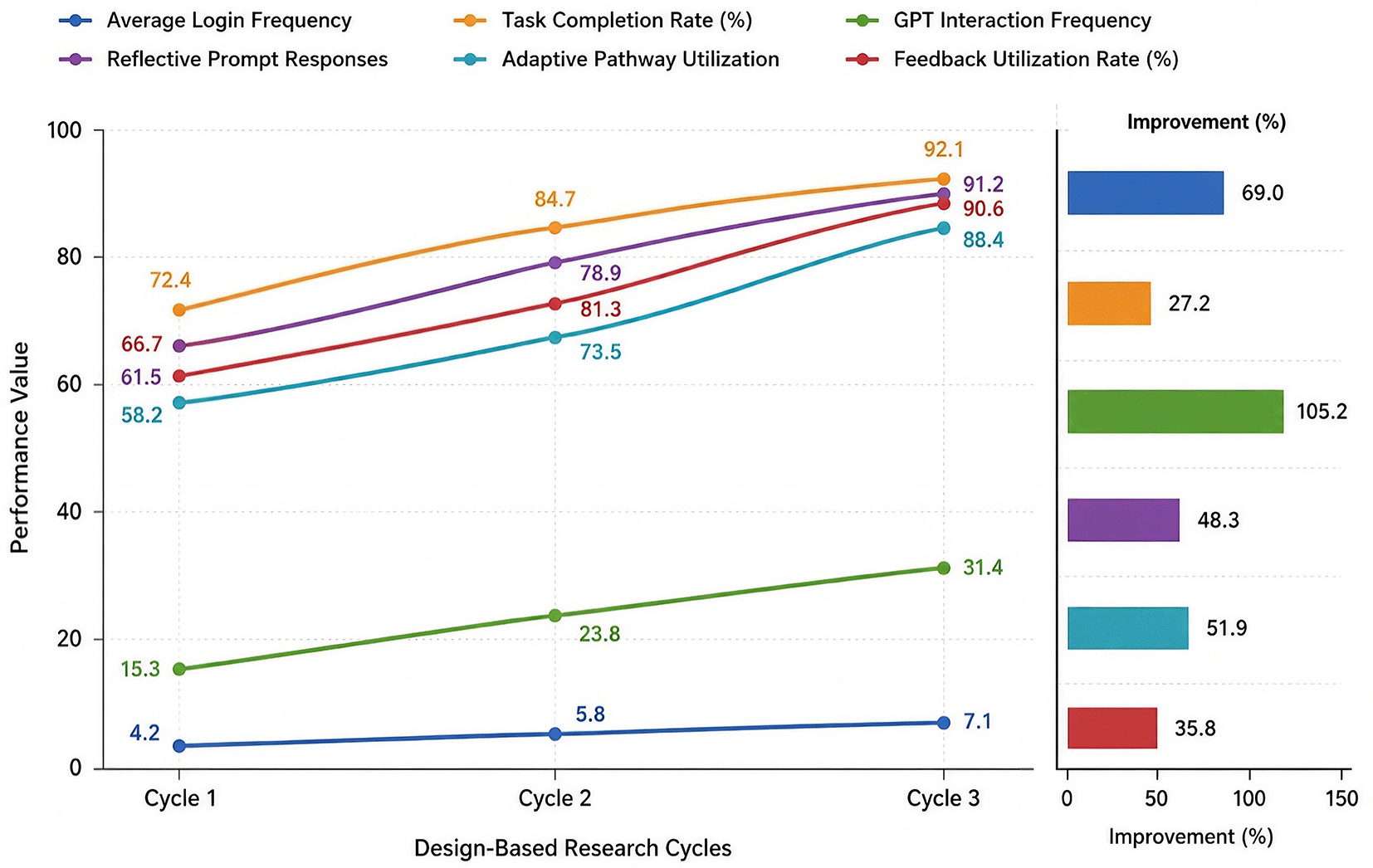
Figure 4 shows the improvement trends of learning analytics indicators across three DBR cycles during the implementation of the GPT-supported Human–AI Co-Regulation model. GPT Interaction Frequency increased from 15.3 in Cycle 1 to 31.4 in Cycle 3 (105.2% improvement), representing the highest growth among all indicators. Adaptive Pathway Utilization increased from 58.2 to 88.4 (51.9%), while Reflective Prompt Responses improved from 61.5 to 91.2 (48.3%). In addition, Task Completion Rate increased from 72.4% to 92.1% (27.2%), Feedback Utilization Rate rose from 66.7% to 90.6% (35.8%), and Average Login Frequency improved from 4.2 to 7.1 (69.0%). These findings indicate continuous enhancement in learner engagement, adaptive participation, and Human–AI collaborative interaction across iterative implementation cycles.
Structural relationship analysis was conducted to examine the relationships among Human–AI Interaction Quality, Adaptive Learning Engagement, Metacognitive Reflection, and Self-Regulated Learning outcomes.
The results presented in Table 4 indicate that Metacognitive Reflection emerged as the strongest predictor of Self-Regulated Learning (β = 0.45, p < 0.001), followed by Human–AI Interaction Quality (β = 0.42, p < 0.001). These findings suggest that reflective engagement and collaborative interaction with AI systems played critical roles in enhancing learners’ adaptive learning regulation. Furthermore, Personalized Feedback significantly influenced Metacognitive Reflection (β = 0.48, p < 0.001), indicating that AI-generated adaptive feedback mechanisms effectively stimulated learner reflection and self-monitoring behaviors.
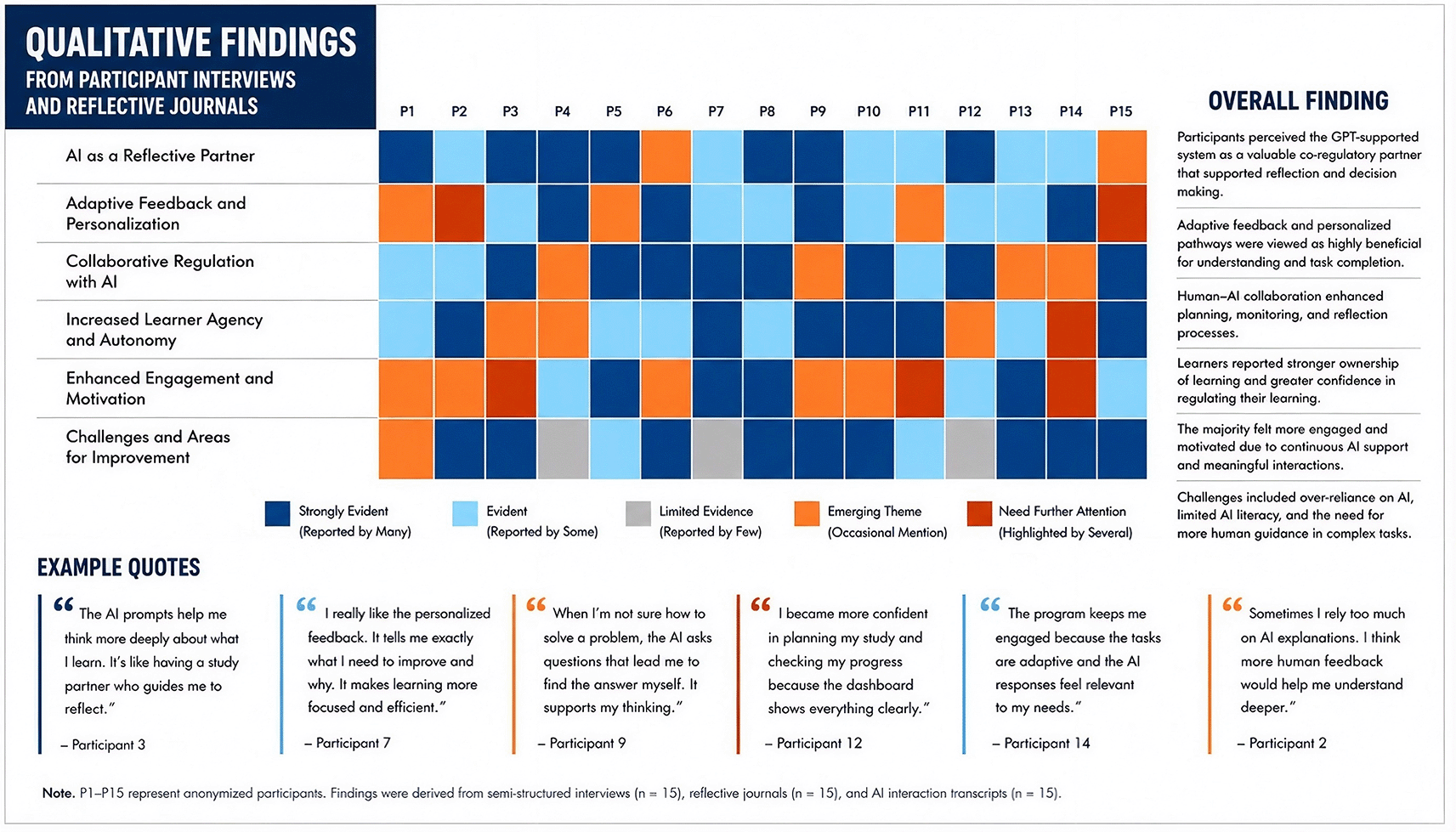
Figure 5 presents the qualitative findings derived from semi-structured interviews, reflective journals, and AI interaction transcripts collected during the implementation of the GPT-supported Human–AI Co-Regulation model. The figure visualizes thematic patterns across participants regarding their experiences within adaptive learning environments supported by generative AI technologies. The heatmap analysis demonstrates that the themes of AI as a Reflective Partner, Adaptive Feedback and Personalization, and Collaborative Regulation with AI emerged as the most consistently reported experiences among participants. Most learners perceived the AI system as an active cognitive partner that supported planning, monitoring, reflection, and adaptive learning decision making. Participants also emphasized that AI-generated prompts and personalized recommendations improved metacognitive engagement, learning focus, and adaptive task completion. The findings further indicate that Human–AI collaboration strengthened learner agency and autonomy by encouraging students to independently regulate learning activities while continuously interacting with adaptive AI feedback mechanisms. In addition, increased engagement and motivation were frequently associated with the personalized and responsive nature of the adaptive learning environment. Several participants reported challenges related to over-reliance on AI-generated explanations, limited AI literacy, and the need for stronger human guidance during complex learning tasks. These findings suggest that effective Human–AI co-regulation requires balanced integration between adaptive AI support and human instructional facilitation.
The findings of this study demonstrate that the GPT-supported Human–AI Co-Regulation model significantly enhanced learners’ self-regulated learning (SRL), metacognitive reflection, adaptive engagement, and collaborative regulation experiences. The statistically significant improvements identified across all SRL dimensions particularly metacognitive regulation, reflective thinking, and self-monitoring indicate that generative AI can function not only as an instructional support tool but also as an active co-regulatory cognitive partner within adaptive learning environments. The substantial increase in metacognitive regulation (Δ = 0.98, p < 0.001) suggests that AI-generated reflective prompts, adaptive feedback mechanisms, and personalized learning pathways effectively facilitated learners’ ability to monitor, evaluate, and regulate their own cognitive processes. These findings strongly support previous studies emphasizing the potential of generative AI in enhancing reflective learning and metacognitive engagement (Lowry et al., 2025; Wang et al., 2025). In particular, the findings align with Xu et al. (2026), who concluded through meta-analysis that AI-supported learning environments significantly improve SRL when learners actively interact with adaptive feedback and reflective scaffolding mechanisms. The findings further reinforce the conceptual perspective proposed by Molenaar (2022), who argued that hybrid Human–AI regulation enables AI systems to support learner cognition through adaptive scaffolding and collaborative regulation processes. In the present study, learners did not merely consume AI-generated information passively; instead, they continuously negotiated learning decisions, reflected on adaptive recommendations, and interacted dynamically with AI-generated prompts during learning activities. This finding suggests that effective AI-supported learning environments should prioritize reciprocal cognitive interaction rather than simple instructional automation.
One of the key findings of this study is the significant influence of personalized feedback on metacognitive reflection (β = 0.48, p < 0.001), indicating that AI-generated adaptive feedback effectively supported reflective learning and self-monitoring processes. GPT-generated prompts encouraged learners to evaluate strategies, reflect on understanding, and regulate learning independently, consistent with findings by Wang et al. (2026b) and Lowry et al. (2025). Learning analytics also showed continuous increases in reflective prompt responses and feedback utilization across implementation cycles, suggesting stronger learner engagement with AI-supported reflective learning over time. These findings support Lodge et al. (2023a), who emphasized that generative AI operates within broader co-regulatory learning networks. Importantly, the study demonstrates that well-designed AI-supported adaptive learning systems can strengthen learner agency and adaptive decision making rather than reduce cognitive autonomy (Misra et al., 2026).
The learning analytics findings revealed substantial behavioral improvements across the iterative DBR cycles, particularly in GPT interaction frequency, adaptive pathway utilization, and task completion behaviors. GPT interaction frequency increased by more than 100%, indicating stronger learner engagement with AI-supported learning scaffolds over time. These findings support Reimann (2016) and Ouyang and Zhang (2024), who emphasized the importance of integrating learning analytics within adaptive learning ecosystems to support pedagogical refinement and learner engagement analysis. The adaptive learning dashboard also improved learner awareness regarding engagement trends, adaptive recommendations, and self-regulation indicators, consistent with Mohseni and Masiello (2025). Furthermore, the significant relationship between Learning Analytics Awareness and Adaptive Learning Engagement (β = 0.39, p < 0.001) highlights the strategic role of analytics-informed environments in strengthening reflective engagement and adaptive learning behaviors.
The qualitative findings indicate that participants increasingly perceived GPT as a collaborative cognitive partner supporting planning, monitoring, reflection, and adaptive learning decisions. Learners described the AI system as an “interactive learning companion” that provided personalized guidance and reflective support, supporting the concept of Human–AI hybrid intelligence proposed by Holstein et al. (2020) and Woodring (2026). Unlike previous studies that mainly positioned AI as an instructional assistant or recommendation system (Gligorea et al., 2023; Tan et al., 2025), this study demonstrates that AI can function more effectively as a collaborative regulatory partner within reciprocal learning interactions. These findings are consistent with Joseph et al. (2026) and Nguyen (2025), who emphasized Human–AI shared regulation as a core component of hybrid intelligence in education. Furthermore, participants reported increased confidence, motivation, and engagement during AI-supported learning activities, aligning with Faisal et al. (2025), who highlighted the importance of emotionally responsive Human–AI collaboration in sustainable educational environments.
This study developed and evaluated a GPT-supported Human–AI Co-Regulation model within adaptive learning environments using a Design-Based Research (DBR) approach integrated with mixed methods and learning analytics. The findings demonstrate that the integration of generative AI, adaptive learning mechanisms, reflective prompting, and analytics-based feedback significantly enhanced learners’ self-regulated learning, metacognitive reflection, adaptive engagement, and collaborative regulation experiences. The results indicate that Human–AI co-regulation can function as an effective pedagogical framework for supporting adaptive and personalized learning in higher education contexts.
Quantitative findings revealed statistically significant improvements across all dimensions of self-regulated learning, particularly metacognitive regulation, reflective thinking, and self-monitoring. Learning analytics further demonstrated substantial increases in engagement intensity, adaptive pathway utilization, feedback interaction, and GPT-supported learning participation throughout the iterative implementation cycles. Structural relationship analysis confirmed that metacognitive reflection and Human–AI interaction quality were among the strongest predictors of self-regulated learning outcomes. In addition, qualitative findings showed that learners increasingly perceived generative AI as a collaborative cognitive partner capable of supporting planning, monitoring, reflection, and adaptive learning decision making.
This study contributes to the literature on adaptive learning, self-regulated learning (SRL), and Human–AI collaboration by proposing an empirically grounded Human–AI Co-Regulation framework integrating generative AI, learning analytics, and metacognitive regulation. First, the study extends SRL theory by positioning learning regulation in AI-supported environments as not only an individual process but also a collaborative interaction between learners and intelligent systems. Second, the study advances adaptive learning theory by emphasizing the importance of reflective prompting, metacognitive scaffolding, and learner-centered AI interaction beyond algorithmic personalization. Third, the findings contribute to Human–AI hybrid intelligence research by demonstrating that generative AI can simultaneously support adaptive cognition, learner agency, and collaborative learning regulation within adaptive educational ecosystems.
The findings of this study provide several practical implications for higher education and educational technology development. First, AI-supported learning environments should position generative AI as a collaborative learning partner rather than merely an automated instructional tool. Integrating adaptive feedback, metacognitive prompts, reflective learning support, and learning analytics dashboards can strengthen learner engagement and self-regulation. Second, instructional designers should incorporate reflective prompting and adaptive analytics to support metacognitive awareness and evidence-based learning decisions. Third, higher education institutions need to enhance AI literacy and Human–AI collaboration competencies among students and instructors to prevent AI overreliance and promote critical AI usage. Finally, the DBR approach highlights the importance of continuous evaluation and iterative refinement in ensuring the pedagogical relevance, effectiveness, and sustainability of AI-supported educational systems.
Despite its contributions, this study has several limitations that should be acknowledged. First, the study was conducted within higher education adaptive learning environments involving undergraduate students, thereby limiting generalizability to other educational levels or disciplinary contexts. Future research should explore Human–AI co-regulation across diverse educational settings, including K–12, vocational education, and professional learning environments. Second, the study focused primarily on GPT-supported adaptive learning systems. Future studies may investigate comparative effectiveness across different generative AI architectures, multimodal AI systems, or emotionally responsive AI agents. Third, although learning analytics provided important behavioral insights, future studies could integrate more advanced analytics techniques such as explainable AI analytics, multimodal analytics, or real-time emotion detection to deepen understanding of Human–AI co-regulation dynamics. Finally, longitudinal investigations are needed to examine the long-term impact of Human–AI co-regulation on learner autonomy, AI literacy, adaptive expertise, and sustainable learning behaviors over extended educational periods.
This study received ethical approval from the Research Ethics Committee of Universitas Negeri Yogyakarta, Indonesia (Approval No. 1846/UN34.17/LT/2026). All research procedures were conducted in accordance with institutional ethical guidelines and internationally accepted principles for research involving human participants. Participation in the study was voluntary, and participant confidentiality and anonymity were strictly maintained throughout the research process. Informed consent was obtained verbally from all participants before data collection. Verbal consent was considered appropriate because the study involved minimal-risk educational activities conducted within regular learning settings and did not collect sensitive personal information. Prior to participation, all participants were informed about the objectives of the study, the voluntary nature of their involvement, confidentiality measures, and their right to withdraw at any stage without penalty or academic consequences.
The datasets generated and analyzed during the current study are openly available in the Zenodo repository under the following DOI: https://doi.org/10.5281/zenodo.20592004. (Baysha, M. H., 2026).
The repository includes:
• Data Tables
• Raw Quantitative Dataset (N = 214)
• Learning Analytics Data
• VOSviewer Data and Visualization Files
• Supporting Research Materials related to the implementation of the GPT-supported Human–AI Co-Regulation model.
All data and materials are distributed under the Creative Commons Attribution 4.0 International (CC BY 4.0) license.
The authors gratefully acknowledge the financial and institutional support provided by the Indonesian Education Scholarship (BPI), Doctoral Scholarship Program for Indonesian Lecturers (PDDI), Center for Higher Education Funding and Assessment (PPAPT), Ministry of Higher Education, Science and Technology of Republic Indonesia, and Indonesian Endowment Fund for Education (LPDP). The authors also express their sincere appreciation to the academic mentors, reviewers, and institutional partners who contributed valuable insights to the development of this study.
This research was supported by the Indonesian Education Scholarship (BPI), Doctoral Scholarship Program for Indonesian Lecturers (PDDI), Center for Higher Education Funding and Assessment (PPAPT), Ministry of Higher Education, Science and Technology of Republic Indonesia, and Indonesian Endowment Fund for Education (LPDP). Grant Number: Muh. Husein Baysha (202404121764); Endah Resnandari Puji Astuti (202404121684); Farid Helmi Setyawan (202404121684); Ferdinan Ivan Sangkop (202327092754)
The funders had no role in study design, data collection and analysis, decision to publish, or preparation of the manuscript.
© 2026 BAYSHA MH et al. This is an open access article distributed under the terms of the Creative Commons Attribution License, which permits unrestricted use, distribution, and reproduction in any medium, provided the original work is properly cited. The author(s) is/are employees of the US Government and therefore domestic copyright protection in USA does not apply to this work. The work may be protected under the copyright laws of other jurisdictions when used in those jurisdictions.
Current Reviewer Status:
AWAITING PEER REVIEW
AWAITING PEER REVIEW
?
Key to Reviewer Statuses VIEW HIDE
ApprovedThe paper is scientifically sound in its current form and only minor, if any, improvements are suggested
Approved with reservations A number of small changes, sometimes more significant revisions are required to address specific details and improve the papers academic merit.
Not approvedFundamental flaws in the paper seriously undermine the findings and conclusions
Open Peer Review
AWAITING PEER REVIEW
Sign up for content alerts
Alongside their report, reviewers assign a status to the article:
Approved - the paper is scientifically sound in its current form and only minor, if any, improvements are suggested
Approved with reservations - A number of small changes, sometimes more significant revisions are required to address specific details and improve the papers academic merit.
Not approved - fundamental flaws in the paper seriously undermine the findings and conclusions