Просмотр новости
Найдите то, что Вас интересует
 Спутники
 РН
РН SpaceX
 Роскосмос
 NASA
NASA
СпутникиРНSpaceXРоскосмосNASAHere is the right container management software for your team. We review the top solutions and platforms to make 2026 deployment easier.
Choosing the best container management platform can be overwhelming, especially when every platform claims to refine deployment and simplify Kubernetes. We have made the process easier for you.
In this guide, we will compare 6 of the best container management platforms and explain why Portainer stands out as the premium option.
Here's a quick overview of every option before we explore each tool in depth.
| Name | Best for | Standout Feature | Pricing | G2 Rating | Capterra Rating |
|---|---|---|---|---|---|
| Portainer | As an all-round enterprise container management platform | Multi-environment support (K8s, Docker, Podman, ACI) | $9,995/year | 4.8★ | 4.6★ |
| Rancher | Multi-cluster Kubernetes governance | Centralised policy & access management | $2,400–$3,200 (2 cores or 4 vCPUs/year) | 4.4★ | 4.3★ |
| Red Hat OpenShift | Enterprise & regulated workloads | Integrated security, Operators & CI/CD | $150–$500/core/year | 4.4★ | 4.5★ |
| Mirantis Kubernetes Engine (MKE) | Secure, legacy Docker-to-K8s environments | Hardened, FIPS-ready security stack | $1,500–$2,500/node/year | 4.4★ | 4.0★ |
| Nutanix Kubernetes Platform (NKP) | Hybrid, multi-cluster Kubernetes across Nutanix | Hybrid deployment flexibility (public cloud, on-prem, edge) | Custom Price | 3.8★ | n/a |
| Google Kubernetes Engine (GKE) | High-performance, autoscaling workloads | Managed control plane with advanced autoscaling | Charges based on usage | 4.5★ | n/a |
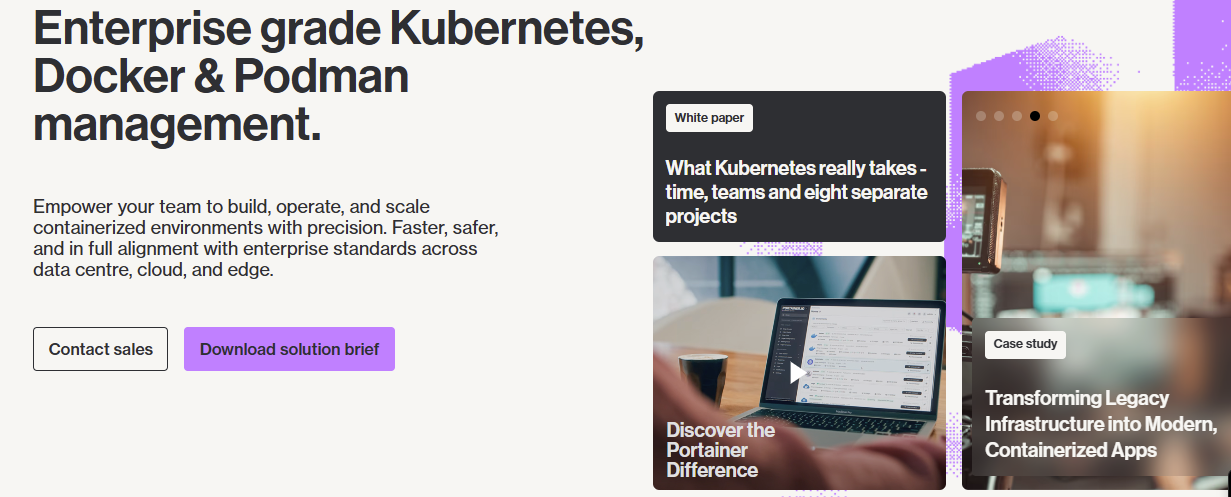
Portainer is a self-hosted Kubernetes management tool designed to manage 80% of your operational demands that you face daily, from a single, user-friendly interface. This is without the vendor lock-in and complexity present in legacy platforms.
Portainer runs on the customer’s own infrastructure, making it ideal for organizations that value flexibility and security, and those avoiding unnecessary reliance on cloud or vendor-specific systems. It also ships with secure-by-default settings, an intuitive web UI for managing deployments, and a single control plane.
Key FeaturesPortainer’s practical capabilities give you a consistent way of working, without the hurdles of troubleshooting or navigating between dashboards. Here are Portainer’s standout features offering the most value across skill levels and various environments.
Multi-environment Cluster ManagementPortainer supports a broad range of container technologies within a single interface. It allows you to register and consistently manage Kubernetes, Podman, Docker Swarm, Docker Standalone, and ACI.

It is this uniqueness that sets Portainer apart. Other platforms may not support this complete range of environments within a single installation and unified interface.
Rapid Time to ValueSetting up Portainer is quick and straightforward. You only need to install Portainer BE, and you are done.
This means you can start managing your workloads right after container deployment, even if you are new to containerization. Such swift onboarding allows your team to focus on shipping work through a streamlined DevOps container workflow rather than wasting valuable time troubleshooting configuration steps.
Free From Provider Lock-inPortainer efficiently works on any Kubernetes distribution. This safeguards your team from being bundled into a particular vendor ecosystem, especially when your long-term infrastructure strategy changes.
Note: Despite building its reputation on Docker, Portainer is Kubernetes-first. Enterprises use it as their primary control plane for multi-cluster Kubernetes environments at scale, while still benefiting from the same intuitive interface and RBAC.
Portainer is self-hosted. Which means you are in control of your environment, and you stay aligned with stringent compliance or security policies.
Lower Total Cost of OwnershipPortainer is comparatively more affordable than legacy platforms. Portainer is 50% less expensive than most solutions on the market, without sacrificing on user experience. A recent study notes that Portainer has minimal overhead to the host infrastructure, in addition to other benefits. It offers enterprise-grade security, RBAC, and governance minus the heavy lift and cost of platforms like OpenShift or Rancher.
If you are looking for a cost-effective enterprise-level container management platform with strong management capabilities, then Portainer fits the bill.
By using Portainer's cost comparison calculator, you can evaluate potential savings or deployment costs in just a few clicks. A feature not many of our competitors have.
Pricing| Enterprise IT | $9,995/year |
|---|
Portainer has an average of 4.8 star ratings on G2 and 4.6 on Capterra.
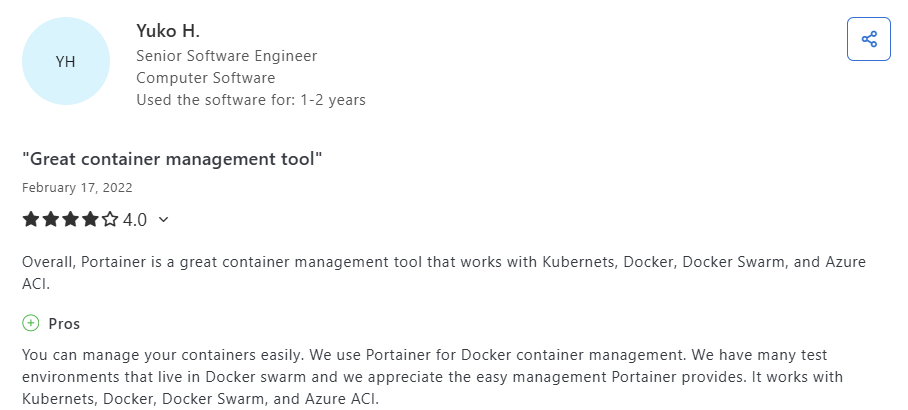
Yuko, a senior software engineer, praises how great Portainer works with Kubernetes, Docker, and beyond, and appreciates “the easy management Portainer provides. It works with Kubernetes, Docker, Docker Swarm, and Azure ACI.”
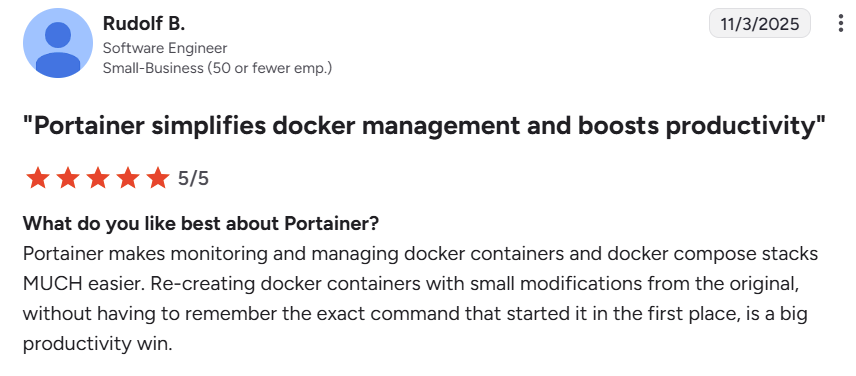
Another reviewer notes that Portainer simplifies the monitoring and management of Docker containers and composite stacks, a great productivity win.
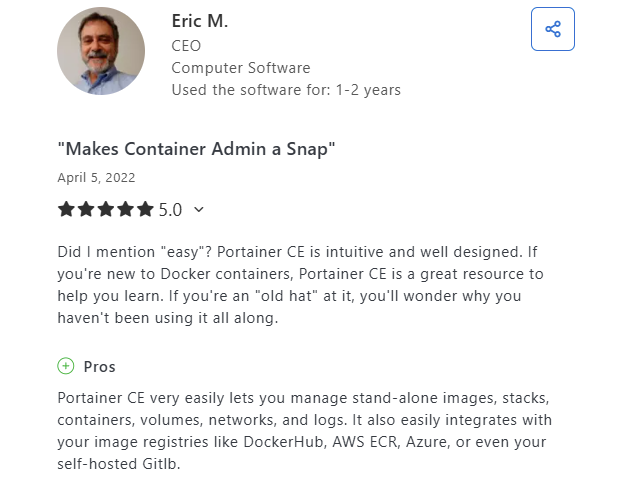
In addition, the CEO of a computer software company praises how well-designed and intuitive Portainer CE is. He added, “It also easily integrates with your image registries, and you can manage standalone images, containers, stacks, and more.:
In a Reddit discussion on thoughts on Portainer, users highlight the ease of using Portainer for container management by simplifying status and log tracking. One user notes that “If you are new to Docker, Portainer will give you the sanity check.”
Who Portainer is Best for{{article-cta}}
2. Rancher: Suited for Teams That Measure Scale, Not Efficiency
Rancher is an open-source platform built for teams that deploy Kubernetes as a service. It supports developing, importing, and cluster management across Azure, GCP, AWS, and on-premises.
Key Features| Typical Cost (USD) | $2,400–$3,200 (2 cores or 4 vCPUs/year) |
|---|
Pro tip: Portainer is your light-weight alternative, especially if you want a centralized Kubernetes management platform, without being tied to a vendor-specific ecosystem. Besides, Portainer works on OpenShift clusters, offering you flexibility without affecting existing platforms.
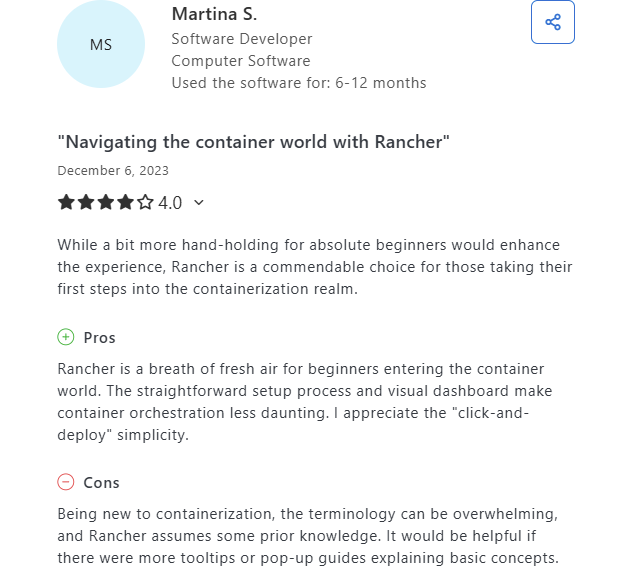
If Rancher isn’t the right fit, exploring Rancher alternatives could surface a better match.
3. Red Hat OpenShift: Good for Companies With Unlimited DevOps Budgets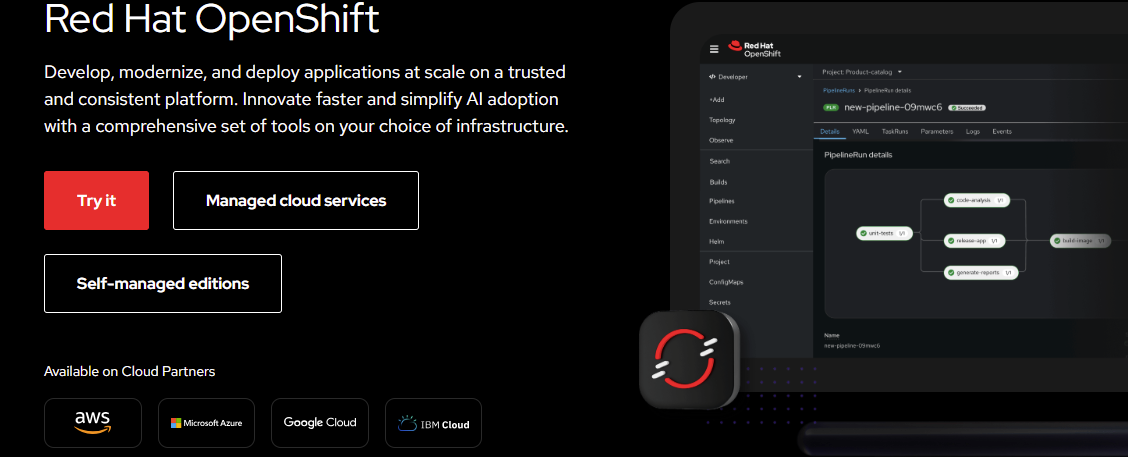
Red Hat OpenShift is a platform built to deploy production-grade Kubernetes with solid container security and certified components. It offers built-in CI/CD, operators, image registries, and developer workflows.
Key Features| Typical Cost (USD) |
$150–$500/core/year Typical: 16 cores |
|---|
Pro tip: Portainer is your light-weight alternative, especially if you want a centralized Kubernetes management platform, without being tied to a vendor-specific ecosystem. Besides, Portainer works on OpenShift clusters, offering you flexibility without affecting existing platforms.
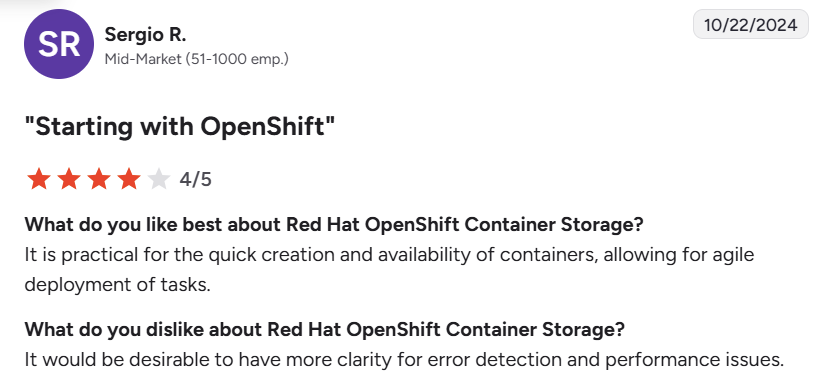
Customer ReviewsBesides its performance issues, a user commends OpenShift’s prompt creation and availability of containers.
Here’s a sample Reddit discussion offering insights into Red Hat’s use case.
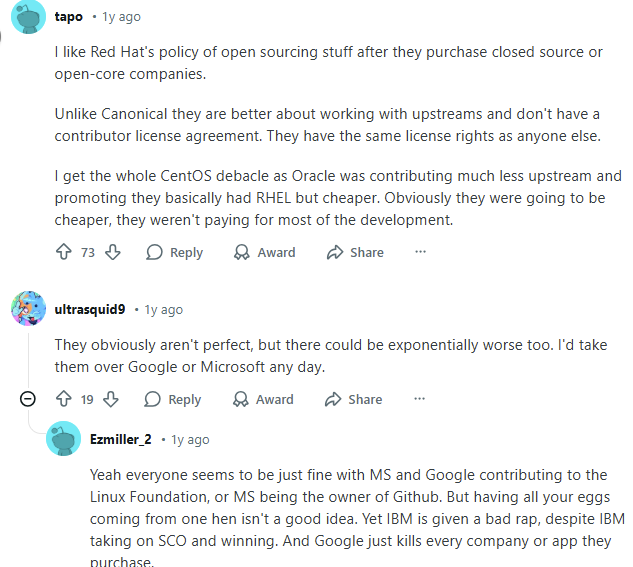
Here’s a look at other platforms positioned as Openshift alternatives.
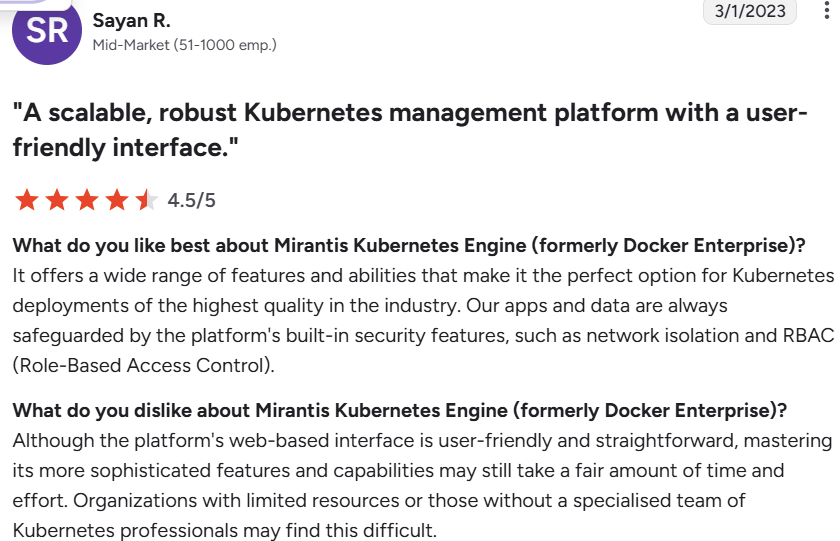
4. Mirantis Kubernetes Engine (MKE): Suited for Enterprises Stuck in the Docker Days
Mirantis Kubernetes Engine is built for organizations that require fortified security, compatibility with legacy Docker enterprises, and lifecycle automation.
Key Features| Typical Cost (USD) | $1,500–$2,500/node/year |
|---|
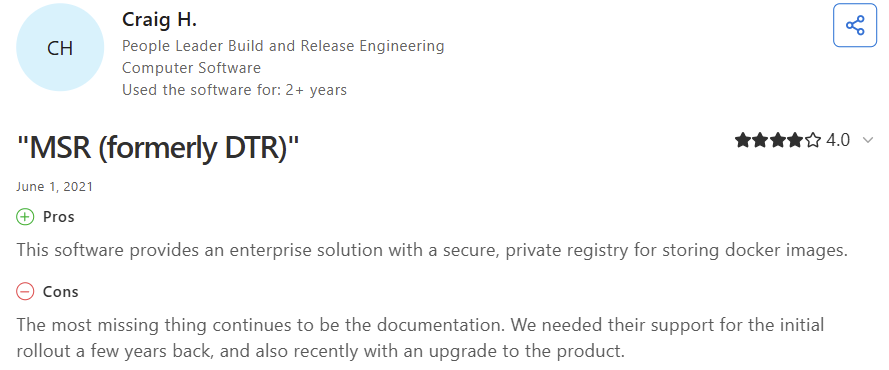
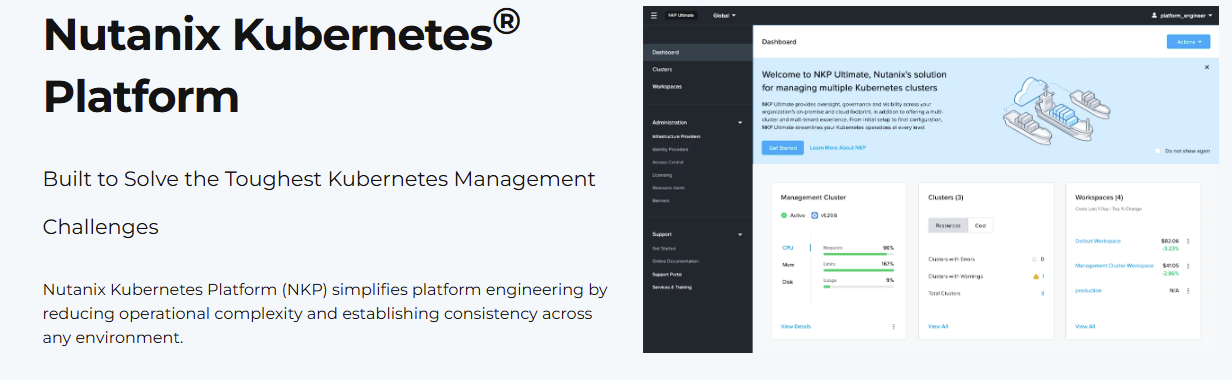
NKP is built for enterprises running Nutanix infrastructure but can also be deployed on public cloud, on-prem or edge environments. It extends the Nutanix Cloud Platform with Kubernetes cluster lifecycle management, hybrid deployment options, and platform-level governance. NKP operates as a full enterprise Kubernetes platform, which means you still need solid Kubernetes expertise to manage and operate it effectively.
Key FeaturesNKP is priced on either the number of physical CPU cores or vCPUs. Contact the sales team for a quote.
Where NKP Shines{{article-pro-tip}}
Customer Review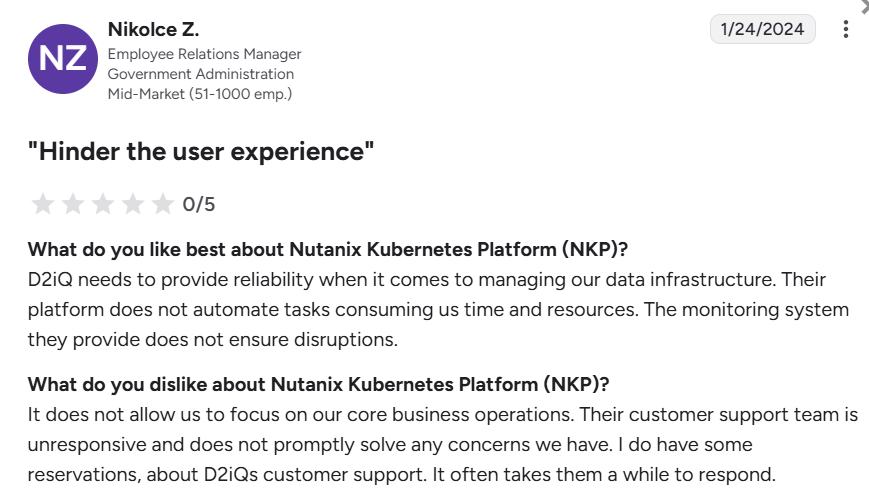
Google Kubernetes Engine is developed on Google’s deep operating containers and offers intense automation, autoscaling, and solid default security. Preferred by organizations developing high-traffic applications or global services.
Key Features| Typical Cost (USD) | Charges based on usage |
|---|
Running containers across development, staging, or production needs a reliable mechanism to keep everything on track.
Here’s how a container management platform can become helpful:
Choosing the best container management platform begins by understanding how it aligns with your daily operations. Here are the central capabilities to assess as you compare the platforms:
Multi-environment SupportA premium platform like Portainer should unify mixed environments with consistent visibility and workflows. This prevents tool sprawl and helps you stay productive even as your infrastructure changes.
As a self-hosted enterprise-level container management platform, Portainer efficiently handles this by supporting Kubernetes, Podman, Docker, and ACI within one interface.
Explore each platform and evaluate how it affects your operational spending, especially if you are managing several clusters. The optimal platform should keep costs predictable and reduce your maintenance load.
Portainer helps you cut costs without compromising on the key capabilities and control you need from a leading container management platform in 2026.
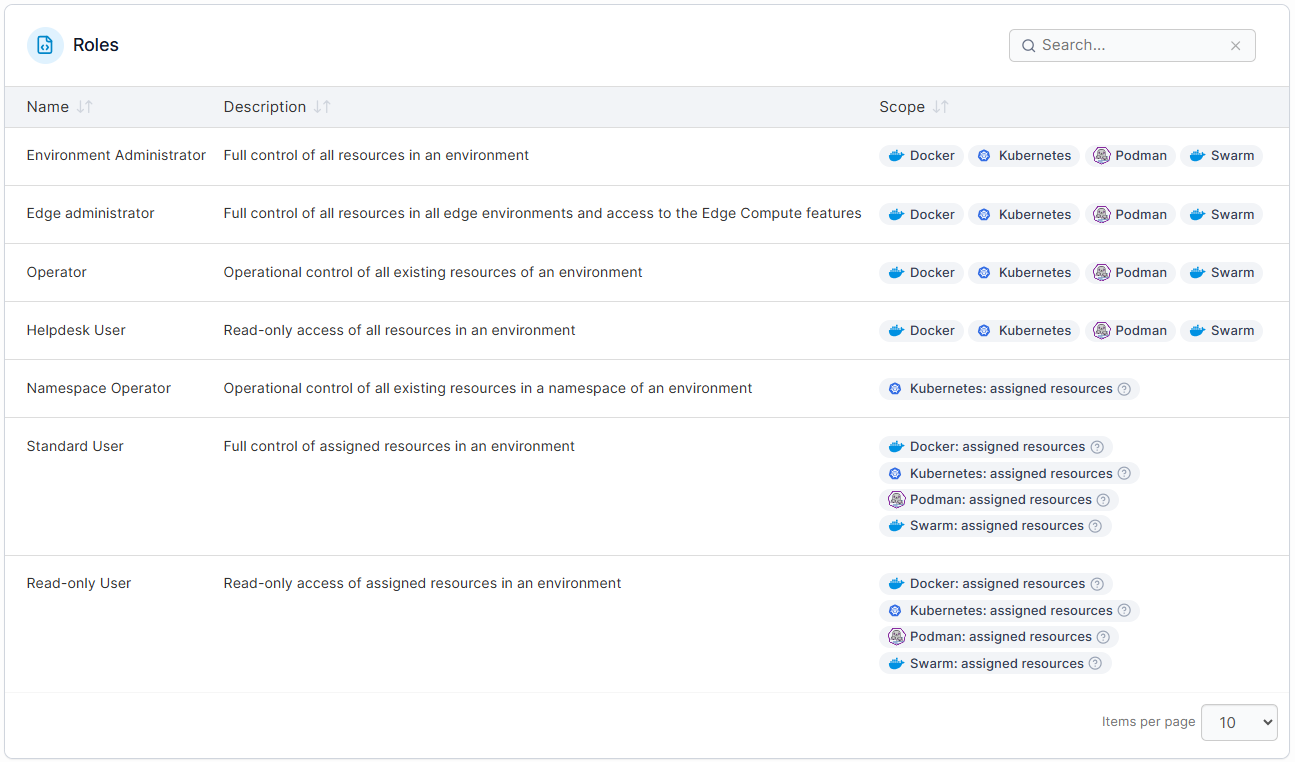
Clear Access Control and GovernanceThe right platform should make it easy for you to assign permissions, maintain compliance, and prevent misconfigurations without unnecessary friction.
The chosen container management software should make it easy for you to deploy updates, monitor rollout status, and ensure the health of each device.
Portainer excels in this by giving you clear visibility into updates across each edge node and device group.
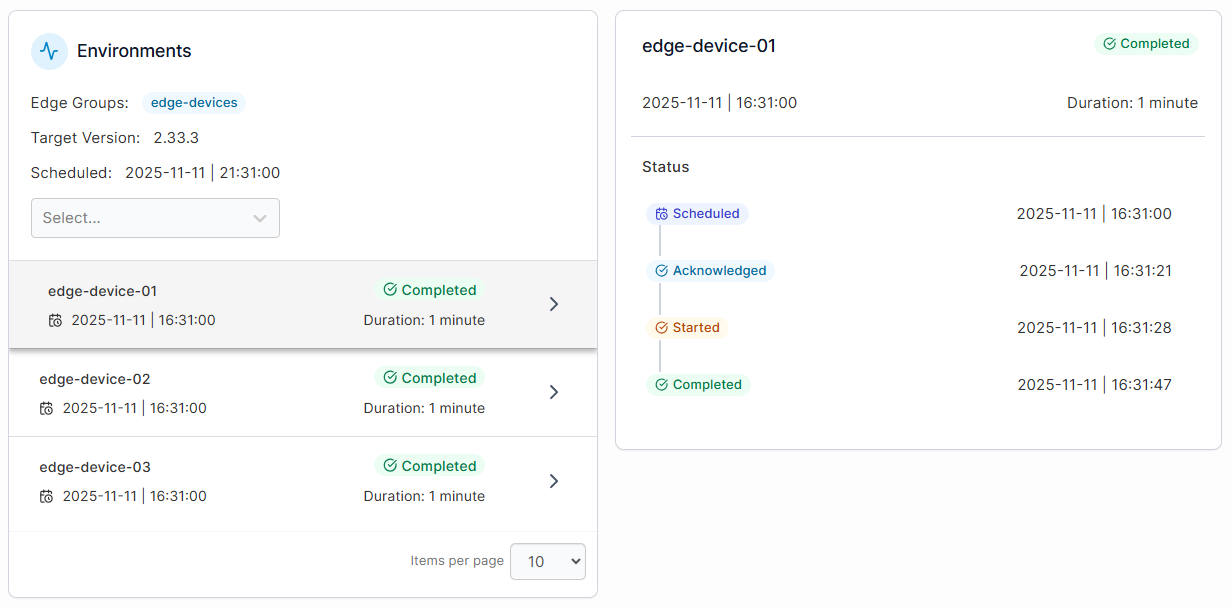
Teams often deal with complex Kubernetes setups, inconsistent tooling and environments that grow faster than they can standardize them.
Portainer helps by giving them a consistent, self-hosted interface to manage containers across Kubernetes, Podman, Docker, and edge environments without extra overhead or lock-in. It keeps their day-to-day work predictable and makes it easier to coordinate tasks across environments.
If you are looking for all of these features, including simplicity and flexibility, then Portainer is the perfect choice for you.
Book a free demo now and explore Portainer in action.
{{article-cta}}
Infrastructure Moves Fast. Stay Ahead.
Subscribe to our monthly newsletter| # | Наименование новости | Тональность | Информативность | Дата публикации |
|---|---|---|---|---|
| 1 | 5 Best Container Monitoring Tools in 2026: Features & More | 0 | 7 | 02-03-2026 |
| 2 | DevOps Containers: A Practical Guide for DevOps Teams in 2026 | 0 | 7 | 03-03-2026 |
| 3 | 2026 Enterprise Container Management: Solutions & Expert Tips | 0 | 7 | 26-05-2026 |
| 4 | Top 9 Container Orchestration Platforms In 2026 (Expert Picks) | 0 | 5 | 06-03-2026 |
| 5 | 7 Best Kubernetes Deployment Tools in 2026: In-Depth Review | 5 | 7 | 02-05-2026 |
| 6 | 7 Best Kubernetes Managed Service Providers for 2026 | 0 | 7 | 17-03-2026 |
| 7 | 7 Best Deployment Automation Tools in 2026: Ranked & Reviewed | 0 | 8 | 22-05-2026 |
| 8 | 10 Container Security Best Practices for Enterprises in 2026 | 5 | 8 | 05-01-2026 |
| 9 | 2026 Kubernetes Deployment Guide: How to, Solutions & More | 5 | 8 | 03-05-2026 |
| 10 | 7 Best Kubernetes Management Tools Tested & Ranked for 2026 | 0 | 5 | 06-05-2026 |