Просмотр новости
Найдите то, что Вас интересует
 Спутники
 РН
РН SpaceX
 Роскосмос
 NASA
NASA
СпутникиРНSpaceXРоскосмосNASABackground The persistence of democratic elections does not necessarily guarantee the preservation of substantive democracy. Although Indonesia’s constitutional framework establishes presidential elections as a mechanism for exercising popular sovereignty through direct, competitive, and periodic elections, recent electoral developments have raised concerns regarding institutional independence, political equality, and the integrity of electoral competition. The 2024 presidential election provides an important context for examining how democratic institutions may be weakened through formal legal and institutional mechanisms while maintaining the appearance of democratic legitimacy. Methods This study employs a normative juridical approach combined with conceptual and case-based analysis. The research examines constitutional provisions, electoral regulations, Constitutional Court decisions, official state documents, and relevant scholarly literature concerning electoral authoritarianism, competitive authoritarianism, democratic backsliding, and institutional capture. The collected materials are analyzed descriptively and analytically to identify the mechanisms through which institutional arrangements and political power relations influence electoral competition in Indonesia’s 2024 presidential election. Results The study demonstrates that electoral authoritarian tendencies in Indonesia operate not through the elimination of elections, but through the gradual distortion of democratic institutions and processes. Institutional capture is reflected in the reinterpretation of presidential candidacy requirements, the politicization of state resources, particularly social assistance programs, the weakening of electoral management institutions, and the consolidation of dominant political coalitions that limit effective opposition. These dynamics have contributed to an uneven electoral playing field and weakened the capacity of elections to function as instruments of democratic accountability. Conclusions The study concludes that Indonesia’s 2024 presidential election illustrates a pattern of democratic erosion in which formal electoral procedures remain intact while substantive democratic principles are increasingly constrained. Protecting constitutional democracy requires strengthening institutional independence, ensuring neutrality in the use of state resources, restoring effective checks and balances, and reinforcing the resilience of electoral institutions against political capture.
Democracy and the general election process are two closely related elements (Mochtar, 2025) whereby elections serve as the main mechanism for realizing people’s sovereignty, legitimizing power, and enabling citizens’ political participation in a democratic system. The process of selecting leaders through competitive elections is a fundamental mechanism in modern democratic systems (Huntington, 1991). Elections serve as the primary means of channeling the sovereignty of the people while determining the legitimacy of the ruling political power. Open competition between candidates allows citizens to assess, compare, and choose leadership alternatives rationally based on their political preferences. Elections cannot be understood merely as an administrative procedure for the transfer of power, but rather as a normative instrument that reflects the principles of representation, participation, and political accountability (Huntington, 1991).
The implementation of elections that do not meet democratic standards has the potential to reduce the meaning of people’s sovereignty and obscure the essence of democracy itself. The principles of general elections that emphasize honest, free, and fair implementation are key prerequisites for the substantive functioning of democracy. Without guarantees of these principles, elections risk becoming mere political rituals that lose their legitimacy and fail to authentically reflect the will of the people, as these principles function not only as normative standards but also as sine qua non for the realization of power legitimacy and the sustainability of democracy.
In line with this concept, Indonesia, as a republic that embraces democracy, views elections as the main arena for the people to express their sovereignty, as well as a constitutional means of establishing the legitimacy of political power that is lawful and sustainable in a state governed by the rule of law. When traced back to the historical background of the formation of the state, as in the BPUPK session, debates surrounding the democratic system adopted by Indonesia arose in several discussions by the founding fathers. For example, Soekarno’s idea of the five basic principles of statehood, namely Indonesian nationality, internationalism or humanity, consensus or democracy, social welfare, and belief in God. In the section on consensus and democracy, Soekarno explained that the Indonesian state was not founded for one person but “all for all. One for all, and all for one.” Therefore, to strengthen Indonesia’s foundations as a newly independent country, the principle of representative deliberation should be applied.
The trajectory of democracy in Indonesia has been marked by significant fluctuations over time. Since independence, Indonesia has experienced several democratic configurations, including liberal democracy, guided democracy, and Pancasila democracy during the New Order era. Despite its normative association with Pancasila, democratic practice under the New Order failed to embody the values enshrined in that ideology. Political power was consolidated under President Soeharto, who relied heavily on the People’s Consultative Assembly (MPR) as an institutional mechanism to sustain his rule, resulting in more than three decades of uninterrupted leadership characterized by authoritarian governance. The erosion of democracy during the New Order can be attributed to multiple structural factors, including the absence of meaningful executive power rotation, closed and exclusionary political recruitment, elections that lacked substantive democratic competition, limited protection of human rights, and the systematic entrenchment of corruption, collusion, and nepotism. Collectively, these conditions undermined democratic accountability and constrained political pluralism in Indonesia (Wijaya, 2014).
The New Order regime ultimately collapsed during the 1998 Reformasi, marking a significant transformation in Indonesia’s national and state life following the end of authoritarian rule. The Reformasi period created space for institutional and political restructuring, while simultaneously encouraging collective efforts within Indonesian society to reconstruct the meaning of democracy, which had been substantially reduced and delegitimized during the New Order era (Nasution, 2009). This change is also reflected in the amendments to the 1945 Constitution of the Republic of Indonesia. One of the most important changes is the design of direct elections for the President and Vice President. Article 22E of the 1945 Constitution of the Republic of Indonesia. With this system, the People’s Consultative Assembly (MPR) no longer holds the sovereignty of the people to elect the president and vice president. This development aligns with the core meaning of democracy as government “of the people, by the people, and for the people,” as reflected in the first direct election of the President and Vice President, which was held in 2004.
Despite Indonesia’s formal designation as a democratic state, democratic practice has proven far more complex than its normative constitutional framework suggests. Similar experiences have been observed in other transitional democracies, where the formal establishment of democratic institutions does not necessarily eliminate the institutional and political legacies of authoritarian governance. Research on Chile demonstrates that authoritarian legacies may continue to shape contemporary democratic engagement and influence how citizens interact with democratic institutions even decades after democratization (Martins, 2025).
The implementation of democracy has not progressed as smoothly as envisioned in existing legal and institutional arrangements. The introduction of direct elections, while constituting a significant procedural advancement, has not automatically translated into a substantive improvement in the quality of democracy. Since the first direct presidential election in 2004, Indonesia has yet to demonstrate a consistent and significant increase in its Democracy Index (Indeks Demokrasi Indonesia/IDI) (Economist Intelligence Unit, 2024). This stagnation indicates that electoral mechanisms alone are insufficient to consolidate democratic governance. Structural constraints, institutional weaknesses, and persistent challenges in political accountability continue to shape democratic outcomes. The IDI, which measures various dimensions of democratic performance, including civil liberties, political rights, and democratic institutions, provides an empirical illustration of these limitations. Trends reflected in the index suggest that democratic consolidation remains uneven and vulnerable to regression. The following Figure 1 presents the trajectory of Indonesia’s Democracy Index, highlighting the gap between procedural democratization and the substantive realization of democratic principles.
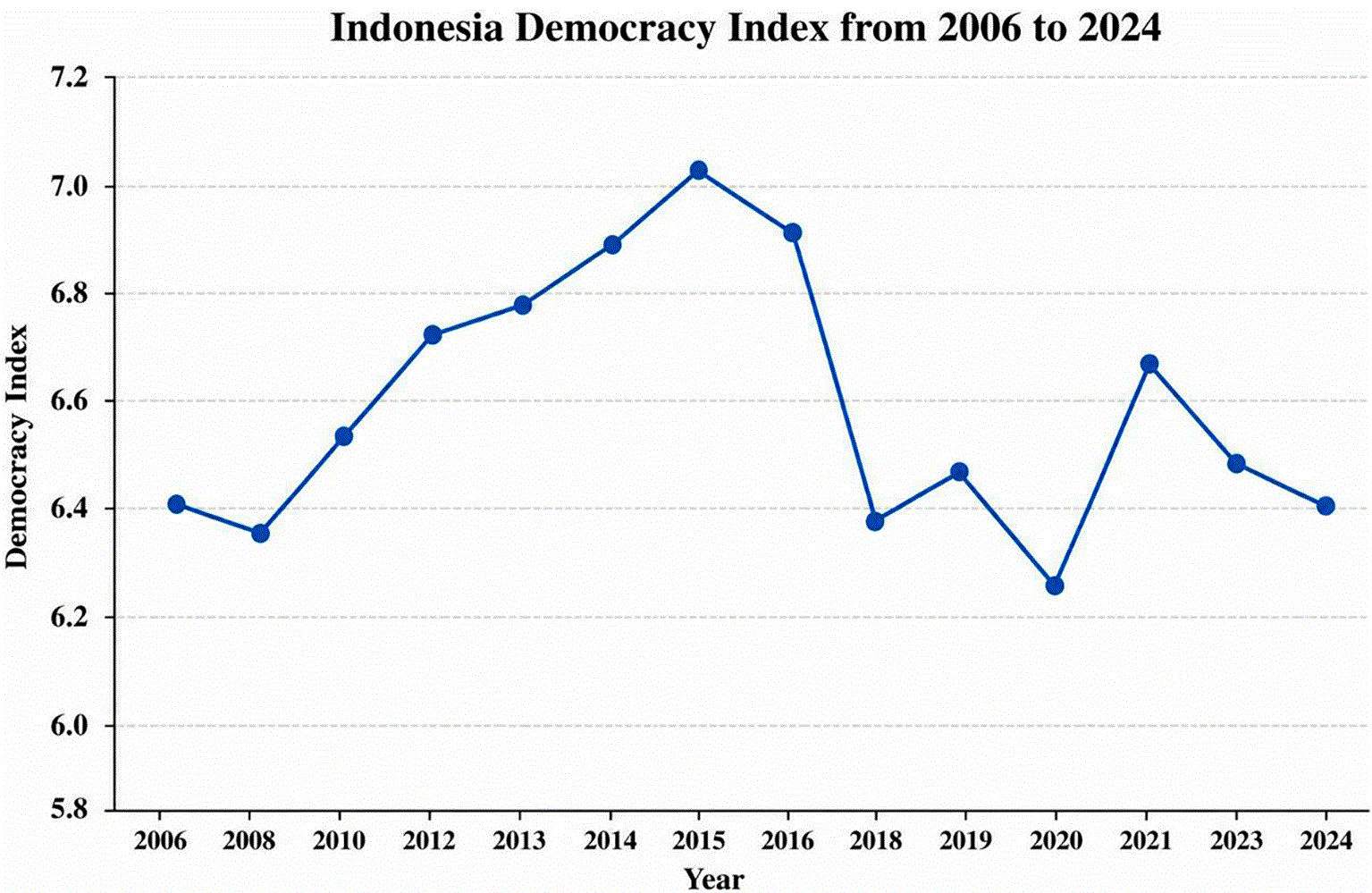
Based on Figure 1, Indonesia’s democracy index has been consistent at 6 since 2006, except in 2015 when it reached its highest index of 7.03. From 2016 to 2024, the democracy index has been inconsistent and tends to decline. With these figures, Indonesia’s democracy is classified as a flawed democracy, which means “some weaknesses in democratic institutions and culture” (Economist Intelligence Unit, 2024). This indicates that Indonesia is currently experiencing democratic backsliding.
The classification of Indonesia as a flawed democracy corresponds with empirical realities indicating a growing public concern over the quality of its democratic practices, particularly in relation to the presidential and vice-presidential elections. The implementation of the 2024 general election generated substantial debate, especially regarding allegations of procedural irregularities and pervasive conflicts of interest. These controversies have raised questions about electoral integrity and political neutrality within democratic institutions. The 2024 presidential election closely reflects the concept of electoral authoritarianism as articulated by Andreas Schedler, in which formally democratic electoral processes are systematically manipulated to preserve incumbent power while maintaining a facade of democratic legitimacy (Schedler, 2002). According to Schedler, electoral authoritarianism refers to a condition in which elections are formally conducted in accordance with established procedures, yet their underlying mechanisms are systematically manipulated, thereby undermining electoral integrity and distorting the substantive democratic character of the electoral process (Schedler, 2002).
In line with this perspective, Levitsky and Way, in their work “The New Competitive Authoritarianism,” introduce the concept of competitive authoritarian regimes, defined as political systems in which democratic institutions formally exist but operate within fundamentally unequal conditions. Such regimes tend to emerge in contexts characterized by fragile democratic foundations, weak economic structures, ineffective law enforcement institutions, underdeveloped private sectors and civil society, and political oppositions that lack the organizational capacity to effectively challenge those in power (Levitsky & Way, 2020). Under such conditions, electoral competition becomes highly susceptible to systematic manipulation. Weak state institutions facilitate the concentration and abuse of power by incumbent actors, thereby undermining effective oversight mechanisms. At the same time, media organizations, business actors, and political opposition groups with limited resources occupy structurally disadvantaged positions, rendering them more vulnerable to co-optation within the power networks of incumbents or dominant political parties (Levitsky & Way, 2020).
The foregoing arguments are highly pertinent to the conduct of Indonesia’s 2024 presidential and vice-presidential elections, during which practices indicative of electoral authoritarianism emerged even prior to the formal commencement of the electoral process. The strategic instrumentalization of the Constitutional Court to accommodate specific candidacies, the exploitation of incumbency advantages to advance favored contenders, the involvement of civil servants in campaign activities, and the politicization of state resources, including social assistance programs, collectively demonstrate systematic distortions of electoral competition. Moreover, the consolidation of nearly all political parties within a dominant governing coalition significantly curtailed the role of opposition forces, thereby eroding meaningful political contestation. Taken together, these dynamics exemplify features of competitive authoritarianism, wherein formally democratic procedures are preserved while their substantive integrity is undermined through structurally unequal and manipulated electoral practices.
If left unchecked, these conditions risk further eroding democratic values within electoral processes, thereby complicating efforts to realize elections that are free, secret, honest, and fair as constitutionally mandated. The normalization of electoral authoritarian practices may entrench structural inequalities and weaken institutional safeguards that are essential for democratic accountability. This article therefore seeks to analyze the impact of electoral authoritarianism on electoral processes and to assess its implications for the quality of democracy in Indonesia. Employing the analytical framework developed by Levitsky and Way on electoral and competitive authoritarianism, the study examines the dynamics of institutional capture in shaping electoral outcomes. The significance of this research lies in its contribution to preserving electoral integrity and preventing deeper democratic regression. Consistent with the focus of “Electoral Authoritarianism and Institutional Capture in Indonesia’s 2024 Presidential Elections,” this study offers a critical evaluation of the structural forces that threaten democratic consolidation and underscores the urgent need to strengthen institutional resilience to safeguard Indonesia’s democratic trajectory.
Based on the growing tension between the constitutional design of presidential elections and their empirical implementation, Indonesia’s recent electoral experience raises critical questions regarding the substantive quality of its democratic process. Although presidential elections are formally conducted in accordance with constitutional principles, increasing concerns have emerged over the concentration of political power, the erosion of institutional independence, and the narrowing of electoral competition. These dynamics suggest the presence of authoritarian tendencies operating within an ostensibly democratic framework, thereby necessitating a systematic examination of the mechanisms through which electoral processes are instrumentalized for political consolidation. Accordingly, this study is guided by the following research questions:
1) How does electoral authoritarianism manifest in Indonesia’s presidential elections through mechanisms of institutional capture within a formally constitutional democratic framework?
2) How do elite dominance and the absence of effective political opposition structurally undermine electoral integrity and weaken the principles of free, fair, and competitive elections in Indonesia?
This article employs a normative juridical research method that focuses on the analysis of law as a normative system, emphasizing legal principles, doctrines, and authoritative legal texts rather than empirical data (Sumardjono, 2021). The research is designed to examine electoral authoritarianism within Indonesia’s 2024 presidential election by analyzing the interaction between constitutional norms, institutional practices, and political power relations as reflected in formal legal arrangements and authoritative decisions.
The study relies primarily on secondary legal materials, consisting of primary legal sources such as the 1945 Constitution of the Republic of Indonesia, statutory regulations governing elections, decisions of the Constitutional Court, and official state policy documents related to electoral governance. These materials are complemented by secondary sources, including scholarly writings, academic journal articles, and theoretical works on electoral authoritarianism, democratic backsliding, and constitutional democracy. Tertiary materials, such as legal dictionaries and encyclopedias, are used to support conceptual clarification where necessary.
In order to structure the analysis, this research applies three interrelated approaches. First, a statute approach is employed to examine the constitutional and legislative framework regulating presidential elections, with particular attention to the principles of electoral integrity, political equality, and institutional independence. Second, a conceptual approach is utilized to engage with key theoretical frameworks on electoral authoritarianism, particularly to assess how democratic procedures may be formally preserved while substantively distorted through legal and institutional mechanisms. Third, a case approach is adopted to analyze specific legal and political developments surrounding the 2024 presidential election, most notably Constitutional Court decisions and state practices that significantly affected the configuration of electoral competition.
The collected legal materials are analyzed using a descriptive-analytical method. This method allows the research to systematically describe relevant legal norms and institutional practices, while simultaneously assessing their implications for democratic governance and electoral integrity. Through this approach, the study seeks to identify patterns of institutional capture and power consolidation that operate within formally democratic legal structures. By situating constitutional norms within their broader political and institutional context, the research aims to provide a comprehensive understanding of how electoral authoritarianism manifests in Indonesia without departing from a normative legal analytical framework.
The study demonstrates that institutional capture represents a central mechanism shaping the dynamics of Indonesia’s 2024 presidential election. The findings reveal that electoral competition was influenced not only by formal constitutional procedures but also by institutional arrangements that affected the conditions of political contestation. The reinterpretation of presidential and vice-presidential candidacy requirements through Constitutional Court Decision Number 90/PUU-XXI/2023 constituted a significant institutional change that altered the electoral framework during the election cycle. Although the change was implemented through a formal constitutional review process, its application affected the structure of electoral competition by expanding eligibility requirements and modifying the conditions under which candidates could participate. The study shows that the utilization of state resources during the electoral period contributed to an unequal competitive environment.
The analysis identifies a substantial increase in social assistance expenditure during the 2024 election period, accompanied by the distribution of welfare programs in close proximity to the presidential election. These findings indicate that public policy instruments designed to achieve social welfare objectives operated within a political context where their timing, implementation, and public perception became connected to electoral competition. This condition affected the principle of state neutrality, which is essential for maintaining fair competition among electoral participants. The findings further demonstrate that the independence and institutional capacity of electoral management bodies constitute important factors influencing electoral integrity. The study identifies institutional vulnerabilities related to oversight capacity, political pressure, and challenges in maintaining neutrality during politically sensitive electoral processes. These conditions affected the ability of electoral institutions to fully perform their constitutional functions in safeguarding free, fair, and competitive elections. The study also finds that the consolidation of dominant political coalitions significantly influenced the structure of electoral competition.
The expansion of governing coalitions within the legislature reduced the effectiveness of opposition forces in performing oversight functions and weakened institutional checks and balances. The concentration of political support among governing actors created an asymmetrical political environment in which access to institutional resources and political networks was distributed unevenly among electoral competitors. The overall findings demonstrate that democratic challenges in Indonesia’s 2024 presidential election did not emerge through the removal of electoral procedures or the abandonment of constitutional mechanisms. Instead, the electoral process continued to operate within formal democratic institutions while experiencing substantive distortions resulting from institutional capture, unequal access to political resources, and weakened oversight mechanisms. Accordingly, the research findings indicate that the primary challenge facing Indonesia’s constitutional democracy lies in the gap between formal democratic arrangements and their practical implementation. The existence of electoral institutions alone does not guarantee democratic integrity when institutional independence, political equality, and accountability mechanisms are progressively weakened.
The relationship between the conduct of elections, the multiparty system, and the stability of authoritarian regimes demonstrates a high degree of complexity in governance (Abdullah, 2024) because the implementation of general elections will pose significant challenges for governments in both authoritarian and democratic countries (Knutsen et al., 2017) due to dependence on public approval and attracting attention from potential voters to encourage the impression of choice (Wilson & Andersen, 2024). Therefore, in an electoral authoritarianism system, multiparty elections are still held periodically to elect the chief executive and national legislative bodies (Miller, 2017).
In general, autocrats often prefer to avoid general elections, but are forced to hold them due to factors such as pressure from the opposition, the masses, or the elite, as well as pressure from the international community (Guriev & Treisman, 2020). Therefore, autocrats tend to allow multiparty electoral competition if they have a party organization that they believe can win elections for them. Thus, autocrats tend to maintain the loyalty of their supporters by providing them with access to economic opportunities and resources that benefit them, with the aim of maintaining power through domestic political strategies, such as integrating political elites into the party hierarchy (Svolik, 2012) as well as by expanding control over society (Miller, 2017).
This strategy encouraged the formation of a strong and organized coalition of supporters, while also being designed to maintain a system of representation that benefited those in power and ensured that the opposition remained fragmented and unable to mount an effective challenge (Gandhi et al., 2022). The implementation of these elections substantially limited the fulfillment of democratic values, particularly as a means of equal political competition, a mechanism for accountability of power, and an instrument for free and fair leadership change.
In the practice of Electoral Authoritarianism, general elections are still held inclusively through the application of universal suffrage and the opening of space for multiparty participation, including the participation of opposition parties. Opposition parties are still allowed to obtain votes and seats, but their chances of actually winning power remain limited. Violations of the principles of freedom, justice, and equal political competition are carried out systematically, so that general elections no longer function as a means of changing power, but rather as a tool to maintain and perpetuate existing power. Thus, elections in an electoral authoritarian system serve more as a mechanism of political legitimacy than as an instrument of democracy (Schedler, 2006).
Based on this description, it can be asserted that electoral authoritarianism is a form of political regime in which general elections are still held regularly and formally, but do not meet the standards of free and fair democracy because the electoral process is systematically manipulated by those in power to maintain their power (Harvey, 2016). Control over the electoral process is exercised in various ways, essentially aimed at reducing uncertainty over the election results. These efforts can begin with the drafting of non-neutral election rules, restrictions on the participation of opposition parties and certain candidates, and violations of the political rights and civil liberties of the opposition. In addition, those in power often restrict the opposition’s access to the mass media and campaign funding, impose formal and informal restrictions on the voting rights of opposition supporters, and use pressure or incentives to influence the political choices of the public (Schedler, 2006).
This practice is often referred to as “democracy as a deception,” meaning that democratic mechanisms formally meet procedural standards but do not function effectively in channeling the will of the people (Schedler, 2006). This condition is relevant to the socio-political conditions in Indonesia, providing an analytical framework for understanding the practice of electoral authoritarianism, whereby general elections function not only as a democratic mechanism, but also as a means of legitimizing power.
Presidential elections in Indonesia are constitutionally designed as the primary mechanism for exercising popular sovereignty within a democratic framework. Article 6A of the 1945 Constitution of the Republic of Indonesia explicitly states that:
(1) The President and Vice President are elected as a pair directly by the people.
(2) Candidates for President and Vice President shall be nominated by political parties or coalitions of political parties participating in the general election prior to the general election.
(3) The pair of candidates for President and Vice President who obtain more than fifty percent of the votes in the general election, with at least twenty percent of the votes in each province spread across more than half of the provinces in Indonesia, shall be inaugurated as President and Vice President.
(4) In the event that no presidential and vice-presidential candidate pair is elected, the two candidate pairs that receive the first and second highest number of votes in the general election shall be elected directly by the people, and the pair that receives the most votes shall be inaugurated as President and Vice President.
(5) The procedures for electing the President and Vice President are further regulated by law.
Based on Article 6A of the 1945 Constitution of the Republic of Indonesia, as amended, and in conjunction with Law (UU) No. 7 of 2017 on General Elections, the regulation of presidential and vice-presidential elections encompasses three principal dimensions: electoral law, electoral process, and law enforcement. The electoral law dimension governs the electoral system for the President and Vice President, the delineation of electoral districts, nomination procedures, voting methods, and mechanisms for determining and certifying elected candidates. The electoral process dimension regulates the organization and participants of elections, including the stages of administering presidential and vice-presidential elections. The law enforcement dimension focuses on electoral supervision and the enforcement of legal provisions to ensure that elections are conducted in accordance with democratic principles and the prevailing legal framework (Indarja, 2018).
Furthermore, Article 22E paragraph (2) of the 1945 Constitution of the Republic of Indonesia places the election of the President and Vice President on par with the election of representative institutions, indicating that executive contests are an integral part of Indonesia’s representative democracy system. This arrangement reinforces the post-reform presidential system, which clearly separates the source of executive legitimacy from the legislative body, while also emphasizing that the President’s mandate comes directly from the people. However, this constitutional design implicitly requires conditions of open political competition, state neutrality, and equal opportunities for all election participants. If these conditions are not met, the implementation of presidential elections has the potential to lose its substantive meaning as a mechanism for realizing people’s sovereignty, even though it remains formally in accordance with constitutional provisions.
In addition, Article 22E paragraph (5) of the 1945 Constitution of the Republic of Indonesia stipulates that general elections shall be organized by a national, permanent, and independent general election commission. This provision reflects the constitutional awareness that the integrity of elections is highly dependent on the independence of the election organizing institution from the influence of political power. In the context of the sub-discussion on the constitutional setting of presidential elections in Indonesia, this norm is a key element that links constitutional design with electoral practice. When the independence of the election organizing body is reduced or overshadowed by the intervention of power, the electoral principles as formulated in Article 22E paragraph (1) are at risk of being degraded. Therefore, Article 22E not only regulates the procedures for electing the president, but also determines the institutional conditions that influence whether presidential elections can proceed in accordance with the objectives of the constitution or lose their meaning in practice.
Changes to electoral rules are often made in the context of electoral authoritarianism (Gandhi et al., 2022) especially when there is an imbalance of power within coalitions that allows those in power to unilaterally design and change electoral policies for their own political interests. In Indonesia, changes to election regulations are evident in Constitutional Court Decision Number 90/PUU-XXI/2023 concerning the Review of Article 169 letter q of Law Number 7 of 2017 concerning General Elections, which significantly changes the requirements for presidential and vice presidential candidates. A comparison of these changes can be seen in the following table:
Based on Table 1, it can be seen that the changes to the requirements for presidential and vice-presidential candidates in the 2024 elections do not remove the minimum age limit of 40 years, but add an alternative clause in the form of experience of having held or currently holding a position elected through general elections, including regional heads. The addition of this norm substantially shifts the meaning of the age requirement from a purely biological measure to electoral legitimacy based on job experience. Normatively, this change appears neutral and general, but in the political context of the 2024 elections, this regulation cannot be separated from the existing factual situation.
The new regulation was widely perceived as a “red carpet” for Gibran Rakabuming Raka (President Joko Widodo’s son), who at that time did not meet the age requirement of 40 years but had served as Mayor of Surakarta through general elections. At the same time, presidential candidate Prabowo Subianto took advantage of this dynamic by making Gibran Rakabuming Raka his running mate in the 2024 election as a political strategy to gain President Joko Widodo’s support and build legitimacy as a figure perceived as the successor to national leadership.
The ease of altering electoral rules is reinforced by autocratic power structures supported by political and economic elites who provide strategic resources to the regime, including political legitimacy, institutional backing, and material capital, thereby enabling the consolidation and sustainability of authoritarian governance (Gandhi et al., 2022). In the context of partisan elections involving the ruling party, these elites act as part of a supporting coalition that has the electoral capacity to outperform opposition candidates through popularity, charisma, control of political networks, and access to campaign resources. This is evident in the significant increase in the social assistance budget, from Rp 443.5 trillion in 2023 to Rp 496.8 trillion in 2024, or an increase of around Rp 53.3 trillion (12 percent), which coincides with the year of the general election (Tempo, 2024a).
This increase coincided with the distribution of social assistance in the form of rice worth Rp 78.06 trillion since January 2024 The timing of this increase closely coincided with the campaign period for the presidential and vice-presidential elections, thereby creating conditions conducive to shaping voter preferences. A substantial rise in social protection expenditures between 2019 and 2024 (Tempo, 2024b) is presented in the following Figure 2, underscoring the strategic deployment of fiscal policy within an electoral context.
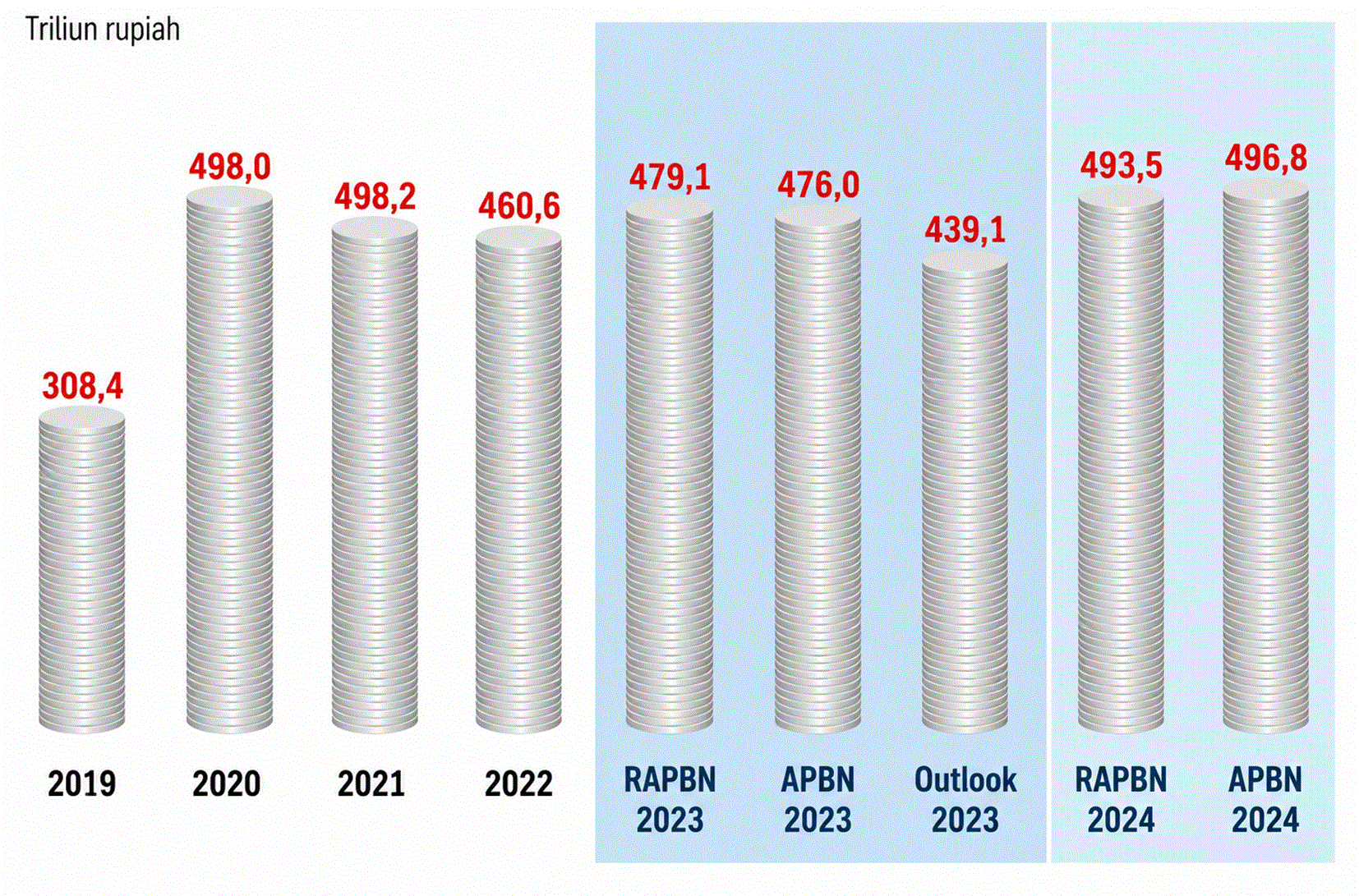
As can be seen in the Figure 2 above, the significant increase in the allocation of the social protection budget, particularly in the period leading up to and during election years, shows that fiscal policy is not entirely positioned as a neutral welfare instrument, but rather has the potential to be used as a strategic political resource. The surge in the budget during the 2024 Draft State Budget and State Budget phases, which approached and even exceeded previous highs, indicates the massive role of the state in the distribution of social assistance during political moments. The expansion of the social protection budget provides indirect electoral benefits for incumbent actors or ruling coalitions (Gianie, 2024) when social assistance distribution takes place in a weak institutional environment and under election supervision that is not fully independent, welfare policies risk undergoing pseudo-depoliticization, formally valid and legal, but substantively functioning as a mechanism for legitimizing power.
Furthermore, Levitsky and Way argue that regimes characterized by competitive authoritarianism maintain democratic institutions formally, but in practice these institutions are systematically co-opted and manipulated to ensure the continuity of power. This pattern is evident in the political dynamics of post-reform Indonesia, where electoral contests continue to take place procedurally, but there is a significant structural imbalance between incumbent candidates or ruling coalitions and their challengers. This imbalance cannot be understood solely as a consequence of legitimate electoral superiority, but rather as a result of unequal access to state institutions, public resources, and the bureaucratic apparatus. Constitutionally, all three should be run based on the principles of neutrality and impartiality (Levitsky & Way, 2010).
The concrete manifestation of competitive authoritarianism in Indonesia’s electoral democracy is reflected in the weakening of institutional resilience and the independence of election organizing bodies, such as the General Election Commission and the Election Supervisory Agency, which are not entirely free from the intervention of those in power, but rather have become important instruments in creating an uneven playing field that benefits those in power. The independence of these institutions is often eroded through commissioner selection mechanisms that are laden with political interests, elite pressure on decision-making, and the criminalization or delegitimization of election oversight functions (Hayoz et al., 2025).
Government intervention in state institutions during the election process constitutes institutional capture, which is a situation where state institutions are used by incumbent politicians to increase their chances of winning the election by using their power (Chesterley & Roberti, 2018). In the Indonesian context, the influence of the executive and the ruling coalition on the formulation of technical election regulations, budget management and allocation, and the formation of informal relationships between political elites and election organizers have created conditions in which electoral institutions have experienced a reduction in their substantive capacity to uphold the principle of electoral justice (Hayoz et al., 2025).
In addition to institutional control mechanisms, the tendency toward electoral authoritarianism also lies in the use of state apparatus and public resources in the political contestation process. The mobilization of a bureaucracy that should be neutral, the politicization of social assistance programs as electoral instruments, and the domination of public narratives ultimately contribute to the creation of an unfair game. When these violations are not dealt with effectively and consistently by election organizers and law enforcement agencies, institutional bias becomes not just incidental, but institutionalized. Deviations from the principle of electoral justice tend to be accepted as part of political normality, which then obscures the function of law and democratic institutions as mechanisms for limiting power (Mietzner, 2020).
The consequences of weakening institutional resilience and independence of electoral institutions have shifted the function of presidential elections from a democratic instrument to a mechanism for legitimizing power. Although elections continue to produce governments that are procedurally and constitutionally legitimate, the electoral process has increasingly lost its substantive meaning as a means of articulating the free and equal will of the people. This phenomenon confirms that the continuity of electoral democracy is not always directly proportional to the quality of democracy itself. This then reinforces the concept of democratic backsliding, whereby the decline of democracy occurs gradually through legal and institutional mechanisms, rather than through open dismantling of the constitutional order (Bermeo, 2016).
In Indonesian political dynamics, the reduction of the function of general elections as an instrument of democratic accountability is reflected in the increasing dominance of executive power over the electoral process and results. Various academic and non-academic studies and reports indicate that elections are held under conditions of structural inequality. The exploitation of state resources, the politicization of the bureaucracy, and the use of social assistance programs as electoral instruments are part of institutionalized and perpetuated practices. This pattern not only erodes the principle of state neutrality but also significantly limits the space for equal competition among election participants, resulting in an unbalanced electoral contest (Gianie, 2024).
That electoral malpractice can essentially be classified into three main categories, namely manipulation of electoral rules and legal frameworks, manipulation in the formation and expression of voter preferences, and manipulation at the voting and vote counting stages, all of which have a direct impact on the erosion of electoral integrity. These categories are evident in the process of electing the President and Vice President in Indonesia, where manipulation of the electoral framework is reflected in regulatory changes that have a direct impact on the configuration of candidates; manipulation in the formation and expression of voter preferences is evident in the use of state resources and public policies that intersect with electoral interests; while manipulation at the voting and vote counting stages is reflected in the weak enforcement of the principle of neutrality of state apparatus and election organizing institutions.
All of these patterns of manipulation show that the main problem with electoral authoritarianism is not the elimination of general elections as a formal mechanism of democracy, but rather the process of controlling and weakening the institutions that organize elections (The Global State of Democracy, 2023). This phenomenon is in line with Indonesian literature findings that highlight the transformation of electoral democracy towards an increasingly elitist and concentrated pattern. Mietzner, for example, shows that authoritarian innovations in post-reform Indonesia were not realized through the cancellation of elections, but rather through the narrowing of the contestation arena, the weakening of the opposition, and the normalization of illiberal practices by the executive (Mietzner, 2020). This pattern is reinforced by the tendency for parliament to become increasingly subordinate to the governing coalition, thereby undermining the effectiveness of checks and balances. As a result, elections continue to be held regularly and are nominally competitive, but they are no longer capable of correcting the imbalance of power.
Substantive democracy requires a balance between inclusive political participation and liberalization of the public contestation space. In the Indonesian context, the expansion of participation rights through direct elections and universal suffrage demonstrates a relatively high level of inclusiveness, but at the same time faces erosion of liberalization due to the narrowing of the opposition space, asymmetry of political resources, and the weakening of countervailing institutions. This configuration places Indonesia’s electoral democracy in a regime that is closer to inclusive hegemony, namely, the maintenance of political power not through exclusion or overt repression, but through the expansion of coalitions, the co-opting of potential opposition actors, and the integration of various interests into the existing power structure, so that this domination appears inclusive, consensual, and formally democratic (Dahl, 1971).
These dynamics can be understood through a conceptual framework of democracy that emphasizes two main dimensions, namely political competition and participation, as shown in the following Figure 3:
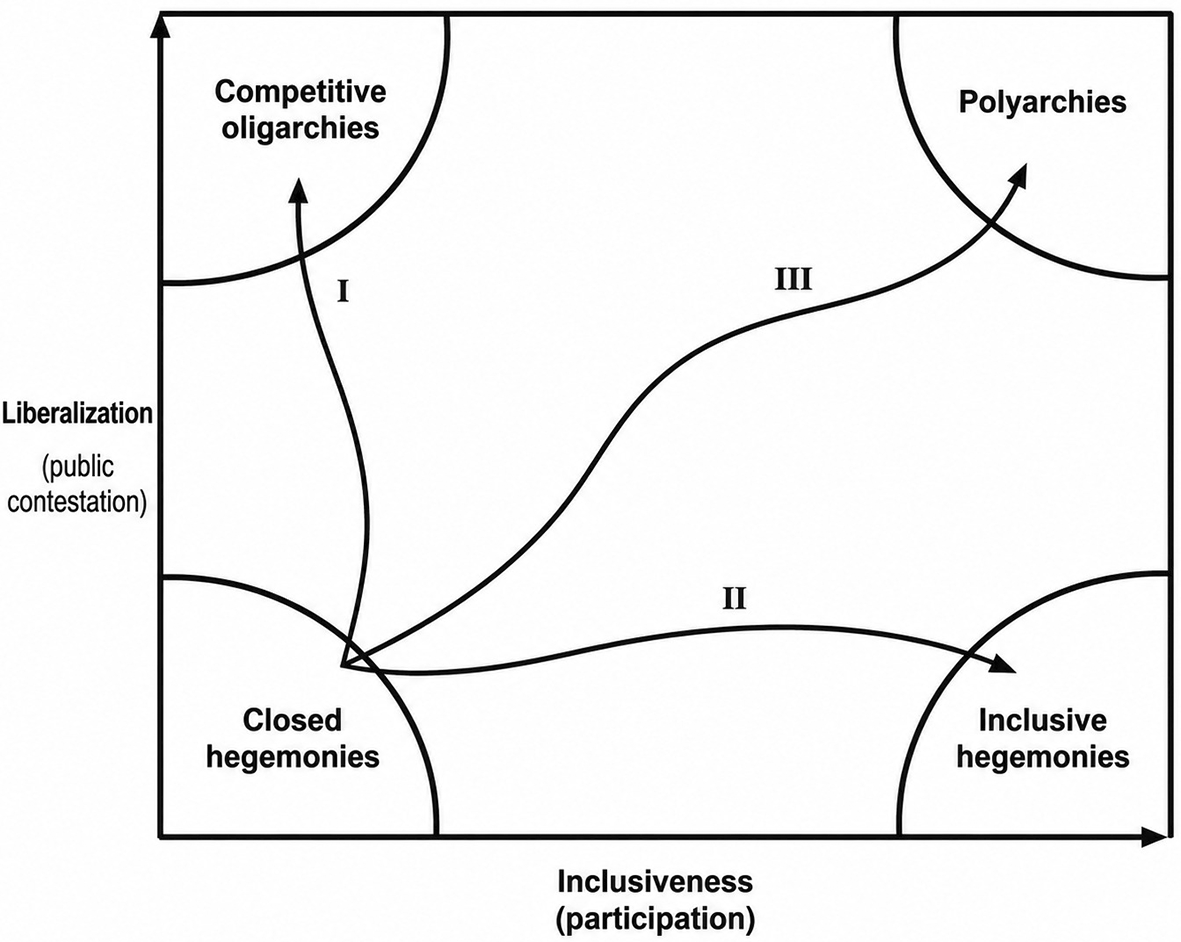
The Figure 3 illustrates Robert A. Dahl’s conceptual framework regarding the relationship between liberalization (public contestation) and inclusiveness (political participation) as the two main dimensions of democratization. The vertical axis shows the level of liberalization, which is the extent to which political competition, freedom of expression, and public contestation are guaranteed, while the horizontal axis illustrates the level of inclusiveness, which is the extent to which political participation rights are widely granted to citizens. In this typology, closed hegemonies are at the lowest position in terms of both liberalization and inclusiveness, reflecting a closed political system with strict restrictions on participation and competition. Meanwhile, inclusive hegemonies show an increase in political participation, but there is still minimal free competition, so power remains centralized even though it is formally inclusive. Conversely, competitive oligarchies are characterized by relatively open political competition, but participation is still limited to certain groups (Dahl, 1971). The pinnacle of democratization in Dahl’s framework is polyarchies, which occur when liberalization and inclusivity are both high, resulting in fair political competition and broad participation.
Transition paths (I, II, and III) describe the possible paths that a political system may take in the process of moving toward democracy. Path I emphasizes liberalization without significant expansion of participation, path II emphasizes expansion of participation without adequate liberalization, while path III shows the ideal process in which liberalization and inclusiveness develop simultaneously toward polyarchy. In the context of electoral studies and electoral integrity, this framework emphasizes that democracy is not only measured by the openness of competition, but also by equality of opportunity and fairness of the rules of the game.
Thus, the weakening of one of these dimensions, for example through the manipulation of nomination norms, can distort the direction of democratization and result in procedural democracy that appears inclusive in form but has been degraded in substance. At this point, electoral authoritarianism emerges as a serious constitutional challenge, because such practices not only obscure the principle of popular sovereignty, but also erode the meaning of elections as a key pillar of constitutional democracy (Dahl, 1971). This degradation is clearly manifested in Indonesia’s constitutional practices, particularly when observing the configuration of political forces in parliament, especially the relationship between the governing coalition and the opposition, which can influence the administration of government.
The dominance of an extensive governing coalition accompanied by a narrowing of the opposition’s space in the legislature not only reflects inequality in political competition, but also indicates the existence of mechanisms of co-optation and fragmentation of the opposition that are characteristic of electoral authoritarianism. The configuration of political party coalitions and opposition in the Indonesian House of Representatives during President Joko Widodo’s administration (2019–2024) can be seen in the following Table 2 below:
Table 2 represents the large coalition in the Indonesian House of Representatives for the 2019–2024 period, as shown in Table 3, becomes much more problematic when viewed in the context of the 2024 presidential and vice presidential elections, particularly because President Joko Widodo will still be in office when the contest takes place, while his son, Gibran Rakabuming Raka, is running as a vice presidential candidate alongside Prabowo Subianto. This situation creates a very strong intersection between incumbent power, the structure of the parliamentary coalition, and the electoral competition process, which is theoretically an ideal condition for the operation of electoral authoritarianism.
In the perspective of competitive authoritarianism as described by Levitsky and Way, the involvement of incumbents in shaping and controlling the political arena for electoral interests is a common pattern in political systems that are formally democratic but deviate in practice. General elections are still held in accordance with the constitutional framework, but the space for competition is narrowed through control over state institutions, the use of public resources, and the consolidation of political support. In this context, the dominance of Jokowi’s coalition in the Indonesian House of Representatives serves as an effective political support, so that policies and political practices that potentially benefit candidates with family ties to the incumbent can take place without facing significant political opposition.
The dominance of Jokowi’s governing coalition in parliament not only weakens the opposition’s function as a check and balance, but also opens the door to the normalization of conflicts of interest in the electoral process. When the incumbent head of state has a direct interest in the election results through the candidacy of his family members, the neutrality of state power becomes a serious constitutional issue. In this context, the large coalition in the House of Representatives acts as a political shield that effectively reduces the institutional capacity of parliament to critically oversee the use of executive authority during the election stages.
The weak role of the opposition in parliament, coupled with the strong political position of the incumbent, has created a situation that facilitates changes to rules and interpretations of the constitution for specific interests. This can be seen in the changes to the requirements for presidential and vice-presidential candidacy through Constitutional Court Decision Number 90/PUU-XXI/2023, which allows the nomination of figures who previously did not meet the age limit. This situation shows that concentrated political power and minimal institutional oversight can influence the direction of legal decision-making in the electoral process. It demonstrates that electoral authoritarianism in Indonesia operates through legal and institutional mechanisms, rather than through open dismantling of the constitutional democratic order.
Political cartelization is the cause of the decline of democracy in Indonesia, where all elite forces unite so that there is no check and balances system that can protect the integrity of institutions (Warburton & Aspinall, 2019). This is clearly seen in the 2024 election and post-election process. In the 2024 election process, it was clear that the involvement of President Jokowi’s administration was one of the keys to Prabowo’s success in being elected as President of the Republic of Indonesia for the 2024–2029 term. An example of this was the politicization of social assistance ahead of the democratic process (elections). This was then reinforced by Decisions Number 1/PHPU.PRES-XXII/2024 and Number 2/PHPU.PRES-XXII/2024 regarding the filing of a lawsuit over the disputed results of the 2024 presidential election, in which three Constitutional Court judges (Saldi Isra, Enny Nurbaningsih, and Arief Hidayat) expressed dissenting opinions to the majority opinion.
The three Constitutional Court judges highlighted the distribution of social assistance, which they considered inappropriate in terms of timing, as it was close to the election process. According to them, the distribution of social assistance was actually being used as a tool to gain advantage in the election. The parties that benefited from this situation were the candidate pairs who had structural proximity to the center of power at that time. Prabowo Subianto ran for president with the support of President Joko Widodo’s administration, while Gibran Rakabuming Raka held the dual position of mayor of Surakarta and son of the incumbent president. In this context, it can be concluded that the Prabowo-Gibran pair were the ones who benefited most from the politicization of social assistance by the previous administration. This is reinforced by the fact that the party coalitions during the administrations of Joko Widodo and Prabowo Subianto were not significantly different, as can be seen in Table 3 below:
Table 3 illustrate that the political party coalition supporting Prabowo Subianto’s administration in the Indonesian House of Representatives for the 2024–2029 period, there appears to be continuity in the political power configuration after the 2024 elections. Despite a formal change in the presidency, the structure of political support in parliament shows the continued influence of the previous administration, particularly through the position of the elected vice president, who is the son of President Joko Widodo. This situation signifies a shift in power that is not entirely discontinuous, but rather takes place within the framework of a relatively controlled elite transition.
The presence of parties that were major supporters of Jokowi’s administration, such as Gerindra, Golkar, PAN, and the Democratic Party, in the Indonesian Coalition for Progress shows that the political base of the new administration is built on the foundation of a coalition that was already established during the previous administration. In this context, the nomination and election of Gibran Rakabuming Raka as Vice President strengthens the link between the previous administration and the administration resulting from the 2024 elections. The family relationship between the previous President and the Vice President-elect places the transition of power in a situation that is vulnerable to perceptions of conflict of interest, especially when linked to the incumbent’s active role in the political process leading up to the elections.
From an institutional perspective, the composition of the coalition in Table 3 shows that the new government has sufficient parliamentary support to secure its political agenda and strategic legislation. However, the strength of the coalition also implies limited space for the opposition to exercise effective oversight. The PDIP, despite its significant seat base, faces structural challenges in counterbalancing the dominance of the government coalition, especially when other parties that were previously in the orbit of power maintain their strategic positions in parliament.
In the context of the 2024 elections, this political power structure shows that the election competition is taking place under conditions that are not entirely balanced. The election of a president and vice president who have direct ties to the previous president not only reflects the voters’ choice, but also shows how the support of large parties and concentrated political forces can influence the direction of leadership change. Therefore, the data in Table 3 shows that the change of government after the 2024 elections reflects more of a continuation of power than a truly new political change, which ultimately affects the quality of democracy and government accountability.
The Prabowo-Gibran coalition, known as the Indonesian Coalition for Progress (KIM), then attempted to prevent opposition within the government by creating a very large and dominant power structure, primarily through Law No. 61 of 2024 concerning Amendments to Law No. 39 of 2008 concerning State Ministries (Law Number 61 of 2024). A number of parties suspect that this amendment to the law on state ministries was made to accommodate the political interests of Prabowo Gibran and his supporters (YOSSIHARA, 2024). The formation of a large coalition has the potential to cause inequality in the next election process. Incumbents tend to embrace political actors who were previously outside the circle of power in order to strengthen their position and political stability ahead of the next electoral contest. This condition weakens the position of candidates from the opposition camp, who will face significant difficulties in competing with incumbent candidates due to the imbalance of political resources and electoral power. The absence of genuine opposition parties, coupled with the dominance of parties that merely appear to enjoy popular electoral support, characterizes the majority of contemporary authoritarian regimes (Wilson & Andersen, 2024).
This study demonstrates that Indonesia’s 2024 presidential election reflects significant tensions between constitutional democratic design and the practical operation of electoral institutions. Although the electoral process continued to function within a formal democratic framework, the findings reveal that institutional capture, unequal access to political resources, and weakened oversight mechanisms have affected the substantive quality of electoral competition. The persistence of constitutional procedures alone does not necessarily guarantee democratic integrity when institutional arrangements are vulnerable to political influence. The study further shows that electoral authoritarian tendencies emerge through gradual and legalized mechanisms rather than through the direct abandonment of democratic institutions. Changes in electoral regulations, the strategic use of state resources, the weakening of institutional independence, and the consolidation of dominant political coalitions demonstrate how democratic processes may be maintained in form while experiencing substantive constraints in practice.
These findings contribute to the broader discussion on democratic backsliding by illustrating how institutional vulnerabilities can transform electoral mechanisms into instruments of political consolidation. The Indonesian experience highlights that safeguarding constitutional democracy requires more than maintaining regular elections; it requires strengthening institutional autonomy, ensuring neutrality in the use of state resources, improving oversight capacity, and preserving effective political competition. Ultimately, the resilience of constitutional democracy depends on the ability of democratic institutions to maintain independence, accountability, and equal conditions of political contestation. Without sustained institutional reforms, electoral procedures risk becoming mechanisms of political legitimation rather than genuine instruments for expressing popular sovereignty.
Not applicable.
AI tools were used only for language editing, grammar checking, literature searches, and reference support during the preparation of this manuscript. The author remains solely responsible for all analyses, interpretations, conclusions, and original contributions, having reviewed and approved the final manuscript.