Просмотр новости
Найдите то, что Вас интересует
 Спутники
 РН
РН SpaceX
 Роскосмос
 NASA
NASA
СпутникиРНSpaceXРоскосмосNASA
One of the nation’s fastest-growing cities is facing a growing budget gap: The City of Fort Worth proposed a plan on Tuesday to combat a nearly $80 million shortfall with a property tax hike.
The recommended Fiscal Year 2027 budget offers a detailed look at how city leaders plan to address a significant budget shortfall while maintaining services for the city’s more than 1 million residents.
City leaders say outdated property appraisals and a surge in tax protests contributed to the shortfall. According to city budget information, the deficit increased from an estimated $49 million in June to roughly $77 million following updated tax valuation data from area appraisal districts. Property taxes account for a significant portion of the city’s general fund revenue, making slower-than-expected growth particularly impactful on budget planning.
“Even though we’ve had a big influx of new development and new values of over $2 billion, our residential existing property values have actually been going the other way,” said Jay Chapa, Fort Worth City Manager.
The presentation comes one week after Chapa informed the Fort Worth City Council that the city is facing a budget deficit of nearly $80 million for fiscal year 2027, a figure that grew substantially after newly certified property tax rolls came in lower than city officials had projected.
Chapa explained that as home prices fell, the Tarrant Appraisal District’s new system of reappraising every three years instead of annually meant city leaders were working off of old information. More revenue was also being lost to litigation– meaning more people were protesting and winning, reducing their property taxes.
“We’re in that position because we didn’t project all those things to happen, and it’s never happened before,” Chapa said.
Part of Chapa’s solution to balance the budget comes in the form of a 3.2 cent increase in taxes.
He said not all homeowners will see property tax costs go up, since home values are decreasing.
“Because the average homeowner and the average price of a home went down about 13, a little bit over $13,000,” Chapa said. “When you apply the new tax rate, which is 3.2 cents higher. It actually equates to a drop in the overall tax bill by about $21.”
However, nine departments are increasing their fees, so folks can expect a total of $7.09 more per month for things like solid waste, environmental, stormwater and wastewater services.
As city leaders weigh spending decisions, Fort Worth officials have pointed to feedback collected through a city survey.
The survey, which was open from May 12 through June 30, received more than 2,000 responses from residents and asked participants which city services matter most to their quality of life and which programs they would most want protected from potential budget reductions.
Survey results show public safety emerged as the top priority. Residents identified police response, fire and EMS services among the programs most important to their quality of life. Streets and mobility also ranked among the highest priorities.
When asked which city programs should be protected from possible budget cuts, respondents again placed fire, EMS and police services at the top of the list, followed by streets, parks and animal care services.
The survey also found some residents were more willing to accept reductions in areas such as economic development programs and neighborhood services if cuts become necessary.
The proposed $4 billion budget prioritizes police, fire and emergency medical services, with some of those departments actually expanding in FY27.
The budget proposal includes an 8.5% pay increase for firefighters and 6% increase for police officers. It also includes 77 new police officers and full funding for the Axon 911 project, which uses artificial intelligence to translate emergency calls in real time.
The budget also accounts for increasing healthcare costs, which city leaders say they are not passing down to employees.
Chapa said vacant positions have been eliminated and/or frozen to cut costs, and raises for general employees would decrease from 5% to 1.5%.
Other proposed reductions include getting rid of the Fire department’s Homeless Outreach Programs and Enforcement (HOPE), which many city council members expressed concern over.
“So, do we raise the tax rate more to get that done? Do we look at other areas to reduce to get that done? At the end of the day, it’s got to be a balanced budget,” Chapa said.
The city’s fiscal year runs from Oct. 1 through Sept. 30, and state law requires Fort Worth to adopt a balanced budget each year, meaning planned spending cannot exceed projected revenue.
The city council is expected to continue budget discussions next week before holding a public hearing in September. A final vote on the budget and tax rate is currently scheduled for the Sept. 15 council meeting.
One of the nation's fastest-growing cities is facing a growing budget gap: The City of Fort Worth proposed a plan on Tuesday to combat a nearly $80 million shortfall with a property tax hike.
The recommended Fiscal Year 2027 budget offers a detailed look at how city leaders plan to address a significant budget shortfall while maintaining services for the city's more than 1 million residents.
City leaders say outdated property appraisals and a surge in tax protests contributed to the shortfall. According to city budget information, the deficit increased from an estimated $49 million in June to roughly $77 million following updated tax valuation data from area appraisal districts. Property taxes account for a significant portion of the city's general fund revenue, making slower-than-expected growth particularly impactful on budget planning.
"Even though we've had a big influx of new development and new values of over $2 billion, our residential existing property values have actually been going the other way," said Jay Chapa, Fort Worth City Manager.
The presentation comes one week after Chapa informed the Fort Worth City Council that the city is facing a budget deficit of nearly $80 million for fiscal year 2027, a figure that grew substantially after newly certified property tax rolls came in lower than city officials had projected.
Chapa explained that as home prices fell, the Tarrant Appraisal District's new system of reappraising every three years instead of annually meant city leaders were working off of old information. More revenue was also being lost to litigation-- meaning more people were protesting and winning, reducing their property taxes.
"We're in that position because we didn't project all those things to happen, and it's never happened before," Chapa said.
The latest news from around North Texas.

Part of Chapa's solution to balance the budget comes in the form of a 3.2 cent increase in taxes.
He said not all homeowners will see property tax costs go up, since home values are decreasing.
"Because the average homeowner and the average price of a home went down about 13, a little bit over $13,000," Chapa said. "When you apply the new tax rate, which is 3.2 cents higher. It actually equates to a drop in the overall tax bill by about $21."
However, nine departments are increasing their fees, so folks can expect a total of $7.09 more per month for things like solid waste, environmental, stormwater and wastewater services.
As city leaders weigh spending decisions, Fort Worth officials have pointed to feedback collected through a city survey.
The survey, which was open from May 12 through June 30, received more than 2,000 responses from residents and asked participants which city services matter most to their quality of life and which programs they would most want protected from potential budget reductions.
Survey results show public safety emerged as the top priority. Residents identified police response, fire and EMS services among the programs most important to their quality of life. Streets and mobility also ranked among the highest priorities.
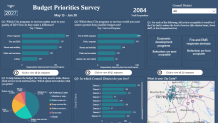
When asked which city programs should be protected from possible budget cuts, respondents again placed fire, EMS and police services at the top of the list, followed by streets, parks and animal care services.
The survey also found some residents were more willing to accept reductions in areas such as economic development programs and neighborhood services if cuts become necessary.
The proposed $4 billion budget prioritizes police, fire and emergency medical services, with some of those departments actually expanding in FY27.
The budget proposal includes an 8.5% pay increase for firefighters and 6% increase for police officers. It also includes 77 new police officers and full funding for the Axon 911 project, which uses artificial intelligence to translate emergency calls in real time.
The budget also accounts for increasing healthcare costs, which city leaders say they are not passing down to employees.
Chapa said vacant positions have been eliminated and/or frozen to cut costs, and raises for general employees would decrease from 5% to 1.5%.
Other proposed reductions include getting rid of the Fire department's Homeless Outreach Programs and Enforcement (HOPE), which many city council members expressed concern over.
"So, do we raise the tax rate more to get that done? Do we look at other areas to reduce to get that done? At the end of the day, it's got to be a balanced budget," Chapa said.
The city's fiscal year runs from Oct. 1 through Sept. 30, and state law requires Fort Worth to adopt a balanced budget each year, meaning planned spending cannot exceed projected revenue.
The city council is expected to continue budget discussions next week before holding a public hearing in September. A final vote on the budget and tax rate is currently scheduled for the Sept. 15 council meeting.
| # | Наименование новости | Тональность | Информативность | Дата публикации |
|---|---|---|---|---|
| 1 | City of Austin proposes $6.6 billion budget | 0 | 7 | 11-07-2026 |
| 2 | Fort Worth worth takes first steps toward data center moratorium, regulations | 0 | 6.18 | 11-08-2026 |
| 3 | City of Fort Worth reaches a proposed $11.2M settlement with Atatiana Jefferson's estate | 0 | 5.83 | 11-08-2026 |
| 4 | EPISD adopts new tax rate, but more than 20,000 homeowners will pay nothing | 0 | 22.49 | 16-09-2026 |
| 5 | Increased tax rate expected in Springfield's finalized budget | 0 | 5 | 14-07-2026 |
| 6 | Fort Worth releases timeline for data center rules, moratorium | 0 | 8.13 | 13-07-2026 |
| 7 | Naperville could scrap grocery tax in favor of higher sales tax – Illinois Policy | 0 | 15.41 | 04-08-2026 |
| 8 | Is the city of Austin facing a $26M budget deficit? Not exactly | 0 | 5 | 13-07-2026 |
| 9 | Over one thousand pets are waiting for a new home at the Mega Adoption Event | 0 | 12.64 | 22-07-2026 |
| 10 | Städte und Gemeinden in NRW: Jede dritte Kommune erhöht Grundsteuer | 0 | 7.39 | 01-08-2026 |