Просмотр новости
Найдите то, что Вас интересует
 Спутники
 РН
РН SpaceX
 Роскосмос
 NASA
NASA
СпутникиРНSpaceXРоскосмосNASAWomen’s leadership in educational institutions is a crucial issue in contemporary leadership discourse, particularly regarding demands for inclusivity, social justice, and improving the quality of education. Although women dominate the teaching profession, their representation in strategic leadership positions remains limited due to structural, cultural, and psychological barriers. This study aims to analyze the patterns of women’s leadership in educational institutions, identify the challenges faced, the factors supporting women’s leadership career success, and their impact on educational outcomes and organizational culture. The study used the Systematic Literature Review (SLR) method with reference to the PRISMA procedure. Data sources came from reputable scientific articles indexed by scopus and crossref for the period 2015–2025, with a total of 44 articles analyzed. The results of the study indicate that women’s leadership is pluralistic and contextual, with tendencies toward transformational-feminist, relational-collaborative, intersectional, reflective-resilient, and adaptive leadership. The main barriers include patriarchal organizational culture, gender stereotypes, structural discrimination, limited professional networks, and domestic role conflict. Factors contributing to women’s leadership success include mentoring and sponsorship support, psychological resilience, professional capital, family support, and inclusive institutional policies. This study confirms that women’s leadership positively contributes to the quality of learning, educational innovation, organizational equity, and the resilience of educational institutions.
Educational institutions are the foundation of societal development, shaping future generations and driving social transformation. Leadership within these institutions plays a critical role in determining their effectiveness, capacity for innovation, and ability to respond to contemporary challenges (Lazwardi et al., 2025; Rony et al., 2023; Sliwka et al., 2024; Sudiansyah & Peterianus, 2025). In recent decades, discourse on educational leadership has increasingly integrated a gender perspective, recognizing that leadership is not gender-neutral but is deeply influenced by social constructs, cultural expectations, and systemic barriers. Bass’s transformational leadership theory emphasizes the importance of inspirational motivation and individualized attention qualities that research has shown are often demonstrated by female leaders, yet their representation in top educational positions remain disproportionate (Kadarsah et al., 2025; I. U. Khan et al., 2022; Ladkin & Patrick, 2022; Nuryana & Nugraha, 2025). As education systems worldwide strive for inclusivity and equality, examining women’s leadership in educational institutions has become not merely an academic interest but a practical necessity for organizational excellence and social justice. Despite significant progress in women’s education and workforce participation globally, their representation in educational leadership positions demonstrates a persistent gender gap. According to a 2021 UNESCO report, women comprise approximately 70% of the global teaching workforce, yet they hold only 35% of principal positions and less than 20% of university rector positions worldwide. Specifically, in Indonesia, data from the Ministry of Education, Culture, Research, and Technology shows that while women represent 62% of teachers, they hold only 28% of principal positions and only 15% of university leadership roles. This phenomenon, often referred to as the “glass ceiling” effect in organizational studies, demonstrates that vertical occupational segregation remains a significant challenge in educational governance. This underrepresentation becomes even more pronounced at higher levels of educational administration, indicating that systemic barriers intensify as women rise through the leadership hierarchy.
The historical trajectory of women’s participation in educational leadership reflects a broader social movement toward gender equality (N. N. Johnson, 2021; Lau et al., 2023; Rinaldi & Lumbaa, 2024; S. G. Smith & Sinkford, 2022). Waves of 20th-century feminism, particularly second-wave feminism in the 1960s and 1970s, challenged traditional gender roles and demanded equal opportunities in the professional sphere (Khalid et al., 2024). In the educational context, these movements catalyzed policy reforms such as Title IX in the United States and various gender mainstreaming initiatives globally. Kandiyoti’s concept of the “patriarchal bargain” helps explain how women navigate traditional structures while seeking advancement, often having to adopt strategies that simultaneously challenge and accommodate existing power dynamics. The establishment of international frameworks such as the Beijing Declaration and Sustainable Development Goal 5 on gender equality have further legitimized discussions on women’s leadership, positioning it as essential to achieving quality education (SDG 4) and sustainable development more broadly.
However, women aspiring to educational leadership continue to face multifaceted barriers rooted in structural, cultural, and psychological dimensions (Ghundol & Muthanna, 2025; M. Khan et al., 2025; Massouti et al., 2024; Sunaengsih et al., 2025). Structural barriers include discriminatory hiring practices, a lack of mentoring opportunities, and work-life balance challenges exacerbated by caregiving responsibilities. These barriers, presented as a “labyrinth” rather than a simple glass ceiling, indicate that women navigate a complex and indirect path fraught with subtle biases and systemic disadvantages. Cultural stereotypes perpetuate the notion that leadership is inherently masculine, associating it with decisiveness, quick decisions, and authority traits traditionally aligned with male gender roles. This “think manager think male” phenomenon, extensively documented by Schein, creates a double-binding situation where female leaders face criticism for being perceived as “too soft” or “too aggressive” (Li, 2025; Onozaka & Nemoto, 2023). In many cultural contexts, including Indonesia, these challenges are compounded by traditional values that prioritize women’s domestic roles, creating additional psychological barriers and social expectations that discourage women from pursuing leadership positions.
The existing body of research on women’s leadership in education, while growing, reveals significant gaps that limit a comprehensive understanding of this phenomenon. Most studies focus predominantly on Western and developed contexts, with limited attention to how women’s leadership manifests in diverse cultural, religious, and socioeconomic settings. Furthermore, there is limited empirical evidence comparing the effectiveness of male versus female leaders in educational settings, with contradictory findings across contexts. The intersectionality framework proposed by Crenshaw highlights how gender intersects with race, class, and other identity markers to shape leadership experiences, yet this multidimensional perspective remains underutilized in educational leadership research, particularly in examining how women from marginalized communities navigate leadership roles.
This article aims to critically analyze the current state of women’s leadership in educational institutions by examining the barriers, opportunities, and distinctive contributions that women leaders bring to educational settings. Specifically, this article seeks to: 1) What are the dominant leadership styles and practices employed by female leaders in educational institutions? 2) What are the key barriers and challenges women face in accessing and maintaining leadership positions in education? 3) What factors contribute to the success and career advancement of female leaders in education? 4) What is the impact of female leadership on educational outcomes and organizational culture? This study provides a theoretical framework for understanding how female leadership approaches can enhance educational institutions’ capacity for innovation, inclusivity, and sustainable development.
The significance of this research extends beyond academic inquiry to address pressing practical concerns in educational policy and institutional governance. Understanding female leadership in education contributes to broader efforts toward achieving gender equality as articulated in international development frameworks, while addressing the growing recognition that diverse leadership teams yield better organizational outcomes. Research demonstrates that organizations with greater gender diversity in leadership positions are 25% more likely to achieve above-average profitability, indicating that promoting female leadership is not simply an equality issue but a strategic imperative for institutional excellence. For educational institutions specifically, diverse leadership can model inclusive values for students, improve the quality of decision-making through varied perspectives, and better address the needs of an increasingly diverse student population (Hedija & Němec, 2021; Widagdo et al., 2022).
Furthermore, this research has particular relevance for developing contexts like Indonesia, where rapid educational expansion creates unprecedented opportunities for leadership transformation while traditional gender norms remain influential. By documenting successful cases of women’s leadership in education and identifying the factors that enabled their success, this study can inform targeted interventions, mentoring programs, and policy reforms designed to dismantle barriers and create enabling environments. These findings contribute to the development of a culturally responsive leadership framework that recognizes local contexts while promoting universal principles of equity and excellence. Ultimately, advancing women’s leadership in educational institutions represents an investment in institutional capacity, educational quality, and social progress, recognizing that gender equality and educational excellence are mutually reinforcing goals essential to building equitable and prosperous societies in the 21st century.
This project seeks to comprehensively map, examine, and integrate scientific evidence concerning women’s leadership in educational institutions. The study specifically examines predominant leadership styles and practices, the structural and cultural obstacles encountered by women in leadership roles, the elements that facilitate their success and career progression, and the influence of women’s leadership on educational results and organizational culture. This method aims to deliver a thorough, evidence-based comprehension of the strategic role of women in educational leadership.
This research employs a Systematic Literature Review (SLR) in accordance with the Preferred Reporting Items for Systematic Literature Reviews and Meta-Analyses (PRISMA) guidelines. The PRISMA framework ensures that the processes of literature search, selection, evaluation, and synthesis are undertaken with transparency, methodical rigor, and replicability. The primary stages encompass article identification, preliminary screening according to inclusion and exclusion criteria, a thorough evaluation of article eligibility, and the analysis and synthesis of research findings pertinent to the study’s emphasis.
This study was designed to answer four main research questions: (RQ1) What are the predominant leadership styles and practices employed by women leaders in educational institutions?; (RQ2) What are the main barriers and challenges faced by women in accessing and maintaining leadership positions in education?; (RQ3) What factors contribute to the success and career advancement of women educational leaders?; and (RQ4) What is the impact of women’s leadership on educational outcomes and organizational culture?. These four questions served as the conceptual foundation for data coding, theme grouping, and interpretation of the study results.
The articles in this literature review were sourced from internationally reputable databases, namely Scopus and Crossref, to ensure the quality, credibility, and scientific relevance of the publications analyzed. Included articles were limited to publications within the last ten years, from 2015 to 2025, to capture the latest developments in the discourse on women’s leadership in education. This timeframe limitation also allowed for a more contextual analysis of the social, policy, and organizational dynamics that influence women’s leadership in the contemporary era.
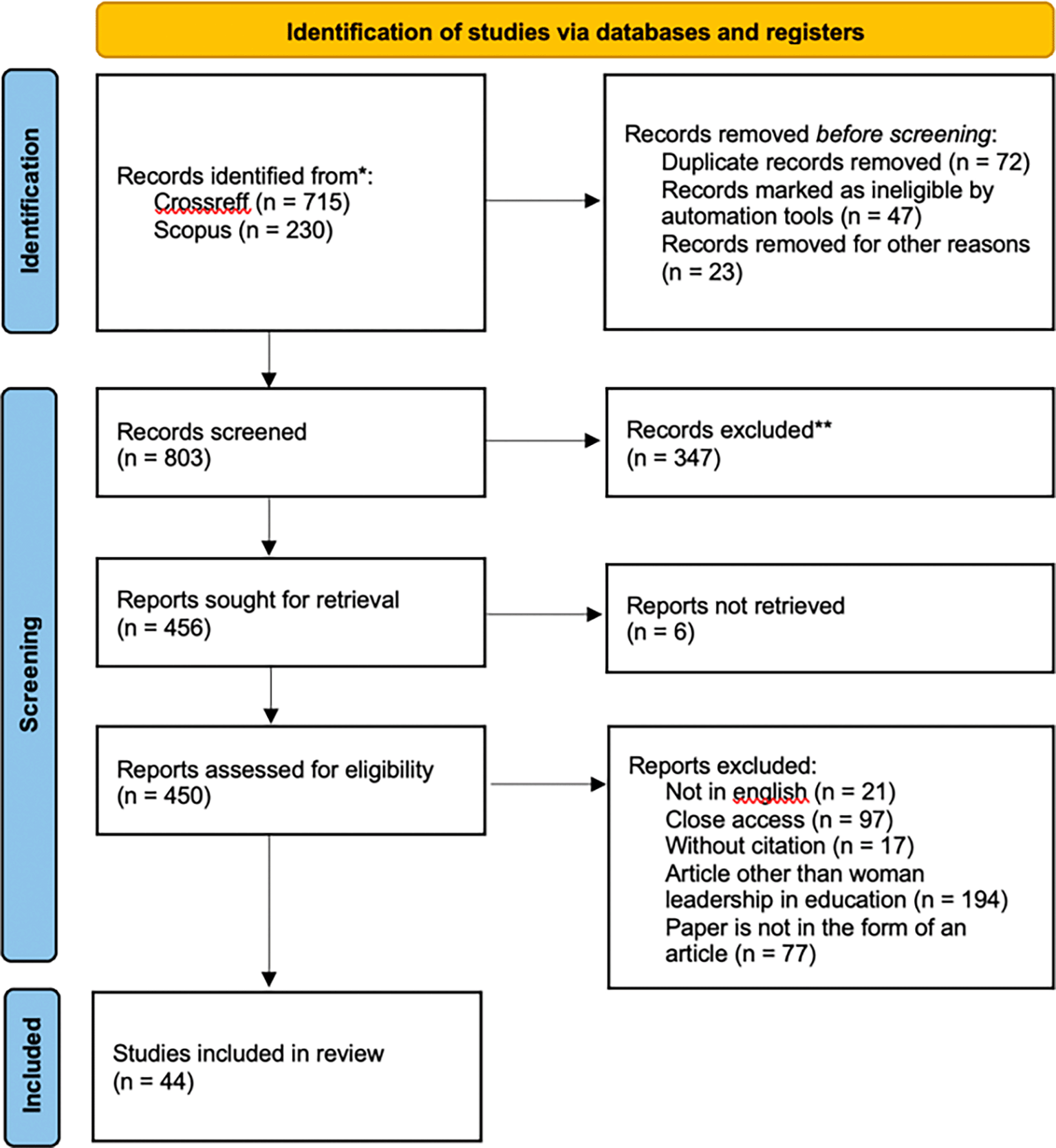
As shown in Figure 1, the PRISMA (Preferred Reporting Items for Systematic Reviews and Meta-Analyses ) protocol was used to guide the methodical literature selection procedure in this investigation. Using keywords related to women’s leadership in educational institutions, such as women’s leadership, educational institutions, gender equality, organizational culture, and systematic literature review, the first stage of identification was carried out using two globally recognized databases, namely Scopus and Crossref. The publication time span was restricted to the years 2015 to 2025 to guarantee the findings’ relevance and recentness. In the second stage, known as initial screening, every article that was discovered was chosen according to pre-established inclusion and exclusion criteria, which are detailed in Table 1. These criteria included things like topic appropriateness, publication language (English), article type (empirical or conceptual scientific articles), and indexing status in reliable databases. The analysis process did not include items that did not fit these criteria, such as editorials, publications that were not fully accessible, proceedings without peer review, or pieces unrelated to women’s leadership in educational institutions. In the third stage, known as eligibility assessment, articles that made it past the screening stage were assessed more thoroughly in terms of methodological quality, analytical depth, and the findings’ applicability to the four primary research questions that make up the study’s conceptual framework: leadership style, organizational culture and educational outcomes, structural and cultural barriers, and the influence of women’s leadership. 44 scientific publications were chosen as the final sample to be examined and thematically synthesized in this study at the inclusion stage. The complete review procedure flow was created to guarantee the literature selection process’s transparency, traceability, and reproducibility so that the synthesis results have high credibility and methodological rigor in accordance with PRISMA-based SLR. Inclusion And Exclusion Criteria can see in Table 1.
a. Publication year: 2015 to 2025
b. Article sources: Scopus and Crossref
c. Focus: Women’s Leadership in Education
d. Publication type: Journal articles
e. Articles written in English
f. Open access articles
a. Articles not in English were removed.
b. Articles with closed access and incomplete information were removed.
c. Articles without citations were removed.
d. Articles other than “Women’s Leadership in Education” were not included.
The selection of articles in this study was carried out based on systematically established inclusion and exclusion criteria as listed in Table 1. Included articles included publications from 2015 to 2025, sourced from the Scopus and crossref databases, focused on women’s leadership in educational institutions, were journal articles, written in English, and were open access. Conversely, articles were excluded if they were not written in English, had closed access status or had incomplete information, had no citations, and had a focus outside the topic of women’s leadership in education. The search keywords used included women leadership, female leadership, women leaders, gender and leadership, and leadership roles of women, resulting in 44 articles eligible for further analysis.
This research results section presents a synthesis of the main findings obtained from a systematic literature review of 44 selected scientific articles. The analysis was conducted thematically by grouping the findings based on four main research focuses: patterns of female leadership in educational institutions, structural and cultural barriers and challenges faced, factors influencing the success and sustainability of female leadership careers, and the impact of female leadership on educational outcomes and organizational culture. The presentation of the results in tabular form is intended to provide a systematic, comparative, and structured mapping of trends in research findings across geographic and methodological contexts. This approach allows for the identification of dominant patterns, thematic variations, and interrelationships between relevant variables, thus providing a strong analytical basis for further discussion in the discussion section. Analysis of article distribution can see in Table 2.
Table 2 presents the distribution of the 44 articles analyzed in this study, including information on article code, author, title, research method, country of origin, and year of publication. The table shows that the majority of articles originate from the United States (A1, A2, A3, A4, A5, A6, A8, A10, A15, A16, A28, A29, A35), followed by other countries such as the United Kingdom, South Africa, Saudi Arabia, China, Kazakhstan, Mexico, and several other developing countries, reflecting the diverse geographic contexts in the study of women’s leadership in educational institutions. In terms of methodology, the articles analyzed are dominated by qualitative approaches, such as phenomenological studies, narratives, and in-depth interviews, although a number of articles also use quantitative approaches, mixed methods, and systematic literature reviews. The publication years range from 2015 to 2025, with the largest concentration in the 2023–2025 period, indicating increasing academic attention to women’s leadership issues over the past decade.
In addition to mapping the findings in tabular form, the author also presents data visualizations in the form of diagrams and figures to strengthen the descriptive analysis of the systematic literature review results. The first visualization depicts the distribution of articles by country of origin, indicating that studies of women’s leadership in education are spread across various geographic contexts, with research predominantly from the United States, Europe, and several Asian and African countries. This diagram aims to provide a comparative overview of the trends in the region most actively studying women’s leadership issues, while also identifying geographical gaps in the literature that remain relatively underexplored, particularly in developing countries.
The second visualization presents a diagram of the publication years of the articles analyzed in this study. The diagram shows an increasing trend in publications over the past decade, particularly in the 2023–2025 period, indicating growing academic attention to women’s leadership in educational institutions. This temporal data presentation serves to emphasize the relevance and topicality of the research topic and demonstrates that women’s leadership issues continue to evolve in line with the dynamics of education policy, demands for gender equality, and global social change. Therefore, the use of diagrams and figures is not only illustrative but also serves as an analytical tool to strengthen the interpretation of the research results. Distribution Of Articles by Country (The Colored Part Is the Country of Origin of the Article) can see in Figure 2.
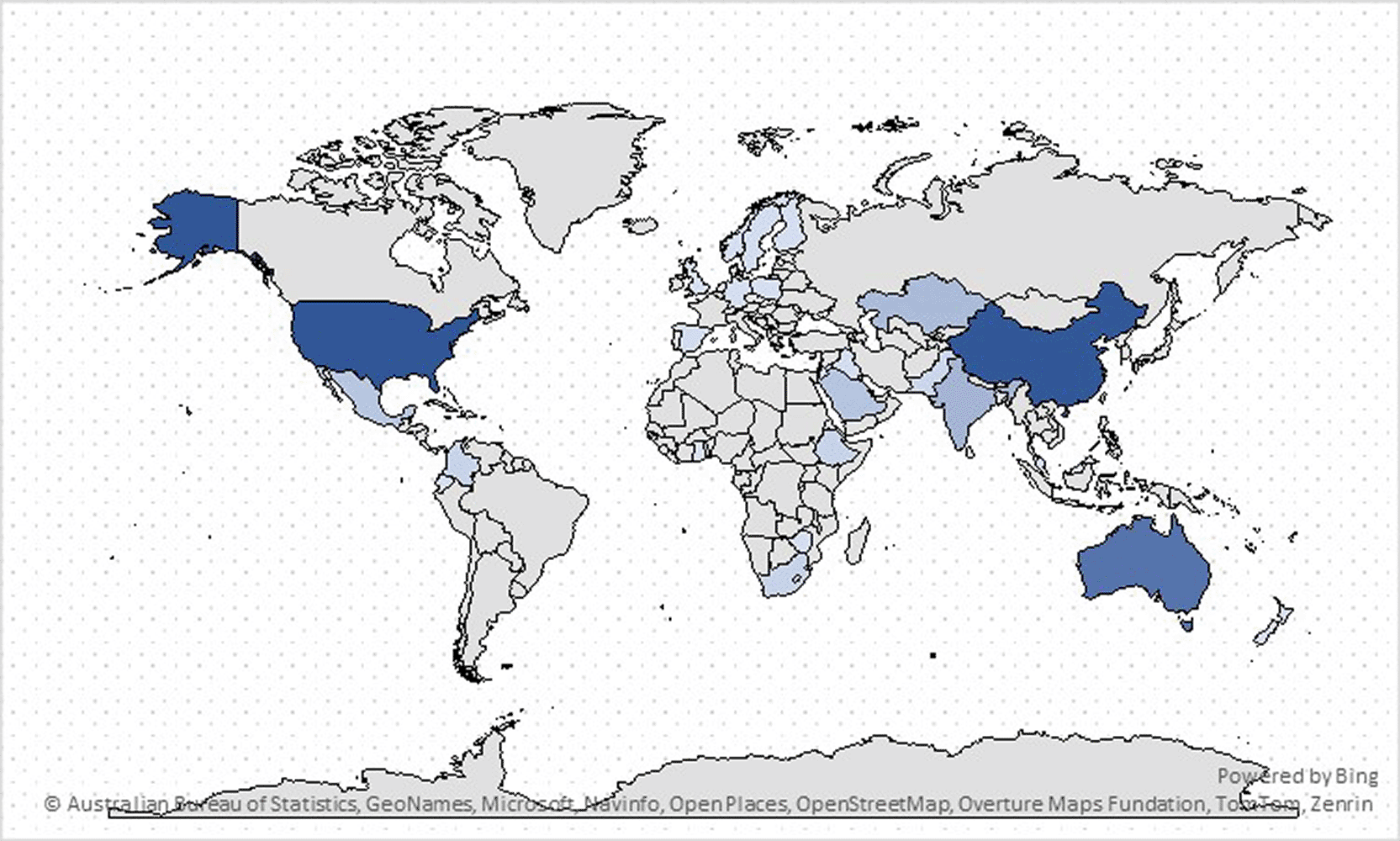
Figure 2 illustrates the geographical distribution of the articles included in this study based on their countries of origin. The map indicates that the publications are distributed across several regions worldwide, with the highest concentration found in North America, Asia, and Oceania. The United States and China emerge as the most prominent contributors, as reflected by the darker shading compared to other countries. Significant contributions are also observed from Australia, while several other countries, including India, Saudi Arabia, South Africa, the United Kingdom, Spain, and Mexico, contribute a smaller number of publications. Overall, the distribution demonstrates that the research topic has attracted scholarly attention from diverse parts of the world; however, the field remains largely dominated by countries with strong research capacities and established international publication networks. These findings also suggest an imbalance in global research contributions, where developing countries particularly those in Asia and Africa are increasingly participating in the scholarly discourse but have yet to reach the level of contribution exhibited by more developed nations.
Furthermore, Figure 3 shows the distribution of the 44 articles analyzed by publication year between 2015 and 2025. Overall, there is a significant upward trend in the number of publications during this period, particularly in the last three years. The year 2025 recorded the highest number of articles with 11 articles (25.0%), followed by 2023 with 10 articles (22.7%), and 2024 with 9 articles (20.5%). In contrast, no publications were found in 2016 and 2019, while the years before 2020 generally contributed smaller numbers. This pattern indicates that the issue of women’s leadership in educational institutions is gaining increasing academic attention globally, in line with the growing discourse on gender equality and leadership transformation in education. Distribution of articles based on year of publication can see in Table 3.
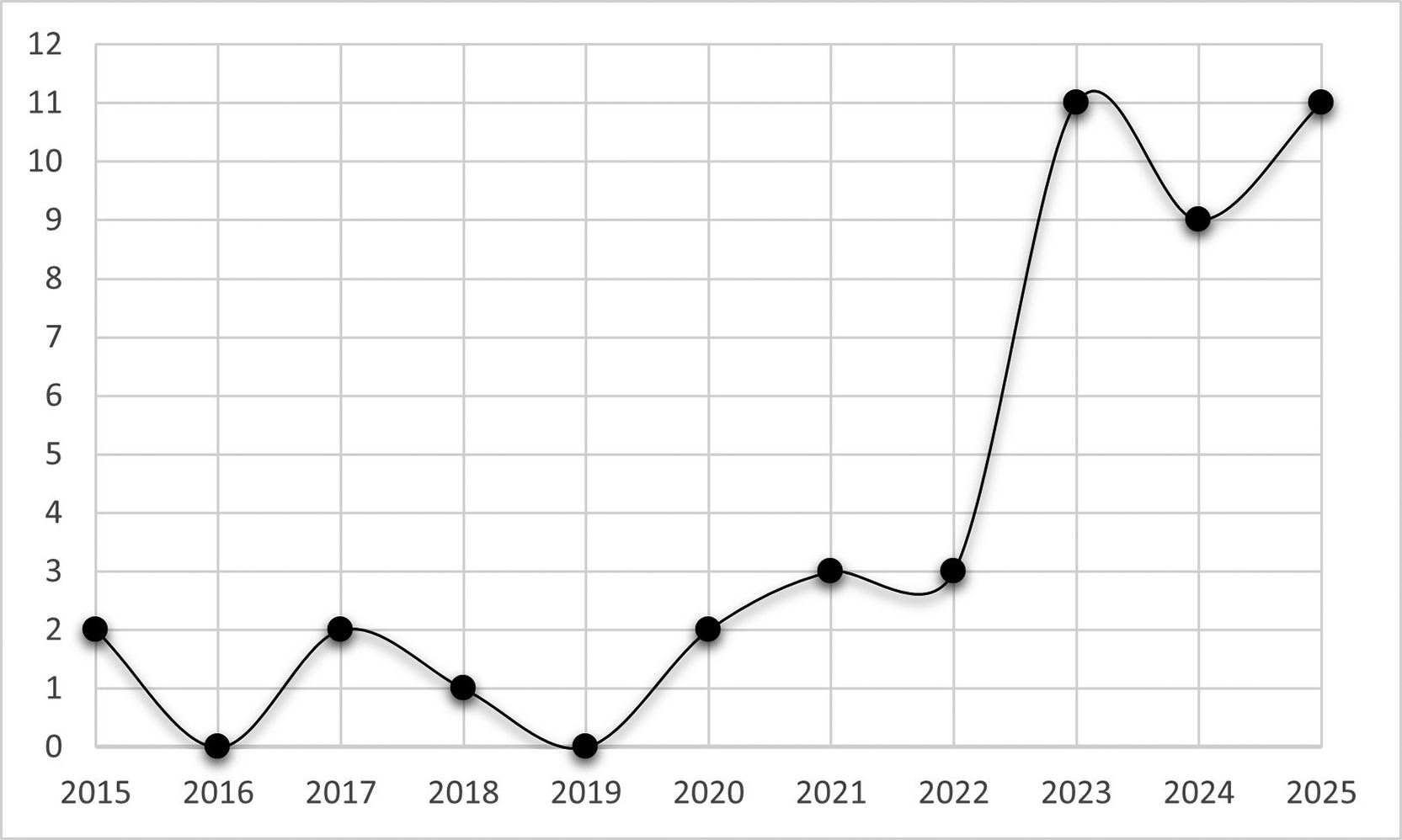
Based on Table 3, the distribution of articles by publication year shows that of the 44 articles analyzed, the largest number of publications came from 2025 with 11 articles (25.0%), followed by 2023 with 10 articles (22.7%), and 2024 with 9 articles (20.5%). Overall, more than two-thirds of the articles (68.2%) were published in the last three years (2023–2025), indicating a significant increase in academic attention to women’s leadership in educational institutions during that period. In contrast, articles from previous years were much fewer, with 2022, 2021, and 2015 each contributing only 3 articles (6.8%), while 2019 and 2016 were not represented at all. This distribution pattern reflects a consistent trend of literature growth and indicates that the issue of women’s leadership is becoming increasingly relevant as gender equality policies evolve and the dynamics of global social change evolve.
As a first step in answering the research question regarding women’s leadership styles and practices in educational institutions, this section presents an initial synthesis of the selection and coding results of relevant articles in the SLR study. Based on a systematic review of empirical and conceptual studies, it is clear that women’s leadership cannot be reduced to a single approach, but rather appears in various forms influenced by the institutional context, socio-cultural background, life experiences, and underlying theoretical frameworks. Therefore, the analysis is classified into several categories of dominant leadership styles that represent the patterns of women’s leadership practices, values, and orientations as reported in the literature. The following Table 1 presents a mapping of these leadership styles, along with their main characteristics and supporting articles, as a basis for further comparative and thematic analysis women’s leadership styles and practices in educational institutions is presented in Table 4.
Based on the literature synthesis Table 4, it can be concluded that women’s leadership in educational institutions is not singular or monolithic, but rather exhibits a strong and intersecting diversity of styles. The most dominant style is transformational feminist leadership, which emphasizes institutional change, individual empowerment, and a commitment to social justice and gender equality. Literature falling into this category shows that women leaders often position leadership as a transformative tool to deconstruct entrenched patriarchal structures within educational organizations, while creating more inclusive spaces for marginalized groups. This approach is oriented not only toward managerial effectiveness but also toward moral values, ethics, and social advocacy as integral parts of leadership practice.
Moreover, relational and collaborative leadership styles consistently arise in studies, affirming that women’s leadership practices are frequently grounded in the strength of interpersonal relationships. This leadership style is defined by empathetic communication, collaboration, inclusive decision-making, and the enhancement of professional communities within educational environments. These findings indicate that women leaders establish leadership legitimacy not exclusively via formal hierarchies, but rather through trust, communication, and continuous collaboration. This technique pertains to educational institutions that require communal involvement and illustrates that effective leadership may be attained through a humanistic and inclusive methodology.
A notable approach is intersectional and critical leadership, which arises from an understanding of complex identities including gender, ethnicity, socioeconomic class, and culture. Literature in this domain highlights that female leaders frequently must maneuver through the intricacies of multifaceted institutional inequalities. Leadership is executed not merely as an organizational function but also as a vital response to a non-neutral socio-cultural environment. By adopting an intersectional approach, women leaders can develop policies and practices that are more attuned to diversity, while contesting prevailing norms that often exclude inside the education system.
Moreover, the chart illustrates the significance of reflective-resilient leadership grounded in lived experience. This approach prioritizes personal experience, self-reflection, and psychological resilience as the fundamental sources of leadership practice. Women leaders in this category frequently utilize narratives of their lived experiences, encompassing discrimination, societal constraints, and organizational problems, as a foundation for decision-making and enhancing adaptive capacity. This illustrates that women’s leadership is intrinsically linked to emotional and contemplative aspects, and that resilience is a crucial skill in maneuvering the intricate and frequently gender-insensitive dynamics of educational institutions.
Ultimately, a significant discovery is the formation of adaptive and contextual leadership (plural leadership), which substantiates that numerous women leaders are not confined to a singular leadership style. They exhibit considerable adaptability in modifying leadership styles and practices to meet corporate requirements, navigate crisis scenarios, and accommodate frequently non-linear career paths. This method encapsulates the fluid and unpredictable nature of women’s leadership throughout educational institutions. Through the adoption of plural leadership, female leaders can strategically address change while maintaining an awareness of the social context and the principles of justice they advocate.
This section presents the findings of the analysis based on a synthesis of the selected articles. The results are organized into several key thematic categories that represent the barriers and challenges consistently identified in the literature concerning women’s leadership in education. A summary of these categories, along with the supporting article sources, is presented in Table 5.
The results presented in Table 5 indicate that patriarchal and masculine organizational cultures represent the most consistently identified barrier in the literature on women’s leadership in education. The table shows that numerous studies highlight how leadership systems are dominated by masculine norms and values, resulting in women’s leadership styles being perceived as inappropriate, lacking legitimacy, or deviating from accepted leadership standards. This condition creates an unwelcoming work environment for women and limits their opportunities to be recognized and accepted as legitimate leaders.
Alongside organizational culture, gender preconceptions around women leaders represent another very significant obstacle. Women frequently face conflicting expectations, as they are anticipated to lead in a masculine fashion while simultaneously being condemned for appearing excessively passionate or unduly assertive. Pejorative labels like “overly emotional” or “angry woman” perpetuate gender bias and constrict women’s ability to effectively convey their leadership identities. These findings demonstrate that gender preconceptions continue to impede the assessment of women’s leadership capabilities.
The subsequent significant obstacle is to structural discrimination and intersectionality, notably impacting women from racial or ethnic minority backgrounds. The chart demonstrates that gender discrimination, compounded by race, significantly limits women’s access to promotional possibilities and the viability of leadership positions. Women of color and individuals from underrepresented groups have compounded obstacles that impede upward mobility and heighten their susceptibility to systematic exclusion in educational leadership frameworks. The phenomena of the glass ceiling, concrete ceiling, and glass cliff continually manifest as distinct forms of structural barriers. Women sometimes encounter difficulties in attaining senior leadership positions or are relegated to precarious and unstable leadership posts. The findings indicate that even when women achieve leadership roles, they frequently face circumstances that increase their chance of failure and intensify scrutiny, potentially perpetuating negative perceptions about women’s leadership.
The table further underscores the significance of access to informal networks and male networking patterns. A significant number of women are marginalized from “old boys’ networks,” which are integral to promotion procedures and informal decision-making. Exclusion from these networks markedly diminishes women’s access to strategic information, career sponsorship, and leadership endorsements, hence perpetuating inequities in access to leadership roles. A significant obstacle noted is the absence of mentoring and female role models in top leadership positions. The underrepresentation of women in senior roles perpetuates a loop wherein women encounter difficulties in securing support, mentorship, and pertinent leadership role models. The lack of continuous mentoring adversely impacts women’s leadership development and jeopardizes the long-term viability of their leadership careers.
The results demonstrate that excessive workload, difficulties in work-life balance, psychological impediments, and unsupportive institutional policies combine perpetuate leadership inequality. Women often bear the weight of emotional labor and unacknowledged tasks that lack institutional recognition, while also confronting significant household role expectations. The internalization of gender norms, including imposter syndrome, and discriminatory promotion mechanisms, cumulatively obstruct women’s access to, retention in, and sustainability of leadership roles in education.
This section presents the analytical findings based on a synthesis of the selected articles. The results are organized into several key thematic categories representing factors for the success and careers of women leaders consistently identified in the literature on women’s leadership in education. A summary of these categories, along with their supporting article sources presented in Table 6.
The Table 6 presents eight key factors influencing women’s leadership success in the context of education, which were identified through a synthesis of a number of coded articles. These factors include structural, professional, personal, and value aspects, ranging from mentoring and strategic sponsorship as the most dominant factors, psychological resilience, and family support and social environment, to cultural capital, competence, and professional experience. In addition, the table data also highlights the importance of gender identity awareness and intersectionality, the ability to navigate political and organizational culture, inclusive policy support and institutional structures, and the orientation of leadership values based on ethics of care and social justice. All of these factors show that women’s leadership success is not determined by a single aspect, but by a complex interaction between factors that make up a supportive leadership ecosystem.
The research indicates that the success and career progression of women in educational leadership are affected by several interconnected elements, creating a supportive leadership ecosystem. The primary factors are strategic mentorship and sponsorship. Assistance from mentors and sponsors, whether formal or informal, is crucial for developing leadership capabilities, expanding professional networks, and enhancing promotion prospects. Through these interactions, women leaders acquire advice, trust, and professional legitimacy that facilitate their transcendence of institutional and cultural barriers that frequently restrict women’s access to strategic leadership roles in education.
Alongside professional support, personal attributes such as resilience and psychological fortitude are primary drivers of the success of women in educational leadership roles. Data indicates that female leaders frequently encounter gender biases, structural obstacles, and issues related to company culture. The capacity to endure, adapt, and recover from such circumstances enables them to sustain consistency in performance and dedication to a leadership career. This resilience is bolstered by familial support and a social milieu that offers emotional stability, drive, and the sustainability of women’s leadership roles throughout time.
Additional elements that significantly contribute include cultural capital, skill, and professional experience. The evidence substantiates that the aggregation of formal education, leadership experience, and managerial proficiency constitutes the foundation for women’s legitimacy in attaining and sustaining leadership roles. This professional capital enables women leaders to demonstrate their competence and credibility objectively, thereby mitigating doubts or unfavorable stereotypes associated with women’s leadership. Women with robust competencies has enhanced opportunities to attain strategic positions and broaden their leadership responsibilities inside educational institutions.
The success and career progression of women in educational leadership are influenced by gender identity awareness and the capacity to manage political and organizational cultures, bolstered by inclusive institutional rules. The evidence indicates that a reflective comprehension of gender identity and intersectionality enables women to cultivate contextual and authentic leadership techniques. The capacity to discern power dynamics, informal networks, and organizational norms enables them to sustain and enhance leadership positions. This element is most efficacious when bolstered by gender equality policies, a transparent recruitment and promotion framework, and a leadership ethos that prioritizes compassionate ethics and social justice.
This section presents the findings regarding the impact of women’s leadership on educational outcomes within educational institutions. The analysis demonstrates that women’s leadership is associated with a broad range of positive outcomes that extend beyond individual leadership roles and influence both student experiences and institutional functioning. The summary of findings related to these educational outcomes is presented in Table 7.
The findings summarized in Table 7 indicate that women’s leadership contributes substantially to improvements in student success across multiple dimensions, including student engagement, learning outcomes, and the overall quality of educational experiences. Educational institutions led by women tend to exhibit learning environments that prioritize student-centered approaches, support academic participation, and foster positive interactions between educators and learners, which collectively enhance educational performance. Women’s leadership is also associated with learning environments that are more responsive to diverse student needs. Leadership practices that emphasize inclusion, care, and equity contribute to educational settings where students feel supported and valued. As a result, student engagement and motivation are strengthened, which in turn positively affects learning processes and academic achievement across different educational levels.
A significant conclusion underscores the importance of women’s leadership in promoting social justice and diversity in education. The presence of women in leadership roles correlates with enhanced access to educational opportunities for underrepresented groups, especially female students and minority populations. These leadership strategies mitigate structural obstacles to participation and foster more fair educational outcomes. Beyond access and inclusiveness, women’s leadership fosters the advancement of innovative educational methodologies. The results indicate that female leaders actively advocate for curriculum creation, revolutionary teaching methodologies, and the incorporation of rising disciplines such as STEM, digital education, and entrepreneurship. These innovations augment the pertinence and flexibility of educational programs in reaction to societal and technological transformations.
Women’s leadership enhances institutional capability by means of mentorship and leadership development activities. These strategies foster the development of leadership competencies among educators and administrators, concurrently enhancing the quality of decision-making processes. These initiatives enhance the sustainability of leadership frameworks inside educational institutions. The results indicate that women’s leadership strengthens institutional resilience, especially in environments marked by uncertainty and crises. Reflective and adaptive leadership methods empower educational institutions to address difficulties such as pandemics, organizational change, and resource limitations more effectively. This resilience facilitates the continuance of educational delivery and ensures institutional stability.
Furthermore, the aggregate effect of women’s leadership transcends immediate educational results, affecting long-term institutional advancement. Through the incorporation of inclusive principles, innovation, and strategic capacity-building, women leaders enhance organizational systems, enabling them to effectively navigate complexity and maintain long-term improvement. Women’s leadership significantly contributes to improving educational results, augmenting institutional capacity, and fostering organizational resilience. These contributions highlight the essential role of women’s leadership in enhancing the quality, efficacy, and enduring sustainability of educational systems. Subsequently, the findings regarding the impact of women’s leadership on organizational culture within educational institutions are summarized in Table 8.
The findings in Table 8 indicate that women’s leadership is strongly associated with the development of more inclusive and collaborative organizational cultures within educational institutions. Organizations led by women tend to emphasize shared leadership, participation, and collective decision-making, which foster stronger collaboration among staff members and promote a sense of belonging. Women’s leadership is also linked to higher levels of trust and relational cohesion, as leadership practices characterized by openness, transparency, and attentiveness to interpersonal relationships contribute to environments in which staff feel respected and valued. This relational orientation supports professional commitment and facilitates more effective teamwork across institutional levels.
A significant conclusion underscores the influence of women’s leadership in fostering empathy, care, and psychological safety inside the workplace. Organizational cultures influenced by female leaders are more inclined to promote open communication, emotional wellness, and courteous discourse. Such places allow personnel to voice problems, exchange ideas, and participate in reflective practice without fear of criticism or retaliation, thereby enhancing daily organizational operations in educational contexts. The leadership of women enhances the promotion of fairness and equity within organizational frameworks. The inclusion of women in leadership roles correlates with enhancements in institutional legitimacy, organizational frameworks, workplace practices, and career equity. These contributions demonstrate a heightened congruence between leadership practices and the concepts of justice and equality in educational institutions.
The results indicate that women’s leadership contributes to the transformation of organizational culture by enhancing focus on justice, intersectionality, and anti-discrimination. Women leaders, by their leadership practices, effectuate changes in organizational values and norms that contest discriminatory practices and foster fair treatment of diverse groups within educational institutions. Nonetheless, the results suggest that initiatives aimed at transforming organizational culture via women’s leadership are frequently hindered by enduring patriarchal, symbolic, and discriminatory cultural frameworks. In these situations, women’s leadership may exist but is constrained in its ability to effectuate comprehensive institutional change, leading to gradual rather than swift cultural transition.
Overall, the findings summarized is illustrate that women’s leadership plays a significant role in shaping organizational culture in education. By fostering inclusivity, trust, empathy, and equity, women leaders contribute to organizational environments that support professional well-being and institutional functioning, even as they continue to navigate enduring structural and cultural constraints.
The patterns of female leadership in educational institutions revealed in the literature synthesis demonstrate that this leadership is not a singular occurrence, but rather arises as a strategic response to the structural, cultural, and social complexities inherent in contemporary educational organizations. Table 1 in the results section reveals a variety of female leadership styles, including transformational-feminist, adaptive, and contextual leadership, which collectively demonstrate women’s capacity to manage complex institutional dynamics characterized by power imbalances. This trend underscores the notion that female leadership is not merely a manifestation of individual choice, but rather a form of agency that evolves via engagement with intricate organizational environments.
Transformational-feminist leadership, recognized as a prevalent paradigm in the literature, suggests that women often perceive leadership as a mechanism for structural and ethical transformation (J. E. Smith et al., 2021; Whitaker, 2025). Aligned with Bass and Avolio’s transformational leadership theory, this leadership approach underscores inspiration, vision, and personalized attention, while incorporating a social justice perspective and critique of patriarchal systems (I. U. Khan et al., 2022). In the educational sphere, female transformational leadership emphasizes both institutional efficacy and the establishment of inclusive, empowering environments for different academic communities, as seen by the articles in this category.
Moreover, the persistent relational and collaborative leadership identified in several research indicates that women often establish leadership legitimacy through interpersonal connections rather than only through hierarchical power (Ayaz et al., 2024; Pick, 2024). This pattern corresponds with the relational leadership theory and the ethic of care articulated by Gilligan and Noddings, emphasizing empathy, discourse, and moral responsibility as the cornerstone of leadership (Carrasco & Díaz, 2023; Jian, 2022). In educational institutions that function through collaborative efforts and professional partnerships, this methodology has demonstrated efficacy in enhancing organizational unity and trust among educational stakeholders. These findings corroborate Eagly and Carli’s assertion on contextual leadership, which posits that women frequently cultivate leadership styles that adjust to intricate and unclear organizational requirements (Plimmer et al., 2023; Van Der Hoek et al., 2021). In educational settings confronted with accountability constraints, policy reform, and varied student requirements, relational leadership empowers women to reconcile performance expectations with the organization’s human needs. Consequently, connections are regarded not as a vulnerability, but as a wellspring of leadership strength.
The intersectional and critical leadership discussed in the literature further substantiates that women leaders do not function within a neutral social context. Utilizing Crenshaw’s intersectionality theory, this leadership style illustrates women’s recognition of the intersecting identities of gender, racism, class, and culture that influence their leadership experiences. The file indicates that women leaders leverage this insight to design leadership policies and practices that are more egalitarian and attuned to intricate social settings. This intersectional approach differentiates women’s leadership from the prevailing universalistic leadership models found in classical literature. Within the framework of multicultural education, intersectional leadership empowers women to address systemic inequities more adeptly, while contesting the notion that leadership efficacy can be dissociated from identity and power dynamics. This corresponds with current research that highlights the significance of critical leadership in educational institutions focused on social justice.
This study also highlights the significant contemplative and resilient qualities of women’s leadership. Reflective-resilient leadership, informed by lived experience, demonstrates that women frequently draw upon personal experiences, such as prejudice and societal constraints, as foundational elements for leadership development (Galsanjigmed & Sekiguchi, 2023; Thelma & Ngulube, 2024). This viewpoint corresponds with Schön’s idea of reflective practice, which asserts that effective leadership is cultivated by continuous reflection on experiential learning rather than solely through formal education. In educational institutions, which are emotionally and socially demanding, resilience is a crucial ability for women’s leadership. Research indicates that women’s resilience, adaptability, and recovery from structural stressors enhance their leadership capabilities throughout organizational transition and crises. This expands the comprehension of leadership from a basic managerial role to an ongoing emotional and reflective endeavor. Moreover, adaptable and contextual leadership (plural leadership) asserts that female leaders are seldom confined to a singular, inflexible leadership style (Luo, 2024). This discovery corresponds with Heifetz’s adaptive leadership theory, which underscores the significance of adaptability and ongoing learning in addressing intricate situations. In educational institutions, women frequently must modify their leadership approaches in response to crises, policy alterations (Brossette & Benjamin, 2025; El Achi et al., 2025).
This pluralistic approach illustrates that women’s leadership is dynamic and evolves throughout time. Leadership is perceived not as a static collection of talents, but as a practice perpetually influenced by context, experience, and social relationships. This research challenges conventional leadership models, which are often rigid and normative, and reinforces the notion that women’s leadership is a dynamic practice. In contrast to prior studies that typically classify women’s leadership as either masculine or feminine, the findings of this systematic literature review provide a more intricate and nuanced perspective. Women’s leadership is not merely “different” from men’s leadership; it functions within a continuum of overlapping and contextual practices. This corresponds with modern critiques of essentialist methodologies in gender and leadership research.
This conclusion indicates that the intricacy of educational institutions creates an environment conducive to the strategic development of women’s leadership. In unclear organizational systems burdened with social pressures, women leverage flexibility, reflection, and relational orientation as sources of leadership power. Consequently, women’s leadership is both responsive and transformative in tackling the intricacies of educational institutions (Ahmad et al., 2023; Cele & Maphalala, 2025). This discourse further reinforces the assertion that women’s leadership possesses significant moral and ethical dimensions. A focus on social justice, compassion, and community empowerment illustrates that women’s leadership redefines the concept of leadership effectiveness in education. Effectiveness is assessed not only by performance output but also by the quality of relationships, structural equity, and organizational sustainability.
Consequently, women’s leadership patterns in educational institutions can be perceived as adaptive and reflective reactions to the structural, cultural, and social intricacies inherent in the education system. Women’s leadership is not a fixed paradigm that can be mechanically duplicated; it is a dynamic practice that continuously grows through interactions among individuals, organizations, and societal environments. This comprehension offers a significant theoretical addition to the field of educational leadership and facilitates the advancement of more inclusive and contextually relevant leadership frameworks in the future.
The structural contradiction between women’s leadership and the culture of educational organizations consistently emerges as a major element in the synthesis of the reviewed material. This study’s findings reveal that women leaders function not in gender-neutral organizational environments, but inside frameworks historically influenced by masculine leadership standards and patriarchal hierarchies. Educational organizational culture at both schools and universities frequently glorifies logical, competitive, forceful, and control-oriented leadership styles, traditionally linked to masculinity (Marrapodi, 2025). In this situation, female leaders navigate a delicate relationship between institutional normative expectations and their practiced leadership ideals.
The examined literature indicates that female leaders frequently encounter a double bind: they are deemed incompetent for exhibiting relational and sympathetic leadership styles, yet perceived as unfeminine or too confrontational when employing more assertive leadership approaches. This phenomena corresponds with role congruity theory (Eagly & Karau), which elucidates the conflict between gender stereotypes and expectations of leadership roles. The SLR findings underscore that the evaluation bias against female leaders is rooted not in their actual performance, but in the symbolic incongruence between gender identification and prevailing notions of leadership inside educational institutions.
Moreover, the culture of educational organizations frequently perpetuates unequal symbolic legitimacy. Numerous studies examined indicate that female leaders must do greater effort to attain equivalent recognition relative to their male counterparts (S. G. Smith & Sinkford, 2022; Thelma & Ngulube, 2024). Bourdieu’s notion of symbolic capital elucidates this scenario, wherein leadership authority is dictated not solely by formal status but also by symbolic acknowledgment frequently linked to masculinity. Consequently, the legitimacy of women’s leadership is frequently scrutinized, despite their sufficient skill and experience. This structural strain is further exacerbated by institutional cultural norms that position women in an ambiguous stance between professional and domestic responsibilities. The reviewed literature indicates that the dual load and societal expectations of parenthood profoundly influence women’s leadership practices. The ethic of care approach (Gilligan) elucidates how female leaders frequently include values of care, relationships, and social responsibility into their leadership methodologies (Johansson & Edwards, 2021; Tichenor et al., 2022). Nevertheless, these principles are frequently underappreciated in organizational cultures that emphasize efficiency and hierarchical authority.
Within the framework of transformational-feminist leadership, recognized as the prevailing approach, female leaders conceptualize leadership as a mechanism for structural change rather than only a management role. Nevertheless, the literature indicates that these transformation initiatives frequently face opposition from conservative and discriminatory organizational cultures. This corresponds with fundamental organizational change theory, which asserts that leadership reform is inextricably linked to existing power dynamics and institutional ideologies. Tensions are also apparent in the relational and collaborative leadership methods commonly employed by women executives. Although these methods have demonstrated efficacy in enhancing organizational cohesion and member engagement, the literature indicates that collaborative activities are frequently regarded as leadership deficiencies in organizational cultures that evaluate leadership primarily through the prism of individual authority. This validates critiques of conventional leadership paradigms that do not embrace non-hierarchical leadership structures.
From an intersectional viewpoint, these structural tensions are exacerbated for women possessing numerous identities, including ethnicity, socioeconomic class, or minority cultural backgrounds. The SLR findings indicate that women leaders from underrepresented groups have numerous obstacles frequently unrecognized in official organizational rules. Crenshaw’s intersectionality theory elucidates how educational organizational structures are not just influenced by gender but also by race and class, hence exacerbating inequities in access to and sustainability of leadership. The structural strain is seen in the glass cliff phenomena, when women are frequently appointed to leadership roles during crises or high-stakes scenarios. This study’s literature indicates that women leaders frequently serve as symbols of change without sufficient structural support, which may lead to attributing institutional failures to their leadership (Zhang & Basha, 2023). This scenario highlights that the inclusion of women in leadership roles does not invariably result in meaningful transformations in company culture.
Conversely, numerous research indicate that women leaders learn adaptive skills to navigate these systemic conflicts. Reflective-resilient leadership, grounded on lived experience, serves as a crucial technique for managing organizational pressures and gender bias. Resilience theory posits that psychological resilience is not solely an individual characteristic, but rather a reaction to inequitable structures. The resilience of women leaders signifies a systematic failure inside the organization to establish an equitable environment. The discord between women’s leadership and corporate culture indicates that alterations in representation do not necessarily align with modifications in structure. Numerous investigations within this study affirm that, despite the rising prevalence of female leaders, the culture of educational institutions frequently perpetuates an exclusive masculine paradigm (Gilbert et al., 2024). This substantiates the assertion of institutional feminists that the transition of leadership necessitates alterations in informal regulations, symbols, and quotidian routines, rather than merely formal policies. The SLR findings correspond with global research indicating that educational institutions in diverse cultural settings demonstrate analogous patterns of resistance to women’s leadership. This study expands the conversation by highlighting that women leaders are not merely victims of systemic systems, but rather proactive actors who consistently navigate leadership environments through reflective, relational, and transformative practices. Consequently, structural tensions should be perceived as dynamic rather than static.
This discussion affirms that the obstacles to women’s leadership in education cannot be attributed solely to individual traits like self-confidence or competence. These contradictions are ingrained in the ethos of educational institutions historically founded on male and patriarchal standards. Consequently, initiatives to enhance women’s leadership should focus on the systemic transformation of organizational culture and structure, ensuring that the leadership qualities offered by women are acknowledged, validated, and effectively contribute to sustained institutional change.
Discussions regarding the efficacy of women’s leadership in educational institutions reveal that leadership should not be perceived merely as a consequence of individual skill, but rather as the outcome of a complex interplay among personal capital, social capital, and contextual capital. This study’s findings indicate that women leaders achieve success not solely due to academic credentials or formal roles, but also through their capacity to navigate their own agency, cultivate strategic relationships, and leverage structural opportunities present within institutional frameworks that frequently lack gender neutrality. This viewpoint highlights that women’s leadership is relational and ecosystemic, consistent with feminist critiques of meritocratic frameworks that often overlook structural background.
Personal capital serves as an essential basis for women’s leadership, specifically through resilience, reflexivity, and lived experience (Duchek et al., 2022; Perriton, 2022). Numerous research in this systematic literature review highlight that female leaders cultivate psychological resilience through encounters with discrimination, gender bias, and the demands of multifaceted responsibilities (Bridges et al., 2023; Goyal et al., 2023). This discovery corresponds with robust leadership theory, which identifies resilience and adaptation as essential qualities in unpredictable organizational contexts. In the educational sphere, women’s resilience is frequently not solitary; rather, it is cultivated through a process of critical reflection on complex personal and professional situations. Reflexivity constitutes a vital element of personal capital. Research indicates that female leaders often utilize personal narratives as a learning resource and a foundation for decision-making. This corresponds with Schön’s idea of reflective practice, which asserts that effective leadership arises from the capacity for ongoing reflection on one’s activity. In the realm of women’s leadership, reflexivity enhances performance and acts as a means of pushback against inflexible and anachronistic masculine leadership standards.
Alongside human capital, social capital significantly influences the success and career progression of women leaders. Systematic literature review findings reveal that mentoring, sponsorship, and professional networks are predominant elements that facilitate women’s access to reminders of leadership prospects. This aligns with Bourdieu and Coleman’s social capital theory, which perceives social interactions as a tactical asset for mobility and legitimacy (Mikiewicz, 2021; Mu et al., 2025; Portes, 2024). Women’s access to social capital is frequently inequitable, hence leadership performance significantly relies on the capacity to cultivate and sustain supporting relationships.
Nevertheless, the evidence indicates that women’s social capital frequently evolves through distinct avenues that diverge from conventional masculine networks. Female leaders typically cultivate communities of practice, collaborative networks, and trust-based relationships, as opposed to merely instrumental networks. This pattern corroborates with research indicating that women’s leadership is predominantly relational and collaborative in nature. Consequently, women’s social capital functions both as a professional asset and as a catalyst for organizational cultural transformation. Contextual or structural capital represents a third, equally significant dimension. This systematic literature review indicates that the success of women’s leadership is significantly affected by institutional policies, recruiting and promotion frameworks, and the organization’s dedication to gender equality. This discovery corresponds with the structural opportunity theory, which asserts that individual agency may only flourish within a sufficiently supporting framework. In educational institutions characterized by inclusive and transparent practices, women’s leadership is generally more sustainable and impactful.
In organizational environments still influenced by patriarchal norms, women’s personal and social capital frequently prove inadequate for ensuring long-term success. This phenomenon substantiates Acker’s theory of gendered organizations, which posits that organizational frameworks intrinsically generate and perpetuate gender inequality (Bates, 2022; Benschop, 2021; S. Johnson, 2022). The effectiveness of women’s leadership is intrinsically linked to the capacity of institutions to reform their organizational norms, symbols, and practices. The interplay of personal, societal, and contextual capital constitutes what may be termed a women’s leadership ecosystem. The results of this systematic literature review indicate that successful women typically possess the ability to effectively integrate these three forms of capital. For instance, personal resilience is enhanced by mentorship, whereas social networks are optimized by equitable institutional policies. This methodology corresponds with the ecological leadership concept, which perceives leadership as the outcome of complex interactions among persons and their environments (Borde et al., 2024; Constantinides, 2023; Knappitsch, 2023).
In contrast to other studies that predominantly highlight specific elements like leadership style or managerial ability, the results of this systematic literature review present a more comprehensive viewpoint. Women’s leadership should not be simplified to a matter of “readiness,” but rather recognized as an ongoing process of negotiation between agency and structure. This attacks the neoliberal leadership paradigm that attributes success exclusively to the individual. Moreover, the intersectional perspectives arising from many studies suggest that the efficacy of personal, social, and contextual capital is significantly affected by several identities, including race, class, and culture. Women belonging to minority groups encounter more intricate structural obstacles, necessitating enhanced social capital and policy assistance (Heidinger, 2023; Jackson, 2021). These findings bolster Crenshaw’s assertion that women’s leadership is not monolithic, and its efficacy must be examined within the framework of intersecting inequities.
This topic implies a necessity for a paradigm shift in educational leadership studies, transitioning from an individualistic framework to an ecosystemic and feminist perspective. Women’s leadership must be recognized as a social practice rooted in relationships, experiences, and power dynamics. Consequently, leadership theory elucidates not only efficacy but also reveals the processes of injustice that influence leadership practice. This discourse affirms that the efficacy of women’s leadership in educational institutions stems from a synergistic interplay of personal, social, and contextual capital. This methodology enhances scholarly comprehension of women’s leadership and establishes a conceptual basis for formulating more fair and sustainable institutional policies and practices. By acknowledging leadership as an ecosystemic phenomenon, educational institutions can progress from superficial representation to substantial structural transformation.
The examination of the effects of women’s leadership on organizational culture and educational outcomes reveals that such leadership yields significant, transformative, and enduring contributions. This study’s findings indicate that women’s leadership focuses on both achieving institutional performance goals and fostering a more inclusive, collaborative, and equal organizational environment. These findings validate that women’s leadership in educational institutions acts as a catalyst for cultural transformation, systematically affecting values, norms, and professional relationships.
A significant consequence of women’s leadership is the establishment of a collaborative and participative corporate culture (Daher-Moreno & Arnold, 2024; Nassani et al., 2024). The examined literature reveals that female leaders often prioritize collaborative decision-making, transparent communication, and interdisciplinary teamwork. This technique corresponds with relational leadership theory, which underscores the significance of human relationships, trust, and collective involvement in improving organizational effectiveness (Maritsa et al., 2022; Pattison & Corser, 2023). In contrast to the prevailing hierarchical leadership paradigm rooted in masculine traditions, this collaborative approach has demonstrated the ability to enhance organizational cohesion and elevate worker commitment within educational settings.
A notable consequence is an enhanced perception of social justice and inclusivity within the business culture. Women’s leadership, especially when grounded in feminist-transformational and intersectional principles, is consistently linked to deliberate initiatives aimed at mitigating structural inequalities related to gender, race, or other social identities. This corresponds with critical leadership theory and social justice perspectives in education, which perceive leadership as a mechanism to contest exclusionary behaviors and distribute power more equitably (Fadillah et al., 2025). The influence of women’s leadership transcends administrative confines, affecting normative and ideological aspects.
Women’s leadership enhances employee well-being and fosters a sense of psychological safety within educational institutions. Research suggests that female leaders are inclined to promote empathy, compassion, and awareness of the emotional requirements of organizational members (Arghode et al., 2022). This corresponds with Gilligan’s ethics of care theory, which emphasizes connections, moral obligation, and consideration for others as fundamental to leadership practices. A psychologically safe workplace promotes openness, originality, and initiative in educational processes. The influence of women’s leadership on educational results is evident in heightened student involvement and achievement. The analyzed research demonstration that educational institutions led by women typically embrace a more learner-centered, diversity-responsive, and holistic development-oriented approach to education. These findings substantiate the assertion in educational leadership literature that a humanistic and inclusive leadership approach enhances learning experiences and promotes sustained academic success.
In contrast to conventional educational leadership research, which frequently prioritizes effectiveness through quantitative metrics, the impact of women’s leadership typically results in qualitative transformations that may not be readily quantifiable. The transformation of business culture, enhancement of trust, and fortification of social justice ideals are incremental yet enduring effects. This underscores that assessing women’s leadership necessitates a more comprehensive analytical approach, extending beyond immediate performance metrics. In the framework of transformational leadership theory (Bass), these SLR findings suggest that female leaders frequently exemplify the aspects of individualized consideration and inspirational motivation. They motivate organizational members not only through vision but also through personal attention and emotional support. In contrast to the gender-neutral transformational method, women’s leadership is frequently enhanced by a feminist perspective that overtly contests patriarchal power dynamics inside educational institutions (Adongo et al., 2023).
The presence of women in leadership roles contributes to the enhancement of a reflective culture within businesses. Numerous studies indicate that female leaders leverage life experiences and self-reflection as catalysts for organizational learning (Laritza et al., 2025). This practice aligns with reflective leadership theory, which emphasizes the importance of continuous learning and self-awareness in navigating the complexities of educational organizations (Arshad & Naz, 2024; Kohn, 2024; Rocco & Davis, 2024). This introspective culture promotes institutional adaptability to societal changes, legislation, and student requirements. From an organizational standpoint, the inclusion of women in leadership roles bolsters institutional legitimacy and views of professional equity. The presence of women in decision-making roles indicates a normative dedication to equality and diversity. This corresponds with symbolic representation theory, which posits that the inclusion of historically excluded groups in leadership roles can affect the perceptions, ambitions, and actions of other individuals within the organization, especially women and minority groups.
Nonetheless, the literature indicates that the beneficial influence of women’s leadership on organizational culture is frequently constrained by the dominant patriarchal framework (Jamjoom & Mills, 2023; Keshtiban et al., 2023). In predominantly hierarchical and macho corporate environments, women’s leadership frequently faces both symbolic and structural opposition. Thus, cultural transformation is gradual and requires time. These findings underscore that women’s leadership is inextricably linked to the institutional setting and the surrounding power structures. This discourse underscored the significance of an intersectional framework in comprehending the effects of women’s leadership. Women leaders do not constitute a uniform category; instead, they possess diverse identities that shape their leadership styles and effects (Fox-Kirk & Egan, 2024; Rodriguez et al., 2023). An intersectional viewpoint, as articulated by Crenshaw, elucidates the reasons for the variability in the effects of women’s leadership on organizational culture and educational attainment across diverse cultural, racial, and socioeconomic contexts, as evidenced by cross-study findings.
The effects of women’s leadership on organizational culture and educational outcomes suggest that it fosters the development of more humane, equitable, and sustainable educational institutions. The effects are not usually immediately visible but are ingrained in business procedures, relationships, and beliefs. This underscores that the success of women’s leadership must be perceived as a prolonged transformational process rather than a mere transient accomplishment. Consequently, this discourse reinforces the assertion that women’s leadership is a strategic advantage for educational institutions. The promotion of women’s leadership significantly enhances inclusive organizational culture, staff well-being, and educational outcomes, indicating that it is not merely a matter of gender representation, but a vital strategy for advancing the quality and equity of education as a whole.
This study possesses certain limitations that must be acknowledged when evaluating the results. The study employed a systematic literature review methodology, contingent upon the quality, extent, and accessibility of papers indexed in the Scopus and Crossref databases. As a result, studies published in local journals, non-English-language publications, or those not indexed in major databases were excluded, potentially leading to an underrepresentation of varied viewpoints, especially from developing countries. Moreover, discrepancies in methodology, social context, and theoretical frameworks among articles may affect the consistency of findings and restrict the universal applicability of the conclusions.
A further drawback pertains to the predominance of specific geographic situations within the examined literature. The majority of research is conducted in Western nations and places with well-established educational frameworks, but studies from diverse cultural, religious, and social contexts are scarce. This scenario may engender an epistemic bias that inadequately reflects the dynamics of women’s leadership in areas with varying gender norms and institutional frameworks. Moreover, the majority of the examined research are qualitative or conceptual, resulting in a scarcity of comparable empirical evidence about the efficacy of women’s leadership in contrast to men’s.
Given these constraints, more research is advised to broaden its geographic and methodological scope by incorporating cross-country empirical studies, especially in the Global South. Future study should incorporate quantitative and longitudinal methodologies to assess the influence of women’s leadership on the performance of educational institutions in a more measurable and sustainable way. Moreover, employing a more profound intersectional approach that encompasses culture, religion, and socioeconomic class is anticipated to enhance the comprehension of women’s leadership as a contextual, dynamic, and sustainable practice.
This study concludes that women’s leadership in educational institutions is a multifaceted, dynamic, and contextual phenomena that cannot be simplified to a singular leadership paradigm. A thorough literature assessment indicates that women’s leadership encompasses a variety of styles and practices, such as transformational-feminist, relational-collaborative, intersectional-critical, reflective-resilient, and adaptive leadership. This diversity illustrates women’s capacity to address the structural, cultural, and social exigencies present in educational institutions, while also affirming that women’s leadership evolves through the interplay of life experiences, institutional contexts, and power dynamics that are not gender-neutral.
The conclusions indicate that the primary obstacles to women’s leadership in education are systemic, entrenched in patriarchal corporate culture, gender stereotypes, structural discrimination, and exclusion from informal power networks. These obstacles are intensified by emotional labor, family role conflict, and inadequate institutional policies promoting gender equality. The findings indicate that the underrepresentation of women in leadership is attributable not to individual incompetence, but to organizational structures and practices that remain insufficiently inclusive and equal.
This study suggests that the success and sustainability of women’s leadership careers are contingent upon a supportive ecosystem encompassing personal, societal, and institutional elements. Strategic mentoring and sponsorship, psychological resilience, professional and cultural capital, familial support, and understanding of gender identity and intersectionality are essential in enhancing women’s leadership capabilities. These variables will operate effectively only if underpinned by transparent, equitable, and fairness-oriented institutional practices.
This study substantiates that women’s leadership significantly enhances the quality of learning, fosters educational innovation, promotes organizational equity, and cultivates a collaborative and sustainable institutional culture. Consequently, enhancing women’s leadership should be perceived not solely as a matter of gender representation, but as a significant approach for elevating the quality and sustainability of educational institutions. These findings underscore the necessity for institutional and cultural transformation inside educational institutions to ensure the recognition and sustainable optimization of women’s leadership ideals, behaviors, and contributions.
Riski, A. (2026). “Women Leadership in Educational Institutions: A Systematic Literature Review” - Supplementary File. Zenodo. https://doi.org/10.5281/zenodo.19435212
This research is funded by the Indonesian Endowment Fund for Education (LPDP) on behalf of the Indonesian Ministry of Higher Education, Science and Technology, Indonesia.