Просмотр новости
Найдите то, что Вас интересует
 Спутники
 РН
РН SpaceX
 Роскосмос
 NASA
NASA
СпутникиРНSpaceXРоскосмосNASAOwner-operator Giga Storage has secured a €450 million (US$512 million) financing package for its 700MW/2,800MWh Green Turtle BESS project in Belgium.
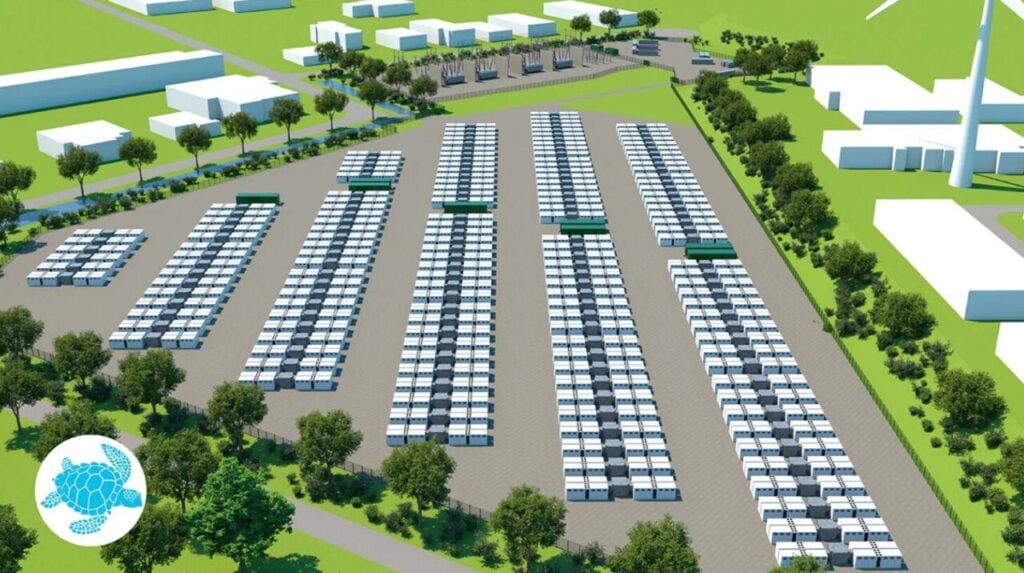 A render of the Green Turtle project. Image: Giga Storage.
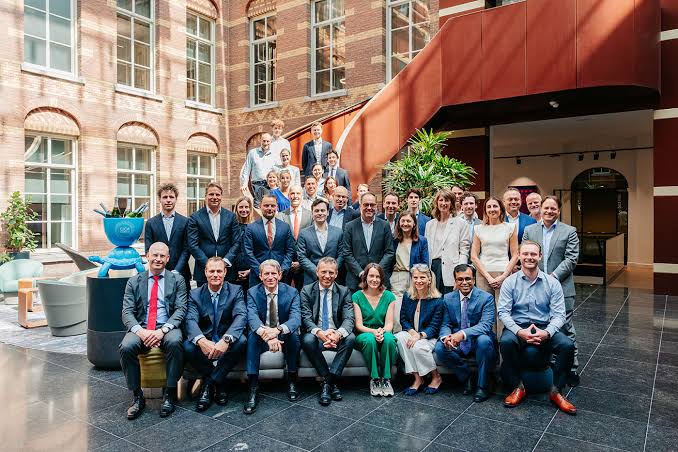 The Giga Storage team and project stakeholders. Image: Giga Storage.
Owner-operator Giga Storage has secured a €450 million (US$512 million) financing package for its 700MW/2,800MWh Green Turtle BESS project in Belgium.
The company announced the debt financing from a consortium of 10 banks last week (10 July). They are ABN AMRO Bank N.V., Belfius, SMBC Group, Rabobank, ING, Hamburg Commercial Bank, Santander, Triodos Bank and Triodos Investment Management.
The remaining equity will be provided by infrastructure investor InfraVia Capital Partners, which acquired Giga in 2024. The Green Turtle project has come a little later than expected, with the company telling us at the time that it expected to start construction that year. But it was a project of an unprecedented size in Europe at the time, so delays are not out of the ordinary.
Construction will start in September this year at the Rotem industrial estate in Dilsen-Stokkem, which has a direct connection to TSO Elia’s 380kV high voltage grid. The project is expected to come online in 2028, when it will be among the largest in Europe.
This article requires Premium SubscriptionBasic (FREE) Subscription
Already a subscriber? Sign In
Tesla is providing its Megapack battery energy storage system (BESS) as well as engineering, procurement and construction (EPC) services, in a deal announced at last month’s Intersolar Europe.
Kevin Dijkers, CEO of Giga Storage, said: “Green Turtle is much more than an energy storage project. It is critical infrastructure that strengthens Belgium’s security of supply, enables more renewable energy, and reduces dependence on imported fossil fuels.”
The company is based in the Netherlands but first embarked on its larger projects in neighbouring Belgium, where there is a more storage-friendly regulatory regime and less severe grid connection restraints, such as reduced grid fees, along with a capacity market (CM).
However, it did launch construction on a 1.2GWh BESS in the Netherlands last year, and is building a 1.4GWh one in Germany too.
We’ve previously interviewed Giga Storage’s then-CEO Ruud Nijs in 2022 and its then-CCO Lars Rupert in 2024.
Battery Asset Management Summit Europe is the annual meeting for owners, operators, investors, and optimisation specialists working with operational BESS assets across the continent. The Summit focuses on how to maximise performance and revenue, manage degradation, integrate advanced optimisation software, navigate evolving market and regulatory frameworks, and plan for repowering or end-of-life strategies. With insights from Europe’s most active storage markets, it equips attendees with practical guidance to run resilient, profitable battery portfolios as the sector scales.
Read Next
Energy companies are accelerating battery storage deployment in Germany, with TotalEnergies and Kyon, Envision Energy and Ju:niz, and Flower announcing significant project developments and acquisitions.

With technology risk now largely removed from the equation, assessing how a battery storage project will perform across market opportunities is now the main object of financiers’ scrutiny, writes Ryan Alexander of enspired.
We caught up with the CCO of Netherlands-headquartered startup Moonwatt at last month’s Smarter E Europe trade show in Munich for a video interview.

According to a leaked draft of its Electrification Action Plan, the European Union (EU) must deploy 200GW of energy storage by 2030 to meet energy system flexibility needs.
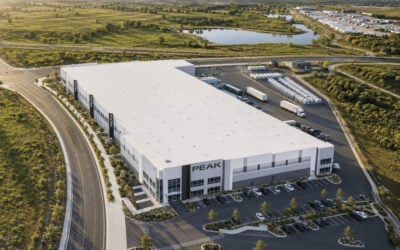
Peak Energy, ESS Tech Inc, and Unigrid have made recent announcements advancing sodium-ion energy storage technology in the US and Europe.
Most Popular
