Просмотр новости
Найдите то, что Вас интересует
 Спутники
 РН
 SpaceX
 Роскосмос
 NASA
СпутникиРНSpaceXРоскосмосNASAFundamental Pillars of Vending Machine Operations The key to a successful vending machine business often comes down to one critical factor: location. Even with the latest smart vending machines and popular products, a poor placement can hinder your growth. As the market for automated retail continues to expand in October 2026, strategic site scouting is […]
The post Strategies for Successful Vending Machine Operations appeared first on Megri Blog: Latest Articles on Business, Finance, Tech and Health.
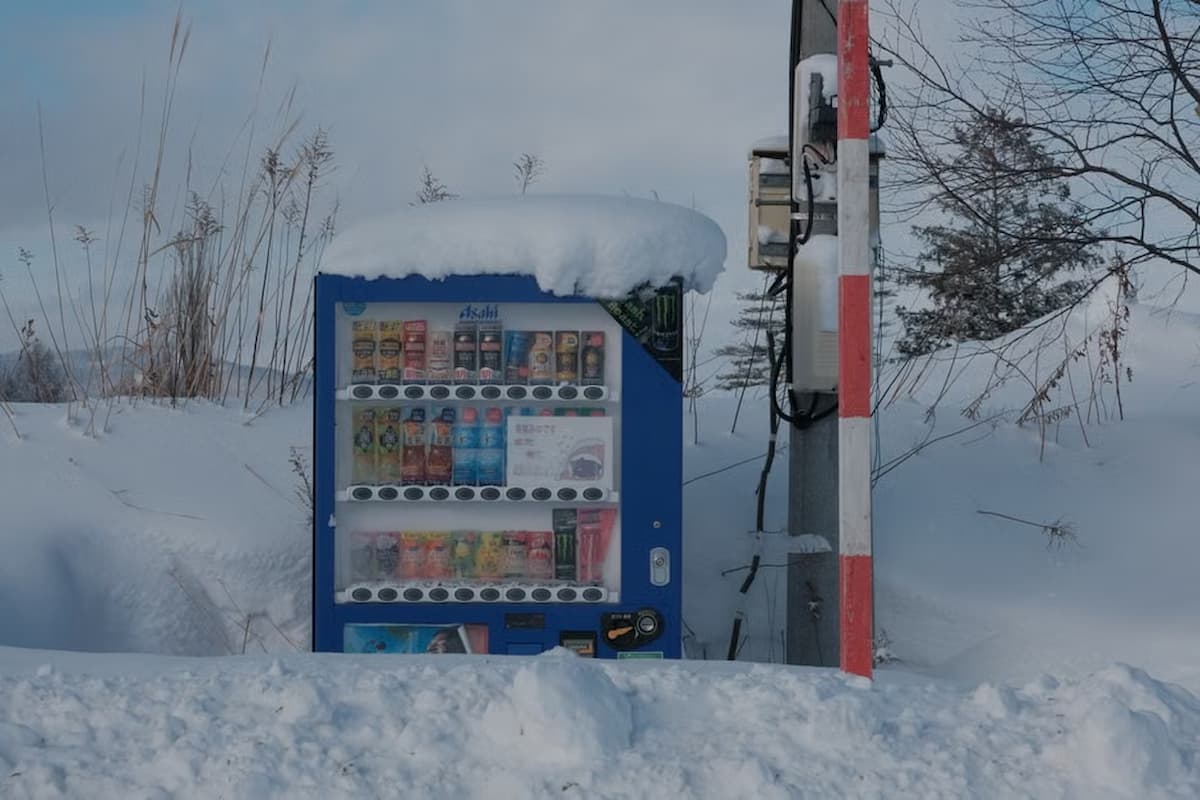
The key to a successful vending machine business often comes down to one critical factor: location. Even with the latest smart vending machines and popular products, a poor placement can hinder your growth. As the market for automated retail continues to expand in October 2026, strategic site scouting is more important than ever. Finding the ideal location is not just about luck; it’s a data-driven strategy that directly impacts your revenue and helps build a strong route density for passive income.
In this extensive guide, we will show you how to find and secure profitable vending machine locations. We will cover important steps like analyzing foot traffic and understanding local demographics. We will also look at how to negotiate good contracts and manage your operations effectively. Our aim is to give you the tools to make smart choices for your vending business. For operators who want to manage and grow their vending routes efficiently, exploring a dedicated marketplace for vending-machine operators can provide valuable support.
Building a thriving vending machine operation rests on several interconnected pillars. Beyond simply placing machines, success hinges on a deep understanding of demographic profiling, ensuring machine reliability, optimizing inventory turnover, and maintaining high operational uptime. These elements collectively contribute to the profitability and sustainability of your vending enterprise.
Demographic profiling, for instance, involves understanding the characteristics of the people who frequent a potential location. This includes their age, income, lifestyle, and preferences. A tech campus with young professionals will likely have different snack and beverage demands than a manufacturing plant with shift workers. Matching your product offerings to these demographics is crucial. Machine reliability, on the other hand, ensures that your equipment is consistently functional, minimizing downtime and lost sales. Regular maintenance and prompt repairs are key here. Inventory turnover refers to how quickly products are sold and replaced, directly impacting your cash flow and the freshness of your offerings. Finally, operational uptime means keeping your machines running as much as possible, which is a direct reflection of your maintenance and restocking efficiency.

The cornerstone of successful vending machine placement is meticulous foot traffic analysis. It’s not just about the sheer number of people, but also their behavior and purpose at the location. We look at factors like:
Essential Site Evaluation Criteria:
Competitor saturation is another critical consideration. While some operators chase obvious spots like gyms or large office buildings, these areas might already be oversaturated. Our research suggests that thousands of opportunities exist in less obvious venues such as warehouses, industrial parks, trade schools, and medium-sized office buildings that are often overlooked. A thorough analysis helps us identify these hidden gems.
Product-Venue Alignment and Machine SourcingThe “best” vending machine isn’t a universal model; it’s the one that perfectly aligns with its environment and the needs of its users. Mismatching a machine type to a property is a leading cause of underperformance. This concept, known as product-venue alignment, is crucial for maximizing revenue.
Consider the product mix:
Equipment compatibility extends beyond just the products it dispenses. It also includes:
By carefully matching the machine type and product selection to the venue’s specific characteristics and user demographics, we can significantly enhance customer satisfaction and, consequently, sales. For example, a Bay Area industrial supply company with 420 employees and high traffic might benefit from a combination of robust snack and beverage machines, while a boutique gym with 80 daily members could thrive with a smart cooler offering protein bars and healthy drinks.
Sourcing and Securing High-Performing LocationsFinding potential vending machine locations is only the first step; the real work lies in sourcing and securing those high-performing spots. This involves strategic lead generation, effective outreach, and skillful negotiation. We aim to streamline this process, moving from identifying a promising ZIP code to securing a signed contract efficiently.
The process often begins with identifying target areas. We can enter a ZIP code and select venue types to generate a list of ranked prospects. These prospects are typically scored based on factors like estimated revenue potential, employee count, and foot traffic. Once potential locations are identified, the next phase is to engage with decision-makers.
Prospecting Decision-Makers and Outreach TacticsSuccessfully placing a vending machine often hinges on connecting with the right person within an organization. This typically means identifying and engaging with decision-makers such as:
Our outreach tactics need to be professional, persuasive, and data-driven:
By focusing on the right contacts and employing targeted outreach, we can significantly increase our success rate in securing prime vending locations.
Negotiating Placement Contracts and Commission ModelsOnce a promising location is identified and a decision-maker engaged, the next critical step is negotiating a mutually beneficial placement contract. This agreement formalizes the terms under which your vending machine will operate on their property. Key elements to cover include:
Our goal is to create a win-win scenario. The location owner gains a valuable amenity for their employees or customers, often with a revenue stream, without any upfront cost or management burden. We gain a profitable placement for our machine. Using a built-in ROI calculator can help assess profitability before finalizing any contract, ensuring the deal is sound for our business.
Here’s a generalized table illustrating potential revenue across different venue types, based on industry insights:
Venue Type Estimated Monthly Revenue Potential (USD) Key Factors Contributing to Revenue Large Office Bldg (200+ employees) $800 – $1,500 High employee count, captive audience, daily routine Manufacturing Plant (100+ employees) $1,000 – $2,000 Shift workers, limited food options, high physical demand Tech Campus (150+ employees) $1,200 – $1,800 Young demographic, preference for healthy/smart options Warehouse/Industrial (50+ employees) $700 – $1,400 Physical work, need for quick refreshments, often remote Hotel/Motel (100+ rooms) $500 – $1,000 Guest convenience, 24/7 access, impulse buys School/University (500+ students) $1,500 – $2,500 High volume, specific break times, diverse product needs Apartment Complex (100+ units) $300 – $700 Resident convenience, 24/7 access, occasional use Note: These are estimates and actual revenue can vary significantly based on specific location, machine type, product mix, and pricing.
Operational Execution and Site LogisticsSecuring a great location is just the beginning. The ongoing success of your vending operation hinges on efficient operational execution and meticulous site logistics. This encompasses everything from how payments are processed to how machines are restocked and maintained. Modern vending operations leverage technology to optimize these processes, ensuring maximum profitability and customer satisfaction.
Cashless telemetry has revolutionized vending, allowing machines to accept credit cards, mobile payments, and even track inventory levels remotely. This reduces the need for cash handling, minimizes theft risk, and provides valuable sales data. Restock scheduling moves beyond arbitrary visits; it’s now often driven by real-time sales data, ensuring machines are refilled just as popular items are running low. This predictive approach minimizes empty slots and maximizes sales. Finally, preventative maintenance is crucial. Regular checks and proactive repairs prevent costly breakdowns, extending machine lifespan and ensuring consistent service.
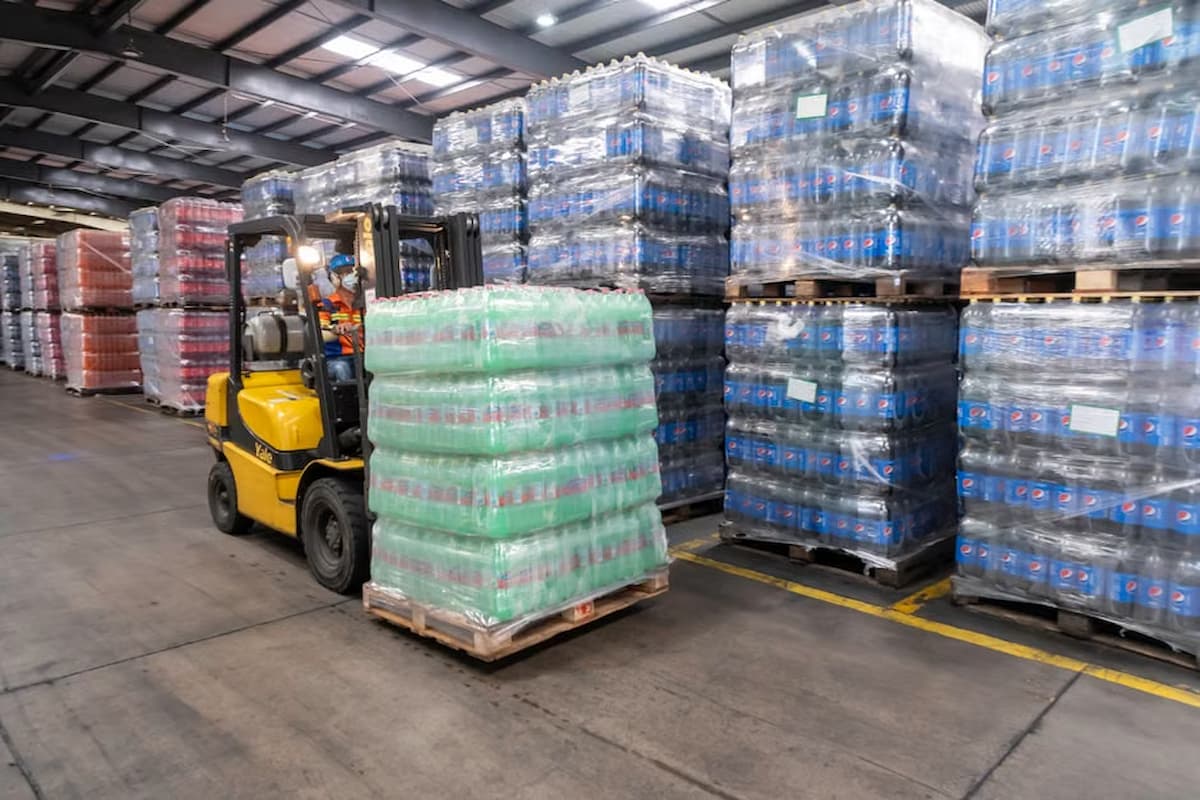
Efficient route logistics are paramount for maximizing profitability in a vending business. Every mile driven, every minute spent servicing a machine, and every wasted product impacts the bottom line. We focus on several key areas to optimize our routes:
By implementing these strategies, we can ensure our machines are always stocked, operational, and generating revenue, while keeping our overheads in check.
Tracking Revenue and Unit Economics in Vending Machine OperationsUnderstanding the financial health of each vending machine and the overall operation requires diligent tracking of revenue and unit economics. This data empowers us to make informed decisions about pricing, product mix, and even location viability.
By rigorously tracking these financial indicators, we can identify underperforming machines or locations, make data-driven adjustments, and continually optimize our vending business for long-term profitability.
Frequently Asked Questions About Vending PlacementsAs operators navigate the complexities of finding and managing vending machine locations, several common questions arise. Addressing these proactively helps clarify expectations and provides a roadmap for success.
We often get asked about specific location criteria, the intricacies of contract negotiations, and how to interpret viability metrics. These are fundamental to making sound business decisions and avoiding common pitfalls.
How many daily visitors are needed to make a vending location viable?While there’s no universal magic number, industry insights suggest that a location with at least 200 daily visitors offers a strong foundation for viability. However, this threshold can vary significantly based on several factors:
Viability is a blend of visitor volume, dwell time, purchasing intent, and the absence of strong competition.
What is the average payback period for a new vending machine?The payback period for a new vending machine—the time it takes for the machine’s net revenue to cover its initial cost—can vary widely. Several factors influence this:
Generally, for a well-placed machine in a high-traffic location, operators often aim for a payback period of 12 to 24 months. Some exceptionally profitable locations might see a return in under a year, while less optimal placements could take three years or more. Using an ROI calculator before placement helps to set realistic expectations and ensure the investment is sound.
How do operators secure contracts with commercial property managers?Securing contracts with commercial property managers requires a professional approach, clear communication, and a compelling value proposition.
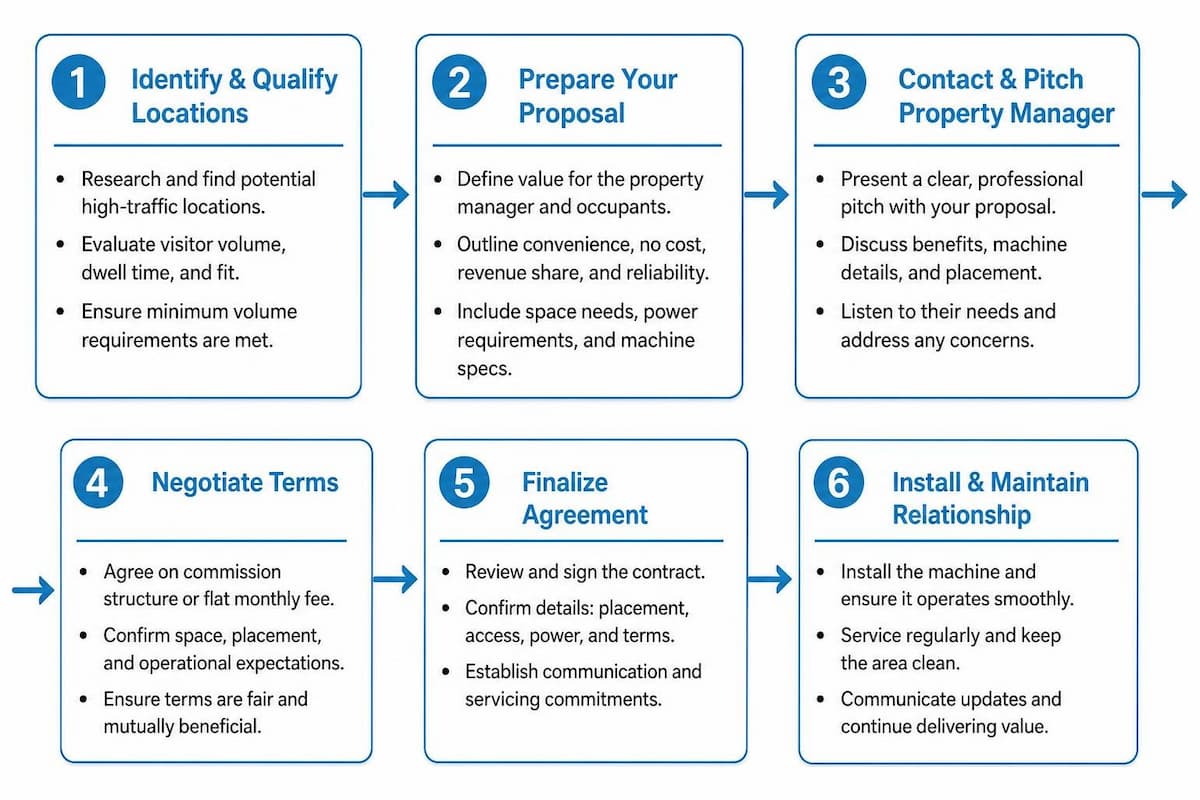
By presenting a clear, beneficial, and professional offer, operators can significantly increase their chances of securing desirable contracts with commercial property managers.
ConclusionThe journey to building a successful vending machine business is multifaceted, but at its heart lies the strategic acquisition of prime locations. As we’ve explored, this isn’t a game of chance but a data-driven discipline that combines meticulous research, smart technology, and effective interpersonal skills. From analyzing foot traffic and demographic profiles to understanding unit economics and negotiating favorable contracts, every step contributes to the overall success and scalability of your operation.
By focusing on portfolio expansion into high-potential, often overlooked venues, and maintaining rigorous operational discipline through optimized logistics and proactive maintenance, operators can unlock significant long-term profitability. The vending landscape in October 2026 is dynamic, offering immense opportunities for those who approach it with a strategic mindset. By embracing the insights and actionable steps outlined in this guide, we empower ourselves to make informed decisions, build robust vending routes, and achieve sustainable growth in this exciting industry.
| # | Наименование новости | Тональность | Информативность | Дата публикации |
|---|---|---|---|---|
| 1 | AlienSync Socials Software: A Complete Guide For Modern Digital Management | 0 | 5.16 | 19-10-2026 |
| 2 | What Happens If You’re Hit By A Drunk Driver In Mobile, Alabama | 0 | 5.95 | 17-10-2026 |
| 3 | 10 Mistakes New Franchisees Make That Lead to Business Failure | 0 | 7.13 | 12-07-2026 |
| 4 | Do Empty Links’ Href Attributes Need ‘#’ Or ‘javascript:void(0);’? | 0 | 8.4 | 14-10-2026 |
| 5 | 10 Top Tech Trends Every Business Owner Should Watch in 2026 | 0 | 10.89 | 05-07-2026 |
| 6 | What We Can Check About 8624203619 This Unknown Number | 0 | 10.99 | 19-10-2026 |
| 7 | What is a business venture? Key steps to starting your own | 0 | 5 | 14-10-2025 |
| 8 | 12 Freelance Business Mistakes That Prevent You From Scaling Past Six Figures | 0 | 7.78 | 14-07-2026 |
| 9 | Кировский бизнес меняет стратегии продаж и оптимизирует логистику | 0 | 11.94 | 22-09-2026 |
| 10 | 10 Best Business Tools for Solopreneurs Running One-Person Companies in 2026 | 0 | 14.42 | 06-07-2026 |