Просмотр новости
Найдите то, что Вас интересует
 Спутники
 РН
РН SpaceX
 Роскосмос
 NASA
NASA
СпутникиРНSpaceXРоскосмосNASAA blurry TikTok clip of a fish coming out of a borewell led scientists straight to a brand new species living underground beneath the India-Nepal border. Meet Gangaichthys indonepalicus.
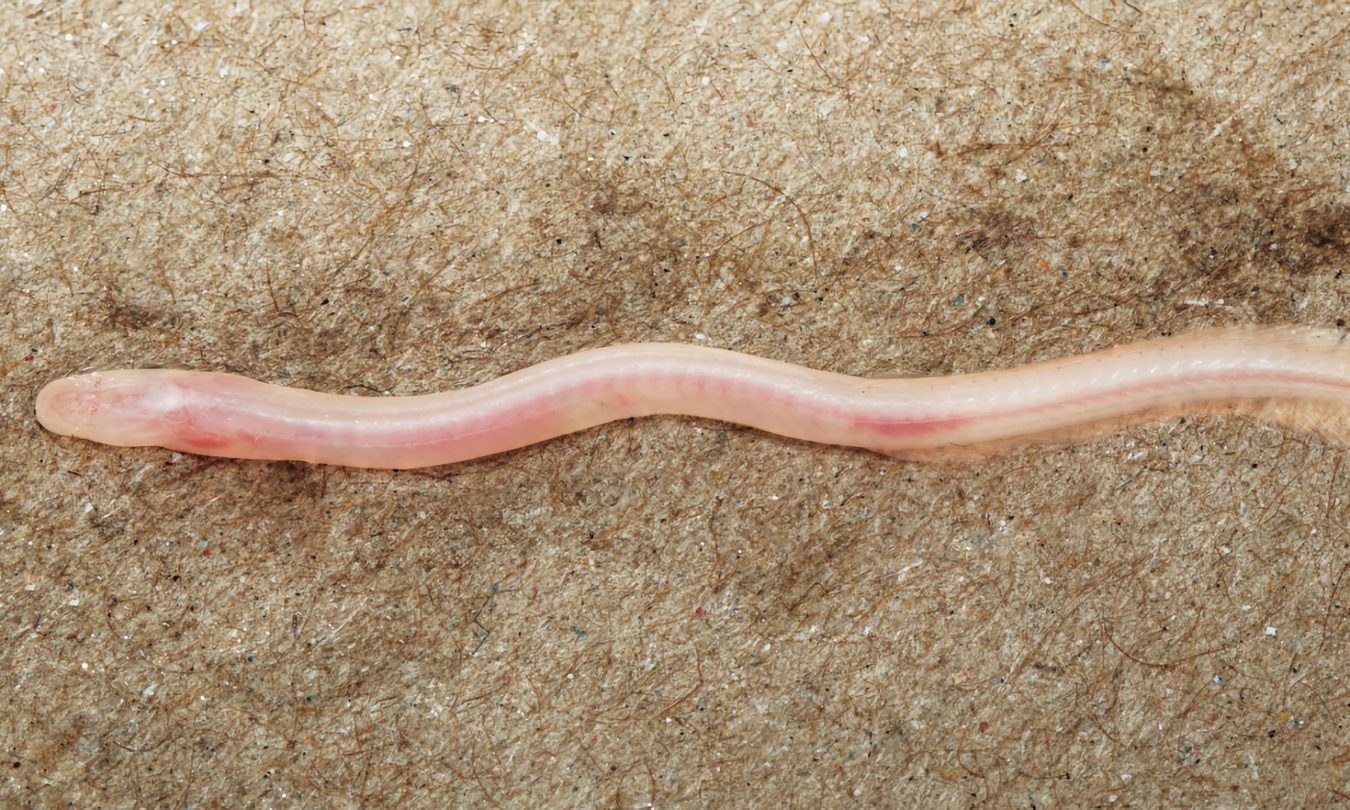 Ishan Agarwal
A TikTok video usually leads to a new recipe or a dance trend. This one led researchers straight to a brand-new species of fish.
Scientists have discovered a new genus and species of underground earthworm eel living beneath the Indo-Gangetic Plain in Bihar, northern India. Named Gangaichthys indonepalicus, it’s the first subterranean eel ever recorded from the Gangetic Basin, and it all started with a random borewell (drilled well) video.
Recommended Videos
The study was published in ZooKeys and led by an international team from the Thackeray Wildlife Foundation, Shivaji University, the Shanghai Synchrotron Radiation Facility, and the Zoological Survey of India. Back in 2024, someone posted a short clip on TikTok showing a strange, tiny fish coming out of a water borewell near the India-Nepal border, and that was enough to catch researchers’ attention.
“The unique morphology of the fish in the video, and the fact that there are no known stygobitic fish from the region, motivated us to track down the species to ascertain its identity,” the team said.
How researchers discovered the underground fish?Researcher Akshay Khandekar and his team had to manually pump thousands of liters of water out of borewells in Bihar, after tracking down owners willing to let them try. The first fish that came up had already been damaged in the process and didn’t survive. The team’s actual holotype specimen only showed up after they pumped out another 500 liters.
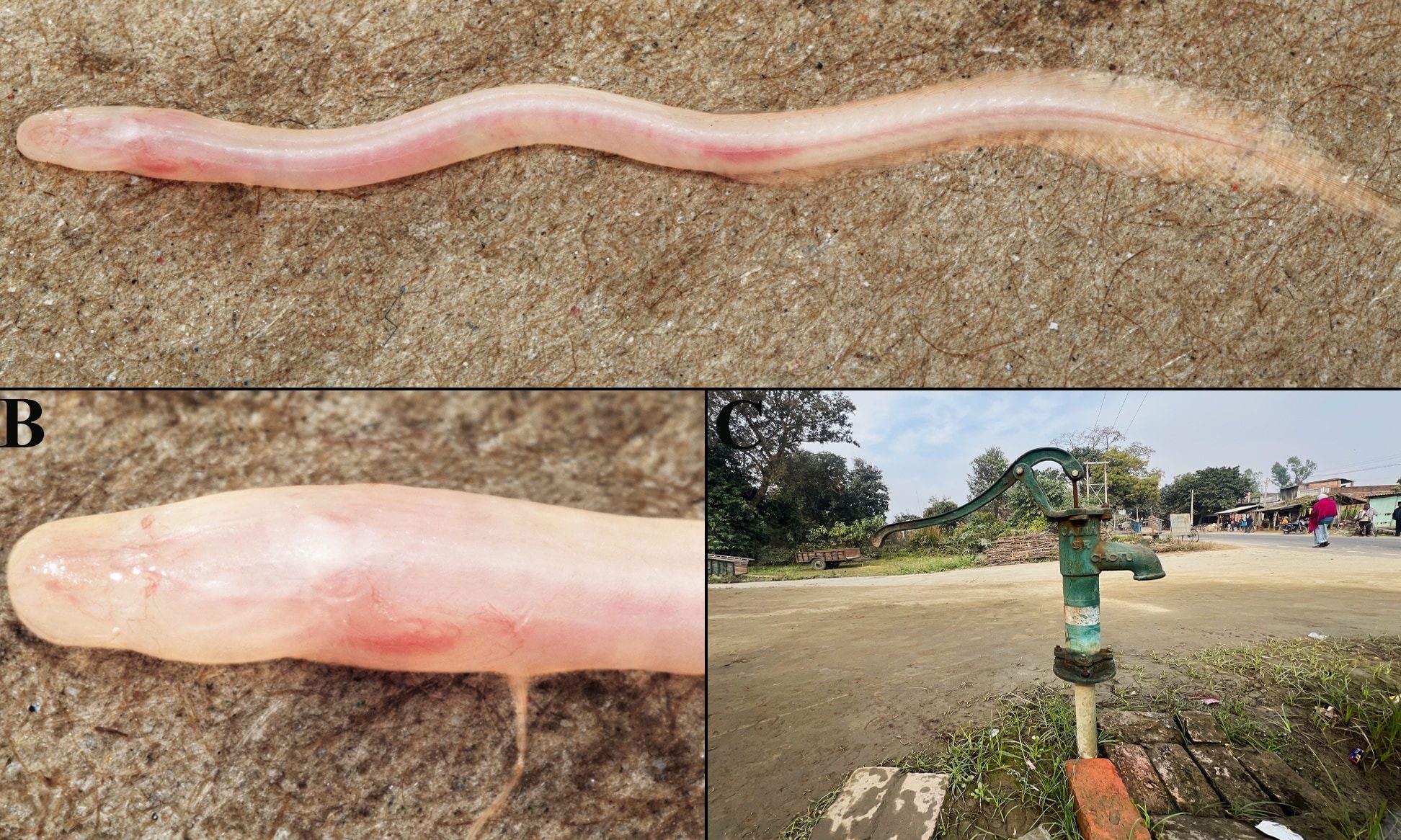 Akshay Khandekar et al.
What makes this fish so unusual?
Akshay Khandekar et al.
What makes this fish so unusual?
At just about four centimeters long, Gangaichthys indonepalicus is built for a life with zero sunlight. It has skin-covered eyes, a see-through unpigmented body, and no ribs at all. CT scans and genetic testing confirmed it’s not just a new species, but an entirely new genus within the Chaudhuriidae family.
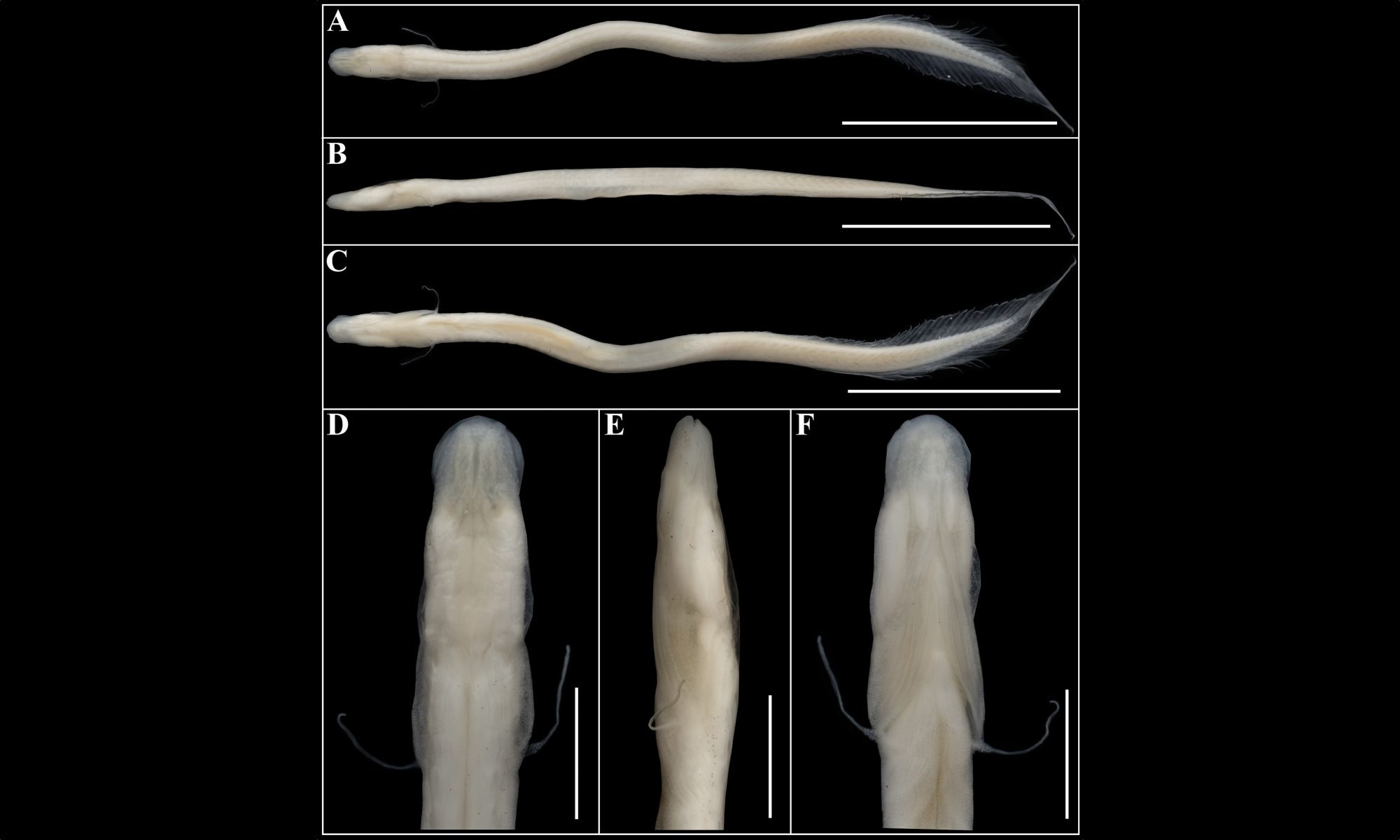 Akshay Khandekar
The name itself is a tribute. “Gangaichthys means fish of the Ganga,” explained researcher Agarwal, tying the species to the river that shapes life across the region. Researcher Tejas Thackeray added that “indonepalicus” nods to where the fish was found, right along the India-Nepal border.
Discoveries like this are a reminder of how little we still know about what’s hiding beneath our feet.

Rachit is a seasoned tech journalist with over ten years of experience covering the consumer technology landscape.
A tight squeeze could fix the biggest hurdle for solid-state car and gadget batteries
A simple mechanical trick could replace complex chemistry fixes to make solid-state batteries safer, faster, and more reliable.

Solid-state batteries have long been promised as the holy grail of energy storage. They promise to double energy density compared to traditional options, slash charging times, and eliminate the risk of thermal fires. Despite that, the technology has yet to achieve widespread commercial adoption, and the main culprit is dendrites. These microscopic, needle-like structures form inside solid-state batteries during charging, bore through the solid ceramic electrolyte, and bridge the electrodes, causing a short circuit.
Now, researchers from SLAC National Accelerator Laboratory and Stanford University have discovered a surprisingly simple fix for this persistent problem. According to a paper published in the science journal Nature, applying controlled mechanical pressure to the ceramic electrolyte prevents these short circuits, allowing test cells to survive thousands of charge cycles without failing.
Anthropic previews new standard to streamline AI-to-machine connections
The Model Hardware Standard provides a universal translation layer, giving AI agents standard controls to run lab equiment and factory machines.
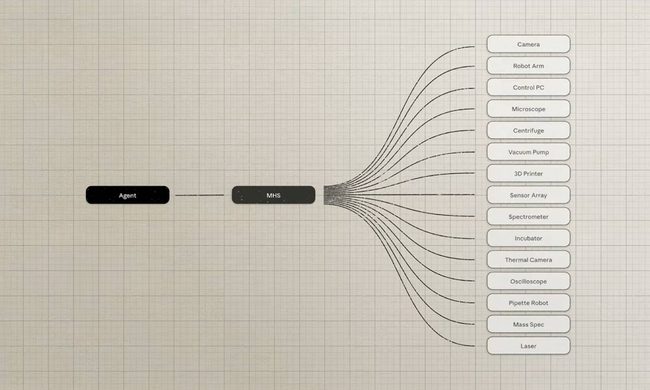
Anthropic has launched a research preview of its Model Hardware Standard (MHS), a shared specification designed to let AI agents safely control lab instruments and factory equipment. The company claims MHS reduces the time required to integrate complex machinery with AI from months down to hours or minutes. The standard is currently available to select research labs and manufacturers via a waitlist, but Anthropic plans to open-source it in the future.
How the standard connects AI to physical devices
Gemini Omni can now extend videos to 40 seconds and upscale them to 4K

Generating a short AI video is one thing; getting several shots to actually look like they belong in the same video is a much harder problem. Google is taking another swing at that with Gemini Omni 1.1 Flash, its latest generative video model aimed at giving creators and developers much more control over what happens between the first frame and the last.
The biggest change is how much of an existing video Gemini can remember when you ask it to continue a scene. Omni 1.1 can look at up to 10 seconds of previous footage for context, rather than relying on just the final second. That should help it keep characters, environments, and the general direction of a scene more consistent instead of effectively guessing what should happen next.
| # | Наименование новости | Тональность | Информативность | Дата публикации |
|---|---|---|---|---|
| 1 | Впервые обнаружен вид рыб, обитающих под землей | 0 | 8.8 | 30-08-2026 |
| 2 | Ученые нашли новый необычный вид рыб, обитающих под землей | 0 | 5.97 | 30-08-2026 |
| 3 | Scientists discover new tectonic boundary forming under Zambia | 0 | 7 | 12-05-2026 |
| 4 | The fungal network hidden beneath our feet: Secret web of fungi could circle Earth 2.7 TRILLION times | 0 | 7 | 24-06-2026 |
| 5 | Scientists uncover tectonic boundary under Mozambique and Tanzania | 0 | 5 | 23-04-2026 |
| 6 | Десятки китайцев внезапно оказались под землей | 0 | 5 | 07-07-2026 |
| 7 | Scientists open a million-year-old time capsule beneath New Zealand | 0 | 10.09 | 26-03-2026 |
| 8 | Индийский стриминговый сервис создал аналог запрещенного в стране TikTok | 0 | 0 | 16-08-2020 |
| 9 | На Сахалине обнаружили подпольный цех по производству рыбной продукции | 0 | 10 | 11-08-2026 |
| 10 | How Colorado became the unlikely epicenter of American yak ranching | 0 | 8.4 | 08-08-2026 |