Просмотр новости
Найдите то, что Вас интересует
 Спутники
 РН
РН SpaceX
 Роскосмос
 NASA
NASA
СпутникиРНSpaceXРоскосмосNASADenver7's Anusha Roy talked to a clinical psychologist about how to determine healthy screen time amid back to school.
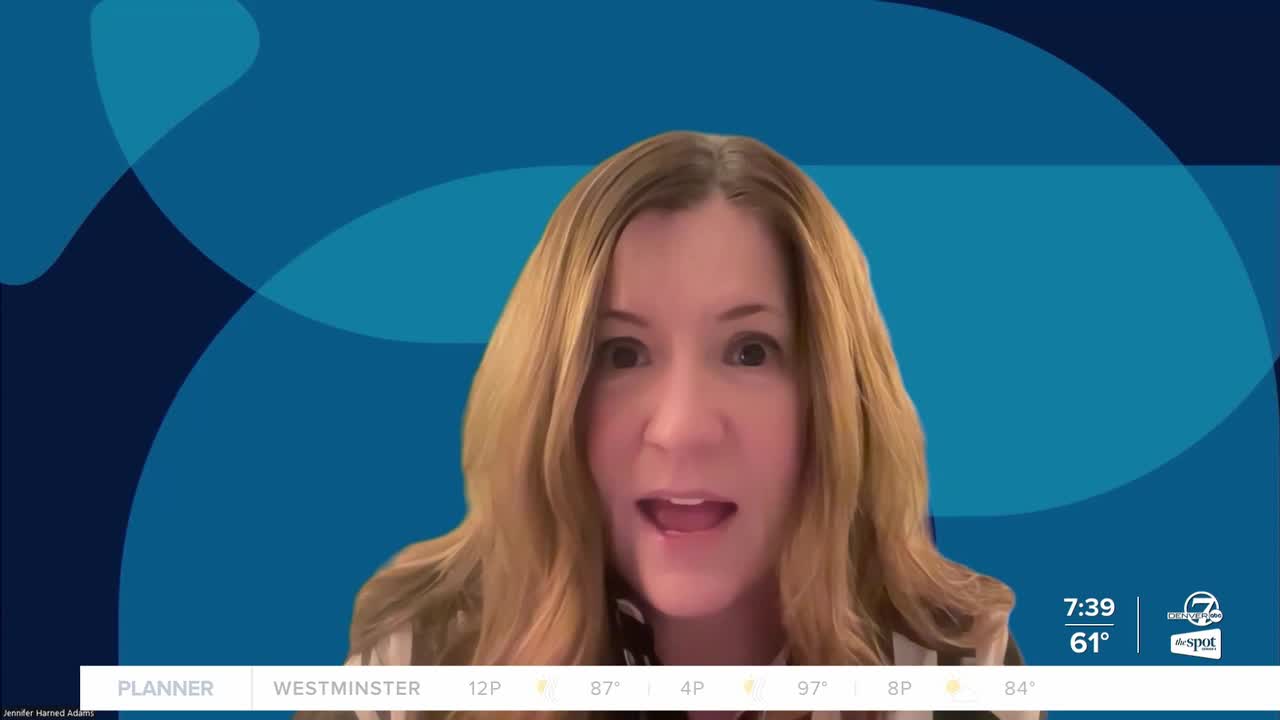
Denver7's Anusha Roy talked to a clinical psychologist about how to determine healthy screen time amid back to school.


DENVER — As we start a new school year, this could be a good time to reset and talk about screen time.
Denver7 talked to clinical psychologist, Jennifer Harned Adams, with HCA HealthOne about how to determine healthy screen time.
“For kiddos who have gotten used to using their screen time allotment for you know scrolling on Instagram or you know watching silly shorts on YouTube, making that shift to using their content for educational content may be a shift,” Harned Adams said. “There may be some resistance or you know some limit setting that needs to take place for families to kind of get them back into those healthy habits.”
How to determine healthy screen time amid back to school
Here are the general guidelines from the American Academy of Child and Adolescent Psychiatry:
Harned Adams said it’s particularly important to know the difference between what’s considered educational and what’s not.
“This might look like connecting with a classmate on FaceTime to work on a project. This might look like, for an older student, watching something on Khan Academy to help them with their math homework. It might be watching a documentary to help them better understand their history project or something like that. It might be using screens for artistic creativity, you know, making digital art, maybe making a movie or a musical piece online,” Harned Adams said.
As for the balance with screen time integrated into classwork, this is the advice from Harned Adams.
“For older kids, the recommendations really say that don't even worry about educational usage. So, if it's you know part of a homework assignment, if it's part of something that they're doing, you know, for classwork during the day, it does not count. It really kind of that's more like instructional time versus you know kind of personal use time,” she said.
Harned Adams said for parents and caregivers it’s important to model the behavior they want to see, whether that’s screen free dinner time or other rules. She said that’s important for older and younger kids.
“Showing them being intentional about it, kind of narrating your use as a parent. Saying you know – oh I have do work email for 15 minutes and the I'll be able to play with you," Harned Adams said." Or you know this is your Aunt Sue calling me or texting me about her doctor's appointment, so I'm going to reply to her right now, so that they understand that you're being thoughtful with your time online.”
Harned Adams said being transparent with kids is particularly useful, especially as kids gets older.
“Technology and screens are a part of our reality,” Harned Adams added. “You know, our kids are going to grow up in this digital culture and need to know how to use screens in a responsible way as they're getting older. So it's less about putting strict time limits on it and counting every minute that they're on the screen and teaching them how to be good digital citizens, how to utilize these resources in a way that's healthy and supports their growth.”

Denver7
Denver7 | Your Voice: Get in touch with Anusha Roy
Denver7 morning anchor Anusha Roy tells stories that impact all of Colorado’s communities, but specializes in reporting on our climate, mental health, and the opioid crisis. If you’d like to get in touch with Anusha, fill out the form below to send her an email.
| # | Наименование новости | Тональность | Информативность | Дата публикации |
|---|---|---|---|---|
| 1 | Психолог Андронникова рассказала, как настроить ребенка на школу после каникул | 0 | 8.79 | 18-08-2026 |
| 2 | Doctor recommend routines to ease back-to-school transitions | 0 | 13.77 | 23-07-2026 |
| 3 | Психолог Мактаз объяснила, как вернуть школьника к режиму после каникул | 0 | 6.5 | 05-08-2026 |
| 4 | Scientists tracked kids for 8 years — the screen time result was unexpected | 0 | 11.5 | 17-08-2026 |
| 5 | Parents urged to revisit screen time limits as kids head back to school | 0 | 7.17 | 12-08-2026 |
| 6 | Собираемся. Психолог Арутюнян назвал правила подготовки за 3 недели до школы | 0 | 17.79 | 07-08-2026 |
| 7 | Психолог дала рекомендации родителям, как помочь школьникам во время адаптации к учебе | 0 | 0 | 26-08-2019 |
| 8 | WhatsApp, ChatGPT, doomscrolling: how your screen habits may be fueling anxiety | 0 | 10 | 21-07-2026 |
| 9 | Психолог предостерегла от главных ошибок при подготовке ребенка к школе | 0 | 10 | 16-08-2026 |
| 10 | How the Head of YouTube Health handles screen time with his kids | 0 | 10.38 | 29-07-2026 |