Просмотр новости
Найдите то, что Вас интересует
 Спутники
 РН
РН SpaceX
 Роскосмос
 NASA
NASA
СпутникиРНSpaceXРоскосмосNASAJapan's summers are becoming increasingly extreme. Here's what I learned after experiencing heatstroke in Tokyo- and how you can stay safe.
Japan's summers are becoming increasingly extreme. Here's what I learned after experiencing heatstroke in Tokyo- and how you can stay safe.
After experiencing heatstroke in Tokyo while commuting to work, I realized just how quickly Japan’s intense summer heat and humidity can become dangerous- even for someone who has lived here before. One moment, I thought I was simply exhausted; the next, I realized something was seriously wrong. Although I recovered, the experience completely changed the way I approach Japan’s summers. Here’s what I learned: the warning signs I wish I had recognized sooner and the practical steps you can take to stay safe this summer.
Tokyo’s Extreme Heat: Why the Risk Is Growing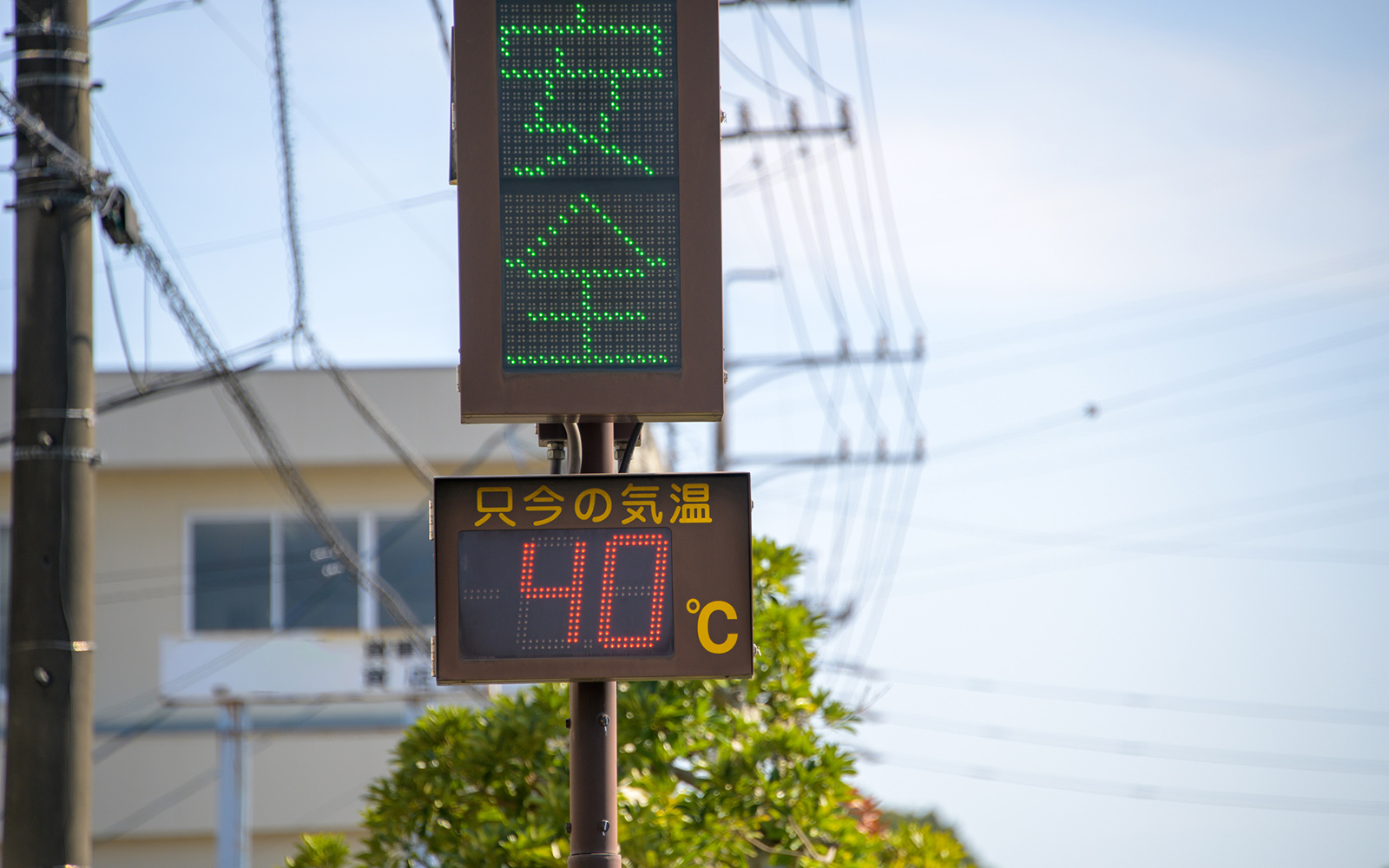 Don’t underestimate any time spent outdoors this summer.
Tokyo increasingly faces prolonged periods of dangerous summer heat, with daytime temperatures frequently reaching 35°C (95°F) or higher. In recent years, the heat has become so extreme that the Japan Meteorological Agency has even introduced a new term, kokushobi (酷暑日), meaning “cruelly hot day”, to describe exceptionally severe heat events.
Authorities issue Heatstroke Alerts when the predicted risk is extremely high, while the more serious Special Heatstroke Alert warns of exceptional conditions that could pose a widespread threat to health.
These warnings are not simply reminders that it will be hot. They are a sign to reconsider outdoor plans, limit unnecessary activity and take precautions before leaving home. As Japan’s summers continue to grow hotter and more dangerous, understanding these warnings has become more important than ever.
Why Japan’s Summer Feels Different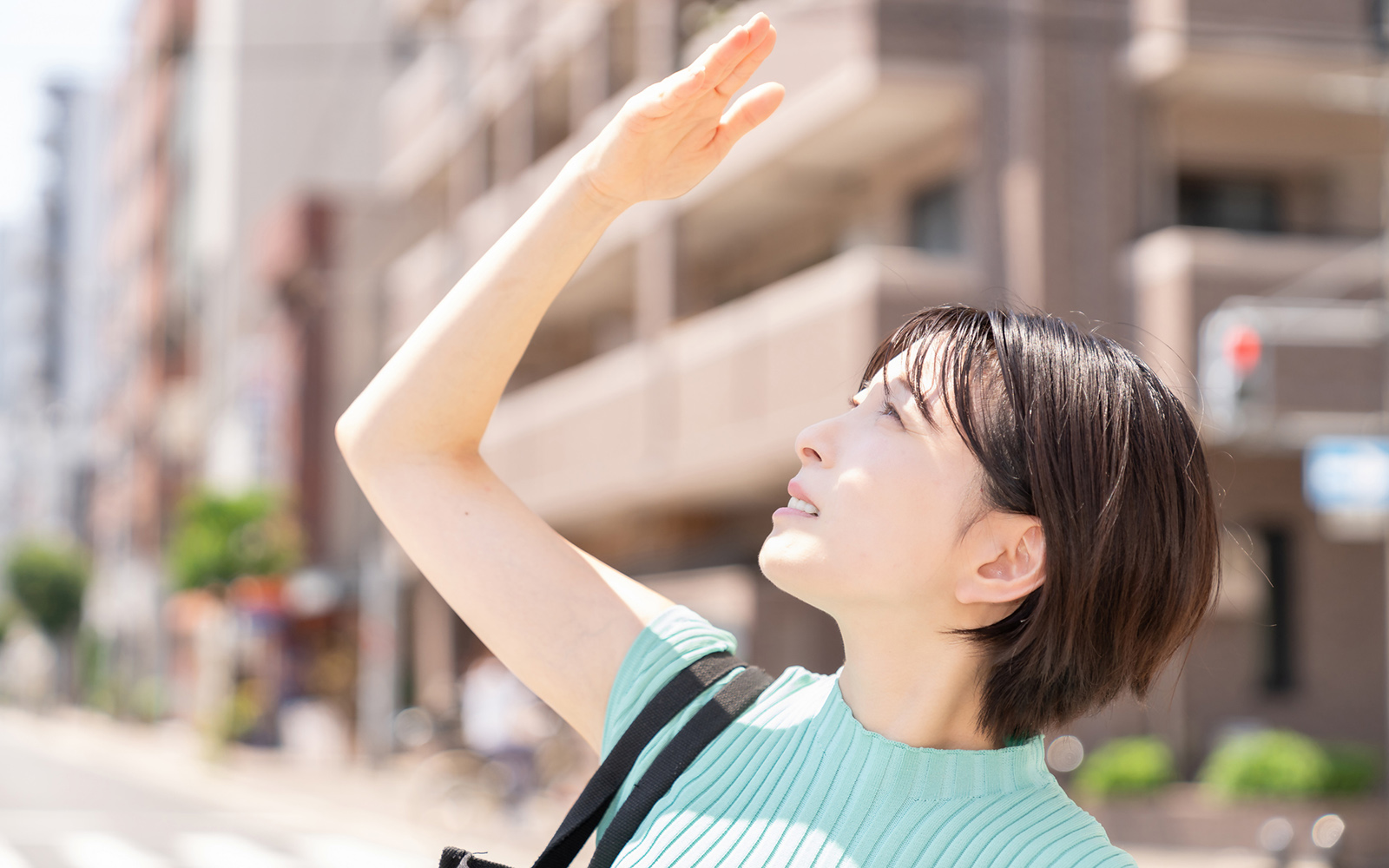 It will only get hotter from here.
Many visitors and new residents are surprised by how much hotter Tokyo feels than the forecast suggests. High humidity makes it difficult for sweat to evaporate, hindering the body’s ability to cool itself efficiently.
Add long walks between stations, crowded commutes, limited shade and heat radiating from concrete, and your body can overheat surprisingly quickly. What feels like an ordinary journey can become dangerous before you fully realize something is wrong.
Heat Stroke: Early Warning Signs Don’t ignore the signs.
Heatstroke rarely happens without warning. In many cases, it begins with symptoms that are easy to dismiss as tiredness, dehydration or simply “feeling hot.” Early signs include a headache, dizziness, nausea, muscle cramps, unusual fatigue, difficulty concentrating or feeling unsteady on your feet.
If you notice any of these symptoms, don’t try to push through them. I made that mistake myself, assuming I just needed to get home. Looking back, those early warning signs were my body’s way of telling me to stop. Responding early by moving to a cool place and beginning first aid can prevent heat exhaustion from progressing to heatstroke.
Heat Stroke: What to Do Stay hydrated.
If you think you’re developing heat exhaustion or heatstroke, act immediately. Early treatment can prevent it from becoming more serious.
Move to a cool, shaded or air-conditioned place as soon as possible and stop any physical activity. Loosen or remove unnecessary clothing, sip water or an oral rehydration drink if you’re fully alert, and cool your body using ice packs, cold bottles or wet towels, particularly around your neck, armpits and groin, where large blood vessels are close to the skin.
If your symptoms don’t improve, worsen or include confusion, loss of consciousness or seizures, call 119 immediately or ask someone nearby to do so. Looking back, I wish I’d stopped at the nearest convenience store instead of trying to push through.
Summer Essentials to Stay Cool Time to stock up!
If you’re starting to feel the effects of the heat, Japanese convenience stores and drugstores stock a range of products to help you cope.
For hydration, reach for electrolyte drinks such as OS-1 or Pocari Sweat, or electrolyte tablets that can be dissolved in water. To cool down quickly, cooling wipes, cooling body sprays and instant ice packs are widely available and easy to use while commuting.
Many people in Japan also rely on reusable cooling neck rings, portable neck fans and even bags with built-in fans to make walking outside more comfortable during the hottest months. While these products won’t prevent heatstroke on their own, they can help reduce heat stress when used alongside regular hydration, rest and avoiding prolonged exposure to the sun.
Quick Heatstroke KitIf you’re spending the day outdoors, keep these essentials in your bag:
 UV parasols are becoming increasingly common.
One of the easiest ways to adapt to Japan’s summer is to notice the small habits many locals adopt during the hottest months. Rather than simply enduring the heat, they adjust their daily routines to avoid becoming overheated in the first place.
UV parasols are a common sight, providing portable shade as people walk between stations. Cooling towels are often wrapped around the neck, while lightweight, moisture-wicking clothing such as UNIQLO’s AIRism range helps sweat evaporate more efficiently. Many people also carry a reusable water bottle and make a habit of drinking small amounts throughout the day rather than waiting until they feel thirsty.
Whenever possible, locals also avoid unnecessary outdoor activity during the hottest part of the day, running errands early in the morning or late in the evening. If you’re feeling unwell, don’t wait until you get home. Even stepping into the nearest convenience store or café for 10 minutes to cool down can make a difference.
These habits may seem simple, but together they can significantly reduce your risk of heat-related illness during Japan’s long, humid summer. I’ve adopted many of them myself and now never leave the house in summer without a bottle of water and a UV parasol.
When to Call an Ambulance Don’t wait for symptoms to worsen.
While mild heat-related illness can often be treated by resting in a cool place and rehydrating, severe heatstroke requires immediate medical attention. Don’t worry about overreacting. It’s always better to call for help than wait for symptoms to become life-threatening. If you or someone else becomes confused, loses consciousness, has a seizure, cannot drink fluids safely or their condition continues to worsen despite cooling measures, call an ambulance without delay.
Important NumbersIf you need to call 119 and don’t speak Japanese, stay calm and state your location clearly. If possible, say 「熱中症です」(Netchuushou desu – “It’s heatstroke.”). If someone nearby speaks Japanese, don’t hesitate to ask for help making the call.
 You’ll want to remember these words.
One advantage of living or traveling in Japan is that products and services for staying safe in the summer are widely available. Learning a few common Japanese words can make it much easier to recognize what you need in a convenience store, drugstore, or emergency.
| Japanese | Reading | English |
| 熱中症 | Necchuushou | Heatstroke/heat illness |
| 救急車 | Kyuukyuusha | Ambulance |
| 経口補水液 | Keikou hosui-eki | Oral rehydration solution |
| 冷却シート | Reikyaku shiito | Cooling sheet |
| 冷却スプレー | Reikyaku supure | Cooling spray |
| 冷感タオル | Reikan taoru | Cooling towel |
| 日傘 | Higasa | UV parasol |
| 塩分補給 | Enbun hokyuu | Salt/electrolyte replacement |
If you ever need help, don’t be afraid to ask. During Japan’s hot, humid summers, heatstroke is taken seriously, and most people will be happy to assist if someone appears unwell.
With a little preparation and an understanding of the warning signs, you can enjoy everything Japan’s summer has to offer safely.
| # | Наименование новости | Тональность | Информативность | Дата публикации |
|---|---|---|---|---|
| 1 | Tokyo Events for July 2026 | 0 | 19.28 | 23-07-2026 |
| 2 | The Ultimate Guide to a Beach Day Trip in Japan with Kids | 0 | 13.97 | 06-08-2026 |
| 3 | As a major heat wave grips the eastern US, here’s how to stay safe – and the heat stroke warning signs to watch for | 0 | 3.69 | 07-07-2026 |
| 4 | 10 Perfect Indoor Spots To Go For A First Date In Tokyo | 0 | 16.93 | 04-08-2026 |
| 5 | В Токио и ещё 38 префектурах объявили тревогу из-за жары | 0 | 5 | 20-07-2026 |
| 6 | Escape the Crowds: A Guide to Tokyo’s Hidden Hikes | 0 | 17.41 | 09-08-2026 |
| 7 | В Японии от жары за неделю умерли 7 человек, свыше 4,5 тысячи госпитализированы | 0 | 5 | 14-07-2026 |
| 8 | A practical guide to freezing your boss’ hat in a block of ice [Photos] | 0 | 8.69 | 17-08-2026 |
| 9 | How To Survive This Week’s Dangerous Heat Wave Without Losing Your Cool | 0 | 5 | 02-07-2026 |
| 10 | Cooling clothing for extreme heat that actually works | 5 | 7 | 02-07-2026 |