Просмотр новости
Найдите то, что Вас интересует
 Спутники
 РН
РН SpaceX
 Роскосмос
 NASA
NASA
СпутникиРНSpaceXРоскосмосNASAQuick Summary WordPress remains a prime target for increasingly sophisticated cyber threats, including AI-powered attacks, supply chain compromises, ransomware, and deepfake-driven social engineering. Traditional security ... Read more »
WordPress remains a prime target for increasingly sophisticated cyber threats, including AI-powered attacks, supply chain compromises, ransomware, and deepfake-driven social engineering. Traditional security measures are no longer sufficient. Modern cybersecurity for WordPress requires a proactive, multi-layered approach that includes secure managed hosting, DNS-level protection, hardware-based multi-factor authentication, geofencing, file integrity monitoring, database hardening, and browser security headers.
Businesses should also follow the 3-2-1-1 backup strategy, leverage AI-driven security automation, and ensure compliance with data privacy regulations such as GDPR. By adopting a zero-trust mindset and continuously updating defenses, website owners can better protect their WordPress sites against next-generation cyber threats.
As we navigate the digital transformation landscape, WordPress remains the world’s most popular content management system, powering most of the internet. However, its ubiquity makes it the primary target of a new type of cyber adversary. The script of the past has been replaced by sophisticated AI-driven botnets, automated zero-day exploit hunters, and ransomware-as-a-service (RaaS) operations.
In this era, traditional security measures, such as simply installing a plugin and choosing a strong password, are no longer enough. Protecting a WordPress site today requires a multi-layered, proactive strategy that anticipates Next-Gen threats.
The Evolution of the Threat Landscape
Also, before diving into defenses, we must understand what we are up against.
AI-Driven ForceHackers now use Large Language Models (LLMs) alongside neural networks to predict passwords from leaked data and user behavior patterns. These AI bots can bypass basic rate limiting by rotating IP addresses across millions of Internet of Things devices, which, in turn, makes them appear to be legitimate distributed traffic.
Supply Chain AttacksInstead of attacking your site directly, hackers target the plugins and themes you trust. The attackers inject malicious code into a popular plugin’s update repository, allowing them to access hundreds of thousands of websites simultaneously.
Deepfake Social EngineeringSocial engineering has gone high-tech. Attackers may use AI-generated audio or video to impersonate a site administrator or hosting provider, tricking junior editors into handing over credentials or turning off security protocols.
Core Infrastructure: The First Line of Defense
Cybersecurity for WordPress starts before you even install it. Your hosting environment is the foundation of your security posture.
Secure Managed HostingIn the current climate, shared hosting is a liability. Modern websites should choose managed WordPress hosting that offers:
Using a service like Cloudflare is mandatory. By routing your traffic through a global network, you hide your server’s actual IP address, protecting you from direct-to-IP DDoS attacks.
Strengthening Authentication: Beyond the Password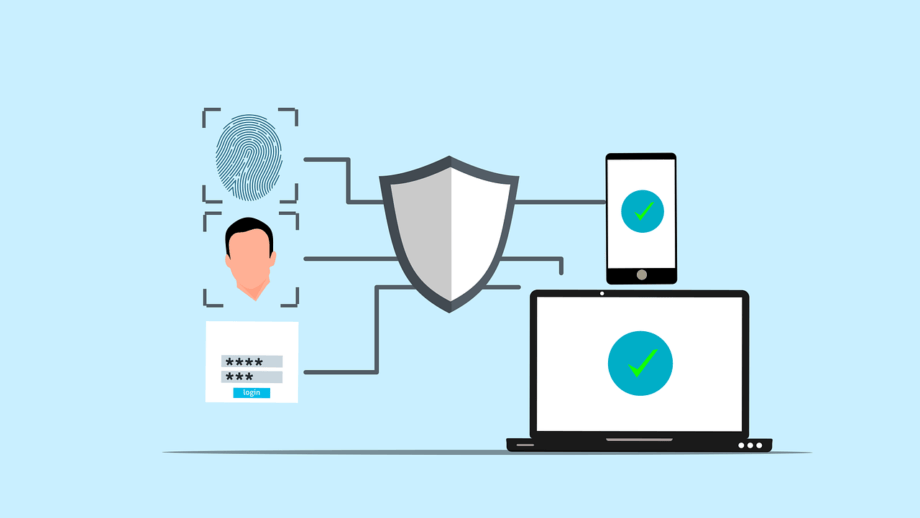
Passwords are the weakest link in the security chain. Also, we must move toward a zero-trust architecture.
Multi-Factor Authentication (MFA)The standard 2FA (SMS codes) is now considered insecure due to SIM-swapping attacks. Next-gen security requires:
If your team only works from the UK during business hours, your WordPress login page should not be accessible from other countries. Modern security plugins now allow you to geofence the area, which helps drastically reduce the attack surface.
Advanced Monitoring
Hackers often hide inside a site for weeks before striking. So, detecting indicators of compromise (IoC) is vital.
Integrity MonitoringUse tools that take a snapshot of your core WordPress files. If a single line of code changes without your authorization, the system should immediately lock down the site and alert you.
Database SecurityMost users forget about the database, as hackers increasingly leverage SQL Injection to extract user data or create hidden admin accounts. Always ensure your database prefix is changed from the default and that your database user has the minimum permissions required to function.
Content Security Policy (CSP) and Headers
Modern browsers have built-in security features that most WordPress users fail to use. Always focus on implementing security headers, which help you to prevent many common attacks:
If the worst happens and your site is hit by ransomware, your backup is your only lifeline. However, sophisticated malware targets your backups first. Hence, the main focus should be on the 3-2-1-1 rule.
The 3-2-1-1 RuleAn immutable backup cannot be changed or deleted for a set period, which means even if a hacker gets your admin credentials, they cannot wipe your recovery files.
Automating Response with AI
If a botnet attacks your site at 2:00 AM, you will not be available to stop it. Additionally, security is an algorithm-versus-algorithm battle. Further, by implementing security orchestration, automation, and response (SOAR) tools for WordPress. These AI systems can detect a pattern of failed logins or suspicious file edits and automatically:

Cybersecurity for WordPress is not just about tech; it is about the law. The data privacy laws have become even stricter. A hacked WordPress site that leaks customer data can result in bankruptcy fines. Further, always ensure your site is secure, which is now a legal requirement. Implementing Privacy by Design, which encrypts data at rest and collects only the bare minimum of user information, is essential for any modern WordPress business.
Conclusion
There is no ultimate solution for WordPress security. As we face the challenges, we must shift our mindset from defending the perimeter to assuming breach. Focus on adopting a proactive, multi-layered approach combining AI-driven tools, hardware-based authentication, and a rigorous update culture, and you can ensure your WordPress site remains a fortress.
Finally, in the fast-evolving world of next-gen threats, the most secure websites are those that stay agile, stay up to date, and never assume they are too small to be targets.
| # | Наименование новости | Тональность | Информативность | Дата публикации |
|---|---|---|---|---|
| 1 | Integrating AIDriven Chatbots into WordPress: A Step-by-Step Tutorial #wordpress #artificialintelligence | 0 | 12.15 | 20-10-2025 |
| 2 | A Growing Concern: The Rising Security Risk in the WordPress Ecosystem | 0 | 16.76 | 16-04-2026 |
| 3 | Is WordPress Secure? What You Need to Know | 0 | 6.71 | 06-08-2026 |
| 4 | How WordPress Sites Get Hacked (And How to Stop Each Attack) | 0 | 5.05 | 15-07-2026 |
| 5 | WordPress Security Updates That Will Save You in 2026 | 0 | 13.4 | 20-06-2025 |
| 6 | heise+ | Datenlecks auf WordPress-Websites finden und abdichten | 0 | 16.9 | 27-07-2026 |
| 7 | Gleich noch ein Sicherheitsupdate für WordPress | 0 | 13.45 | 22-09-2026 |
| 8 | Уязвимости в WordPress, позволяющие удалённо выполнить код на сервере | 0 | 12.59 | 22-07-2026 |
| 9 | Sicherheitsupdates: Click2Shell-Lücke zum Kompromittieren von WordPress-Websites | 0 | 23.04 | 22-09-2026 |
| 10 | Boosting WooCommerce Sales with AI-Driven Personalization Plugins #ecommerce #wordpress | 0 | 12.84 | 24-10-2025 |