Просмотр новости
Найдите то, что Вас интересует
 Спутники
 РН
РН SpaceX
 Роскосмос
 NASA
NASA
СпутникиРНSpaceXРоскосмосNASA12 email marketing trends for 2026 covering authentication enforcement, AI personalization, new revenue-based KPIs, automation flows, deliverability changes, and what's working now.
The post 12 Email Marketing Trends in 2026 (Deliverability, AI Personalization, and New KPIs) first appeared on VentureLab.
12 email marketing trends for 2026, ranked by how much they’ll change your deliverability, engagement, and revenue this year.
392.5 billion emails are sent every day in 2026. That’s the number. Gmail, Yahoo, and Microsoft now permanently reject messages from domains without proper authentication. Open rates hit 30.7% but nobody trusts that number anymore because Apple’s privacy features inflate it by 14 to 18 points. Meanwhile, automated email flows generate 41% of total email revenue from only 5.3% of sends. The channel still returns $36 to $42 for every $1 spent. Email isn’t dying. But the rules for doing it well changed faster in the last 18 months than in the previous decade.
The 12 email marketing trends for 2026 are:
| Trend | Key Number | Who It Affects | Impact |
|---|---|---|---|
| Authentication Enforcement | 89% vs 44% inbox rate | All bulk senders | High |
| AI Personalization Split | 41% CTR increase with AI | Email marketers using ESPs | High |
| Revenue Per Recipient | $1.94 flow RPR vs $0.11 campaign | Ecommerce and SaaS teams | High |
| Automation Flow Dominance | 5.3% of sends = 41% of revenue | Anyone running email programs | High |
| Apple MPP Distortion | Opens inflated 14-18 points | Marketers tracking open rates | High |
| Deliverability Bottleneck | 0.3% spam rate = domain death | High-volume senders | High |
| SMS-Email Integration | Native in Klaviyo, Attentive, Omnisend | Omnichannel marketers | Medium |
| AI Cold Email Backlash | 440 contacts per lead | B2B outbound teams | Medium |
| Mailchimp Free Tier Shrinks | 87.5% reduction in 4 years | Small businesses, creators | Medium |
| Accessibility at 99.89% Failure | 21 of 443,870 emails passed | All email designers | Medium |
| Click-to-Conversion Up 53% | 5.9% to 9.0% YoY | Performance-focused teams | High |
| Zero-Party Data in Inbox | Replaces tracking pixels | Privacy-conscious brands | Medium |

Best for understanding: Anyone sending bulk email (5,000+ messages/day) through Gmail, Yahoo, or Microsoft inboxes.
Gmail, Yahoo, and Microsoft now require SPF, DKIM, and DMARC authentication for all bulk senders. This isn’t new guidance. It’s enforced. As of November 2025, non-compliant mail from Gmail receives permanent 550 rejections, not temporary deferrals. Microsoft started enforcing on May 5, 2025, returning 550 5.7.515 rejections for non-compliant bulk mail.
The numbers tell the story. Domains with proper SPF/DKIM/DMARC authentication see 89% inbox placement rates. Domains without it: 44%. That’s a 45-point gap, and it’s now a binary: authenticated or rejected. Google Postmaster Tools v2 (2026) replaced vague reputation scores with a Compliance Status Dashboard that shows a hard checklist of requirements.
The spam complaint threshold hardened too. 0.10% is the line. Hit 0.30% and your domain becomes ineligible for Gmail delivery mitigation. One bad campaign to a stale list can put you over that threshold.
Pricing: Free (SPF/DKIM/DMARC are DNS record configurations). Monitoring tools like Google Postmaster Tools are free. Third-party DMARC reporting services run $10-$300/month.
2. AI Personalization Splits Into Two Engines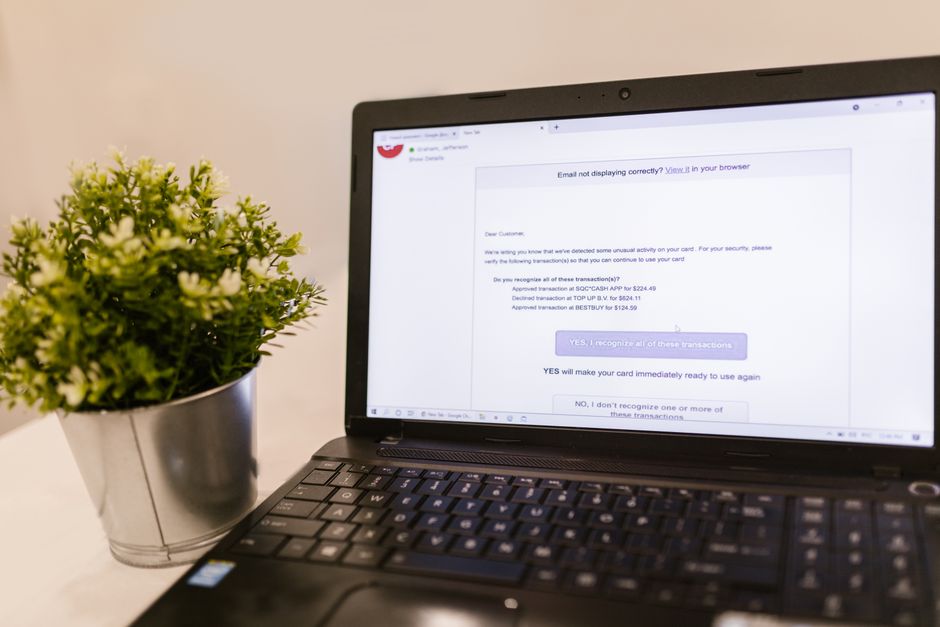
Best for understanding: Email marketers evaluating AI features in their ESP or considering AI-driven optimization.
The winning approach in 2026 uses two AI engines together. Predictive AI determines when to send, who to target, and which segments to prioritize. Generative AI creates subject lines, preview text, and body copy. Combining both produces better results than either alone: businesses integrating AI into email strategy report a 41% increase in click-through rates and a 20% lift in conversion rates.
Klaviyo’s Marketing Agent is already generating more than half of campaigns for customers who’ve adopted it. But here’s the catch: only ActiveCampaign and HubSpot Breeze build context from your historical data over time. Most AI tools generate one-shot outputs without learning from your specific audience’s behavior. The difference matters when you’re optimizing over months, not single sends.
AI-powered subject line tools increase open rates by up to 41% when personalized. Predictive send-time optimization produces 20-30% improvements by delivering each email at the subscriber’s individual peak engagement window.
Pricing: AI features are typically included in mid-tier ESP plans. Klaviyo starts at $20/month. ActiveCampaign’s AI features require the Plus plan ($49/month). HubSpot Breeze is included in Marketing Hub Professional ($800/month).
3. Revenue Per Recipient Replaces Open RatesBest for understanding: Ecommerce marketers and SaaS teams still reporting success by open rates.
Open rates hit 30.7% in 2025, the fifth consecutive year of increases. But that number is fiction for a growing share of your list. Apple Mail Privacy Protection pre-fetches images and marks all emails as “opened,” inflating reported opens by 14 to 18 points. Reported unique open rates jumped from 15.2% to 29.0% after MPP rolled out. The metric measures Apple’s robots, not human attention.
Revenue Per Recipient (RPR) is the replacement. Average campaign RPR runs $0.11. Automated flow RPR: $1.94 per recipient, which is 17.6x higher. That gap is the single best argument for investing in flows over campaigns. The other metric gaining traction: click-to-conversion rate, which jumped 53% year-over-year from 5.9% to 9.0%. Fewer people are clicking, but those who do are buying at nearly double the rate.
One Reddit practitioner summed it up: “Revenue per email sent is the main metric I concentrate on.” Another put it more bluntly: “Open rate is kinda all vibes now.”

Best for understanding: Email marketers who rely primarily on newsletters and campaign blasts.
Automated email flows represent only 5.3% of all sends but generate 41% of total email revenue. They convert at 22x the rate of campaigns and earn 18x more revenue per recipient. Abandoned cart and welcome emails alone account for 76% of all automation-generated orders. If your email program is still mostly campaigns, you’re leaving the majority of your potential revenue on the table.
The welcome flow pulls an 83.6% open rate. Abandoned cart emails hit a 50.5% open rate with a 3.33% conversion rate (top performers: 7.69%). Sending the abandoned cart email within one hour boosts conversions by 20% compared to delayed sends.
OK so I skipped over something important. Mature ecommerce programs generate 30-50% of total email revenue from flows. The five foundational flows every store needs: welcome, post-purchase, browse abandonment, cart abandonment, and checkout abandonment. Most marketing automation platforms include templates for all five.
Best for understanding: Any marketer using open rates to segment, suppress, or measure campaign performance.
Apple Mail Privacy Protection (MPP) launched in 2021. Five years later, the distortion is fully baked into every email program. MPP blocks tracking pixels, hides IP addresses, and pre-fetches images, marking all emails as “opened” regardless of whether anyone read them. After MPP rolled out, total open rates jumped roughly 18 points (from 22.6% to 40.5%).
The downstream effects are worse than inflated opens. Open-rate-based list hygiene is now unreliable. If you’re sunsetting inactive subscribers based on “hasn’t opened in 90 days,” you’re keeping Apple robot opens and suppressing real humans who engage through clicks, replies, or purchases. You need to shift sunset logic to click, reply, and conversion signals instead.
iOS 18 added more changes: AI-generated email previews, new inbox categories, branded sender icons, and link tracking protection that strips UTM parameters in Mail and Safari. That last one complicates attribution for any campaign relying on UTM-tagged links to track source, medium, and campaign in analytics.

Best for understanding: Email marketers seeing declining engagement who suspect a content problem.
Here’s what nobody expected: there’s a version of deliverability decline that looks exactly like a content problem. Open rates soften. Click rates drop. Revenue flattens. You assume your subject lines got stale or your offers aren’t landing. But what inbox providers see is different from what the ESP dashboard shows. Your emails may be landing in promotions, secondary tabs, or spam without triggering a bounce.
Google’s spam rate threshold at 0.30% is a kill switch for your domain. The one-click unsubscribe requirement (RFC 8058 List-Unsubscribe-Post header) is now enforced. Regional email throttling emerged as a 2026 infrastructure issue affecting Gmail, Outlook, and Yahoo simultaneously, where delivery to specific geographic regions slows or fails without clear error messages.
A Reddit commenter on r/digital_marketing captured the problem: “If half a campaign’s worth of emails land in promo/spam, your metrics won’t make much sense, and you’ll likely end up optimizing God knows what.” Deliverability is the prerequisite that makes every other optimization possible.
Best for understanding: Marketers running email and SMS through separate tools.
Klaviyo, Attentive, and Omnisend now offer native SMS and email in a single platform. The shift matters because mapping exact moments where a subscriber should get an email versus a text versus a personalized website experience is the difference between an omnichannel strategy and a multi-channel mess. A Reddit practitioner who’d migrated clients from Klaviyo to Attentive noted that Attentive’s SMS capabilities are superior but its email platform has become strong enough to consolidate both.

SMS provides direct access to zero-party and first-party data without inbox filters, algorithms, or spam folders. The trade-off: SMS compliance requirements (TCPA, 10DLC registration) add overhead, and unsubscribe rates are higher than email because texts feel more intrusive. The right approach is using SMS for time-sensitive triggers (abandoned cart reminders, flash sale alerts, shipping updates) and email for longer content, nurture sequences, and educational drips.
Pricing: Klaviyo SMS starts at $15/month for 1,250 SMS credits. Omnisend includes SMS in its Standard plan ($16/month). Attentive pricing is custom.
8. AI-Generated Cold Email Hits a WallBest for understanding: B2B outbound teams using AI to generate cold email at scale.
The “I loved your recent post about [scraped topic]” opener is dead. Both spam filters and human recipients have developed pattern recognition for AI-generated personalization. Reddit threads across r/coldemail and r/b2bmarketing are blunt: “The problem is they are all AI slop so they sound the same.” One sender who blasted 2.6 million cold emails in two weeks reported needing 440 contacts to generate a single lead.
NLP filters now detect the structural skeleton of AI-generated emails regardless of surface personalization. The “uncanny valley” is happening at the copy level: emails that are technically personalized but structurally identical get flagged by both algorithms and the humans reading them. A r/coldemail commenter predicted: “There’s probably just one or two Google updates before cold email is no longer viable.”
What still works: relevance triggered by real events (a new hire, a funding round, a product launch) combined with specific, non-templated messaging. Patterned personalization is dead. Contextual relevance still converts.

Best for understanding: Small businesses and creators choosing an email service provider.
Mailchimp’s free plan went from 2,000 contacts in 2022 to 500 in 2023 to 250 contacts and 500 sends per month in 2026. That’s an 87.5% reduction in four years under Intuit ownership. Paid plans got an 11-13% price increase in April 2026. Automation features are paywalled. Mailchimp still holds roughly 70% market share, but satisfaction is declining among power users.
The alternatives have matured. Klaviyo posted $358 million in Q1 2026 revenue (up 28% year-over-year) with 193,000 customers. Beehiiv launched a Winter Release adding AI website building, digital product sales, and advanced analytics with no fee on paid subscriptions (just credit card processing). ConvertKit rebranded to Kit and positioned itself as an “email-first operating system for creators.” Omnisend offers a strong middle ground for ecommerce at under $250/month for 30,000 contacts with SMS included.
For the record: Substack still takes 10% of paid subscription earnings. If you’re monetizing a newsletter, that 10% adds up fast compared to Kit or Beehiiv taking zero.
Best for understanding: Email designers and marketing teams building HTML templates.
Out of 443,870 HTML marketing emails analyzed, 99.89% had accessibility issues rated Serious or Critical. Only 21 emails from 2 brands passed all automated accessibility checks. That is the state of email accessibility in 2026.
The requirements aren’t exotic: alt text on images, semantic heading structure, sufficient color contrast (4.5:1 minimum), screen reader compatibility, and a clean plain-text fallback. These are the same accessibility standards that web developers have followed for years. Email design just hasn’t caught up.
Worth noting: the same changes that make emails accessible also make them perform better for everyone. Clean structure loads faster. Sufficient contrast improves readability on mobile screens in bright sunlight. Alt text ensures your message lands even when images don’t load. Accessibility isn’t a separate initiative. It’s a quality baseline that 99.89% of marketers are missing.
Best for understanding: Performance marketers and ecommerce teams optimizing email-driven revenue.
Click-to-conversion rate jumped from 5.9% to 9.0% in the past year. Fewer people are clicking, but the ones who do are nearly twice as likely to buy. Click rate is now described as a “3-in-1 metric” because deliverability, opens, and clicks all have to succeed for it to register. A click means the email arrived, was opened (by a human), and contained something compelling enough to act on.
The average click-through rate across industries sits at 2.27-2.44%. Top performers hit 5.22%. Automation and transactional emails average 7.39%. That gap between campaign clicks (2.27%) and automation clicks (7.39%) mirrors the revenue gap: triggered emails are more relevant, and relevance drives action.
Segmented campaigns outperform non-segmented by 760% in revenue. That stat has been cited for years but it’s still the most underused tactic in email marketing. Most programs send the same email to the entire list and call it a “campaign.” Splitting that list by purchase history, engagement recency, or product interest costs nothing except the 30 minutes it takes to set up segments in your marketing stack.
Best for understanding: Brands losing tracking capabilities to privacy changes and looking for alternatives.
As Apple strips UTM parameters, GDPR tightens cookie rules, and tracking pixels become unreliable, the inbox itself is becoming the primary data collection point. Interactive email elements (surveys, quizzes, preference centers, polls) let subscribers tell you directly what they want, replacing the inferred data from tracking pixels that privacy tools are eliminating.
AMP for Email supports in-email interactions in Gmail and Yahoo (though Outlook and Apple Mail don’t support it). When used, interactive emails report 2x or more conversion improvements. But adoption remains low, around 2% of tracked programs. The simpler approach: preference centers at signup and periodic “update your preferences” emails that collect zero-party data without requiring AMP support.
An email practitioner on Reddit captured the long-term argument: “The one thing every human on the internet has is an email address. Platforms come and go but email is essentially ID at this point. I’d take 10,000 email subs over hundreds of thousands of followers any day.”
We tracked email marketing developments across five dimensions: deliverability changes (authentication enforcement dates, inbox provider policy updates), technology shifts (AI features in major ESPs, AMP adoption rates), performance benchmarks (industry-wide open rates, CTR, conversion rates, RPR from Klaviyo, Omnisend, and Brevo reports), market changes (ESP pricing, feature updates, competitive positioning), and practitioner sentiment (Reddit threads, Twitter discussions from working email marketers). Trends backed by quantified performance data and confirmed platform changes ranked above speculative predictions.
This article is for general information only and is not financial or legal advice. Speak with a qualified financial advisor or attorney before making investment, fundraising, or business-formation decisions.
The Bottom LineAuthentication (SPF/DKIM/DMARC) is the table stakes: 89% inbox rate with it, 44% without. If that’s not set up, nothing else matters. Automated flows generating 41% of revenue from 5.3% of sends is the single biggest opportunity most email programs are underusing. Revenue per recipient should replace open rates as your primary metric because Apple MPP makes opens unreliable. AI personalization works for send-time optimization and subject lines but is actively backfiring for AI-generated cold email. And if you’re still on Mailchimp’s free plan, check what you’re actually getting: 250 contacts and 500 sends is not enough for a growing business. The channel still delivers $36-$42 per dollar spent. The marketers getting that return are the ones treating deliverability as the foundation and automation as the growth engine.
Frequently Asked Questions What are the biggest email marketing trends in 2026?Gmail, Yahoo, and Microsoft permanently rejecting unauthenticated mail is the biggest deliverability change. AI personalization (both predictive and generative) is producing measurable lifts in CTR and conversion when used together. Revenue Per Recipient is replacing open rates as the primary KPI because Apple Mail Privacy Protection inflates opens by 14-18 points. Automated flows generating 41% of email revenue from 5.3% of sends is the biggest efficiency opportunity.
Is email marketing still effective in 2026?Yes. Email marketing returns $36-$42 for every $1 spent across industries. Omnisend reports U.S. merchants earning $76 per $1. The channel reaches 4.73 billion users globally. Automated flows convert at 22x the rate of campaigns. The key is authentication compliance, segmentation, and behavioral triggers rather than batch-and-blast campaigns to unsegmented lists.
What is a good email open rate in 2026?The industry average is 30.7%, but that number is inflated by Apple Mail Privacy Protection. A more useful metric is click-through rate (industry average 2.27-2.44%, top performers 5.22%) or Revenue Per Recipient (campaign average $0.11, flow average $1.94). If you track open rates, discount Apple Mail recipients and focus on non-Apple opens for more accurate measurement.
Is Klaviyo better than Mailchimp for email marketing?Klaviyo is purpose-built for ecommerce with superior segmentation, automation flows, and revenue attribution. Mailchimp is broader but has reduced its free plan to 250 contacts and paywalled automation features. Klaviyo starts at $20/month and scales by contact count. For ecommerce businesses doing over $10,000/month in revenue, Klaviyo’s flow capabilities typically justify the higher cost. For simple newsletters with under 1,000 contacts, Mailchimp or Kit may be sufficient.
How do I improve email deliverability in 2026?Three priorities. First, configure SPF, DKIM, and DMARC authentication on your sending domain (authenticated domains see 89% inbox placement vs 44% without). Second, keep your spam complaint rate below 0.10% by maintaining list hygiene and making unsubscribe easy. Third, use Google Postmaster Tools to monitor your domain’s compliance status and reputation. Beyond these basics: segment your sends, remove chronically unengaged subscribers, and avoid sending to purchased or rented lists.
| # | Наименование новости | Тональность | Информативность | Дата публикации |
|---|---|---|---|---|
| 1 | 12 Product-Led Growth Trends in 2026 (Activation, AI Onboarding, and New Benchmarks) | 0 | 16.14 | 21-06-2026 |
| 2 | 10 Top Tech Trends Every Business Owner Should Watch in 2026 | 0 | 10.89 | 05-07-2026 |
| 3 | 10 Best Business Tools for Solopreneurs Running One-Person Companies in 2026 | 0 | 14.42 | 06-07-2026 |
| 4 | 10 Black Hat Growth Hacks You Should Never Try in 2026 | 0 | 9.61 | 08-07-2026 |
| 5 | Top digital marketing trends for 2026: What professionals need to know | 0 | 7 | 12-02-2026 |
| 6 | Email marketing en 2026: cómo crear newsletters que la gente quiera abrir (herramientas, estrategias y métricas) | 0 | 15.5 | 26-04-2026 |
| 7 | Questions to Ask Before Switching to a New AI Note-Taking Tool in 2026 (If You Handle Client Confidential Information) | 0 | 7.57 | 26-07-2026 |
| 8 | Mid-Year Check-In: The 8 Biggest New Marketing Trends of 2026 So Far | 0 | 18.37 | 10-08-2026 |
| 9 | How to Track Your Brand’s AI Visiblity in 2026 | 0 | 14.85 | 01-08-2026 |
| 10 | Top leadership trends in business for 2026 | 0 | 5 | 21-10-2025 |