Просмотр новости
Найдите то, что Вас интересует
 Спутники
 РН
РН SpaceX
 Роскосмос
 NASA
NASA
СпутникиРНSpaceXРоскосмосNASABackground Metabolic bariatric surgery and incretin-based pharmacotherapies are established treatment options for obesity and type 2 diabetes mellitus (T2D). However, their comparative effectiveness has evolved alongside advances in obesity pharmacotherapy. This systematic review and meta-analysis evaluated the effectiveness of metabolic bariatric surgery versus medical and incretin-based therapies for weight loss and glycemic outcomes. Methods A systematic search of PubMed, Scopus, and Web of Science was conducted from inception through January 2026. Comparative studies evaluating metabolic bariatric surgery against medical or incretin-based therapies in adults with obesity and/or T2D were included. Continuous outcomes were pooled using random-effects models and standardized mean differences (SMDs). Prespecified subgroup analyses were performed according to treatment era, study design, and follow-up duration. Results Seven studies involving 1,872 participants met the inclusion criteria. Overall, metabolic bariatric surgery resulted in significantly greater weight loss than medical or incretin-based therapies (SMD = −2.02; 95% CI, −2.59 to −1.45), although heterogeneity was substantial (I2 = 74.7%). Treatment-era stratification reduced heterogeneity within contemporary studies and demonstrated a progressive narrowing of effect sizes over time. Surgery also achieved greater HbA1c reduction (SMD = −0.63; 95% CI, −0.88 to −0.37) with no observed heterogeneity (I2 = 0%). Sensitivity analyses excluding studies at serious risk of bias confirmed the robustness of the primary findings for both weight loss (SMD = −1.70; 95% CI, −1.84 to −1.57) and HbA1c reduction (SMD = −0.81; 95% CI, −1.18 to −0.43). Secondary metabolic outcomes showed no consistent differences between interventions. Conclusion Metabolic bariatric surgery remains associated with superior weight loss and glycemic improvement compared with medical and incretin-based therapies. Although modern pharmacologic treatments have narrowed the historical efficacy gap, surgery continues to provide the most consistent overall benefit across available comparative evidence.

Alshahrani SD, Al Areef RFS, Aloqaybi RAS et al. Comparative effectiveness of metabolic bariatric surgery versus incretin-based and medical therapies for weight loss and glycemic outcomes: a systematic review and meta-analysis [version 1; peer review: awaiting peer review]. F1000Research 2026, 15:1144 (https://doi.org/10.12688/f1000research.185053.1)
Systematic Review
[version 1; peer review: awaiting peer review]
Saad Dhafer Alshahrani1, Riyadh Farraj S. Al Areef2, Romoz Ali S. Aloqaybi
https://orcid.org/0009-0003-5797-0710
3, [...] Fatimah Ghaidan A. Almuawihttps://orcid.org/0009-0004-8333-0431
3, Azzah Mesfer Almaeawihttps://orcid.org/0009-0002-4791-3256
3, Rimas Safar S. Alshahranihttps://orcid.org/0009-0008-3002-849X
4, Aws Abdullah S. Abuliathttps://orcid.org/0009-0003-7005-977X
3, Mohammed Abdulrahman Alharthihttps://orcid.org/0009-0000-3450-9778
3, Abdulaziz Obaid G. Alharthihttps://orcid.org/0009-0008-4549-6106
3, Sarah Saeed A. Alghamdihttps://orcid.org/0009-0000-4346-8365
3, Nourah Ali M. Alshahranihttps://orcid.org/0009-0003-9125-6158
3, Rawabi Shaalan Alqarnihttps://orcid.org/0009-0006-6902-4862
3, Ehab Sharyanhttps://orcid.org/0009-0004-6297-1707
5, Bushra Saeed S. Alshehrihttps://orcid.org/0009-0005-5045-7193
3, Amal Fayez Hamumanhttps://orcid.org/0009-0006-1664-868X
3Saad Dhafer Alshahrani1, Riyadh Farraj S. Al Areef2, [...] Romoz Ali S. Aloqaybi
https://orcid.org/0009-0003-5797-0710
3, Fatimah Ghaidan A. Almuawihttps://orcid.org/0009-0004-8333-0431
3, Azzah Mesfer Almaeawihttps://orcid.org/0009-0002-4791-3256
3, Rimas Safar S. Alshahranihttps://orcid.org/0009-0008-3002-849X
4, Aws Abdullah S. Abuliathttps://orcid.org/0009-0003-7005-977X
3, Mohammed Abdulrahman Alharthihttps://orcid.org/0009-0000-3450-9778
3, Abdulaziz Obaid G. Alharthihttps://orcid.org/0009-0008-4549-6106
3, Sarah Saeed A. Alghamdihttps://orcid.org/0009-0000-4346-8365
3, Nourah Ali M. Alshahranihttps://orcid.org/0009-0003-9125-6158
3, Rawabi Shaalan Alqarnihttps://orcid.org/0009-0006-6902-4862
3, Ehab Sharyanhttps://orcid.org/0009-0004-6297-1707
5, Bushra Saeed S. Alshehrihttps://orcid.org/0009-0005-5045-7193
3, Amal Fayez Hamumanhttps://orcid.org/0009-0006-1664-868X
31 Department of Surgery, University of Bisha, Bishah, Aseer Province, Saudi Arabia
2 Department of Surgery, King Saud University Medical City, Riyadh, Riyadh Province, Saudi Arabia
3 University of Bisha, Bishah, Aseer Province, Saudi Arabia
4 King Khalid University College of Medicine, Abha, Aseer Province, Saudi Arabia
5 Sana'a University Faculty of Medicine, Sana'a, Capital Municipality, Yemen
Saad Dhafer Alshahrani
Roles: Conceptualization, Data Curation, Formal Analysis, Investigation, Methodology, Software, Validation, Visualization, Writing – Review & Editing
Riyadh Farraj S. Al Areef
Roles: Conceptualization, Data Curation, Formal Analysis, Investigation, Methodology, Software, Validation, Visualization, Writing – Review & Editing
Romoz Ali S. Aloqaybi
Roles: Investigation, Methodology, Resources, Validation, Visualization, Writing – Original Draft Preparation
Fatimah Ghaidan A. Almuawi
Roles: Data Curation, Formal Analysis, Investigation, Methodology, Validation, Visualization, Writing – Original Draft Preparation
Azzah Mesfer Almaeawi
Roles: Data Curation, Formal Analysis, Investigation, Methodology, Project Administration, Resources, Software, Validation, Visualization, Writing – Original Draft Preparation
Rimas Safar S. Alshahrani
Roles: Data Curation, Investigation, Methodology, Software, Validation, Visualization, Writing – Original Draft Preparation
Aws Abdullah S. Abuliat
Roles: Data Curation, Investigation, Methodology, Project Administration, Software, Validation, Writing – Original Draft Preparation
Mohammed Abdulrahman Alharthi
Roles: Data Curation, Formal Analysis, Investigation, Methodology, Software, Validation, Visualization, Writing – Original Draft Preparation
Abdulaziz Obaid G. Alharthi
Roles: Data Curation, Formal Analysis, Investigation, Methodology, Validation, Visualization, Writing – Original Draft Preparation
Sarah Saeed A. Alghamdi
Roles: Data Curation, Formal Analysis, Investigation, Methodology, Software, Validation, Visualization, Writing – Original Draft Preparation
Nourah Ali M. Alshahrani
Roles: Data Curation, Investigation, Methodology, Resources, Validation, Visualization, Writing – Original Draft Preparation
Rawabi Shaalan Alqarni
Roles: Data Curation, Formal Analysis, Investigation, Methodology, Resources, Software, Supervision, Validation, Writing – Original Draft Preparation
Ehab Sharyan
Roles: Data Curation, Investigation, Methodology, Resources, Validation, Visualization, Writing – Original Draft Preparation
Bushra Saeed S. Alshehri
Roles: Data Curation, Investigation, Methodology, Software, Supervision, Validation, Visualization, Writing – Original Draft Preparation
Amal Fayez Hamuman
Roles: Data Curation, Formal Analysis, Investigation, Methodology, Project Administration, Supervision, Validation, Visualization, Writing – Review & Editing
OPEN PEER REVIEW
REVIEWER STATUS AWAITING PEER REVIEW
Metabolic bariatric surgery and incretin-based pharmacotherapies are established treatment options for obesity and type 2 diabetes mellitus (T2D). However, their comparative effectiveness has evolved alongside advances in obesity pharmacotherapy. This systematic review and meta-analysis evaluated the effectiveness of metabolic bariatric surgery versus medical and incretin-based therapies for weight loss and glycemic outcomes.
MethodsA systematic search of PubMed, Scopus, and Web of Science was conducted from inception through January 2026. Comparative studies evaluating metabolic bariatric surgery against medical or incretin-based therapies in adults with obesity and/or T2D were included. Continuous outcomes were pooled using random-effects models and standardized mean differences (SMDs). Prespecified subgroup analyses were performed according to treatment era, study design, and follow-up duration.
ResultsSeven studies involving 1,872 participants met the inclusion criteria. Overall, metabolic bariatric surgery resulted in significantly greater weight loss than medical or incretin-based therapies (SMD = −2.02; 95% CI, −2.59 to −1.45), although heterogeneity was substantial (I2 = 74.7%). Treatment-era stratification reduced heterogeneity within contemporary studies and demonstrated a progressive narrowing of effect sizes over time. Surgery also achieved greater HbA1c reduction (SMD = −0.63; 95% CI, −0.88 to −0.37) with no observed heterogeneity (I2 = 0%). Sensitivity analyses excluding studies at serious risk of bias confirmed the robustness of the primary findings for both weight loss (SMD = −1.70; 95% CI, −1.84 to −1.57) and HbA1c reduction (SMD = −0.81; 95% CI, −1.18 to −0.43). Secondary metabolic outcomes showed no consistent differences between interventions.
ConclusionMetabolic bariatric surgery remains associated with superior weight loss and glycemic improvement compared with medical and incretin-based therapies. Although modern pharmacologic treatments have narrowed the historical efficacy gap, surgery continues to provide the most consistent overall benefit across available comparative evidence.
Bariatric surgery, Sleeve gastrectomy, GLP-1 receptor agonists, Obesity, Type 2 diabetes mellitus
Corresponding authors: Saad Dhafer Alshahrani, Riyadh Farraj S. Al Areef, Ehab Sharyan Competing interests: No competing interests were disclosed.
Grant information: The author(s) declared that no grants were involved in supporting this work.
Copyright: © 2026 Alshahrani SD et al. This is an open access article distributed under the terms of the Creative Commons Attribution License, which permits unrestricted use, distribution, and reproduction in any medium, provided the original work is properly cited. How to cite: Alshahrani SD, Al Areef RFS, Aloqaybi RAS et al. Comparative effectiveness of metabolic bariatric surgery versus incretin-based and medical therapies for weight loss and glycemic outcomes: a systematic review and meta-analysis [version 1; peer review: awaiting peer review]. F1000Research 2026, 15:1144 (https://doi.org/10.12688/f1000research.185053.1) First published: 13 Jul 2026, 15:1144 (https://doi.org/10.12688/f1000research.185053.1) Latest published: 13 Jul 2026, 15:1144 (https://doi.org/10.12688/f1000research.185053.1)
Obesity is a chronic and multifactorial disease that represents one of the most significant public health challenges worldwide. Its prevalence has increased dramatically over the past decades, rising from approximately 5 percent of the global population in 1975 to more than 13 percent in 2014.1 Obesity is strongly associated with type 2 diabetes mellitus, cardiovascular disease, dyslipidemia, and several malignancies, contributing to increased morbidity, reduced quality of life, and escalating healthcare costs.2 The coexistence of obesity and type 2 diabetes is particularly concerning, as excess adiposity promotes insulin resistance and worsens metabolic dysfunction, leading to higher risks of cardiovascular and renal complications.3
Metabolic bariatric surgery has long been considered the most effective treatment for achieving substantial and sustained weight reduction in patients with severe obesity.4 Procedures such as sleeve gastrectomy and Roux-en-Y gastric bypass have demonstrated consistent improvements in glycemic control, cardiovascular risk factors, and long-term survival.4 Sleeve gastrectomy has become the most frequently performed bariatric procedure worldwide because of its technical simplicity, favorable safety profile, and durable metabolic outcomes.5 The increasing number of surgical procedures, with more than 190,000 operations performed annually in the United States alone in 2015, reflects the growing acceptance of surgery as a cornerstone therapy for obesity and metabolic disease.6
Alongside surgical advances, pharmacologic treatment for obesity has evolved rapidly. Glucagon-like peptide-1 receptor agonists, including semaglutide and liraglutide, have shown clinically meaningful weight loss and metabolic improvements in large, randomized trials.7,8 Studies such as the STEP program reported average weight reductions approaching 15 percent with semaglutide, highlighting the potential of modern incretin-based therapy as a less invasive alternative to surgery.8 These agents reduce appetite, improve glycemic control, and offer a therapeutic option for patients who are unwilling or unable to undergo surgical intervention.8,9
Despite the expanding use of both surgical and pharmacologic approaches, direct comparative evidence between metabolic bariatric surgery and contemporary medical therapies remains limited. Many studies evaluate surgical and pharmacologic interventions separately, making it difficult to determine their relative effectiveness in real-world clinical practice. Furthermore, the rapid evolution of obesity pharmacotherapy, from early GLP-1 receptor agonists to modern high-potency incretin-based agents, has altered the therapeutic landscape. A comprehensive synthesis of comparative outcomes across different treatment eras is therefore needed to better understand the relative benefits of surgical and medical strategies for obesity and type 2 diabetes management.
This work was conducted as a systematic review and meta-analysis evaluating the comparative effectiveness of metabolic bariatric surgery (including sleeve gastrectomy and Roux-en-Y gastric bypass) versus medical and incretin-based therapies for weight loss and metabolic outcomes. The study was designed and reported in accordance with the Preferred Reporting Items for Systematic Reviews and Meta-Analyses (PRISMA) 2020 statement and methodological guidance from the Cochrane Handbook for Systematic Reviews of Interventions.10,11 A predefined protocol guided the search strategy, eligibility assessment, data extraction, risk-of-bias evaluation, and statistical analysis; however, the protocol was not registered in PROSPERO. All analyses were conducted after completion of the final literature search.
A comprehensive electronic search was performed in PubMed, Scopus, and Web of Science from database inception until January 2026. Additional manual searching was conducted using Google Scholar and by screening the reference lists of relevant publications to identify further eligible studies. The search strategy incorporated both controlled vocabulary and free-text keywords related to metabolic bariatric surgery and medical or incretin-based therapies, including terms such as “sleeve gastrectomy,” “Roux-en-Y gastric bypass,” “metabolic surgery,” “bariatric surgery,” “GLP-1 receptor agonist,” “semaglutide,” “liraglutide,” “exenatide,” “tirzepatide,” and “medical therapy,” combined with comparative terms. Searches were limited to studies conducted in humans and published in English, with no restriction on publication year. The complete database-specific search strings are provided in Supplementary File 1.
Eligible studies were comparative clinical investigations evaluating adults with obesity and/or type 2 diabetes who underwent metabolic bariatric surgery and were directly compared with medical or incretin-based therapies. Both randomized and non-randomized comparative designs were eligible provided that at least one clinically relevant outcome, including weight loss, glycemic control, or metabolic parameters, was reported with extractable quantitative data. Studies were excluded if they were non-clinical or experimental animal studies, mechanistic laboratory investigations, narrative reviews, editorials, case reports, conference abstracts lacking full data, or studies without a direct comparison between surgical and pharmacologic approaches. Articles that included mixed surgical populations without separable outcomes for eligible interventions, studies with insufficient outcome data, or those involving pediatric populations were excluded after full-text review. When multiple publications reported overlapping cohorts, the most comprehensive dataset with the longest follow-up was retained.
All identified records were imported into Rayyan software for organization and duplicate removal.12 Screening was conducted in two sequential stages consisting of title and abstract review followed by full-text evaluation. Six reviewers independently assessed eligibility according to predefined inclusion and exclusion criteria. Any disagreements during the screening process were resolved through discussion and consensus within the research team. The overall study selection process is presented in the PRISMA flow diagram.
Data extraction was performed independently by four reviewers using a standardized data extraction template, while two additional reviewers verified the accuracy and completeness of the extracted data. Extracted variables included study characteristics such as author, year, country, and study design, along with participant demographics, surgical procedures, pharmacologic interventions, and duration of follow-up. Outcome data focused on measures of weight loss, HbA1c reduction, lipid parameters, medication use, and adverse events when reported. When multiple follow-up time points were reported, the time point corresponding to the primary outcome assessment used in the quantitative synthesis was extracted. Follow-up duration was recorded and subsequently explored in subgroup analyses. Any discrepancies identified during extraction or verification were resolved through consensus among the reviewers.
Because outcome reporting varied across studies, a prespecified harmonization strategy was applied before quantitative synthesis. Weight-loss outcomes (%EWL, %TWL, or kg change) were pooled using standardized mean differences (SMDs), with effect directions aligned so that negative values favored surgery. For glycemic outcomes, only continuous measures reported as mean change from baseline (HbA1c or FPG) were included in meta-analyses, while categorical outcomes such as diabetes remission and glycemic target achievement were summarized narratively. Detailed harmonization procedures are provided in Supplementary Tables S1 and S2.
The methodological quality of included studies was evaluated using validated risk-of-bias tools according to study design. Four reviewers independently conducted the risk-of-bias assessment. Randomized controlled trials were assessed using the Cochrane Risk of Bias 2 (RoB 2) tool,13 which evaluates bias arising from the randomization process, deviations from intended interventions, missing outcome data, outcome measurement, and selection of reported results. Non-randomized comparative studies were evaluated using the Risk Of Bias In Non-randomized Studies of Interventions (ROBINS-I) framework,14 which assesses potential bias across seven domains including confounding, participant selection, intervention classification, deviations from intended interventions, missing data, outcome measurement, and selective reporting. Any disagreements in domain-level judgments were resolved through discussion until consensus was achieved.
All statistical analyses were conducted using R software version 4.3.3. Meta-analyses were performed using the meta and metafor packages. Continuous outcomes were pooled using inverse-variance random-effects models to account for anticipated clinical and methodological heterogeneity across studies, including differences in study design, patient populations, surgical procedures, pharmacologic regimens, and follow-up duration. Because outcome reporting varied in scale and units between studies, standardized mean differences (SMDs) were calculated with corresponding 95% confidence intervals as the primary effect measure for weight loss and HbA1c reduction. When necessary, standard deviations were derived or estimated from available summary statistics according to established meta-analytic methods.
Statistical heterogeneity was evaluated using Cochran’s Q test and quantified with the I2 statistic, with higher values indicating greater between-study variability. Forest plots were generated to present individual study effects alongside pooled estimates. Prespecified subgroup analyses were conducted according to treatment era, follow-up duration, and study design to explore potential sources of heterogeneity. Sensitivity analyses excluding studies classified as having serious overall risk of bias according to ROBINS-I were prespecified to assess the robustness of the pooled estimates. Outcomes that could not be quantitatively synthesized because of inconsistent reporting were described narratively. Assessment of publication bias was not performed because the number of included studies was below the commonly recommended minimum threshold of ten studies required for reliable funnel plot interpretation and statistical tests of asymmetry.15 Methods such as Egger’s regression or Begg’s test have limited statistical power when applied to small meta-analyses and may lead to misleading conclusions; therefore, no formal evaluation of publication bias was undertaken.15,16
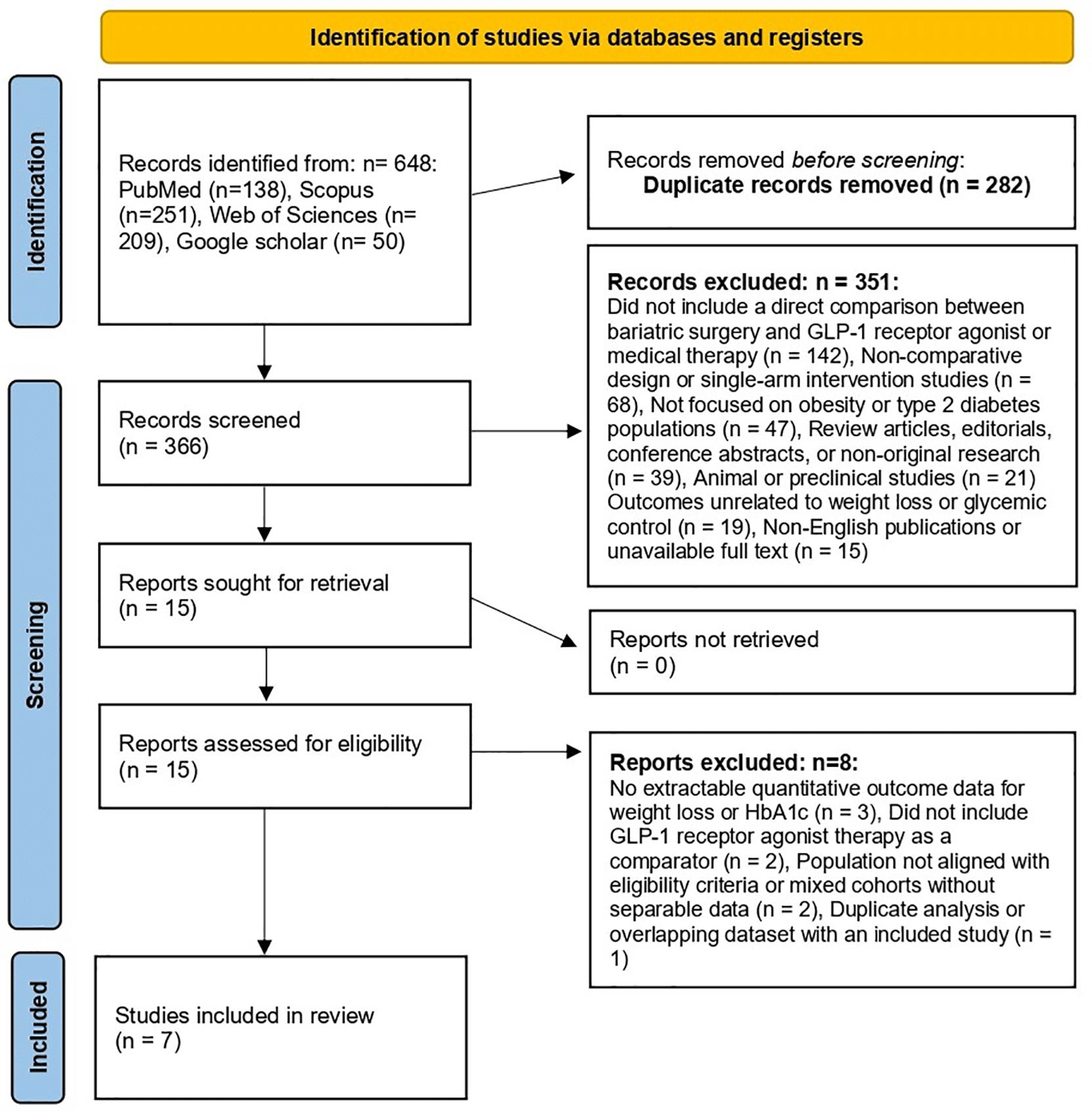
A total of 648 records were initially identified through database searching, including PubMed, Scopus, Web of Science, and Google Scholar. After removal of 282 duplicate records, 366 articles underwent title and abstract screening. Of these, 351 records were excluded primarily due to lack of a direct comparison between bariatric surgery and GLP-1 receptor agonist or medical therapy, non-comparative study design, irrelevant populations, or non-original research formats. Fifteen reports were retrieved for full-text assessment, all of which were available for evaluation. Following eligibility assessment, eight studies were excluded because they lacked extractable quantitative outcomes, did not include a GLP-1 comparator, involved non-eligible populations, or represented overlapping datasets. Ultimately, seven studies met the predefined inclusion criteria and were included in the qualitative synthesis and quantitative analyses. Figure 1 illustrates the study selection process according to PRISMA guidelines.
The characteristics of the included studies are summarized in Table 1. Seven studies met the eligibility criteria, comprising two randomized controlled trials, two prospective non-randomized studies, two retrospective comparative cohorts, and one non-randomized pilot study. Studies were conducted in China, Italy, and the United States and enrolled adults with obesity and/or type 2 diabetes. Sample sizes varied substantially, ranging from small clinical cohorts in Yong et al.17 and Capristo et al.27 to a large real-world comparative cohort reported by Barrett et al.19 Surgical interventions included gastric bypass, sleeve gastrectomy, Roux-en-Y gastric bypass, or mixed metabolic bariatric surgery cohorts, while comparators consisted of GLP-1 receptor agonist therapy, intensive medical therapy, lifestyle-supported pharmacotherapy, or conventional medical management. Follow-up durations ranged from 6 months to 10 years, reflecting both short-term comparative effectiveness and long-term durability of treatment outcomes.
Key clinical outcomes are summarized in Table 2. Weight-loss outcomes consistently favored metabolic bariatric surgery across all included studies, although the reported metrics varied and included percentage excess weight loss (%EWL), percentage total weight loss (%TWL), and absolute weight change in kilograms. Yong et al.17 reported greater excess weight loss following gastric bypass compared with exenatide therapy (−57.3% vs −23.8%), while Cotugno et al.18 observed a larger reduction in body weight with surgery than liraglutide (−38.0 kg vs −5.0 kg). Similarly, Schauer et al.,23 Mingrone et al.,24 Barrett et al.,19 and Yen et al.20 all demonstrated substantially greater weight reduction in the surgical groups.
Glycemic outcomes were reported using a mixture of continuous measures and categorical endpoints. Continuous reductions in HbA1c generally favored surgery, with larger improvements observed in Cotugno et al.,18 Schauer et al.,23 Mingrone et al.,24 and Yen et al.20 Improvements in fasting plasma glucose were also reported across several studies, although the magnitude of benefit varied. Diabetes remission and glycemic target achievement were reported in selected studies, with higher remission rates consistently observed following surgical intervention.
Lipid outcomes were reported less consistently across studies. Cotugno et al.18 and Schauer et al.23 demonstrated favorable reductions in triglycerides and increases in HDL cholesterol following surgery, whereas other studies reported more modest differences between treatment groups. Additional findings included higher rates of medication discontinuation after surgery, durable long-term metabolic improvement, reduced comorbidity burden in large observational cohorts, and weight regain following discontinuation of semaglutide therapy in contemporary pharmacologic cohorts.
Studies were categorized according to treatment era and therapeutic context as shown in Table 3. The Early Era included Yong et al.17 and Cotugno et al.,18 which compared bariatric surgery with first-generation incretin therapies such as exenatide and liraglutide. The Transitional Era included Schauer et al.,23 Capristo et al.,27 and Mingrone et al.,24 reflecting the expansion of high-quality surgical evidence alongside intensified medical and pharmacologic treatment strategies. The Modern Era included Barrett et al.19 and Yen et al.,20 incorporating contemporary GLP-1–based therapies, including semaglutide and mixed high-potency incretin regimens. This classification was used as an interpretive framework to evaluate how comparative effectiveness may have evolved alongside advances in obesity pharmacotherapy.
The pooled analysis of weight loss outcomes, strictly harmonized to reflect negative standardized mean differences (SMD), is presented in Figure 2. Overall, metabolic bariatric surgery was associated with significantly greater weight loss compared to medical and GLP-1 based therapies (SMD = −2.02; 95% CI, −2.59 to −1.45). While overall statistical heterogeneity remained substantial (I2 = 74.7%), stratification by treatment era markedly reduced heterogeneity within the Transitional Era (I2 = 0%) and Modern Era (I2 = 0%) subgroups. Residual heterogeneity persisted within the Early Era subgroup. The magnitude of the pooled effect favoring surgery decreased from the Early Era (SMD = −3.92) to the Modern Era (SMD = −1.74), although formal subgroup differences were not statistically significant.
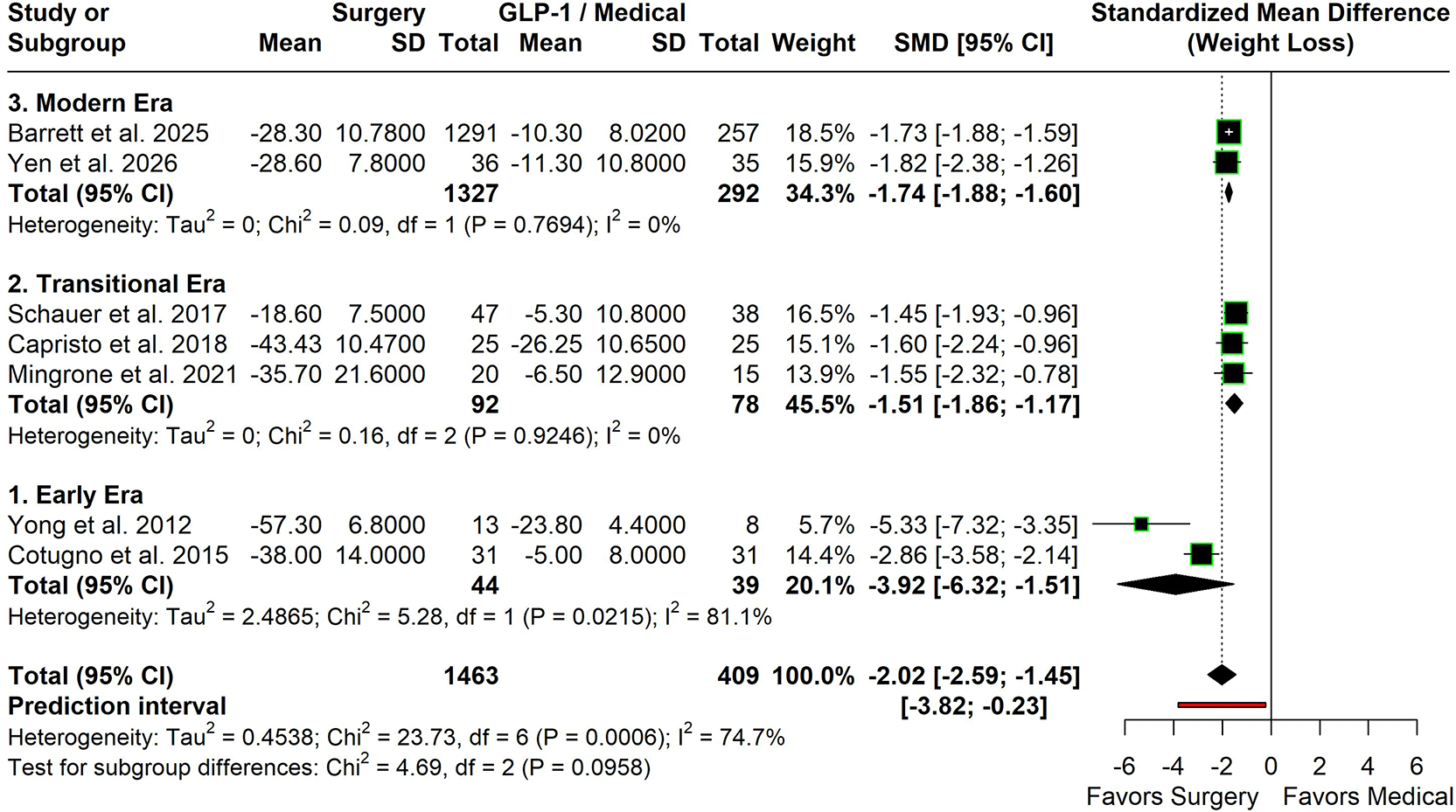
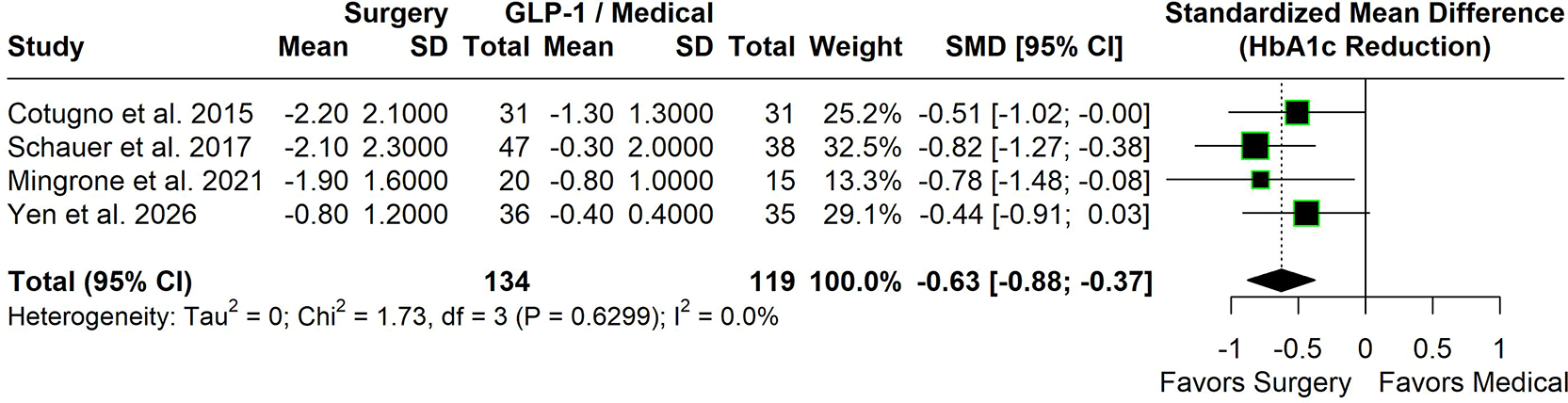
Figure 3 presents the pooled analysis of HbA1c reduction following harmonization of glycemic outcome reporting. Metabolic bariatric surgery demonstrated significantly greater HbA1c reduction compared with medical and incretin-based therapies (SMD = −0.63; 95% CI, −0.88 to −0.37). No statistical heterogeneity was observed across the included studies (I2 = 0%).
Sensitivity analyses excluding studies judged to have serious risk of bias were performed to evaluate the robustness of the primary findings (Supplementary figures S1–S2). Following exclusion of the serious-risk studies, the pooled effect for weight loss remained strongly in favor of metabolic bariatric surgery (SMD = −1.70; 95% CI, −1.84 to −1.57), with complete resolution of statistical heterogeneity (I2 = 0%). Similarly, the pooled effect for HbA1c reduction continued to favor surgery (SMD = −0.81; 95% CI, −1.18 to −0.43), with no observed heterogeneity (I2 = 0%). In contrast, the pooled analysis of triglyceride reduction remained non-significant (SMD = −0.21; 95% CI, −0.97 to 0.55) and continued to demonstrate substantial heterogeneity (I2 = 82.7%).
To address the high statistical heterogeneity observed in the primary weight loss analysis, pre-specified subgroup analyses were conducted based on follow-up duration and study design. When stratified by follow-up duration (supplementary figure 3), the superiority of surgical intervention remained consistent across both subgroups. Notably, long-term studies (≥ 2 years) demonstrated a precise pooled effect favoring surgery with a complete resolution of heterogeneity (SMD = −1.71; 95% CI, −1.85 to −1.57; I2 = 0%), whereas short-term studies (≤ 1 year) retained high variability (SMD = −2.68; 95% CI, −4.08 to −1.28; I2 = 83.1%). Similarly, stratification by study design (supplementary figure 4) revealed that while both Randomized Controlled Trials (RCTs) and observational cohorts favored surgery, the pooled effect of the RCTs entirely eliminated statistical heterogeneity (SMD = −1.52; 95% CI, −1.93 to −1.11; I2 = 0%).
Beyond weight reduction and HbA1c, the comparative effects on secondary metabolic parameters, specifically triglycerides, high-density lipoprotein (HDL), and fasting plasma glucose (FPG), were evaluated to assess broader cardiovascular risk reduction. While individual studies frequently reported metabolic benefits favoring surgical intervention, the pooled analyses for these parameters demonstrated substantial heterogeneity and no statistically significant overall differences between surgery and medical therapy. The pooled standardized mean difference for triglyceride reduction (supplementary figure 5) numerically favored surgery but crossed the threshold of non-significance (SMD = −0.56; 95% CI, −1.19 to 0.07; I2 = 83.0%). Likewise, overall effect sizes for HDL increase (supplementary figure 6) (SMD = 0.38; 95% CI, −0.45 to 1.22; I2 = 90.4%) and FPG reduction (supplementary figure 7) (SMD = −0.27; 95% CI, −0.88 to 0.34; I2 = 79.8%) did not demonstrate definitive superiority for either intervention.
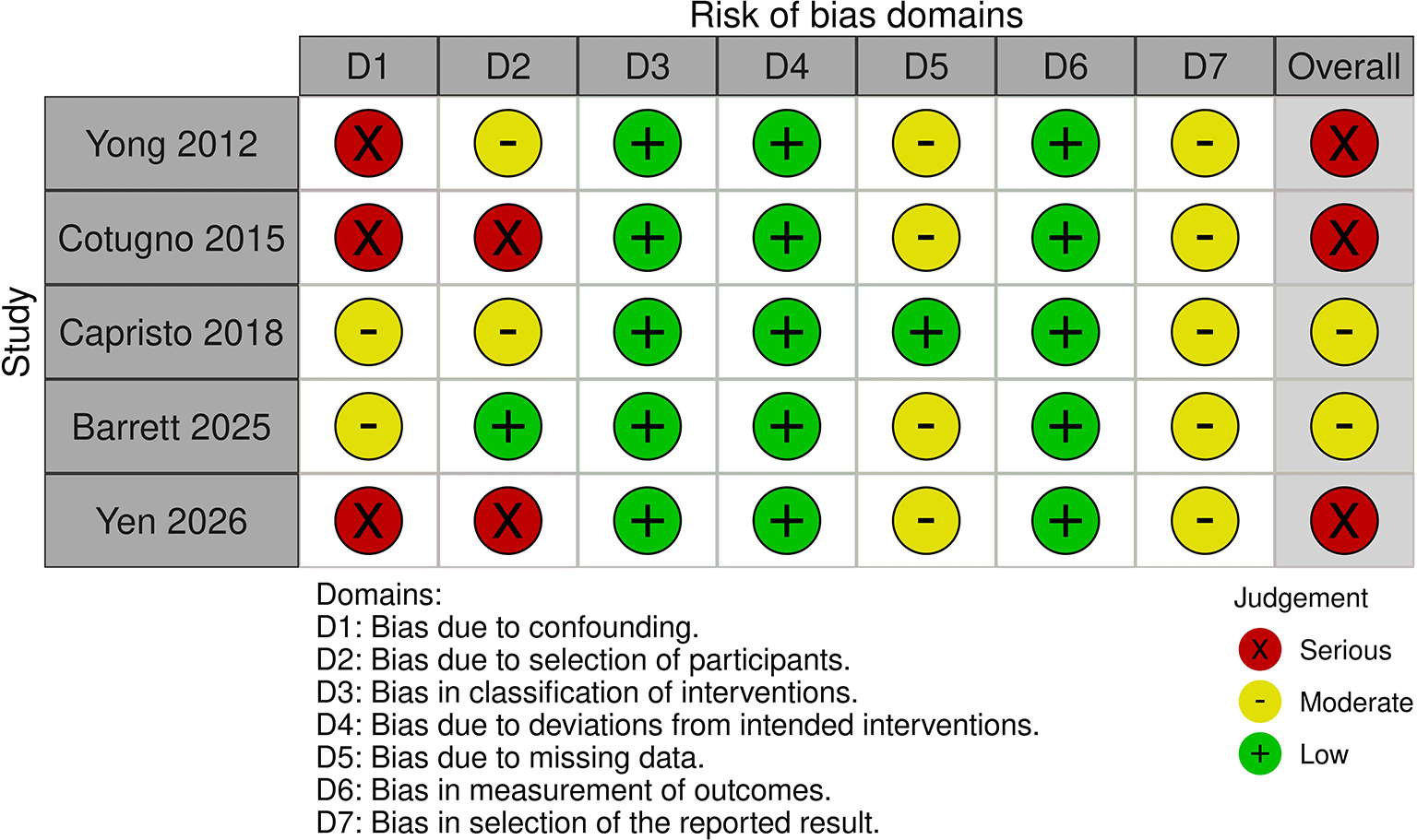
Risk of bias for non-randomized studies assessed using ROBINS-I is presented in Figure 4. Yong et al.,17 Cotugno et al.,18 and Yen et al.20 were judged to have serious overall risk of bias. Capristo et al.27 and Barrett et al.19 were assessed as having moderate overall risk of bias. Across studies, bias due to confounding and participant selection represented the most frequent domains with elevated risk, while classification of interventions and outcome measurement were generally assessed as low risk.
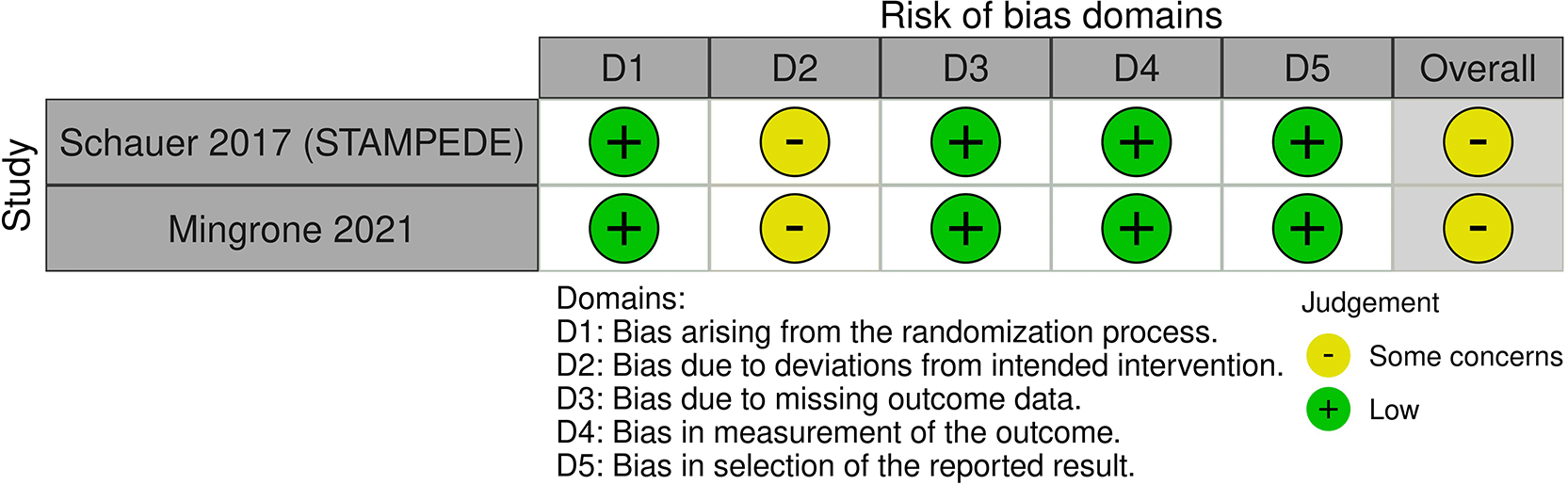
Risk of bias for randomized controlled trials assessed using the Cochrane RoB 2 tool is shown in Figure 5. Schauer et al.23 and Mingrone et al.24 demonstrated low risk of bias across most domains, including randomization process, missing outcome data, outcome measurement, and reporting. Both trials were rated as having some concerns overall due to potential deviations from intended interventions.
This systematic review and meta-analysis evaluated the comparative effectiveness of metabolic bariatric surgery versus medical and incretin-based therapies across different therapeutic eras. The pooled analyses demonstrated that metabolic bariatric surgery was associated with significantly greater weight loss and HbA1c reduction compared with medical therapy. While substantial heterogeneity was observed in the overall weight-loss analysis, this was markedly reduced through treatment-era stratification and sensitivity analyses. In contrast, glycemic outcomes demonstrated remarkable consistency across studies. These findings suggest that although advances in incretin-based pharmacotherapy have narrowed the gap between surgical and non-surgical treatment strategies, metabolic bariatric surgery continues to provide superior weight-loss and glycemic outcomes.
The weight-loss analysis demonstrated substantial heterogeneity across studies, with earlier comparative trials generally reporting larger treatment effects favoring bariatric surgery. Studies such as Yong et al.17 and Cotugno et al.18 observed markedly greater weight reduction following surgical intervention compared with first-generation GLP-1 receptor agonist therapy, reinforcing the long-established role of metabolic bariatric surgery as the most effective treatment for sustained weight loss. In contrast, more contemporary studies, including Barrett et al.19 and Yen et al.,20 reported smaller differences between surgical and pharmacologic approaches. This pattern is consistent with the progressive improvement in obesity pharmacotherapy, particularly the emergence of high-potency incretin-based agents capable of producing clinically meaningful weight loss.21 Nevertheless, despite the narrowing magnitude of effect observed across treatment eras, metabolic bariatric surgery maintained a significant advantage for weight reduction in all pooled analyses.
The pooled analysis demonstrated a significant overall advantage of surgery for weight loss (SMD = −2.02), although substantial heterogeneity was initially observed. Importantly, treatment-era stratification revealed that heterogeneity was largely confined to early studies comparing surgery with first-generation incretin therapies. In contrast, heterogeneity was completely resolved within both the Transitional Era and Modern Era subgroups, indicating greater consistency among contemporary studies. Furthermore, the magnitude of the pooled effect progressively decreased from the Early Era to the Modern Era, suggesting that advances in obesity pharmacotherapy have narrowed, but not eliminated, the weight-loss advantage historically associated with surgery. Similar observations have been reported in recent comparative studies evaluating semaglutide and tirzepatide against bariatric procedures, where modern pharmacologic therapies achieved clinically meaningful weight reductions but generally remained inferior to surgical intervention in terms of absolute weight loss and durability.22
In contrast, the analysis of HbA1c reduction showed a more consistent pattern across studies, with bariatric surgery associated with greater improvements in glycemic control compared with GLP-1–based or conventional medical therapy. Trials such as Schauer et al.23 and Mingrone et al.24 demonstrated durable metabolic benefits following surgery, including higher rates of glycemic target achievement and reduced reliance on antidiabetic medications. Importantly, the pooled HbA1c analysis demonstrated no detectable statistical heterogeneity (I2 = 0%), indicating highly consistent findings across diverse study designs, populations, and comparator therapies. This consistency strengthens the evidence that the glycemic benefits of metabolic surgery extend beyond differences in study methodology and may reflect fundamental metabolic effects of surgical intervention.25,26 While smaller or more recent studies such as Capristo et al.27 and Yen et al.20 reported less pronounced differences between interventions, the pooled estimate still favored surgical treatment, suggesting that metabolic benefits may remain more robust with surgery despite the progress achieved with pharmacotherapy.28
An important aspect highlighted by this review is the influence of therapeutic era on comparative outcomes. Early studies primarily evaluated short-acting GLP-1 analogues, which were associated with modest weight reductions compared with contemporary agents.29 As newer therapies such as semaglutide have demonstrated higher efficacy in clinical trials, more recent comparative studies have begun to show narrower differences between surgery and pharmacologic therapy.30 The treatment-era analysis conducted in the present study quantitatively supports this evolution. Although surgery remained superior in all eras, the pooled effect size progressively diminished from early comparisons involving exenatide and liraglutide to contemporary studies incorporating semaglutide and mixed high-potency incretin regimens. While formal subgroup differences were not statistically significant, the observed trend is consistent with the increasing efficacy of modern anti-obesity pharmacotherapy.31 Nevertheless, the durability of treatment effects remains a key consideration. Evidence from included studies suggests that discontinuation of pharmacotherapy may lead to partial weight regain, whereas surgical outcomes tend to be more sustained over longer follow-up periods. This distinction may contribute to the persistent metabolic advantage observed with surgical interventions in long-term trials.32
The results also reflect differences in study design and patient populations. Randomized trials provided higher-quality evidence regarding glycemic outcomes, while observational studies contributed large real-world datasets that captured contemporary treatment patterns. Variability in baseline characteristics, intervention protocols, and follow-up durations likely contributed to the substantial heterogeneity observed in the weight loss analysis. These methodological differences underscore the complexity of directly comparing surgical and pharmacologic treatments, particularly as therapeutic strategies continue to evolve.
A notable strength of the present analysis is the robustness of the primary findings following exclusion of studies judged to have serious risk of bias. Sensitivity analyses demonstrated that the superiority of surgery for both weight loss and HbA1c reduction remained statistically significant after removal of these studies, while heterogeneity was completely eliminated. These findings suggest that the primary conclusions were not driven by lower-quality evidence and provide additional confidence in the observed comparative effectiveness of metabolic bariatric surgery. In contrast, secondary lipid outcomes remained heterogeneous and non-significant after sensitivity analyses, indicating greater uncertainty regarding the comparative effects of surgery and medical therapy on these parameters.
The pooled analyses of triglycerides, HDL cholesterol, and fasting plasma glucose did not demonstrate clear superiority for either treatment strategy. Although several individual studies reported favorable metabolic changes following surgery, substantial heterogeneity and overlapping confidence intervals limited the certainty of these findings. This may reflect differences in baseline metabolic status, medication use, duration of follow-up, and the varying mechanisms through which surgery and pharmacologic therapies influence lipid metabolism and glucose homeostasis. Consequently, the strongest evidence emerging from the current review relates to weight loss and HbA1c reduction rather than broader cardiometabolic biomarkers.
Taken together, the findings suggest that while modern GLP-1 receptor agonists have significantly improved the effectiveness of non-surgical management, bariatric surgery continues to demonstrate strong metabolic benefits, particularly in terms of glycemic control. The evolving evidence base highlights the need to interpret comparative outcomes within the context of treatment era, patient selection, and therapeutic goals, emphasizing that both surgical and pharmacologic strategies play complementary roles in the management of obesity and type 2 diabetes.33
Several limitations should be considered when interpreting the findings of this review. First, the number of eligible comparative studies remained relatively small and included both randomized and non-randomized designs, introducing potential methodological heterogeneity and residual confounding. Second, substantial clinical variation existed across studies with respect to patient populations, surgical procedures, comparator therapies, and follow-up duration. Although treatment-era stratification, subgroup analyses, and sensitivity analyses substantially reduced or eliminated heterogeneity for the primary outcomes, residual variability remained for several secondary metabolic endpoints. Third, outcome harmonization was necessary because studies reported weight-loss and glycemic outcomes using different metrics and scales. While standardized meta-analytic methods were applied to improve comparability, pooling heterogeneous measures may reduce clinical interpretability. Fourth, several non-randomized studies were judged to have moderate or serious risk of bias; however, sensitivity analyses excluding serious-risk studies produced findings consistent with the primary analyses, supporting the robustness of the main conclusions. Finally, the limited number of included studies precluded formal assessment of publication bias and highlights the need for additional high-quality head-to-head trials comparing contemporary incretin-based therapies with metabolic bariatric surgery.
Metabolic bariatric surgery was associated with significantly greater weight loss and HbA1c reduction compared with medical and incretin-based therapies across the available comparative evidence. Although advances in obesity pharmacotherapy have narrowed the historical gap between surgical and non-surgical treatment strategies, surgery maintained a consistent advantage for both weight-loss and glycemic outcomes. Treatment-era stratification demonstrated that contemporary studies showed greater consistency and smaller differences between interventions than earlier comparisons, reflecting the evolving efficacy of modern incretin-based therapies. Sensitivity analyses excluding studies at serious risk of bias confirmed the robustness of the primary findings. While surgery was associated with the greatest overall improvements in weight loss and glycemic outcomes across the available comparative evidence, modern pharmacologic therapies represent an increasingly effective alternative for selected patients. Further high-quality head-to-head trials comparing contemporary incretin-based therapies with metabolic bariatric surgery are needed to clarify long-term comparative effectiveness, durability, safety, and patient-centered outcomes.
Source code available from: https://github.com/mohamedbakl/bariatric-surgery-meta-analysis
Archived source code at time of publication: https://doi.org/10.5281/zenodo.20817603
License: MIT License.
No underlying data are associated with this article.
OSF: Comparative effectiveness of metabolic bariatric surgery versus incretin-based and medical therapies for weight loss and glycemic outcomes: a systematic review and meta-analysis. https://doi.org/10.17605/OSF.IO/EFRVK.34
License: CC BY 4.0 International.
The project contains the following extended data:
- Supplementary File 1. Complete search strategies for PubMed, Scopus, and Web of Science.
- Supplementary Figure S1. Sensitivity analysis of weight-loss outcomes excluding studies with serious risk of bias.
- Supplementary Figure S2. Sensitivity analysis of HbA1c reduction excluding studies with serious risk of bias.
- Supplementary Figure S3. Subgroup analysis of weight loss stratified by follow-up duration.
- Supplementary Figure S4. Subgroup analysis of weight loss stratified by study design.
- Supplementary Figure S5. Forest plot of triglyceride reduction.
- Supplementary Figure S6. Forest plot of HDL outcomes.
- Supplementary Figure S7. Forest plot of fasting plasma glucose reduction.
- Supplementary Table S1. Outcome harmonization and metrics utilized for weight-loss meta-analysis.
- Supplementary Table S2. Glycemic outcome harmonization and metrics utilized for quantitative synthesis.
We would like to express our gratitude to Shohob Research Services Center for their efforts in training the research team and supervising the research process until the completion of this study.
The author(s) declared that no grants were involved in supporting this work.
© 2026 Alshahrani SD et al. This is an open access article distributed under the terms of the Creative Commons Attribution License, which permits unrestricted use, distribution, and reproduction in any medium, provided the original work is properly cited.
Current Reviewer Status:
AWAITING PEER REVIEW
AWAITING PEER REVIEW
?
Key to Reviewer Statuses VIEW HIDE
ApprovedThe paper is scientifically sound in its current form and only minor, if any, improvements are suggested
Approved with reservations A number of small changes, sometimes more significant revisions are required to address specific details and improve the papers academic merit.
Not approvedFundamental flaws in the paper seriously undermine the findings and conclusions