Просмотр новости
Найдите то, что Вас интересует
 Спутники
 РН
РН SpaceX
 Роскосмос
 NASA
NASA
СпутникиРНSpaceXРоскосмосNASAObjectives GLP-1 receptor agonists (GLP-1 RAs) are used for weight management, but the time course of their effect across Phase 3 trials remain unclear. We assessed efficacy, safety, and effect modifiers, particularly follow-up duration, in adults with overweight or obesity. Methods We searched PubMed for Phase 3 RCTs published in English (2015–2026). Primary outcome was weight change. Secondary outcomes included BMI, waist circumference, glycaemic parameters, lipids, blood pressure, and adverse events. Random-effects meta-analysis, subgroup analyses, and meta-regression were performed. Results fifty-nine trials (33,188 participants) were included. GLP-1 RAs reduced body weight by −10.5% (95% CI −11.9 to −9.1). Follow-up duration significantly modified the effect: weight change was −6.68% (≤12 months), −12.15% (12–18 months), and −13.98% (>18 months). The incremental loss was three times greater in the first 12–18 months (−5.47%) than thereafter (−1.83%). By drug, tirzepatide showed the largest reduction (−16.56%), followed by semaglutide (−12.58%) and liraglutide (−4.67%; p
Obesity has emerged as a global health crisis and there is a common misconception that this disease largely affects high income countries. However, many of the countries with the highest rates of adult obesity are low and middle-income countries with an average annual increase in prevalence over twice as high between 2000-2016.1 As of 2022, the World Health Organization (WHO) estimated that more than 1 billion people worldwide are affected by obesity, with the worldwide prevalence of obesity having nearly tripled since 1975. This contributes significantly to the burden of non-communicable diseases such as type 2 diabetes mellitus (T2DM), cardiovascular disease, certain types of cancer, and musculoskeletal disorders.2 Despite widespread public health efforts, conventional approaches such as dietary modifications, increased physical activity, and behavioural interventions often yield modest and short-lived effects for many individuals with obesity.3
Pharmacological treatment has become an increasingly important adjunct in the comprehensive management of obesity, especially among patients who fail to achieve or maintain clinically significant weight loss through lifestyle interventions alone. In recent years, glucagon-like peptide-1 receptor agonists (GLP-1 RAs), initially developed for glycemic control in T2DM, have gained attention for their potent weight-reducing effects.4 These agents mimic the incretin hormone GLP-1, which enhances insulin secretion, inhibits glucagon release, delays gastric emptying, and reduces appetite via central mechanisms.5
Several GLP-1 RAs, including liraglutide, semaglutide, dulaglutide, and exenatide have been investigated in randomized controlled trials (RCTs) and observational studies for their efficacy and safety in promoting weight loss among individuals with and without T2DM. Semaglutide, in particular, has demonstrated substantial reductions in body weight in non-diabetic populations, leading to its regulatory approval in many countries for obesity treatment under the brand name Wegovy.6,7 However, despite growing evidence, variability exists in study populations, dosages, treatment durations, and reported outcomes, which may affect the generalizability and consistency of findings across different clinical contexts.
The increasing clinical utilization of these agents for weight management underscores the need for a rigorous synthesis of current evidence. Therefore, a systematic review and meta-analysis is warranted to comprehensively evaluate the effectiveness and safety of GLP-1 RAs in the management of obesity. This review aims to provide consolidated evidence on weight loss outcomes, metabolic improvements, and adverse events associated with these drugs across a range of populations in Randomized Clinical Trials (RCTs). The findings will inform clinical decision-making, guideline development, and future research priorities in obesity pharmacotherapy.
This study was a systematic review and meta-analysis of Phase 3 randomised controlled trials evaluating the efficacy and safety of GLP-1 RAs for weight reduction in adults with obesity or overweight and related comorbidities. Secondary outcomes included changes in body mass index (BMI), waist circumference, glycaemic parameters (fasting blood sugar and HbA1c), lipid levels (total cholesterol and triglyceride), systolic blood pressure, and the incidence of adverse events and treatment discontinuations. The Cochrane Handbook of Systematic Reviews of Interventions and NICE’s guidance reference on systematic literature reviews guided the process of the systematic literature review.8 The outcomes of this literature review were reported following the statement of Preferred Reporting Items for Systematic Reviews and Meta-Analyses (PRISMA) protocols and guidelines.9 The processes of the SLR were carried out by two analysts, with a senior consultant available to provide quality assurance support, when required.
This SLR applied the PICOST framework to define and structure the inclusion and exclusion criteria as outlined in Table 1.
The search for this SLR was conducted exclusively using the PubMed database, which offers comprehensive coverage of peer-reviewed biomedical literature, including randomized controlled trials relevant to obesity pharmacotherapy. The search was limited to studies published in English between January 1, 2015, and March 1, 2026. The search strategy combined Medical Subject Headings (MeSH) terms, specific drug names (e.g., semaglutide, tirzepatide, orforglipron), and keywords related to obesity, overweight, and GLP-1 RAs. The exact search string used in PubMed was:
("Obesity"[MeSH] OR obesity OR overweight) AND ("GLP-1 receptor agonist" OR "glucagon-like peptide-1" OR semaglutide OR liraglutide OR tirzepatide OR orforglipron OR cagriseMA OR mazdutide OR retatrutide) AND ("Randomized Controlled Trial"[Publication Type] OR "randomized controlled trial"[Title/Abstract]) AND english [lang]
No filters restricting clinical trial phase were applied during the database search; Phase 3 trials were identified during full-text review. Reference lists of included studies and relevant systematic reviews were manually screened for additional eligible publications. No other databases, trial registries, or grey literature sources were searched, and unpublished data were not sought. Study selection followed PRISMA guidelines and involved two independent reviewers performing a two-stage screening process. Initial title and abstract screening, followed by full-text review. Duplicate records were removed using reference management software and discrepancies in study eligibility were resolved through discussion or adjudication by a third reviewer. Screening was facilitated by Rayyan and a custom Excel system, enabling blinded and independent assessments. The study protocol was registered on PROSPERO (CRD420261324417) and received no external funding.
When studies did not explicitly state their Phase 3 status, a predefined checklist based on reported study characteristics was applied to determine eligibility (Supplemental Table 1). Studies meeting at least 8 of 10 criteria were classified as Phase 3-equivalent. Sensitivity analyses excluding studies without explicit Phase 3 designation were performed to assess the robustness of results. Inter-rater reliability between reviewers was measured using Cohen’s kappa statistic.
A standardized, pilot-tested Excel form was used for data extraction. Two reviewers independently extracted information on: (1) study characteristics (author, year, setting, design, sponsor); (2) participant demographics (sample size, age, sex, baseline BMI/weight, comorbidities); (3) intervention and comparator details (drug, dose, duration); and (4) outcomes. The primary outcomes were change in body weight and study follow-up duration. Secondary outcomes included: proportion achieving ≥5%, ≥10%, and ≥15% weight loss; changes in BMI, waist circumference, HbA1c, fasting blood sugar (FBS), lipid profile (total cholesterol and triglyceride), and systolic blood pressure; incidence of adverse events (AEs); and discontinuation due to AEs. Authors were contacted for clarification or missing data. Duplicate records were identified via automated and manual review of key study identifiers, with the most complete version retained.
Risk of bias was assessed using the Cochrane RoB 2.0 tool (Supplemental Figure 1). Each domain was rated individually to determine an overall study-level risk (low, some concerns, or high). A sensitivity analysis excluded studies rated as "some concerns" or "high risk" to evaluate their impact on the pooled effect estimates for the primary outcome. This sensitivity analysis was also used to compare results from studies explicitly labelled as Phase 3 trials against the full dataset.
Summary data (means, SDs, SEs, proportions) were extracted. When only baseline and post-treatment means were available, mean differences (MDs) were calculated. Percentage of change also was computed if not reported. Missing SDs or SEs were imputed using confidence intervals or an assumed correlation coefficient (r = 0.5), with sensitivity analyses at r = 0.3 and 0.7. SEs were calculated from sample sizes and SDs when not directly available.
All analyses were fully reproducible via custom R scripts (Rstudio 2025.05.0 Build 496). Meta-analyses were performed using `metafor` and `meta` packages. Continuous outcomes were pooled using percentage of change and raw MD; proportions were logit-transformed. Random-effects models (REML estimator) accounted for between-study variance; fixed-effects models were applied only when random-effects models failed to converge. Heterogeneity was assessed using I2, τ2, and the Q-test. A leave-one-out analysis evaluated the influence of individual studies on effect sizes. Publication bias was assessed using funnel plots and Egger’s test (p < 0.05 indicating potential bias).
Subgroup analyses examined the effects of categorical moderators on main estimates. Meta-regression explored continuous moderators of effect size. The final model was selected based on Akaike Information Criterion (AIC), proportion of explained heterogeneity (R2), residual I2, collinearity (variance inflation factor, VIF), and statistical significance (p-values).
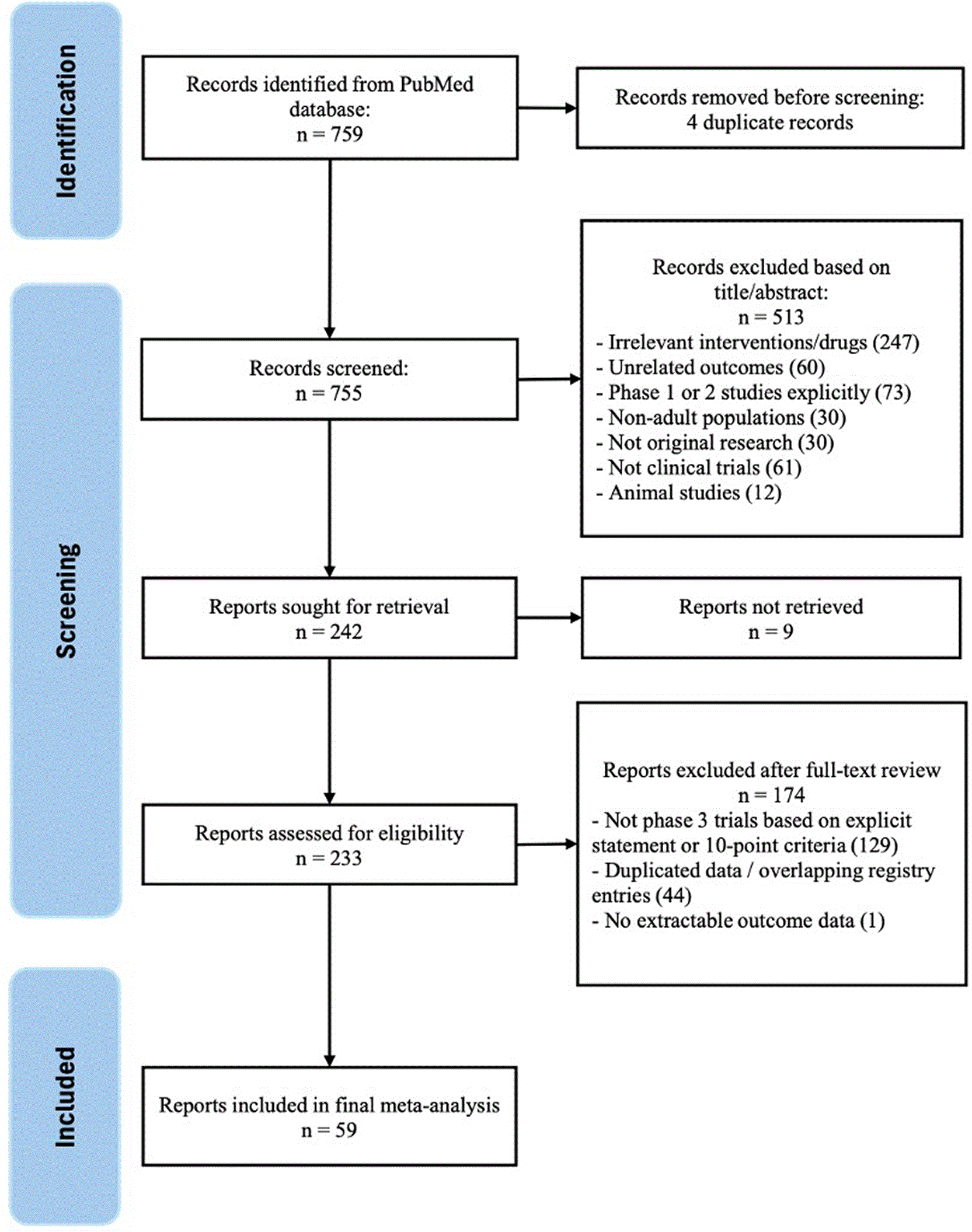
The initial search yielded 759 records. After removing 4 duplicates, 755 unique articles remained for title and abstract screening. Of these, 513 were excluded and a total of 233 articles proceeded to full-text review. Ultimately, 59 Phase 3 studies were included in the final meta-analysis. The full selection process is detailed in the PRISMA flow diagram ( Figure 1).
The 59 included Phase 3 trials were conducted between 2015 and 2025 across a wide geographic range, encompassing North America, South America, Europe, Asia, Africa, and Australia. Collectively, they enrolled 33,188 participants with a mean age of 50.4 (SD=10.7). Half of this population were female individuals (50.3%) and the mean weight at baseline was 100.1 kg (SD=20.2). Interventions primarily comprised GLP-1 RAs and dual GIP/GLP-1 RAs, including Liraglutide, Semaglutide, Tirzepatide, Efpeglenatide, Exenatide, Lixisenatide, Dulaglutide, and Beinaglutide. Trials varied widely in size (n=44 to n=8803) and scope, with larger studies focused on long-term safety and cardiovascular outcomes, and smaller trials targeting specific clinical questions. A detailed description of the included studies is outlined in Supplemental Table 2.
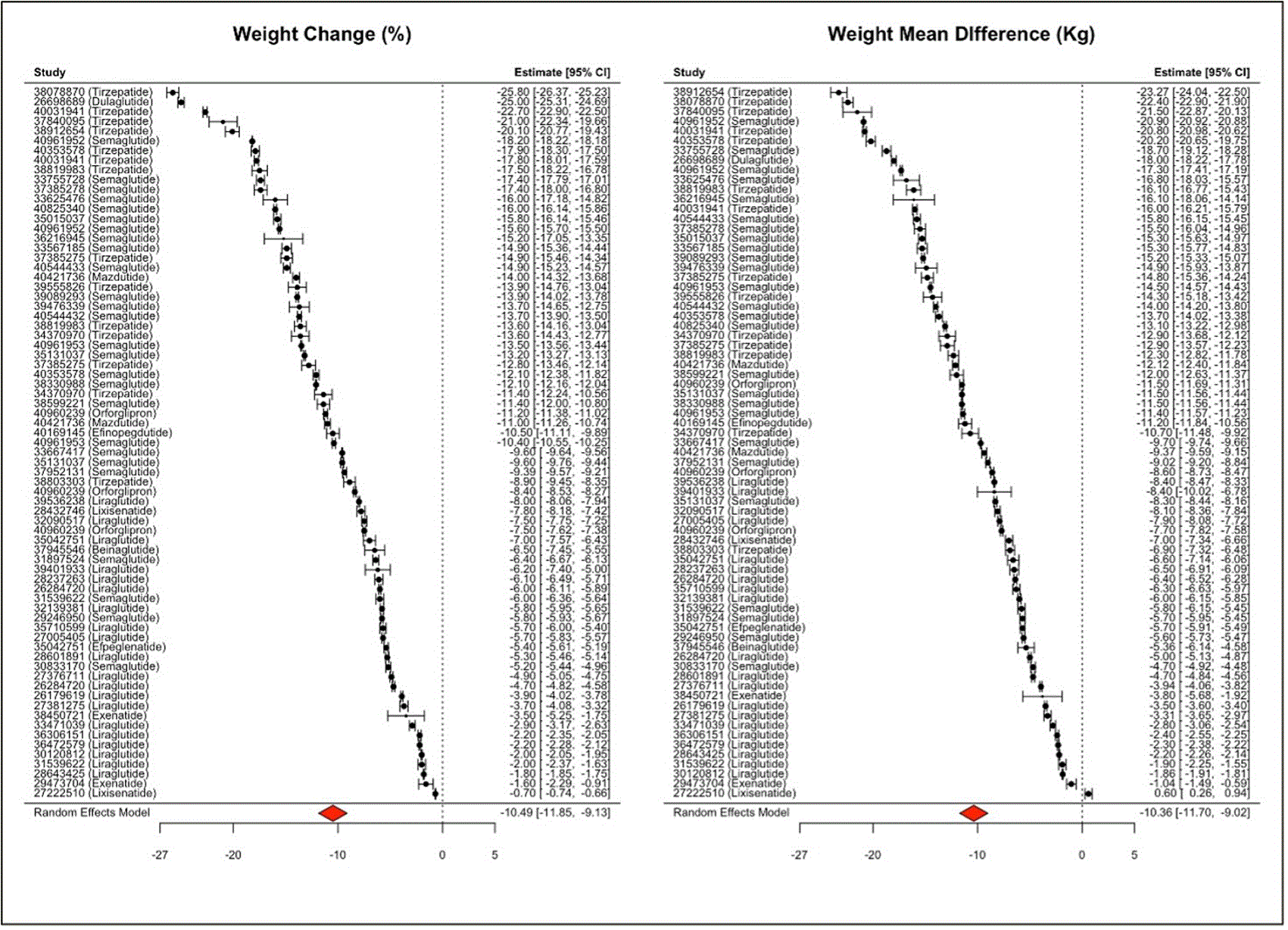
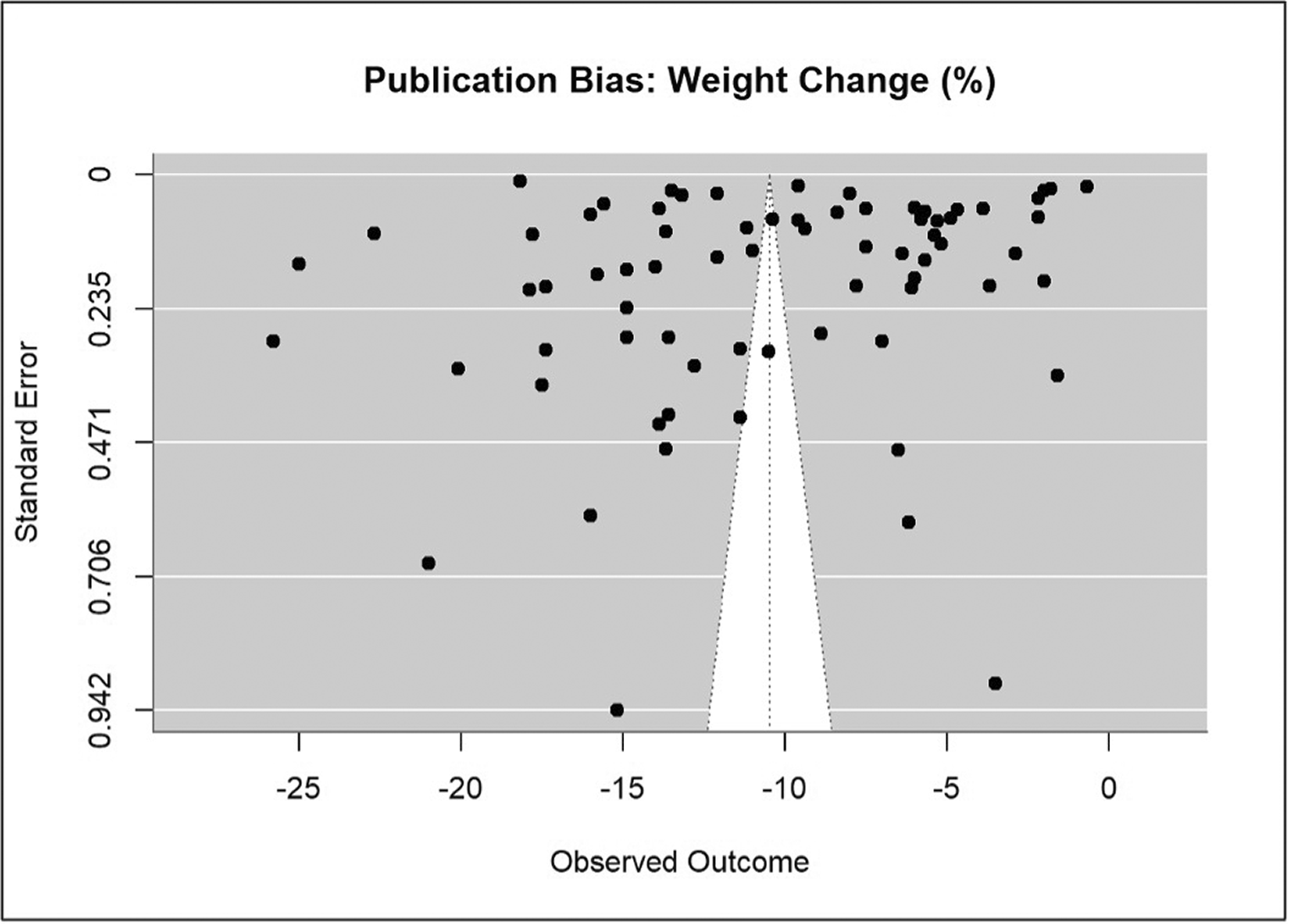
Across 59 studies reporting weight, GLP-1 RAs demonstrated a significant mean weight change of -10.5% (95% CI: -11.9 to -9.1) and a pooled mean weight reduction of 10.4 kg (95% CI: -11.7 to -9.0) ( Figure 2). Clinically meaningful weight loss milestones of ≥5%, ≥10%, and ≥15% were achieved by 73% of participants (95% CI: 67.1 to 79.4), 50% (95% CI: 43.6 to 57.9, p = 0.954), and 40% (95% CI: 34.5 to 46.2), respectively. These estimates were associated with substantial heterogeneity ( Table 2, Supplemental Figure 2). The funnel plot appeared symmetric for weight, and Egger's test provided no statistical evidence of publication bias or small-study effects (p = 0.06). ( Figure 3)
Subgroup analyses identified follow-up duration as a key modifier of weight reduction. Pooled percentage weight change was −6.68% (≤12 months), −12.15% (12–18 months), and −13.98% (>18 months; p=0.03 for ≤12 vs 12–18 months). Notably, the incremental weight loss from ≤12 months to 12–18 months (−5.47%) was approximately three times greater than that observed beyond 18 months (−1.83%), underscoring that the most pronounced treatment effect occurs within the first 12–18 months. ( Table 3)
By drug (≥4 records), pooled changes were −12.58% for semaglutide, −16.56% for tirzepatide, and −4.67% for liraglutide (p<0.05 for both vs liraglutide). In the 12–18-month subgroup, change differences were significant (p<0.05) for both vs liraglutide. Beyond 18 months, only semaglutide data were available (−14.13%). At ≤12 months, no significant between-drug differences were observed. Sponsor-level results showed pooled changes of Eli Lilly (−15.77%) was higher than Novo Nordisk (−9.06%), similar to their drug subgroups. ( Table 3)
Further subgroup analyses examined study population and control group type. Weight reduction was greatest in non-diabetic populations (−12.4%), followed by type 2 diabetes (−7.76%) and prediabetes (−6.92%). By control group, placebo-controlled trials showed the largest effect (−11.52%), followed by trials with other GLP-1 receptor agonists as comparators (−9.5%), while active comparators (other glucose-lowering agents) yielded the smallest effect (−5.91%). (Supplemental Table 3)
Univariable meta-regression identified trial duration (continuous, weeks) as the only significant predictor of weight change (0.08% greater reduction per additional week; p<0.05). Covariates assessed included number of countries, drop-out rate, baseline age, baseline weight, and proportion of female participants (all p≥0.05). Variables with p<0.1 were entered into multivariable models. The final best-fit model explained 68% of heterogeneity (R2), with only follow-up duration and drug type remaining significant. (Supplemental Table 4, Supplemental Table 5)
GLP-1 receptor agonists produced statistically and clinically significant reductions across all outcomes (p<0.05). Anthropometric improvements included a −10.1% reduction in BMI and a −8.2% reduction in waist circumference. Glycaemic outcomes showed a −11.9% decrease in HbA1c and a −13.2% decrease in fasting blood glucose. Lipid parameters improved by −4.1% for total cholesterol and −20.5% for triglycerides. Finally, systolic blood pressure also fell by −4.5%. Across 65 studies, the pooled proportion of any adverse event was 80.4%, with 6.7% of patients discontinuing due to these adverse events ( Table 2, Supplemental Figures 3-8). Factors influencing heterogeneity for secondary outcomes mirrored those observed for weight change. The most important effect modifiers were drug type (or sponsor), follow-up duration, and study population.
Sensitivity analyses confirmed robustness of primary findings for all outcomes except HbA1c, for which the explicitly defined Phase 3 subgroup yielded a pooled estimate significantly different from the primary analysis (-15.5%, 95% CI: -19.86, -11.04, p=0.041). No other sensitivity analysis (leave-one-out, risk-of-bias exclusion, or Phase 3 classification) produced significant differences for any outcome. (Supplemental Tables 6&7)
This systematic review and meta-analysis synthesised evidence from 59 Phase 3 randomised controlled trials evaluating GLP-1 RAs and dual glucose-dependent insulinotropic polypeptide (GIP)/GLP-1 receptor agonists for weight management in adults with obesity or overweight and related comorbidities. Spanning 2015 to 2025 and enrolling over 33,000 participants across multiple continents, this review represents a contemporary and globally diverse evidence base. Included interventions encompassed liraglutide, semaglutide, tirzepatide, efpeglenatide, exenatide, lixisenatide, dulaglutide, and beinaglutide, reflecting the rapid evolution of incretin-based pharmacotherapy and increasing therapeutic diversification in obesity management.
A notable strength of the included evidence base was the broad range of study populations represented. While many trials enrolled individuals with type 2 diabetes mellitus (T2DM) or prediabetes, others focused on non-diabetic populations and clinically relevant subgroups, including individuals with cardiovascular disease, osteoarthritis, schizophrenia receiving antipsychotic therapy, and women with polycystic ovary syndrome (PCOS).10–12 This diversity enhances the generalisability of findings and provides insight into treatment effectiveness across distinct metabolic phenotypes and clinical contexts.
The findings of this meta-analysis demonstrate that GLP-1 and dual GIP/GLP-1 receptor agonists produce clinically meaningful and statistically significant reductions in body weight and broader cardiometabolic risk markers in adults with obesity or overweight. Larger trials often evaluated cardiovascular outcomes or long-term safety, while smaller studies targeted mechanistic endpoints or under-researched subgroups. The trials were conducted globally, spanning North America, South America, Europe, Asia, Africa, and Australia. Some multicentre trials recruited participants from as many as 41 countries, highlighting the broad international collaboration underpinning this evidence base.13 Across the 59 included studies, treatment was associated with a pooled mean percentage weight reduction of 10.5%, corresponding to an absolute mean reduction of 10.4 kg. These findings are consistent with the established pharmacological mechanisms of GLP-1 receptor agonism, including delayed gastric emptying, appetite suppression, and enhanced satiety, and align with prior evidence demonstrating substantial weight loss benefits in obesity treatment. 14–17
Importantly, clinically meaningful weight loss thresholds were achieved by a substantial proportion of participants, with approximately three-quarters attaining at least 5% weight loss and half achieving reductions of 10% or greater. Given that even modest weight reduction is associated with improvements in glycaemic control, blood pressure, lipid profiles, and obesity-related complications, these findings reinforce the clinical utility of GLP-1-based therapies beyond weight reduction alone.16,18,19 Although heterogeneity remained substantial across pooled analyses, this likely reflects meaningful differences in intervention type, follow-up duration, comparator groups, and baseline metabolic characteristics rather than inconsistency in therapeutic direction, as treatment effects consistently favoured GLP-1-based interventions.
A key finding of this study was the important modifying role of treatment duration on weight outcomes. Weight reduction increased progressively over time, with the greatest incremental benefit observed between 12 and 18 months of follow-up, after which gains appeared to plateau. Specifically, the additional reduction achieved between ≤12 months and 12–18 months was approximately threefold greater than that observed beyond 18 months. These findings suggest that the majority of treatment benefit may occur within the first 12–18 months of therapy and may reflect the emergence of a physiological plateau in weight loss over time. Such observations are consistent with prior clinical evidence demonstrating attenuation of weight reduction trajectories after prolonged treatment despite continued therapy.20,21
Subgroup analyses further highlighted important differences between pharmacologic agents. Tirzepatide demonstrated the greatest weight reduction, followed by semaglutide, while liraglutide showed comparatively smaller effects. These findings are biologically plausible and likely reflect differences in receptor activity, potency, and dosing regimens, with tirzepatide benefiting from dual GIP and GLP-1 receptor agonism. Sponsor-level findings mirrored drug-level effects, with trials sponsored by Eli Lilly demonstrating greater reductions than those sponsored by Novo Nordisk, likely reflecting the predominance of tirzepatide-containing studies. These results are consistent with previous comparative studies suggesting tirzepatide may achieve superior weight and glycaemic outcomes relative to earlier GLP-1 receptor agonists.22–25
Population-specific differences in treatment response were also observed. Non-diabetic individuals experienced greater weight reductions compared with participants with T2DM or prediabetes, suggesting that underlying metabolic status may influence responsiveness to incretin-based therapies. Several mechanisms may explain this attenuated effect among individuals with diabetes, including concomitant medications associated with weight gain, reduced glycosuria during glucose normalisation, longer disease duration, insulin resistance, and behavioural adaptations intended to avoid hypoglycaemia.6,15 These findings are consistent with previous observations showing diminished weight loss among people with T2DM receiving anti-obesity therapies.26,27
Differences according to comparator group also warrant consideration. Placebo-controlled studies demonstrated the greatest treatment effects, whereas trials using active glucose-lowering therapies reported smaller reductions. This finding likely reflects the weight-modifying effects of comparator medications and underscores the importance of contextualising treatment efficacy relative to background therapy. Comparisons against other GLP-1 receptor agonists yielded intermediate results, suggesting continued therapeutic differentiation even within the incretin class.24
Meta-regression analyses provided additional insight into sources of heterogeneity. Unlike the original univariable analyses assessing multiple study-level characteristics, follow-up duration emerged as the only statistically significant independent predictor of weight change, with each additional week of treatment associated with a greater percentage reduction in body weight. In the multivariable model, treatment duration and drug type remained the principal factors explaining between-study variability, collectively accounting for approximately two-thirds of observed heterogeneity. These findings reinforce the importance of sustained treatment exposure and therapeutic selection in maximising clinical outcomes. Notably, factors such as baseline age, baseline weight, sex distribution, dropout rate, and number of participating countries did not significantly explain variability in treatment response, suggesting broad applicability across diverse populations.
In addition to weight reduction, GLP-1 receptor agonists produced significant improvements across multiple cardiometabolic outcomes. Reductions in BMI and waist circumference further support meaningful anthropometric improvement, while favourable effects on HbA1c and fasting blood glucose reaffirm the glucose-lowering properties of these therapies. Improvements in lipid parameters and systolic blood pressure also suggest broader cardiovascular and metabolic benefits extending beyond weight loss alone. These findings align with increasing recognition of obesity as a systemic metabolic condition requiring therapies capable of addressing multiple interconnected risk pathways.17,28
Regarding safety, the pooled incidence of any adverse event was relatively high, although discontinuation due to adverse events remained comparatively low. This pattern suggests that while adverse events are common, they are often manageable and not severe enough to necessitate treatment cessation. Gastrointestinal side effects, which are well documented with GLP-1 receptor agonists, likely contributed substantially to this observation.29 Furthermore, the relatively low discontinuation rate may support the real-world feasibility of sustained therapy, particularly given the prolonged treatment duration required to maximise weight loss benefits.
Sensitivity analyses confirmed the robustness of findings across nearly all outcomes, strengthening confidence in the stability of pooled estimates. The only notable exception was HbA1c, where explicitly defined Phase 3 studies yielded a significantly different pooled estimate. Although this discrepancy may reflect differences in study classification or trial design, the direction of effect remained consistent, supporting the overall reliability of glycaemic findings. Importantly, no statistical evidence of publication bias or small-study effects was identified for the primary weight outcome, providing reassurance regarding the validity of pooled estimates and reducing concerns of systematic overestimation of treatment effects.
Several limitations should be considered when interpreting these findings. First, substantial heterogeneity remained across several pooled analyses despite subgroup and meta-regression adjustments, likely reflecting clinical and methodological diversity between trials. Second, direct head-to-head comparisons between pharmacologic agents remained limited, particularly for long-term follow-up periods exceeding 18 months. Third, although Phase 3 trials provide high internal validity, their structured protocols may not fully reflect adherence patterns, treatment persistence, or outcomes observed in routine clinical practice.30 Finally, while adverse events were pooled quantitatively, reporting differences between studies may have contributed to variability in safety estimates.
Overall, these findings support GLP-1 and dual GIP/GLP-1 receptor agonists as highly effective interventions for weight management and broader metabolic risk reduction among adults with obesity or overweight. Treatment duration and drug selection emerged as the most important determinants of therapeutic response, with the greatest incremental benefit occurring within the first 12–18 months of treatment. These findings have important implications for clinical decision-making, patient counselling, and future obesity pharmacotherapy research, particularly as newer incretin-based therapies continue to reshape standards of care.
The authors would like to thank research analyst and medical writer Ziyaad Rahman and research analyst Haitam Khtiar, who contributed to this work as part of their roles as paid employees of Medialis Ltd.