Просмотр новости
Найдите то, что Вас интересует
 Спутники
 РН
РН SpaceX
 Роскосмос
 NASA
NASA
СпутникиРНSpaceXРоскосмосNASABackground Arsenic is one of the major toxic elements in the environment and is also known to be carcinogenic, with several other health side effects in human beings. Due to the lack of a sufficient supply of treated piped water across Uganda, boreholes are increasingly becoming an important water source for both domestic and commercial purposes. We determined the concentrations of arsenic in water obtained from underground wells and biological samples from residents in the Amuria district of Uganda. Methods We conducted a field-based, cross-sectional observational study to determine arsenic levels in underground water sources in Amuria District. Water samples were collected from boreholes and underground wells, alongside biological samples, including hair and nails, obtained from residents. Arsenic concentrations were quantified using an Agilent Atomic Absorption Spectrometer. Results The arsenic levels in the borehole-water from the different villages were all extremely above the WHO maximum acceptable concentration of 10 μg/L. The arsenic concentration in the sampled borehole water ranged from 4040 ± 973.6 μg/L to 5767.14 ± 258.3 μg/L. The arsenic concentrations in the hair and nail samples collected ranged from 0.02 ± 0.008 μg/g to 0.0045 ± 0.002 μg/g and from 0034 ± 0.001 μg/g to 0.00084 ± 0.0004 μg/g, respectively. Conclusion The borehole-water samples collected from villages of Amuria district had a significantly higher arsenic concentration than the recommended (10 μg/L) by WHO. The arsenic was also present in the biological samples of the residents who rely on the borehole-water for domestic purposes, but no significant correlation was established between water and nail or hair arsenic levels.

Sembajwe LF, Osuwat LO, Nfambi J et al. Assessment of Arsenic levels in borehole-water and human biological samples in Amuria district of Eastern Uganda [version 1; peer review: awaiting peer review]. F1000Research 2026, 15:1217 (https://doi.org/10.12688/f1000research.182237.1)
Research Article
[version 1; peer review: awaiting peer review]
https://orcid.org/0000-0001-6189-4077
1, Lawrence Obado Osuwathttps://orcid.org/0000-0003-3821-1527
2, Joshua Nfambi1, [...] Joash Okoboihttps://orcid.org/0000-0002-8552-4190
3, Ester L Acenhttps://orcid.org/0000-0001-7048-4643
1, Moses Musiimehttps://orcid.org/0000-0002-1177-5384
4, Robert Kalyesebulahttps://orcid.org/0000-0003-3211-163X
1, Allan Lugaajjuhttps://orcid.org/0000-0003-4841-0538
1https://orcid.org/0000-0001-6189-4077
1, Lawrence Obado Osuwathttps://orcid.org/0000-0003-3821-1527
2, [...] Joshua Nfambi1, Joash Okoboihttps://orcid.org/0000-0002-8552-4190
3, Ester L Acenhttps://orcid.org/0000-0001-7048-4643
1, Moses Musiimehttps://orcid.org/0000-0002-1177-5384
4, Robert Kalyesebulahttps://orcid.org/0000-0003-3211-163X
1, Allan Lugaajjuhttps://orcid.org/0000-0003-4841-0538
11 Physiology, Makerere University College of Health Sciences, Kampala, Central Region, Uganda
2 Medical Laboratory Sciences, Soroti University, Soroti, Eastern Region, Uganda
3 Biochemistry, Soroti University, Soroti, Eastern Region, Uganda
4 UIB Department of Biomedicine, Bergen, Hordaland, Norway
Lawrence Fred Sembajwe
Roles: Conceptualization, Data Curation, Formal Analysis, Investigation, Methodology, Project Administration, Resources, Software, Supervision, Validation, Visualization, Writing – Original Draft Preparation, Writing – Review & Editing
Lawrence Obado Osuwat
Roles: Conceptualization, Data Curation, Formal Analysis, Funding Acquisition, Investigation, Methodology, Project Administration, Resources, Software, Supervision, Validation, Visualization, Writing – Original Draft Preparation, Writing – Review & Editing
Joshua Nfambi
Roles: Conceptualization, Data Curation, Formal Analysis, Investigation, Methodology, Project Administration, Resources, Software, Supervision, Validation, Visualization, Writing – Original Draft Preparation, Writing – Review & Editing
Joash Okoboi
Roles: Conceptualization, Data Curation, Formal Analysis, Funding Acquisition, Investigation, Methodology, Project Administration, Resources, Software, Supervision, Visualization, Writing – Original Draft Preparation
Ester L Acen
Roles: Conceptualization, Data Curation, Formal Analysis, Investigation, Methodology, Project Administration, Resources, Software, Supervision, Validation, Visualization, Writing – Original Draft Preparation, Writing – Review & Editing
Moses Musiime
Roles: Conceptualization, Data Curation, Formal Analysis, Investigation, Methodology, Project Administration, Resources, Software, Supervision, Validation, Visualization, Writing – Original Draft Preparation, Writing – Review & Editing
Robert Kalyesebula
Roles: Conceptualization, Data Curation, Formal Analysis, Investigation, Methodology, Project Administration, Resources, Software, Supervision, Validation, Visualization, Writing – Original Draft Preparation, Writing – Review & Editing
Allan Lugaajju
Roles: Conceptualization, Data Curation, Formal Analysis, Investigation, Methodology, Project Administration, Resources, Software, Supervision, Validation, Visualization, Writing – Original Draft Preparation, Writing – Review & Editing
OPEN PEER REVIEW
REVIEWER STATUS AWAITING PEER REVIEW
Arsenic is one of the major toxic elements in the environment and is also known to be carcinogenic, with several other health side effects in human beings. Due to the lack of a sufficient supply of treated piped water across Uganda, boreholes are increasingly becoming an important water source for both domestic and commercial purposes. We determined the concentrations of arsenic in water obtained from underground wells and biological samples from residents in the Amuria district of Uganda.
MethodsWe conducted a field-based, cross-sectional observational study to determine arsenic levels in underground water sources in Amuria District. Water samples were collected from boreholes and underground wells, alongside biological samples, including hair and nails, obtained from residents. Arsenic concentrations were quantified using an Agilent Atomic Absorption Spectrometer.
ResultsThe arsenic levels in the borehole-water from the different villages were all extremely above the WHO maximum acceptable concentration of 10 μg/L. The arsenic concentration in the sampled borehole water ranged from 4040 ± 973.6 μg/L to 5767.14 ± 258.3 μg/L. The arsenic concentrations in the hair and nail samples collected ranged from 0.02 ± 0.008 μg/g to 0.0045 ± 0.002 μg/g and from 0034 ± 0.001 μg/g to 0.00084 ± 0.0004 μg/g, respectively.
ConclusionThe borehole-water samples collected from villages of Amuria district had a significantly higher arsenic concentration than the recommended (10 μg/L) by WHO. The arsenic was also present in the biological samples of the residents who rely on the borehole-water for domestic purposes, but no significant correlation was established between water and nail or hair arsenic levels.
Arsenic, borehole -water contamination, body arsenic levels
Corresponding author: Allan Lugaajju Competing interests: No competing interests were disclosed.
Grant information: We are very grateful for the funding obtained from the government of Uganda via Soroti University Research and Innovation Fund (Grant reference number: SUN-RIF/2022/34), which enabled us to conduct this study to its completion.
The funders had no role in study design, data collection and analysis, decision to publish, or preparation of the manuscript.
Copyright: © 2026 Sembajwe LF et al. This is an open access article distributed under the terms of the Creative Commons Attribution License, which permits unrestricted use, distribution, and reproduction in any medium, provided the original work is properly cited. How to cite: Sembajwe LF, Osuwat LO, Nfambi J et al. Assessment of Arsenic levels in borehole-water and human biological samples in Amuria district of Eastern Uganda [version 1; peer review: awaiting peer review]. F1000Research 2026, 15:1217 (https://doi.org/10.12688/f1000research.182237.1) First published: 25 Jul 2026, 15:1217 (https://doi.org/10.12688/f1000research.182237.1) Latest published: 25 Jul 2026, 15:1217 (https://doi.org/10.12688/f1000research.182237.1)
Arsenic is one of the most toxic heavy elements alongside Cadmium, Mercury, and Lead, which are associated with toxicity via water, human food, and animal feeds. Arsenic exists in both organic and inorganic forms, with the latter being more toxic.1,2 This element - naturally exists in two valence states; As- III (arsenite) or As-V (arsenate).3,4
Most environmental arsenic contamination is of geological origin from underlying rocks, but a significant contribution also comes from industrial production or pollution.5 Arsenic of industrial origin enters the environment in the form of additives in pesticides (or insecticides), herbicides, cosmetics, and herbal remedies,6,7 which can pollute water bodies.1,8 The subsequent use of contaminated water for irrigation introduces arsenic into the food chain, potentially leading to toxication in both humans and animals. Given that plants absorb and accumulate arsenic from various soil types and environmental conditions, trace or significant amounts of arsenic may be present in harvested and processed foods.9 Notably, certain crops such as rice, have been reported to accumulate up to ten times more arsenic than other similar crops.3,10 Arsenic contamination of water in underground wells has been well documented elsewhere in North America, and Southeast Asia.8,11–15 However, there is limited data on arsenic contamination in both surface water bodies and, importantly underground shallow wells used by many Ugandans as a primary water source for domestic use.16 Indeed, a recent study evaluating drinking-water safety reported the presence of both chemical and microbial pollutants in Ugandan water sources but did not include data on the presence of arsenic or other heavy trace elements.17 Furthermore, another water safety study examined heavy metal contamination in water from parts of western Uganda but, reported no data regarding arsenic levels.18 This supports an existing lack of awareness, capacity, or resources for testing arsenic levels in water.19,20 Collecting information from surveys assessing contamination levels in surface water bodies and underground wells is crucial for formulating policies and guidelines to protect people who rely on these water sources.11 Consequently, the regulatory bodies such as the FDA and WHO, have set acceptable levels or limits of arsenic in food or water, which should not exceed 50 parts per billion (ppb) for food (FDA) or 10 μg/L for water (WHO), to prevent toxicity in humans and animals.1,4,14
Arsenic toxicity in the human population primarily occurs through the direct intake of excessive amounts of this heavy element as a poison, or indirectly through chronic consumption of small quantities via food and water over extended periods .21 In addition, some individuals are exposed to arsenic through inhalation of arsenic fumes from industrial pollution or via direct skin contact with arsenic compounds.21 Acute arsenic toxicity, which may occur from industrial exposure, manifests with symptoms including hypersalivation, emesis, severe hemorrhagic diarrhea, and rapid dehydration with subsequent cardiovascular collapse.2 In contrast, chronic toxicity due to prolonged intake of small doses of arsenic via food and water manifests with wide-ranging dysfunction and malignancy in several body systems or organs, including the heart, liver, kidney, nervous system, urinary bladder, and spleen.1,2 Thus, arsenic is classified as a group 1 human carcinogen according to WHO and IARC.4,22
To prevent arsenic toxicity, it is critical to monitor the levels of this element and its residues in the environment, food chain, and water resources. In this study, we aimed to profile the levels of arsenic in underground wells supplying water to various homes in Amuria district of Uganda. We also assessed the correlation between arsenic levels in the wells and bioaccumulation of arsenic in nails and hair among individuals using the water for domestic purposes.
We conducted a field-observation cross-sectional study to determine arsenic levels in underground wells in Amuria district. Amuria district is located in the Teso sub-region in the Eastern region of Uganda, with the latitude and longitude GPS coordinates being 2.0302° N and 33.6428° E (see Fig.1- map of Amuria). The district is surrounded by several other districts; to the west is Alebtong, Napak District to the northeast, Katakwi District to the east, Soroti District to the south, Kaberamaido District to the southwest, and Otuke District to the North. In 2019, the population was projected to be more than 240, 000, distributed into more than 32,000 households by 2022 (UBOS 2023).23 The people are in a typical Teso rural setting with predominantly peasant practices. The economic status of the people in Amuria district, according to information from UBOS is as follows: 48% of the population lives below the poverty line of spending less than 2.15US dollars per day 92% use firewood for cooking, only 3.6% use electricity in their households, 0.5% use paraffin lamps in their houses and 7.5% use charcoal for cooking.
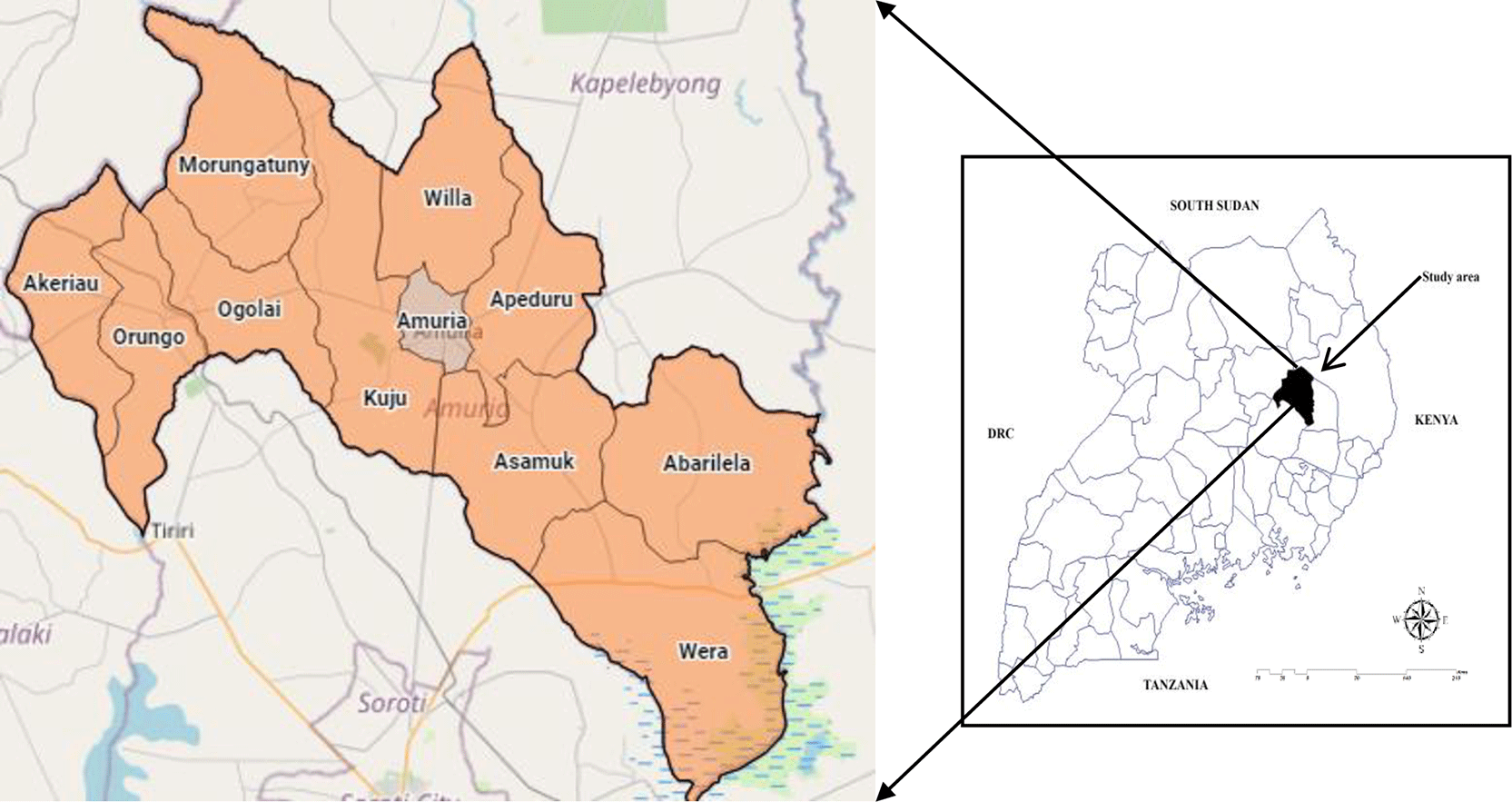
Map Showing Amuria district of Uganda, which was the study area in which some of the sampled sub-counties of Asamuk, Abarilela, Wera, Wila, Ogolai, and Orungo are indicated on the left side.
The nature of the environment naturally supports a wide range of agricultural activities, including livestock twice a year. Figure 1 below shows the map of the district.24
We included seven of the eleven sub-counties, involving Wila, Abia, Orungo, Ogongora, Wera, Asamuk, and Ogolai in the study and sampled 6–7 boreholes per sub-county (see Fig.1- map of Amuria). The sampling method was purposive depending on the functionality and spread of the borehole, as guided by the pump attendants in each sub-county. The sampling was also influenced by accessibility, which depended on the status of the roads. This was largely guided by the district water officials. We used a simple, structured questionnaire to collect or record information regarding the socio-demographic characteristics and self-reported health-related details of the participants.
We consecutively collected water samples from underground wells in the district and transported them to the Nutrition Unit in the Department of Medical Physiology laboratory for pre-analytical purification involving filtering to remove solid particles. Each borehole was pumped for about 20 seconds before we collected water directly into 15.0 ml Falcon tubes. We took the cleaned water samples to determine their arsenic concentrations using an Agilent Atomic Absorption Spectrometer (Agilent 7500ce) in the Department of Chemistry laboratory, College of Natural Sciences at Makerere University. We diluted the water samples before analyzing the concentrations of arsenic. The dilution of 1:25 was made for the final concentration of aliquot to meet the standard calibration curve. The dilution was done with 2% HNO3 (prepared using MilliQ-deionized water mixed with 70% HNO3 analytical grade).
Hair samples
We collected hair samples from May – to July 2023 according to a method described by Kongkea Phan et al.15 Briefly, hair samples were randomly collected from several members of households that were found to use water from underground wells. The hair was cut from the nape of the head, as near as possible to the scalp using a ‘stainless-steel’ pair of scissors. The collected hair samples were kept in zip-locked bags and stored in darkness until further analysis.
We cut the hair specimens into small pieces (about 0.3 cm) and washed them according to the recommended method by Rhabukhin, Y.S.25 Briefly, the washing was done sequentially in five steps as follows: (i) 25 ml of acetone, with 10 minutes of shaking; (ii) 25 ml of deionized water, with 10 minutes of shaking, which is repeated, three times followed by the repeating step (i). The washed hair specimens were dried at 60 °C overnight before digestion. Acid digestion was performed using a slightly modified method, as described by Gault et al (2008).26 Approximately, 100 ± 5 mg of two replicated subsamples of each dry washed hair sample was weighed into acid-cleaned polyethylene tubes. 1 ml of concentrated HNO3 (70% analytical grade) was added to each sample, and the tube was capped and left at room temperature. After 48 hours, the digest was further digested at 250 °C for 6 hours on a heat block. The digest was then diluted with 9 mL of deionized water and centrifuged at 4500 rpm for 10 minutes, after which, the supernatant was transferred into a fresh acid-cleaned polyethylene tube. A human hair standard reference material (GBW07601) was treated in the same way as the samples to check for the precision and accuracy of the digestion method. Calibration standard solutions (0.1 μg/L, 1 μg/L, 5 μg/L, 10 μg/L, 20 μg/L, 50 μg/L, and 100 μg/L) were prepared from a stock solution (multi-element 2A) with 2% HNO3 (70% analytical grade). We analyzed the concentrations of total arsenic using the ICP-MS, (Agilent 7500ce).
Nail samples
The nails from both feet and fingers were randomly collected from the study participants using ‘stainless-steel’ nail clippers in the same period (May – July 2023). The collected nails were transported in zip-sealed bags to the laboratory for further processing. In the lab, the nail samples were scrubbed using a nylon brush and then cleaned following a procedure outlined by Chen et al,.27 Briefly, the nail samples were immersed in 25 mL of 1% Triton X-100 and placed in an ultrasonic bath for 20 minutes. After sonication, the solution was discarded, and the nails were rinsed thoroughly with deionized water, followed by drying at 60 o C overnight. The digestion process was done as described for the hair above.
The collected data was exported into GraphPad Prism software, version 6, for further analysis and designing of the relevant graphs. A Pearson correlation analysis was done using the same software to determine the correlation between the concentration of arsenic in the water and the hair or nails of the participants. A one-way ANOVA was done to compare the arsenic levels in borehole-water samples collected from the different villages within the study area.
The socio-demographic and health-related characteristics of the study population are summarized in Table 1 and Table 2. Notably, most participants were females, 31 (64.6%), with an average age of 34 ± 13.7 years. A small percentage (4.2%) report a history of smoking, while the majority (95.8%) do not. The primary socio-economic activity of a significant portion of the sample is farming (64.6%), with a smaller percentage engaged in business (4.2%) and others (31.2%). Regarding medical history, the majority report no specific health issues (93.8%), while a minority have a history of HIV (2.1%) or hypertension (4.2%). Arsenic levels were determined in borehole-water samples collected from six villages within the study area. The hair and nail samples were also taken from the residents who rely on the borehole-water for domestic purposes.
The overall mean of arsenic concentration in the water samples was 4783.56 μg/L ± 308 μg/L.
The arsenic concentration in the borehole-water sample from villages of Asamuk and Wera had the highest arsenic concentration of about 5767.14 ± 258.3 μg/L, whereas the borehole water collected from the village of Ogolai had the lowest arsenic concentration of 4040 ± 973.6 μg/L. Villages Ogongora, Ogolai, and Abia had arsenic levels in their borehole-water that were statistically lower than that of tap water from the area pipeline grid or network, with p-values of 0.033, 0.032, and 0.000031 respectively. The arsenic levels in the boreholes of the other villages: Asamuk, Wera, and Wila did not statistically differ from that of tap water, with p-values of 0.080, 0.202, and 0.622 respectively (Fig. 2). Notably, the tap water is supplied to Soroti city and Amuria town by the National Water and Sewerage Cooperation from Awoja river, which is a tributary of lake Kyoga. However, this water is never purified to get rid of arsenic or other heavy elements and this is why we did not have any existing data about arsenic levels in the local area to compare with our findings.
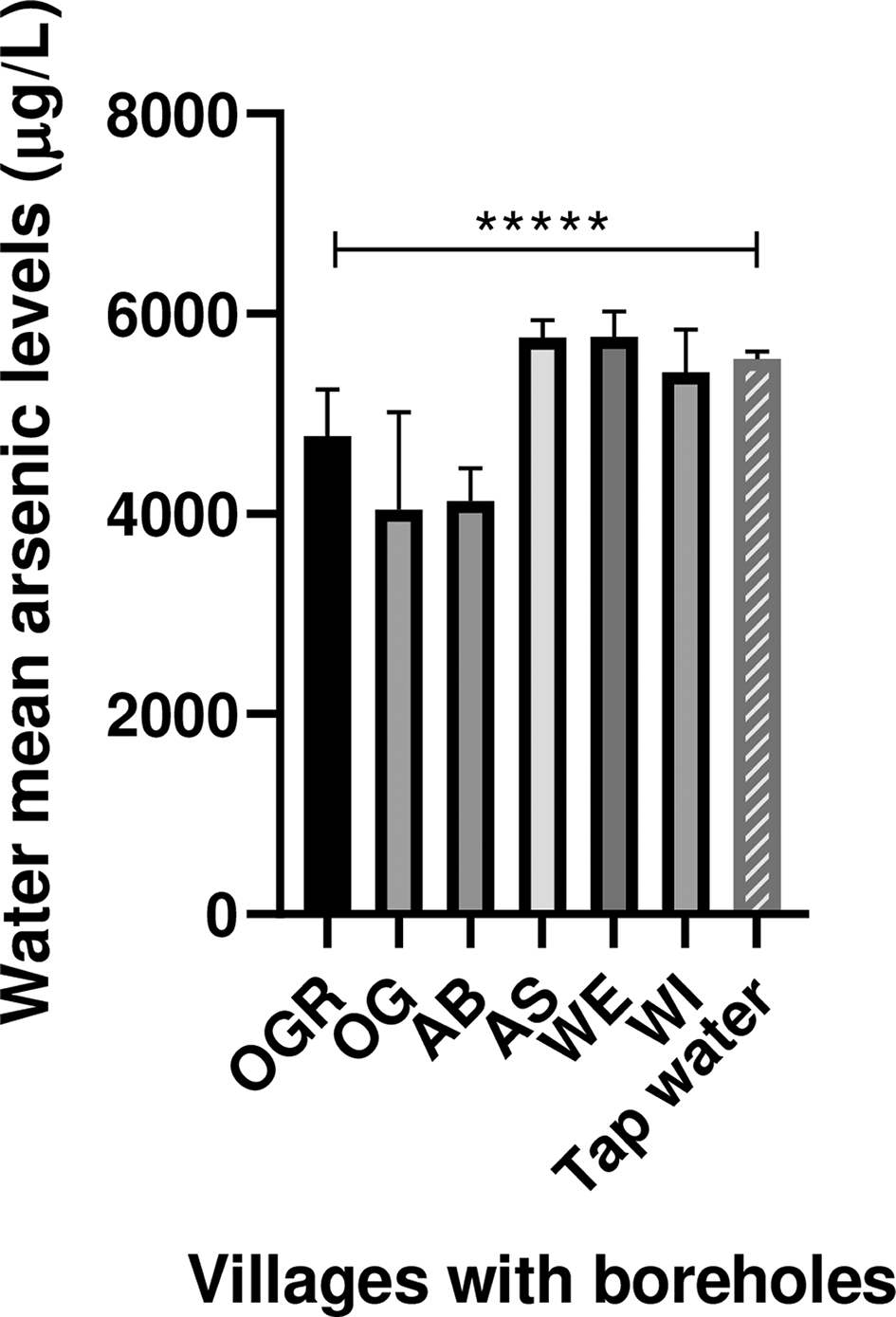
a. Comparison of arsenic levels in borehole water from the different villages of the study area, using analysis of variance (N.B: ***** = One-way ANOVA p-value of >0.0001). b. Comparison of arsenic levels in borehole water with those in tap water from the area water-supply grid (N.B: * = unpaired t-test p-value of 0.033 for OGR vs tap water and 0.032 for OG vs tap water; ***** = unpaired t-test p-value of 0.000031 for AB vs tap water). OGR = Ogongora, OG = Ogolai, AB = Abia, AS = Asamuk, WE = Wera and WI=Wila represent names of villages in the study area with boreholes used to provide water for domestic purposes. The arsenic levels are presented as mean + SEM in μg/L (micrograms per liter).
Regarding the arsenic concentration in the nail samples, the nails obtained from residents of Ogongora-village had the highest arsenic concentration at 0.0034 ± 0.001 μg/g and the lowest was from Wila-village at 0.00084 ± 0.0004 μg/g. However, there was no statistical difference among the nail arsenic concentrations of the residents from different villages, following an ANOVA analysis, indicated by a p-value of 0.0538 (Fig. 3).
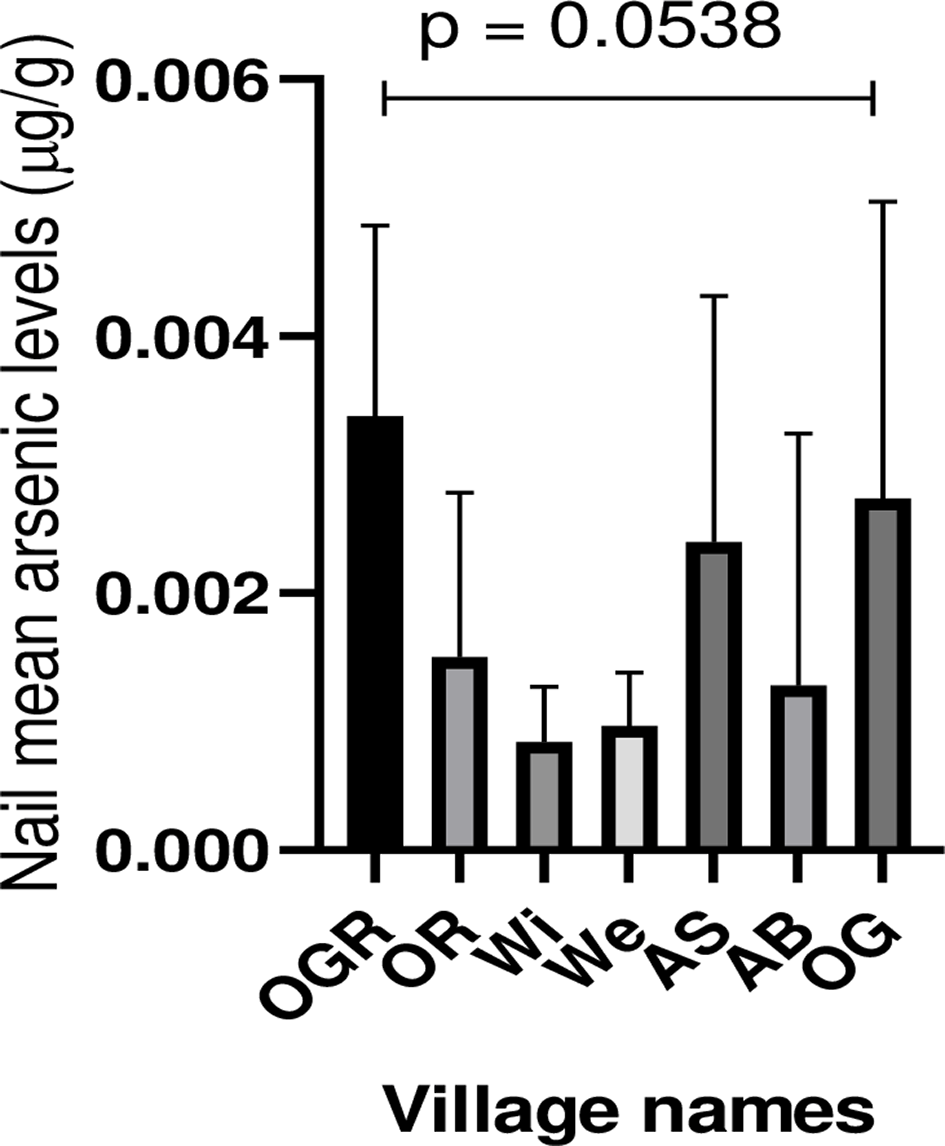
The nail mean arsenic (level of the study participants from the different villages abbreviated as: OGR = Ogongora, OR = Orungo, Wi = Wila, We = Wera, AS = Asamuk, AB = Abia, and OG = Ogolai were compared. One-way ANOVA was not significant, p-value = 0.0538.
Regarding the arsenic concentration in the hair samples, the hair obtained from residents of Ogongora village had the highest arsenic concentration of 0.02 ± 0.008 μg/g, which was statistically higher than that in all the other villages, with a p-value of 0.0227, (Fig. 4). The hair from residents of Orungo village had the lowest mean arsenic concentration of 0.0045 ± 0.002 μg/g.
The demographic characteristics of the participants that might directly be related to the potential bioaccumulation of arsenic, such as age, duration of residence in the study area, and occupation are summarized in Table 2.
In this study, we have explored the link between borehole water and body arsenic burden in the Eastern district of Amuria. We used the hair and nail arsenic concentration as a proxy for body arsenic burden reflecting exposure or intake, as has been used and recommended elsewhere.26,28,29 We found extremely high levels of arsenic in the borehole-water, much higher than what has been reported by studies from other countries. Previously, exposure to high levels of arsenic (>100 μg/L) in drinking water has been linked to a high risk of suffering from urinary tract cancer, according to a study from North Eastern Taiwan by Chen et al.,.30 There is also a dose-response relationship between exposure to arsenic in drinking water to mortality from cardiovascular diseases such as ischemic heart disease and stroke, according to studies done in Bangladesh.31,32 Low to moderate exposure to arsenic (<100 μg/L) in drinking water has also been associated with lung cancer in the US population.33
Our study shows that the arsenic concentrations in the sampled borehole-water from Amuria district of Uganda are well above the highest concentrations of about 470 μg/L that have been reported by Dummer TJB, et al., from a region of Canada called Nova Scotia12 (Fig. 2). It is interesting to note however, that despite the significantly high concentrations of arsenic in the borehole-water sampled, our data did not show any meaningful positive correlations between the water arsenic concentrations and the arsenic concentrations found in the hair and nail samples (Figs. 5 and 6). Indeed, the arsenic levels in our hair and nail samples (Figs. 3 and 4) are well below the highest concentrations reported from another study done in Canada by Dummer TJB, et al., where arsenic concentrations of ≥0.12 μg/g were considered to be high.12 This is also very contradictory to most of the reports from other places, such as Asia, that have shown a strong correlation between the concentrations of water arsenic and those found in the biological samples such as toenails or hair, which are also used as surrogate biomarkers for exposure to this heavy metal.15,26 We think this contradiction might be because our study participants were relatively young (average age of 34 years), with a much shorter period of exposure to the arsenic in the borehole-water, as compared to the participants from other studies done elsewhere.12,15 Indeed, the age range for our study participants was between 18 and 80 years, but the majority of them (79%) were below 40 years of age, and only 13 participants were older than that age (see Tables1 and 2). This demographic characteristic of <40 years is also reflected in the most recently concluded national population census which shows the majority of Ugandans being in that age category.34 Besides, the relatively young age of our study participants, about 50% of them, had not lived in the study area for more than 10 years, which may suggest a relatively short period of exposure to the water-arsenic ( Table 2). Surprisingly, three of the villages included in this study (Ogongora, Ogolai, and Abia) had borehole water with relatively lower arsenic levels compared to that found in the tap water from the local pipeline network, which is also unacceptably high (Fig. 2). This points to the possibility of inadequate purification of the water supplied to the local population in the study area. Another noteworthy and surprising discovery is the fact that the same villages, with relatively lower arsenic levels in their boreholes, seem to have relatively more arsenic accumulated in the nails of the residents. However, the arsenic accumulation in the nails of the residents is not significant at a p-value of 0.0538, as shown in Fig. 3. One plausible explanation for this discrepancy could be that the residents might have another source of arsenic exposure, such as food, soil, air pollution, and mining activity, besides the water-source. On the other hand, nutritional deficiencies of zinc and iron can enhance arsenic absorption by increased intestinal permeability and modulation of oxidative stress respectively.35 However, our study did not measure these essential trace elements, which makes them potential confounders. These findings need to be investigated further because our study only concentrated on the water arsenic levels and not on other potential sources of the heavy elements.
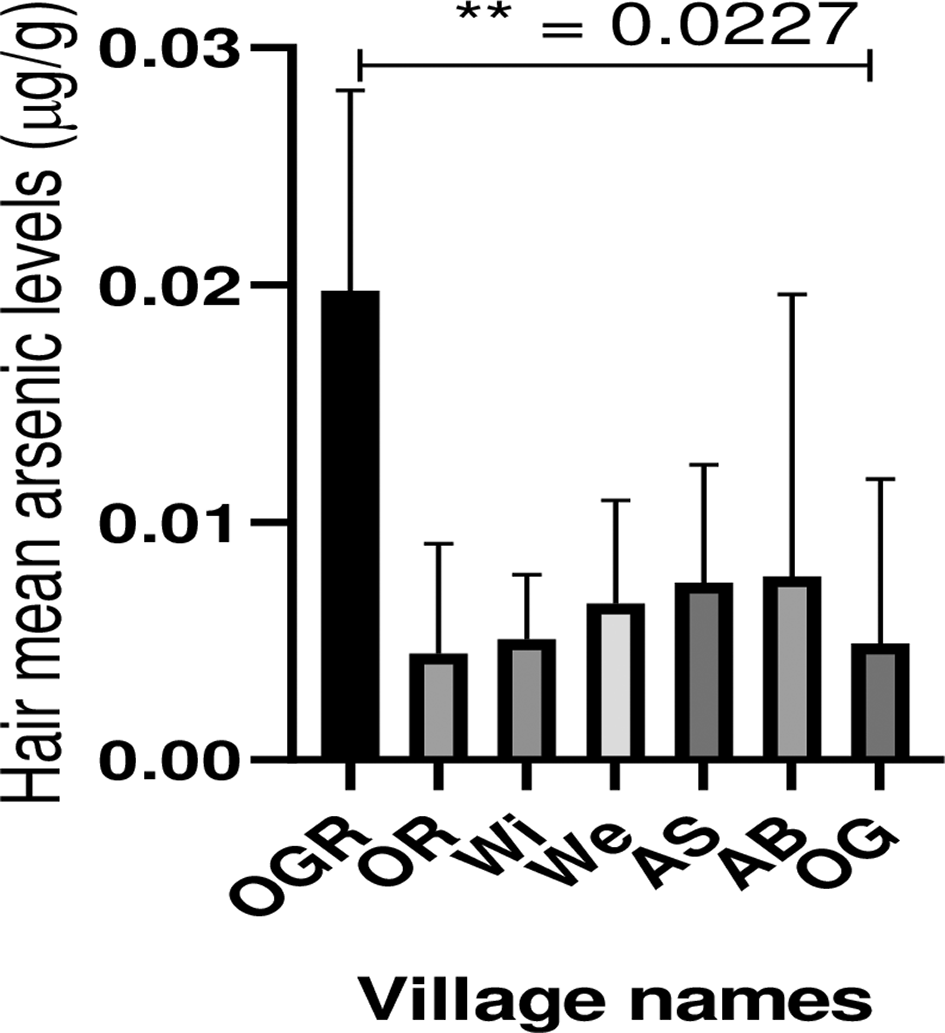
The hair mean arsenic levels of the study participants from the different villages abbreviated as: OGR = Ogongora, OR = Orungo, Wi = Wila, We = Wera, AS = Asamuk, AB = Abia, and OG = Ogolai were compared. One-way ANOVA was statistically significant, ** = p-value = 0.0227.
A Pearson’s correlation analysis was done, but we did not find any meaningful correlations between water and most of the hair/nail samples collected from the residents of the study area; except those from the village- Wera, where a positive correlation was established between water and nail samples with a positive correlation coefficient r = 0.7751 (95% CI: 0.05296–0.9649) and a borderline significant p-value of 0.0406. The correlation coefficients following analyses for samples from all the other villages are shown in Figs.5 and 6.
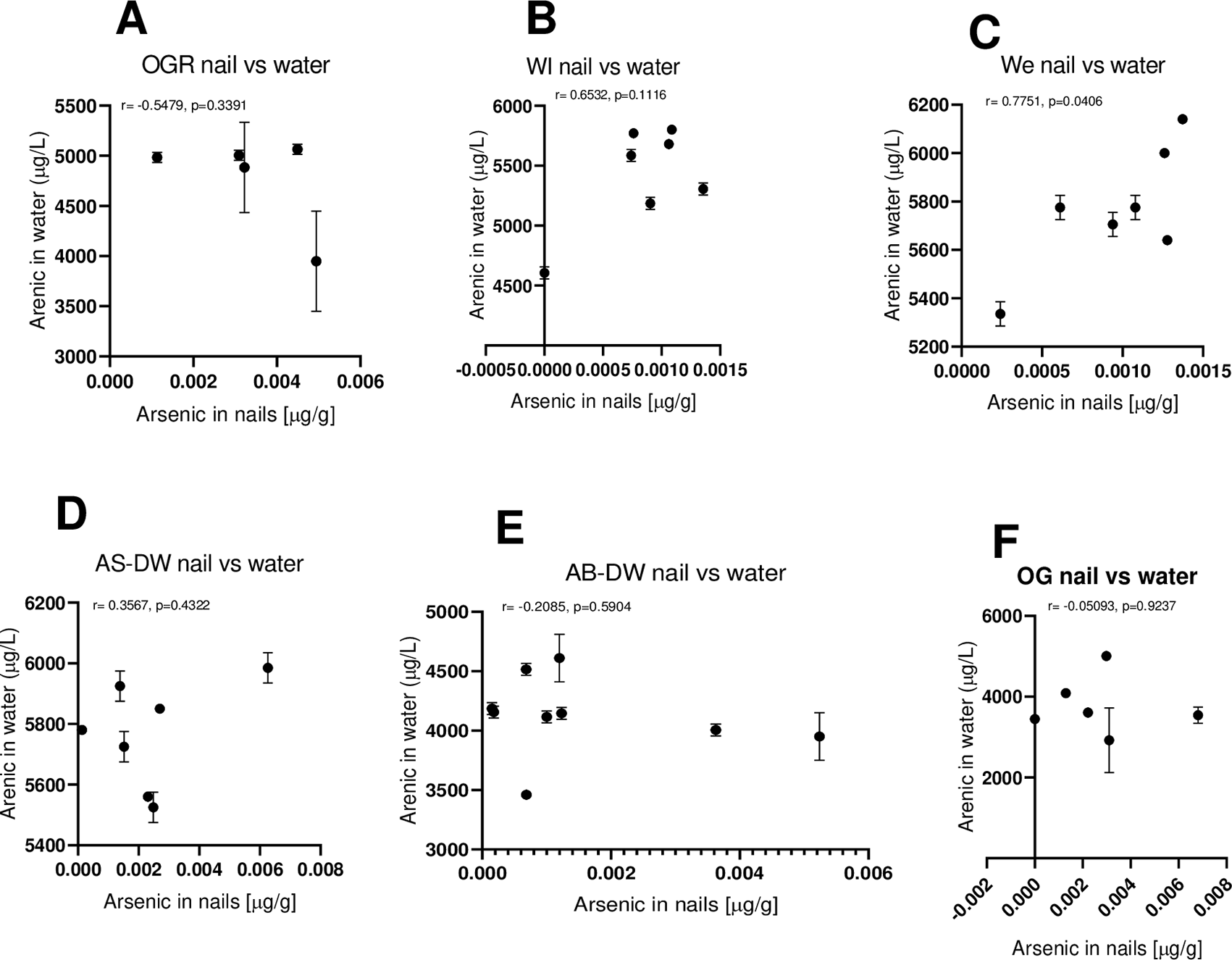
Panel A: no correlation between arsenic levels of nail samples from village OGR and water (r = −0.5479, p-value = 0.3391); panel B: positive correlation between arsenic levels of nail samples from village Wi and water, but no statistical significance (r = 0.6532, p-value = 0.11116); panel C: positive correlation between arsenic levels of nail samples from village We and water (r = 0.7751, p-value = 0.0406; panel D: positive correlation between the arsenic levels of nail samples from village AS and water, but no statistical significance (r = 0.3567, p-value = 0.4322); panel E: no correlation between arsenic levels of nail samples from village AB and water (r = −0.2085, p-value = 0.5904); panel F: no correlation between arsenic levels of nail samples from village OG and water (r = −0.05093, p-value = 0.9237). N.B. Following a Pearson’s-correlation analysis, a p-value of ≤0.05 was considered to be statistically significant. Abbreviations for names of villages: Wi = Wila, AB = Abia, OGR = Ogongora, We = Wera, AS = Asamuk, OG = Ogolai.
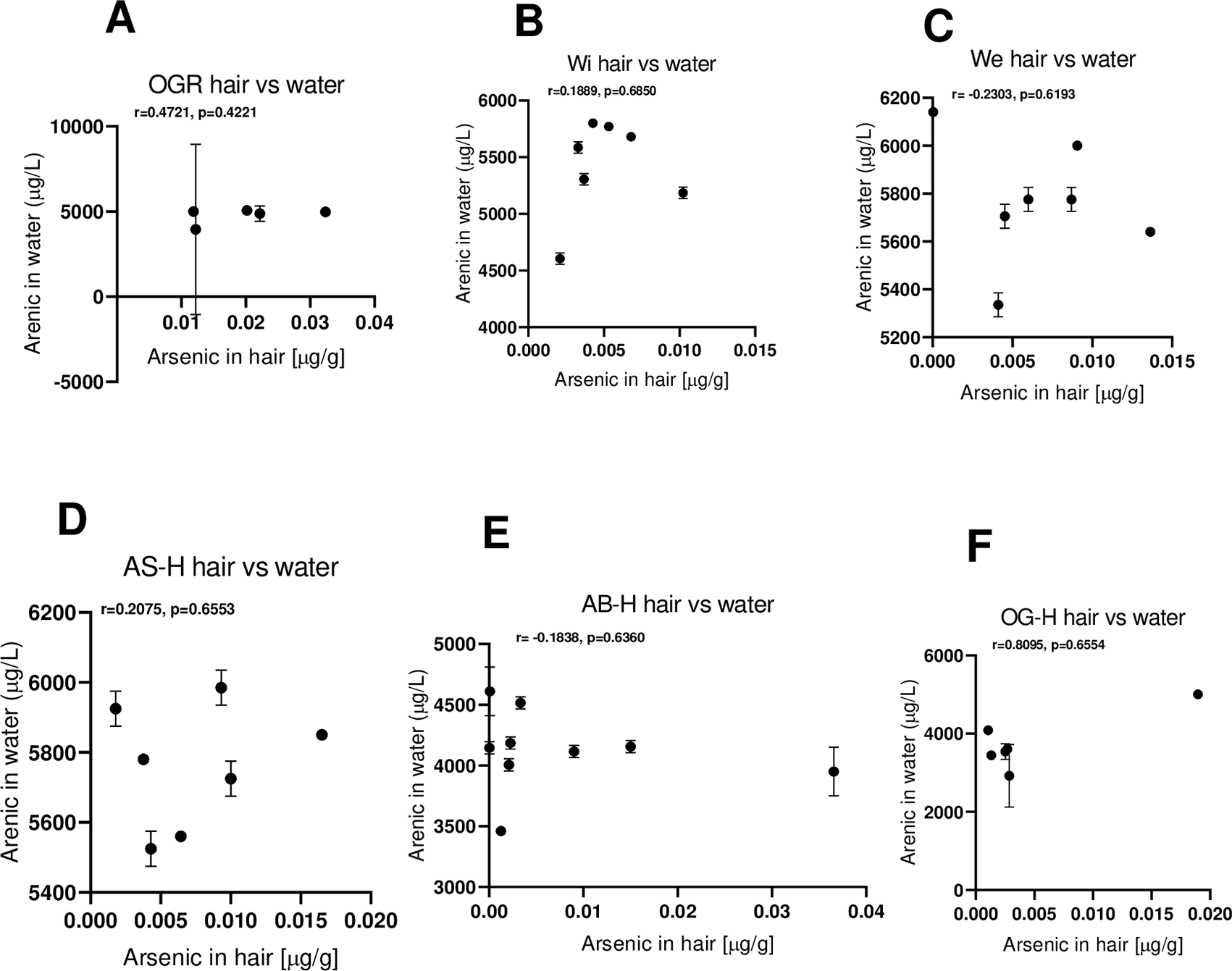
Panel A: positive correlation between arsenic levels of hair samples from village OGR and water, but no statistical significance (r = 0.4721, p-value = 0.4221); panel B: positive correlation between arsenic levels of hair samples from village Wi and water, but no statistical significance (r = 0.1889, p-value = 0.6850); panel C: no meaningful correlation between arsenic levels of hair samples from village We and water (r = −0.2303, p-value = 0.6193; panel D: positive correlation between the arsenic levels of hair samples from village AS and water, but no statistical significance (r = 0.2075, p-value = 0.6553); panel E: no meaningful correlation between arsenic levels of hair samples from village AB and water (r = −0.1838, p-value = 0.6360); panel F: positive correlation between arsenic levels of hair samples from village OG and water, but no statistical significance (r = 0.8095, p-value = 0.6554). N.B. Following a Pearson’s-correlation analysis, a p-value of ≤0.05 was considered to be statistically significant. Abbreviations for names of villages: Wi = Wila, AB = Abia, OGR = Ogongora, We = Wera, AS = Asamuk, OG = Ogolai.
We were unable to verify if all the boreholes included in this study had plastic or metallic pipes. This is important because if some boreholes had metallic pipes, there is a possibility that arsenic might exist as an alloy, which could easily dissolve and get released into the water during pumping. It would be interesting to see the arsenic levels in the hair and nail samples from much older members of the population, unfortunately, our study did not include people older than 50 years of age. This selection bias could be explained by the fact that the Ugandan population is predominantly of individuals of less than 35 years of age (up to 70% of the entire population).
The deep wells (boreholes) in Amuria district seem to have extremely high levels of arsenic, which also appears in the hair and nails of the residents who rely on the water for domestic purposes. However, there is little to no meaningful correlation between the arsenic concentration in the water and that in the hair or nail samples collected from the residents of the study area in Amuria district. We recommend that the district water regulatory authority endeavors to implement a mechanism of regularly sampling and detoxifying the water to reduce the presence of arsenic and other heavy elements that might be present in the underground/borehole-water, which is relied upon by many people for domestic purposes. A geological survey of the district to determine areas with high arsenic loads will help in ensuring.
Repository name: Demographic and Graph Data Supporting the Study.
https://doi.org/10.5281/zenodo.21371269.36
The project contains the following underlying data:
• Demographic data source.xlsx (Raw demographic dataset containing participant characteristics and the data used to generate the descriptive statistics presented in the manuscript.)
• Graph data source.xlsx (Raw data used to generate all graphs and figures presented in the manuscript.)
Data are available under the terms of the Creative Commons Attribution 4.0 International license (CC-BY 4.0).
Permission to conduct the study was sought from and granted by Research and Ethics Committee of Busitema University (Reference No. BUFHS-2023-67), as well as the Uganda National Council of Science and Technology (Reference No. HS2770ES).
Informed consent was sought from all the study participants before collecting their hair and nail samples. In this case, each study participant signed or finger-printed a written informed consent form as proof of agreeing to be included in our study. All the study materials, including collected samples or study questionnaires used in collecting the demographic characteristics of the participants, were anonymized by coding and cannot be traced back to the individuals involved. This study involved collecting real-time data from the participants, without having.
We are grateful to the local leaders and study participants of the Amuria district villages where the study was performed. Furthermore, we are very grateful to the laboratory technical staff from the chemistry laboratory at Makerere University for their work in analyzing our samples for arsenic.
We are very grateful for the funding obtained from the government of Uganda via Soroti University Research and Innovation Fund (Grant reference number: SUN-RIF/2022/34), which enabled us to conduct this study to its completion.
The funders had no role in study design, data collection and analysis, decision to publish, or preparation of the manuscript.
© 2026 Sembajwe LF et al. This is an open access article distributed under the terms of the Creative Commons Attribution License, which permits unrestricted use, distribution, and reproduction in any medium, provided the original work is properly cited.
Current Reviewer Status:
AWAITING PEER REVIEW
AWAITING PEER REVIEW
?
Key to Reviewer Statuses VIEW HIDE
ApprovedThe paper is scientifically sound in its current form and only minor, if any, improvements are suggested
Approved with reservations A number of small changes, sometimes more significant revisions are required to address specific details and improve the papers academic merit.
Not approvedFundamental flaws in the paper seriously undermine the findings and conclusions