Просмотр новости
Найдите то, что Вас интересует
 Спутники
 РН
РН SpaceX
 Роскосмос
 NASA
NASA
СпутникиРНSpaceXРоскосмосNASABackground Emotional regulation is a fundamental socio-emotional competency that supports adolescents’ psychological well-being, academic success, and positive social adjustment. However, group guidance services in junior high schools remain predominantly discussion-oriented, providing limited opportunities for students to develop emotional regulation through meaningful social experiences. This study aimed to conduct a comprehensive needs analysis as the empirical foundation for developing a traditional game-based group guidance model to enhance students’ emotional regulation. Methods This study employed a mixed-methods approach using a convergent parallel design. Participants consisted of 30 seventh-grade students and three guidance and counseling teachers from a public junior high school in Makassar, Indonesia. Quantitative and qualitative data were collected through questionnaires, semi-structured interviews, observations, and documentation. Data were analyzed using descriptive statistics and thematic analysis before being integrated during the interpretation stage. Results The findings identified four interrelated dimensions informing model development. First, students demonstrated relatively low emotional regulation, particularly in evaluating and modifying emotions, while expressing strong interest in interactive and game-based guidance activities. Second, teachers emphasized the need for innovative, structured, and experiential group guidance models that actively engage students. Third, observations indicated that the school possessed adequate facilities, institutional support, and a conducive environment for implementing innovative counseling services. Finally, integrating these findings generated product specifications identifying Bentengan, Bakiak, and Estafet Sarung as culturally responsive traditional games suitable for promoting emotional regulation through collaborative learning experiences. Conclusions This study provides an evidence-based needs assessment integrating students’ needs, teachers’ needs, school readiness, and product specification requirements as the empirical foundation for developing a culturally responsive traditional game-based group guidance model to enhance emotional regulation among junior high school students.
Emotional regulation has become one of the most essential socio-emotional competencies supporting adolescents’ psychological well-being, academic success, and positive social adjustment. During early adolescence, students experience rapid biological, cognitive, emotional, and social transitions that substantially increase emotional instability while simultaneously requiring greater self-regulation (Doménech et al., 2024; Favini et al., 2023). At the junior high school level, adolescents are particularly vulnerable to emotional fluctuations because developmental changes often exceed their capacity to regulate emotional responses effectively (Sanchis-Sanchis et al., 2020). Consequently, the ability to recognize, evaluate, and regulate emotions is increasingly recognized not merely as a personal characteristic but as a fundamental developmental competency that enables adolescents to adapt successfully to academic challenges, interpersonal relationships, and everyday social situations.
According to Gross’s Process Model of Emotion Regulation, emotional regulation refers to an individual’s ability to monitor, evaluate, and modify emotional responses in ways that are appropriate to situational demands (Gross, 2015; Kuppens & Verduyn, 2015). Adolescents who possess effective emotional regulation skills are generally better able to control impulses, manage stress, maintain learning engagement, and establish healthy interpersonal relationships (Daniel et al., 2020). Conversely, poor emotional regulation has consistently been associated with aggression, peer conflict, anxiety, emotional distress, academic disengagement, and various internalizing and externalizing behavioral problems (Fernandes et al., 2023; Salerni & Messetti, 2025). Therefore, strengthening emotional regulation has become an important educational objective because it contributes not only to students’ psychological adjustment but also to their long-term academic and social development.
The educational importance of emotional regulation has been further emphasized through Social and Emotional Learning (SEL), which views emotional competence as a prerequisite for successful learning and healthy social functioning (Hoffmann et al., 2020; Wright et al., 2024). A comprehensive meta-analysis demonstrated that SEL interventions significantly improve students’ social-emotional competencies, behavior, and academic achievement (Cipriano et al., 2023). Similarly, the CASEL framework identifies self-management, self-awareness, social awareness, relationship skills, and responsible decision-making as five interrelated competencies that support students’ holistic development (Cavioni et al., 2024; Evains et al., 2024; Frye et al., 2024). Within this framework, emotional regulation represents one of the central capacities underlying students’ ability to cope with academic pressure, collaborate with peers, resolve interpersonal conflicts constructively, and demonstrate responsible behavior in school settings.
The urgency of strengthening emotional regulation is also reflected in recent national evidence. The Indonesia National Adolescent Mental Health Survey (I-NAMHS) reported that approximately one in three Indonesian adolescents experiences mental health problems, with anxiety representing one of the most prevalent conditions, while only a small proportion receives professional psychological support (Wahdi et al., 2022). These findings indicate that emotional difficulties among adolescents constitute not merely individual developmental issues but broader educational and public health concerns requiring systematic intervention within schools. Such evidence highlights the strategic role of school-based preventive services in supporting students’ emotional development before emotional difficulties escalate into more serious psychological problems.
Preliminary observations and interviews conducted with guidance and counseling teachers at the research site further confirmed these national concerns. Teachers reported that many students continue to experience difficulties managing emotions when facing academic pressure and interpersonal conflicts. Behaviors frequently observed include uncontrolled anger, verbal disputes, impulsive reactions, emotional withdrawal, and reluctance to express personal feelings openly. These findings suggest that students’ emotional regulation remains insufficiently developed and requires systematic educational interventions that extend beyond conventional classroom instruction.
Within the school context, guidance and counseling services play a strategic role in promoting students’ socio-emotional development. Among various counseling services, group guidance offers unique opportunities for students to develop emotional awareness through peer interaction, collaborative reflection, and group dynamics (Lobczowski et al., 2021; Rojas et al., 2022). Previous studies have demonstrated that group guidance effectively promotes emotional competence, social connectedness, interpersonal communication, and problem-solving skills because students actively learn from shared experiences within supportive peer environments (Fauzi & Yustiana, 2024). Consequently, group guidance provides an appropriate educational setting for strengthening adolescents’ emotional regulation.
Despite its potential, existing group guidance services continue to face several practical limitations. In many schools, guidance activities remain dominated by lectures, discussions, and verbal explanations that provide limited opportunities for students to experience authentic emotional situations (Martawijaya, Swandi, et al., 2023b; Swandi et al., 2023). Consequently, students frequently perceive group guidance sessions as monotonous, demonstrate limited participation, and remain reluctant to express emotional experiences openly. Guidance and counseling teachers likewise encounter challenges in creating interactive group environments capable of stimulating meaningful emotional engagement. These limitations indicate that existing services require more participatory, experiential, and contextually relevant approaches that correspond to adolescents’ developmental characteristics.
One promising alternative is the integration of traditional games into group guidance services. Traditional games represent an important component of local cultural heritage while simultaneously providing authentic opportunities for cooperation, communication, empathy, self-control, sportsmanship, and collective problem solving (Dodoo, 2022; Hartanto et al., 2021). Unlike conventional counseling activities, cooperative traditional games naturally expose students to real emotional experiences, including competition, frustration, success, failure, negotiation, and teamwork (Chen et al., 2020). Such situations require participants to recognize emotional responses, evaluate emotional reactions, and modify emotional behavior during direct social interaction, thereby reflecting the essential processes described in Gross’s Process Model of Emotion Regulation (Gross, 2015). Consequently, traditional games offer considerable potential as experiential learning media for strengthening emotional regulation among adolescents.
The educational value of traditional games is further supported by contemporary perspectives on Social and Emotional Learning and culturally responsive education. Transformative SEL emphasizes that socio-emotional competencies should be developed through meaningful social participation, cultural identity, and authentic interpersonal experiences (Lau & Shea, 2024; Mesinas & Casanova, 2023). Likewise, culturally responsive education argues that learning becomes more meaningful when instructional practices incorporate learners’ cultural backgrounds and local wisdom (Martawijaya, Rahmadhanningsih, et al., 2023a). Integrating traditional games into group guidance therefore extends beyond preserving cultural heritage; it creates culturally meaningful learning experiences that simultaneously strengthen emotional competence, social interaction, and students’ sense of belonging within their communities (Hartanto et al., 2021; Luo et al., 2020).
Although emotional regulation has attracted considerable scholarly attention, several important research gaps remain. Existing studies have predominantly examined the effectiveness of counseling interventions, psychological training programs, or general SEL initiatives after interventions had already been designed and implemented. Studies integrating traditional games within group guidance services remain relatively limited, particularly among junior high school students, as previous research has focused primarily on early childhood education. More importantly, few studies have conducted comprehensive needs analyses prior to intervention development. Existing research rarely synthesizes students’ emotional regulation needs, teachers’ instructional needs, school readiness, and product specification requirements as an integrated empirical foundation for developing culturally responsive counseling models.
Within research and development (R&D), needs analysis constitutes the essential first stage for ensuring that educational interventions are responsive to actual field conditions rather than theoretical assumptions alone. According to Witkin and Altschuld, effective needs assessment should systematically involve relevant stakeholders, identify priority problems, and generate empirical evidence that guides subsequent product design. Rather than merely identifying students’ emotional difficulties, comprehensive needs analysis should examine four complementary dimensions: students’ developmental needs, teachers’ professional needs, school readiness for implementation, and product specification needs. The integration of these dimensions provides a systematic basis for designing interventions that are educationally relevant, practically feasible, and culturally responsive.
Based on the identified research gap, this study adopts a comprehensive needs analysis framework integrating students’ needs, teachers’ needs, school readiness, and product specification needs. These four dimensions collectively provide the empirical basis for developing a traditional game-based group guidance model intended to enhance emotional regulation among junior high school students. The conceptual relationship among these dimensions is presented in Figure 1.
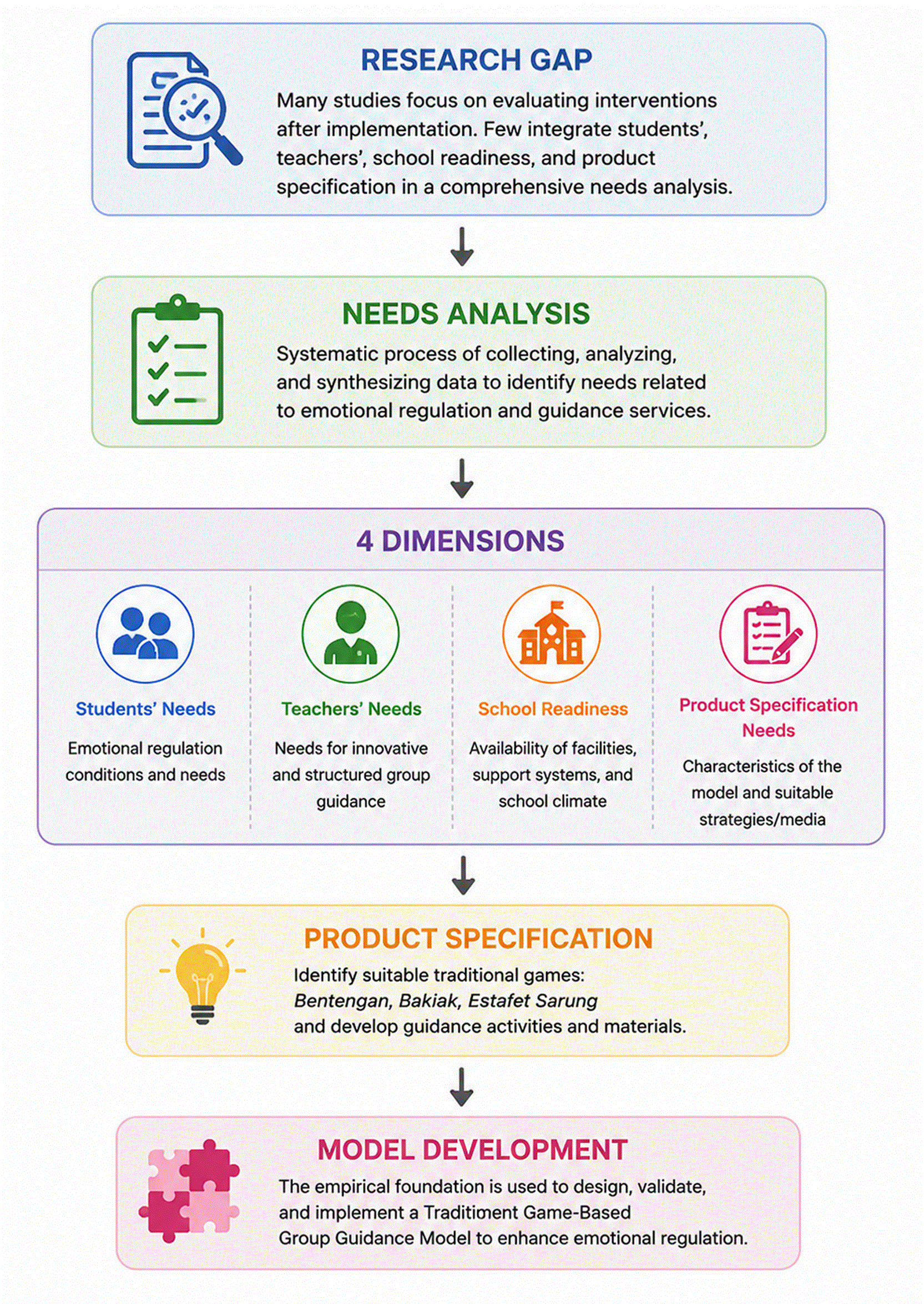
Conceptual framework illustrating the research gap, comprehensive needs analysis, four dimensions of needs assessment, product specification, and subsequent model development.
Therefore, this study aims to conduct a comprehensive needs analysis for developing a traditional game-based group guidance model to improve emotional regulation among junior high school students. Specifically, the study investigates (1) students’ needs regarding emotional regulation, (2) teachers’ needs for implementing innovative group guidance services, (3) school readiness to support implementation, and (4) product specification needs required for developing the intervention model. Rather than evaluating an existing intervention, this study contributes empirical evidence that integrates these four dimensions as the foundation for designing a culturally responsive traditional game-based group guidance model in the subsequent stages of research and development. The findings are expected to provide both theoretical and practical guidance for developing school counseling interventions that effectively strengthen adolescents’ emotional regulation while preserving meaningful local cultural values.
This study employed a mixed-methods approach using a convergent parallel design to conduct a comprehensive needs analysis for developing a traditional game-based group guidance model aimed at improving emotional regulation among junior high school students. The mixed-methods approach was selected because needs analysis in educational research requires both quantitative evidence describing the current conditions of stakeholders and qualitative evidence explaining the contextual factors underlying those conditions (Park, 2021).
Within the convergent parallel design, quantitative and qualitative data were collected during the same research period, analyzed independently, and subsequently integrated during the interpretation stage to provide a comprehensive understanding of the needs for model development. Rather than focusing solely on identifying students’ emotional regulation problems, the needs analysis examined four complementary dimensions: (1) students’ needs, (2) teachers’ needs, (3) school readiness, and (4) product specification needs. The integration of these four dimensions served as the empirical foundation for designing the traditional game-based group guidance model in the subsequent stages of the Research and Development (R&D) process.
This research was conducted from August 2025 to November 2025. The study was conducted at a public junior high school in Makassar, Indonesia. The research site was selected purposively because preliminary observations and discussions with school personnel indicated recurring problems related to students’ emotional regulation and the implementation of group guidance services. Furthermore, the school had established guidance and counseling programs, making it an appropriate setting for investigating the need for service innovation.
Participants consisted of 30 seventh-grade students and three guidance and counseling (BK) teachers. The students were selected because they represented the primary target users of the proposed intervention model and were expected to provide information regarding their emotional regulation experiences, participation in existing guidance services, and expectations for future services. The BK teachers were selected as key informants because they were directly responsible for implementing group guidance services and would become the primary users of the proposed model. Purposive sampling was employed to ensure that participants possessed sufficient experience relevant to the objectives of the study. Student participants had participated in school guidance activities, while teacher participants actively conducted guidance and counseling services at the research site.
Multiple sources of evidence were employed to ensure a comprehensive understanding of stakeholder needs. Students served as the primary source of information regarding emotional regulation conditions, experiences with existing group guidance services, preferences for learning activities, and expectations for future services. Guidance and counseling teachers provided information regarding current counseling practices, implementation challenges, perceptions of traditional games, and expectations for innovative service models. In addition, observations and school documents were used to examine institutional readiness, including facilities, administrative support, and opportunities for implementing the proposed intervention. The use of multiple data sources enabled methodological triangulation and strengthened the credibility of the needs analysis by integrating perspectives from students, teachers, and the school environment. To ensure that each research objective was systematically addressed, the study employed multiple data sources, instruments, and analytical procedures. The alignment between the research objectives, data sources, instruments, and analysis techniques is presented in Table 1.
Four complementary instruments were employed to collect both quantitative and qualitative data, namely the Students’ Questionnaire, Teachers’ Questionnaire, Semi-Structured Interviews, and Observation and Documentation. The students’ questionnaire was designed to examine four major aspects: emotional regulation needs, peer interaction, experiences with existing group guidance services, perceptions toward traditional game-based activities, expectations regarding future guidance services. The emotional regulation section was developed based on Gross’s Process Model of Emotion Regulation, measuring students’ abilities to monitor, evaluate, and modify emotional responses. The remaining sections explored students’ participation in guidance activities, interest in traditional games, preferred learning approaches, and expectations for more engaging counseling services.
The teachers’ questionnaire explored teachers’ perspectives regarding students’ emotional regulation, implementation of existing group guidance services, instructional challenges, perceived needs for innovation, perceptions toward traditional games, and expectations regarding the characteristics of an effective guidance model. The questionnaire also investigated teachers’ opinions regarding the feasibility of implementing traditional game-based group guidance within the school context.
Semi-structured interviews were conducted with guidance and counseling teachers and selected students to obtain deeper explanations of the quantitative findings. Student interviews explored emotional experiences, peer interactions, participation in group guidance activities, and expectations regarding enjoyable and meaningful counseling experiences. Teacher interviews focused on current counseling practices, implementation barriers, students’ emotional problems, institutional support, and recommendations regarding the characteristics of an ideal traditional game-based group guidance model.
Non-participant observations were conducted to examine the implementation of existing group guidance activities, student participation, classroom interactions, and the overall counseling environment. Documentation analysis included guidance and counseling annual programs, service schedules, lesson plans, and other institutional documents related to counseling implementation. Observation and documentation were primarily used to assess school readiness and identify contextual factors supporting or constraining the implementation of the proposed model.
Data collection was conducted in four consecutive stages. First, quantitative data were collected through questionnaires administered to students and guidance and counseling teachers to obtain baseline information regarding emotional regulation, existing services, stakeholder perceptions, and expectations. Second, semi-structured interviews were conducted with selected students and teachers to gain deeper insights into the quantitative findings and explore contextual factors influencing emotional regulation and counseling implementation. Third, classroom and counseling observations were conducted to examine students’ participation, group dynamics, and the implementation of existing guidance services. Finally, documentation analysis was undertaken to review school counseling programs, institutional support, and facilities relevant to implementing traditional game-based group guidance. The combination of these procedures enabled comprehensive data triangulation and provided a holistic understanding of stakeholder needs.
Quantitative data obtained from the questionnaires were analyzed using descriptive statistics, including frequencies, percentages, means, and standard deviations, to describe participants’ responses across the measured variables. Qualitative data obtained from interviews, observations, and documentation were analyzed using thematic analysis following the procedures proposed by Braun and Clarke (2006). The analysis consisted of familiarization with the data, initial coding, theme generation, theme review, theme definition, and report preparation. After completing the separate quantitative and qualitative analyses, findings from both strands were integrated during interpretation using a convergent mixed-methods approach. Integration was conducted by comparing, confirming, and synthesizing evidence from multiple sources to construct four major dimensions of needs:
1. Students’ Needs;
2. Teachers’ Needs;
3. School Readiness; and
4. Product Specification Needs.
These four integrated dimensions served as the empirical basis for determining the specifications required for developing the traditional game-based group guidance model in the subsequent stages of the Research and Development process.
To enhance the credibility and trustworthiness of the findings, several validation strategies were employed. Source triangulation was achieved by comparing information obtained from students, teachers, observations, and school documents. Methodological triangulation was conducted by integrating quantitative survey findings with qualitative interview, observation, and documentation data.
Member checking was performed with selected participants to verify the accuracy of the researchers’ interpretations, while peer discussions among the research team were conducted throughout the analysis process to minimize researcher bias and improve analytical consistency. These procedures enhanced the credibility, dependability, and confirmability of the findings.
The results of the emotional regulation assessment in the Table 2 indicate that junior high school students’ emotional regulation skills are still in the category that needs improvement. The emotion monitoring aspect obtained an average score of 61.17%, indicating that some students already have basic skills in recognizing and being aware of their emotional states. However, students still have difficulty in deeply understanding the causes of emotions and connecting emotions to behavioral responses.
In terms of evaluating emotions, the average score of 58.33% indicates that students still experience difficulties managing and balancing negative emotions such as anger, disappointment, sadness, and frustration. Some students tend to react spontaneously when faced with social or academic pressure, resulting in underdeveloped rational thinking skills in emotional situations.
Meanwhile, the emotion modification aspect received the lowest average score, at 56.83%. This result indicates that students’ ability to change or control their emotions in a more positive direction is still relatively low. Some students still have difficulty calming themselves, controlling impulses, and developing adaptive emotional responses when faced with conflict or situations that do not align with their expectations.
Overall, the measurement results indicate that junior high school students’ emotional regulation still requires strengthening through more interactive, contextual guidance and counseling services that involve direct social experiences. Therefore, developing a group guidance model based on traditional games is considered relevant to help students improve their ability to recognize, manage, and modify emotions more adaptively in their social and academic lives.
The results of the student needs analysis indicate that the development of a traditional game-based group guidance model is necessary to help improve emotional regulation in junior high school students. The analysis was conducted on several aspects, namely students’ experiences and emotional states, interactions with friends, experiences participating in guidance services, interest in game-based methods, and students’ expectations and needs for group guidance services.
Based on Table 3, the average percentage for students’ experiences and emotional states was 62.50%, categorized as high. These results indicate that most students still experience various emotional states that require attention, such as anger, sadness, disappointment, and difficulty controlling emotions in certain situations at school. Although some students have developed ways to calm themselves, their emotional regulation abilities are still not optimally developed, requiring support through more contextual and applicable services.
In terms of peer interaction, the average percentage was 60.83%, categorized as high. These results indicate that students are quite capable of establishing social relationships and collaborating with friends in group activities. However, students were still found to be easily irritated when playing or collaborating with friends and experiencing interpersonal conflict in certain situations. These findings indicate that emotional regulation skills in the context of social interactions still need to be strengthened through group activities that can foster cooperation, empathy, and self-control.
The experience aspect of participating in guidance and counseling services achieved an average percentage of 45.00%, categorized as low. This result indicates that some students have not had an optimal experience participating in group guidance services at school. Furthermore, students also assessed that current guidance and counseling activities were less engaging and did not fully assist them in managing their emotions. The low percentage in this aspect indicates the need for innovation in guidance and counseling services that are more interactive, enjoyable, and involve active student participation.
Meanwhile, interest in game-based methods averaged 66.84%, categorized as high. Most students expressed a liking for traditional games and felt they could help improve cooperation and manage emotions in group situations. Furthermore, students expressed interest in counseling services using a more active and enjoyable traditional game approach. Regarding student expectations and needs, an average percentage of 65.50% was obtained, categorized as high. These results indicate that students hope that guidance and counseling services can help them better regulate their emotions and be implemented through more active and enjoyable activities. Most students also expressed a desire to participate in traditional game-based group guidance activities at school. These findings demonstrate that students have a need for guidance and counseling services that are more innovative, participatory, and appropriate to the developmental characteristics of adolescents.
Overall, the results of the student needs analysis indicate that developing a traditional game-based group guidance model is a relevant need to support the improvement of emotional regulation in junior high school students. The traditional game-based approach is seen as capable of creating a more engaging, active service atmosphere and supporting positive social interactions among students.
The results of the needs analysis for guidance and counseling teachers indicate that developing a traditional game-based group guidance model is considered important to help improve emotional regulation in junior high school students. The analysis examined aspects of students’ emotional regulation, the implementation of group guidance services, the need for new models, the use of traditional games in guidance and counseling services, and school environmental support.
Based on Table 4, students’ emotional regulation condition achieved an average percentage of 58.33%, categorized as high. The guidance counselor assessed that students still frequently experience emotional problems, such as excessive anger, sadness, withdrawal, and difficulty regulating emotions when facing academic and social pressures. Furthermore, the guidance counselor revealed that some students are more susceptible to emotional regulation problems than others.
Regarding the group guidance services currently implemented, the average percentage was 53.33%, categorized as high. This result indicates that existing group guidance services still face various obstacles in their implementation. Guidance teachers acknowledged that the service methods used have not been fully able to attract active student involvement. Furthermore, the use of games or creative activities in group services remains relatively limited, despite being considered to produce positive results when implemented. The needs and expectations aspect of the new model achieved the highest percentage, at 80.00%, categorized as very high. The guidance counselor stated that students needed a more interactive and innovative group guidance model. The teacher also supported the implementation of the traditional game-based guidance model and assessed that the new model needed to include more structured activities and service materials to ensure effective service delivery and meet the needs of junior high school students. Interview findings further revealed that the main challenges in implementing traditional game-based guidance included limited instructional time, classroom management during collaborative activities, and ensuring that each game remained aligned with the objectives of guidance and counseling services. These findings provide additional practical considerations for the design of the proposed model.
Furthermore, the traditional games aspect of guidance services achieved an average percentage of 63.34%, categorized as high. Guidance and counseling teachers viewed traditional games as relevant for use in group guidance services because they can help students improve emotional regulation, cooperation, and social interaction. However, teachers also identified several challenges in using traditional games, such as time constraints, group management, and aligning game activities with guidance and counseling service objectives. Regarding the school environment and support aspect, the average percentage was 77.78%, categorized as very high. These results indicate that the school has good support for innovative guidance and counseling services, including the use of traditional games in group guidance activities. Guidance and counseling teachers also assessed that school facilities are adequate for game-based activities, and students tend to respond positively to active and enjoyable service activities.
Overall, the results of the teacher needs analysis indicate that the development of a traditional game-based group guidance model is essential as an innovation in guidance and counseling services in junior high schools. The developed model is expected to help teachers create more interactive, participatory, and effective services to support students’ improved emotional regulation through meaningful social experiences and group activities.
School readiness was examined through non-participant observations focusing on the physical environment, counseling facilities, student participation, and institutional support for implementing innovative guidance services. The observation results indicate that the school environment is generally well prepared to support the implementation of a traditional game-based group guidance model ( Table 5).
The observations showed that the school possesses adequate physical facilities to conduct group guidance sessions and traditional game activities. Open spaces and school facilities can be utilized effectively for collaborative activities without interfering with regular teaching and learning processes. Existing guidance and counseling facilities also provide an appropriate setting for implementing structured group guidance programs.
Furthermore, student behavior observed during school activities indicated that students were generally willing to participate in collaborative learning activities and demonstrated positive responses toward interactive group situations. Students appeared enthusiastic when involved in activities requiring communication, cooperation, and peer interaction, suggesting that participatory learning approaches are compatible with their developmental characteristics.
Observations also indicated that the school environment supports educational innovation. Guidance and counseling activities are regularly implemented, and the school demonstrates openness toward integrating innovative and culturally relevant approaches into existing counseling programs. Such institutional support creates favorable conditions for implementing traditional game-based group guidance as an alternative strategy for strengthening students’ emotional regulation.
Overall, the observation findings demonstrate that the school possesses adequate environmental readiness for implementing the proposed model. The availability of supporting facilities, positive student participation, and an institutional climate receptive to innovation collectively provide a conducive context for the subsequent development and implementation of a traditional game-based group guidance model.
The final stage of the needs analysis focused on identifying the essential specifications required for developing a traditional game-based group guidance model. Rather than merely identifying problems experienced by students and teachers, this stage synthesized findings from students’ needs, teachers’ needs, and school readiness to determine the characteristics of an intervention that would be educationally relevant, practically feasible, and responsive to the school context.
The selection of Bentengan, Bakiak, and Estafet Sarung emerged through the integration of quantitative and qualitative findings. Questionnaire data demonstrated students’ strong interest in traditional game-based guidance and teachers’ support for innovative counseling approaches, while interviews and school observations confirmed the feasibility, cultural familiarity, and suitability of these games for promoting emotional regulation within collaborative group activities. This triangulation process served as the empirical basis for determining the games incorporated into the proposed model.
Based on Table 6, the findings indicate that the proposed model should adopt an interactive and experiential group guidance approach that actively engages students through collaborative activities rather than conventional lecture-based counseling. Both students and guidance counselors consistently emphasized the importance of learning experiences that encourage participation, cooperation, emotional expression, and peer interaction. These findings suggest that the intervention should facilitate opportunities for students to experience authentic emotional situations while simultaneously practicing emotional regulation within supportive group environments.
The needs analysis also identified traditional games as the most appropriate instructional medium for achieving these objectives. Among various traditional games considered during the needs assessment, three games were identified as the most suitable for inclusion in the model: Bentengan, Bakiak, and Estafet Sarung. These games were selected because they consistently represent the characteristics required to support emotional regulation development, including cooperation, communication, self-control, emotional management, collective problem-solving, and adaptive responses during social interaction. Furthermore, these games can be implemented within the available school facilities and are compatible with the developmental characteristics of junior high school students.
In addition to selecting appropriate learning activities, the needs analysis revealed that guidance and counseling teachers require structured implementation support. Therefore, the model should include a comprehensive teacher guide containing session objectives, implementation procedures, facilitation strategies, reflection questions, and evaluation guidelines to ensure consistent implementation across counseling sessions. Likewise, student activities should be systematically organized through cooperative play, guided reflection, group discussion, and emotional self-evaluation to maximize learning outcomes. Figure 2 presents the synthesis of the needs analysis and demonstrates how the four empirical dimensions contribute to the proposed product specification.
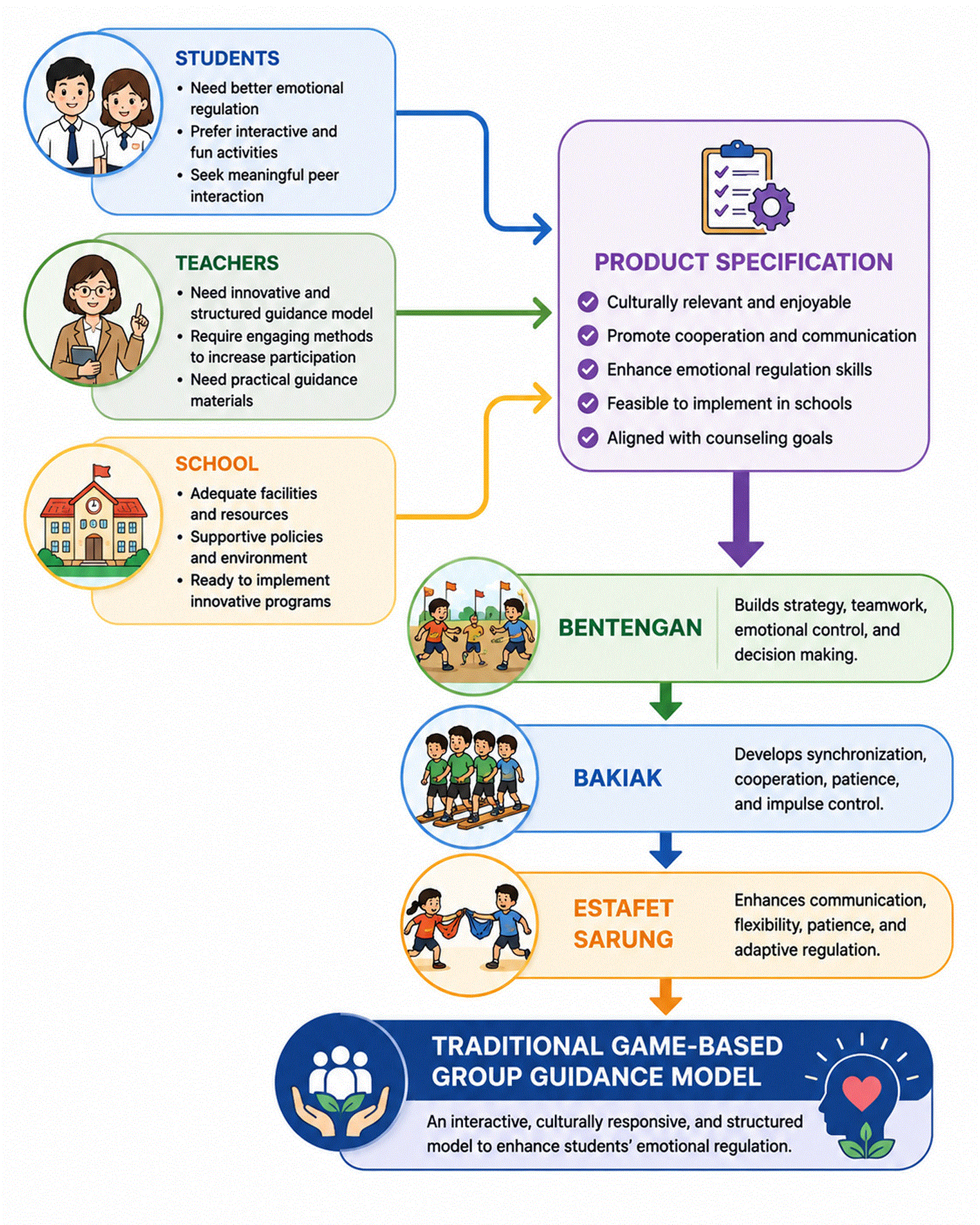
Integrated synthesis of students’ needs, teachers’ needs, school readiness, and product specification leading to the proposed traditional game-based group guidance model.
Overall, the synthesis of the needs analysis indicates that the proposed traditional game-based group guidance model should integrate culturally meaningful learning experiences with structured counseling procedures to strengthen students’ abilities to monitor, evaluate, and modify their emotions. These product specifications provide the empirical foundation for the subsequent design and development of the model within the Research and Development process.
The present study aimed to identify the empirical needs underlying the development of a traditional game-based group guidance model for enhancing emotional regulation among junior high school students. The findings demonstrate that the proposed model is supported by four interrelated dimensions: students’ developmental needs, teachers’ professional needs, school readiness, and product specification needs. Collectively, these findings indicate that strengthening emotional regulation requires not only appropriate learning activities but also supportive teachers, conducive school environments, and instructional designs that are responsive to students’ developmental characteristics and local cultural contexts. Rather than evaluating an existing intervention, this study establishes an empirical foundation for designing a culturally responsive guidance model through a comprehensive needs assessment.
The findings revealed that students’ emotional regulation remains relatively underdeveloped, particularly in the dimensions of evaluating and modifying emotions. Although students demonstrated a moderate ability to recognize their emotional states, many continued to experience difficulties controlling anger, managing disappointment, coping with frustration, and responding appropriately to interpersonal conflicts. This pattern suggests that emotional awareness alone is insufficient to produce adaptive emotional behavior. Adolescents require opportunities to transform emotional awareness into constructive emotional responses through repeated social experiences.
These findings strongly support Gross’s Process Model of Emotion Regulation (Gross, 2015), which proposes that effective emotional regulation consists of three sequential processes: monitoring emotions, evaluating emotional experiences, and modifying emotional responses according to situational demands. The relatively lower scores obtained in emotion evaluation and emotion modification indicate that many students have not yet developed higher-order emotional regulation strategies. Instead, emotional responses remain largely reactive, making adolescents more vulnerable to impulsive behavior, peer conflict, and academic stress.
The findings are also consistent with the Social and Emotional Learning (SEL) framework, which emphasizes that emotional competencies develop through continuous interaction with authentic social situations rather than through theoretical instruction alone (Ahmed et al., 2020; Collie, 2020, 2022). Emotional regulation is closely associated with self-awareness, self-management, responsible decision-making, and relationship skills (Doménech et al., 2024; Williams et al., 2018). Consequently, interventions designed to strengthen emotional regulation should provide opportunities for students to collaborate, negotiate, solve problems, and reflect on emotional experiences within supportive peer environments.
Another important finding concerns students’ perceptions of existing guidance services. Participants reported that current group guidance activities were often dominated by verbal explanations and discussions, resulting in relatively passive participation. Conversely, students expressed considerable interest in learning activities involving traditional games because they perceived them as enjoyable, interactive, and relevant to their daily experiences. This finding indicates that adolescents are more motivated when counseling activities provide meaningful participation rather than passive information delivery. Therefore, integrating experiential learning activities into group guidance represents an appropriate strategy for improving both student engagement and emotional development.
Overall, the student needs analysis confirms that developing emotional regulation should extend beyond cognitive understanding of emotions. Instead, counseling interventions should provide structured opportunities for students to experience, reflect upon, and regulate emotions within authentic social interactions. Such findings provide a strong empirical justification for developing a traditional game-based group guidance model.
The perspectives of guidance and counseling teachers complement the findings obtained from students. Teachers consistently acknowledged that many students continue to experience emotional regulation difficulties, while existing guidance services have not yet provided sufficient opportunities for meaningful emotional learning. Although group guidance has been implemented regularly, teachers recognized that conventional discussion-based approaches often fail to sustain students’ attention and active participation.
These findings reflect broader challenges frequently encountered in school counseling practice, where limited instructional resources and repetitive delivery methods reduce students’ motivation to participate in counseling activities (Kaufman & Nemeroff, 2025; Peynenburg et al., 2022). Guidance counselors therefore require innovative approaches that maintain educational objectives while simultaneously increasing student engagement. The high level of teacher support for a traditional game-based model indicates that practitioners recognize the importance of integrating experiential activities into counseling services.
Teachers also emphasized that innovation should not simply involve introducing games into counseling sessions. Rather, they highlighted the need for a structured implementation model that clearly specifies learning objectives, counseling procedures, facilitation techniques, reflection activities, and evaluation strategies. This finding suggests that successful innovation depends not only on attractive learning media but also on systematic instructional design that enables counselors to implement activities consistently.
Furthermore, teachers viewed traditional games as valuable educational resources because they naturally promote cooperation, communication, empathy, discipline, and emotional self-control. Nevertheless, they also identified practical challenges related to time allocation, group management, and aligning game activities with counseling objectives. These concerns indicate that the proposed model should balance flexibility with sufficient procedural guidance, enabling counselors to adapt activities according to school conditions without compromising educational quality.
Collectively, these findings demonstrate that teachers require practical innovations capable of transforming group guidance from predominantly discussion-oriented sessions into more interactive, collaborative, and emotionally meaningful learning experiences.
Beyond identifying stakeholder needs, this study also examined the readiness of the school environment to support implementation of the proposed intervention. Observation findings indicate that the participating school possesses adequate facilities, institutional support, and a positive learning climate for implementing traditional game-based group guidance. The availability of open spaces, counseling facilities, and opportunities for collaborative student activities suggests that the proposed model can be implemented without requiring substantial additional resources. Equally important, school administrators and guidance and counseling teachers demonstrated openness toward educational innovation, reflecting an institutional culture that encourages continuous improvement in counseling practices.
School readiness constitutes an important prerequisite within educational innovation because the successful implementation of new interventions depends not only on the quality of instructional design but also on the organizational context in which the innovation is introduced. Previous implementation studies have consistently shown that educational innovations are more likely to be successfully adopted when schools demonstrate organizational readiness, including leadership support, resource availability, collaborative professional culture, and positive attitudes toward change (Alam et al., 2024; Elmourad et al., 2026). Conversely, interventions that are pedagogically sound often encounter implementation challenges when institutional commitment and environmental support are insufficient (Abo-Khalil, 2024; Angelaki et al., 2024). Therefore, the readiness demonstrated by the participating school represents a significant enabling factor for the future implementation of the proposed model.
The present findings also highlight that school readiness extends beyond the availability of physical facilities. Institutional support, teacher commitment, and a school climate that encourages collaboration collectively create conditions in which innovative counseling services can be implemented more effectively. This observation aligns with contemporary perspectives on implementation science, which emphasize that successful educational innovation emerges from the interaction between the quality of the intervention and the capacity of the implementing organization (Anderson et al., 2024; Younas, 2023). In this regard, the positive attitudes demonstrated by school leaders and guidance counselors suggest that the proposed traditional game-based model has favorable organizational conditions for long-term adoption rather than functioning as a short-term instructional innovation.
Another important finding concerns students’ participation during collaborative activities observed throughout the study. Students appeared enthusiastic when engaged in activities requiring communication, teamwork, negotiation, and shared responsibility. Such behavioral patterns indicate that interactive learning environments are compatible with adolescents’ developmental characteristics and naturally facilitate social-emotional engagement. Active participation also suggests that traditional game-based guidance has the potential to increase students’ motivation compared with conventional counseling approaches that rely predominantly on lectures and discussions. This finding reinforces the assumption that meaningful emotional learning is more likely to occur when students actively experience social interaction rather than merely receiving information about emotional regulation (Vuorenmaa et al., 2025; Xiong & Zhou, 2025).
Furthermore, the favorable school climate observed in this study supports the principles of culturally responsive education, which argue that educational innovation should be aligned with local contexts, available resources, and the characteristics of learners. Because traditional games are already familiar within the students’ sociocultural environment, their integration into school counseling services is unlikely to require substantial structural changes or expensive learning resources. Instead, the innovation builds upon existing cultural assets while simultaneously strengthening socio-emotional competencies. Such contextual compatibility may increase both the acceptability and sustainability of the intervention within routine school counseling programs.
Overall, the observation findings demonstrate that the participating school possesses not only the physical resources required to implement the proposed intervention but also the organizational readiness and supportive educational climate necessary for sustaining innovation. These conditions strengthen the feasibility of developing and implementing a traditional game-based group guidance model as a culturally responsive approach to enhancing emotional regulation among junior high school students.
Perhaps the most important contribution of this study is the translation of stakeholder needs into explicit product specifications. Rather than concluding with the identification of educational problems, the present needs analysis generated concrete recommendations regarding the characteristics of the intervention to be developed during the subsequent stages of Research and Development. The integration of findings from students, teachers, and school observations indicates that the proposed model should adopt an experiential, collaborative, and culturally responsive approach to group guidance. Such a model should encourage students to experience emotional situations directly, reflect upon those experiences, and develop adaptive emotional responses through structured peer interaction.
One important outcome of the needs analysis was the identification of three traditional games considered most appropriate for achieving these objectives, namely Bentengan, Bakiak, and Estafet Sarung. These games were not selected arbitrarily but emerged from the synthesis of stakeholder needs and contextual observations. They represent games that are familiar to students, feasible to implement within school environments, and capable of facilitating emotional learning through cooperative interaction. Each selected game contributes unique learning experiences. Bentengan encourages strategic thinking, teamwork, emotional control under competitive situations, and decision-making during rapidly changing interactions. Bakiak requires synchronization, mutual trust, patience, and collective responsibility because success depends on coordinated movement among all group members. Meanwhile, Estafet Sarung promotes communication, cooperation, flexibility, and adaptive problem-solving while students negotiate roles and overcome obstacles collectively.
Importantly, all three games provide repeated opportunities for students to practice the three dimensions of emotional regulation proposed by Gross. Students are encouraged to recognize emotional reactions during competition (monitoring), evaluate the appropriateness of those reactions (evaluating), and subsequently adjust their emotional responses while interacting with peers (modifying). Consequently, the selected games function not merely as recreational activities but as structured experiential media supporting emotional regulation within authentic social contexts.
Unlike previous studies that primarily examined the effectiveness of counseling interventions after implementation, this study contributes a comprehensive needs assessment integrating students’ needs, teachers’ needs, school readiness, and product specifications into a single analytical framework. This integrated approach strengthens the theoretical and practical foundation of the subsequent development process while ensuring that the proposed model is firmly grounded in empirical evidence and culturally meaningful educational practice.
This study contributes both theoretically and practically to the field of guidance and counseling. Theoretically, it extends the application of needs analysis within educational research by integrating four complementary dimensions—students’ needs, teachers’ needs, school readiness, and product specification needs—as a comprehensive foundation for developing a counseling intervention. Unlike many previous studies that primarily evaluated the effectiveness of counseling programs after implementation, this study emphasizes the importance of conducting a systematic needs assessment prior to model development, thereby strengthening the conceptual basis of Research and Development (R&D).
From a practical perspective, the study provides empirical guidance for designing a culturally responsive group guidance model that aligns with the developmental characteristics of junior high school students. The identification of Bentengan, Bakiak, and Estafet Sarung as the core learning media demonstrates how local cultural resources can be systematically integrated into counseling services to foster emotional regulation, cooperation, and positive peer interaction. Consequently, the findings offer practical recommendations for guidance counselors seeking innovative and contextually relevant approaches to school-based counseling.
Several limitations should be considered when interpreting the findings of this study. First, the research was conducted in a single junior high school with a relatively limited number of participants, which may restrict the transferability of the findings to other educational settings. Second, this study focused exclusively on the needs analysis phase within a broader Research and Development process. Therefore, the effectiveness and practicality of the proposed traditional game-based group guidance model have not yet been empirically examined. Third, although the study employed multiple data sources through questionnaires, interviews, observations, and documentation, the identified product specifications remain context-dependent and may require adaptation before being implemented in schools with different cultural or institutional characteristics.
The present study provides the initial empirical foundation for developing a traditional game-based group guidance model. Future research should therefore focus on the subsequent stages of the Research and Development process, including prototype development, expert validation, limited field trials, and large-scale implementation to evaluate the model’s validity, practicality, and effectiveness. Further studies are also encouraged to examine the model across diverse educational contexts involving schools with different geographical, cultural, and socio-economic characteristics. Such investigations would enhance the generalizability of the model while identifying contextual factors influencing implementation. In addition, future research may explore the integration of other forms of local wisdom and traditional games to strengthen broader social-emotional competencies, including resilience, empathy, collaboration, and conflict resolution. Finally, longitudinal studies are recommended to examine whether improvements in emotional regulation achieved through traditional game-based group guidance can be sustained over time and contribute to students’ long-term psychological well-being and social adjustment.
Overall, the findings demonstrate that the need for a traditional game-based group guidance model extends beyond introducing innovative learning activities into counseling services. Instead, the model represents a systematic response to students’ developmental needs, teachers’ professional expectations, and the school’s implementation capacity. By integrating these dimensions into explicit product specifications, this study establishes a robust empirical foundation for the subsequent stages of Research and Development while highlighting the potential of culturally responsive counseling interventions to strengthen emotional regulation among junior high school students.
This study conducted a comprehensive needs analysis to establish the empirical foundation for developing a traditional game-based group guidance model aimed at enhancing emotional regulation among junior high school students. The findings indicate that students continue to experience difficulties particularly in evaluating and modifying emotions, while existing group guidance services have not yet optimally facilitated active participation and meaningful emotional learning. Both students and guidance and counseling teachers expressed a strong need for more interactive, collaborative, and engaging guidance approaches. In addition, observation findings demonstrated that the participating school possesses adequate readiness to support the implementation of innovative counseling services.
The integration of students’ needs, teachers’ needs, school readiness, and product specification needs resulted in the identification of key characteristics required for the proposed intervention. Specifically, the needs analysis identified Bentengan, Bakiak, and Estafet Sarung as the most appropriate traditional games to support emotional regulation because they promote cooperation, communication, self-control, and authentic social interaction. These findings demonstrate that culturally meaningful traditional games can serve as valuable experiential learning media within group guidance services.
Overall, this study contributes an evidence-based framework for designing a culturally responsive traditional game-based group guidance model grounded in authentic educational needs rather than theoretical assumptions alone. The findings provide a robust foundation for the subsequent stages of Research and Development, including model design, validation, implementation, and effectiveness evaluation, while offering practical guidance for school counselors seeking innovative strategies to strengthen adolescents’ emotional regulation.
The authors stated that the study was approved by the Institutional Review Board at Universitas Bosowa on 16 July 2025 with the reference number 199a/1.02/DRIPM-UNIBOS/VII/2025. Written informed consents were obtained from all participants.
The authors stated that generative artificial intelligence tools were used in a limited manner to assist with language editing, organization of academic writing, improvement of clarity, and improving image quality. The conceptual framework, research design, data analysis, interpretation, and final conclusions were developed entirely by the authors.
Our highest gratitude and appreciation to all parties who have helped in this research.