Просмотр новости
Найдите то, что Вас интересует
 Спутники
 РН
РН SpaceX
 Роскосмос
 NASA
NASA
СпутникиРНSpaceXРоскосмосNASAThe seven-year programme, to be implemented between September 2026 and August 2033, will be financed through a 65 per cent loan from the World Bank, while the remaining 35 per cent will be borne by the Delhi government.
Synopsis
The seven-year programme, to be implemented between September 2026 and August 2033, will be financed through a 65 per cent loan from the World Bank, while the remaining 35 per cent will be borne by the Delhi government.
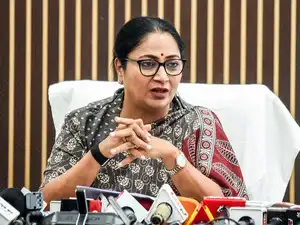 ANIDelhi CM Rekha Gupta
New Delhi: The Delhi government on Friday launched an orientation workshop for the proposed Rs 8,300-crore 'Clean Air, Healthy Delhi' programme, with Chief Minister Rekha Gupta saying the initiative reflects the government's long-term, science-based strategy to tackle air pollution.
The seven-year programme, to be implemented between September 2026 and August 2033, will be financed through a 65 per cent loan from the World Bank, while the remaining 35 per cent will be borne by the Delhi government.
At the workshop, the World Bank formally handed over the confirmation of the Project Preparation Grant Facility to the Delhi government.
Addressing officials from various departments, Gupta said improving air quality is a collective responsibility and required coordinated efforts across agencies.
'Clean Air, Healthy Delhi' is not just a pollution-control programme but an investment in better health and a sustainable future, Gupta asserted.
She said the government's strategy focuses on addressing pollution at its source, strengthening data-driven monitoring, ensuring effective enforcement through technology and promoting public participation.
The workshop was attended by Delhi ministers Parvesh Sahib Singh, Ashish Sood and Manjinder Singh Sirsa, representatives of the Department of Economic Affairs, World Bank Country Director Paul Procee and senior officials from departments including the Delhi Pollution Control Committee (DPCC), Municipal Corporation of Delhi (MCD), Public Works Department (PWD), Transport Department, New Delhi Municipal Council (NDMC) and Delhi Transco Limited (DTL).
World Bank experts made presentations on financial management, procurement procedures, environmental and social safeguards, and institutional preparedness under the Programme for Results framework. A technical session was also held to discuss measures to improve public transport, curb road dust and strengthen solid waste management.
"The objective was to familiarise departments and agencies associated with the project with World Bank procedures and international standards," officials said.
Technical assessments and a panel discussion were also held during the workshop, focusing on key interventions to improve air quality. Discussions covered strategies related to improving the transport system, controlling road dust and strengthening solid waste management, officials added.
According to the government, the project has been designed around two key components, strengthening Delhi's air quality management system and reducing emissions from major pollution sources.
The first component envisages establishment of a project management unit, expansion of the air quality monitoring network, data analytics systems and an integrated command centre-based monitoring mechanism. It also aims to improve coordination among departments, promote public awareness and encourage technological innovation.
The second component includes measures such as phasing out old and polluting vehicles, promoting electric vehicles, strengthening public transport, improving pollution-testing systems, controlling dust from roads and construction sites, and enhancing waste collection and management.
Delhi Environment Minister Manjinder Singh Sirsa said nearly 21 per cent of the Delhi government's 2026-27 "green budget" of over Rs 1 lakh crore, has been earmarked for clean air initiatives, a greener city and Yamuna rejuvenation.
He said the partnership with World Bank would help Delhi adopt global best practices and develop long-term solutions for air pollution and climate resilience.