Просмотр новости
Найдите то, что Вас интересует
 Спутники
 РН
РН SpaceX
 Роскосмос
 NASA
NASA
СпутникиРНSpaceXРоскосмосNASAWASHINGTON D.C President Trump’s former Defense Secretary Mark Esper warned that U.S. airstrikes alone cannot achieve victory against Iran or alter Tehran’s strategic objectives, urging instead a strategy focused on economic pressure. In comments highlighting the limitations of the ongoing bombing campaign, Esper outlined two stark options for confronting the Islamic Republic: “One option is […]
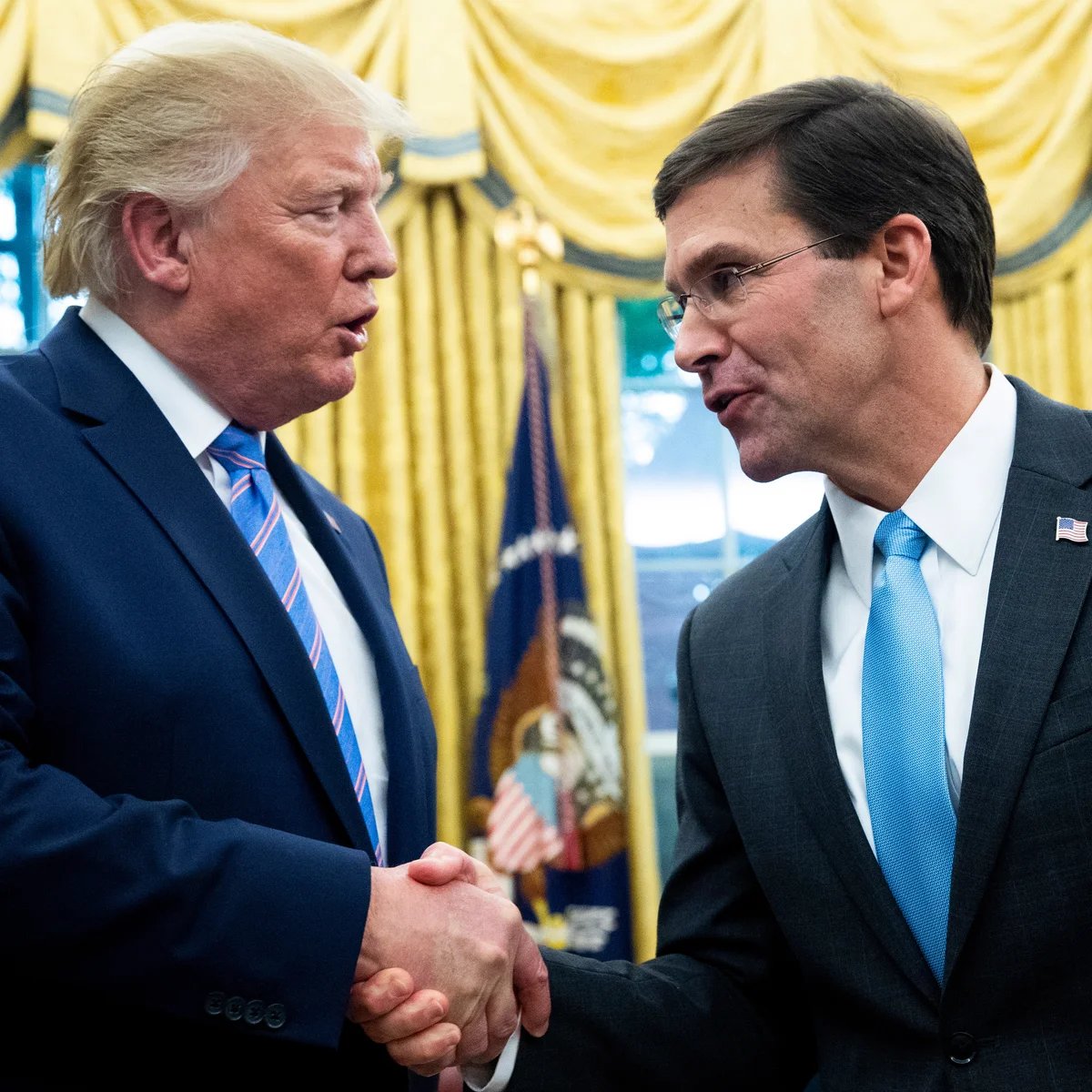
WASHINGTON D.C President Trump’s former Defense Secretary Mark Esper warned that U.S. airstrikes alone cannot achieve victory against Iran or alter Tehran’s strategic objectives, urging instead a strategy focused on economic pressure.
Subscribe to our Daily Roundup Email
In comments highlighting the limitations of the ongoing bombing campaign, Esper outlined two stark options for confronting the Islamic Republic: “One option is full military onslaught. The other is you strangle them economically.”
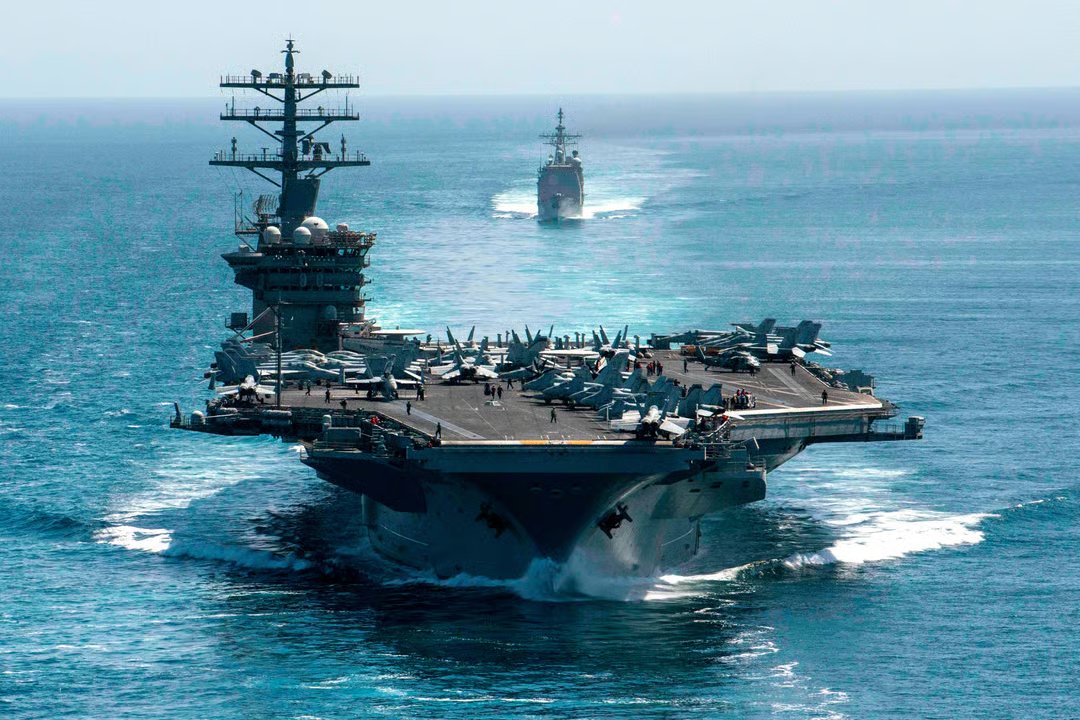
Esper set two clear benchmarks for success: ensuring the Strait of Hormuz remains fully open to international shipping and securing a nuclear agreement with Iran that is stronger than the 2015 deal negotiated under President Barack Obama.
His remarks come amid heightened tensions in the Middle East, with Israeli and U.S. strikes targeting Iranian nuclear and military sites. Esper expressed broader concerns about the toll on American military preparedness.
“What are we doing to our readiness and stockpiles? Because my big concern globally is China,” he said.
The conflict has also roiled global energy markets. U.S. crude inventories have fallen to their lowest levels since 1984, while Brent crude oil prices hovered around $85 per barrel Thursday. Analysts warn that prices could surge past $100 if the situation drags on, potentially fueling inflation and straining economies worldwide.
The former Pentagon chief’s assessment raises questions about whether the current Iran strategy is depleting U.S. resources and undermining Washington’s ability to respond to potential future crises, particularly in the Indo-Pacific region.
Esper’s comments reflect ongoing debates within foreign policy circles about balancing immediate threats from Iran’s nuclear program and proxy network — which pose direct dangers to Israel and regional stability — with long-term strategic competition from China.