Просмотр новости
Найдите то, что Вас интересует
 Спутники
 РН
РН SpaceX
 Роскосмос
 NASA
NASA
СпутникиРНSpaceXРоскосмосNASAThe new adjustments to inflation calculations come as several polls show Americans are struggling with consumer costs.
The new adjustments to inflation calculations come as several polls show Americans are struggling with consumer costs.
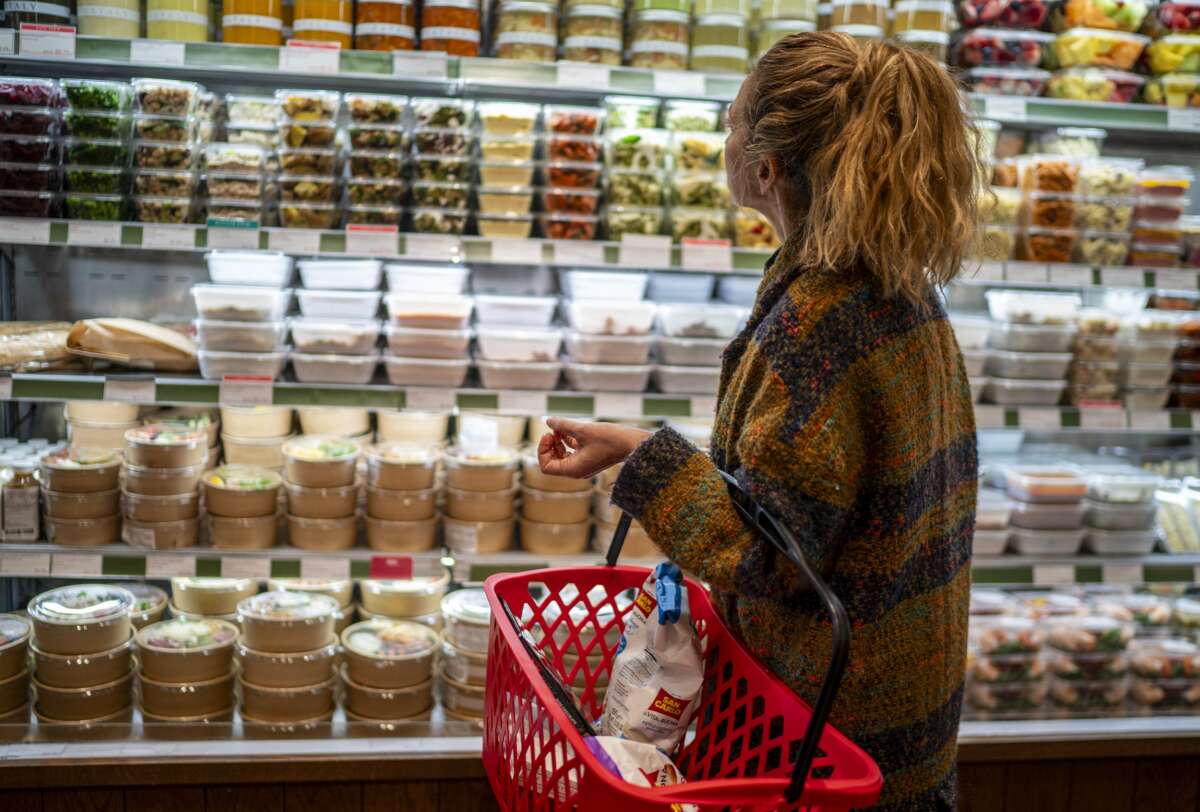 A woman shops for prepared food at a grocery market on March 19, 2026, in the Manhattan borough of New York City.Robert Nickelsberg / Getty Images
Did you know that Truthout is a nonprofit and independently funded by readers like you? If you value what we do, please support our work with a donation.
The Federal Reserve is preparing to adjust how it measures inflation in three areas of consumer purchases this fall, a move that will cause the numbers to appear to drop slightly.
While many economists say the changes are necessary to reflect the true costs of these items, the move comes at a time when trust in federal data from the Trump administration is low.
The Bureau of Economic Analysis (BEA) said the changes will affect the examination of prices in three categories: portfolio management and investment advice services; legal services; and computer software and accessories. Overall, the adjustments, which will be implemented starting in the fall, are expected to reduce inflation numbers by 0.2 percent.
Some commentators have been critical of the timing of the changes, noting that the new calculations will likely be met with skepticism from the public.
“Given the growing mistrust around official data, we urge the BEA to act with more transparency around timing, weights, and historical revisions,” said Vikas Patel, program manager at Employ America, a liberal think tank.
Indeed, President Donald Trump has given reason to question any changes when it comes to economics, as the BEA changes will come almost exactly a year after he fired the former head of the Bureau of Labor Statistics (BLS) because he was unhappy with what he considered to be bad jobs reports.
Even if the inflation numbers in future reports present a slightly better image of the economy for the Trump administration, Americans are increasingly frustrated over the current effects of higher prices for consumer goods, new data has shown.
According to a Harris Poll published this week, 57 percent of Americans feel the economy is getting worse, up from 46 percent when the survey asked the same question in February. Half of Americans say they struggle to pay for groceries (51 percent) and gasoline (52 percent).
Additionally, the poll found that 45 percent of Americans are struggling with making their housing payments, while 46 percent say they’re having trouble making payments for their utilities.
An Economist/YouGov poll published on Tuesday showed similarly concerning figures. In that survey, 25 percent of Americans described the economy as either “excellent” or “good.” Another 29 percent said the state of the economy is “fair,” while 44 percent said that it is “poor.”
In separate questions, 58 percent of Americans said their day-to-day economic situation is getting worse, versus just 8 percent who say it’s gotten better. Eighty-eight percent of Americans say they’ve noticed food prices have gone up over the last 12 months.
In June, the federal government’s Consumer Price Index (CPI) indicated that inflation went up 4.2 percent over the past year, the highest increase seen in over three years. Several staple grocery store items were up significantly more than that figure, with fruits and vegetables up 6.7 percent, coffee up 17.5 percent, and beef costs up 12.9 percent.
As consumer costs have gone up, Trump has shown a disconnect with Americans’ concerns, making several bewildering comments about the state of the economy, including:
Asked by a reporter if he was concerned about the CPI report, Trump indicated that he loved what he had seen.
“No, I love it. The numbers were great. I love the inflation,” Trump said.
Truthout is one of only a few platforms for justice-oriented, grassroots journalism. Today, as political censorship from the right intensifies, we have no choice but to ask for your help.
We are fundraising right now to cover our basic operating expenses. If you can support Truthout with a one-time or monthly donation, you will make a significant impact on our work. Anything you can do makes a difference — we appreciate your support.
| # | Наименование новости | Тональность | Информативность | Дата публикации |
|---|---|---|---|---|
| 1 | Rising Costs Push Necessities Out of Reach for Nearly Half of Americans | 0 | 9.4 | 14-10-2026 |
| 2 | NPR/Chicago Council on Global Affairs/Ipsos poll: Americans oppose tariffs' economic impact; remain deeply wary of China's global ambitions | 0 | 7 | 12-05-2026 |
| 3 | Canadians increasingly using 'buy now, pay later' on groceries | 0 | 5 | 07-07-2026 |
| 4 | Как в России борются с ростом цен на продукты | 0 | 0 | 14-12-2020 |
| 5 | Путин: цены на продукты в России выросли больше инфляции | 0 | 0 | 21-01-2021 |
| 6 | 95 percent say US in affordability crisis: Survey | 0 | 5 | 08-07-2026 |
| 7 | Мировые цены на популярный продукт питания заметно выросли | 0 | 5 | 06-07-2026 |
| 8 | Obamacare rolls shrank dramatically in many states over the past year: Data | -1 | 6 | 07-07-2026 |
| 9 | Инфляционные ожидания россиян на ближайший месяц продолжили снижаться | 0 | 0 | 02-06-2020 |
| 10 | Americans with disabilities worry about proposed changes to major national health survey | 0 | 9.25 | 14-10-2026 |