Просмотр новости
Найдите то, что Вас интересует
 Спутники
 РН
РН SpaceX
 Роскосмос
 NASA
NASA
СпутникиРНSpaceXРоскосмосNASALost Dog Syndrome can change how a missing dog behaves after coming home. Many rescued dogs hide, avoid owners, or seem fearful. Animal behavior experts say this is often a survival response, not a broken bond. During days or weeks alone, dogs rely on instinct instead of routine. Recovery takes time. Calm care, patience, and veterinary guidance help restore trust.
Why does your dog ignore you after coming home? For most pet owners, the moment a missing dog is found feels like the end of a nightmare. But for many families across the United States, the reunion doesn't always unfold the way they imagined. Instead of running into familiar arms with a wagging tail, some dogs appear frightened, confused, or even try to run away again. The behavior can leave owners heartbroken and wondering whether their pet still recognizes them. Animal behavior experts say this reaction is more common than many people realize and is often linked to what rescuers call Lost Dog Syndrome, also known as Missing Dog Syndrome.
Although Lost Dog Syndrome is not an official veterinary diagnosis, it describes a collection of behaviors seen in dogs that have spent days or weeks surviving on their own. During that time, their brains adapt to staying alive rather than maintaining social bonds. Experts say understanding these temporary changes can make a major difference in helping a rescued dog recover emotionally and physically.
Many owners assume that once a missing dog spots a familiar face, it will immediately come running. Animal recovery specialists say reality can be very different.
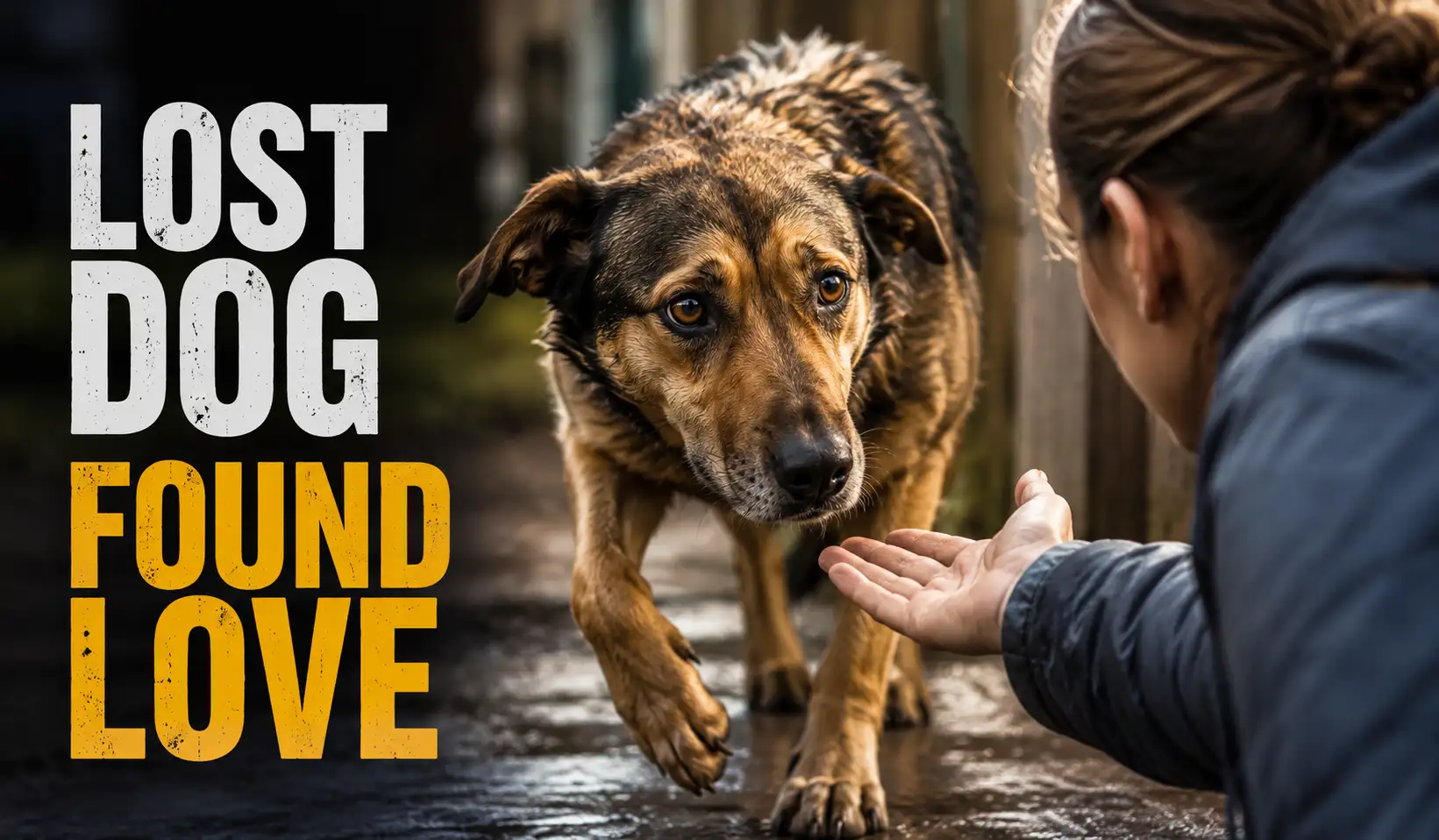
Why does your dog ignore you after coming home? Experts reveal the truth about lost dog syndrome recovery
Organizations such as the Missing Animal Response Network (MARN) have documented countless cases where frightened dogs ignored or even fled from their owners during rescue attempts. The reason isn't a lack of recognition. Instead, fear temporarily overrides normal social behavior.
When dogs spend days outdoors, every decision revolves around survival. They learn to avoid unfamiliar movement, loud sounds, traffic, strangers, and anything that could pose a threat. Their bodies remain flooded with stress hormones that keep them alert and ready to escape danger.
Even after spotting their family, those instincts don't disappear instantly.
That's why experts often advise owners not to chase, shout, or rush toward a frightened dog. Calm body language, sitting quietly nearby, avoiding direct eye contact, and allowing the dog to approach voluntarily often produce better results.
What happens inside a dog's brain while it is missing?Behavior researchers say dogs are remarkably adaptable animals. Within only a few days, many missing dogs begin developing new routines designed entirely around survival. Instead of sleeping comfortably indoors, they seek hidden places beneath porches, inside wooded areas, or behind abandoned buildings where predators and people are less likely to find them.
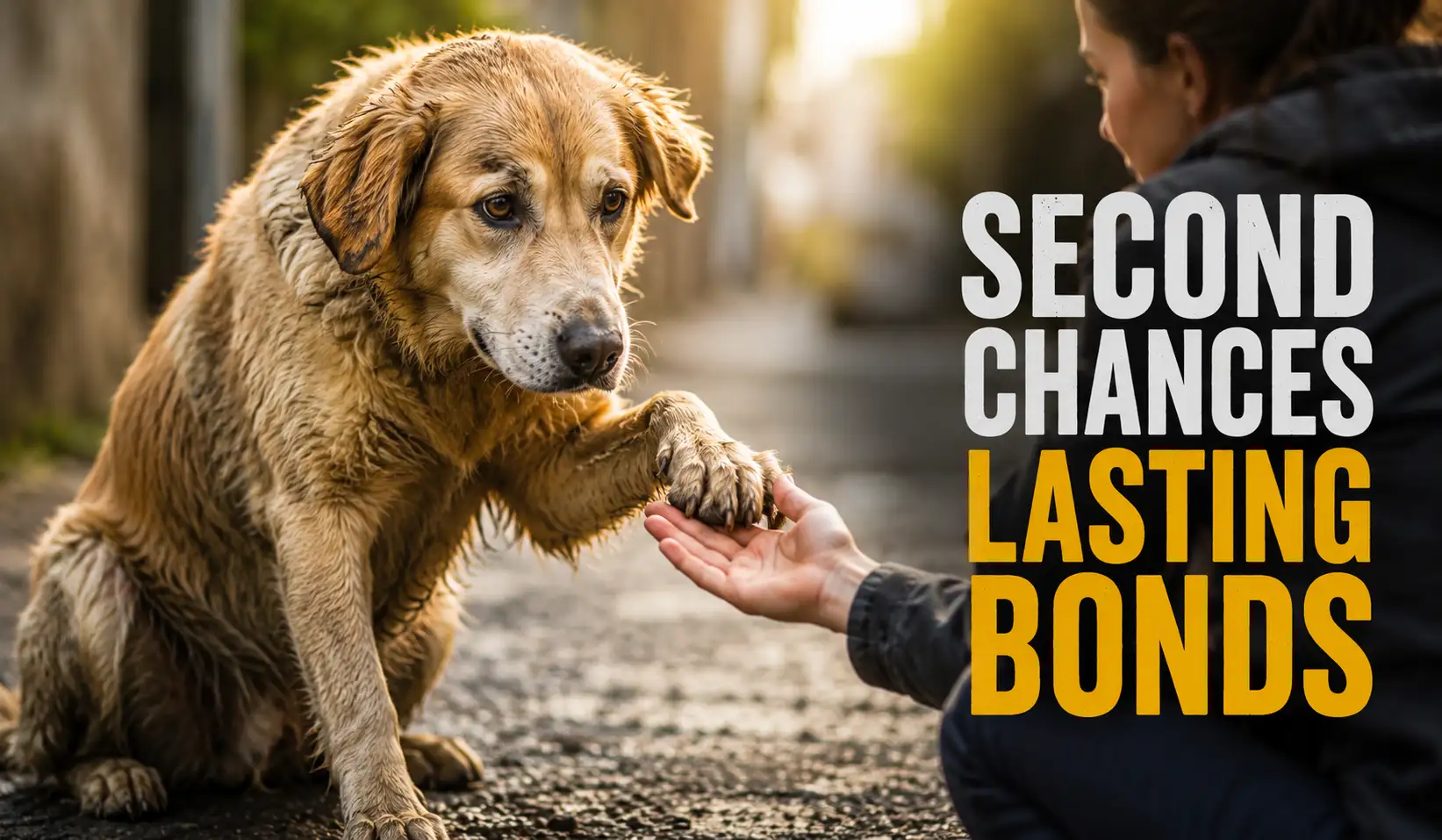
Lost Dog Syndrome: Why Do Some Dogs Act Like They Don't Know Their Owners After Coming Home?
Finding food also becomes a daily challenge. Dogs may search garbage bins, drink from streams, or rely on small amounts of food left behind by kind strangers. Many begin traveling during nighttime hours when streets are quieter and fewer people are outside.
According to the American Veterinary Medical Association (AVMA), prolonged exposure to fear and uncertainty can significantly change canine behavior. Much like humans experiencing trauma, dogs under chronic stress often become hyper-vigilant. Every sound, smell, or movement is quickly evaluated as either safe or dangerous.
This heightened awareness can continue even after they return home.
Owners may notice their dog flinching at ordinary household noises, hiding under furniture, pacing at night, or hesitating before entering familiar rooms. These behaviors don't mean the bond between owner and pet has disappeared. Instead, the dog's nervous system is gradually learning that it no longer needs to remain in constant survival mode.
The good news is that, for most dogs, these changes improve with patience, consistency, and a safe environment. Emotional recovery often begins long before owners notice obvious behavioral changes, making the first days after reunion especially important.
Every missing dog's recovery timeline is different. Some dogs begin acting normally within a few days, while others need several weeks before they fully relax. Veterinary behaviorists say the length of time often depends on how long the dog was missing, what it experienced while away, and its personality before disappearing.
How can families help their dog feel safe again?The first week after a reunion plays a major role in recovery. Veterinary behavior experts recommend creating a calm, predictable routine instead of celebrating with large gatherings or introducing visitors immediately. A quiet environment allows the dog's nervous system to settle without additional stress.
Simple routines can make a noticeable difference:
Owners should also resist the urge to force affection. Allowing the dog to approach family members on its own terms helps rebuild trust more naturally.
If severe anxiety, aggression, refusal to eat, or constant hiding continues for several weeks, the American Veterinary Medical Association (AVMA) recommends consulting a veterinarian, who may suggest working with a veterinary behavior specialist.
Can lost dog syndrome be prevented before a dog goes missing?No family expects their dog to disappear, but preparation dramatically improves the chances of a safe reunion.
According to American Humane, nearly one in three pets will become lost at some point during their lifetime. Keeping a microchip registered with current contact information remains one of the most effective identification tools available. Experts also recommend updated ID tags, secure fencing, recent photographs, and GPS tracking collars for dogs that frequently hike, travel, or escape yards.
Owners should also practice reliable recall training throughout a dog's life, since returning immediately when called can become critical during an emergency.
Lost Dog Syndrome reminds families that survival changes behavior, but it rarely changes love. A dog that appears distant after returning home is usually responding to prolonged fear—not forgetting its owner. With patience, veterinary care, consistent routines, and gentle reassurance, most dogs gradually leave survival mode behind and rebuild the trust that made them part of the family in the first place.
| # | Наименование новости | Тональность | Информативность | Дата публикации |
|---|---|---|---|---|
| 1 | Hund bockt und will nicht weitergehen – was steckt dahinter, und was hilft wirklich? | 0 | 7 | 02-07-2026 |
| 2 | Чем игнорирование опасно для собаки? | 0 | 7.79 | 21-09-2026 |
| 3 | Could your dog's favorite sleeping position reveal pain, anxiety or total trust? Here's what veterinary experts want every owner to know | 2 | 7 | 10-07-2026 |
| 4 | What to Do When Your Dog Is Afraid of Thunderstorms | 0 | 1 | 25-06-2026 |
| 5 | Ветеринар объяснил, когда нужно обращаться за помощью, если собака не есть в жару | 0 | 5 | 11-06-2026 |
| 6 | SHOT: Унесенная смерчем собака вернулась домой к хозяину в Кушву | 5 | 5 | 29-06-2026 |
| 7 | Think Twice Before FaceTiming Your Pet On Vacation, According To A Vet | 0 | 5 | 30-05-2026 |
| 8 | Message to community | 0 | 5 | 29-06-2026 |
| 9 | Santa Rosa County deputy, rookie K9 find missing teen with autism: Smiles Behind the Shield | 5 | 7 | 25-06-2026 |
| 10 | Кинолог рассказал о депрессии у собак после потери хозяина и смены дома | -5 | 7 | 02-07-2026 |