Просмотр новости
Найдите то, что Вас интересует
 Спутники
 РН
 SpaceX
 Роскосмос
 NASA
СпутникиРНSpaceXРоскосмосNASADelhi government's new initiative involves private sector and startups to deploy pollution-reducing technologies in high-pollution areas. Previous attempts have included smog towers and air purifiers, yet results have been disappointing. The city's geography poses challenges for air circulation, necessitating comprehensive source-level pollution reduction approaches. Improving public transport and waste management will contribute to cleaner air in the region. Technology and stakeholder collaboration are essential for effective pollution reduction strategies.
Delhi government's new initiative involves private sector and startups to deploy pollution-reducing technologies in high-pollution areas. Previous attempts have included smog towers and air purifiers, yet results have been disappointing. The city's geography poses challenges for air circulation, necessitating comprehensive source-level pollution reduction approaches. Improving public transport and waste management will contribute to cleaner air in the region. Technology and stakeholder collaboration are essential for effective pollution reduction strategies.
 Agencies
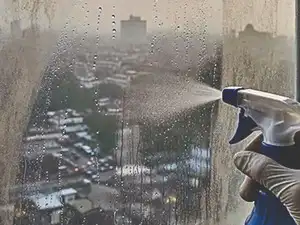
With Diwali around the corner, Delhi government's ₹104 cr plan to involve private sector and startups to deploy pollution-reducing technologies across 40 hotspots is good news. But the city has been here before: experimenting with smog towers, outdoor air purifiers, mist-based scrubbers and anti-smog guns - unfortunately, with little to show as results. Air pollution is not a hotspot problem. It requires an airshed approach. Cities and urban areas require structural and systemic interventions in keeping with geographic and meteorological characteristics.
Located in the low-lying Indo-Gangetic Plain with the Himalayan range to the north and Aravallis to the southwest, Delhi sits in a bowl-like trap, with limited natural air circulation. Reducing pollution here requires reducing production of pollutants at source. Vehicular emissions, road and construction dust, and open waste burning are major sources of pollution, along with particulate pollution interacting in the air with organic and chemical compounds. A robust, reliable, efficient and integrated mass public transport system that is progressively electrified can reduce vehicular emissions and secondary particles. Using technology to improve road safety, constructing more and better sidewalks, can promote walking and cycling, at least during amenable weather. Reducing open waste burning, including through an improved waste collection and management system, will help clean the city's air, as will tackling stubble burning by engaging with other state governments.
Technology and participation of all stakeholders, including private sector, are essential to cleaning Delhi's air. But without a plan to reduce the pollution at source, such interventions could be a whole lot of greenwashing.
...more
Elevate your knowledge and leadership skills at a cost cheaper than your daily tea.
Subscribe Now
| # | Наименование новости | Тональность | Информативность | Дата публикации |
|---|---|---|---|---|
| 1 | Nueva Delhi plantea el fin de los tuctucs y las motos de gasolina | 0 | 7 | 07-07-2026 |
| 2 | Nueva Delhi plantea el fin de los tuctucs y las motos de gasolina | 0 | 6.23 | 07-07-2026 |
| 3 | GRAP-1 curbs imposed in Delhi-NCR as air quality slips into ‘poor’ category | 0 | 17.48 | 21-10-2026 |
| 4 | В Нью-Дели убедились: победить грязный воздух сложнее, чем коронавирус | 0 | 0 | 18-11-2021 |
| 5 | Data on value chain emissions will help | 0 | 6.27 | 21-10-2026 |
| 6 | В Индии успешно протестировали технологию вызова дождя | 0 | 0 | 23-10-2025 |
| 7 | Mongolian MP Luvsanjamts Ganzorig on How to Tackle Air Pollution, Corruption, and More | 0 | 7.35 | 06-02-2026 |
| 8 | В Москве могут ввести запретные зоны для автомобилей низких экологических классов | 0 | 0 | 28-01-2019 |
| 9 | Москва вошла в число мегаполисов с низким индексом загрязнения атмосферы | 0 | 0 | 29-11-2025 |
| 10 | Editorial. Positive energy | 0 | 10 | 06-07-2026 |