Просмотр новости
Найдите то, что Вас интересует
 Спутники
 РН
РН SpaceX
 Роскосмос
 NASA
NASA
СпутникиРНSpaceXРоскосмосNASAEgypt’s Financial Regulatory Authority (FRA) is keen on strengthening cooperation with Arab and African countries prioritizing the exchange of expertise and knowledge-sharing, FRA Chairman Islam Azzam said. FRA chairman made the remarks during a meeting with Mahmoud Montasser Mansour executive director-general and founder of Tunisia’s Microfinance Control Authority and his accompanying delegation to discuss ways …
The post Egypt, Tunisia discuss cooperation in Non-Banking Microfinance Regulation appeared first on Egypt Independent.
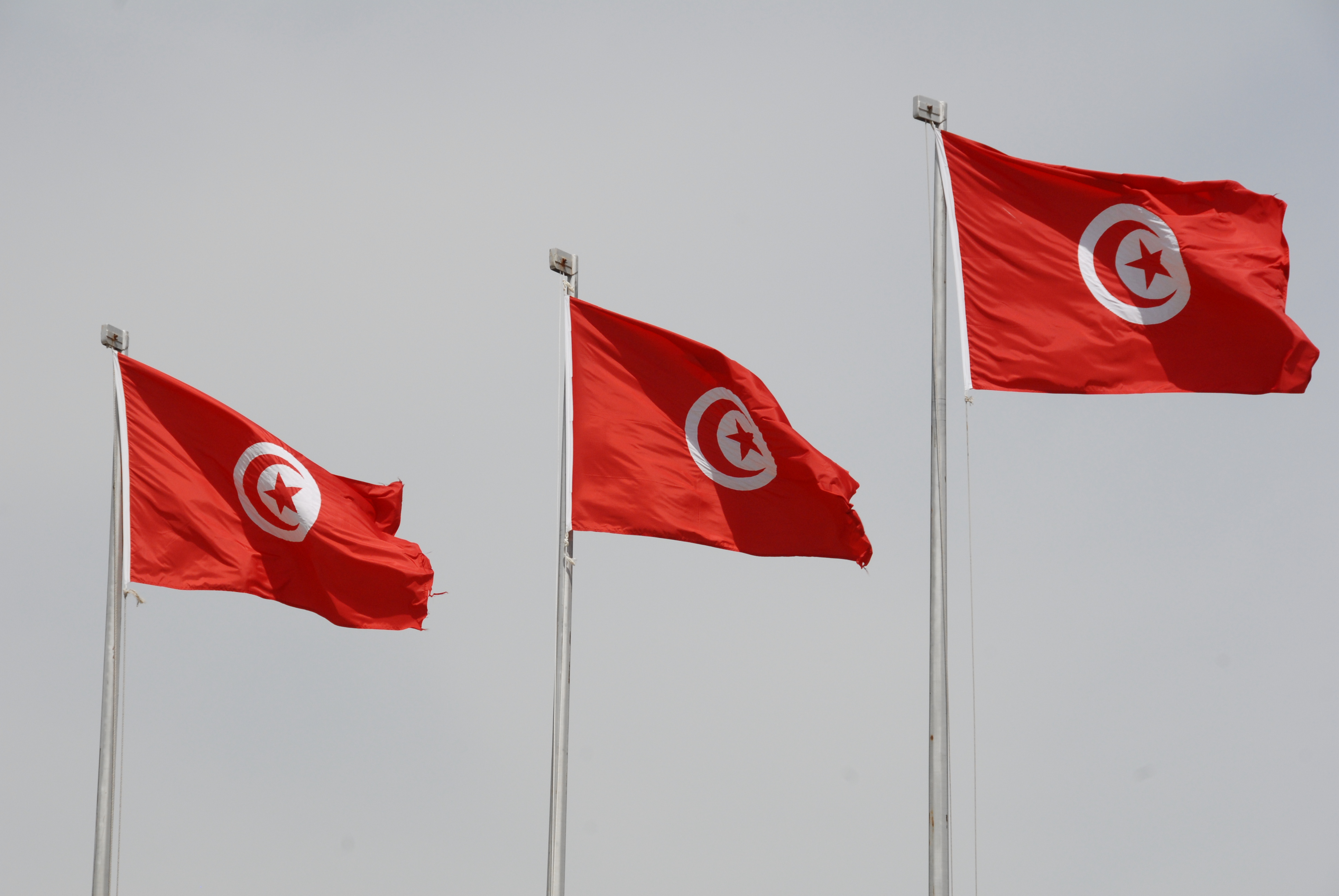
Egypt’s Financial Regulatory Authority (FRA) is keen on strengthening cooperation with Arab and African countries prioritizing the exchange of expertise and knowledge-sharing, FRA Chairman Islam Azzam said. FRA chairman made the remarks during a meeting with Mahmoud Montasser Mansour executive director-general and founder of Tunisia’s Microfinance Control Authority and his accompanying delegation to discuss ways to enhance cooperation and exchange regulatory and supervisory expertise in non-banking finance.
The meeting was attended by FRA Assistant Chairman Rehab Taha.
The Tunisian delegation’s visit aimed to gain first-hand insight into Egypt’s legislative and regulatory frameworks governing financing for medium, small and micro enterprises, particularly given the relatively close timing of regulatory developments in the sector in both countries.
Azzam welcomed the Tunisian officials to Egypt, describing non-banking finance for enterprises as one of the key sectors supervised by the FRA, given its relevance to a broad segment of the population.He said the sector directly supports financial inclusion, one of the main objectives of Egypt Vision 2030 and the government’s plan to advance the national economy.It also has the potential to improve the livelihoods of vulnerable groups and contribute to sustainable economic and social development, he added.
Azzam said outstanding financing balances for medium, small and micro enterprises in Egypt exceeded 101 billion Egyptian pounds in the second quarter of this year, benefiting around 3.5 million people through approximately 4,400 outlets operated by licensed companies, associations and institutions nationwide.
He also said the FRA had recently placed especial emphasis on improving the financing experience for beneficiaries, especially microenterprise owners, by tightening assessments of borrowers’ repayment capacity to reduce defaults, ensuring transparent information and data protection, and encouraging providers to develop innovative products that meet customers’ needs.
The authority seeks to ensure that customers can effectively use available grievance and complaints mechanisms and to assess the actual impact of financing on their livelihoods and economic activities, he added.
Azzam pointed to recent regulatory decisions aimed at tightening oversight of debt collection practices to prevent abuses, strengthening customer identity verification, improving the FRA’s ability to detect risks early and reducing individual borrower defaults.
The measures also seek to improve the financial solvency of licensed financing providers and encourage the development of new products using financial technology to keep pace with market developments and changing customer circumstances.
The aim is to expand access to financing, particularly in poor and remote areas, alongside ongoing awareness campaigns conducted in cooperation with various government entities, he said.For his part, Mansour reviewed the development of Tunisia’s microfinance sector since its regulation in 1999, initially covering associations, followed by a restructuring of the sector in 2011 that brought commercial microfinance institutions under regulatory supervision.
He also outlined the authority’s role since 2012 in regulating pricing and monitoring financing costs, as well as measures introduced last year, including reviews of the prices of certain products offered by seven licensed microfinance companies and 289 licensed microcredit associations.
Mansour said more than 856,000 clients currently benefit from microfinance in Tunisia.
Last year, financing worth around 2.7 billion Tunisian dinars, equivalent to 47.1 billion Egyptian pounds, was extended through more than 524,000 financing transactions, reflecting the sector’s continued expansion.The meeting also addressed the development of financial products and diversification of financing instruments, as well as the two countries’ experiences in digital transformation, financial technology applications and the use of artificial intelligence in supervisory tools.
Participants also discussed modern approaches to risk management, compliance and consumer protection to improve the efficiency of activities overseen by both authorities.
| # | Наименование новости | Тональность | Информативность | Дата публикации |
|---|---|---|---|---|
| 1 | IMF, World Bank launch global roadmap to combat online financial fraud | 0 | 6.16 | 15-10-2026 |
| 2 | Egyptian farmed fish approved for export by 27 EU nations | 0 | 11.63 | 16-10-2026 |
| 3 | Egypt expects rain and 3°C temperature drop on Friday | 0 | 5.54 | 16-10-2026 |
| 4 | Africa: Tz, Egypt Reaffirm Strategic Partnership | 0 | 8.04 | 27-07-2026 |
| 5 | Лавров и глава МИД Египта обсудили вопросы двустороннего сотрудничества | 0 | 10 | 23-09-2026 |
| 6 | Türkiye, Egypt urge stronger measures for Gaza, vow to boost cooperation | 0 | 5.26 | 13-08-2026 |
| 7 | El-Sisi Ratifies Law Restructuring Future of Egypt Authority | 0 | 8.21 | 28-07-2026 |
| 8 | Turkish FM Fidan stresses strategic importance of Ankara-Cairo ties | 0 | 9.84 | 14-08-2026 |
| 9 | Минцифры видит большой потенциал для развития сотрудничества с Египтом в сфере IТ | 0 | 0 | 18-11-2021 |
| 10 | В Египте заявили, что решение России по зерновой сделке не отразится на рынке республики | 0 | 0 | 30-10-2022 |