As a new exhibition looks at how the pioneering photographer sparked a colour revolution, his son, William Eggleston III, explains his father’s unique approach
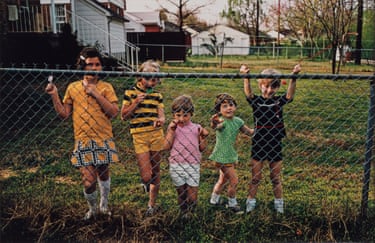
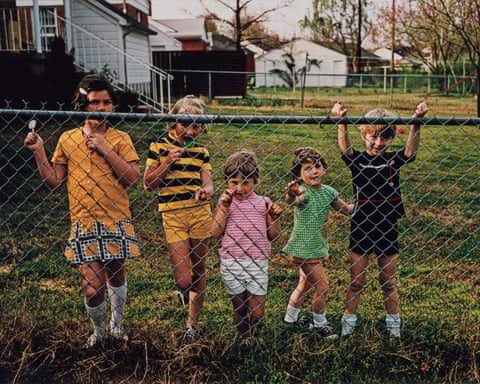
‘You can take a good picture of anything’ … Untitled (Children at Fence), from the series Chromes, c1970-73Wed 14 Oct 2026 07.00 BST
Celebrating the 50th anniversary of William Eggleston’s landmark exhibition and book, William Eggleston’s Guide (1976), a new exhibition looks at the photographer’s legacy, influence and 60-year career.
William Eggleston: All That Goes Unnoticed runs at the Photographers’ Gallery, London 14 October 2026 until 21 February 2027. All quotes supplied exclusively for The Guardian by William Eggleston III, William Eggleston’s son
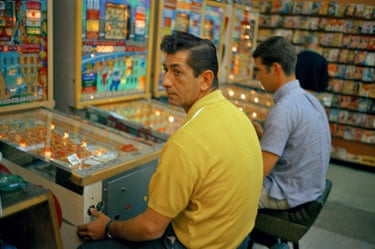
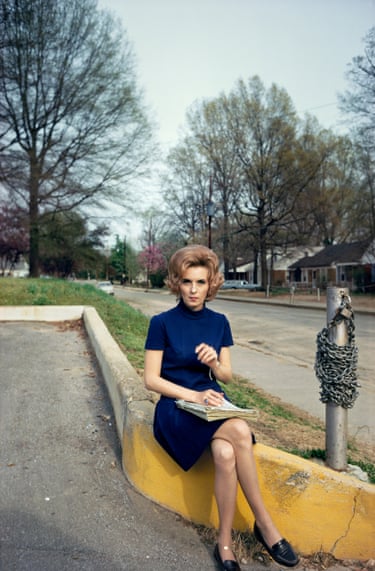
Untitled, Las Vegas, from the series Los Alamos, c1971-74Born in Memphis in 1939, Eggleston is renowned for combining everyday observation with an intuitive sense of colour and composition. This collection brings together many of his iconic works, alongside lesser-known images. Declaring himself as ‘at war with the obvious’, Eggleston’s democratic way of seeing redefined colour photography and transformed how the ordinary could be represented
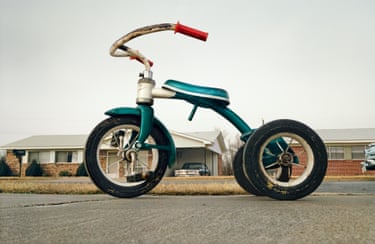
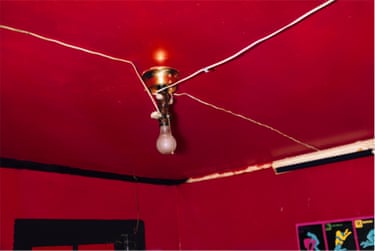
Untitled, Greenwood, Mississippi, 1973Eggleston’s domestic scenes, including the abandoned child’s tricycle, red ceiling and green bathroom, will be on show, alongside the sweeping landscapes, highways and skies of the American south. For Eggleston, colour was never merely aesthetic; it was the fabric of postwar American life, imbued with commercial desire and social significance. This image was used on the cover of Memphis band Big Star’s second album Radio City
Untitled, Memphis, from the series Los Alamos, c1965-68William Eggleston III: ‘Dad generally never talked about his own photographs. When asked about them he would reply: “If I wanted to say something, I wouldn’t have taken the photograph”’
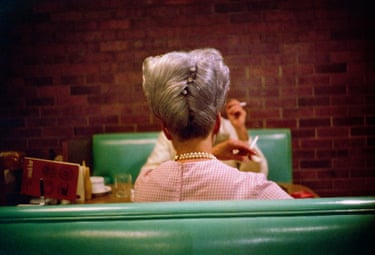
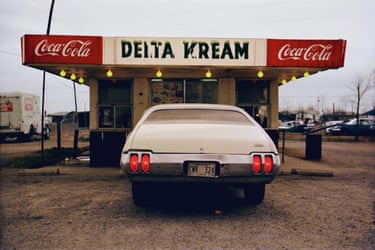
Untitled, Mississippi, from the series Los Alamos, c1971-74The roadside diners, suburban streets and domestic spaces of Eggleston’s photographs reveal a sense of isolation characteristic of his subjects. These classic shots expose the underlying cracks of the American dream – alienation, loneliness, desire – simultaneously seductive and lurid, tense and revealing
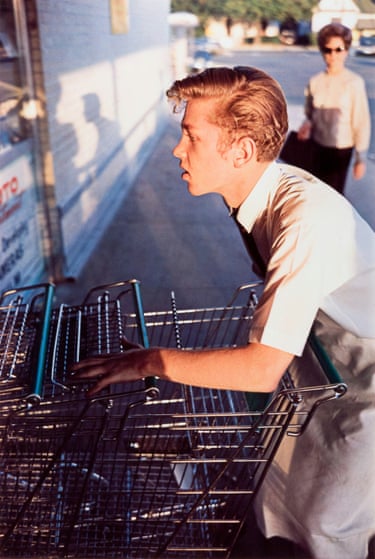
Untitled, from the series Los Alamos, 1965 In his images of the day-to-day – from burger bars, supermarkets and petrol stations, to the American icons of Graceland, Coca-Cola and Cadillac – Eggleston gave everything equal weight
Untitled (Children at Fence), from the series Chromes, c1970-73Eggleston’s standing as one of the masters of colour photography is widely acknowledged. But the gradual steps by which he transformed into a leading artist are less well known
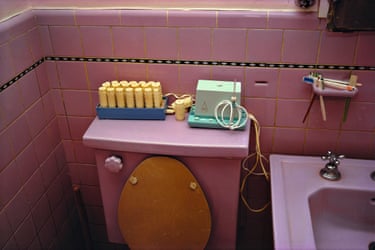
Untitled (Pink Bathroom), from the series Chromes, c1970-73Chromes is a series of Kodachromes and Ektachromes, representing Eggleston’s early Memphis imagery, his testing of colour and compositional strategies, and the development towards the ‘poetic snapshot’
Untitled, Memphis, c1971 William Eggleston III: ‘I do not have a favourite image of my father’s. I’m very fond of certain periods of work, such as the Democratic Forest, primarily because I was a teenager when he shot those images and I remember him making them. I also find those photos not as obviously accessible as some of his more classic images, which offer a depth of exploration I enjoy’
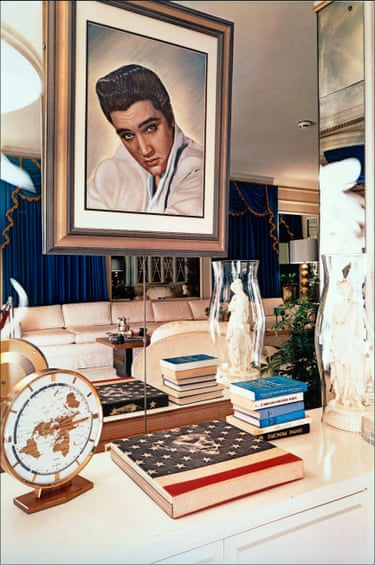
Untitled (Elvis and Kennedy), from the series William Eggleston’s Graceland, 1983William Eggleston III: ‘I have very fond memories of accompanying my father when I was around 16, the summer he photographed Graceland. It was the early days of the operations and everything was very casual. They let us in after they closed, so I have these memories of being there after hours and having free rein of the place, which was very unusual’
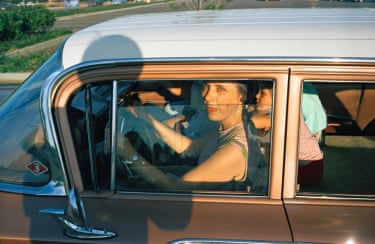
Untitled (Woman and Children in Car) from the series Dust Bells, c1970-74William Eggleston famously once said: ‘You can take a good picture of anything. A bad one, too’
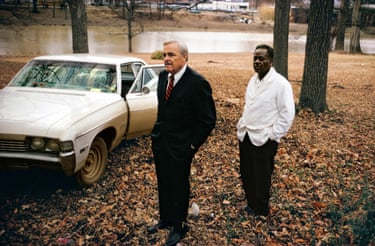
Untitled, Summer, Mississippi, Cassidy Bayou in background, 1970Seen today, 50 years after their original publication, in a time when images are constantly produced and circulated, Eggleston’s photographs offer a slower, more attentive way of looking – a way of making the ordinary extraordinary.
All images by William Eggleston courtesy of the Eggleston Artistic Trust, Tate and David Zwirner Спутники
 РН
РН SpaceX
 Роскосмос
 NASA
NASA