Просмотр новости
Найдите то, что Вас интересует
 Спутники
 РН
РН SpaceX
 Роскосмос
 NASA
NASA
СпутникиРНSpaceXРоскосмосNASAMalaysians may be able to use satellite internet directly from their phones sometime in the near future, as efforts to bring direct-to-device (D2D) services to the country are underway. According to Communications Minister Datuk Seri Fahmi Fadzil, implementation of D2D technology will be tested at several locations in Sabah under the second phase of the […]
The post Direct-To-Device Satellite Internet Tests To Begin In Sabah Under JENDELA Phase 2, Says Fahmi appeared first on Lowyat.NET.
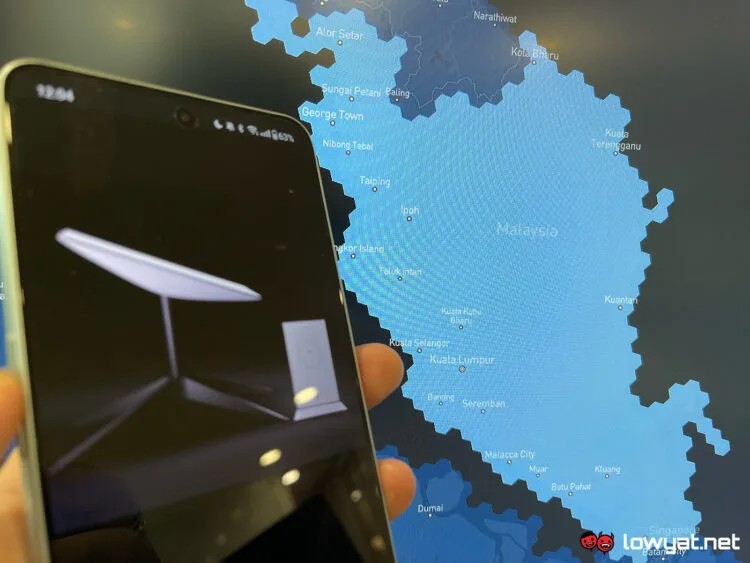
SpaceX's Starlink already offers satellite broadband via its router and dish kit.
Malaysians may be able to use satellite internet directly from their phones sometime in the near future, as efforts to bring direct-to-device (D2D) services to the country are underway. According to Communications Minister Datuk Seri Fahmi Fadzil, implementation of D2D technology will be tested at several locations in Sabah under the second phase of the Jalinan Digital Negara (JENDELA) Plan.
The minister explained that several suitable locations in the state will be identified to conduct a proof of concept for the technology, which allows compatible mobile phones to connect directly to satellites without relying on telecommunications towers. Aside from that, appropriate areas in Sarawak and Peninsular Malaysia will also be selected for the tests.
 Speaking to reporters after paying a courtesy call on the Yang Dipertua Negeri of Sabah, Tun Musa Aman, Fahmi confirmed that JENDELA Phase 2 will begin soon, although he did not mention a specific date. However, he did offer a few more details on the project. This next phase will involve more than 300 locations across the nation.
The minister revealed that some of these locations will involve tower installations, while others will adopt satellite-based internet or technology that does not require such installations. He went on to note that for more remote areas with residents, the government is using a different strategy this time.
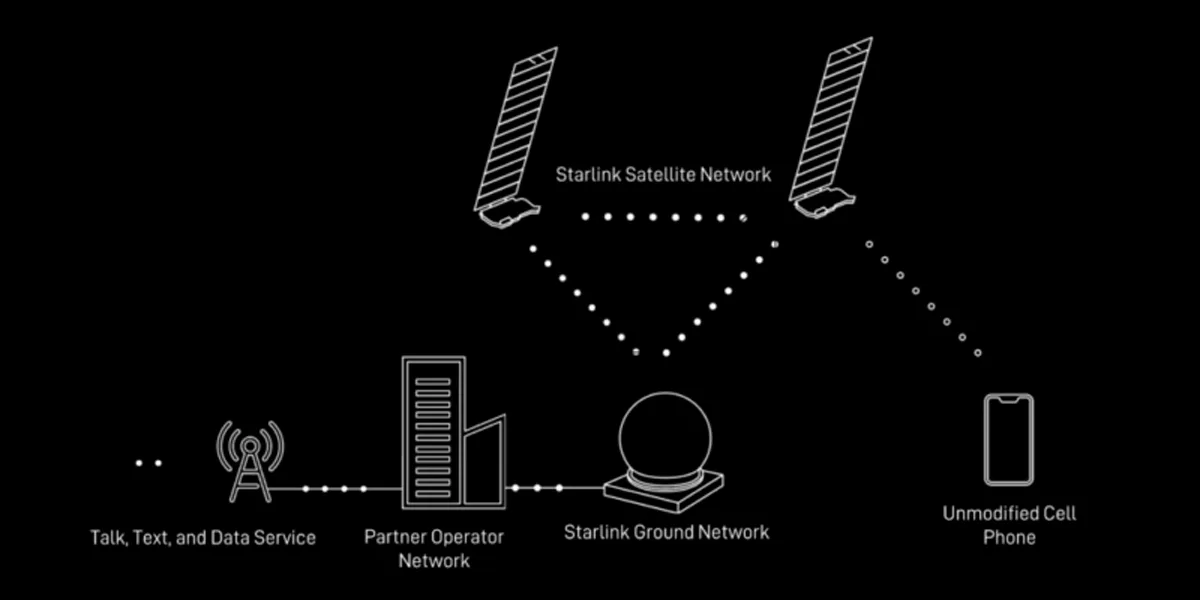 Image: Starlink
With telecommunications towers, the installation process could take a minimum of two years and face various challenges. As such, D2D technology may be a more suitable way to provide internet connectivity to these areas as it is faster and more cost effective. The service only requires a compatible smartphone, with no need for additional hardware.
Notably, the Malaysian government has been angling to implement D2D services since 2024, and things are finally being set in motion. Last month, Fahmi revealed that Starlink will be testing its D2D technology in the country. If all goes well, we may see a rollout sometime in 2027.
(Source: Bernama)
Updated 6:26 pm, Mon, 10 August 26
Follow us on Instagram, Facebook, Twitter or Telegram for more updates and breaking news.
| # | Наименование новости | Тональность | Информативность | Дата публикации |
|---|---|---|---|---|
| 1 | MCMC Upgrading Network Infrastructure To Fix “Full Signal, No Internet” Issue | 0 | 4.65 | 15-07-2026 |
| 2 | TP-Link Introduces Wi-Fi 8 To Malaysia, With Focus On Connection Stability | 0 | 14.26 | 15-09-2026 |
| 3 | Melaka Introduces E-Mel Rakyat Initiative For Residents | 0 | 8.2 | 23-07-2026 |
| 4 | Запрещенный в России Starlink заработает на обычных смартфонах прямо у границ страны | 0 | 9.01 | 28-09-2026 |
| 5 | Запрещенный в России Starlink заработает на обычных смартфонах прямо у границ страны | 0 | 9.01 | 28-09-2026 |
| 6 | Запрещенный в России Starlink заработает на обычных смартфонах прямо у границ страны | 0 | 9.01 | 28-09-2026 |
| 7 | Сеанс гибридной связи через низкоорбитальные спутники впервые провели в России | 0 | 7.2 | 08-10-2026 |
| 8 | Российские компании представили технологию спутниковой мобильной связи без использования наземных ... | 1 | 4.82 | 08-10-2026 |
| 9 | PhilSA pushes satellite data use among PH businesses | 0 | 7.35 | 22-09-2026 |
| 10 | В России приступили к тестированию спутниковой связи в поездах | 0 | 8.16 | 07-10-2026 |