Просмотр новости
Найдите то, что Вас интересует
 Спутники
 РН
РН SpaceX
 Роскосмос
 NASA
NASA
СпутникиРНSpaceXРоскосмосNASATwenty years ago, a group of Northeastern states signed on to a plan to reduce the greenhouse gases spewing from power plants by making generators pay for the carbon they release. Since then, the region’s power sector emissions have dropped by half, and states have reaped more than $10 billion in revenue to invest in energy programs. By […]
The post Is it time to rethink the Northeast’s cap-and-trade system? appeared first on Acadia Center.
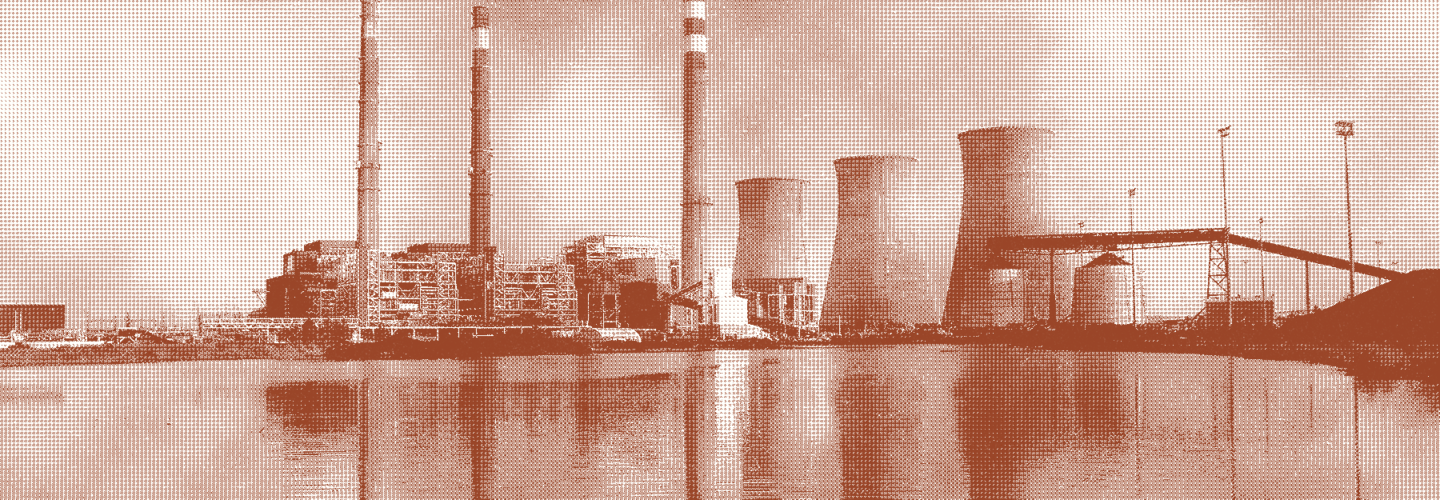
Twenty years ago, a group of Northeastern states signed on to a plan to reduce the greenhouse gases spewing from power plants by making generators pay for the carbon they release. Since then, the region’s power sector emissions have dropped by half, and states have reaped more than $10 billion in revenue to invest in energy programs.
By these numbers, the Regional Greenhouse Gas Initiative, or RGGI, looks like a success. And plenty of clean energy advocates say the program has produced both direct and indirect benefits for the climate and residents’ utility bills.
RGGI’s carbon price likely helped drive that decrease, experts say. However, there were other contributing factors, including state climate regulations and the economics of trading coal generation for plants that use lower-priced, cleaner-burning natural gas.
“I don’t think you can realistically attribute it all to one mechanism,” said Paolo Moncada Tamayo, senior policy and data analyst for climate nonprofit Acadia Center and a strong supporter of RGGI.
Then, after 2020, emissions stopped falling and even started trending back up slightly, once the low-hanging fruit of the coal-to-gas transition was largely gone. Since that time, it’s been a lot harder for RGGI to have an impact, say supporters and critics alike.
“The earlier RGGI era was easier and cheaper,” Tamayo said. “We’re at a point where it’s not as easy and not as affordable to decarbonize.”
Others, however, say that the emissions and economic impacts made by investing RGGI revenue are inarguable and invaluable. The investment of proceeds from 2024 alone are forecast to avoid 4.3 billion short tons of carbon emissions over their lifetime — roughly the amount of carbon released by burning 440 billion gallons of gasoline.
These investments also produce savings for consumers, largely through energy-efficiency measures, but also by supporting cost-cutting electrification and direct bill assistance, Tamayo said. In New England, the investment of RGGI revenue from 2025 should result in $1.3 billion in lifetime savings, according to her analysis.
“We can’t lose sight of that just because of a moment of high prices,” she said.
To read the full article from Canary Media, click here.