Просмотр новости
Найдите то, что Вас интересует
 Спутники
 РН
РН SpaceX
 Роскосмос
 NASA
NASA
СпутникиРНSpaceXРоскосмосNASASARASOTA COUNTY (VINnews) — More than one in 10 home sellers in several Florida Gulf Coast counties are listing properties for less than they paid, a pattern tied to rising ownership costs in hurricane-exposed markets. Market figures on active listings put the share at 13.3% in Charlotte County, 13% in Pasco County, 12.5% in Manatee […]
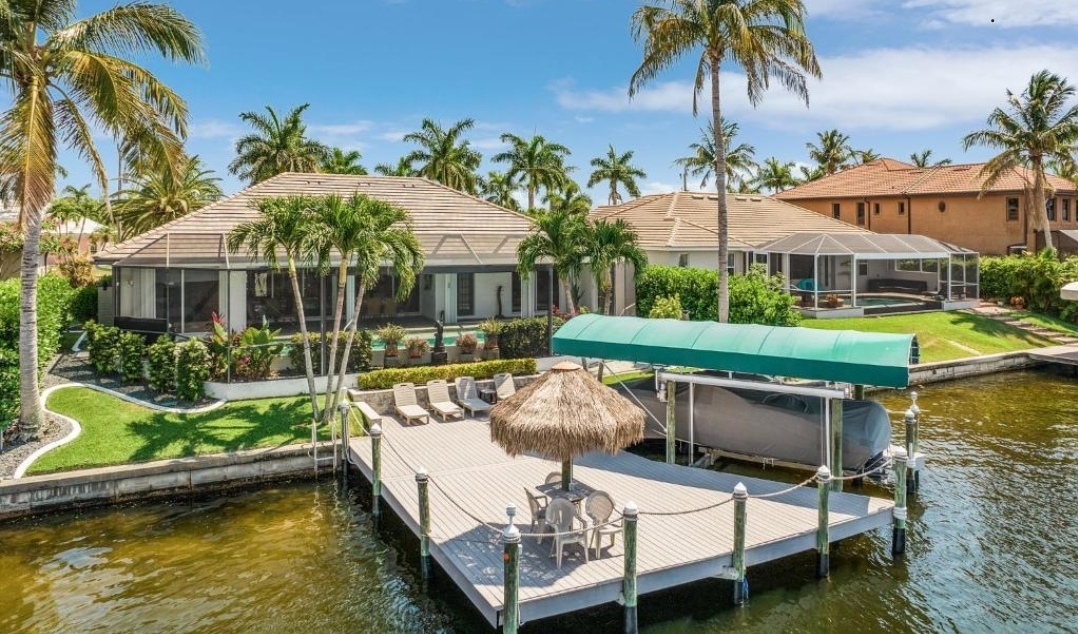
SARASOTA COUNTY (VINnews) — More than one in 10 home sellers in several Florida Gulf Coast counties are listing properties for less than they paid, a pattern tied to rising ownership costs in hurricane-exposed markets.
Subscribe to our Daily Roundup Email
Market figures on active listings put the share at 13.3% in Charlotte County, 13% in Pasco County, 12.5% in Manatee County and 12.2% in Lee County. The share is 11.1% in Collier County and 10.6% in both Pinellas and Sarasota counties. Statewide, 9.5% of active listings are priced below the seller’s purchase price.

The counties sit along a stretch of coastline long exposed to hurricanes. Property insurance there has grown harder to obtain and more expensive to keep, raising the cost of holding a home and pushing some owners to accept a lower asking price.
Buyers in those markets are weighing higher carrying costs against list prices. When premiums, wind coverage and flood policies add thousands of dollars a year to the cost of ownership, sellers who need to move have less room to hold out for a gain.
The pressure is not limited to the Gulf Coast. Separate market data published this summer, drawn from Parcl Labs and reported by MarketWatch, found several Florida metro areas among the U.S. markets with the largest shares of listings priced below the previous purchase price. That review put the national share of such listings at 6.6%.
Florida has the highest homeowners insurance rates in the country. Coastal and older housing stock drives much of that average. In Southwest Florida, annual premiums on wind-exposed properties commonly run well into the thousands, and high-risk coastal homes can cost far more once a separate flood policy is added. Private carriers have also been selective about writing new policies, particularly on homes with open or unpaid storm claims.
A listing below the purchase price does not by itself mean the seller will close at a loss. Negotiated price cuts, commissions and closing costs can widen the gap, while a cash buyer or a strong local market can narrow it. The figures track asking prices against what the current owner paid, not final sale prices.
For owners who bought during the pandemic run-up, the math is tighter. Prices in parts of the region have cooled from those peaks, while insurance and other carrying costs have not. Sellers who cannot offset those costs with a higher sale price are increasingly listing at a discount to what they originally paid.