Просмотр новости
Найдите то, что Вас интересует
 Спутники
 РН
РН SpaceX
 Роскосмос
 NASA
NASA
СпутникиРНSpaceXРоскосмосNASAChef Stuart Lane shares the secret of popular Spinasse pasta dish “The Sage,” and more in his new cookbook “Spinasse: An American Love Letter to Piemonte Cuisine.”
SEATTLE’S ICONIC PASTA DISH is a composition of simplicity: a swirl of sage and egg noodles, bound with butter and dusted in Parmigiano-Reggiano.
These fragile, skinny noodles look wimpy. But once you take a bite, a burst of creamy umami erupts in your mouth.
Featured at Spinasse on Capitol Hill, tajarin al burro e salvia (noodles with butter and sage) is one of the defining dishes in Seattle’s Italian food scene. Regulars know the unspoken rule: It’s best eaten right away.
At Spinasse, if a diner steps away when the dish arrives, the server will dump the dish and have the kitchen make another so that the customer can enjoy it at its peak, Executive Chef Stuart Lane says.
“Trust me, you don’t want this one waiting around — it’s too good hot off the stove,” writes Lane in his new cookbook, “Spinasse: An American Love Letter to Piemonte Cuisine” (Skyhorse Publishing, $35).
The cookbook, one of the most anticipated local releases this year, gives fans a peek behind how this much lauded dish, along with other secret recipes, get made.
Only three cooks have worn the executive chef apron at Spinasse since it debuted on Capitol Hill in 2008: Justin Niedermeyer, Jason Stratton and, for the past 11 years, Lane.
The role is one of the most enviable perches in the industry. The nationally acclaimed Spinasse is considered one of Seattle’s top fine dining establishments. Tourists book months in advance for a table. A-listers like David Beckham have eaten here.
But five years into his reign, Lane had to shut down his dining room due to the pandemic. Is this the end of Spinasse? he wondered.
Many boldface bistros and haunts Lane thought would be immune to economic challenges didn’t survive after the pandemic. He feared Spinasse might be a causality too.
That got him thinking a lot about his legacy — and the restaurant’s. With them in mind, four years ago, he started penning the draft of the Spinasse cookbook.
“Maybe I am getting older,” the 49-year-old Edmonds resident says, “but I wanted this restaurant to be remembered in perpetuity.”
The cookbook, like Spinasse’s menu, is Lane’s homage to Piedmont, the birthplace of risotto and the Slow Food movement, and home to world class vinos like Barolo, Barbaresco and Asti Spumante.
Piedmont borders Switzerland to the north and France to the west — hence the heavy use of butter, cheese and cream in its cuisine. Spinasse reflects this in dishes like the Barolo-braised beef cheeks with celery root puree, and the apple crostata.
Unlike Italian towns near the Mediterranean, Piedmont relies less on seafood. But Lane made contemporary tweaks to both the restaurant and the cookbook’s offerings, adding halibut and king salmon. Because, well, how can you not when the bounties of the ocean are in Seattle’s backyard, he says.
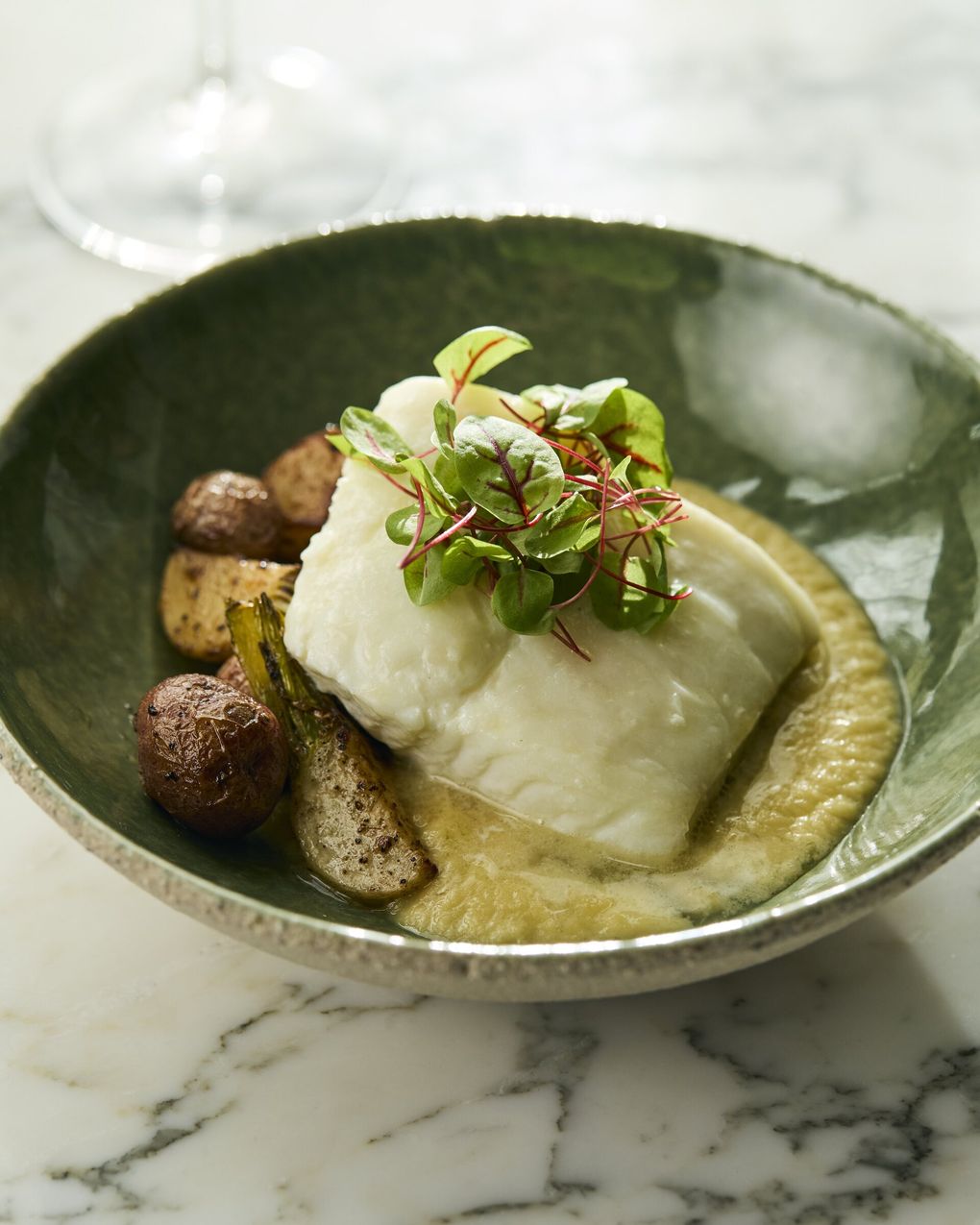
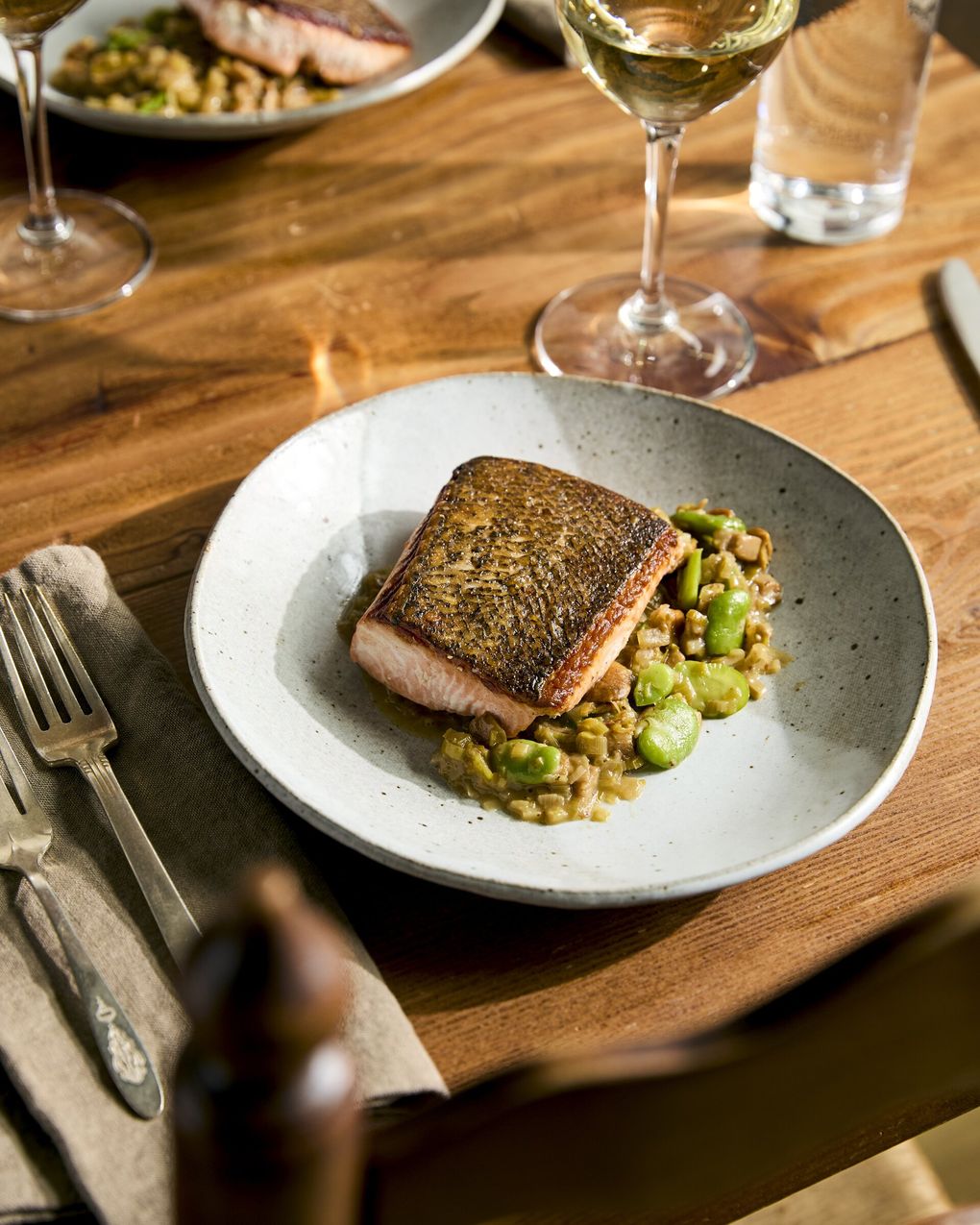
A bit of advice to any first-timer to Spinasse (and to Piedmont cuisine): The play is to order the “menu degustazione,” a sampling of all the appetizers, pastas, meat and seafood dishes on the menu for $128. It’s the best tasting menu in Seattle, covering many of Spinasse’s greatest hits, like the rabbit meatballs and that famed pasta dish, nicknamed “The Sage.”
In the book, Lane breaks down how the staff go to painstaking lengths to coddle this diva of a dish.
Even in Italy, most tajarins are machine-cut, he says. At Spinasse, though, the kitchen staff hand-cut the noodles to create silky, thin strings that Lane says can’t be duplicated using mechanical devices.
About as thin as angel hair pasta, these strings of noodles make possible an ideal ratio of strands-to-butter. The chef told me at least a fifth of a pound of butter goes into each order.
It’s not an exaggeration to say it’s a race against time once the dish is plopped down on the dining table. If a customer waits to delve in, the pasta dries out, the butter congeals, and the magical dish turns to mush.
The Sage is so crucial to the reputation and lifeline of Spinasse that everyone from chef to server works behind the scenes to make sure each serving beats the clock. If patrons order multiple pastas, The Sage will come out first to ensure it’s eaten pronto and diners aren’t distracted by other dishes on the table.
“If people wait months to travel to Seattle, you don’t want them to be like, ‘I had it, it’s not good,’” he says. “The Sage doesn’t taste the same if it sits for 10 minutes. We always want them to experience it at its best.”
A signed and embossed special edition of “Spinasse: An American Love Letter to Piemonte Cuisine” ($40) is available in the restaurant and at spinasse.com.
Tan Vinh: 206-515-5656 or tvinh@seattletimes.com. Tan Vinh is a food writer for The Seattle Times and the original host of "Seattle Eats," a podcast from KUOW.