Просмотр новости
Найдите то, что Вас интересует
 Спутники
 РН
РН SpaceX
 Роскосмос
 NASA
NASA
СпутникиРНSpaceXРоскосмосNASA
When English singer-songwriter Sienna Spiro released her highly anticipated debut album, Visitor, in July, it was available in a variety of formats: MP3, cassette, CD, and an array of colored vinyl records (red, gold, brown) that were exclusive to different retailers. But 3,000 fans received copies that look remarkably different: discs swirled with orange and black—deeply pigmented on some copies, nearly translucent on others.
The special-edition album— created by London-based Blood Records—started its journey at the Press On Vinyl record plant in Northern England. To create it, a worker extruded a snake of black plastic, wrapped it around a puck of amber-colored PVC that was heated to roughly 225 degrees Fahrenheit, then smashed them together between a master cutting of the album using a hydraulic press.
Blood Records’ vinyl is produced at Press On Vinyl, which churns out roughly 100,000 discs per month. [Photos: Joe Hart]
The $40 record sold out in 10 minutes on Blood Records’ website, where, since 2018, the company has sold limited-edition pressings from indie darlings like Spiro and chart-topping artists such as Olivia Rodrigo and Elton John. Currently, it drops new pressings every other day. Most sell out within 15 minutes.
“We learned early on that our audience didn’t want things that were standard,” says Craig Evans, founder and CEO of Blood Records. “We want people to have a visceral reaction when they see our records for the first time. The worst thing for me is when someone buys a record and they open it and go, ‘Oh, it’s an orange LP.’”
An employee pulls a freshly made puck of orange vinyl out of the machine. Pucks come out at about 225 degrees Fahrenheit.
For this run of discs, translucent brown and black vinyl is wrapped around the orange to create a ripple effect when pressed.
As single-color vinyl has become old hat, Blood Records’ pressings stand out. Its albums can feature multicolored starbursts, swirls, or zoetrope images that appear to move as the record spins. Alongside Press On Vinyl, Blood Records has also developed machines that can mass-produce filled vinyl. Under its Bad World imprint, it has created pressings that contain powder (a cheeky white substance for the remix version of Charli XCX’s Brat), liquid (coffee-colored for a two-year anniversary pressing of Sabrina Carpenter’s song “Espresso”), and even hair (for Chappell Roan’s single “The Subway”).
View this post on Instagram
With the market for vinyl records growing—overall sales rose 8.6% in 2025, marking the 19th consecutive year of expansion for the medium—demand for exclusive pressings is surging. Evans says his business has increased 30% year over year since the company’s inception and is tracking to do the same in 2026.
Vinyl pucks contain slightly more plastic than is necessary for a final disc, requiring trimming once a record is pressed and is still warm.
Press On Vinyl reuses record trimmings, called flash, by shredding and mixing them with other flash to create “eco-mix” records with random color combinations.
Industry experts say the vinyl boom is partly the result of the listening experience being flattened by streaming. “Listening on Spotify is the same as listening on Apple or Amazon,” says Gary Kelly, general manager and chief revenue officer of Interscope Capitol, which has partnered with Blood Records for limited-run vinyl and sells its own special-edition pressings via the Interscope Vinyl Collective. “People don’t just want access to music. Ownership is still important to them.”
But owning the same black vinyl as everyone else is less appealing, particularly among younger fans. Discogs, an online marketplace for records, cassettes, and CDs, found in a recent user survey that 32% of 18-to-24-year-olds say they collect vinyl for the visual appeal. “I’ve often thought that records are the most perfect form of kinetic art,” says Jen Agosta, Discogs’s vice president of brand and product design.
A freshly pressed disc is ready to be trimmed. To create a record, machines use a stamper outfitted with a negative master etching. The ridges on the stamper etch the grooves in the final record.
According to Evans, after initially over-indexing with middle-aged men, its key demographic is now 14-to-25-year-olds—and the company is careful to keep its prices accessible for them. Blood Records, which has never taken outside investment, funds each pressing (which can range from 250 to 30,0000 albums) with preorders. Most albums go for between $40 and $60, depending on how elaborate the design is.
The 3,000-LP run of Visitor is one of hundreds Press On Vinyl has done for Blood Records. Together, they also created a process for pressing liquid-filled vinyl at scale.
At the same time, Evans plans to keep “pushing the boundaries” and finding new ways to further elevate the medium. Blood Records is already experimenting with pressing 3D printed parts and flowers into albums as it works with musicians to realize their vision for limited-edition discs. “Artists are used to going to their record label and being told, ‘There’s no way that’s going to happen,’” he says. “They come to us and we say, ‘Yeah, we can probably do that. We just need to find a way.’”
When English singer-songwriter Sienna Spiro released her highly anticipated debut album, Visitor, in July, it was available in a variety of formats: MP3, cassette, CD, and an array of colored vinyl records (red, gold, brown) that were exclusive to different retailers. But 3,000 fans received copies that look remarkably different: discs swirled with orange and black—deeply pigmented on some copies, nearly translucent on others.
The special-edition album— created by London-based Blood Records—started its journey at the Press On Vinyl record plant in Northern England. To create it, a worker extruded a snake of black plastic, wrapped it around a puck of amber-colored PVC that was heated to roughly 225 degrees Fahrenheit, then smashed them together between a master cutting of the album using a hydraulic press.
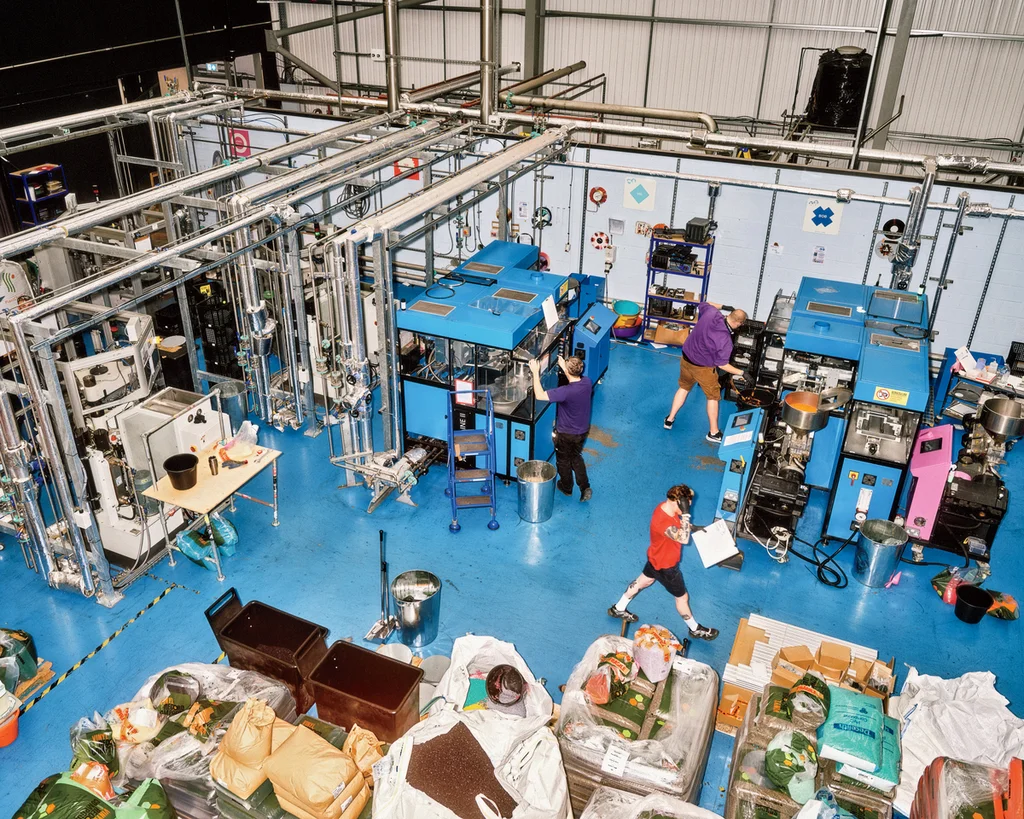 Blood Records’ vinyl is produced at Press On Vinyl, which churns out roughly 100,000 discs per month. [Photos: Joe Hart]
The $40 record sold out in 10 minutes on Blood Records’ website, where, since 2018, the company has sold limited-edition pressings from indie darlings like Spiro and chart-topping artists such as Olivia Rodrigo and Elton John. Currently, it drops new pressings every other day. Most sell out within 15 minutes.
“We learned early on that our audience didn’t want things that were standard,” says Craig Evans, founder and CEO of Blood Records. “We want people to have a visceral reaction when they see our records for the first time. The worst thing for me is when someone buys a record and they open it and go, ‘Oh, it’s an orange LP.’”

Subscribe to the Design newsletter.The latest innovations in design brought to you every weekday
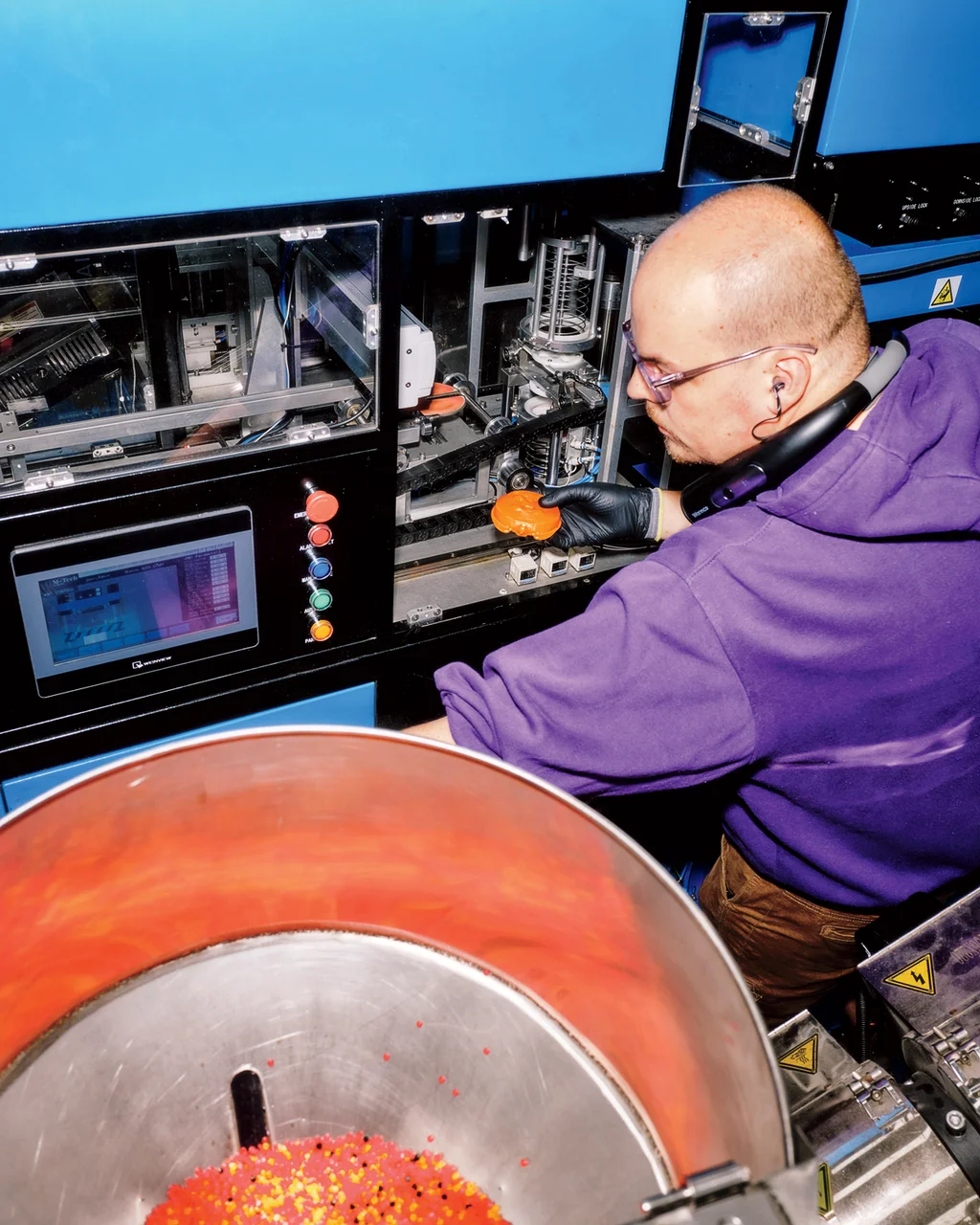 An employee pulls a freshly made puck of orange vinyl out of the machine. Pucks come out at about 225 degrees Fahrenheit.
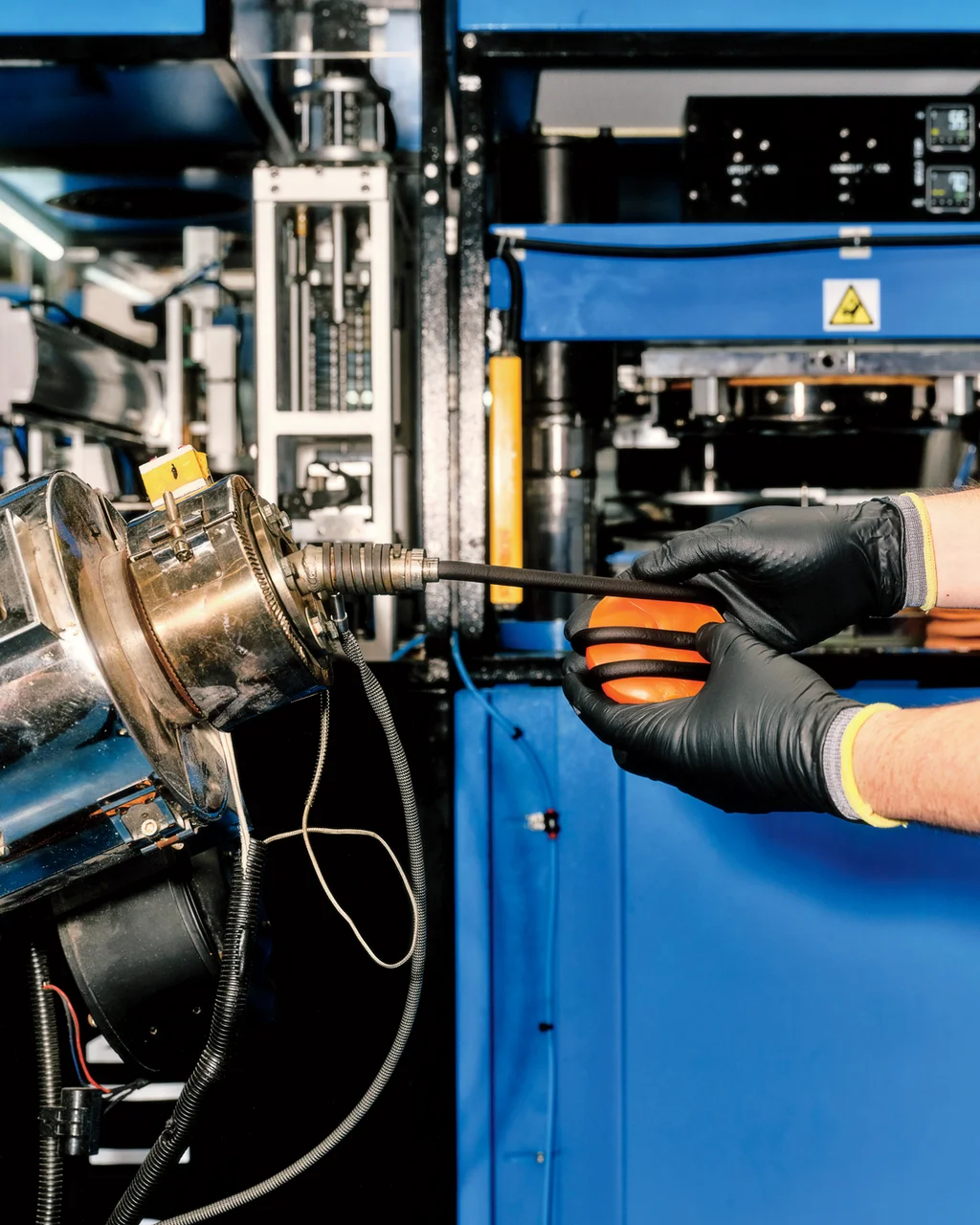 For this run of discs, translucent brown and black vinyl is wrapped around the orange to create a ripple effect when pressed.
As single-color vinyl has become old hat, Blood Records’ pressings stand out. Its albums can feature multicolored starbursts, swirls, or zoetrope images that appear to move as the record spins. Alongside Press On Vinyl, Blood Records has also developed machines that can mass-produce filled vinyl. Under its Bad World imprint, it has created pressings that contain powder (a cheeky white substance for the remix version of Charli XCX’s Brat), liquid (coffee-colored for a two-year anniversary pressing of Sabrina Carpenter’s song “Espresso”), and even hair (for Chappell Roan’s single “The Subway”).
With the market for vinyl records growing—overall sales rose 8.6% in 2025, marking the 19th consecutive year of expansion for the medium—demand for exclusive pressings is surging. Evans says his business has increased 30% year over year since the company’s inception and is tracking to do the same in 2026.
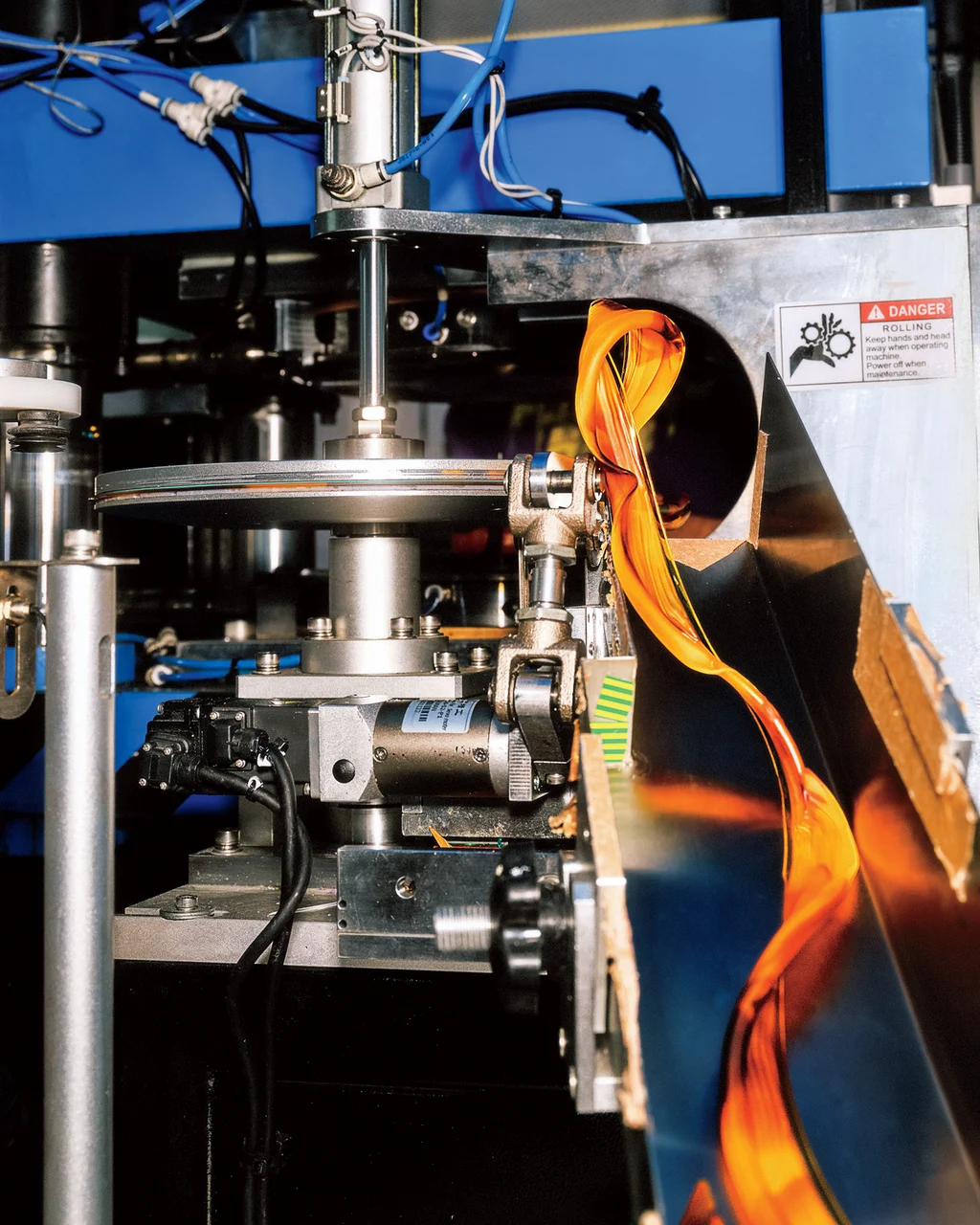 Vinyl pucks contain slightly more plastic than is necessary for a final disc, requiring trimming once a record is pressed and is still warm.
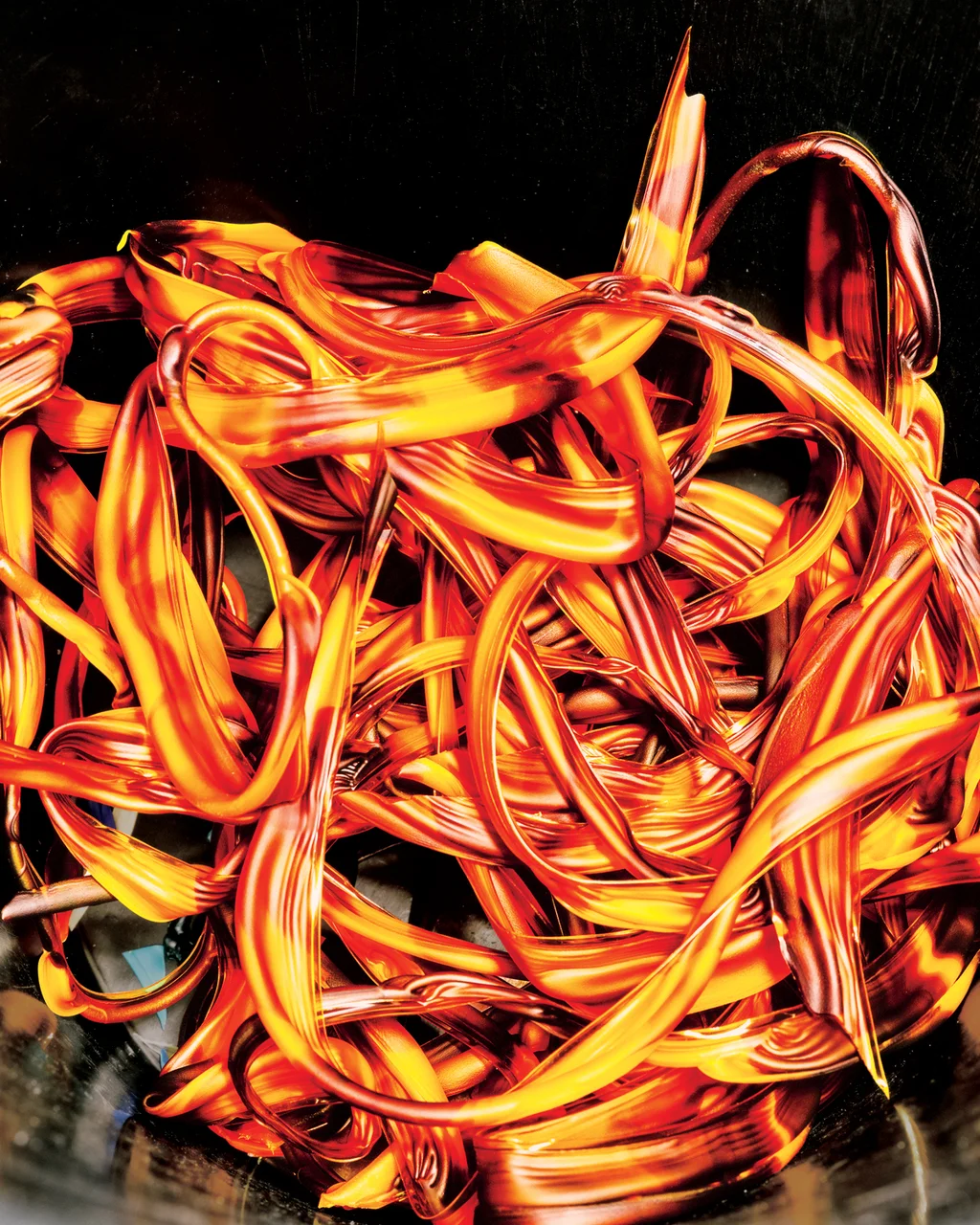 Press On Vinyl reuses record trimmings, called flash, by shredding and mixing them with other flash to create “eco-mix” records with random color combinations.
Industry experts say the vinyl boom is partly the result of the listening experience being flattened by streaming. “Listening on Spotify is the same as listening on Apple or Amazon,” says Gary Kelly, general manager and chief revenue officer of Interscope Capitol, which has partnered with Blood Records for limited-run vinyl and sells its own special-edition pressings via the Interscope Vinyl Collective. “People don’t just want access to music. Ownership is still important to them.”
| # | Наименование новости | Тональность | Информативность | Дата публикации |
|---|---|---|---|---|
| 1 | Partisan Music Expands Publishing Arm With OTM Acquisition | 0 | 5.43 | 23-09-2026 |
| 2 | This forgotten queer artifact was the key to old-school cruising | 0 | 8.63 | 26-09-2026 |
| 3 | Johnny Marr’s 7-figure payday, reflection from Fender’s CEO and 18-carat-gold Pink Floyd picks: here are this week’s guitar stories you need to know about | 0 | 15.4 | 18-09-2026 |
| 4 | Missing Glastonbury? There’s a festival on your doorstep that’s saving grassroots venues | 0 | 20.11 | 27-06-2026 |
| 5 | Publishing Briefs: Rihanna & Beyoncé Collaborator Fred Ball Signs With Reservoir | 0 | 6.29 | 17-09-2026 |
| 6 | Sugar on Blackstone par Kristin Hersh | 0 | 13.23 | 17-09-2026 |
| 7 | Bored with social media? Get your hands on a Maine zine | 0 | 35.09 | 27-08-2026 |
| 8 | 🎧El millor de 2026 (I part) | 0 | 8.21 | 01-07-2026 |
| 9 | Taylor Swift Makes History, Wins First-Ever Artist Director Honor at VMAs: ‘I Just Love Making Stuff’ | 0 | 10.55 | 28-09-2026 |
| 10 | Taylor Swift becomes the most-awarded artist in VMA history. How she broke the record | 0 | 10.94 | 27-09-2026 |