Просмотр новости
Найдите то, что Вас интересует
 Спутники
 РН
РН SpaceX
 Роскосмос
 NASA
NASA
СпутникиРНSpaceXРоскосмосNASAWhen we talk about Middle English, it suggests that we know when English began and when it ends.

Published August 28, 2026 at 4:50 PM EDT
Ways To Subscribe
English is often divided into four broad periods: Old English, Middle English, Early Modern English and Modern English. But the boundaries between those periods are not quite as tidy as they might sound.
Old English is generally said to begin around 449, when Germanic tribes came over from the European continent to the British Isles. It's the language of Beowulf, and to modern ears, it can sound almost completely unfamiliar. Old English is generally considered to end around 1066, with the Norman Conquest.
Then comes Middle English, the language of Chaucer. This period is usually dated from around 1066 or 1100 through sometime in the 15th century. Some cite the introduction of the printing press in England in 1476 as a convenient endpoint. As English continues, Middle English occurs earlier and earlier in the language's history. In other words, the "middle" keeps moving.
Early Modern English is the language of Shakespeare, and after that comes Modern English. But where exactly does Modern English end? That's harder to say. Linguists can use historical events to mark the boundaries, or they can look for changes in grammar and sound. Either way, people don't suddenly start speaking a different version of English on a particular date.
One prediction about the end of Modern English points to computers and the internet. The technology has allowed language to spread and come into contact in ways that were previously impossible. A word or phrase can now go viral around the world in seconds, rather than traveling by boat and slowly finding its way into new communities.
To hear more about the history of English and the debates between linguists over how to mark its different periods, listen to the audio above.

Anne Curzan is the Geneva Smitherman Collegiate Professor of English and an Arthur F. Thurnau Professor at the University of Michigan. She also holds faculty appointments in the Department of Linguistics and the School of Education.
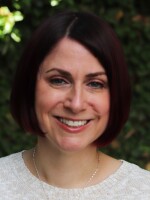
Rebecca Hector is the host of All Things Considered at Michigan Public. She also co-hosts Michigan Public's weekly language podcast That’s What They Say with English professor Anne Curzan.
| # | Наименование новости | Тональность | Информативность | Дата публикации |
|---|---|---|---|---|
| 1 | International: An Updated Look at the UK DST | 0 | 10 | 29-05-2026 |
| 2 | The end of history has come and gone for Europe | 0 | 8.81 | 21-06-2026 |
| 3 | The Forces of Trumpism Are in Disarray | 0 | 10 | 29-09-2026 |
| 4 | Límites en Europa | 0 | 10 | 29-09-2026 |
| 5 | Límites en Europa | 0 | 10 | 29-09-2026 |
| 6 | TWTS: The same, just more exact | 0 | 4.9 | 25-09-2026 |
| 7 | Doing Comparative History: a report from the trenches | 0 | 6.46 | 08-10-2026 |
| 8 | Ceuta, Europa y las fronteras | 0 | 10 | 17-09-2026 |
| 9 | TWTS: Fore! It's a lightning round | 0 | 9.27 | 20-09-2026 |
| 10 | Language in the age of AI: Whimsymaxxing the apocalypse | 0 | 8.1 | 25-09-2026 |