Просмотр новости
Найдите то, что Вас интересует
 Спутники
 РН
РН SpaceX
 Роскосмос
 NASA
NASA
СпутникиРНSpaceXРоскосмосNASABetween August 2024 and June 2025, Réunion Island experienced a massive chikungunya epidemic, with more than 54,000 confirmed cases and 43 deaths, making it the second major Chikungunya virus outbreak on the island after the 2005-2006 epidemic, which had affected about a third of the islands' population.
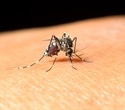
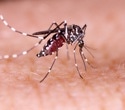
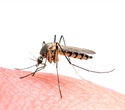
Between August 2024 and June 2025, Réunion Island experienced a massive chikungunya epidemic, with more than 54,000 confirmed cases and 43 deaths, making it the second major Chikungunya virus outbreak on the island after the 2005-2006 epidemic, which had affected about a third of the islands' population. Chikungunya is a mosquito-borne virus transmitted by Aedes mosquitoes; while rarely fatal, it causes severe joint pain that can persist for months or years.
In 2025, the Réunion epidemic lineage went on to reach other Indian Ocean islands and, over the summer, fuelled unprecedented numbers of cases in more temperate regions of Europe and in China. Throughout the outbreak, the associated Arbovirus National Reference Center in Réunion carried out intensive genomic surveillance, sequencing more than 3,000 near-complete viral genomes across the whole island, a sampling fraction of confirmed cases matched for only a handful of other pathogens, such as Ebola and SARS-CoV-2. This dataset provided a strong basis to track how the virus evolved, spread, and eventually receded.
To exploit these data, the team of Belgian, French and American researchers applied phylodynamic and phylogeographic approaches (statistical methods that read the evolutionary relationships between viral genomes to reconstruct where and how a pathogen has travelled). The analyses indicate that the epidemic likely stemmed from a single introduction and that the virus then circulated in a highly intermixed fashion, with frequent movements between municipalities, driven by human mobility and population density. This human-driven spread was especially visible at the peak of the epidemic, with repeated viral exchanges between distant residential areas.
The researchers also examined the factors explaining why the epidemic ended. Their models show that the epidemic's dynamics were associated with climatic conditions (temperature and precipitation, which shape mosquito density and activity), but that climate alone cannot account for the decline in transmission. The gradual build-up of population immunity was, in theory, sufficient to push - on its own - the effective reproduction number below 1, bringing the outbreak to an end. With an estimated 66% of the population now immune to the virus, the authors conclude that the risk of a large resurgence is low. This prediction was borne out by the following season, during which only a handful of local cases were reported despite continued chikungunya virus circulation elsewhere in the Indian Ocean.
The study shows the value of integrating genomic, demographic, environmental, and immunity data into epidemiological assessment, and points to concrete tools for the future, such as continuous seroprevalence monitoring to anticipate shifts in transmission and targeted vector control.
Source:
Journal reference:
Frumence, E., et al. (2026). Unraveling the epidemiological and dispersal dynamics of the 2024–2025 chikungunya virus epidemic on Réunion Island. Proceedings of the National Academy of Sciences. DOI: 10.1073/pnas.2621019123. https://www.pnas.org/doi/10.1073/pnas.2621019123



Terms
While we only use edited and approved content for Azthena answers, it may on occasions provide incorrect responses. Please confirm any data provided with the related suppliers or authors. We do not provide medical advice, if you search for medical information you must always consult a medical professional before acting on any information provided.
Your questions, but not your email details will be shared with OpenAI and retained for 30 days in accordance with their privacy principles.
Please do not ask questions that use sensitive or confidential information.
Read the full Terms & Conditions.