Просмотр новости
Найдите то, что Вас интересует
 Спутники
 РН
РН SpaceX
 Роскосмос
 NASA
NASA
СпутникиРНSpaceXРоскосмосNASAA trial on the Palwal-Mathura section proved that the Kavach anti-collision system can stop a WAP-5 locomotive running at 160 kmph without any input from the driver. It halted 30 metres before a red signal. With Vande Bharat expanding fast, this result could not have come at a better time.
ET Online|
Sep 26, 2026, 01:16:58 PM IST
1/7
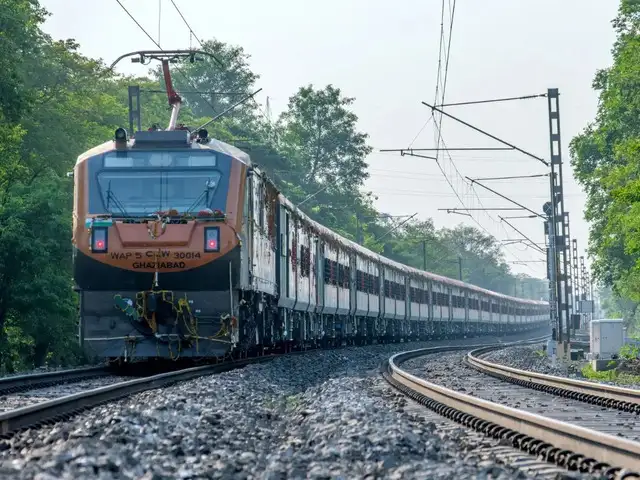
What HappenedOn January 19, a WAP-5 locomotive fitted with Kavach was run at 160 kmph on the Palwal-Mathura section. The driver was told not to apply brakes after spotting a red signal ahead. Kavach activated on its own and stopped the train 30 metres before the signal. All other safety parameters were also met.
iStock
2/7
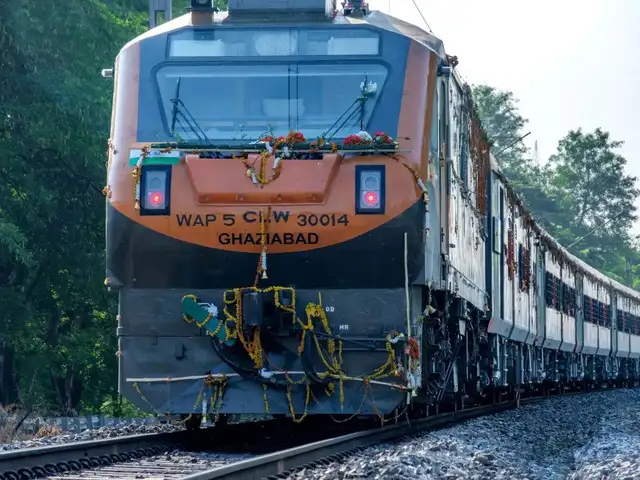
Who Ran The Trial And WhereThe trial was conducted under Kush Gupta, Deputy Chief Signal and Telecommunication Engineer, North Central Railway, on the Agra Division's Palwal-Mathura stretch. This 125-km Delhi-Agra corridor is the only section in all of India where trains are permitted to run at 160 kmph. It was built originally for the Gatimaan Express in 2016.
iStock
3/7
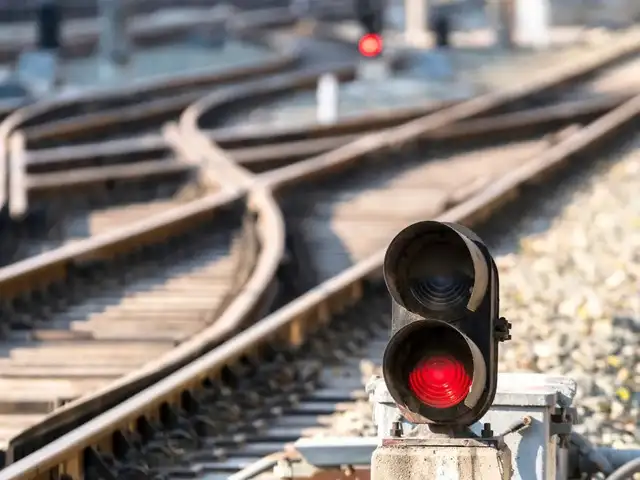
How The Trial Was DoneThe run started at 10 am from Vrindavan, Uttar Pradesh and was completed by 1:20 pm at Palwal, Haryana. It was repeated in the reverse direction between 2 pm and 3:35 pm. Both runs were completed on schedule. The next step is to repeat the trial with full passenger coaches attached to the locomotive.
iStock
4/7
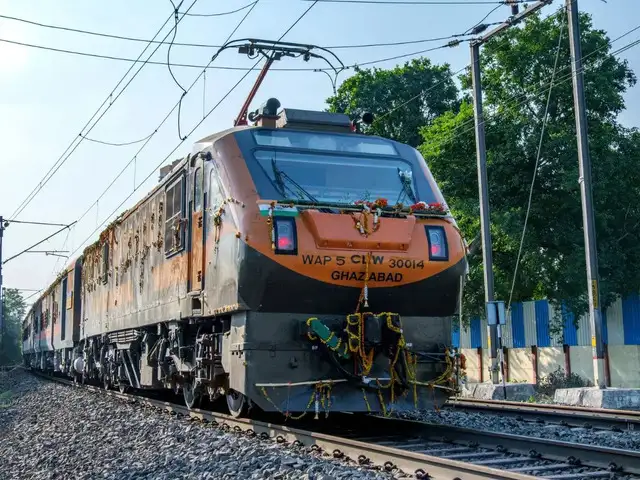
What Is WAP-5 And Why It Was UsedWAP-5 is a high-powered electric locomotive used in trains like Shatabdi, Gatimaan and Amrit Bharat Express. It can pull passenger coaches at 160 kmph. Since Kavach needs to protect trains running at this speed, the WAP-5 was the right engine to test it on. An earlier trial at 140 kmph on December 30 had also shown encouraging results.
iStock
5/7
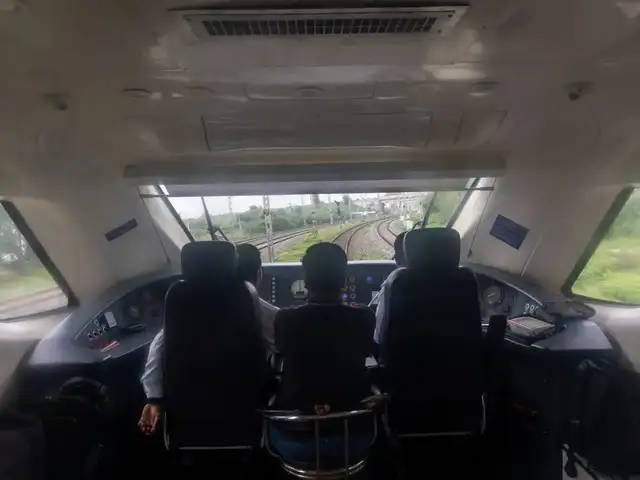
What Is Kavach And How It WorksKavach is an anti-train collision system developed by RDSO. It applies brakes automatically when a driver fails to react in time. The Agra Division has built a full Kavach network on the 80-km Mathura-Palwal stretch, with RFID tags on tracks, stationary units at stations, and towers and antennas along the entire route.
iStock
6/7
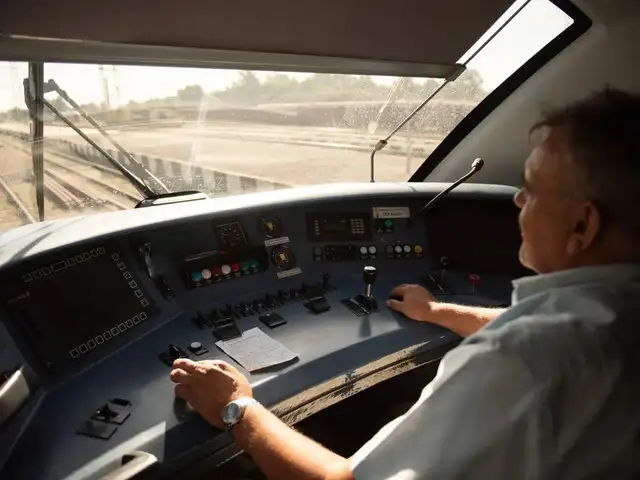
Where Kavach Is Running TodayKavach is already live on a 1,465-km route across three sections and installed in 139 locomotives in South Central Railway. However, a high-speed trial cannot be done there due to speed restrictions. All existing Kavach routes have a maximum speed of 130 kmph, which is why the Delhi-Agra corridor was chosen for this test.
iStock
7/7
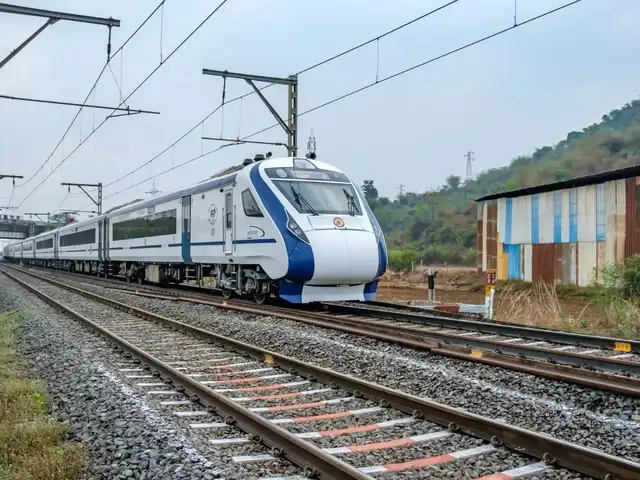
Why This Trial Matters For Vande BharatIndian Railways is rapidly expanding Vande Bharat services, and these trains are built to run at 160 kmph. A Kavach system that only works up to 130 kmph would leave faster trains unprotected. This successful trial confirms that Kavach can handle semi-high speed operations, making it ready for the next generation of Indian trains.Inputs from Agencies(Images are used for represetative purposes only)
iStock
Read more on