Просмотр новости
Найдите то, что Вас интересует
 Спутники
 РН
РН SpaceX
 Роскосмос
 NASA
NASA
СпутникиРНSpaceXРоскосмосNASANew research suggests that tubulin may help prevent the toxic protein clumps associated with Alzheimer’s and Parkinson’s diseases. Researchers at Baylor College of Medicine say they may have found a new way to push back against two of the most devastating brain diseases: Alzheimer’s and Parkinson’s. Both illnesses are tied to proteins that go off [...]
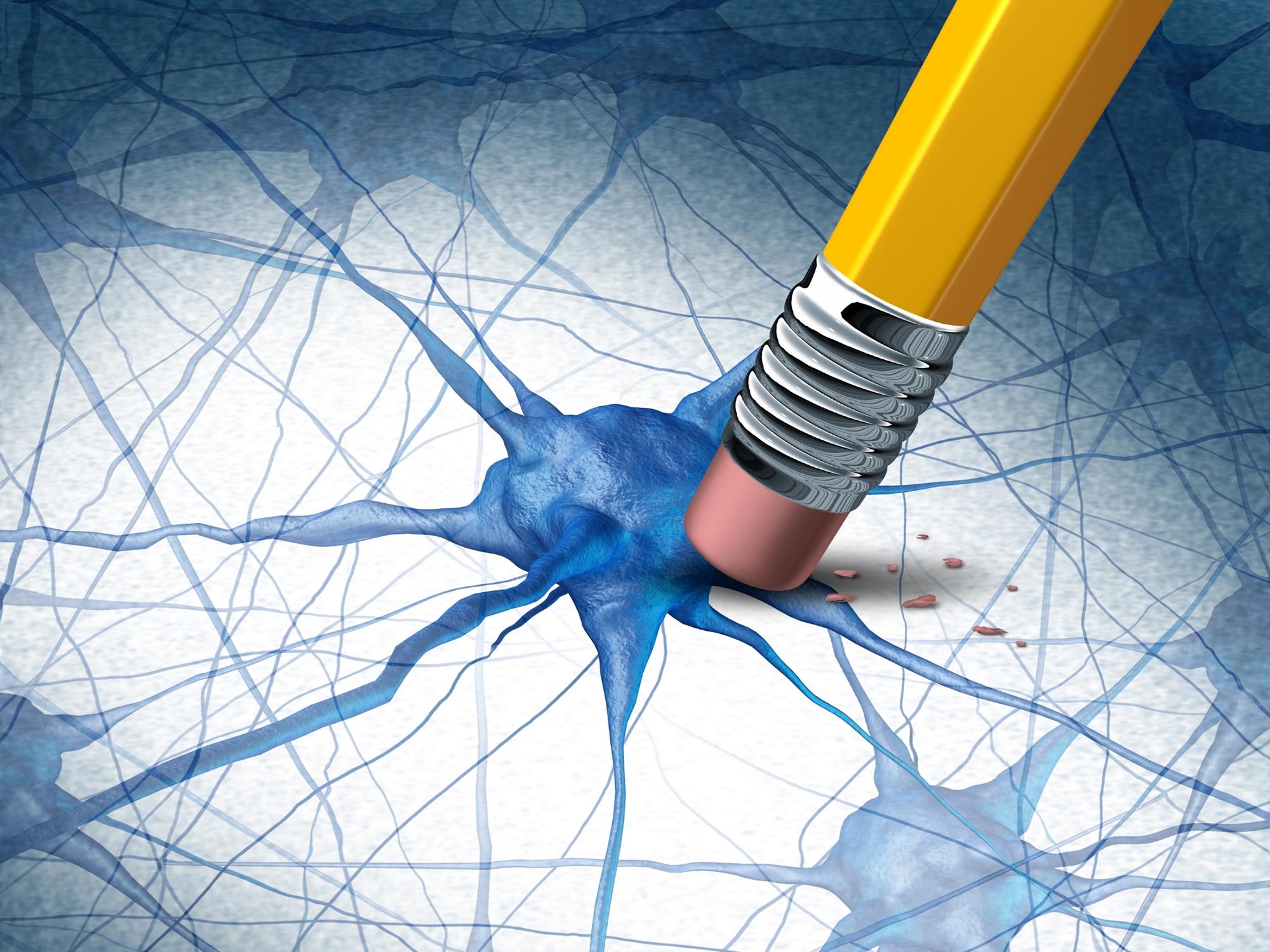 New research highlights an unexpected protective role for tubulin in the brain. By steering Tau and alpha-synuclein away from toxic aggregation and toward healthy activity, increasing the cellular pool of tubulin could represent a promising strategy for combating neurodegenerative disease. Credit: Stock
New research suggests that tubulin may help prevent the toxic protein clumps associated with Alzheimer’s and Parkinson’s diseases.
Researchers at Baylor College of Medicine say they may have found a new way to push back against two of the most devastating brain diseases: Alzheimer’s and Parkinson’s.
Both illnesses are tied to proteins that go off course. In Alzheimer’s, Tau can misfold and collect into harmful clumps. In Parkinson’s, alpha synuclein can do the same. Once those proteins start piling up, they can interfere with neuron function and help drive the memory loss, movement problems, and broader decline seen in neurodegenerative disease.
The new study, published in Nature Communications, points to a different way of dealing with that problem. Instead of trying to stop these proteins from gathering altogether, the researchers found evidence that tubulin may help keep them occupied in a healthier role. Tubulin is the raw material cells use to build microtubules, the internal support and transport network that helps neurons maintain their shape and move cargo where it needs to go.
“Tau and alpha synuclein are well known for their roles in neurodegenerative diseases like Alzheimer’s and Parkinson’s. In these conditions, these proteins can misfold, stick together and form harmful aggregates that damage neurons and contribute to memory loss, movement problems and other symptoms,” said first author Dr. Lathan Lucas, postdoctoral associate of biochemistry and molecular pharmacology in Dr. Allan Ferreon’s lab. “But Tau and alpha synuclein also fulfill essential functions in healthy neurons – they help maintain cell structure and support communication by interacting with tubulin and contributing to microtubule assembly and stabilization.”
The Role of Protein CondensatesTo perform their functions inside cells, whether beneficial or harmful, Tau and alpha synuclein gather within small liquid-like droplets known as condensates.
Blocking the formation of these droplets has been considered as a potential treatment approach for neurodegenerative diseases. However, these condensates also play important roles in normal cell activity. Interfering with them entirely could therefore disrupt healthy neuronal processes.
“This led us to the following idea: what if instead of preventing the formation of droplets, we created conditions that would drive Tau and alpha synuclein inside the droplets toward their healthy path, discouraging them from taking the disease path?” said Ferreon, associate professor of biochemistry and molecular pharmacology and co-corresponding author of the work.
“I think of Tau and alpha synuclein as troublemaker kids in school. You can keep them in the classroom with little to do but to act out or keep them engaged with schoolwork, sports, or theater so they do not get in trouble,” Lucas said. “We found that tubulin can drive Tau and alpha synuclein troublemakers down a healthy path.”
To explore this idea, the researchers used a range of biochemical and biophysical methods, along with high-resolution microscopy and neuron-based laboratory tests. These approaches allowed them to study how tubulin influences the formation of toxic protein aggregates inside condensates.
Tubulin Levels May Shape Disease Risk“When tubulin levels are low, as it has been found in Alzheimer’s disease, microtubules are less abundant, and Tau and alpha synuclein can form toxic aggregates,” Lucas said. “But when tubulin is present, Tau and alpha‑synuclein shift away from harmful aggregates and instead promote the assembly of healthy microtubules,” Lucas said. “Tubulin redirects the activity of these proteins by giving them something productive to do.”
“Our findings significantly shift tubulin’s role in neurodegeneration, from a passive casualty of disease to an active protector against toxic protein aggregation,” Ferreon said. “Boosting the tubulin pool, rather than blocking droplet formation, can curb toxic aggregation while preserving the healthy roles of Tau and alpha synuclein, offering a potential selective therapeutic strategy.”
Reference: “Tubulin transforms Tau and α-synuclein condensates from pathological to physiological” by Lathan Lucas, Phoebe S. Tsoi, My Diem Quan, Kyoung-Jae Choi, Josephine C. Ferreon and Allan Chris M. Ferreon, 3 March 2026, Nature Communications.
DOI: 10.1038/s41467-026-69618-3
This work was supported by NINDS-NIH grant R01 NS105874, Welch Foundation grant Q-2097-20220331 and NIGMS-NIH grant R01 GM122763.
Never miss a breakthrough: Join the SciTechDaily newsletter.
Follow us on Google and Google News.
| # | Наименование новости | Тональность | Информативность | Дата публикации |
|---|---|---|---|---|
| 1 | Tubulin prevents toxic brain protein clumps linked to Alzheimer’s and Parkinson’s | 0 | 6.94 | 21-06-2026 |
| 2 | An experimental Alzheimer's drug shows promise targeting a different brain protein, new study shows | 5 | 7 | 14-07-2026 |
| 3 | A little-known protein may be fueling Alzheimer’s — and scientists found a way to block it | 0 | 8.12 | 17-08-2026 |
| 4 | Scientists found a new Alzheimer’s trigger and a drug that stops it | 0 | 8.74 | 08-06-2026 |
| 5 | Scientists May Have Found What Really Triggers Alzheimer’s Disease | 2 | 7 | 19-06-2026 |
| 6 | В Британии представили результаты генной терапии от болезни Альцгеймера | 5 | 7 | 16-07-2026 |
| 7 | Scientists just found a molecule that could stop Parkinson’s in its tracks | 7 | 8 | 08-10-2025 |
| 8 | Назван малоизвестный белок, способный вызывать болезнь Альцгеймера | 0 | 10.97 | 17-08-2026 |
| 9 | Scientists reveal how exercise protects the brain from Alzheimer’s | 0 | 8.99 | 20-02-2026 |