Просмотр новости
Найдите то, что Вас интересует
 Спутники
 РН
РН SpaceX
 Роскосмос
 NASA
NASA
СпутникиРНSpaceXРоскосмосNASAFood adulteration has become one of the gravest threats confronting Nigeria’s informal food sector. It is steadily eroding public confidence in the nation’s food supply, exposing millions of consumers to avoidable health hazards and undermining efforts to build a safe, secure and sustainable food system. Food nourishes and sustains life. When it instead becomes a […]
The post Tackling informal sector food adulteration appeared first on Vanguard News.
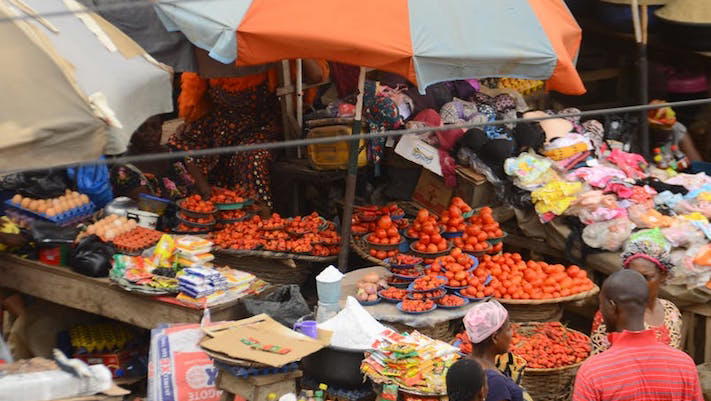
Food adulteration has become one of the gravest threats confronting Nigeria’s informal food sector. It is steadily eroding public confidence in the nation’s food supply, exposing millions of consumers to avoidable health hazards and undermining efforts to build a safe, secure and sustainable food system. Food nourishes and sustains life. When it instead becomes a vehicle for disease and death, reportedly contributing to about 200,000 foodborne illness-related deaths annually, it demands decisive action. Driven largely by the pursuit of quick profits, some traders, processors and food vendors deliberately compromise food quality through adulteration and unsafe processing methods.
Palm oil is enhanced with industrial dyes to deepen its colour. Bananas, mangoes and plantains are artificially ripened with calcium carbide, a hazardous industrial chemical. Grains are preserved with toxic pesticides and chemicals unfit for human consumption. Honey is diluted with sugar syrup, expired food products are repackaged and resold, while reports persist of paracetamol being used to soften meat and industrial detergents employed in cassava fermentation. Such practices amount to a direct assault on public health. The consequences are severe. Regular consumption of adulterated food has been associated with kidney and liver damage, cardiovascular diseases, cancers, neurological disorders and other chronic illnesses. Beyond the tragic human toll, food adulteration weakens confidence in Nigeria’s food system, increases healthcare costs, reduces productivity and discourages investment in the nation’s agricultural and food processing industries.
These abuses thrive because Nigeria’s food safety culture remains weak, while regulation and enforcement are weak and inadequate. The informal food sector, which supplies affordable meals to millions through open markets, roadside vendors and neighbourhood retailers, remains completely outside effective regulatory oversight. Many food handlers have received no formal training in hygiene or food safety, while routine inspections are infrequent and sanctions often insufficient to deter offenders. Although economic hardship, inflation and declining purchasing power have worsened the problem, no economic circumstance can justify endangering human lives for profit. The efforts of the National Agency for Food and Drug Administration and Control (NAFDAC) and the Federal Competition and Consumer Protection Commission (FCCPC) to intensify surveillance and enforcement are noted. But raids and prosecutions alone cannot eliminate a problem rooted in ignorance, weak ethics and poor regulation.
Building a robust food safety culture is a shared national responsibility. The National Orientation Agency (NOA) should sustain nationwide awareness campaigns to educate traders on ethical food handling while empowering consumers to identify common forms of adulteration. Food safety certification must be mandatory for food handlers, processors and street vendors. Market associations must establish effective self-regulatory mechanisms to identify and expel offenders, while the courts should impose swift and exemplary penalties that deter others. Food purchased from any market, restaurant or roadside vendor must be safe. Protecting the integrity of the nation’s food supply demands urgent and unwavering commitment.
| # | Наименование новости | Тональность | Информативность | Дата публикации |
|---|---|---|---|---|
| 1 | Illegal refuse-dumping menace in Lagos | 0 | 9.04 | 24-07-2026 |
| 2 | Rebuilding our primary healthcare system | 0 | 5.38 | 06-08-2026 |
| 3 | Taking decisive action against open defecation | 0 | 5.72 | 13-08-2026 |
| 4 | Experts seek reforms to unlock poultry industry’s potential | 0 | 5.31 | 20-08-2026 |
| 5 | CBN’s retreat from industry funding intervention | 0 | 5.87 | 27-07-2026 |
| 6 | Growing menace of infrastructure vandalism | 0 | 5.94 | 17-08-2026 |
| 7 | Tackling frequent building collapses | 0 | 12.71 | 11-08-2026 |
| 8 | When will Nigeria’s IDP camps finally close? | 0 | 6.56 | 14-08-2026 |
| 9 | NACCIMA’s deal with China signals new dawn | 0 | 6.16 | 28-07-2026 |
| 10 | Football is not for sale | 0 | 6.79 | 10-08-2026 |