Просмотр новости
Найдите то, что Вас интересует
 Спутники
 РН
РН SpaceX
 Роскосмос
 NASA
NASA
СпутникиРНSpaceXРоскосмосNASAValve's Steam Machine is reportedly selling up to 15,000 units per week, defying initial skepticism regarding its premium pricing and market viability.
The post Steam Machine Sales Estimated at up to 15,000 Units Per Week, Valve Could Sell Up to 750,000 in One Year appeared first on ThinkComputers.org.
Valve’s latest Steam Machine, despite facing significant criticism regarding its premium price point, is reportedly seeing steady market traction. Recent industry analysis suggests the device is moving between 12,000 and 15,000 units weekly, positioning it as a successful niche product within the broader PC gaming hardware landscape.
Key takeawaysBecause Valve does not publicly disclose official sales figures, analysts have turned to the Steam Global Top Sellers list to estimate performance. Since this chart ranks products based on gross revenue rather than unit volume, researchers were able to derive a bounding box for the Steam Machine. By comparing its position against high-earning titles like Counter-Strike 2 and Palworld, analysts determined that the device generates between $10 million and $18 million in revenue each week.
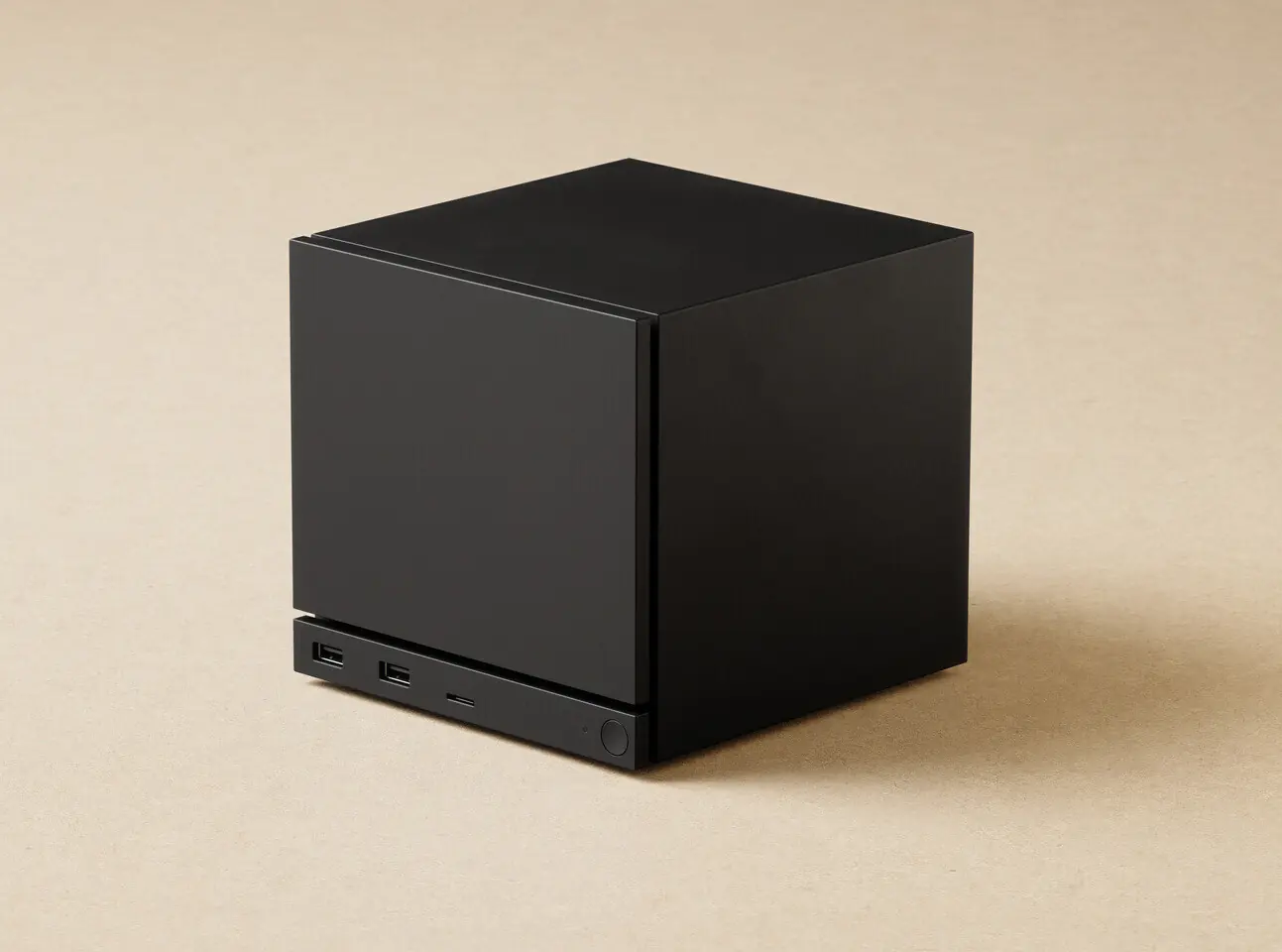
Given that the average purchase price per unit is approximately $1,154—based on a split of 65% for the base model and 35% for the higher-tier configuration—the math points to a consistent weekly movement of over 12,000 units. While these figures are estimates, they provide a concrete look at the device’s performance since its late June launch.
Market reception and future outlookThe Steam Machine was initially met with skepticism due to its four-figure price tag and hardware that some critics deemed uncompetitive for the cost. However, the current sales volume suggests that a significant demographic values the ease of use and the integrated SteamOS experience over the potential performance gains of building a custom PC.
While these numbers are impressive for a niche device, experts caution that the market may see a cooling-off period. It is common for new hardware to experience a surge in demand from early adopters followed by a 20% to 30% decline. Furthermore, the long-term success of the platform will likely depend on whether Valve can maintain this momentum as competition increases and the novelty of the initial launch fades. Regardless of the hardware’s ultimate lifespan, the underlying SteamOS software continues to gain visibility as a viable alternative for PC gamers looking to bypass traditional Windows-based ecosystems.
Via Boilingsteam
Read more