Просмотр новости
Найдите то, что Вас интересует
 Спутники
 РН
РН SpaceX
 Роскосмос
 NASA
NASA
СпутникиРНSpaceXРоскосмосNASAIs your perfectly good computer about to become obsolete? Discover the controversial software requirement that just turned 400 million PCs into trash.
Rainer Puster/Getty Images
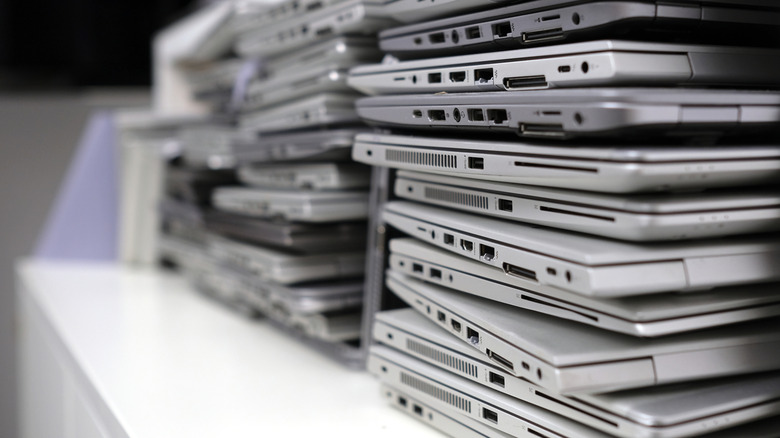
At a time when e-waste generation is increasing by the year, making it one of the major solid waste streams, a decision by the world's leading tech company, Microsoft, has left close to 400 million PCs without active security support.
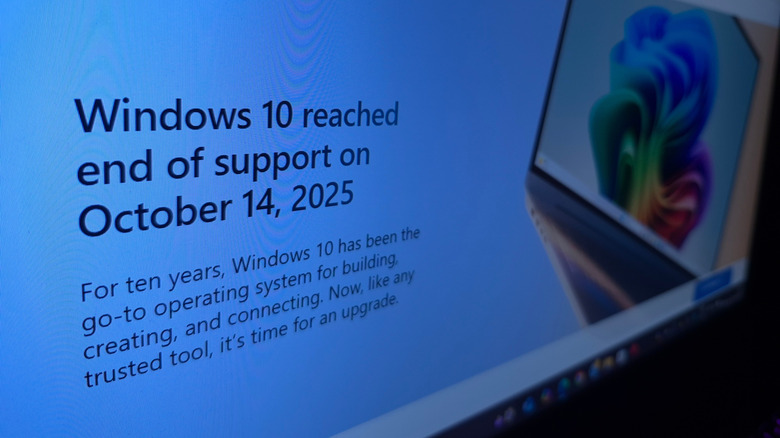
When Microsoft released Windows 11 back in 2021, many found out that their PCs were ineligible for the upgrade. For the next four years, that wasn't much of a problem as the iteration preceding it, Windows 10, was still supported and continued receiving feature and security updates. However, that changed on October 14, 2025, when Microsoft dropped support for Windows 10. That meant PCs that still work fine would no longer receive critical updates on regular Windows 10 installations, leaving them unsupported. On the bright side, Microsoft is offering Extended Security Updates (ESU) that will last until October 12, 2027, and eligible users can get Windows 10 ESU for free.
This has raised concerns among both everyday Windows users and environmentalists. Many users expressed frustration that they might eventually have to replace their otherwise perfectly good PCs. Environmentalists, on the other hand, are worried about the e-waste generation, with PIRG's Electronic Waste Graveyard pegging the number of affected PCs at 400 million.
Nwz/Shutterstock
The biggest reason so many PCs are ineligible to officially upgrade to Windows 11 stems from TPM 2.0, Secure Boot, and processor requirements. Microsoft has made it mandatory for all Windows 11 PCs to feature TPM 2.0 and UEFI Secure Boot, which, as the name suggests, improve system security. Also, Windows 11 only supports relatively newer processors, leaving out many that were perfectly capable of running Windows 10. These key factors have left around 400 million PCs ineligible for the upgrade, according to the PIRG report. The report suggests that this could generate 1.6 billion pounds of e-waste.
Microsoft, on its part, states that these system requirements are designed to improve performance, security, compatibility, and reliability. Critics argue that such policies leave users with fewer options and, at the same time, contribute to e-waste if unsupported devices are discarded. Similar concerns were also raised when Amazon dropped support for several Kindle models in May 2026.
Of course, not every ineligible PC will end up in a landfill. Some users will go with Windows alternatives, others might take the unofficial upgrade route, a few may keep running Windows 10, and many will exchange their computers for newer models, recycle them, or smartly repurpose their laptops. We can't ignore the fact that there are PCs still running Windows XP, which has been unsupported for over a decade, and Windows 7, which has been out of support for about six years. That said, PCs running unsupported versions of Windows are certainly less secure and at a higher risk of threats.
Maks_Nova/Shutterstock
If you are running Windows 10 on a PC that's ineligible for the upgrade, all hope is not lost. You still have a few options. The most feasible solution is to enroll in Windows 10's Extended Security Updates, which will extend until October 2027. For eligible users, it's free, while others will have to pay $30 for the ESU. You can also switch to Windows 10 IoT Enterprise LTSC, which is supported until January 2032. Apart from that, there are alternative operating systems. Linux, for instance, has emerged from a niche OS into a widely appreciated and adopted operating system. The best part is that Linux, unlike Windows, is open source, and there are several distributions to choose from, some of which look a lot like Windows.
Google has been pushing for ChromeOS Flex, a lightweight operating system suitable for computers that don't meet Windows 11's system requirements. If this seems like a viable option, don't forget to check Google's list of certified models for ChromeOS Flex to avoid running into compatibility issues.
Lastly, you can keep running Windows 10. That's not the best option, but if everything else feels like a stretch, it's worth considering. Of course, the PC will work, but without security updates, it will become less secure over time, and you will have to take additional measures to mitigate the risks. Besides, this, too, is not a long-term solution since app developers may not necessarily prioritize Windows 10 and may ultimately drop support for the iteration altogether.
| # | Наименование новости | Тональность | Информативность | Дата публикации |
|---|---|---|---|---|
| 1 | Пользователей заставили уйти с Windows 10 | 0 | 26.67 | 14-08-2026 |
| 2 | Apple Could Give “Obsolete” iPads New Life with This One Weird Trick | 0 | 10.91 | 06-08-2026 |
| 3 | Популярные мифы о сборке компьютера опровергли | 0 | 10 | 31-07-2026 |
| 4 | Apple says goodbye to the iPhone X, and I'll dearly miss it | 0 | 5.17 | 14-08-2026 |
| 5 | From blooms to bytes: Will Kenya’s data center boom repeat the ‘Greenhouse Effect’? | 0 | 8.05 | 08-05-2026 |
| 6 | Your Platform Was Built For A Different Era, And AI Just Exposed It | 0 | 10 | 06-08-2026 |
| 7 | Sparky Linux just restored 32-bit support - why that still matters | 0 | 7.84 | 12-08-2026 |
| 8 | How 'super' enzymes can transform recycling | 0 | 8.1 | 22-07-2026 |
| 9 | The Trump Administration Has Mostly Dismantled the Ed. Dept. Should You Care? (Opinion) | 0 | 5 | 16-03-2026 |